In 1971, a single afternoon of American radio could jump from a former Beatle to a Motown ballad to a song about a bullfrog. That mix was not an accident.
The Beatles had split in 1970, and their members were now racing up the charts on their own. Singer-songwriters were selling millions of albums, soul music was showing up in movie theaters, and teen idols were filling magazine covers.
Most people still bought music on 45 rpm singles that cost under a dollar, and the Billboard Hot 100 was the scoreboard everyone watched. A song that reached No. 1 was heard in cars, kitchens, and school hallways across the country.
Some of those hits are still played every day on classic radio. Others have quietly slipped out of memory, even though they once ruled the charts for weeks.
The list below covers 15 songs that topped the Hot 100 during 1971, including a few that started climbing late in 1970. You will learn who wrote them, how long they stayed on top, and the odd stories behind their success.
Keep score as you go. You might be surprised by how many choruses you can still sing, and by how many you forgot you ever knew.
1. My Sweet Lord by George Harrison
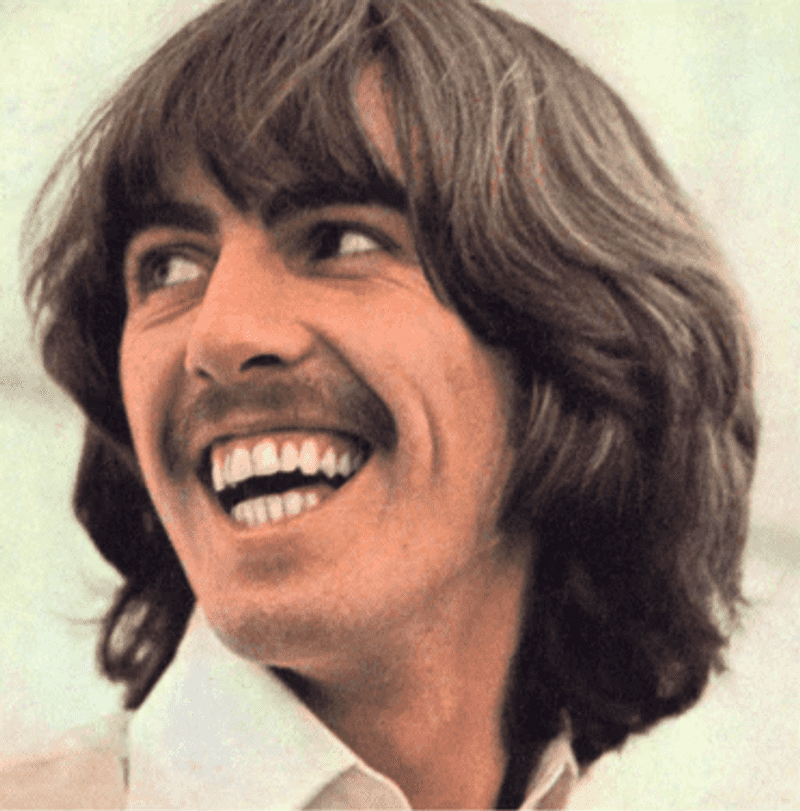
The quiet Beatle turned out to be the first one to land a solo No. 1 single in America. George Harrison reached the top of the Billboard Hot 100 on December 26, 1970, and stayed there for four weeks into January 1971.
The song came from All Things Must Pass, a triple album packed with material Harrison had saved up during his Beatles years. Many of those songs had been passed over by the band.
Fans soon learned just how much he had been holding back.
Harrison mixed the Christian word hallelujah with the Hindu chant Hare Krishna in the backing vocals. That blend was unusual for pop radio.
His slide guitar became a signature of his solo work for the rest of his career.
There is a famous legal twist. A court later ruled that the melody was too close to He’s So Fine, a 1963 hit by the Chiffons.
The judge decided Harrison had copied it without meaning to.
Even with that dispute, the song sold millions of copies worldwide. It also topped the chart in the United Kingdom.
Quick tip for trivia night: it was the first solo No. 1 by any former Beatle in either country.
2. Knock Three Times by Dawn
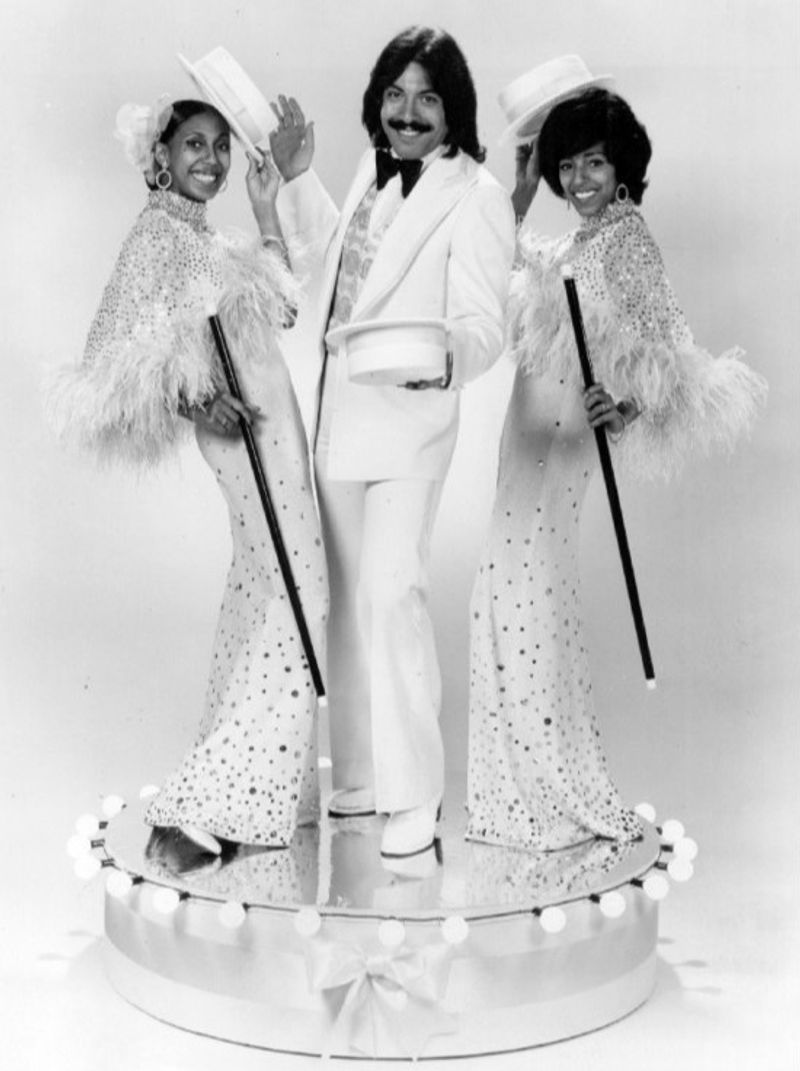
Apartment living has never sounded so cheerful. The whole plot of this song is a man asking his downstairs neighbor to answer him by tapping on the ceiling or the pipes.
Dawn, led by singer Tony Orlando, took Knock Three Times to No. 1 on January 23, 1971. It stayed on top for three weeks.
Here is a fun detail. When the group recorded its first hits, Orlando had a regular job in the music publishing business.
He was not even sure he wanted to be a touring star. The backup singers on early records were studio voices, and Telma Hopkins and Joyce Vincent Wilson joined later.
The song was written by Irwin Levine and L. Russell Brown.
The same pair later wrote Tie a Yellow Ribbon Round the Ole Oak Tree, another huge hit for the group in 1973.
Part of its charm was how easy it was to act out. Kids and adults alike knocked along on tables and walls whenever it played.
By 1974, the act had its own TV variety show, Tony Orlando and Dawn. If you hear the chorus today, try not tapping your knuckles.
It is harder than it looks.
3. Me and Bobby McGee by Janis Joplin
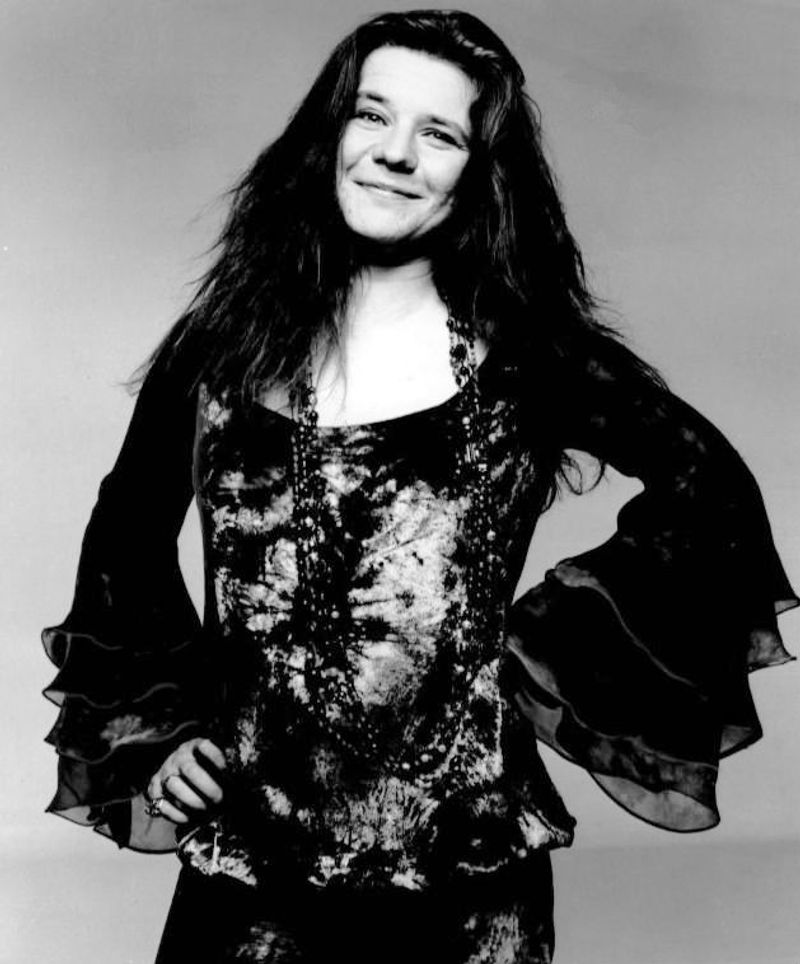
Few singers have ever taken a country tune and turned it into a rock anthem quite this smoothly. Janis Joplin did it with Me and Bobby McGee.
The song reached No. 1 on March 20, 1971, and stayed there for two weeks. It was the only chart-topping single of her career.
Kris Kristofferson wrote the song with producer Fred Foster. Foster suggested the title, inspired by a woman named Barbara McKee who worked in his building.
Roger Miller recorded it first in 1969.
Joplin and Kristofferson were friends. Her version starts softly, almost like a folk song, then builds into the powerful style she was known for.
The lyrics follow two drifters hitching rides across the country. The line about freedom being just another word for nothing left to lose became one of the most quoted lyrics of the decade.
The track appeared on Pearl, released in January 1971. That album also reached No. 1 and spent nine weeks at the top of the album chart.
Many listeners still discover her through this one song. It remains a great starting point for exploring her other recordings, from Piece of My Heart to Cry Baby.
4. Just My Imagination (Running Away with Me) by The Temptations
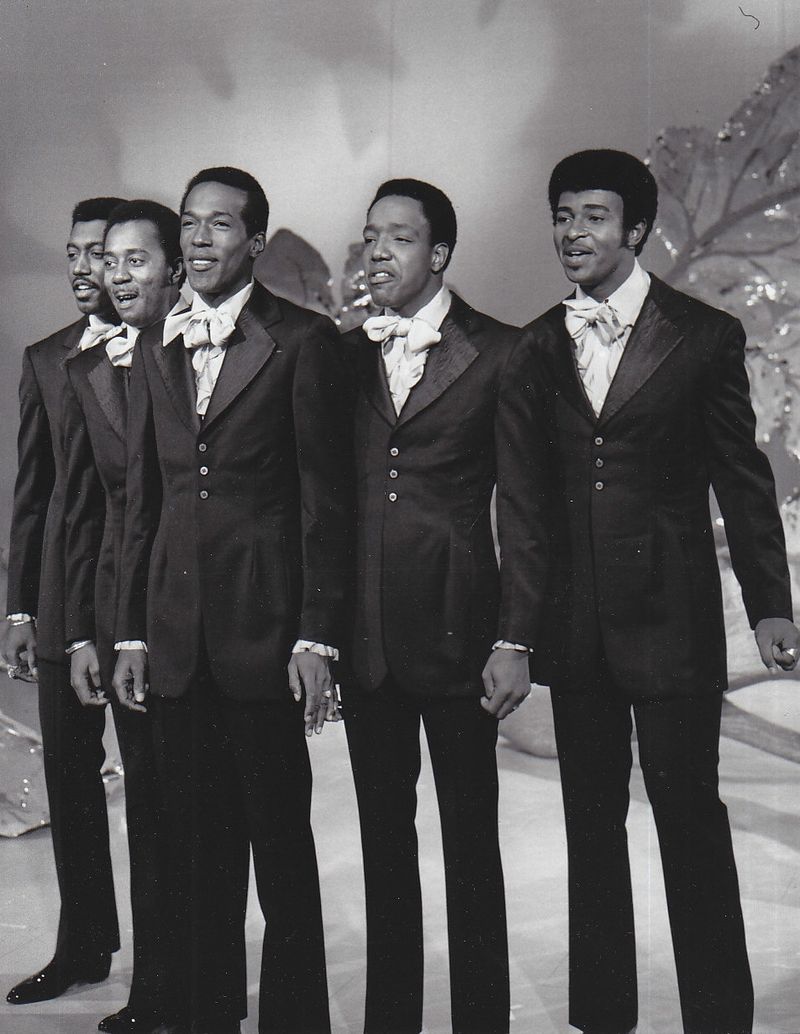
Daydreaming has rarely sounded this polished. Just My Imagination tells the story of a man picturing a whole life with a woman who does not even know he exists.
The Temptations reached No. 1 with it on April 3, 1971. It held the top position for two weeks.
Producer Norman Whitfield had spent the previous few years pushing the group toward bold, experimental songs like Ball of Confusion. This one went the other way.
It featured soft strings and a slow, relaxed tempo.
Eddie Kendricks sang lead in his famous high falsetto. Barrett Strong co-wrote the song with Whitfield.
Behind the scenes, things were changing. Kendricks was already planning to leave, and he departed for a solo career shortly after the single came out.
Paul Williams, another founding member, also left the group around the same time.
Kendricks went on to score a No. 1 hit of his own in 1973 with Keep on Truckin’.
For Motown fans, the song stands as a farewell to the classic lineup. It is also proof that a quiet ballad could still beat louder records on the charts.
5. Joy to the World by Three Dog Night
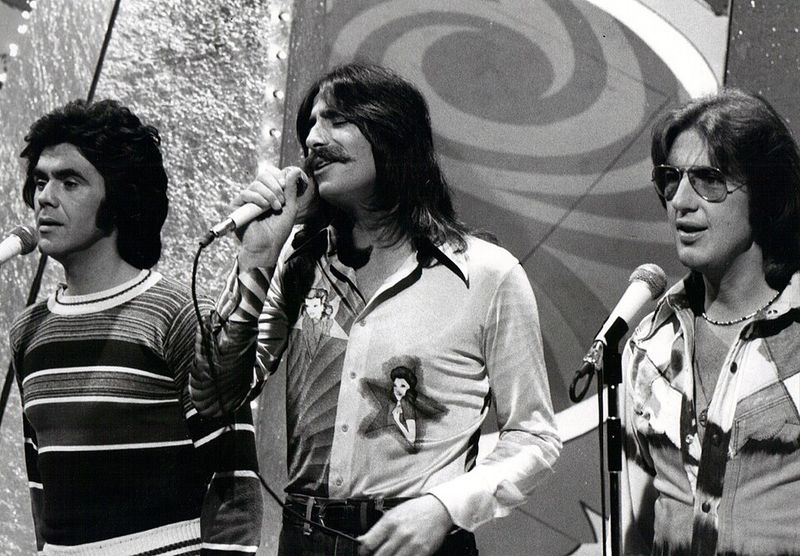
Jeremiah was a bullfrog, and somehow that one line conquered America. No other song spent more weeks at No. 1 in 1971.
Three Dog Night reached the top on April 17. The song stayed there for six weeks and later ranked as Billboard’s top single of the entire year.
Hoyt Axton wrote it. According to the popular story, the bullfrog lyrics were placeholder words that he never replaced.
Axton’s mother, Mae Boren Axton, had co-written Heartbreak Hotel for Elvis Presley.
The band was unusual for its time. It had three lead singers: Danny Hutton, Cory Wells, and Chuck Negron.
Negron took the lead on this track.
Three Dog Night rarely wrote its own hits. Instead, the group had a sharp ear for songs by outside writers, including Harry Nilsson and Randy Newman.
The song should not be mixed up with the Christmas hymn of the same name. Plenty of listeners have done exactly that.
It still shows up at school events, sports games, and cartoon soundtracks. Ask someone born after 1990 to finish the opening line.
Odds are good they will know it.
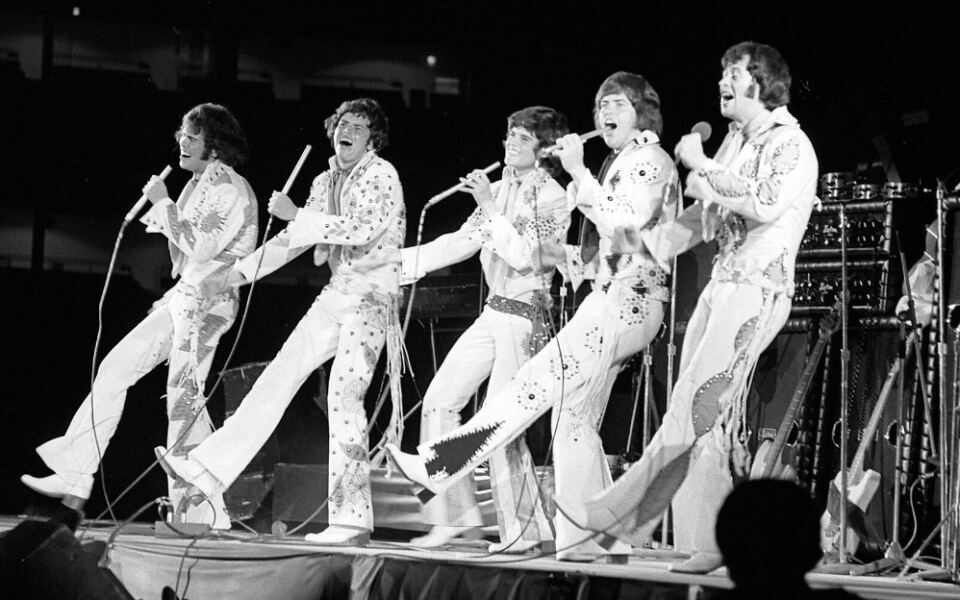
6. One Bad Apple by The Osmonds
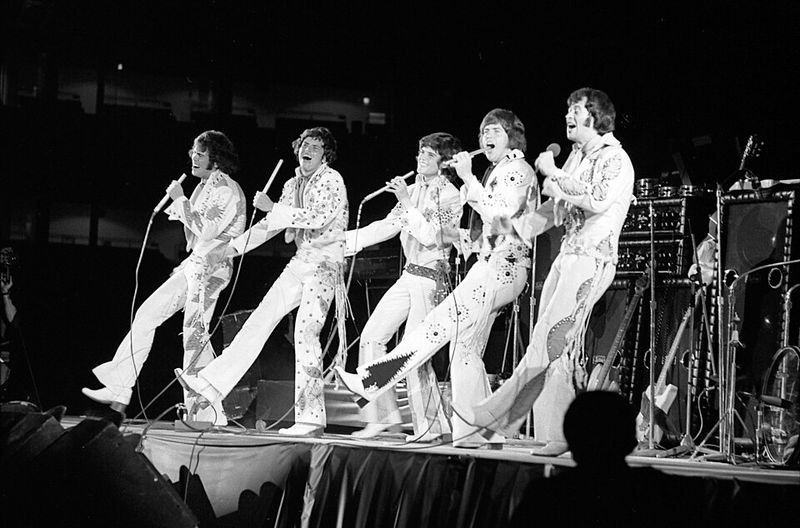
A family that once sang barbershop songs on The Andy Williams Show suddenly sounded like a soul group. That surprise is what made One Bad Apple such a big deal.
The Osmonds hit No. 1 on February 13, 1971. The song held the top spot for five straight weeks.
Songwriter George Jackson had actually written it with the Jackson 5 in mind. When that plan did not work out, the Osmonds recorded it at the famous FAME Studios in Muscle Shoals, Alabama.
Local session players gave the track its bouncy rhythm.
Thirteen-year-old Donny Osmond sang lead. His voice was so close to Michael Jackson’s style that some listeners assumed they were hearing the other famous family band.
The comparison did not hurt sales. The brothers became teen magazine regulars almost overnight, and fan clubs popped up across the country.
The group came from Ogden, Utah, and had been performing since the early 1960s. One Bad Apple proved they could move beyond variety TV and compete on pop radio.
Fun fact: the Osmonds and the Jackson 5 were often seen as chart rivals, yet both acts later spoke warmly about each other.
7. Brown Sugar by The Rolling Stones
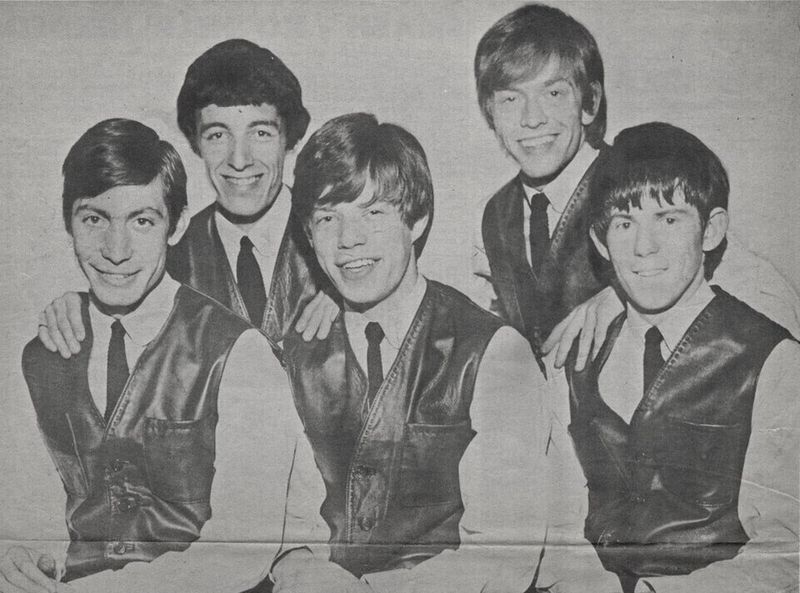
A real zipper on an album cover was enough to get people talking in 1971. The single from that album gave them even more to discuss.
Brown Sugar reached No. 1 on May 29, 1971, and stayed there for two weeks. It was the opening track on Sticky Fingers.
Andy Warhol came up with the cover idea, which showed a pair of jeans with a working zipper. The album was also the first release on the band’s own label, Rolling Stones Records.
That label introduced the famous tongue and lips logo.
Much of the track was recorded in December 1969 at Muscle Shoals Sound Studio in Alabama. Mick Jagger wrote most of the lyrics, and Keith Richards’ guitar riff drove the song.
The lyrics touch on slavery and other harsh subjects. Over the decades, many critics have questioned them.
In 2021, the band chose to remove the song from its tour setlists.
Musically, it stood apart from the soft rock filling radio that year. It was loud, quick, and built around a single riff.
For rock historians, it marks the start of a strong run that included Exile on Main St. in 1972.
8. It’s Too Late by Carole King
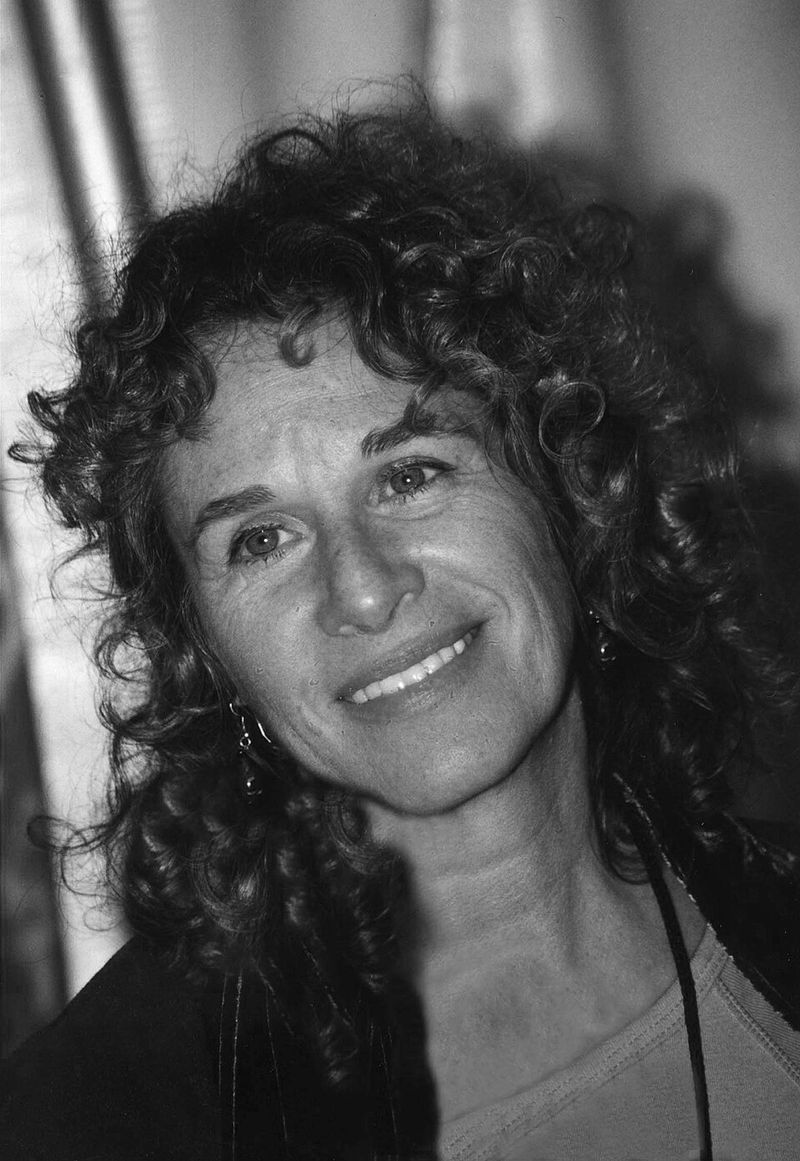
Carole King had already written hits for other singers for more than a decade. In 1971, she finally became the star herself.
It’s Too Late reached No. 1 on June 19, 1971. It held that spot for five weeks.
King wrote the music, and her friend Toni Stern wrote the words. The lyrics describe a breakup without any villain.
Two people simply realize the relationship is over.
That calm, honest approach felt fresh. Most breakup songs of the time were either angry or heartbroken.
The song came from Tapestry, one of the best-selling albums of the 1970s. Tapestry spent 15 weeks at No. 1 on the album chart and stayed on the chart for years.
At the 1972 Grammy Awards, King won Album of the Year, Record of the Year, and Song of the Year. She was the first woman to win the Song of the Year award, for You’ve Got a Friend.
The single was a double-sided hit. I Feel the Earth Move was on the flip side.
If you own only one album from 1971, Tapestry is a smart pick. It explains a lot about where pop music was heading.
9. How Can You Mend a Broken Heart by Bee Gees
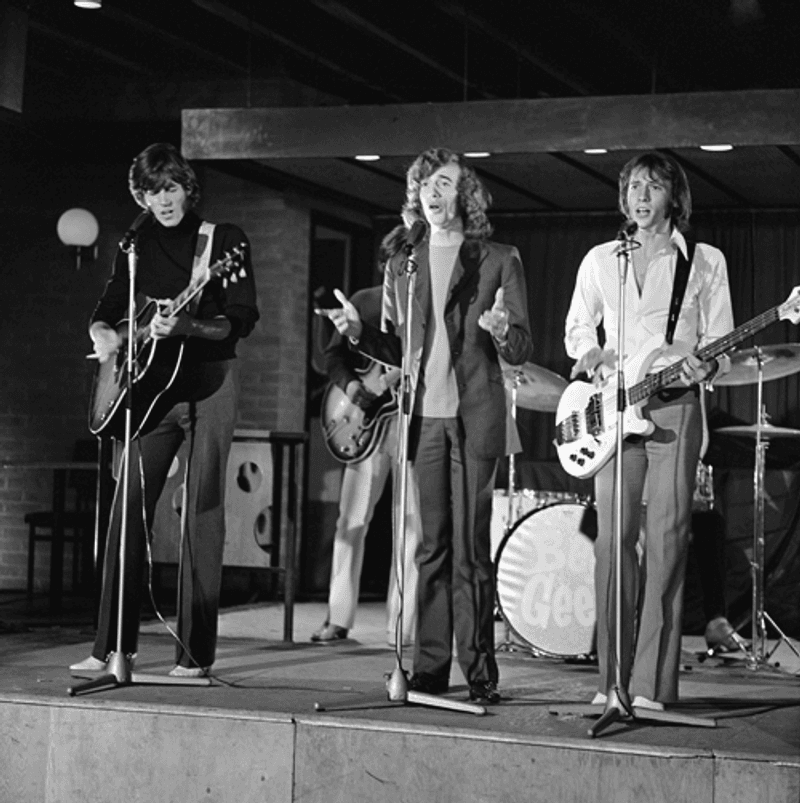
Long before white suits and dance floors, the Gibb brothers were known for sad, sweeping ballads. This one gave them their first American No. 1.
How Can You Mend a Broken Heart reached the top on August 7, 1971. It stayed there for four weeks.
Barry and Robin Gibb wrote it in a single afternoon in 1970. They originally hoped to give it to singer Andy Williams.
In the end, the brothers kept it for themselves.
The timing mattered. The group had actually split up briefly in 1969 when Robin left to work alone.
This song came out after they reunited, and its success showed they worked best together.
Barry sang the opening verses, and Robin joined in later. Their contrasting voices became a big part of the group’s sound.
Al Green recorded his own soulful version in 1972. Many younger fans know that cover first.
The Bee Gees went on to score nine No. 1 hits in the U.S. Most came during the disco years of the late 1970s.
Listen to this one back to back with Stayin’ Alive. The change is a short history lesson in itself.
10. Uncle Albert/Admiral Halsey by Paul & Linda McCartney
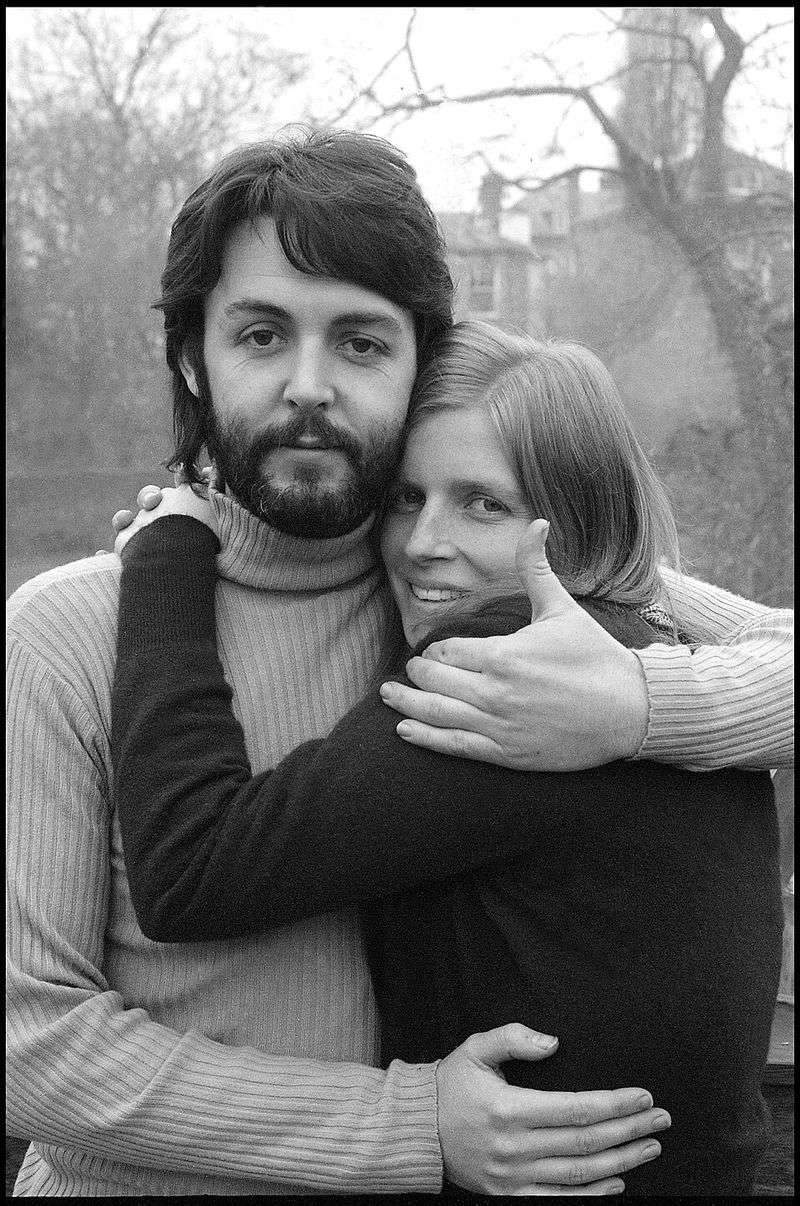
Telephone sound effects, a rainstorm, a brass band, and a fake British accent all fit into one single. Only Paul McCartney could get away with that in 1971.
Uncle Albert/Admiral Halsey reached No. 1 on September 4, 1971. It stayed for one week.
The track is really several short song pieces stitched together. McCartney had used that same trick on the medley at the end of Abbey Road.
He said the Uncle Albert character was inspired by a real uncle. Admiral Halsey was named after William Halsey, a U.S.
Navy commander.
The song came from Ram, an album credited to Paul and Linda McCartney. Much of it was recorded in New York with local session players.
Critics were not kind to Ram at first. Some reviews in 1971 called it lightweight.
Today, many music writers rank it among his best solo albums.
Here is a useful bit of trivia. It was McCartney’s first No. 1 single in America after the Beatles.
Interestingly, it was never released as a single in the United Kingdom.
The track also won a Grammy for its arrangement in 1972.
11. Go Away Little Girl by Donny Osmond
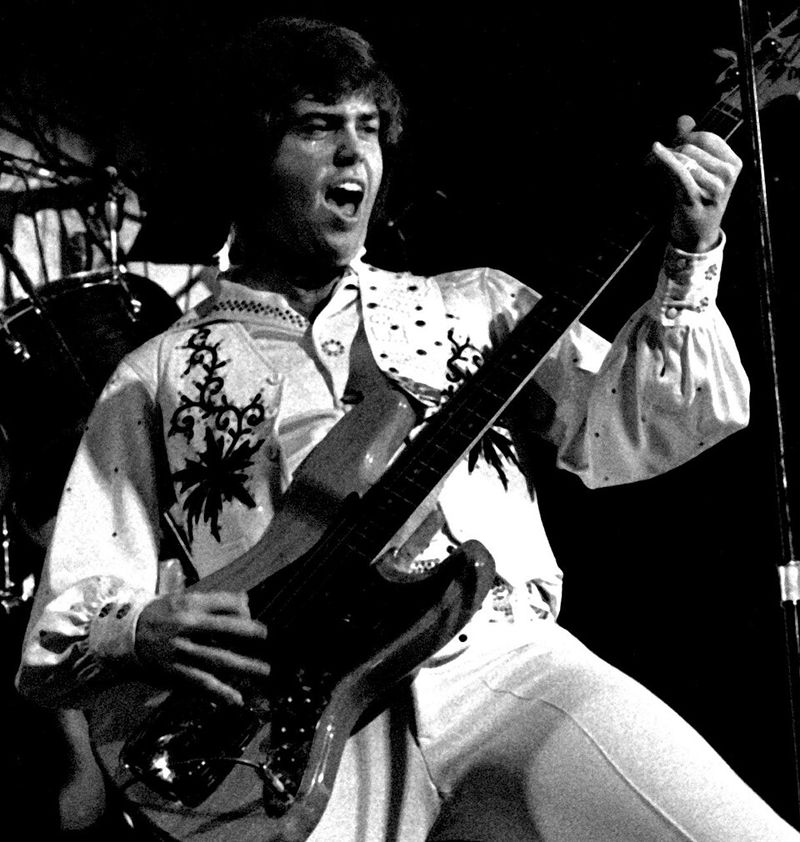
Recycled songs are nothing new, and this one hit No. 1 twice in less than a decade. Donny Osmond brought it back to the top in 1971.
His version reached No. 1 on September 11, 1971. It stayed there for three weeks.
Gerry Goffin and Carole King wrote the song. Steve Lawrence took it to No. 1 in January 1963.
That made it one of the very first songs to top the Hot 100 in versions by two different artists. Carole King also had another hit on the chart at the same time, so 1971 was a great year for her royalty checks.
Donny was just 13 years old. He was still singing with his brothers while building a solo career at the same time.
His image appeared on lunchboxes, posters, and countless magazine covers. Teen fans sent sacks of mail to the family each week.
He later hosted the Donny and Marie TV show with his sister from 1976 to 1979.
Here is a twist. Many adults found it odd for a young teen to sing lyrics written for a grown man.
Fans did not seem to mind.
12. Maggie May by Rod Stewart
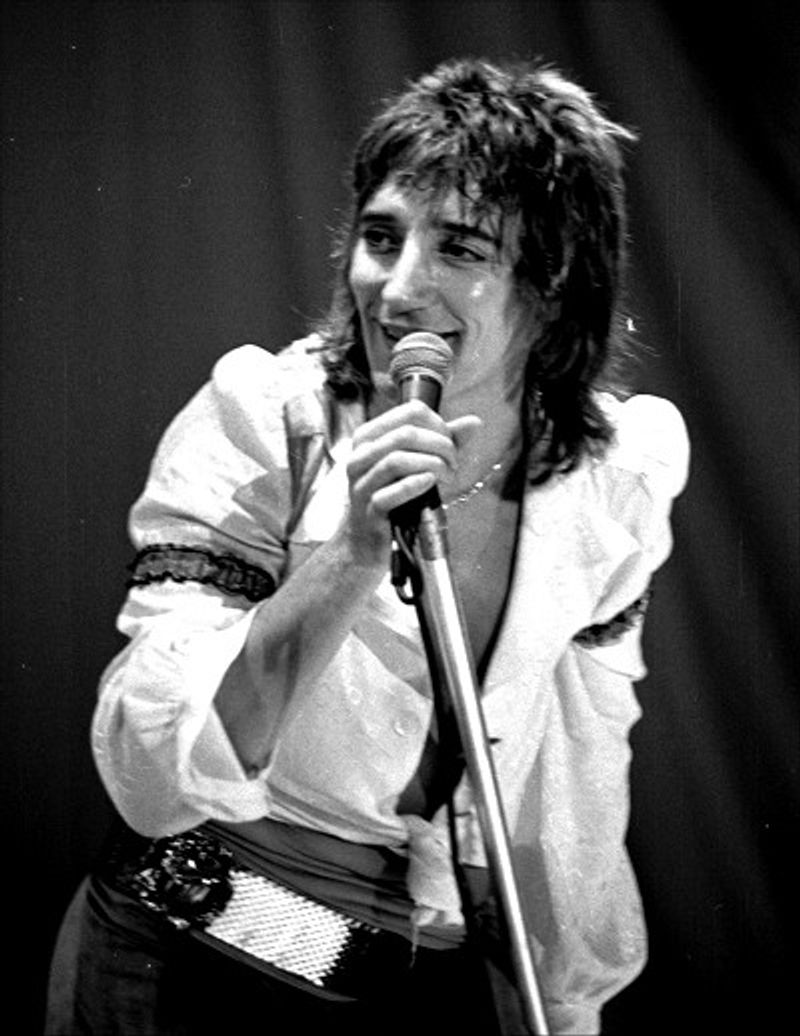
Sometimes the B-side wins. Rod Stewart’s record label originally pushed Reason to Believe as the main song, but DJs flipped the record over.
Maggie May reached No. 1 on October 2, 1971. It stayed for five weeks.
The same week, its parent album, Every Picture Tells a Story, topped the album chart. It did the same thing in the U.K. at the same time.
That double win in two countries was a rare achievement.
Stewart wrote the song with guitarist Martin Quittenton. The lyrics tell of a schoolboy and his relationship with an older woman, based loosely on Stewart’s own teenage experience.
Listen closely for the mandolin near the end. It was played by Ray Jackson of the band Lindisfarne.
He was not credited by name on the album sleeve.
Stewart was also singing with the band Faces during this period. Juggling both careers kept him extremely busy.
The song helped make him one of the biggest solo stars of the decade. Rolling Stone magazine later ranked it among the greatest songs ever recorded.
Many fans still consider it his finest moment, even after hits like Da Ya Think I’m Sexy.
13. Gypsys, Tramps & Thieves by Cher
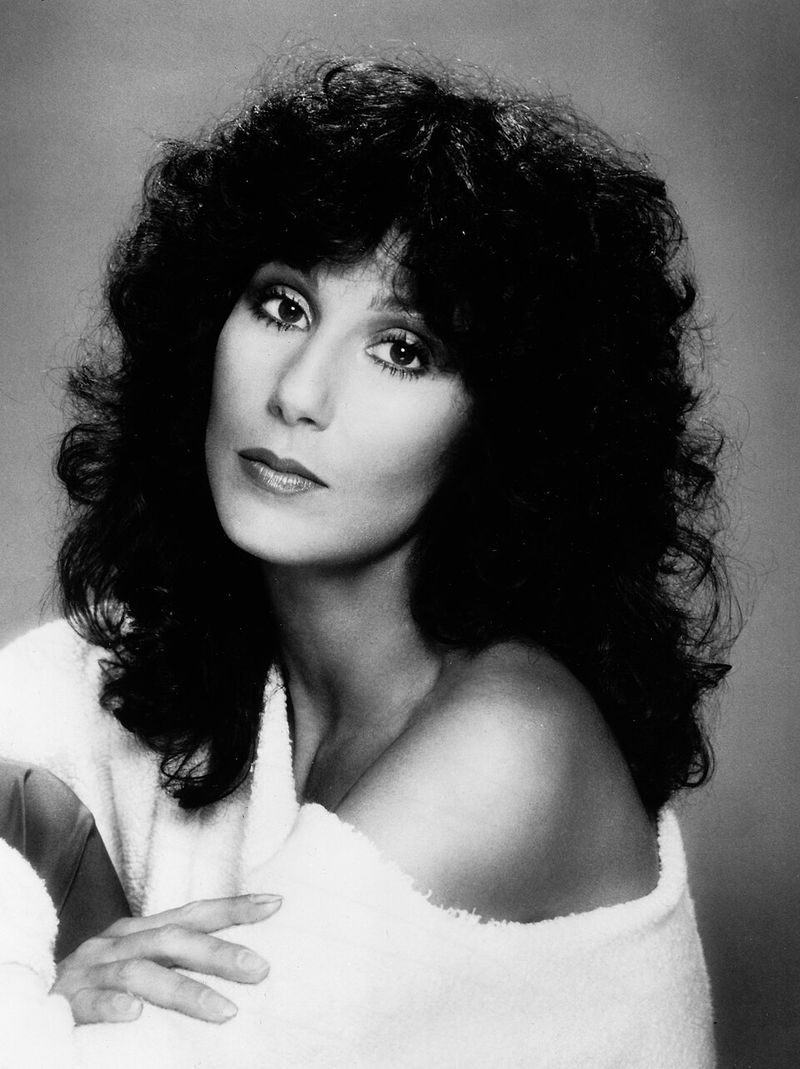
Storytelling songs were enjoying a comeback in 1971, and Cher delivered one of the most dramatic. It became her first No. 1 hit as a solo artist.
Gypsys, Tramps & Thieves reached the top on November 6, 1971. It held the spot for two weeks.
Bob Stone wrote the song. Its original title was Gypsys, Tramps and White Trash, but the label asked for a change before release.
The lyrics describe a girl raised in a traveling medicine show. She faces judgment from people in the towns her family visits.
Timing helped a lot. The Sonny and Cher Comedy Hour had premiered on CBS that summer.
Millions of viewers watched each week, and Cher often performed her songs on the show.
Producer Snuff Garrett helped shape the polished sound. He also produced her later hits Half-Breed and Dark Lady, both of which reached No. 1.
The song sold more than one million copies quickly. It also launched a long solo career that has lasted more than five decades.
Fun fact: Cher went on to score No. 1 hits in four separate decades, including Believe in 1999.
14. Theme from Shaft by Isaac Hayes
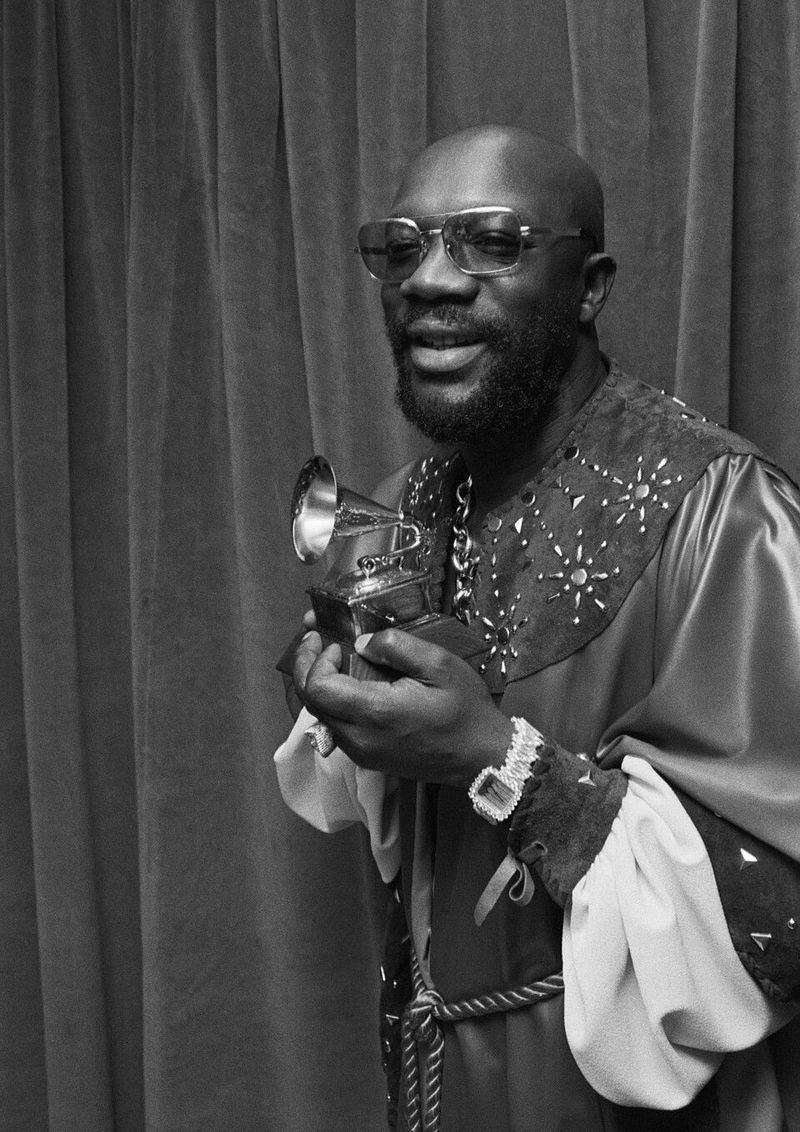
A movie theme topping the pop chart was unusual. One featuring a spoken conversation with backup singers was even rarer.
Isaac Hayes reached No. 1 with Theme from Shaft on November 20, 1971. It stayed for two weeks.
The song was written for Shaft, a detective film starring Richard Roundtree. The movie was a box office success and helped launch a wave of action films aimed at Black audiences.
Listen to the opening. Charles Pitts plays a steady wah-wah guitar line, and a busy hi-hat cymbal keeps time.
Those sounds influenced funk, disco, and even hip-hop producers for decades.
Hayes had already worked behind the scenes at Stax Records in Memphis. He co-wrote Soul Man for Sam and Dave.
In 1972, he won the Academy Award for Best Original Song. He was the first Black composer to win an Oscar in a non-acting category.
He also performed the song live at the ceremony.
The soundtrack album won Grammy Awards as well.
Later generations know Hayes as the voice of Chef on the cartoon South Park. His 1971 work remains his biggest achievement.
15. Family Affair by Sly & the Family Stone
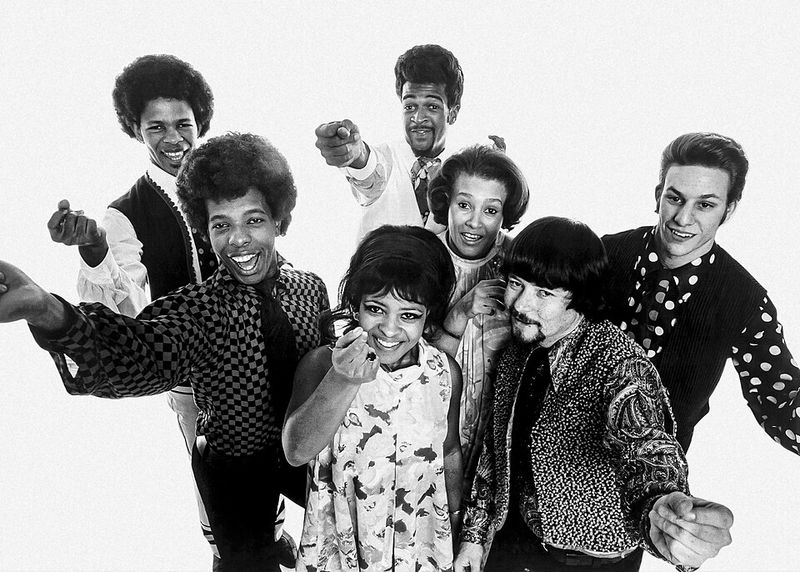
Drum machines were barely a thing in 1971, yet one of the year’s final No. 1 hits leaned on one. Family Affair closed out the year on a quiet, moody note.
Sly and the Family Stone reached the top on December 4, 1971. The song held No. 1 for three weeks.
Sly Stone used an early rhythm machine called a Maestro Rhythm King. That choice made it one of the first No. 1 hits to feature a drum machine.
The band had become famous for upbeat songs like Everyday People and Dance to the Music. Family Affair sounded very different.
It was slow and laid back.
Sly sang lead in a soft voice. His sister Rose Stone sang along, and Billy Preston played electric piano.
The lyrics look at families honestly. They admit that relatives can be close and still not get along.
The song appeared on There’s a Riot Goin’ On. That album reached No. 1 as well and is now praised by many critics.
Artists from many genres have covered or sampled the track. For a year packed with variety, it was a fitting final chapter.
Share this story