Baseball fans know a great trip can start with a single pitch. Some of the best baseball travel stops are old ballparks, museums, movie fields, and spring training towns spread across the country.
This list brings together fifteen places where fans can walk through history, watch a game, or see the sport from a new angle. A few stops are famous, and a few might surprise you.
Pick one for a long weekend or build a whole season of travel around them.
Boston, Massachusetts
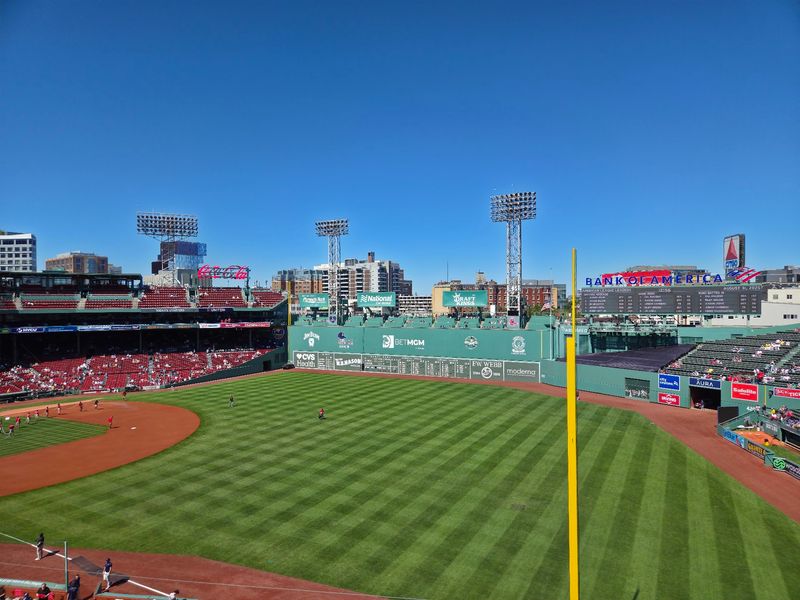
Few ballparks carry as much baseball history as Fenway Park. The longtime home of the Boston Red Sox offers guided tours all year, and they typically run about an hour.
Guides share stories about Red Sox legends while visitors take in the park itself. Famous features such as the Green Monster are part of the story, so even fans who have only seen the wall on television get a closer look.
During baseball season, the smartest plan is to build the trip around a Red Sox home game. Seeing the park on tour and then watching a game gives two very different views of the same place.
The rest of the weekend can go to Boston’s historic neighborhoods, waterfront, markets, and museums. The city is full of walkable stops, so a baseball trip here can easily double as a classic city vacation.
Winter visitors still get the tour, which keeps Boston on the table for fans who cannot travel in summer.
Chicago, Illinois
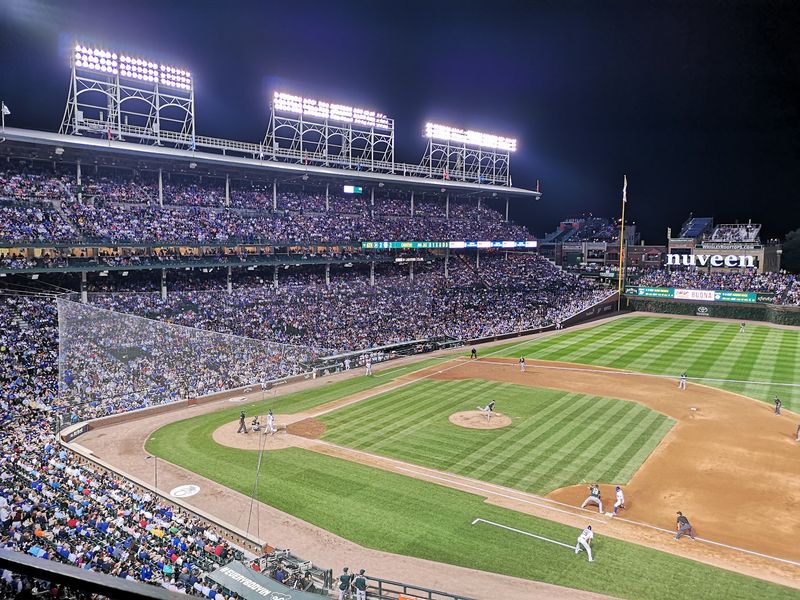
A Cubs game at Wrigley Field feels as much like a Chicago tradition as a sporting event. The ballpark is historic, and the neighborhood treats game day like a local holiday.
Fans who want more than a game can book official Wrigley Field tours, which give behind-the-scenes access to the stadium. On certain non-game-day tours, the stops may include the bleachers, press box, dugout, visitors’ clubhouse, and warning track.
Tour guests also get views of the famous ivy-covered outfield walls, one of the most recognized sights in baseball.
Leave extra time for Wrigleyville. The restaurants and shops surrounding the park make the whole area part of the experience, so arriving early is a smart move.
I would pair a game with a separate tour day if the schedule allows. That way the visit covers both the lively crowd and the quieter history of the building.
New York City, New York
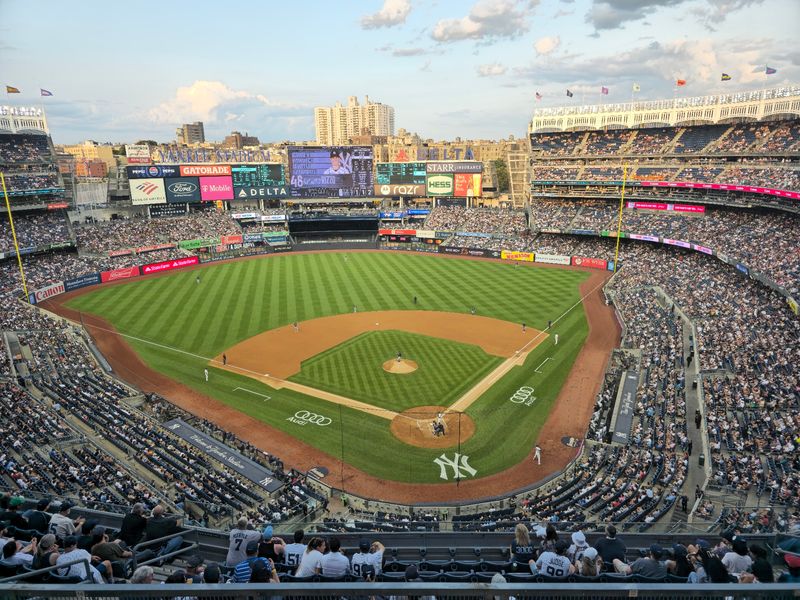
Yankee Stadium offers enough baseball history to make a Yankees game much more than a few hours in the stands. Fans with tickets can visit Monument Park, where plaques and retired numbers honor Yankees greats.
The New York Yankees Museum is another strong stop. It includes championship trophies, World Series rings, memorabilia, and exhibits dedicated to players and moments from the franchise’s past.
Official stadium tours run during both the baseball season and the offseason. That makes this a workable choice even when the Yankees are not playing at home.
Plan to arrive early on game day, since the museum and Monument Park are easier to enjoy without a rush. Seeing the displays before first pitch gives the game itself more context.
New York City also gives visitors plenty to add around the ballpark, so a baseball weekend can stretch into a full big-city trip without much effort.
Cooperstown, New York
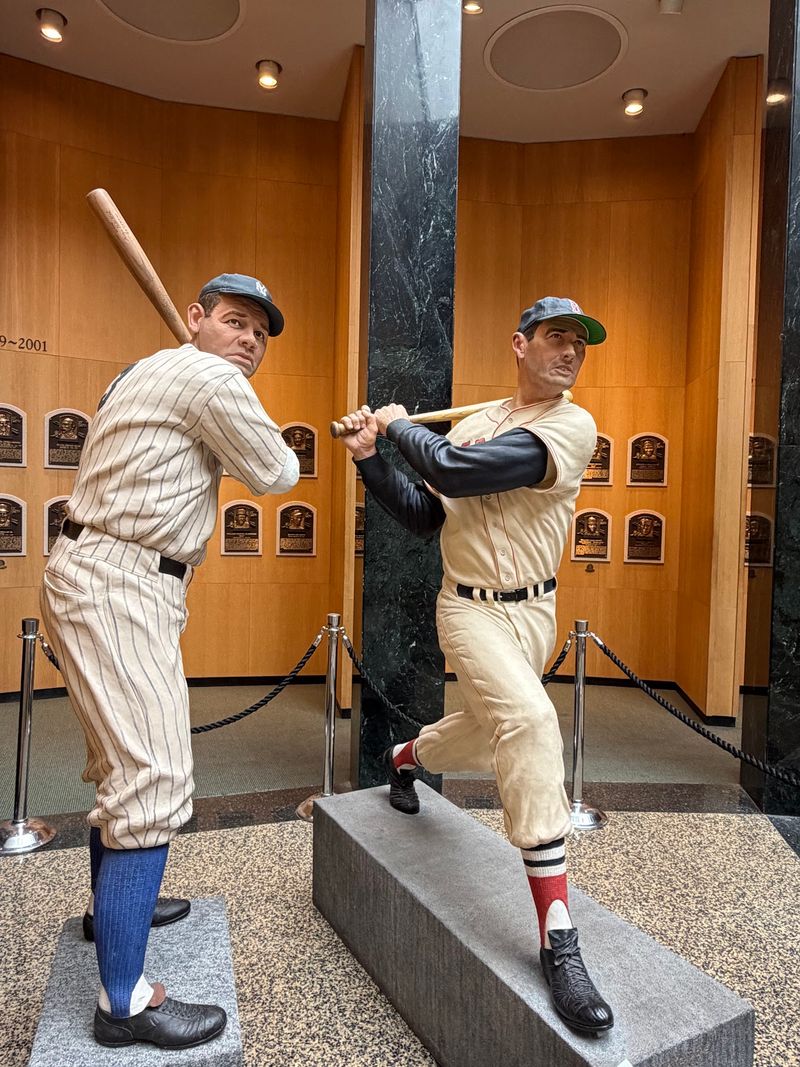
Few small towns carry as much baseball weight as Cooperstown. The National Baseball Hall of Fame and Museum is open seven days a week for most of the year, and the staff recommends allowing at least three hours for a visit.
Inside, the collections cover generations of Major League Baseball history. Fans can look at legendary players, records, uniforms, equipment, and memorable moments from the game’s long timeline.
Downtown Cooperstown is compact, so the museum is only one part of the day. Visitors can stroll the main street and see Doubleday Field, which makes it easy to turn a museum stop into a full baseball weekend.
I would plan the trip around the museum first, then leave a relaxed block of time for the ballfield and shops. That way nobody feels rushed through the exhibits, and there is still room to enjoy the town itself at an easy pace without watching the clock.
For first-time visitors, arriving early in the day gives the best chance to move through the galleries without feeling squeezed.
San Francisco, California
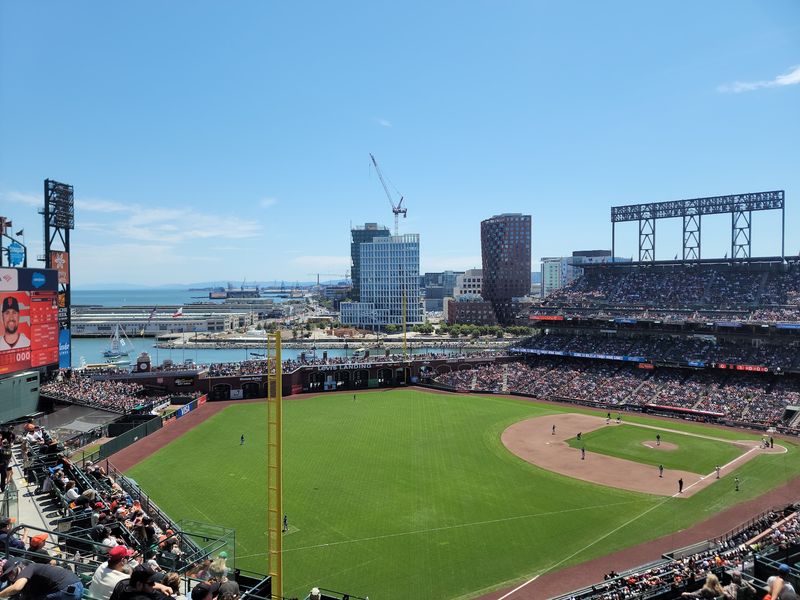
Oracle Park puts Major League Baseball in one of the most memorable settings in the sport. The San Francisco Giants’ waterfront stadium sits along San Francisco Bay, so the location is part of the draw.
Guided tours run throughout the year. Depending on the day’s activities, tour stops may include the field, dugouts, and press box.
The ballpark also works well as an add-on to a longer city vacation. It sits close to several of the city’s best-known areas, which keeps planning simple.
Pair a Giants game with visits to the Embarcadero, the Ferry Building, Chinatown, and the Golden Gate Bridge. A single trip can cover baseball, waterfront walks, and famous landmarks.
I would pick a day game if the schedule allows, since the bay setting is easier to take in with daylight. Either way, this stop gives baseball fans a strong reason to visit the city.
San Diego, California
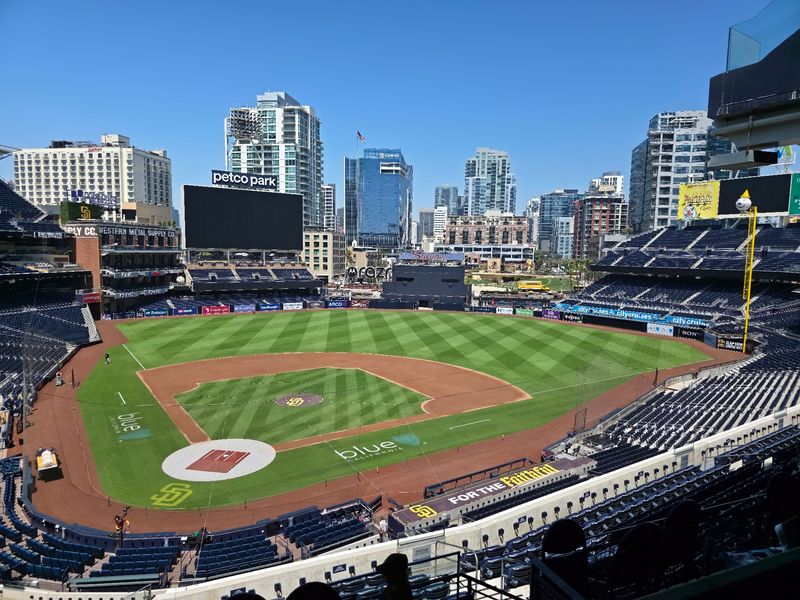
For fans who want baseball mixed with warm weather and a coastal vacation, San Diego is hard to beat. Petco Park sits right in downtown, so the ballpark is easy to reach from many parts of the city.
The Padres offer games and guided tours throughout the year. Tour formats include daily, pregame, private, educational, and VIP options, so visitors can choose the style that fits their group.
That variety helps families, school groups, and serious fans plan around different budgets and schedules.
The central location also makes it simple to combine baseball with other stops. The Gaslamp Quarter, the waterfront, beaches, and Balboa Park are all part of what San Diego offers.
A trip here can feel like two vacations at once, with a ballpark day on one side and a coastal getaway on the other. That balance is a big part of the appeal.
Seattle, Washington
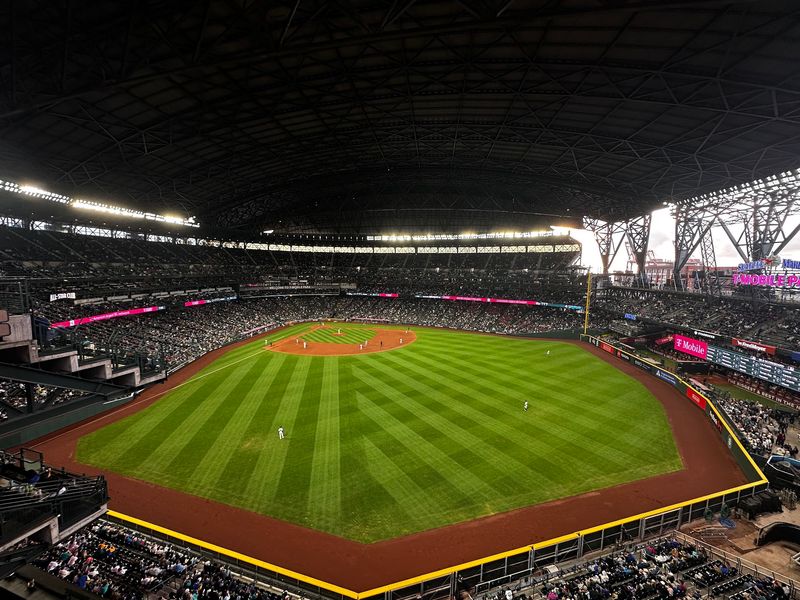
Seattle gives baseball fans a ballpark with views toward downtown and a city worth exploring. T-Mobile Park, home of the Mariners, offers guided tours that reach areas regular ticket holders do not usually see.
Depending on availability, stops can include the warning track, interview room, rooftop areas, premium spaces, and the Mariners Hall of Fame.
On select game days, pregame tours can add early ballpark access. When teams choose to hold batting practice, guests may also get a chance to watch it.
That makes the pregame option a good pick for fans who want a closer look without giving up the game itself. Checking the tour calendar ahead of time helps, since offerings can change.
A Mariners trip also fits neatly into a Pacific Northwest city break, so the ballpark can be the anchor for a longer stay.
Pittsburgh, Pennsylvania
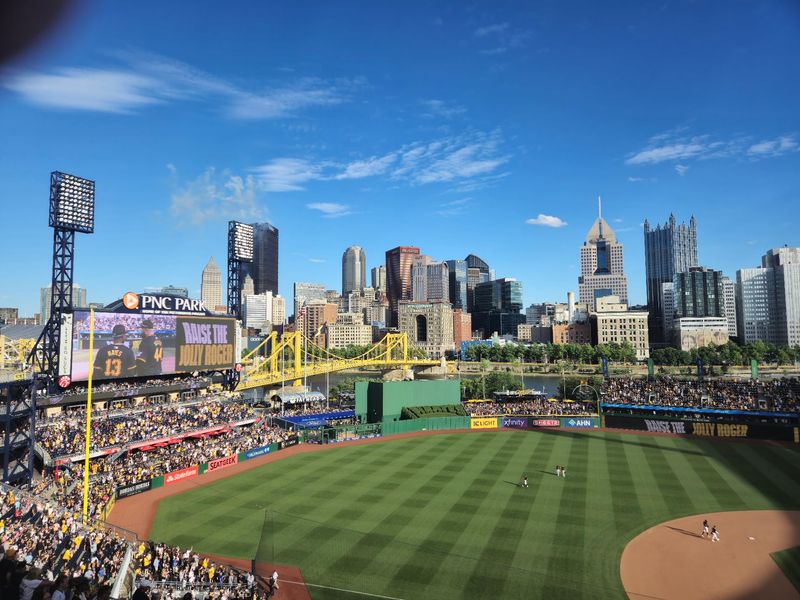
Some ballparks are chosen for the team, and PNC Park is chosen for the view. Pittsburgh is one of the easiest cities to recommend for fans who care as much about the ballpark experience as the game.
The Pirates’ stadium opened in 2001 along the Allegheny River. Its location was designed to showcase views of the riverfront and the downtown skyline.
The Pirates continue to offer PNC Park tours in addition to home games, so there are options beyond a single night at the stadium.
Before or after the game, visitors can walk along the riverfront. Crossing one of the nearby bridges into downtown Pittsburgh is another easy way to extend the evening.
I would plan to arrive early enough to take in the skyline before the game starts. It is a simple move that adds a lot to the trip.
Baltimore, Maryland
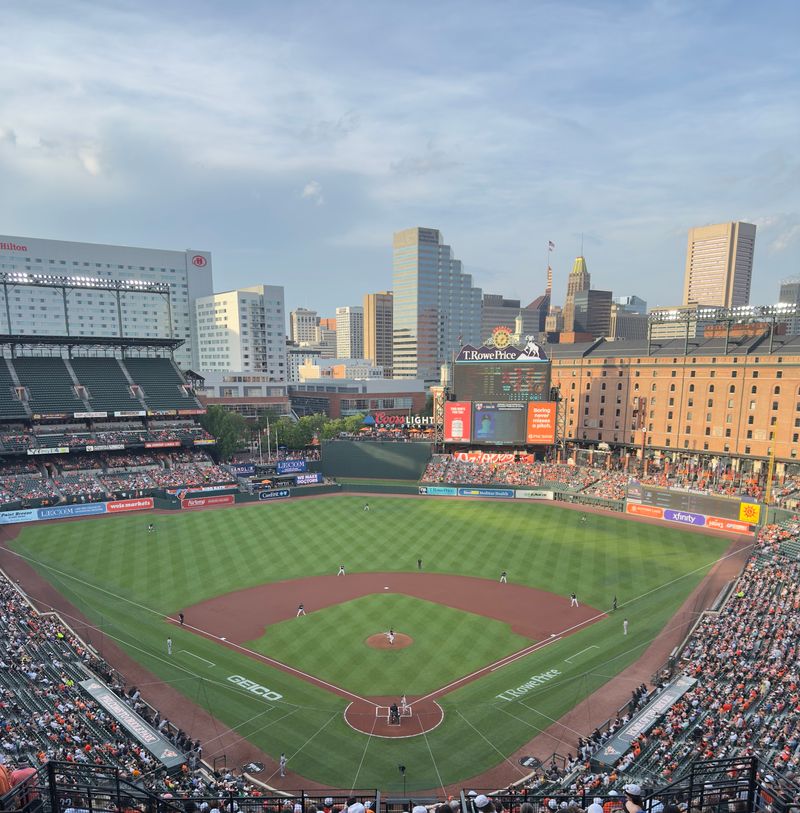
When Oriole Park at Camden Yards opened in 1992, it helped reshape the modern American ballpark. That legacy makes it a compelling stop for fans interested in stadium design and baseball history.
The Orioles completed another round of upgrades for the 2026 season. The list includes a new center-field video board, LED ribbon boards, an upgraded out-of-town scoreboard, and improvements to the sound system.
Those updates mean returning fans can see something new, while first-time visitors get a ballpark that blends older design ideas with current technology.
The downtown location also helps with trip planning. Camden Yards pairs easily with Baltimore’s Inner Harbor and other attractions during a weekend visit.
I would treat this as a good choice for fans who want a walkable city and a ballpark that still influences how new stadiums are imagined.
Kansas City, Missouri
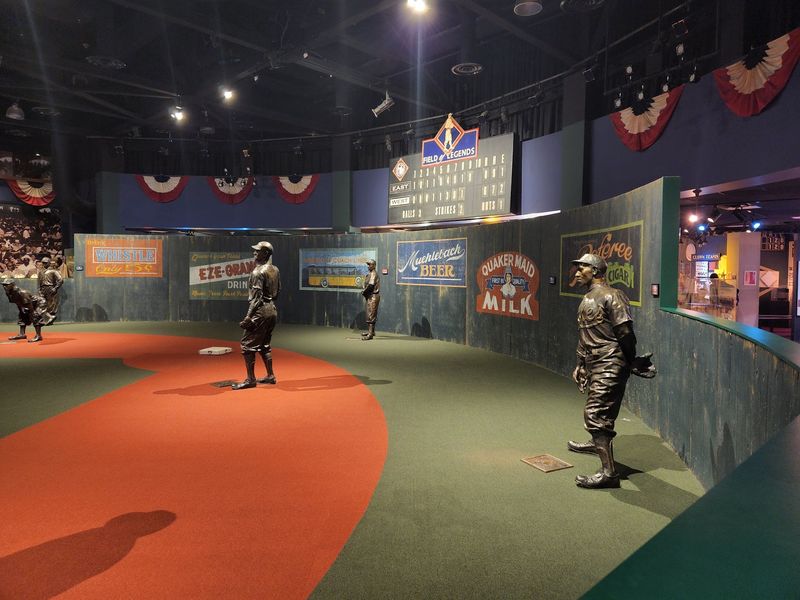
Kansas City deserves a place on a baseball fan’s travel list even before considering a Royals game. The Negro Leagues Baseball Museum is the reason.
The museum documents the history of Black baseball through photographs, artifacts, films, exhibits, and stories. It also connects the Negro Leagues with broader American history.
You will find it in Kansas City’s historic 18th and Vine district. It currently operates Tuesday through Sunday, with seasonal Monday hours during summer, so checking the schedule before traveling is smart.
Allow at least an hour for the visit. Baseball-history enthusiasts could easily spend longer reading, watching, and taking in each exhibit.
Adding a Royals game makes the trip even fuller, but the museum can stand on its own as the main event for fans who want to learn something new about the sport.
Louisville, Kentucky
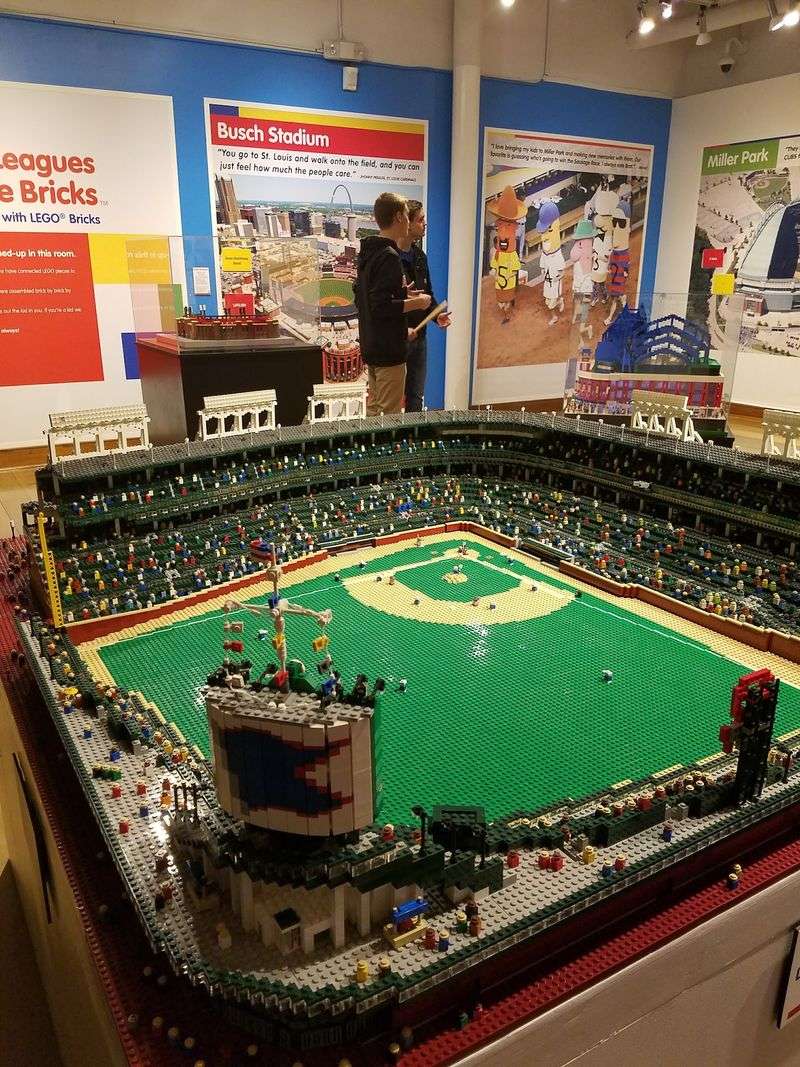
Ever wonder how a baseball bat gets made? Louisville gives fans the chance to see one of the sport’s most recognizable pieces of equipment come together.
Louisville Slugger Museum and Factory operates daily factory tours. Visitors can watch bat production and explore exhibits related to baseball and the famous Louisville Slugger brand.
Each factory-tour admission also includes a miniature souvenir bat, which is a nice keepsake for kids and adults.
The attraction recommends roughly two hours for the complete museum and factory experience. That timing makes it easy to combine with Louisville’s other museums, restaurants, and downtown attractions in a single day.
I would put this on the list for fans who like seeing how things are made. It adds a hands-on side to a baseball trip that is not about watching a game.
Dyersville, Iowa
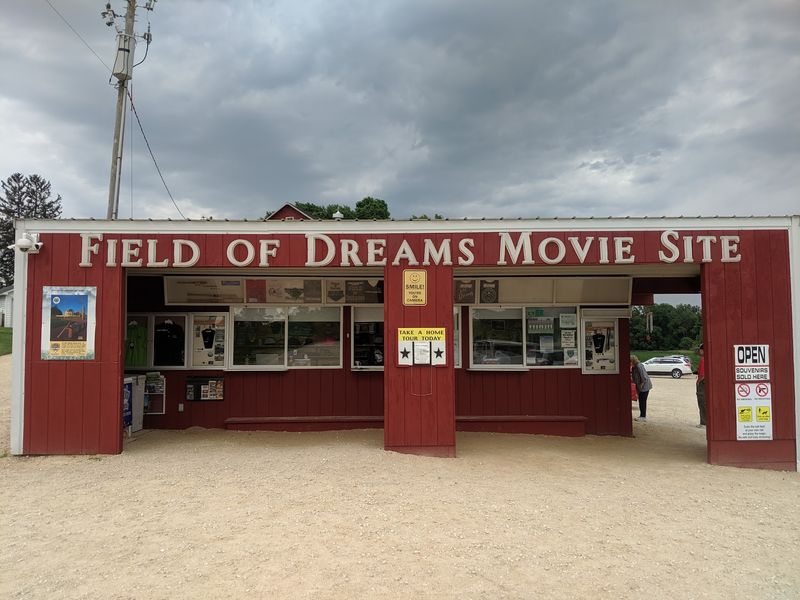
Movie fans and baseball fans meet in the middle at the Field of Dreams Movie Site in rural Iowa. The baseball field created for the 1989 film remains open to visitors.
It is open, weather permitting, from sunrise to sunset throughout the year. Visitors can walk onto the famous diamond, which is the main draw for most travelers.
Seasonal farmhouse tours and special events add more reasons to make the trip, so it helps to check the current schedule before heading out.
Fans can also visit the “If You Build It” exhibit in downtown Dyersville. It explores the making of the movie and the site’s later baseball history.
This is a road trip kind of stop, best for travelers who like open country and a short break from big stadium crowds.
Birmingham, Alabama
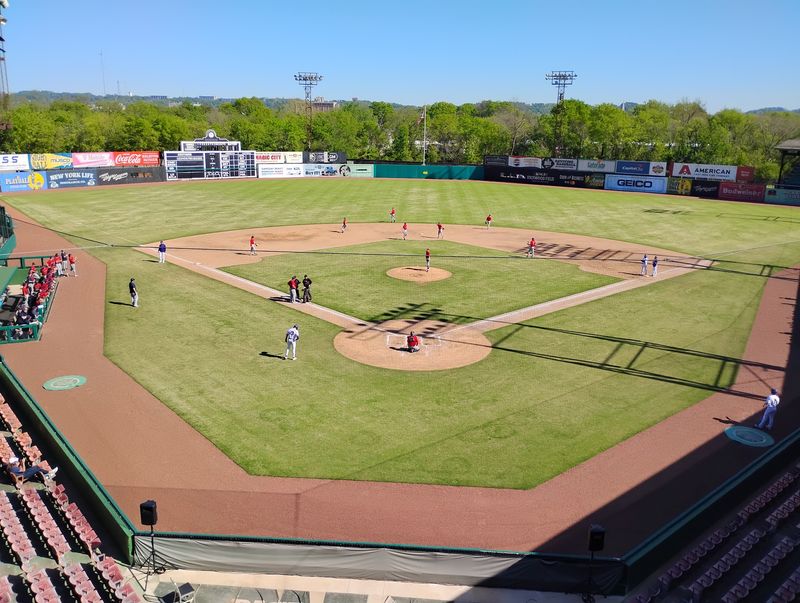
Rickwood Field offers something increasingly rare in American sports. Visitors can walk through a ballpark that predates virtually every stadium fans know today.
The historic Birmingham park remains open to the public Monday through Friday. Admission is free during regular hours, and guided tours can also be arranged.
Rickwood is closely connected with both minor league baseball and Negro Leagues history. That gives the visit a different perspective from the polished experience of a modern MLB stadium.
Fans who enjoy older architecture and baseball stories will find plenty to take in here. The setting is simple, and the history is the main attraction.
I would call ahead if a guided tour matters to the plan. Since it is open on weekdays, the visit can fit neatly into a longer Southern road trip.
Arizona Cactus League Spring Training
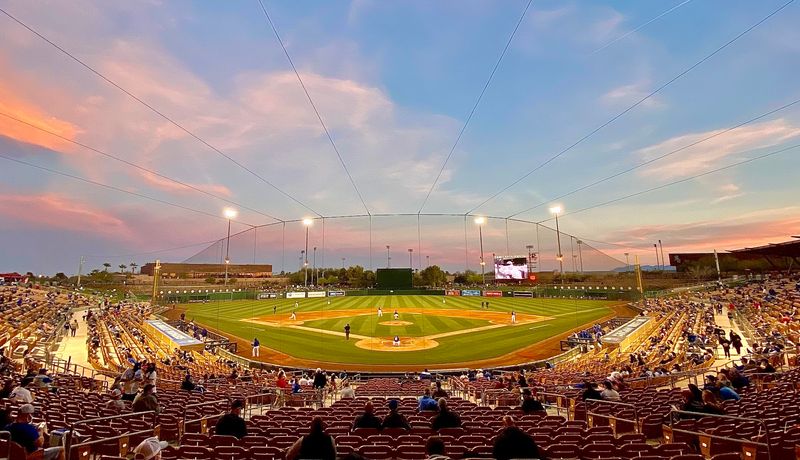
Why plan a vacation around one game when you can see several teams in a few days? Arizona spring training lets baseball fans do exactly that.
The 2027 Cactus League begins February 19 and brings 15 MLB teams to 10 ballparks around the Phoenix metropolitan area. The schedule includes hundreds of games over several weeks.
That makes it possible to visit different stadiums and see several clubs during one vacation.
The relatively short distances between many spring training parks add to the convenience. Fans who want to maximize the number of games they attend can often fit more than one stadium into a single trip without long drives.
I would map out the parks ahead of time and pick a few that sit close together. A little planning turns a week in Arizona into a full baseball sampler.
Florida Grapefruit League Spring Training
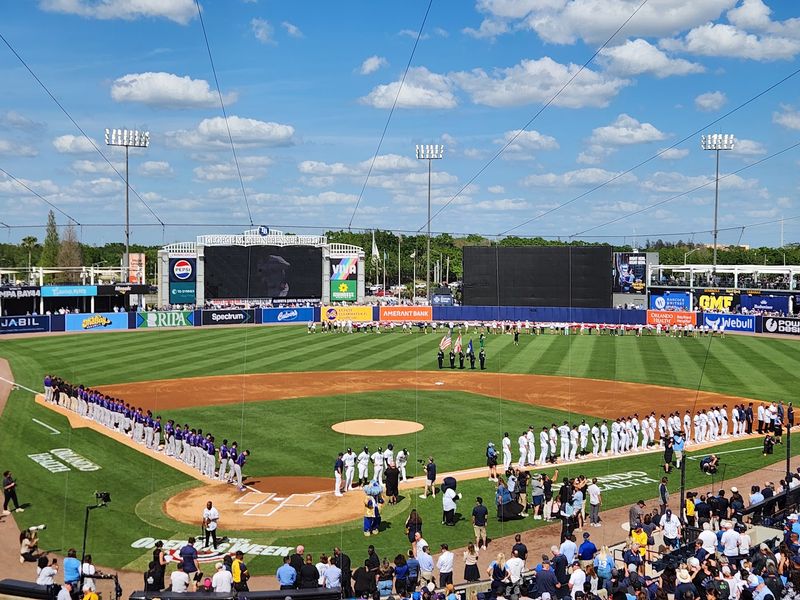
February and March bring a classic warm-weather baseball escape to Florida. The state’s Grapefruit League brings MLB clubs to spring training facilities across the state.
Fans can combine games with beach towns, theme parks, golf, or a longer road trip. The 2027 Grapefruit League schedule begins February 19 and continues into March.
Because the stadiums are spread across several regions, planning matters here more than in some other spring training areas.
The trip works especially well for travelers who choose one section of Florida and build an itinerary around several nearby teams. That keeps drive times manageable and leaves room for other plans.
I would pick a home base first, then add games as the schedule allows. It is a simple way to blend baseball with a Florida getaway.
Share this story