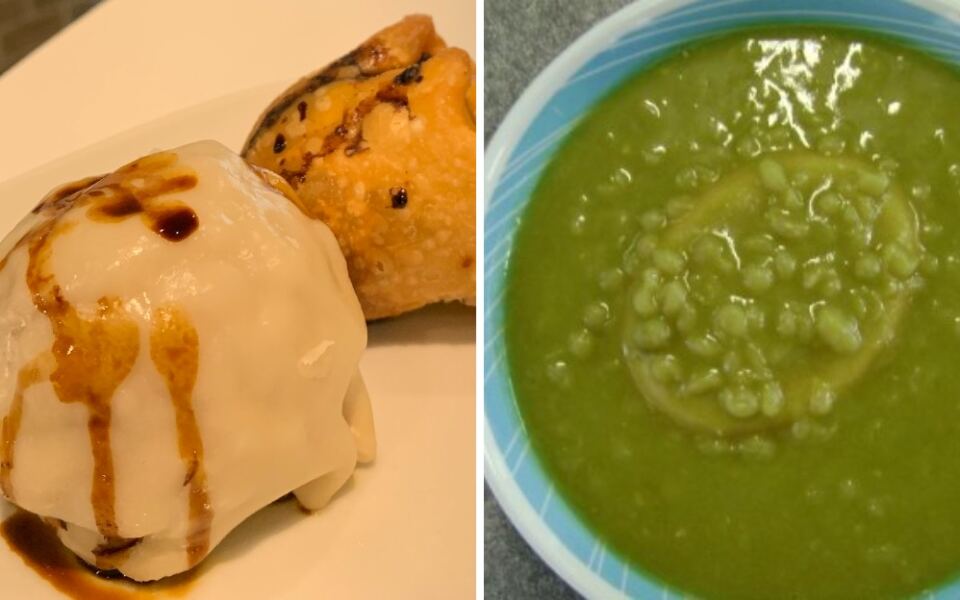
Australia has a food scene full of cozy, filling dishes that locals grew up eating at home, at school canteens, and at corner shops. Many of them are barely known in the United States.
Some are savory snacks, some are sweet treats, and a few are downright surprising. Here are ten Australian favorites worth knowing about.
1. Aussie Meat Pie
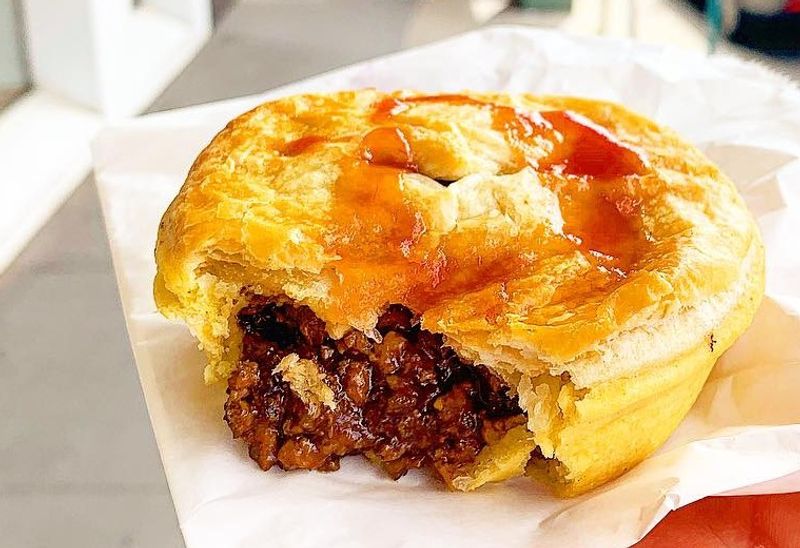
Walk into almost any Australian bakery, and you will find a row of warm meat pies waiting under the glass. The classic version holds minced beef in thick gravy, wrapped in a crisp pastry shell.
It fits right in the palm of your hand.
Most Aussies add a squirt of tomato sauce on top, and that habit is hard to break. Pies show up at football games, school fundraisers, road trip stops, and backyard parties.
They are as common there as hot dogs are at American ballparks.
Did you know? Australians reportedly eat millions of meat pies each year, and a national competition names the best ones.
Bakers take it seriously. If you want to try one at home, look for a recipe with a sturdy base and a flaky lid, and let the filling cool a bit before biting in.
2. Chiko Roll
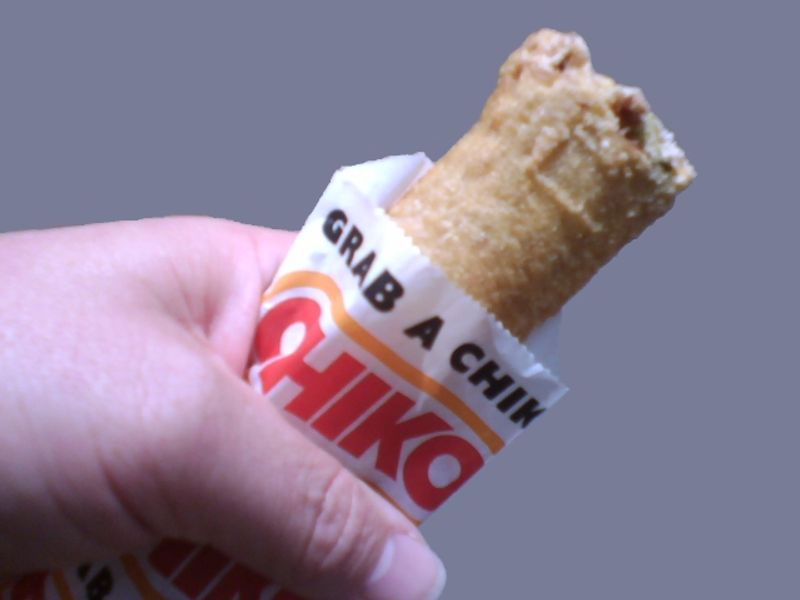
Picture an egg roll that went through a growth spurt and moved to Australia. That is the Chiko Roll, a fried snack with a thick, crunchy shell and a filling of cabbage, vegetables, and bits of meat.
It was designed to be eaten with one hand.
It first appeared in the 1950s in Victoria, created by a man named Frank McEncroe. He wanted a snack that football fans could hold without needing a plate.
The sturdy pastry kept it from falling apart.
Today you can still grab one at fish and chip shops and corner stores across the country. It is often eaten hot from a paper sleeve, sometimes with sweet chili or tomato sauce.
The filling is soft and mild, which makes the crunchy outside the star of the show.
3. Pie Floater
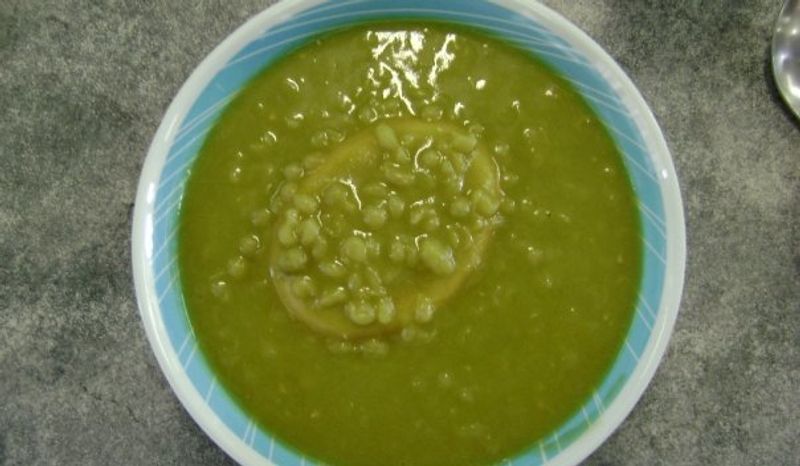
Soup and pie together in one bowl sounds odd until you taste it. A pie floater is a meat pie set upside down in a pool of thick green pea soup.
It is a signature dish of South Australia, especially around Adelaide.
The soup is smooth and hearty, almost like a gravy. A swirl of tomato sauce goes on top, and some folks add a dash of vinegar or a spoonful of mashed potato.
The pastry soaks up the flavors while the filling stays warm inside.
Historically, pie floaters were sold from late-night carts, and people lined up after an evening out. The dish is now a point of local pride, and some cafes still serve it the old way.
Think of it as a spoon-and-fork cousin to the regular pie.
4. Potato Scallops
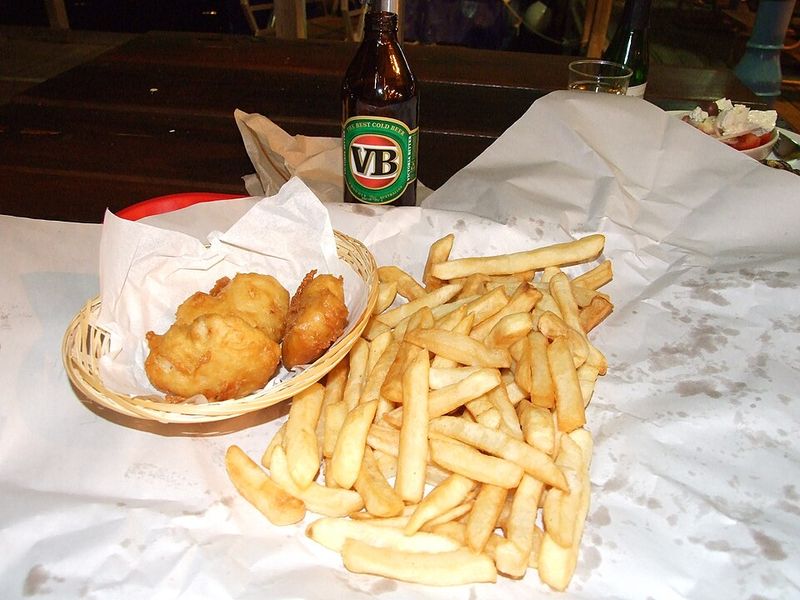
Ask for a scallop in an Aussie fish and chip shop, and you might get a slice of potato instead of seafood. Potato scallops are thin rounds of potato dipped in batter and deep-fried until crisp.
The inside turns soft and fluffy.
The name changes depending on where you are. In some states they are potato cakes, and in others they are potato fritters.
Locals love to debate which name is right.
Many shops sprinkle them with chicken salt, a seasoning that tastes savory and a little tangy. Kids often get them as an after-school treat.
If you make them at home, slice the potato thin, pat it dry, and fry it in hot oil so the batter puffs up and stays crunchy.
5. Dim Sim
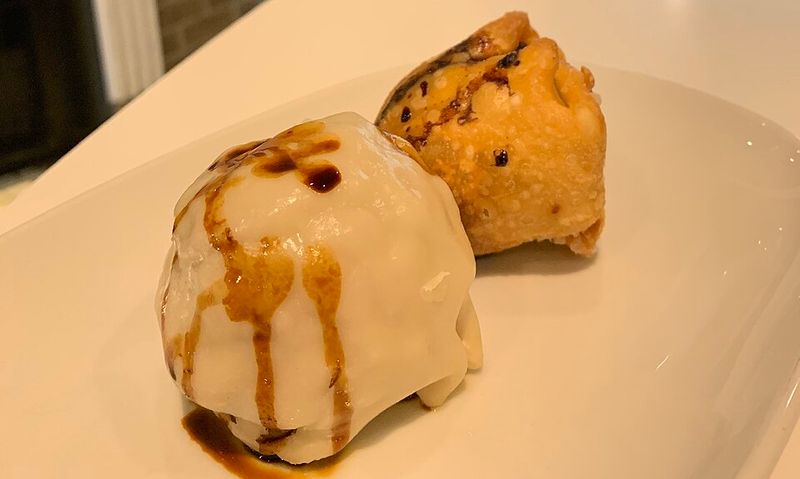
Here is a twist on a Chinese dumpling that Australians have claimed as their own. The dim sim is bigger and meatier than the usual dumpling, with a filling of pork or beef mixed with cabbage.
It can be steamed for a soft bite or fried for a golden crunch.
The Australian version grew out of Chinese immigrant cooking in Melbourne in the 1940s. A chef named William Wing Young is often credited with popularizing it.
It soon became a regular at takeaway shops and market stalls.
Most people dunk it in soy sauce or chili sauce. A fried dim sim next to a bag of hot chips makes a classic budget meal.
It shows how food from different cultures can blend into a new local favorite.
6. Jaffle
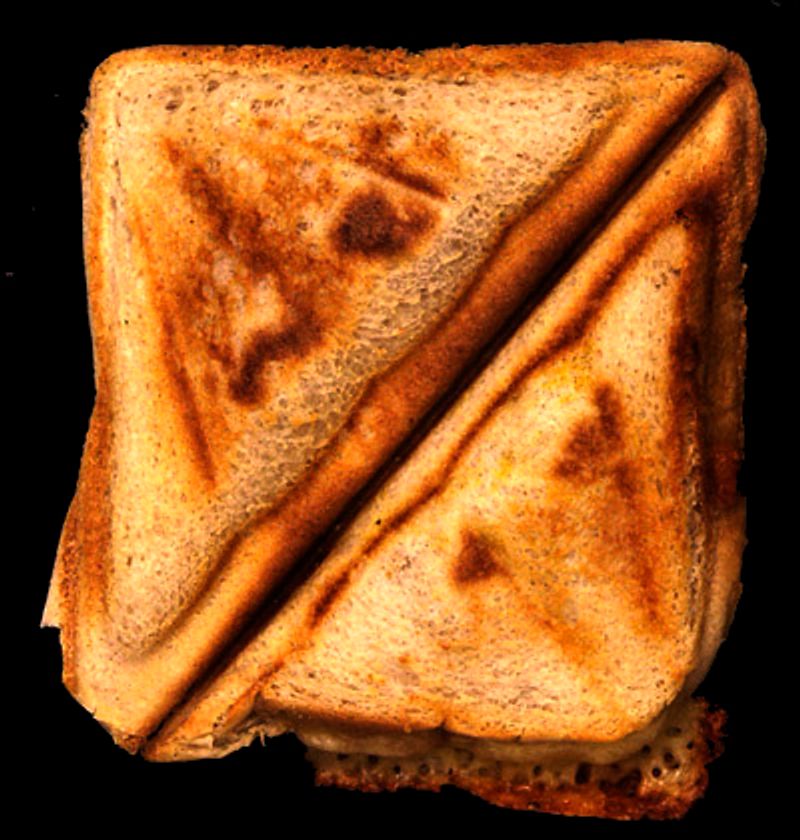
If you have ever wanted a sandwich that works like a pocket, meet the jaffle. Two slices of bread are pressed and sealed in a hot iron, trapping the filling inside.
The edges get crimped and toasty, and the center stays molten.
Cheese is a common choice, but baked beans and spaghetti are just as popular. Some people add ham, corn, or leftover stew.
Be careful with the first bite, because the filling holds heat for a long time.
Jaffle irons are a staple of Australian camping trips, where they are placed right over a fire. The name comes from a brand that was sold there in the early 1900s.
A regular sandwich press can do the job at home, though the sealed edges will not be as neat.
7. Golden Syrup Dumplings
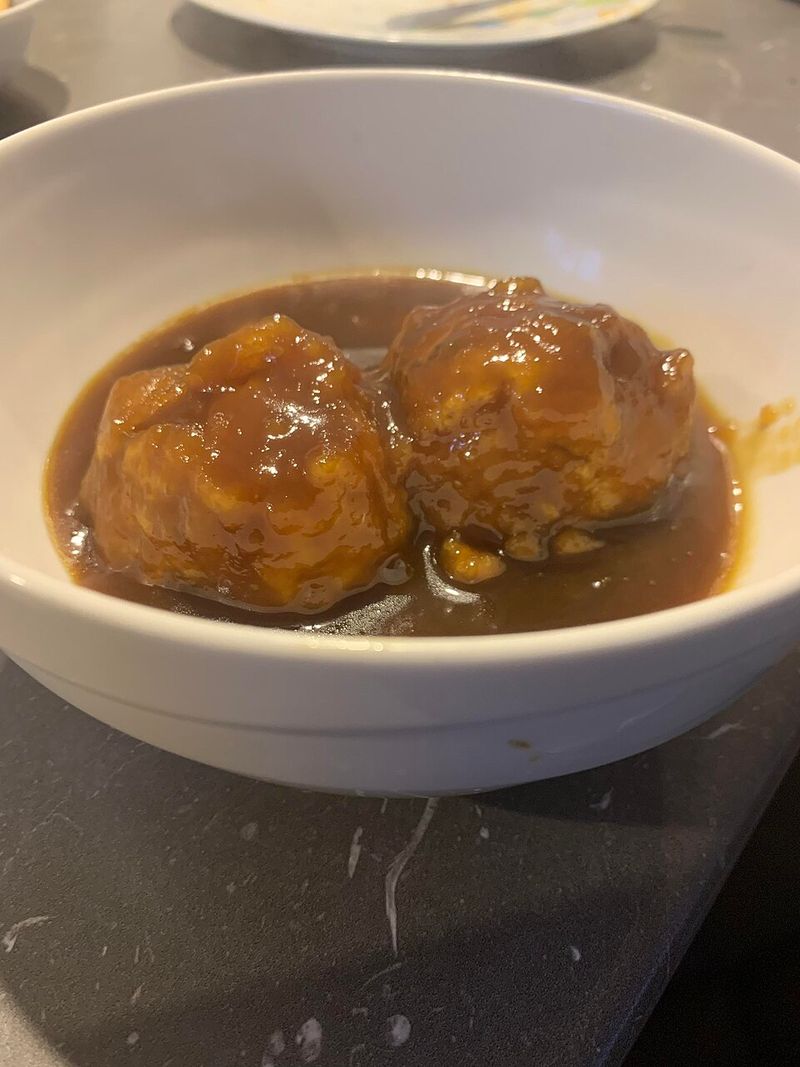
On a chilly night in Australia, a pot of golden syrup dumplings can feel like a warm blanket. Small balls of soft dough simmer in a sauce made from butter, water, and golden syrup.
The sauce turns thick and glossy as it bubbles.
Golden syrup is a light, amber sweetener made from sugar cane, similar to a mild honey with a caramel note. It gives the dish a rich, toasty flavor.
Many families serve the dumplings with vanilla ice cream or cream.
The recipe is simple, which is why it has been passed down for generations. Early settlers relied on pantry basics like flour, sugar, and butter.
Today it remains a winter dessert that kids ask for, and it is easy to make with a lid on the pan so the dumplings puff up.
8. Hedgehog Slice
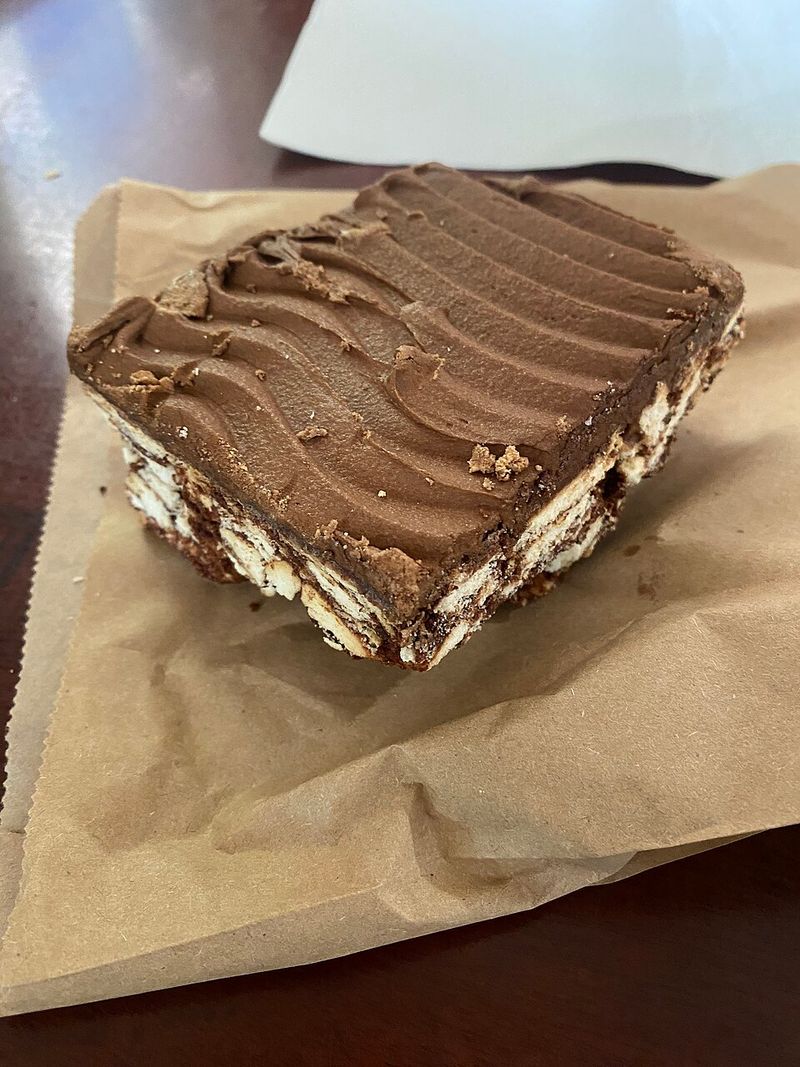
No oven required, and that is part of the charm. Hedgehog slice is a chocolate treat made from crushed biscuits, cocoa, sweetened condensed milk, and often coconut or nuts.
Everything gets mixed, pressed into a pan, and chilled.
The name comes from the crumbly, bumpy look of the top, which resembles a hedgehog’s spiky back. Some versions are covered with a smooth layer of chocolate icing.
Others stay rustic and chunky.
You will find it in school bake sales, cafes, and lunch boxes. It is a good first recipe for young cooks, since it uses simple steps and a few ingredients.
Once it sets in the fridge, cut it into small squares, because the flavor is rich and a little goes a long way.
9. Sausage Roll
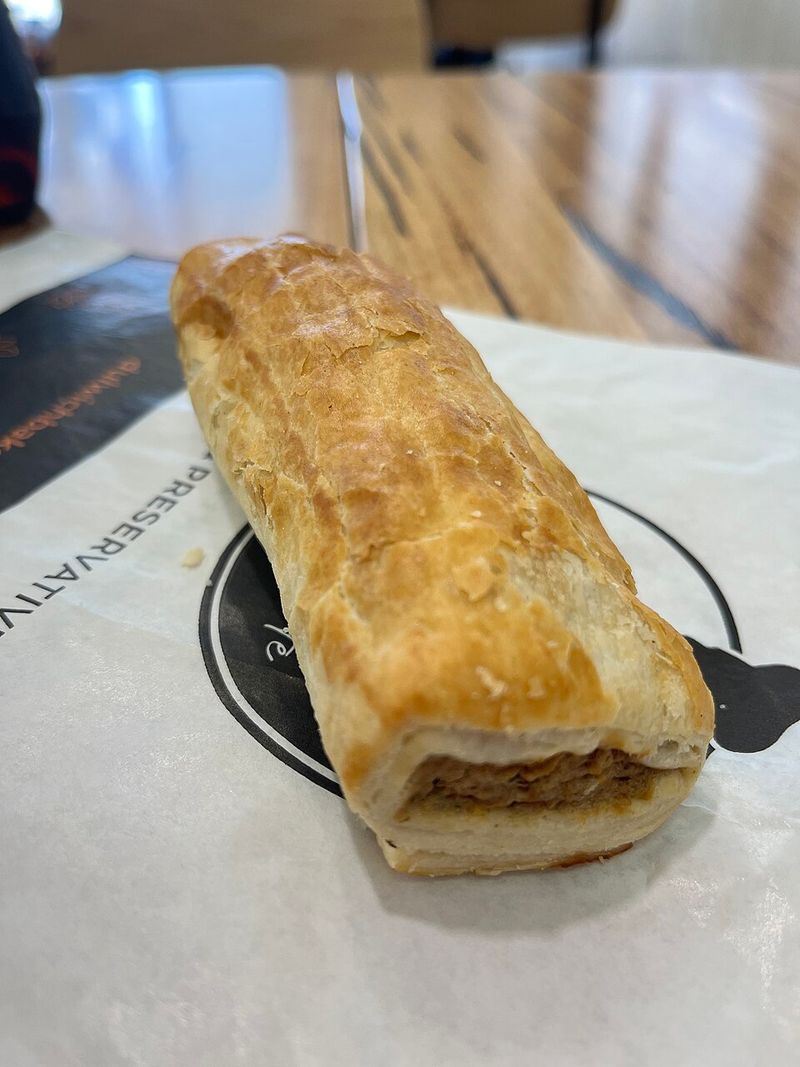
Few snacks show up at as many Australian gatherings as the humble sausage roll. Seasoned sausage meat is rolled inside puff pastry, brushed with egg, and baked until golden.
The layers flake apart with each bite.
Bakeries sell them warm, and party platters often include a mini version. Tomato sauce is the usual partner, though some prefer a dab of chutney.
The filling may include grated vegetables or herbs for extra flavor.
Similar rolls exist in Britain, but the Australian version has become its own tradition. It is a go-to for birthday parties, kids’ sports days, and quick lunches.
For a homemade batch, use cold pastry and seal the seam well, so the juices stay in and the crust bakes up crisp.
10. Apricot Chicken
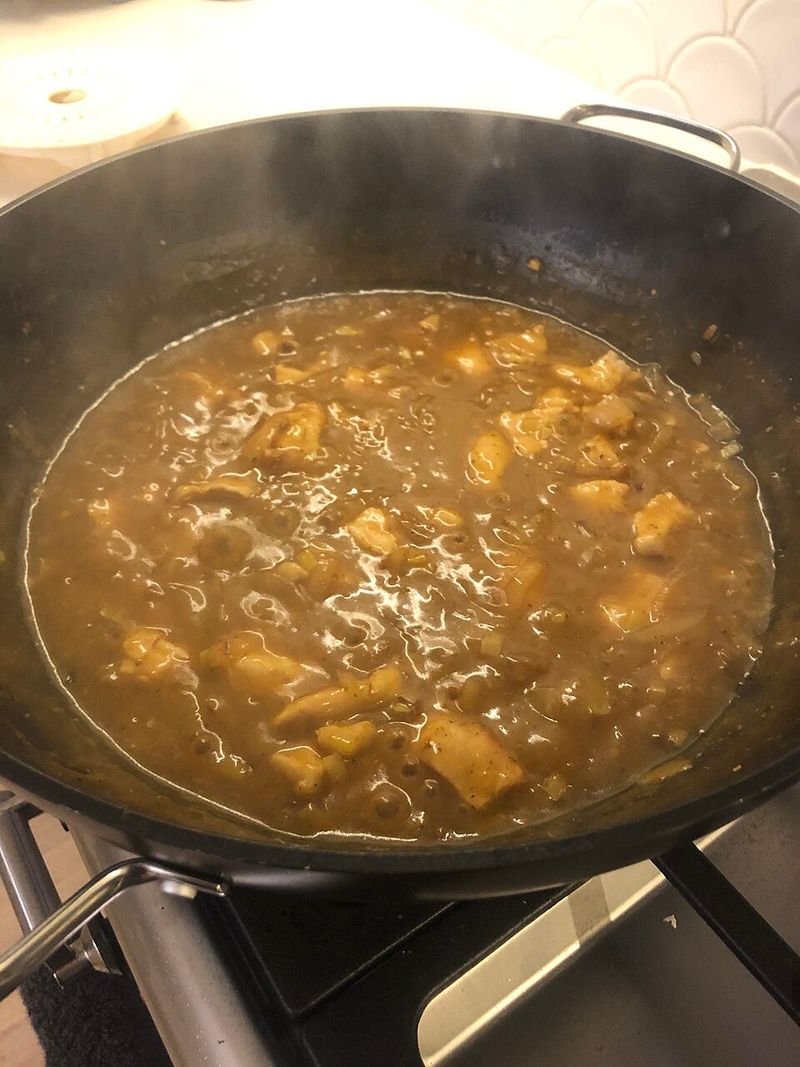
Ask a group of Australians about childhood dinners, and apricot chicken will probably come up. Chicken pieces bake in a sticky sauce made from apricot nectar, and many cooks stir in a packet of French onion soup mix.
The result is sweet, savory, and a little tangy.
The dish became a household favorite in the 1970s, when packaged mixes and canned juices made weeknight cooking quick. It needs only a few ingredients and one baking dish.
Most families serve it over rice or alongside mashed potatoes.
Cooks today sometimes swap in dried apricots, fresh herbs, or a splash of stock to give it a homemade touch. Still, the old version holds a strong sense of nostalgia.
It tastes like a family table on a busy school night.
Share this story