Argentina is home to some of the clearest, bluest, and most striking lakes in South America. From icy glacial waters in Patagonia to calm mountain shores in the Lake District, each one has its own personality.
Knowing what makes each lake special helps travelers plan a trip that fits their interests. Here is a look at fifteen lakes worth adding to an Argentine travel list.
1. Lake Nahuel Huapi – Río Negro and Neuquén
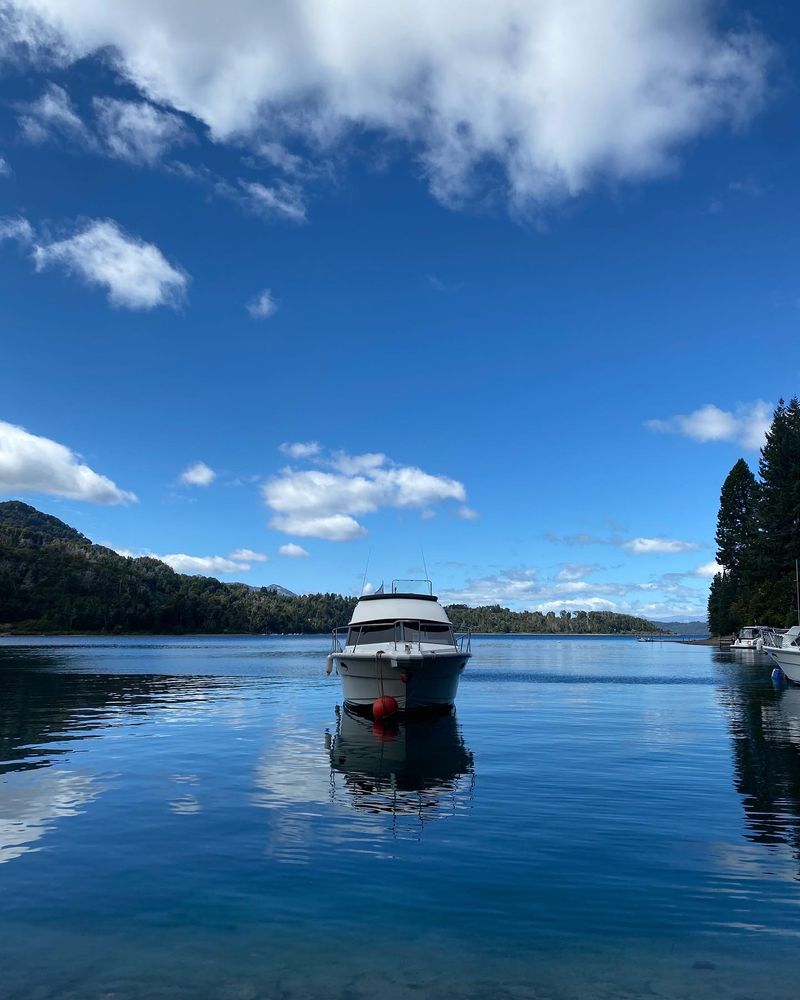
Few lakes feel as grand as Nahuel Huapi, a glacial giant that spreads across the border of Río Negro and Neuquén. Its name comes from the Mapuche language and is often translated as tiger island.
The lake sits inside Nahuel Huapi National Park, the oldest national park in Argentina.
The shoreline twists into long arms and quiet bays, and wooded islands dot the water. Bariloche sits on the southern edge, which makes the lake easy to reach and a handy base for exploring.
Visitors can take a boat to Isla Victoria and the Arrayanes Forest, where cinnamon-colored trees grow close together. Kayaking, sailing, and lakeside hikes are popular too.
Bring layers, because the weather can swing from sunny to chilly within an hour. Sunset from a viewpoint along the Circuito Chico road is a moment many travelers remember long after the trip ends.
2. Lake Argentino – Santa Cruz
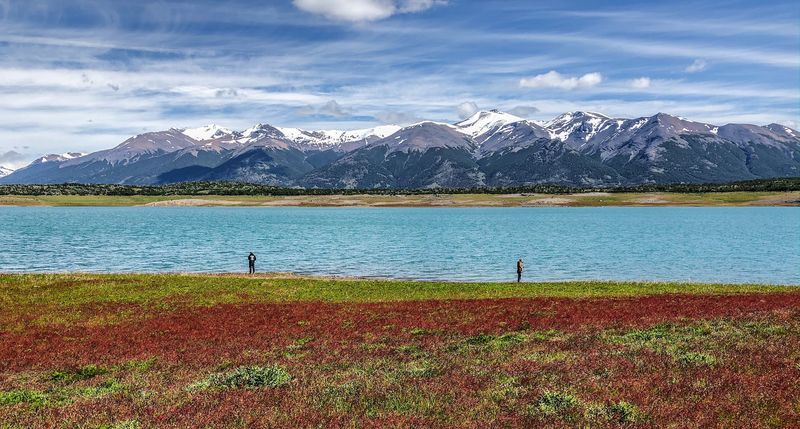
Picture a lake so large that it holds floating icebergs the size of buildings. Lake Argentino is the biggest freshwater lake in the country, and its milky turquoise color comes from fine rock powder carried down by glaciers.
The lake sits in Los Glaciares National Park, a UNESCO World Heritage Site. The famous Perito Moreno Glacier reaches the water on one of its arms, and visitors can watch huge chunks of ice break off and crash down.
The town of El Calafate is the usual starting point. From there, boat tours bring travelers close to glacier walls such as Upsala and Spegazzini.
Walkways near Perito Moreno give safe, close views of the ice front. Plan to visit between October and April for milder weather, and pack a windproof jacket since gusts can be strong near the water.
3. Lake Viedma – Santa Cruz
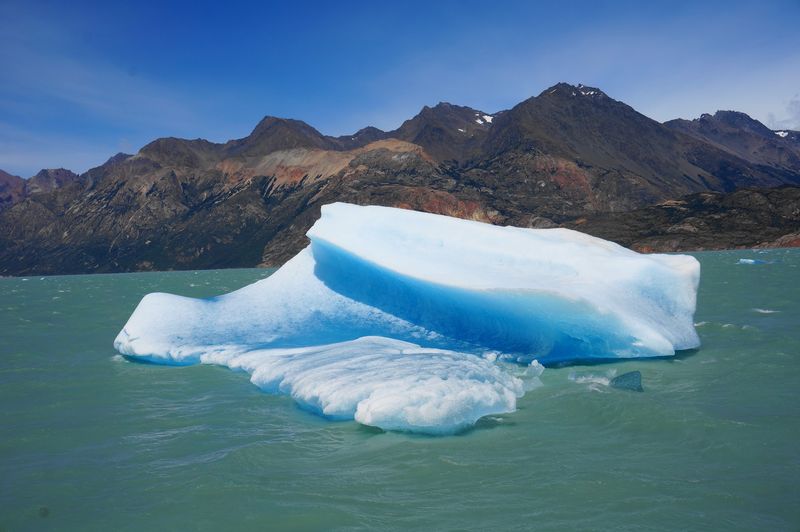
Here is a fact that surprises many people: Lake Viedma is fed directly by the Viedma Glacier, one of the largest outlets of the Southern Patagonian Ice Field. The result is a lake with a cloudy, pale blue shade and drifting ice.
Lake Viedma lies north of Lake Argentino and close to the village of El Chaltén. Because it sees fewer visitors than its famous neighbor, the atmosphere feels calmer and more remote.
Boat trips and ice trekking tours let travelers get near the glacier face. The surrounding steppe is wide and windy, with mountains rising in the background.
Bring warm clothes even in summer, as temperatures drop fast near the ice. Booking tours ahead of time is wise during the busy months from December to February, when spots fill up quickly.
4. Lake Buenos Aires – Santa Cruz
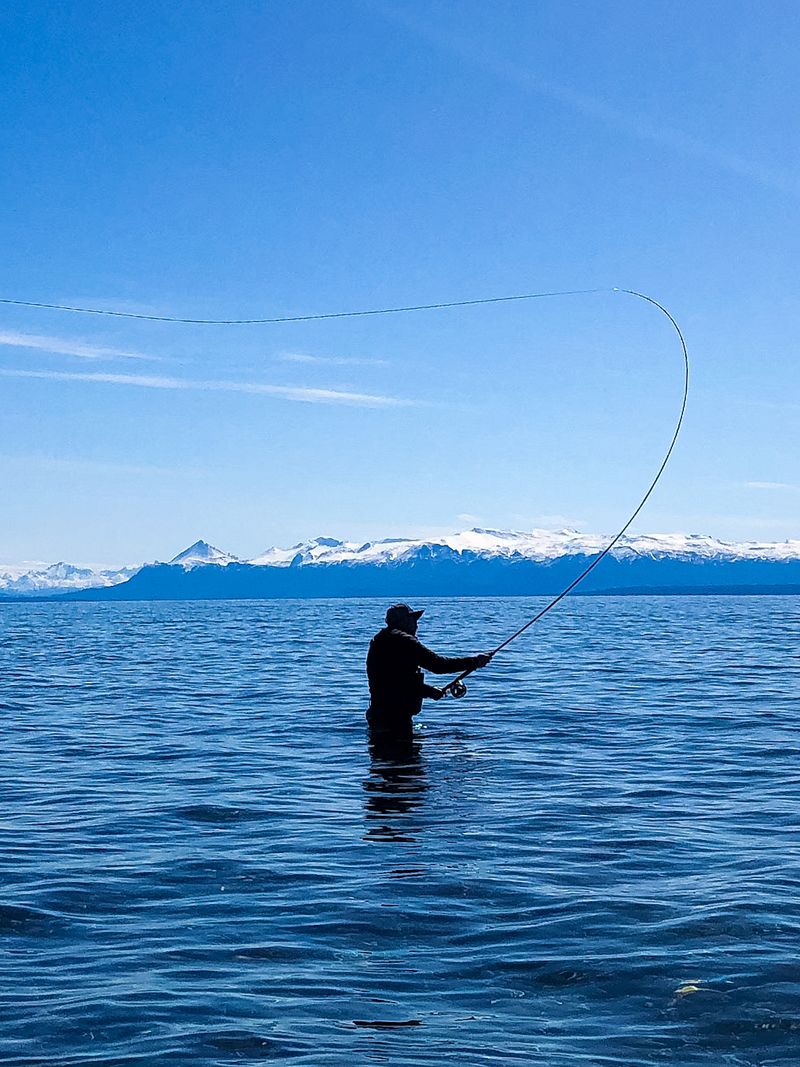
Straddling two countries, this lake has two names. On the Argentine side it is Lake Buenos Aires, and across the border in Chile it is called General Carrera.
It ranks among the largest lakes in South America.
The Argentine shore in Santa Cruz is quiet and spacious, with steppe landscapes that open toward distant mountains. Towns such as Los Antiguos sit near the water and are known for sweet cherries grown in a surprisingly sunny microclimate.
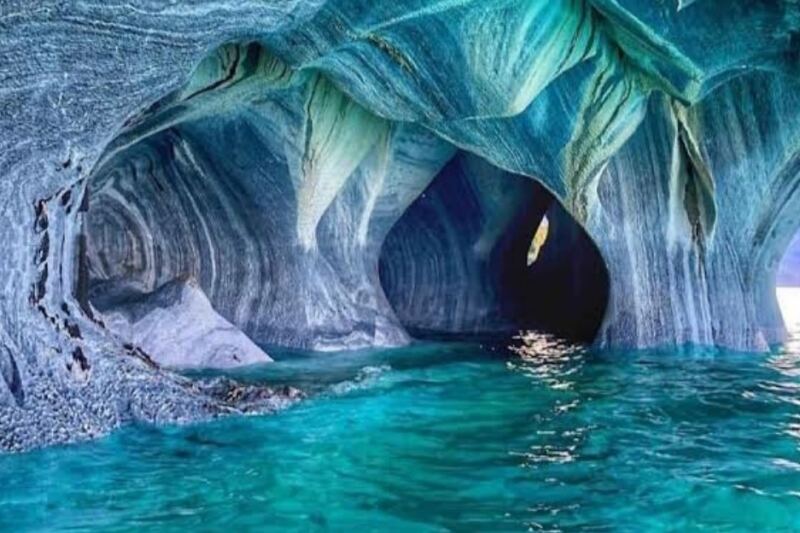
Travelers who want to see the famous Marble Caves must cross into Chile, where the stone has been carved into swirling blue shapes by waves. On the Argentine side, visitors enjoy fishing, scenic drives, and peaceful walks along the beach.
Cherry season from December to January makes a sweet bonus for anyone passing through.
5. Lake Lácar – Neuquén
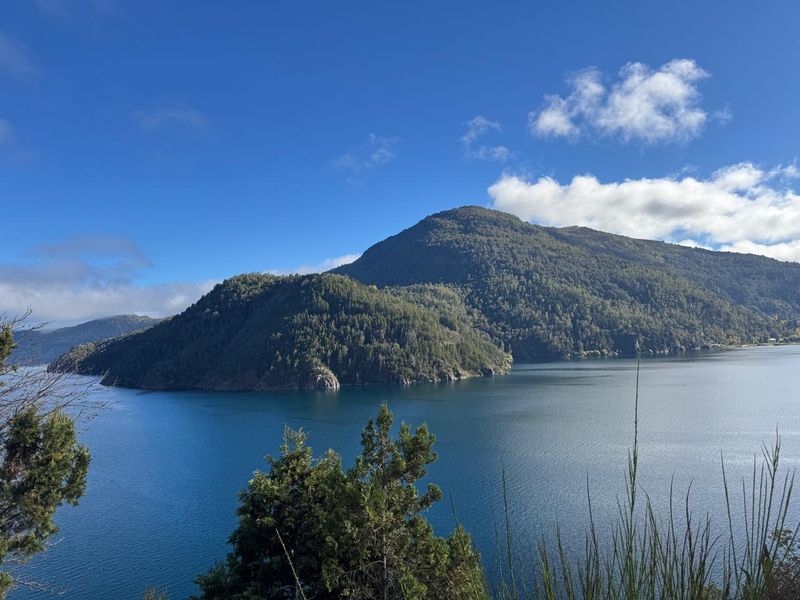
Wake up in San Martín de los Andes and the first thing you may notice is how close the lake feels. Lake Lácar sits right beside the town, framed by steep green hills and a tidy waterfront.
The lake is part of Lanín National Park and was shaped by ancient glaciers. Its water is deep blue and generally calm, which makes it a favorite for swimming and paddle boarding in summer.
A boat ride across the lake leads to Hua Hum, a quiet area with forest trails and waterfalls. Along the way, travelers can spot small coves and hidden beaches.
The Mirador Bandurrias viewpoint gives a wide look at the shoreline and town. Visit in late summer for warm afternoons, or in autumn when the leaves turn gold and red around the water.
6. Lake Puelo – Chubut
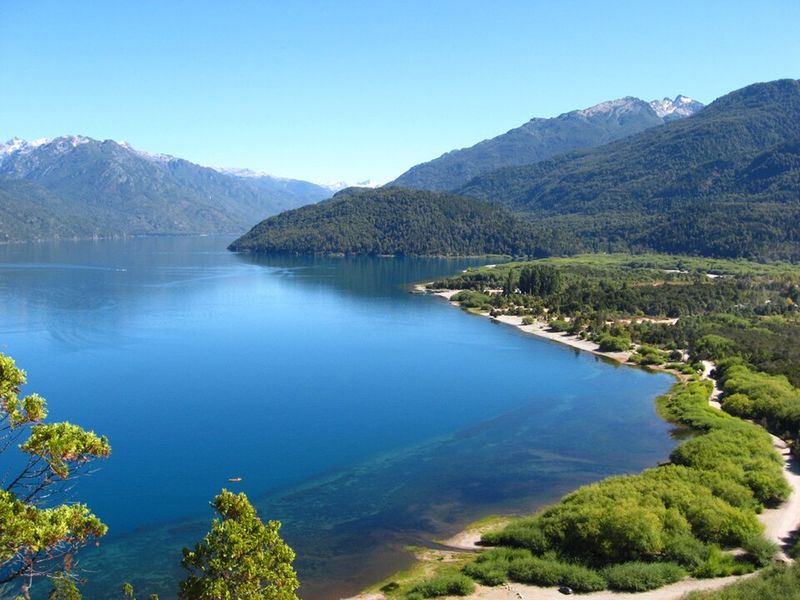
Emerald green and wonderfully quiet, Lake Puelo feels like a secret tucked into the mountains. It lies near the town of El Bolsón and forms the heart of Lago Puelo National Park.
The lake is unusual because its water eventually drains into the Pacific Ocean through Chile, even though the lake sits on the Argentine side. Forested slopes surround it, and the water is warmer than many other Patagonian lakes, so summer swimming is realistic.
Visitors can rent kayaks, hop on a boat to the Chilean border, or walk the shoreline trails. Camping areas are available for those who want to stay close to nature.
Pack insect repellent in warm months, and bring a picnic to enjoy at one of the sandy spots. Nearby El Bolsón also has a famous artisan market worth a stop.
7. Lake Futalaufquen – Chubut
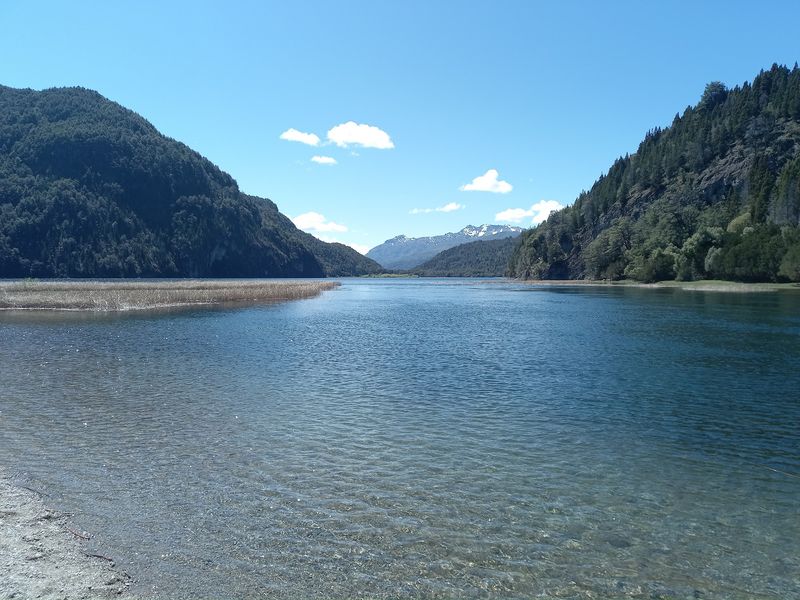
Imagine trees that were already ancient when Rome was young. Along the shores of Lake Futalaufquen, in Los Alerces National Park, grow alerce trees that can live for thousands of years.
The park is a UNESCO World Heritage Site.
The lake name means big lake in the Mapuche language. Its water is clear and bright turquoise, and mountains rise sharply from the edges.
Several beaches and small bays make it easy to relax by the shore.
Many visitors take the boat trip to Alerce Millenario, a giant tree that is more than two thousand years old. Fishing for trout is also popular, with permits required.
Base yourself in Villa Futalaufquen, where the park visitor center offers maps and advice. Spring and early autumn bring fewer crowds and mild weather for walking.
8. Lake Espejo – Neuquén
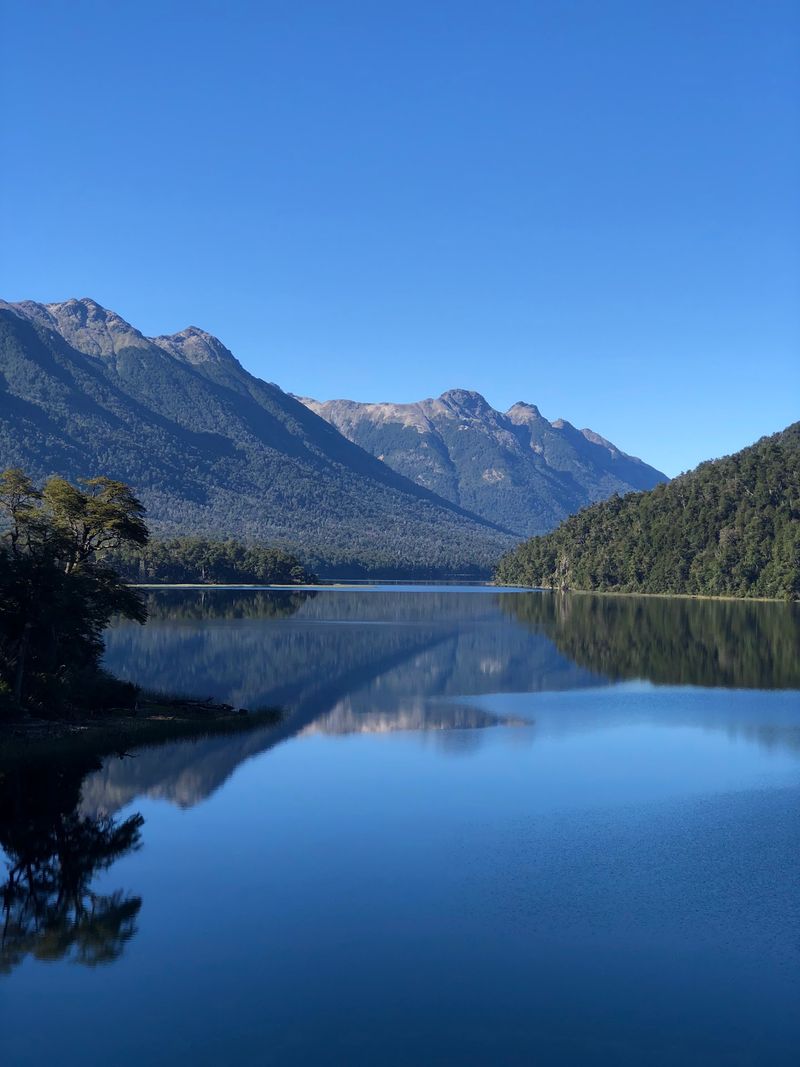
True to its name, which means mirror in Spanish, Lake Espejo often shows a flawless reflection of the mountains around it. On still mornings, the line between water and sky almost disappears.
The lake lies near Villa La Angostura and connects to the much larger Nahuel Huapi. It is small and calm, with quiet beaches and cool, clear water.
Sunlight bounces off the surface and gives the shoreline a soft glow.
The area is perfect for easy activities such as paddling, fishing, and picnics. Several lodges and cabins sit nearby, so travelers can stay close to the water.
Early morning is the best time for photos, before the wind picks up and ripples the surface. Bring a light jacket, since even sunny days can feel cool beside the lake in the shade of tall trees.
9. Lake Correntoso – Neuquén
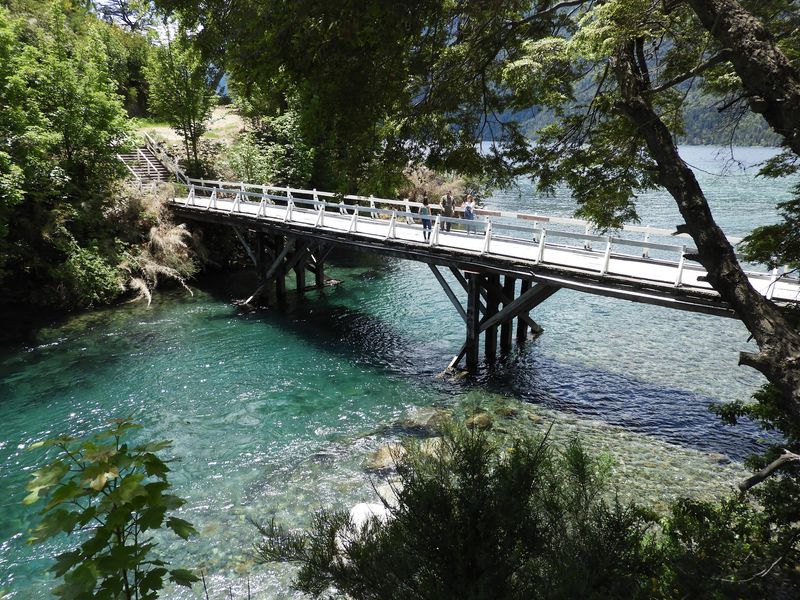
Only a short river, about 250 meters long, links Lake Correntoso to Lake Nahuel Huapi. It is known as the shortest river in the world by some local claims, and it is called Río Correntoso.
The lake sits close to Villa La Angostura and offers a quieter alternative to busier spots. Its water is deep blue, and the shore is lined with trees, small beaches, and a few welcoming lodges.
Many people come here for trout fishing, which is a long local tradition. Others rent a kayak or simply sit by the water with a book.
A visit to the little river bridge gives a peek at the unusual connection between the two lakes. Go in summer for swimming weather, or in autumn when the forest colors reflect in the calm water.
10. Lake Traful – Neuquén
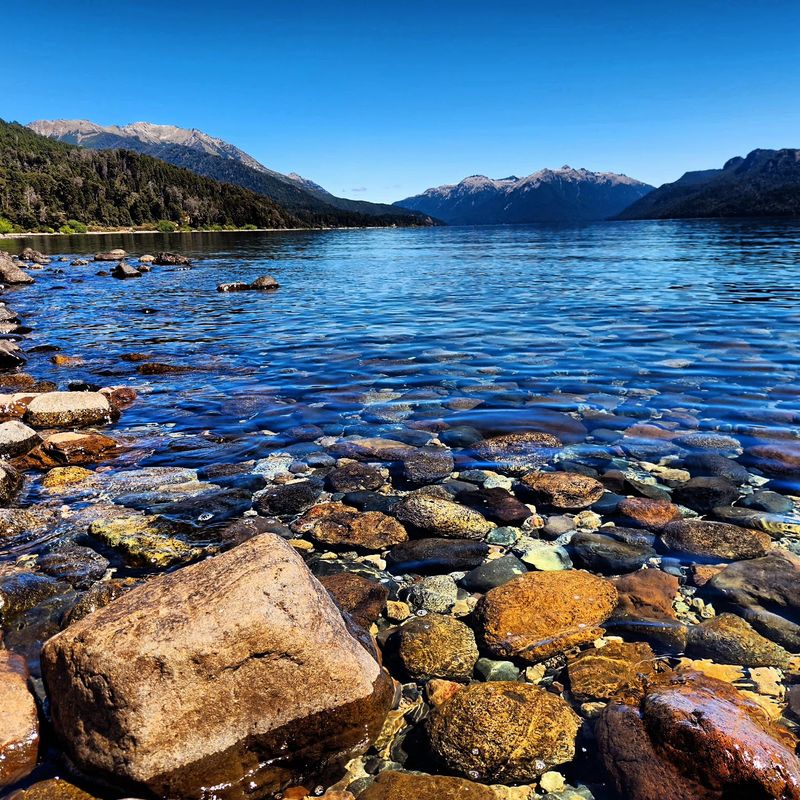
Ask any angler about Lake Traful and you will likely see a smile. The lake is famous for its salmon and trout, and its clear water draws fishing fans from many countries.
Lake Traful lies along a scenic road between Villa La Angostura and Bariloche, which is part of the Ruta de los Siete Lagos region. The shoreline mixes rocky cliffs, sandy beaches, and dense forest, so the view changes at every bend.
The nearby Villa Traful is a small and peaceful village, perfect for people who want to slow down. Hiking to the Mirador del Traful viewpoint gives a wide look at the blue water below.
Pack sunscreen and a hat, since the sun can be strong at this altitude. Fishing needs a permit, which can be bought locally.
11. Lake Huechulafquen – Neuquén
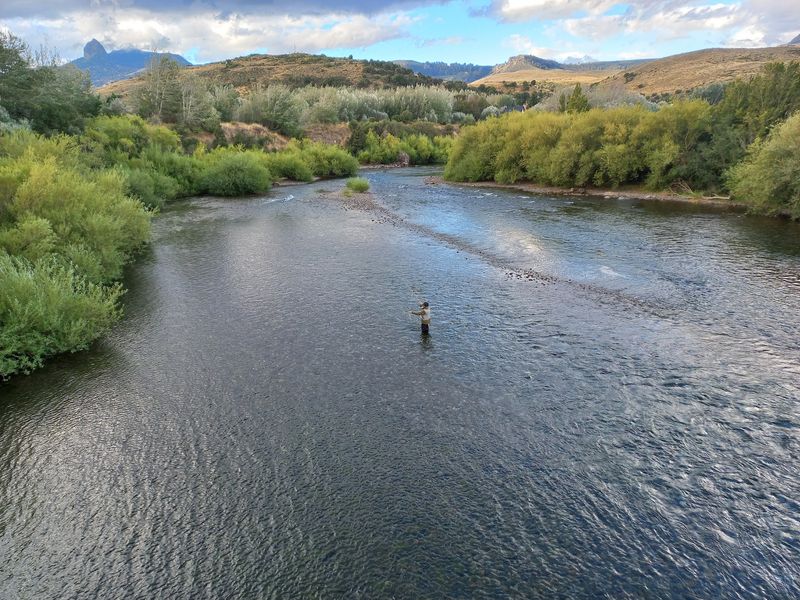
Above this lake rises Lanín Volcano, a snowy cone that seems to float over the water on clear days. That striking backdrop makes Huechulafquen one of the most photographed lakes in northern Patagonia.
The lake lies inside Lanín National Park and stretches about 30 kilometers. Its shape is long and narrow, with several arms and quiet coves.
Araucaria forests grow in nearby areas, adding an unusual look to the scenery.
Camping, fishing, and hiking are all popular here. Trails lead to waterfalls and smaller lakes, and boat rides show off hidden corners.
Roads can be rough in some places, so drive with care and check conditions before heading out. Summer brings long daylight hours, while autumn offers cooler air and warm colors.
Bring binoculars to spot birds along the shore.
12. Lake Aluminé – Neuquén
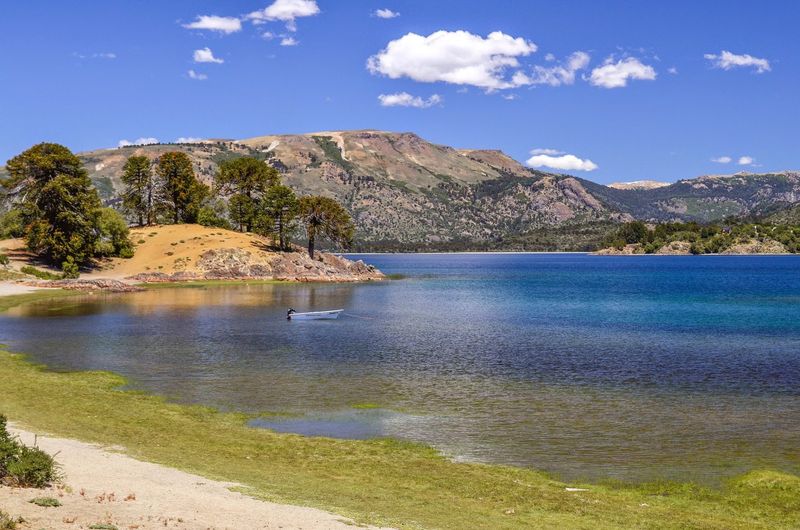
Rafting guides in this part of Neuquén often say the river starts where the lake ends. Lake Aluminé feeds the Aluminé River, which is known for gentle rapids and trout fishing.
The lake sits in a quieter northern corner of the Lake District, close to the village of Villa Pehuenia. Pehuén trees, also called monkey puzzle trees, grow nearby and give the landscape a prehistoric look.
Beaches along the shore are good for swimming in summer, and the water tends to be calmer than in bigger lakes. Visitors can also try kayaking, horseback riding, and short hikes through the woods.
The Mapuche communities in the region offer cultural experiences and local crafts. Plan a stop in autumn when the lenga forests turn bright red and orange around the lake.
13. Lake Fagnano – Tierra del Fuego
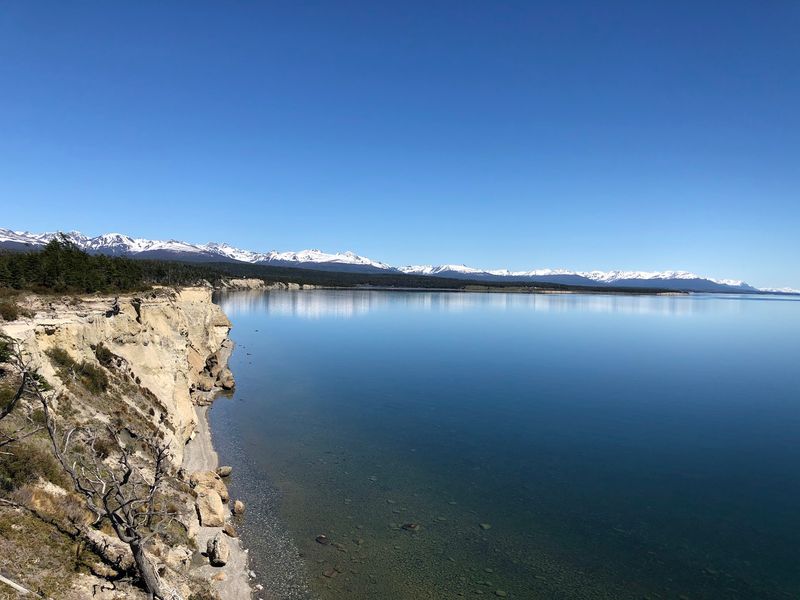
At the far end of the continent, Lake Fagnano stretches across the border between Argentina and Chile. Locals also call it Kami, its Selk’nam name, and it is among the largest lakes in Tierra del Fuego.
The lake is long and narrow, running roughly 100 kilometers in an east-west line along a deep valley. Mountains and southern beech forests line its shores, and cold winds often sweep across the surface.
The route between Ushuaia and Tolhuin passes beside the lake, which makes it easy to see from the road. Tolhuin is known for its bakery, La Unión, famous for sweet pastries after a chilly drive.
Fishing and quiet camping are popular here. Bring warm layers and a windbreaker, as the weather can change quickly even in summer.
14. Lake Pueyrredón – Santa Cruz
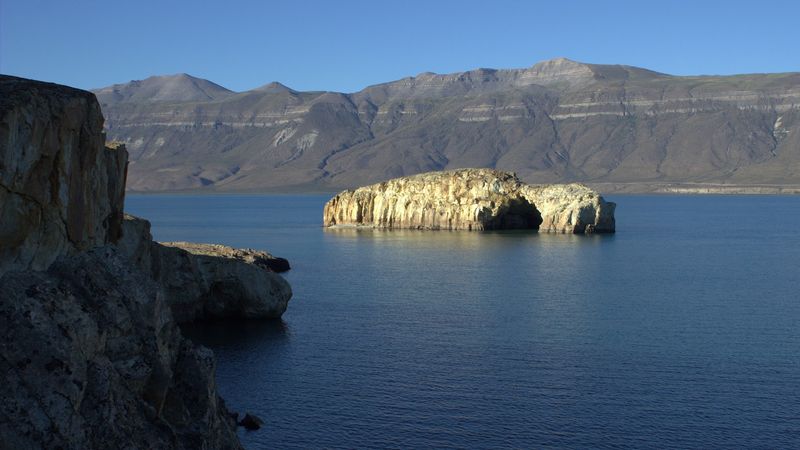
Few lakes hold colors as vivid as Lake Pueyrredón. Its water shifts from turquoise to deep blue depending on the light, and it is surrounded by dramatic mountains in a remote part of Santa Cruz.
The lake is shared with Chile, where it is called Lake Cochrane. On the Argentine side, it sits near Perito Moreno National Park, one of the least visited parks in the country.
The area is wild and quiet, with guanacos grazing on nearby steppe.
Getting here takes effort, as roads are long and mostly unpaved. That is part of the appeal for travelers who like solitude.
Bring extra fuel, food, and a spare tire, because services are limited. The best time to go is between November and March, when the weather is mild enough for hiking and camping.
15. Lake Epuyén – Chubut
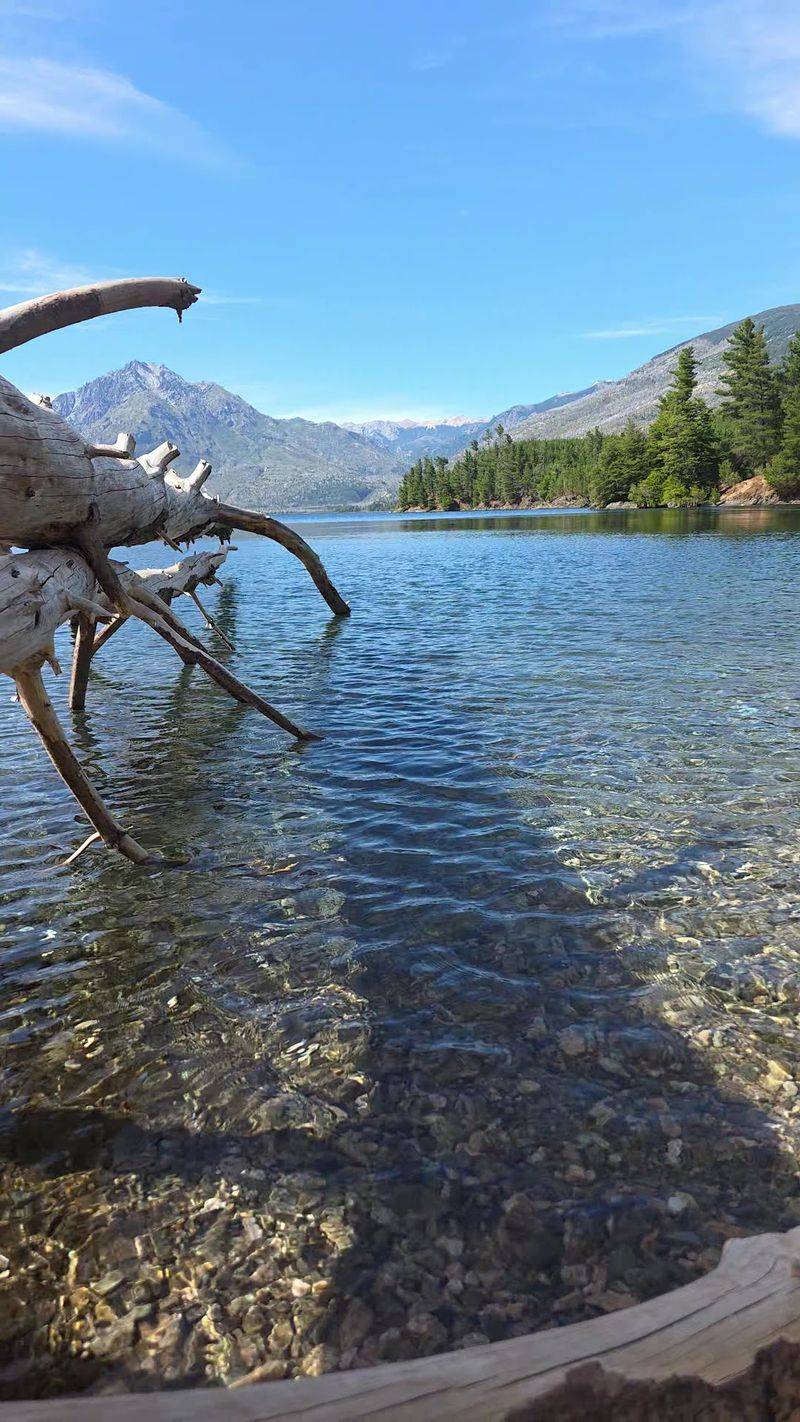
Small, warm, and welcoming, Lake Epuyén is the kind of place where people come for a weekend and end up staying a week. It lies in northwest Chubut, close to El Bolsón and Lago Puelo.
The lake is surrounded by forested hills and fed by mountain streams. Its water is clear and comparatively mild, so swimming is pleasant in midsummer.
Quiet beaches and small cabins line the edge.
The nearby village is known for organic farming and a relaxed pace of life. Visitors can try hiking up to Cerro Pirque for broad views over the valley and the lake below.
Local farms sell jams, cheese, and fresh berries. Because it is less crowded than larger lakes, Epuyén suits travelers who want calm days, simple meals, and star-filled night skies.
Share this story