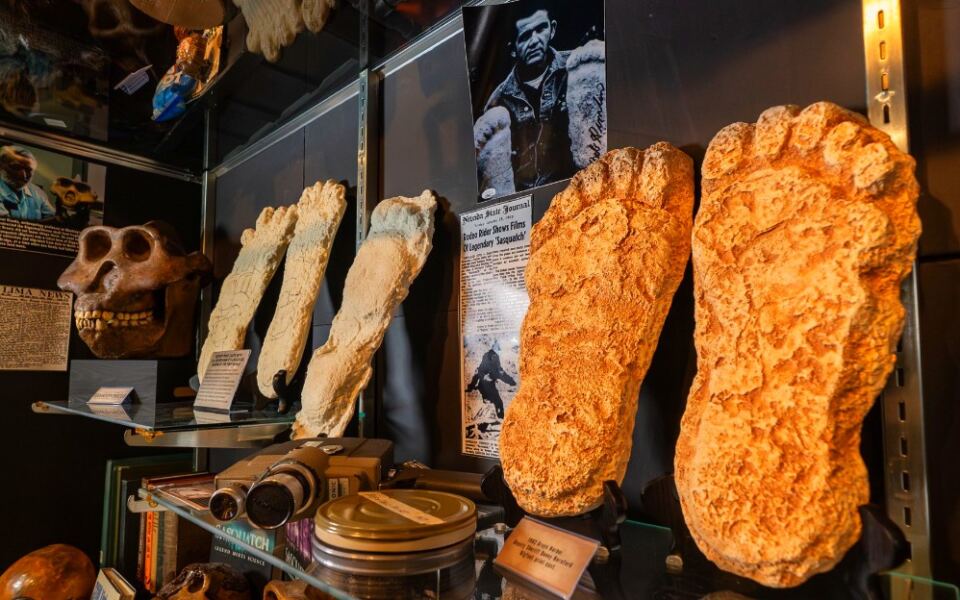
A petrified fairy, Bigfoot evidence, and antique embalming tools are just a few of the strange exhibits inside a small museum in Pontiac, Michigan. The collection also includes hundreds of vintage Halloween masks, animal skulls, and hand-painted Lord of the Rings miniatures.
The Mythos Museum of Oddities and Curiosities brings together decades of collecting, with exhibits covering everything from funeral history to legendary creatures. Visitors can explore the displays and hear the stories behind unusual objects from the people who know them best.
Finding the entrance is part of the experience. The museum sits next to the famous Erebus haunted attraction, but its actual entrance is around the corner from its Pike Street address.
Inside, some of the most surprising exhibits have stories that go well beyond their appearance.
A Family Collection With a Pontiac Address
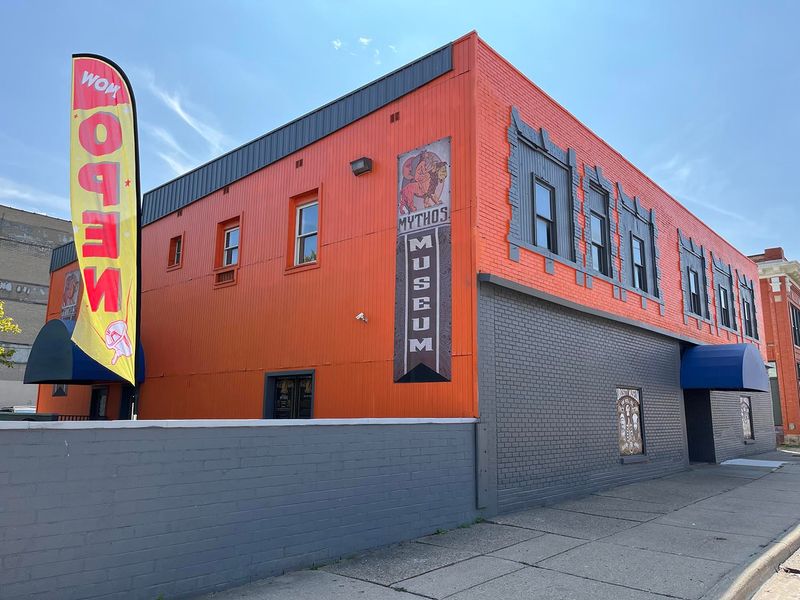
Mythos Museum of Oddities and Curiosities sits at 16 E Pike St in Pontiac, Michigan, in the United States. It started as one family’s lifelong collection, and that personal touch still shapes the whole place.
Instead of one tidy theme, the museum blends natural history, human history, and a good dose of spooky fun. You can move from animal skulls to mythical lore to old funeral equipment in a single visit.
I like that the collection reflects real people’s passions rather than a corporate exhibit plan.
The building itself gives little away. The windows are covered, so it can be hard to tell the museum is open from the sidewalk.
That mystery fits the theme pretty well, honestly.
Here’s one practical tip worth remembering. The entrance isn’t on Pike Street.
It’s around the corner on Perry Street, through a black metal gate past the brick wall.
The museum also sits right next to Erebus, the well-known haunted attraction in Pontiac. That neighbor plays a bigger role in this story than you might expect, starting with the voice behind it.
Creatures From Legend Behind the Glass
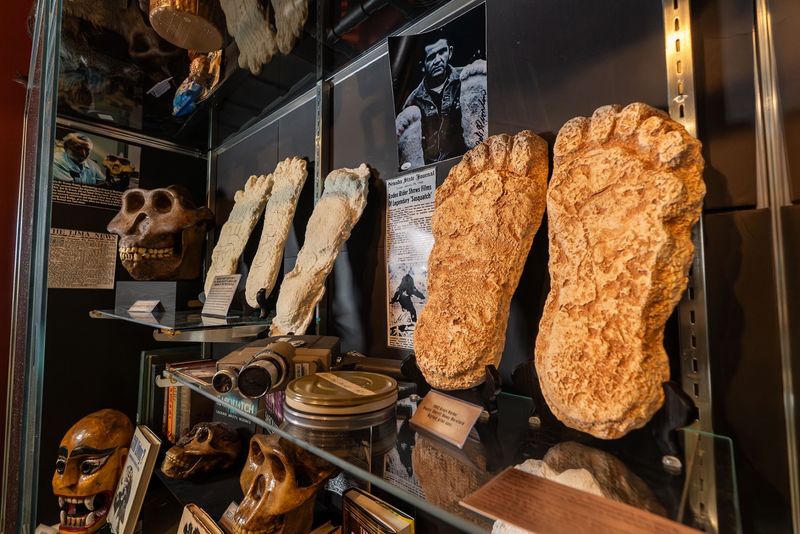
Dragons, cryptids, and creatures from old folk tales get serious attention here. The mythical creature remains are among the displays people talk about most, and they sit alongside the lore that inspired them.
That pairing matters. A strange specimen is fun to look at, but the stories make it stick in your memory.
Much of the collection leans on storytelling, which suits a museum named after myths.
I’d spend extra time in this part simply reading the background on each piece. Legends from different cultures often explain how people once made sense of the unknown.
Seeing those ideas turned into physical objects is a clever way to learn them.
Families with curious kids may find this area a strong starting point. Monsters are an easy hook for young minds, and the history sneaks in along the way.
One small heads-up applies here and throughout the building. Photos and videos aren’t allowed inside, so you’ll need to rely on your memory, or a notebook, to remember favorite creatures.
That rule also keeps the focus on the exhibits instead of phone screens, which feels right for a room full of legends.
Antique Mortuary Tools With Real History
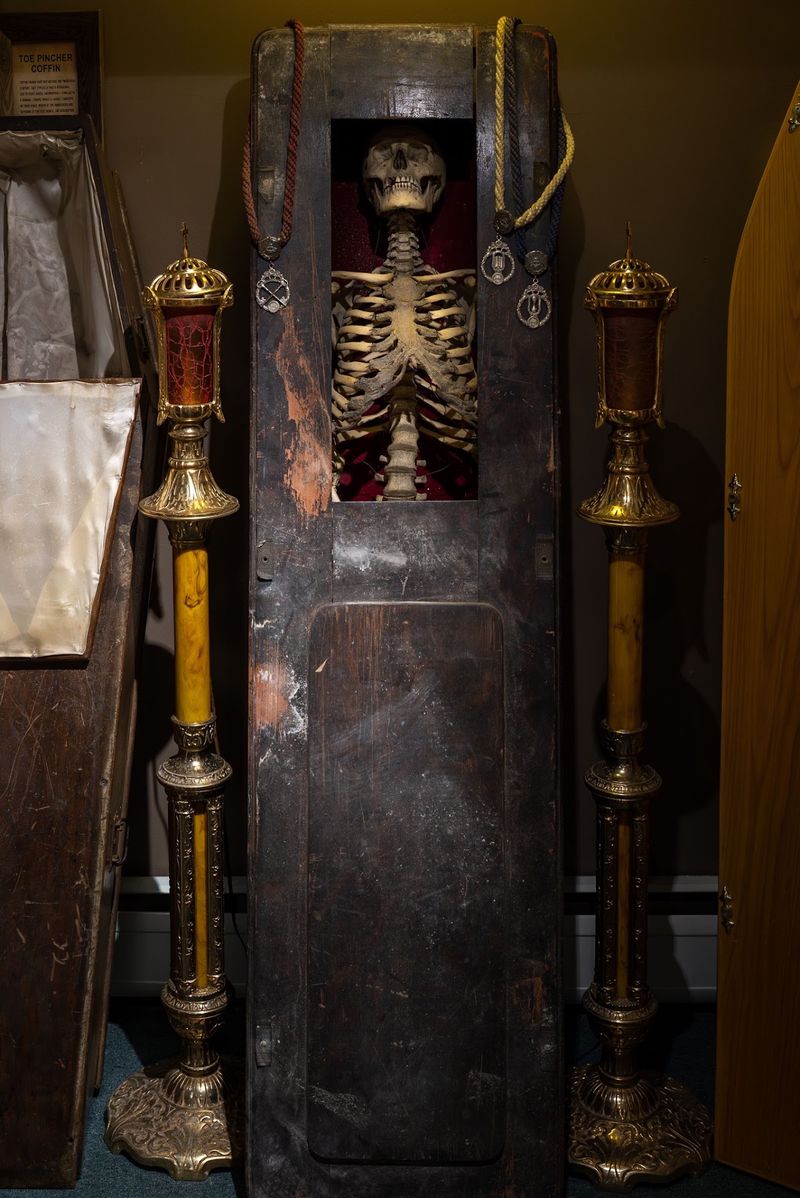
Old embalming kits tell a surprisingly human story. The funeral area at Mythos holds antique mortician and embalming supplies, and it’s often called out as a standout section.
These tools show how care for loved ones changed over the generations. Before modern funeral homes, families and early professionals relied on simple instruments and methods that look unfamiliar today.
Seeing the real equipment makes that history feel concrete.
I find this part of the museum interesting because it handles a serious topic with respect. It’s educational rather than gruesome.
The goal seems to be helping people understand a profession most of us rarely think about.
Staff members are known for explaining the background of pieces like these. If an object puzzles you, ask about it.
The answers often turn a strange tool into a fascinating piece of history.
Parents can decide how much detail suits their kids. Younger visitors may simply see old instruments, while teens might want the full story.
Some displays here connect to what the museum has called its science-focused room. It’s a thoughtful way to approach a part of life that every culture handles in its own way.
Middle-earth in Miniature, Painted by Hand
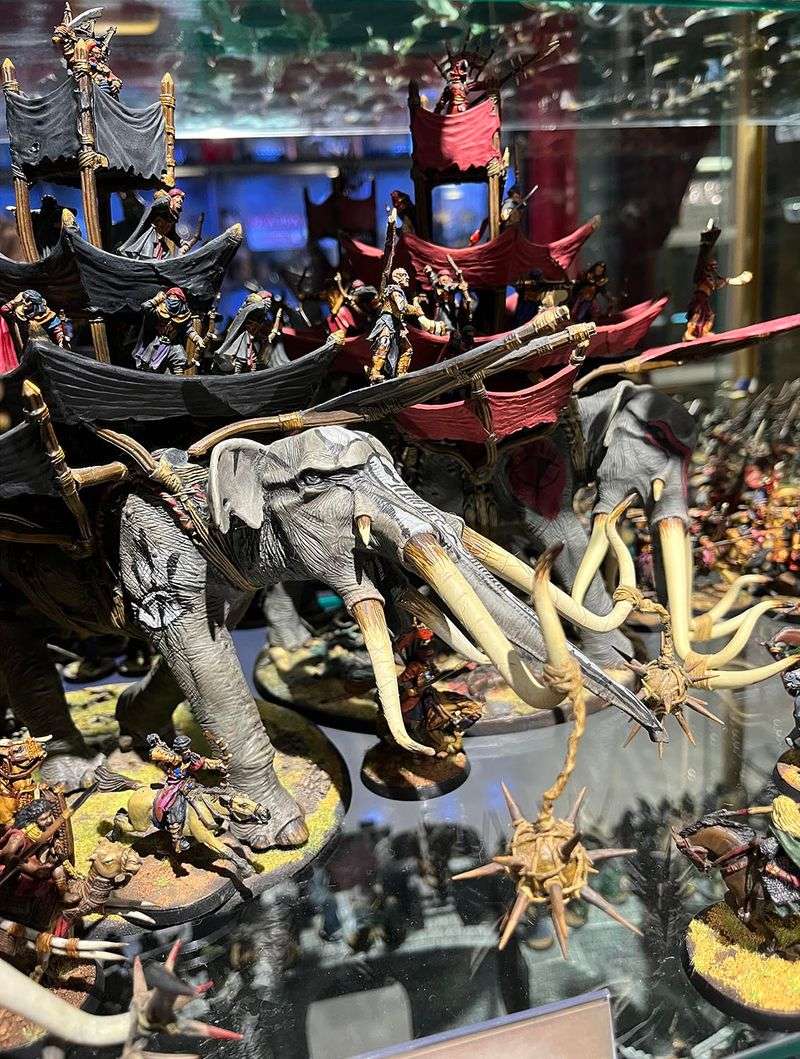
Fans of hobbits and wizards, this section is your reward. Mythos displays a huge set of hand-painted Lord of the Rings and Hobbit miniatures, covering nearly every character from the films.
The painting detail is what grabs people. Tiny faces, cloaks, and armor all get careful brushwork.
Even visitors who weren’t impressed by other parts of the museum have praised these figures.
Here’s a fun detail. The artist behind the miniatures is connected to the museum and has been known to work the front desk.
So the person handing you a ticket might be the one who painted Gandalf’s beard.
I’d suggest slowing down here. Miniatures reward close looking, and it’s easy to miss small touches if you rush.
Try spotting your favorite character before moving on.
For anyone who paints models as a hobby, this display doubles as inspiration. It shows what patience and practice can produce on a very small scale.
It’s also a nice change of pace after the darker funeral displays. Middle-earth brings a lighter, adventurous mood, which balances the museum well.
Over 200 Halloween Masks Staring Back
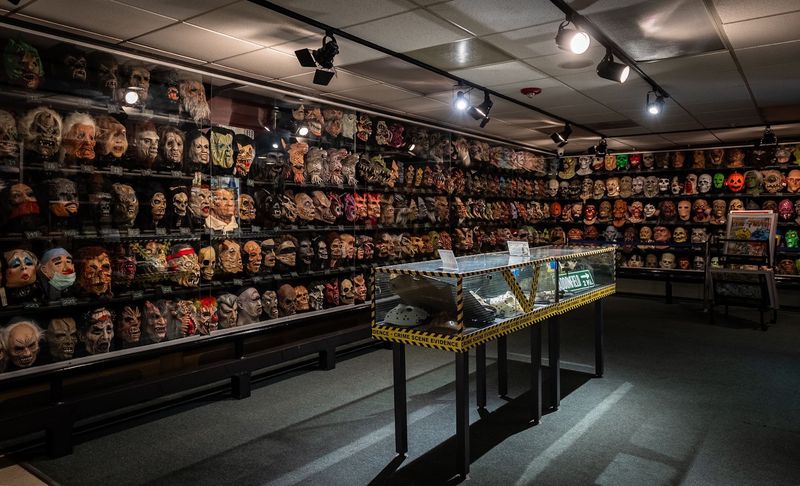
Rows of rubber faces line one part of the museum. The mask collection includes more than 200 latex Halloween masks kept in excellent condition, and it’s one of the most talked-about features.
Classic costumes join them, including vintage Ben Cooper pieces. Ben Cooper costumes were a staple of trick-or-treating for decades, so many grown-ups may spot something from their own childhood.
That nostalgia is a big part of the appeal. Parents can point out monsters they once wore, and kids can see how Halloween looked long before store-bought inflatables.
Horror movie memorabilia also appears here, adding to the spooky-season feel. If you love October, this area may become your favorite stop.
I like how this section connects to Pontiac’s haunted attraction scene. Mythos shares its block with Erebus, and the curator was reportedly the original voice of that haunted house.
Another creative link is worth knowing. Steve, one of the owners, created covers for Fear Finder magazine, and posters of those covers may be available to purchase.
It’s a fun keepsake for horror fans.
Just be ready for many eyes looking your way.
Skulls, Specimens, and Natural History
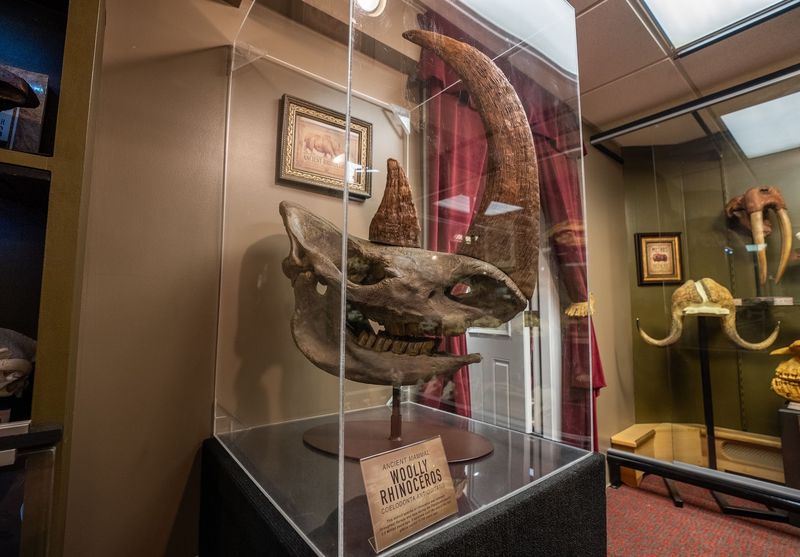
Bones make great teachers. Mythos has skulls from dozens of animals, giving visitors a close look at how different creatures are built.
Comparing skulls side by side is surprisingly fun. You can notice how meat eaters and plant eaters have different teeth, or how eye sockets change from one species to another.
It’s science you can actually see.
Wet specimens, which are preserved in jars of liquid, also earn attention. They’re a classic part of oddity collections and show details that dried specimens can’t.
Archaeology items and fossil reproductions round out this natural history side. Some visitors list these as favorites, especially those who enjoy ancient life and human history.
I’d recommend this area for students working on science projects. Seeing real anatomy can make textbook diagrams finally make sense.
Staff often share stories about where items came from and what they reveal. Those conversations add context that a small label can’t.
Speaking of labels, some information cards are small, so you may need to lean in. That’s a good reason to chat with whoever is on duty instead.
Weekend Hours and Smart Timing
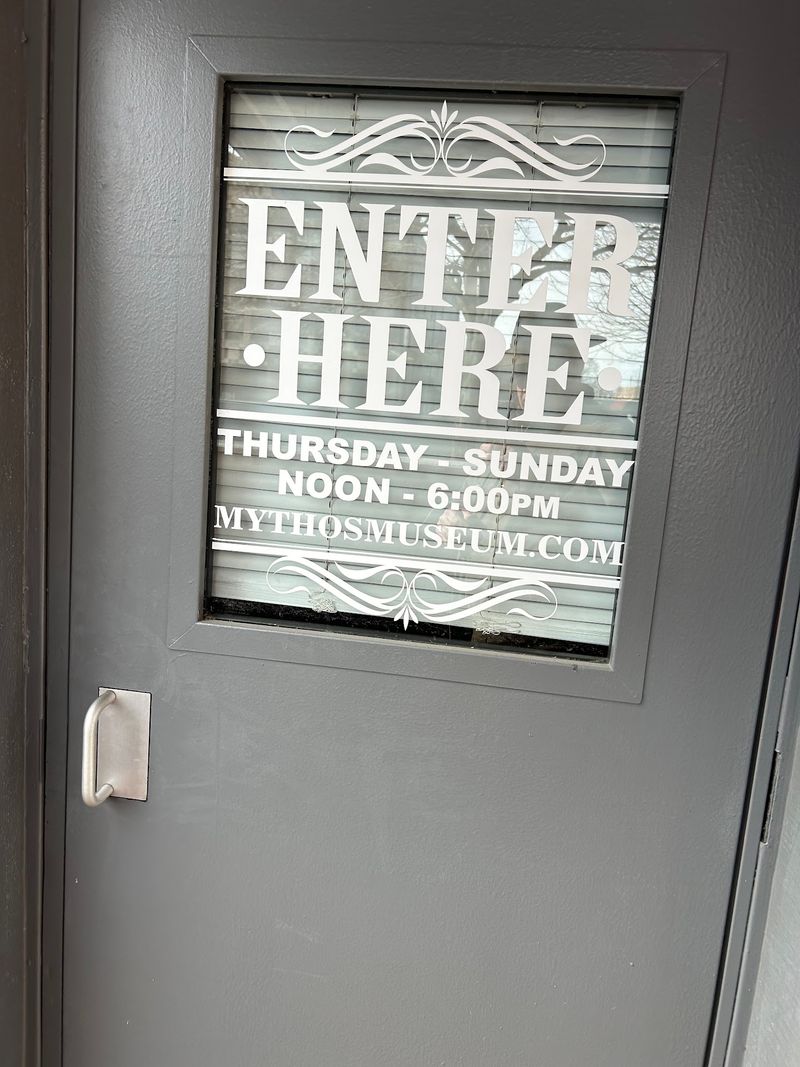
Plan for a weekend. Mythos currently lists Saturday and Sunday hours, starting at noon, and stays closed Monday through Friday.
Because hours can change, especially around Halloween, I’d check the official website before heading out. Spooky season may bring different schedules or extra interest.
Most people spend about an hour exploring, though some stay two hours when conversations with staff get going. If you love asking questions, give yourself breathing room.
Buying tickets ahead of time is an option, but it isn’t always required. Groups may want to plan ahead anyway.
Inside, the space is described as quiet and well organized. That calm feel makes it easier to read displays and talk without crowds pressing in.
Remember, photos and videos aren’t allowed. Charge your curiosity instead of your phone.
Since the museum sits right beside Erebus, many people pair the two on the same trip. It’s an easy way to build a full spooky outing in Pontiac.
Next up, a few details about parking and entry that can save you a confused walk around the block.
Finding the Door on Perry Street
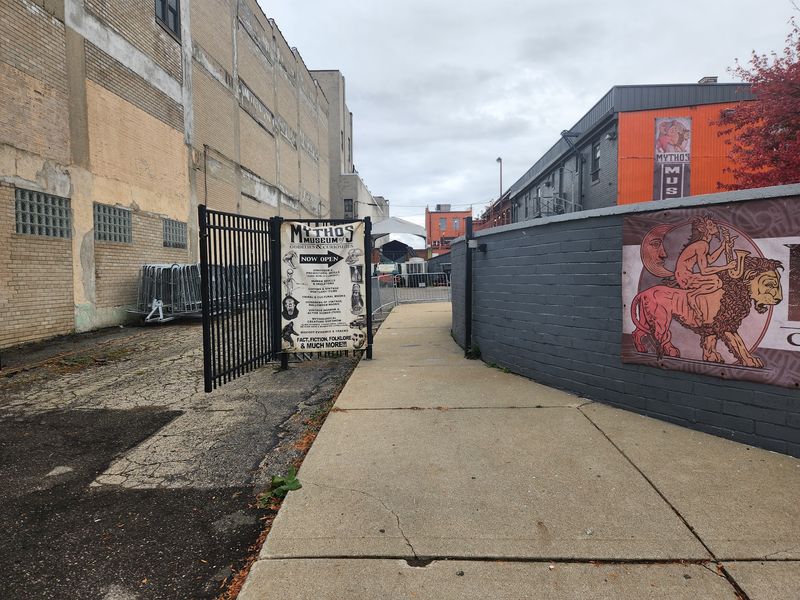
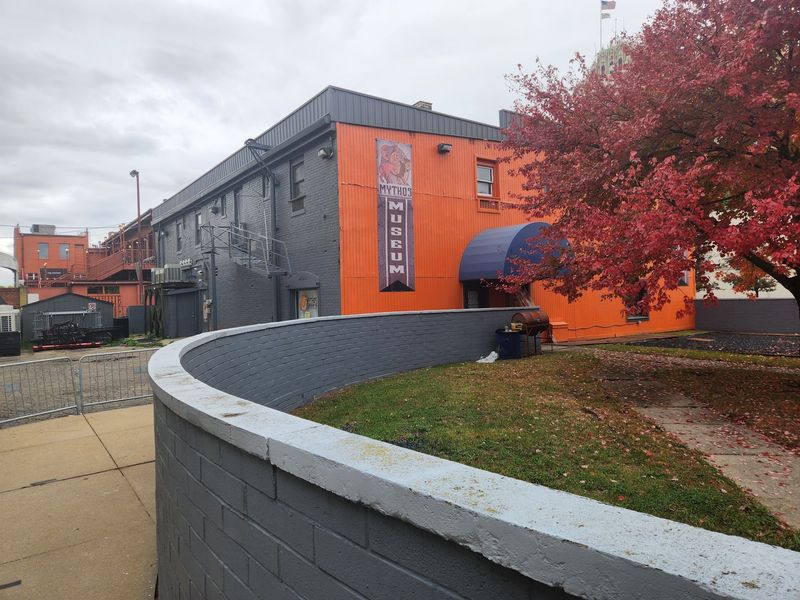
Getting lost on Pike Street is a rite of passage for first-timers. The museum’s address says Pike, but the actual entrance is around the corner on Perry Street.
Walk past the brick wall and look for a black metal gate. Go through it, and you’ll reach the door.
Simple once you know it, confusing if you don’t.
There’s no dedicated on-site parking lot. Street and nearby parking in downtown Pontiac is the usual approach, so leave a few extra minutes to find a spot.
The covered windows can make the building look closed even during open hours. Don’t let that stop you.
Just head to the door.
I’d share these details with anyone in your group ahead of time. It saves the classic moment of everyone standing on the sidewalk wondering where to go.
Arriving a little early can help, especially on busy autumn weekends when Erebus draws crowds next door.
Once you’re through the gate, the strange world inside makes the short hunt feel worth it. And a few perks at the end might make you plan a return trip.
Keep Your Ticket Stub for Next Time
Hold onto that ticket. Mythos has offered visitors a stub that can be used for a reduced price on a return visit, which encourages people to come back and see new additions.
New exhibits do appear. The team has said they keep adding displays and improving signage, so a second trip may look different from the first.
Families get a sweet bonus, too. Kids under six have been admitted free, and young visitors can grab a free piece of candy on the way out.
Policies can change, so confirm before you go.
Book lovers should keep a pen handy. The museum shares book recommendations connected to its themes, and some visitors leave with long reading lists.
Horror fans might also pick up a signed poster of Steve’s Fear Finder magazine covers, if available. It’s a souvenir with a real local connection.
I like that the visit doesn’t end at the last display case. Between books, posters, and a return discount, Mythos gives you reasons to keep thinking about what you saw.
That kind of follow-up curiosity is exactly what a myth-inspired museum should spark.
Share this story