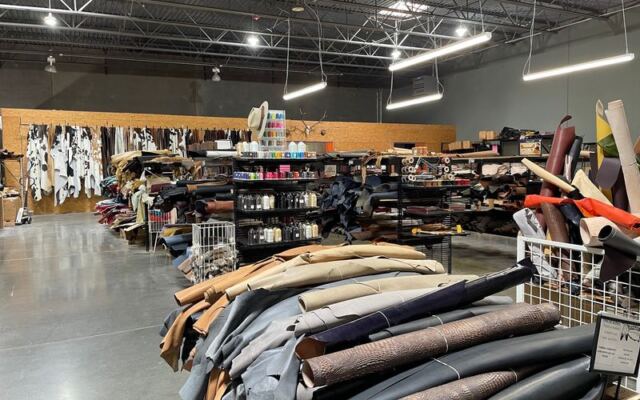
Picture a quiet craft room in Oklahoma where a flat piece of leather turns into something you can slip into your pocket. That small spark of making something real with your own hands is what draws so many beginners to leatherwork.
One Oklahoma college listed a short workshop built around exactly that idea. Here is what it offered, what it taught, and what to do if you want a similar experience.
The verified Stillwater class has already taken place
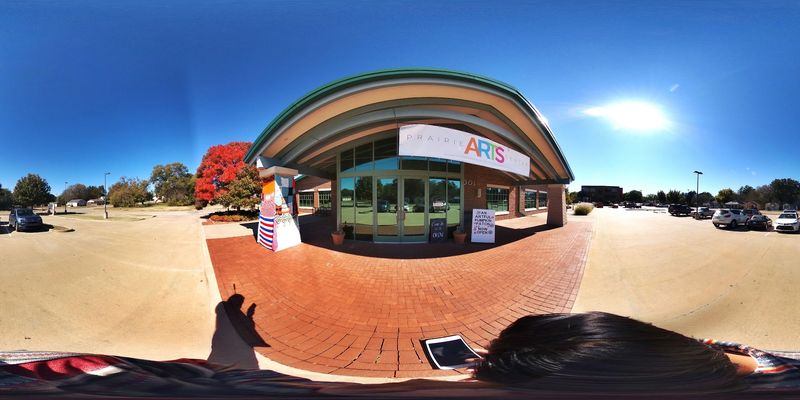
Here is the key fact up front: the workshop in this story is over. Oklahoma State University’s event listing placed the Leather Wallet Workshop in Stillwater on August 15, 2026, from 1 to 3 p.m.
That date has passed, so this is a look back at a documented class and not a sign-up page.
The listing came from the Prairie Arts Center, and it is a handy snapshot of what a short, beginner-level leather session can look like. It describes a hands-on afternoon where people decorate a wallet, learn how it is stitched and finished, and leave with a completed piece.
Nothing in the listing shows that another session has been scheduled. If you read this hoping to reserve a seat, treat the details below as a guide to what to look for, and plan to confirm any new date directly with the organizer before you make travel plans.
The past listing was built for first-time makers
Plenty of craft classes assume you already own tools and know the lingo. Not this one.
According to the OSU listing, no prior experience was required for the August 15 session.
The listing also spelled out two practical terms. The fee for that event was $45, and participants needed to be 15 or older.
Those details belong to that one past workshop only, so a future class, if one ever appears, could set different prices, age limits, or rules.
The two-hour length is part of the appeal for newcomers too. A single afternoon is a small commitment, which makes it easier to try a new hobby without clearing a whole weekend.
One thing the listing does not say is whether supplies were included in the fee. Anyone checking on a future class should ask the organizer what to bring and what is provided, rather than assuming.
A card wallet is a smaller project than a bifold
Think slim, not bulky. The project in the listing was a card wallet, meant to hold business cards, credit cards, or folded cash.
It was not a full-size bifold or trifold, the kind that stretches across a back pocket.
That smaller size shapes the whole experience. A compact design means fewer pieces and less to manage, which suits a two-hour window and people who are brand new to the craft.
The wording matters in another way. Participants worked with pre-cut leather, and the listing does not say anyone cut a wallet from raw hide or built every part from scratch.
Your job was to personalize and complete a piece that was already prepared.
Some people may hear “make a wallet” and picture patterns, templates, and a pile of raw leather. This workshop was closer to a guided finishing project.
For a beginner, that can be a plus, since you spend your time on the satisfying parts: decorating, stitching, and polishing the result.
Other wallet styles are only worth mentioning to show the contrast. A bigger wallet is a bigger build, and it was not what this class described.
Stitching and finishing turn the blank into a personal piece
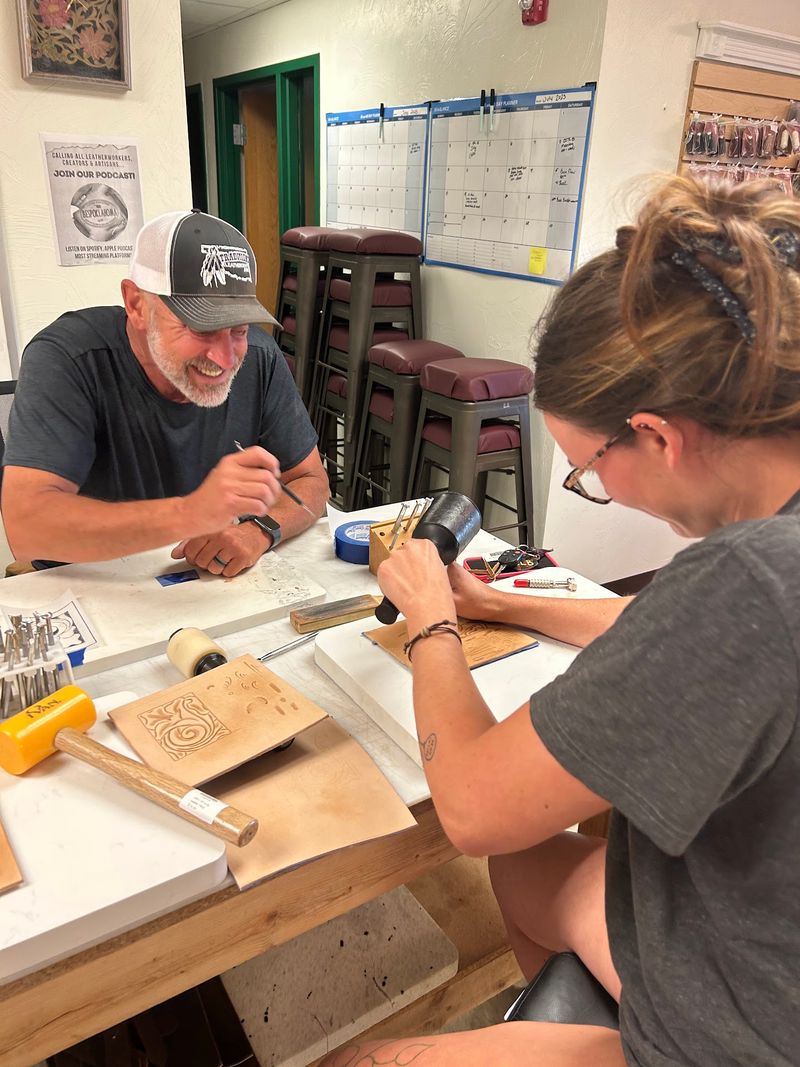
Where does a plain piece of leather pick up its personality? According to the event description, in several steps: decorating, stamping, tooling, stitching, edge finishing, and installing hardware.
These are the parts the listing named, not a minute-by-minute schedule, so the real order and pacing of the afternoon are unknown.
Stamping and tooling are the creative end. Pressing designs into leather lets each person leave a mark that nobody else’s wallet will have, even when everyone starts with the same pre-cut shape.
Stitching is the step that holds the wallet together. The listing mentions it but does not name a specific hand-stitching method, so it is best not to guess which technique was taught.
Edge finishing is the quiet detail that makes handmade leather look polished. Raw edges tend to look rough, and finishing them is what gives a piece a tidy, store-bought feel.
Hardware is the last piece of the puzzle. The listing includes installing it, which suggests participants walked out with a completed wallet.
The listing itself calls the finished wallet durable, but that is the event’s own description, and no testing backs up long-term wear. Treat it as a friendly promise, not a guarantee.
Leatherworking tools and finishes call for care
Handmade does not mean hazard-free. Leathercraft can involve sharp cutting and punching tools, along with products like dyes, cements, and finishes.
The listing does not say which tools or products the OSU class used, so none of this should be read as a description of that session.
For general safety, the Boy Scouts of America leatherwork guide offers sensible habits. Keep your hands and other body parts out of the path of a blade.
Use chemical products with good ventilation, follow the directions on the label, and protect your skin as directed.
Small habits help in practice. Slow down when a tool is near your fingers, and read the label before opening any bottle.
If you are unsure how something works, ask the instructor before you try it.
A good class makes the process feel relaxed, but care is part of the craft. Treat the tools with respect and the afternoon is far more likely to end with a wallet and not a bandage.
Check for a fresh date before making plans
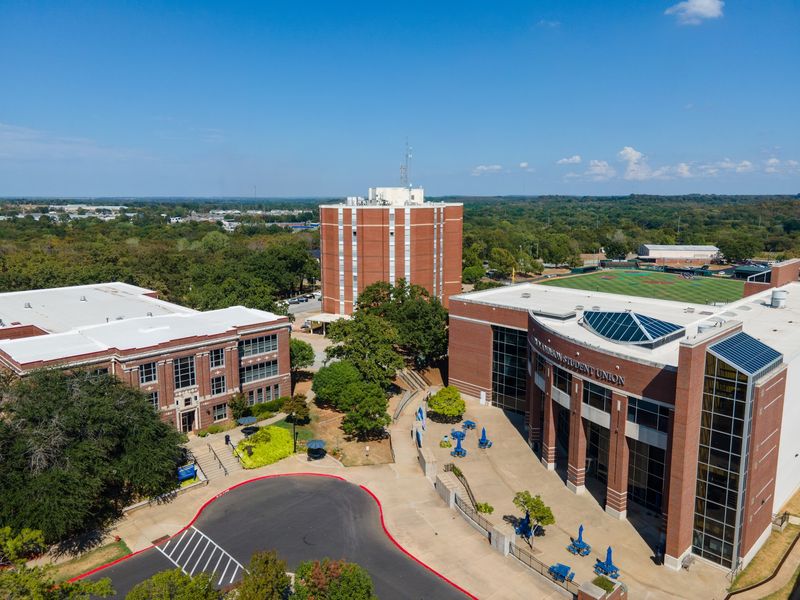
Before you map out a drive to Stillwater, get a fresh answer from the source. The OSU listing covers a past date, and nothing there shows a new session.
Contact the organizer to ask whether a new date exists and whether registration is open.
Other Oklahoma options are out there, but they are different classes. Kiamichi Technology Center in Durant described a separate six-hour leatherworking course with a take-home leather project, though it does not say the project is a wallet.
Its listed dates of October 26 and 27, 2026 have also passed.
A good leather wallet is worth waiting for, and a quick email beats a wasted trip.
Share this story