Some of the best stops in Oklahoma hide behind the plainest doors, and you only find them by being a little curious. I expected a quick look at a few dusty old machines and maybe a polite exit after ten minutes.
Instead, I found rooms packed with iron, gears, and stories, plus a man who never planned to sew a single stitch. It turned into one of those afternoons you keep telling friends about long after the drive home.
A Hands-On Museum Along South Peoria Avenue
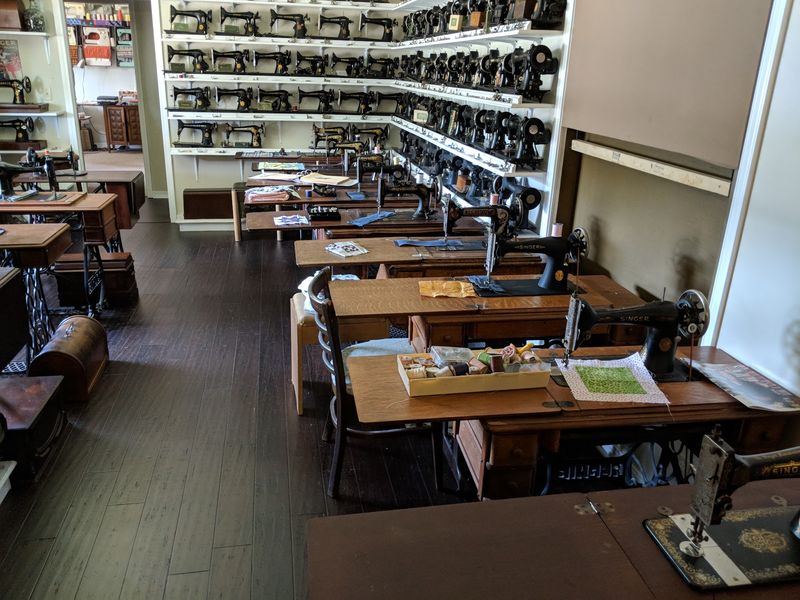
Blink while cruising South Peoria Avenue in Tulsa and you could roll right past it. The Vintage Sewing Machine Museum sits at 5528 S Peoria Ave, a modest spot that gives almost no hint of the mechanical treasure packed inside.
Officially, it goes by the Vintage Sewing Center and Museum, and fans sometimes just call it the M. It works as part museum, part repair shop, and part classroom.
Visitors mention sewing machine repairs, service lessons, and classes for all ages happening right alongside the displays.
What you get is a place that feels lived in rather than roped off. The machines are not sealed behind glass for distant admiring.
Many of them are meant to be touched, cranked, and tested, which is a big part of why travelers leave grinning.
Plenty of people walk in unsure of what to expect. Several visitors admit they assumed they would glance at some old sewing gear and leave.
Hours later, they were still there, chatting, exploring, and sitting behind century-old machines.
For Oklahoma road-trippers who love quirky stops, it checks every box. It is unusual, personal, and rooted in a story so unlikely it almost sounds made up.
Thirty Years of Stumps, Then One Boat Seat
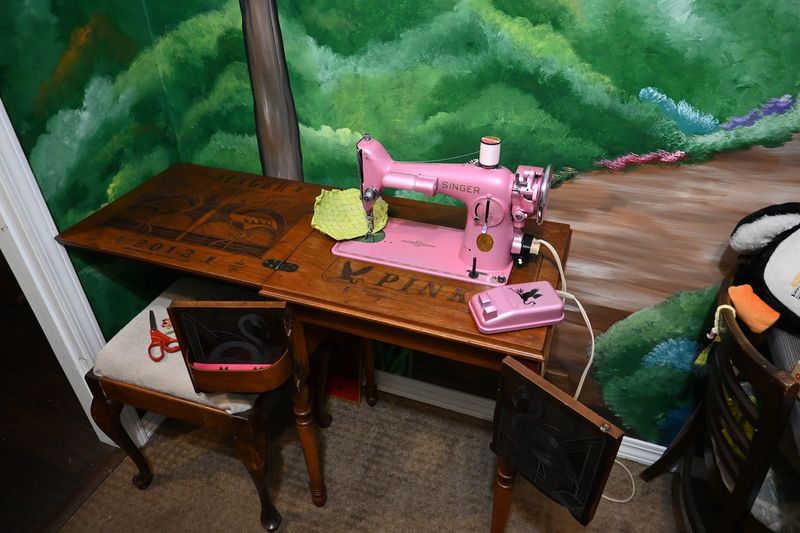
Picture a guy who spent three decades grinding stumps and trimming trees around Tulsa. Wood chips, chainsaws, and long days outdoors were his world.
Sewing was nowhere on the radar.
That man is W. K.
Binger, and according to visitors who heard the tale firsthand, his retirement plan in 2016 was simple. He wanted to reupholster his boat and go fishing.
He had never sewn anything before, but he figured it could not be that hard.
So he headed to a fabric store and bought a heavy-duty sewing machine for about $99. Within a couple of hours, it was broken.
Boat upholstery, it turns out, asks a lot more from a machine than a light home model can handle.
Plenty of folks would have shrugged and hired someone. Binger, who is also described as an inventor holding many patents, thought about finding a replacement part or simply making his own.
That tinkering mindset shows up everywhere in the museum today.
It is a funny origin, and he seems to enjoy telling it. One broken bargain machine set off a chain of events nobody could have predicted, least of all the former tree trimmer himself.
An Old Customer and a Three-Machine Bargain
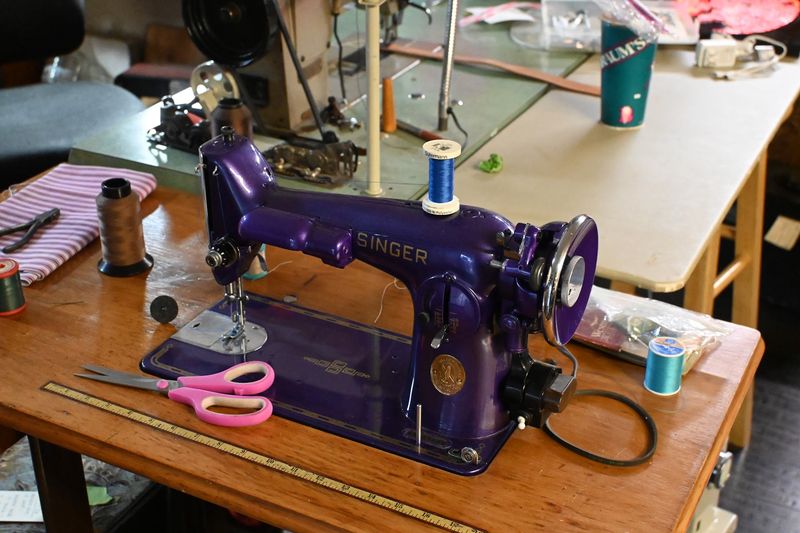
Here is where the story takes a wonderfully small-town turn. When Binger went back to the store, the staff pointed him toward someone who knew machines better suited for upholstery work.
That contact turned out to be a man Binger already knew. Years earlier, he had trimmed this fellow’s trees.
Oklahoma can feel like one big neighborhood sometimes, and this moment proves it.
The man agreed to give Binger a proper machine, but with one condition. Binger had to take two other machines as well and find good homes for them.
It sounds like a tiny favor, yet it opened a door that never really closed.
From those three machines, the collection grew and grew. Visitors who spoke with him report that he now owns thousands of machines, many of them quite valuable.
The museum, started around 2017, became the home for a hobby that clearly took on a life of its own.
There is something charming about how accidental the whole thing is. No grand plan, no fancy funding pitch, just a promise kept to an old customer.
Every machine in the building traces its roots back to that simple handshake deal between two Tulsa neighbors.
Hundreds Upon Hundreds of Iron and Gold Decals
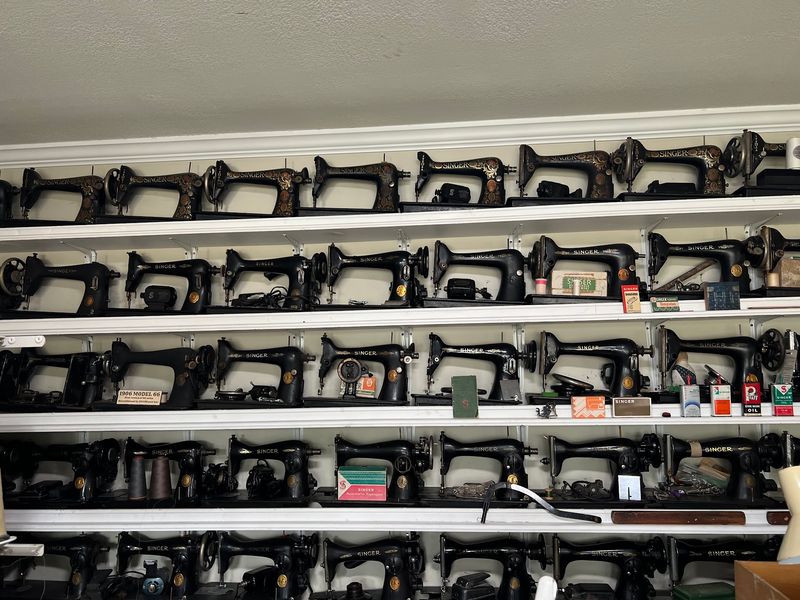
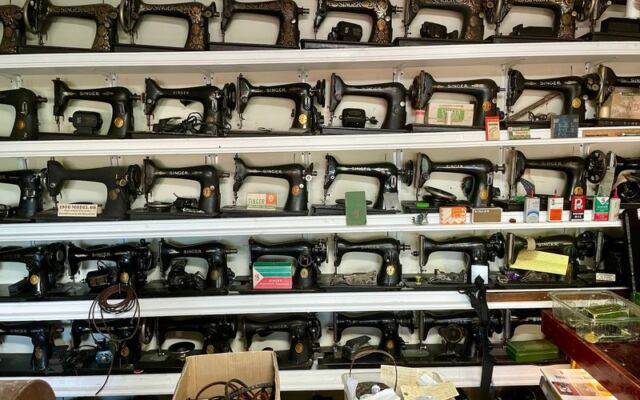
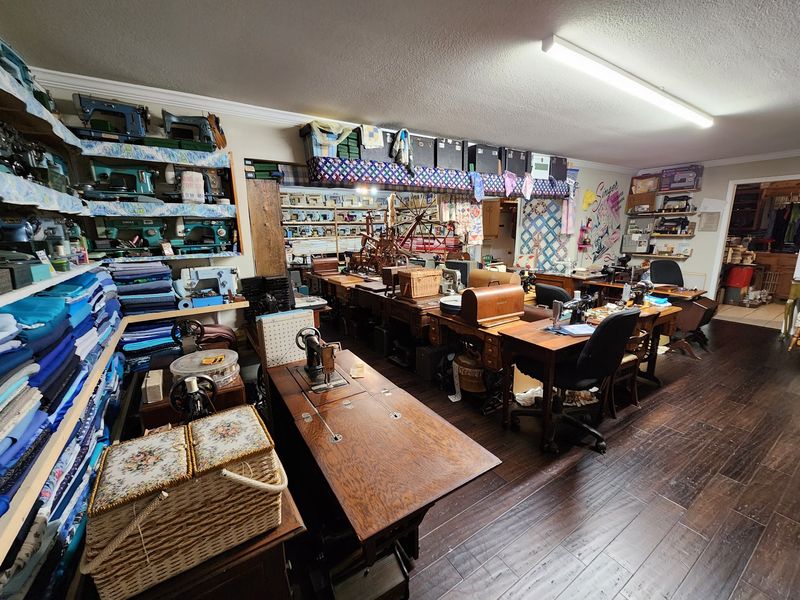
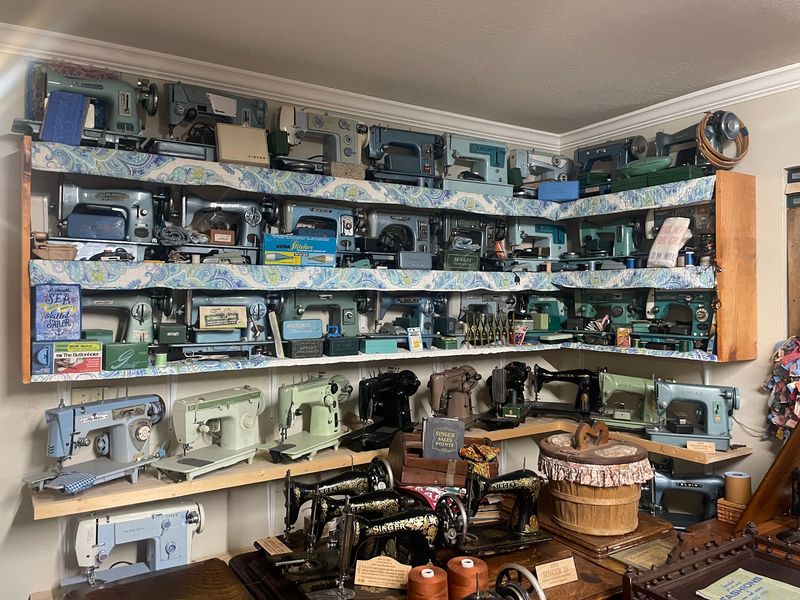
Walk through the door and your eyes do not know where to land first. Visitors describe hundreds and hundreds of sewing machines, plus the accessories that go with them, filling the space from wall to wall.
Most of the collection leans toward Singer, which makes sense given how dominant that brand was for generations. Still, guests mention machines from all over the world, spanning roughly a century of design and engineering.
Treadle bases, ornate decals, and gleaming metal are everywhere.
Despite the sheer volume, the layout is not chaos. One visitor praised how meticulously organized the display is, which helps when you are trying to follow the history from one era to the next.
It is crowded, yes, but in a thoughtful way.
Restoration quality gets plenty of praise, too. Guests say the craftsmanship on these machines is at such a high level that finding better examples would be tough.
Some people spot models just like the ones their mothers or grandmothers used, which tends to spark instant nostalgia.
If you love seeing objects in bulk, this is a feast. Even a quick lap reveals how much variety existed in something most of us think of as a single, simple tool.
Permission to Touch Everything
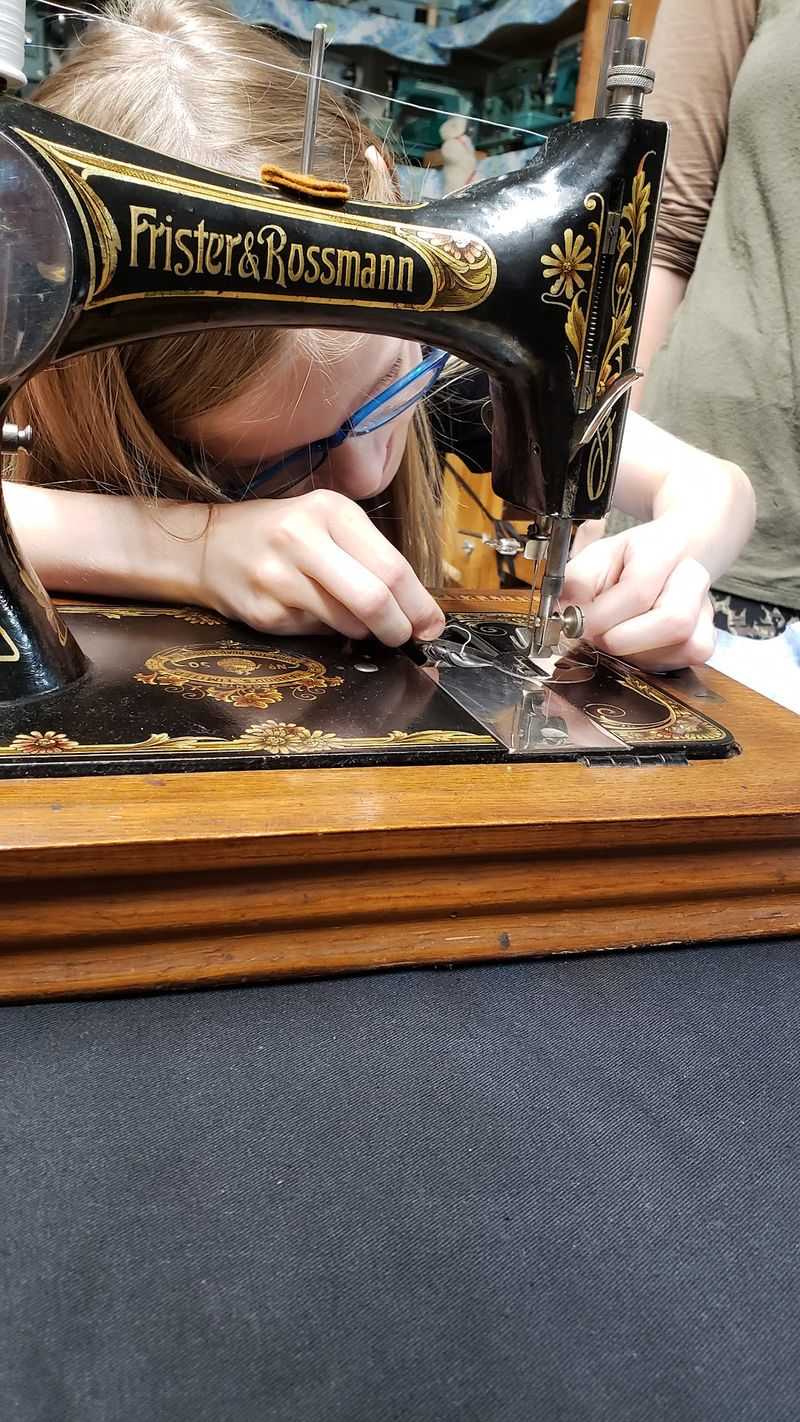
Most museums greet you with a polite sign that says please do not touch. Here, the unspoken rule flips completely.
Visitors say you can touch and even try out the machines, and that freedom changes everything.
Sitting down at a treadle machine and feeling the rhythm under your feet is a totally different experience from reading a label. One group of three, only one of whom sewed seriously, said the chance to use several machines was a delightful surprise.
Everyone in the group enjoyed it equally.
Then there is the big one. Guests have described operating a leather sewing machine roughly the size of a small automobile.
Imagine telling friends back home that you sewed on something nearly as big as a compact car.
An early visitor summed up the appeal nicely, saying you get a taste of history through machines you can actually sit down and run. That sensory connection sticks with people far longer than a quick photo would.
Kids especially seem to light up with this approach, though adults are just as hooked. Who knew pressing a pedal on a hundred-year-old machine could feel like such a small adventure?
Tents, Sails, Books and a Hammock Machine
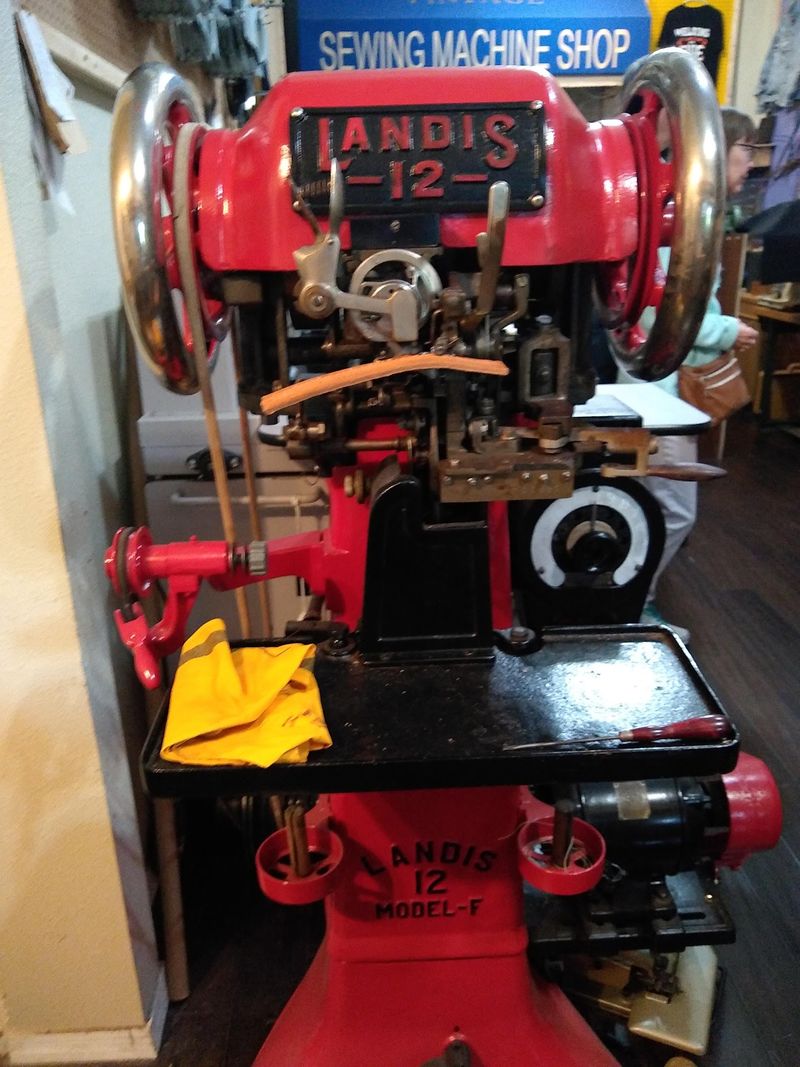
Did you know sewing machines have shaped far more than clothing? Visitors who toured with the owner came away realizing how wide the reach of this technology really is.
According to guests, Binger explains how sewing machines are used for tents, sails, book-binding, and plenty of other jobs. Industrial machines appear in the collection alongside home models, showing just how tough and specialized these tools could get.
A machine built for heavy canvas is a very different beast from one meant for a cotton dress.
One visitor named the hammock machine as her favorite piece. It is exactly the sort of oddball object that makes this stop feel like a true roadside discovery.
You walk in thinking about hems and walk out thinking about hammocks.
The history lesson can get surprisingly big, too. One guest shared that, as explained during the visit, more sewing machines have been made than any other machine in world history, backed by enormous research and engineering effort.
That claim alone may make you look at your grandmother’s old Singer differently.
No interest in sewing is required to appreciate any of it. The industrial and historical side can grab gearheads and history buffs just as easily as quilters.
The Collector Who Knows Every Backstory
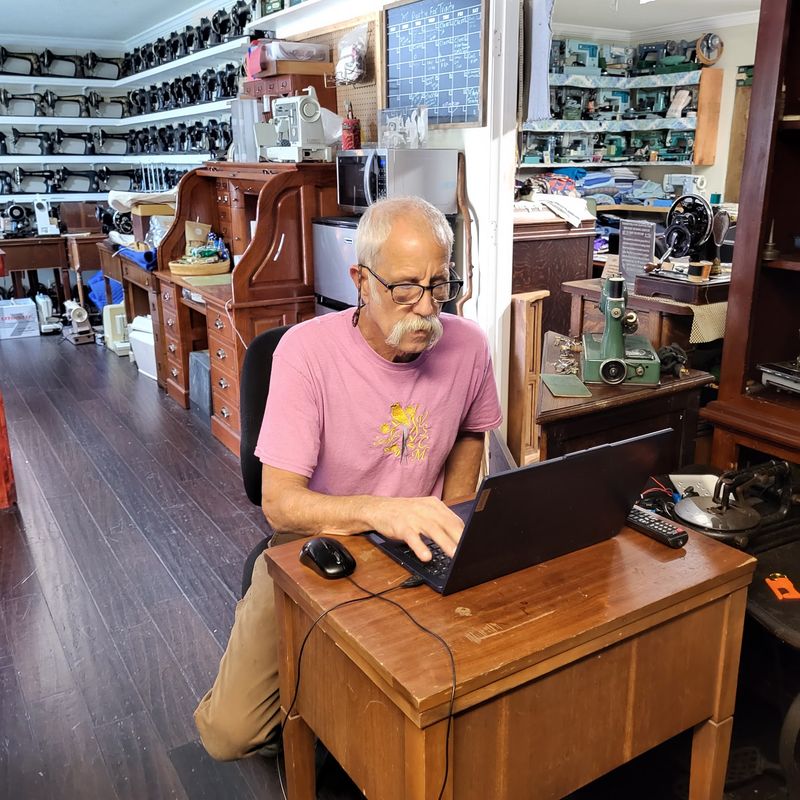
Ask almost anyone who has visited, and they will tell you the collection is impressive, but the collector steals the show. Binger, often called WK by guests, comes up again and again as the heart of the place.
His memory for detail is a big part of the charm. One couple said he knew the story of every piece, the name of each previous owner, and even the name of that owner’s grandmother.
He could also explain what each machine was built to sew.
Guests also mention stories about what famous people have donated over the years. Those tales add a fun layer of surprise as you wander from machine to machine.
A visitor pointed out that simply browsing would be nice, but you might not really understand what you were seeing. A guided tour that walks through the history and advancements makes the machines come alive.
One early guest noted you can browse alone or opt for a guided tour.
Not every visit lands the same way, of course. Still, most people describe him as kind, generous, and deeply passionate.
Husbands who were dragged along reluctantly have reportedly ended up enjoying it as much as their spouses.
Youth Classes Built on the Edge of Failure
If you’re not willing to live on the edge of failure, you’re not using all your creativity. That idea, shared by Binger with visitors, sums up how he approaches teaching young people.
Alongside the museum, he runs a youth program and sewing classes, and guests say his passion for making things shines through. He reportedly treats his students’ mistakes as gifts rather than problems.
Failed projects are kept, not tossed, because they show a willingness to try, learn, and try again.
His style is hands-off in the best way. When a kid has an idea, he lets them work it out instead of steering them toward his own method.
Visitors mention that his students have included autistic children and a blind student, all encouraged to find their own path.
Adults benefit, too. One guest learned how to service her old Singer, and said WK explained the inner workings in a clear, easy way.
It brought back memories of watching her mom oil and adjust her own machine.
Many visitors leave amazed by the handiwork kids have produced. A current student even described the classes as a fun getaway and a great way to learn.
Custom Tiles, Keychains and a Chatty Host
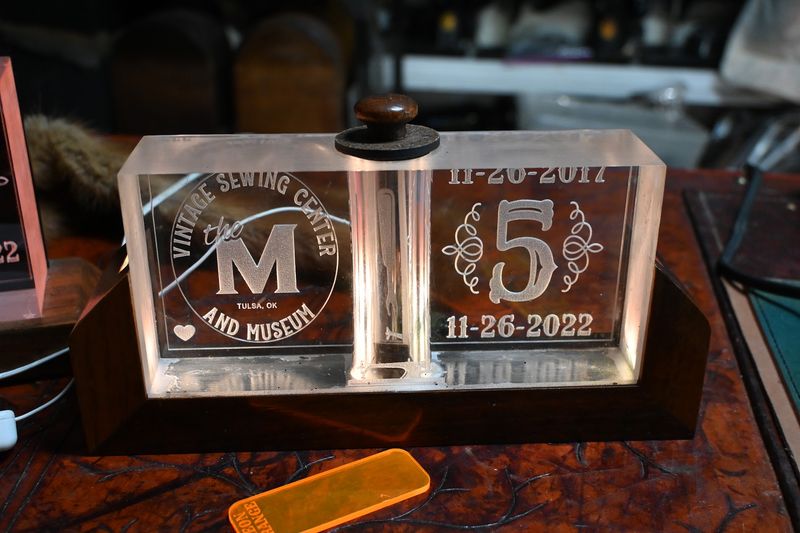
Leaving with a souvenir made just for you is a pretty great bonus. Several guests mention that Binger designed a custom tile for them, using a laser machine in the shop.
One visitor who does not sew was offered a tile instead of a sewing demo. The design process took around 20 minutes, and she left with both a tile and a keychain.
Another family on a Saturday visit enjoyed history stories and a custom tile as part of their time there.
Here is a friendly heads-up, though. The host loves to talk, share photos of student projects, and ask about your hobbies.
Most visitors find this delightful, but a few felt the conversation drifted away from the machines or ran longer than they wanted.
One family, for example, hoped for more explanation of the sewing equipment and felt the visit focused on personal projects instead. Knowing that ahead of time helps set expectations.
If you want a machine-focused tour, simply say so early.
For many, though, these personal touches are the highlight. The tiles become small reminders of a quirky afternoon in Tulsa, and visitors often drop a donation for the kids’ projects on the way out.
Hours, Admission and a Smart Phone Call
Planning ahead pays off with this stop. The museum lists hours of 12 to 6 PM, Tuesday through Saturday, and it is closed on Sundays and Mondays.
That said, calling first is a very good idea. A recent visitor mentioned that the owner has been dealing with health issues and the museum may not always open during posted hours.
Another guest once arrived to find the schedule differed from an online travel listing. The number to call is 918-280-0161, and updates also show up on the museum’s Facebook page.
Admission details have shifted over time. A visitor several years ago reported $10 per person, with an extra charge for a guided tour.
More recent guests describe it as free, with a donation box supporting the kids’ projects, and many say they happily gave more than usual.
Time is the real currency here. One guest suggested allowing at least an hour, yet plenty of people end up staying two or three hours.
Binger himself reportedly jokes that folks expect an hour and find themselves still there three hours later.
Bring a friend, budget a relaxed afternoon, and keep your schedule loose.
Why Tulsa’s Oddest Collection Deserves a Detour
Some places are worth a stop, and some places are worth planning a trip around. One visitor went as far as saying this museum alone justifies a journey to Tulsa from anywhere.
It suits a surprisingly wide crowd. Seamstresses and quilters will be in heaven, of course, but history fans, tinkerers, and curious road-trippers fit right in too.
Guests who stopped by during a road trip said they simply enjoyed chatting with the knowledgeable owner.
Families with kids interested in making things may find it especially inspiring. Couples have turned it into anniversary memories, and skeptical spouses keep getting won over.
Travelers who like quiet, self-guided browsing should know the experience leans heavily on conversation with the host.
A few people felt it did not match their idea of a traditional museum, and that is fair to keep in mind. Yet the overwhelming feeling among visitors is pure delight.
Words like hidden gem, treasure, and one of a kind come up again and again.
So the next time Route 66 or a weekend drive brings you through Tulsa, call ahead and swing by. A retired tree trimmer and his thousands of machines are waiting to surprise you.
Share this story