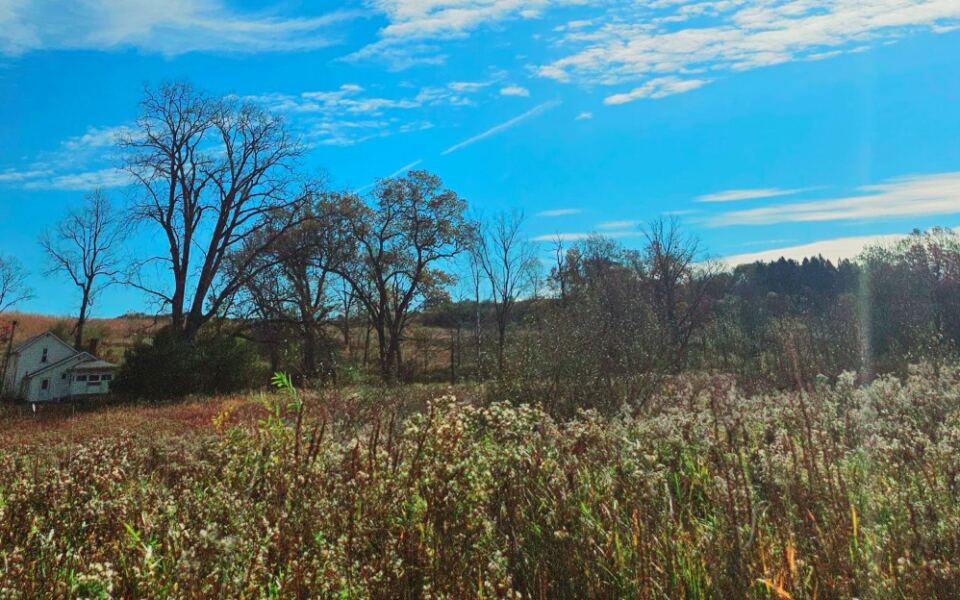
An old Michigan farm is now a 128-acre bird sanctuary with a wooden boardwalk through a wetland, natural springs, and about 1.6 miles of trails.
Otis Farm Bird Sanctuary sits outside Hastings in Barry County, where former farmland, mature hardwood forest, and wetlands provide habitat for a variety of birds. The property still has reminders of its farming past, including an old barn and silo.
The sanctuary also serves as a meeting point for guided tours searching for the elusive Cerulean Warbler in nearby Barry State Game Area. Visitors can explore the sanctuary’s trails independently, with the short boardwalk offering a closer look at its wetland habitat.
Here’s what makes this former farm an interesting stop for hikers, birdwatchers, and families.
A Farm Gift That Became a Bird Haven

Land often tells a story, and this one begins with a family farm. The Michigan Audubon Otis Sanctuary, often called the Otis Farm Bird Sanctuary, sits at 3560 Havens Road in Hastings, Michigan, in Barry County.
The property came to Michigan Audubon from the Otis family, who wanted the land protected for wildlife. Today the group manages it as a sanctuary, which means the goal is habitat first and people second.
That focus is part of why it feels so calm.
You can still spot reminders of the farm years. Old silos rise near the meadow, and they look a little surprising next to fields of wildflowers and young trees.
They make a nice clue that this land has lived more than one life.
I find that mix of past and present easy to appreciate. Farm fields slowly became grassland, woods, and wetland, and birds noticed the change fast.
The sanctuary is open for self-guided visits, so you can come at your own pace. Before you head out, though, it helps to know what kind of trail system waits beyond the parking area.
Nearly Two Miles of Easygoing Footpaths
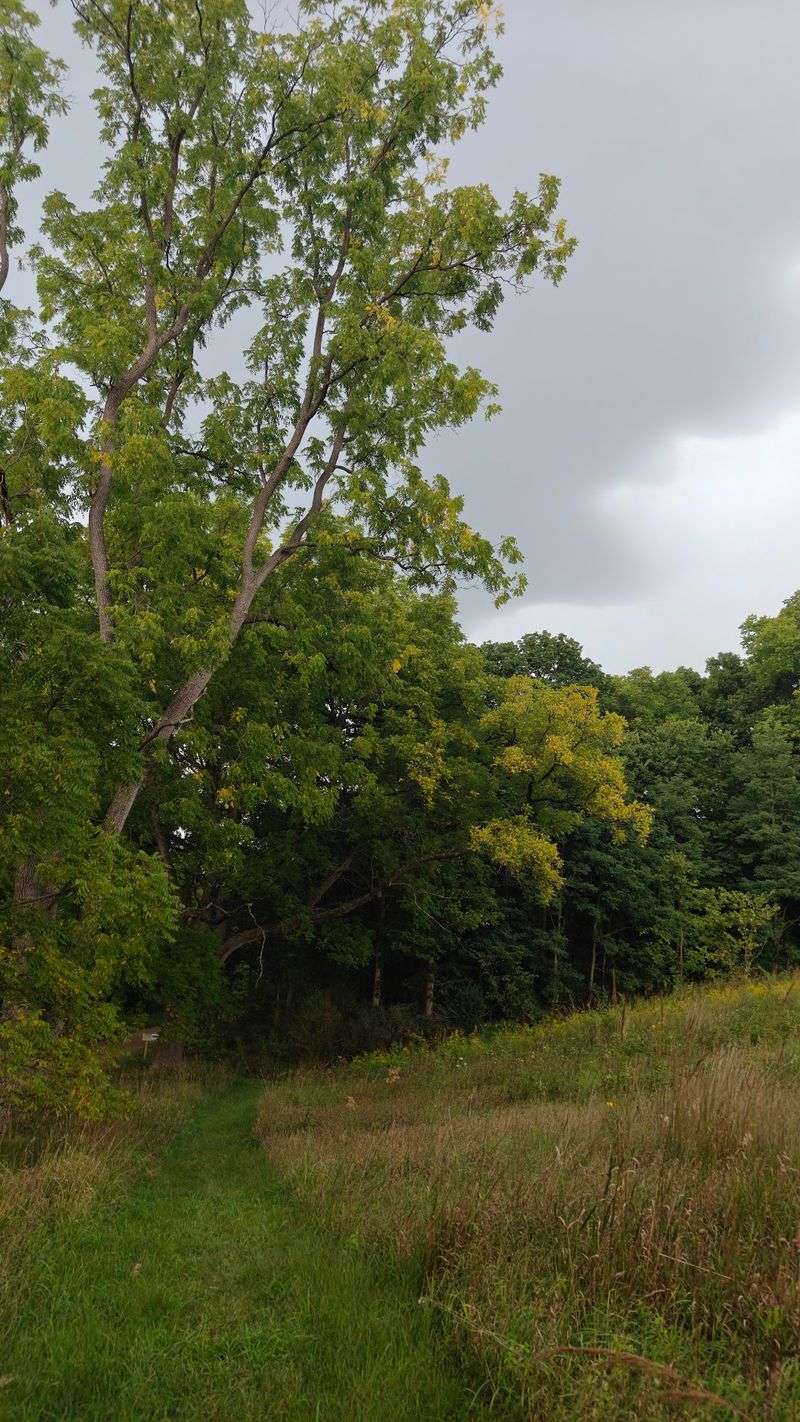
Short trails can still feel full. The paths at Otis add up to nearly two miles, which is enough for a relaxed morning without wearing anyone out.
The route moves through several kinds of habitat. You pass open meadow, shady hardwood forest, and wet ground near the fen.
Each change brings different plants and, often, different birds.
Families have found the trail manageable for kids of many ages, even toddlers with older siblings. That makes it a good pick for a first real hike.
Little legs can handle it, and there is plenty to point at along the way.
Keep in mind that the trails are self-guided. Trail signs and printed information can be limited, so it helps to look up a trail map from Michigan Audubon before you go.
A phone screenshot works fine.
Some sections climb a gentle hill. From the top, you get a wider view across the land, and photographers like setting up tripods there for bird watching.
Slow walking pays off here. The more you pause, the more the woods start to move, and the boardwalk ahead rewards that patience even more.
Boardwalk Over the Fen to a Hidden Spring
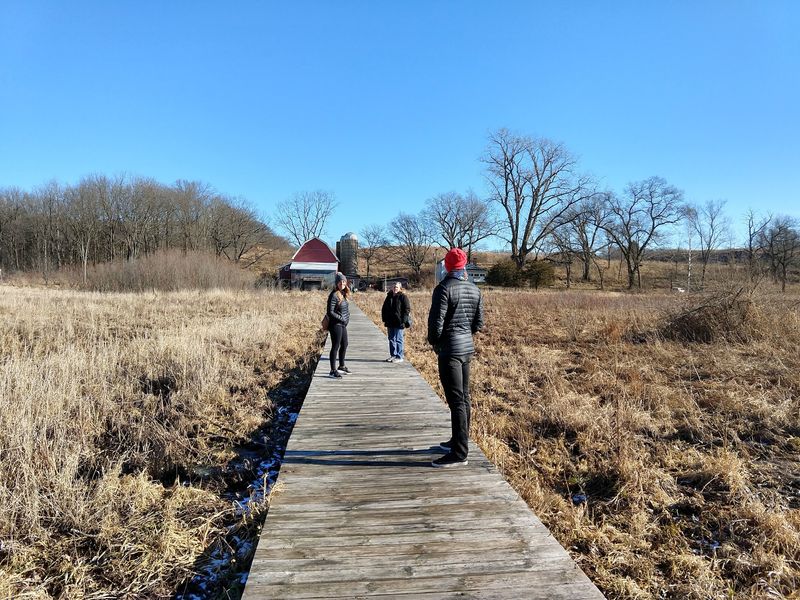
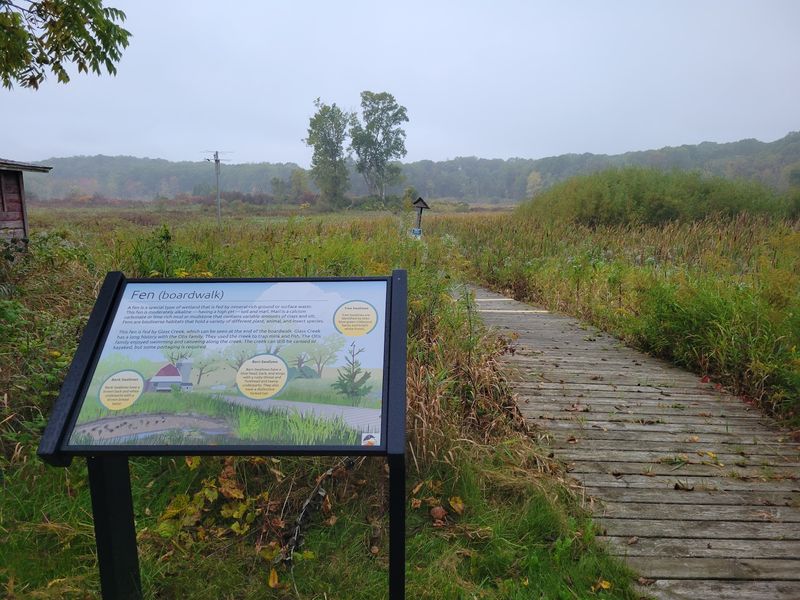
Wet feet are not required. A wooden boardwalk carries you over the fen, a type of wetland fed by groundwater rather than rain alone.
Fens are special because that mineral-rich water supports plants you won’t see in a dry field. Sedges, grasses, and shrubs grow thick here.
The boardwalk lets you get close without trampling any of it.
At the end waits a sheltered spring. Water rises straight out of the ground, which is a quiet little wonder to watch.
Kids tend to love spotting the source of a stream.
I’d plan to linger on this stretch. Wetlands are busy places for birds, insects, and frogs, and standing still for a few minutes can reveal a lot.
Bring shoes with decent grip, since wooden boards can get slick after rain or morning dew. Stay on the walkway to protect the delicate plants below.
This boardwalk is easily one of the most talked-about features at Otis. It also happens to sit near some of the best spots for hearing songbirds, which brings us to the bird that started the buzz.
The Little Blue Warbler Birders Chase
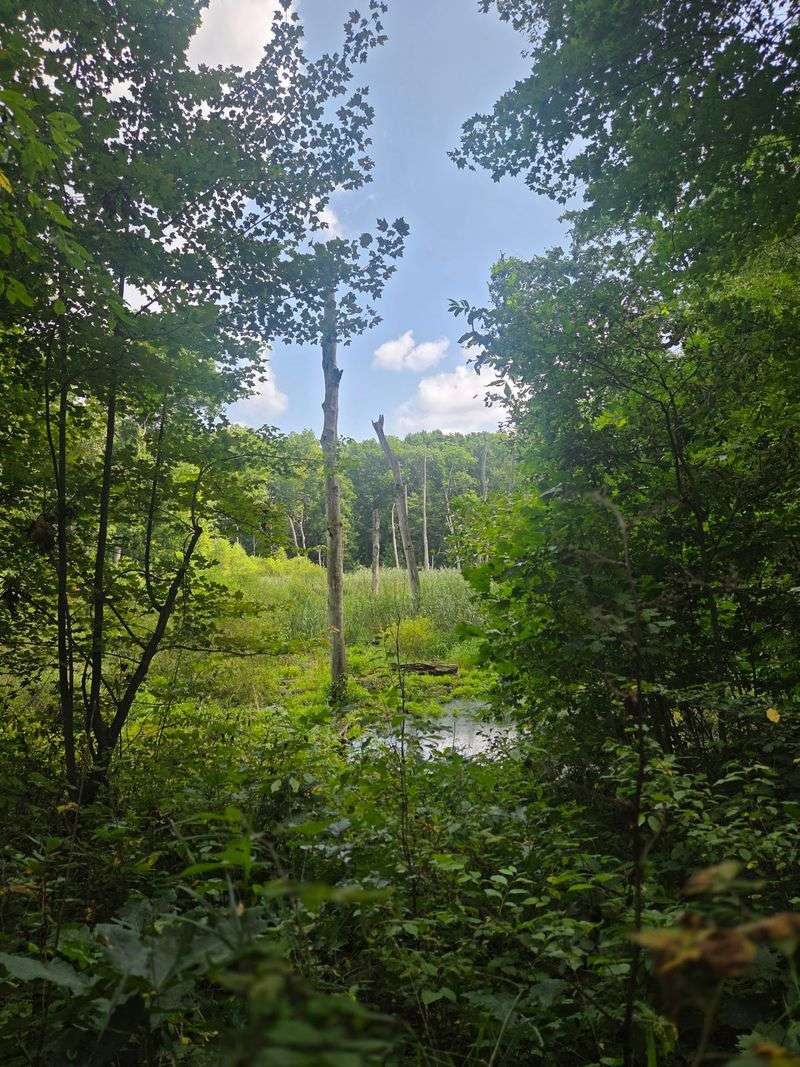
Sky blue and hard to see, the Cerulean Warbler is a tiny songbird that spends most of its time high in tall trees. Michigan Audubon has highlighted the Otis woods as an important place for this species.
Why the fuss? Cerulean Warblers have declined across much of their range, and they need large stands of mature hardwood forest.
Otis helps protect exactly that kind of habitat.
Guided spring walks have been organized around finding this bird. Even beginners on these tours have come away with a new interest in songbirds, thanks to guides who know just where to look.
Spotting one takes patience. Listen for a buzzy, rising song coming from the treetops, then scan the upper branches.
Binoculars are a must.
Late spring is usually the best window, when warblers arrive and sing to claim territory. Check Michigan Audubon’s event listings for any guided walks.
Don’t worry if the blue bird stays hidden. The sanctuary has a long list of other feathered residents, and plenty of them are easier to find.
Yellow Warblers, Redstarts, and Friends
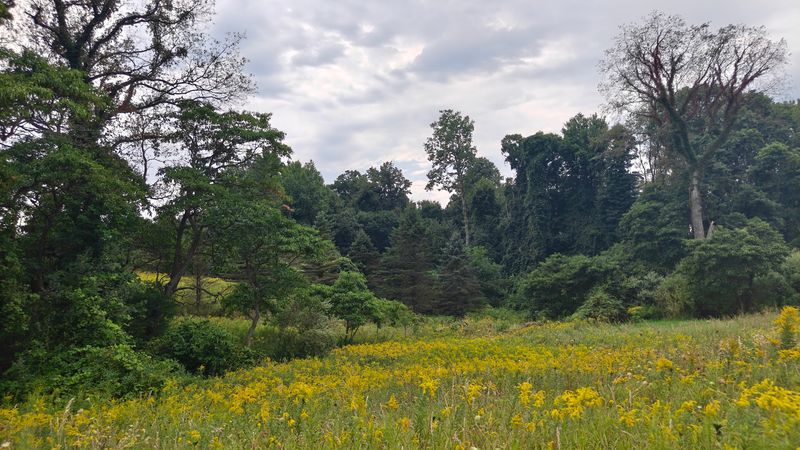
Bright yellow flashes are common along these trails in late spring. Birders who visited in May and June have reported yellow warblers, common yellowthroats, tree swallows, and American redstarts.
Each one has its own look. Yellow warblers are almost entirely gold.
Common yellowthroats wear a black mask, and redstarts flash orange patches as they fan their tails.
Tree swallows are the acrobats of the meadow. They swoop low over the grass catching insects, and their backs shine blue-green in the sun.
For beginners, I’d suggest a simple free bird ID app. Many apps can also identify songs, which helps a lot when birds hide in leaves.
Early morning is usually the liveliest time. Birds sing most right after sunrise, and the trails tend to be quiet then too.
Write down what you see. A small notebook turns a walk into a fun game, especially for kids keeping score.
All these birds depend on one thing above all: the right mix of habitats. And that mix is exactly what the meadow and woods provide.
Meadows That Bloom With Wildflowers
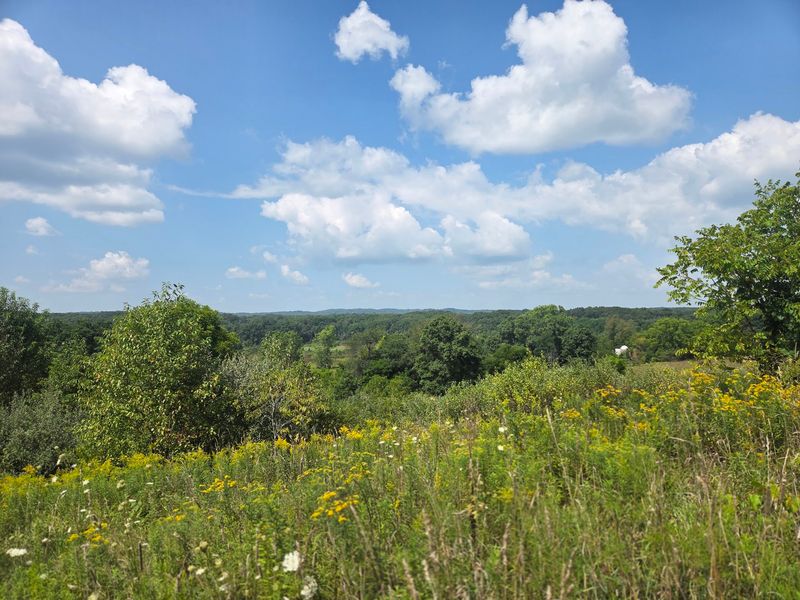
Color shows up in waves here. During warm months, the open meadow fills with wildflowers, giving bees, butterflies, and birds plenty to work with.
Meadows matter more than people think. Many birds nest in grassland or hunt insects there, and old farm fields make great starting points for this kind of habitat.
Visitors have also noticed newly planted trees across parts of the property. Planting work like this helps expand forest over time, which supports woodland birds in the long run.
I like the idea of coming back in different months just to watch the meadow change. Spring brings fresh green growth, and summer adds bigger, bolder blooms.
Bring a phone or a small field guide if you want to learn flower names. Please leave the flowers where they grow, though, since they feed wildlife.
Wide meadows also give kids room to breathe and run on the edges of the trail. Just keep everyone on the path where possible.
Step past the meadow edge and the light changes fast. The woods hold a different kind of surprise, and it’s a big one.
Giant Walnuts and Shady Hardwoods
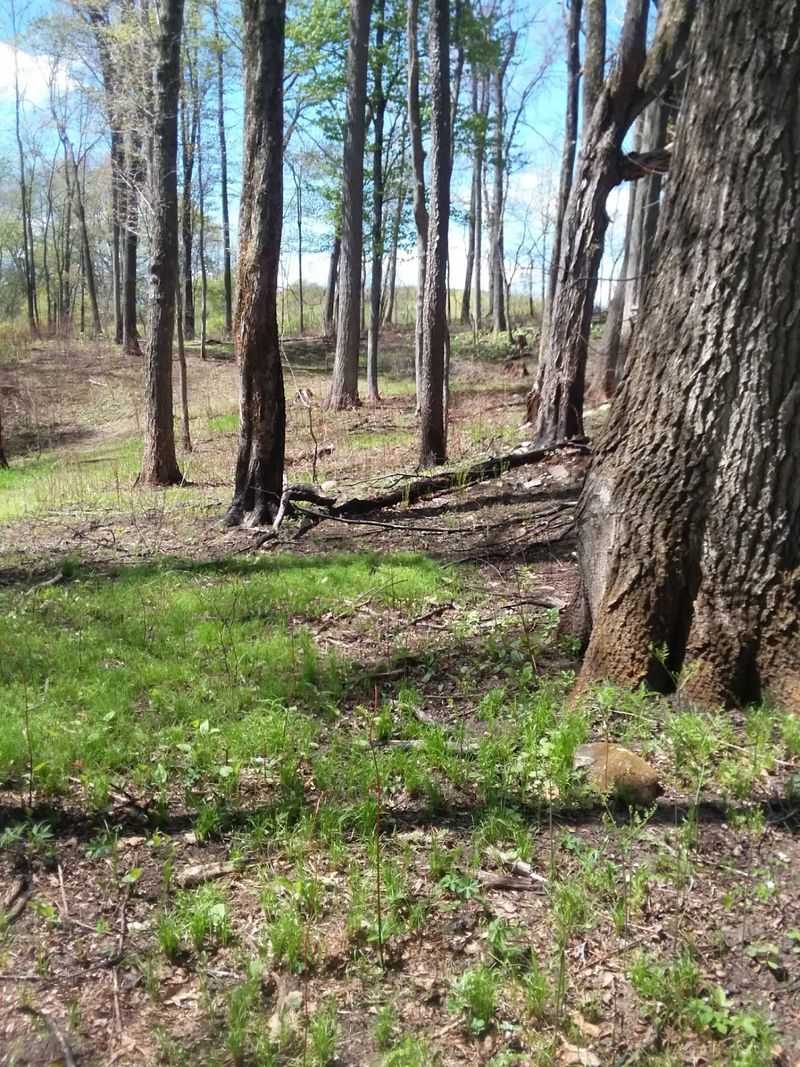
Tree lovers, take note. One recent visitor described a walnut tree here as one of the largest they had ever seen.
Big trees like that are worth slowing down for. Their trunks are thick and rough, and their branches spread wide above the trail.
Kids might enjoy trying to hug one and seeing how many arms it takes.
The hardwood forest is also why warblers love Otis. Tall, mature trees give these birds places to nest and feed high above the ground.
Shade makes the woods a nice break on warm days. The temperature can feel cooler under the canopy, which is handy during summer walks.
Look down as well as up. Fallen leaves, mushrooms, and small plants cover the forest floor, and walnuts may drop in fall.
Woods also bring one small challenge. Grass and leaf litter can hide ticks, so the next stop is all about staying comfortable and safe on the trail.
Smart Habits for a Comfortable Walk
Ticks are part of life in Michigan’s grassy and wooded areas. One family found several in their group after a visit, so a quick check afterward is a smart idea.
Wear long pants and tuck them into your socks if you can. Light colors make it easier to spot tiny crawlers.
Insect repellent made for ticks helps too.
When you get home, check everyone carefully, including kids and pets. Pay close attention to hair, ankles, and behind the knees.
Good shoes matter as well. The boardwalk can be slippery, and some trail sections get muddy after rain.
Pack water and a snack, since there are not many services on site. A pair of binoculars and a small trash bag round out a handy kit.
Remember that Otis is a sanctuary, not a playground park. Staying on trails and keeping noise low helps protect nesting birds.
These small steps keep a visit easy and relaxed. And relaxed is the whole point, because quiet is what this place does best.
Peace and Quiet Are the Main Attraction

Quiet is the word that keeps coming up about Otis. Visitors describe it again and again as peaceful, calm, and a nice place to slow down.
Part of that comes from location. The sanctuary sits on a rural road outside Hastings, far from busy highways.
Most of what you’ll hear is birdsong and wind in the trees.
It also helps that Otis isn’t a crowded tourist stop. With a modest number of visitors, you may have long stretches of trail mostly to yourself.
I can understand the appeal of a place like that. Sometimes a short walk without noise does more good than a long, busy day trip.
Try leaving headphones in your pocket for a while. Listening closely is one of the best ways to find birds anyway.
Quiet trails are also great for kids who need room to run and explore. Just remind them that birds startle easily.
Of course, peace looks a little different depending on the season. Planning around the calendar can shape what you see.
Timing a Visit Around the Seasons
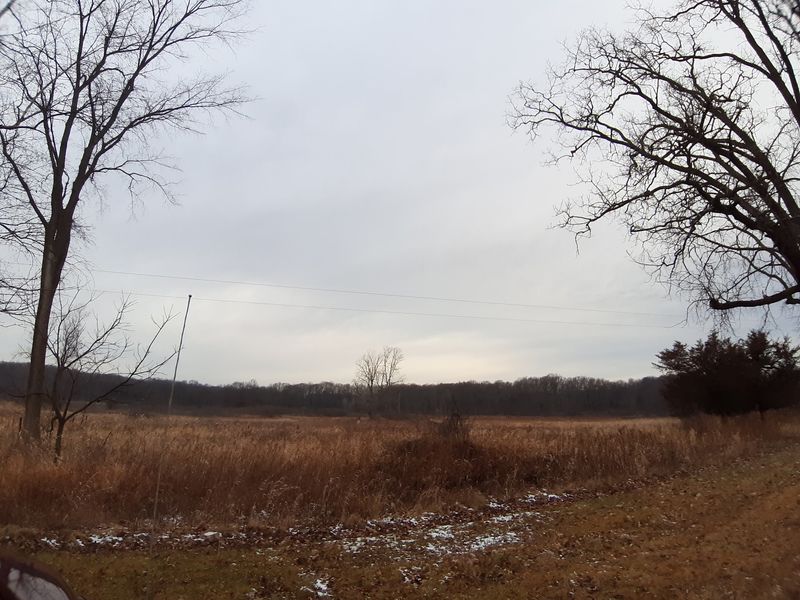
Spring is prime time for birders. From May into June, warblers arrive and sing loudly, making it the easiest season to find colorful songbirds.
Summer brings full green woods and blooming meadows. Birds may be harder to see behind thick leaves, but the wildflowers make up for it.
Fall offers cooler walks and changing leaves across the hardwood forest. It’s a pleasant time for hiking, even if bird song quiets down.
Winter can be peaceful too, though trails may be snowy or muddy. Check conditions before heading out.
For guided walks, keep an eye on Michigan Audubon’s events. Their spring bird tours have helped first-timers learn where to look and what to listen for.
Before you go, look up the latest visitor rules on the Michigan Audubon website. The sanctuary is self-guided, so planning ahead makes the day smoother.
I’d start with an early spring morning, binoculars in hand. A boardwalk, a spring, and a little blue bird singing overhead sound like a good way to spend a few quiet hours in Barry County.
Share this story