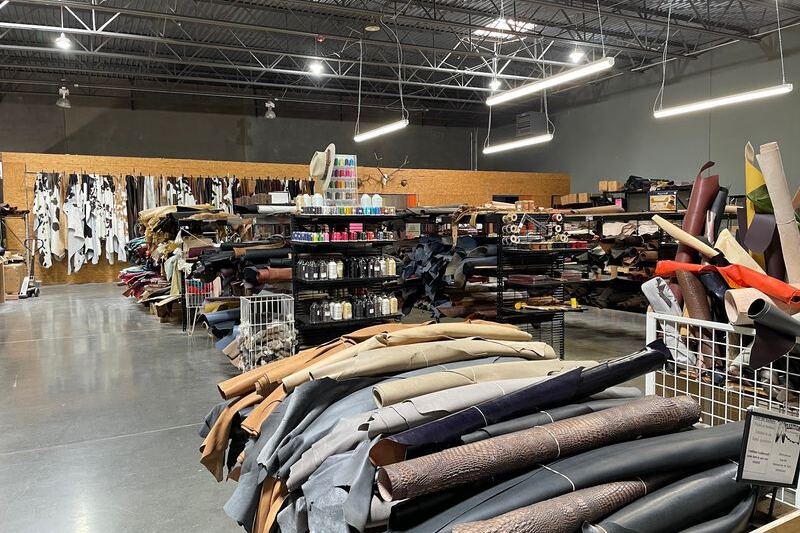
Some of the best Oklahoma day trips start with a plain building and a plan you barely understand. Picture walking in with an empty pair of hands and leaving with something you helped shape yourself.
A knife-making class in the small town stretch of the state promises just that kind of surprise. Here is what the listing says, and what you should ask before you hit the road.
This is a full-day knife-making class
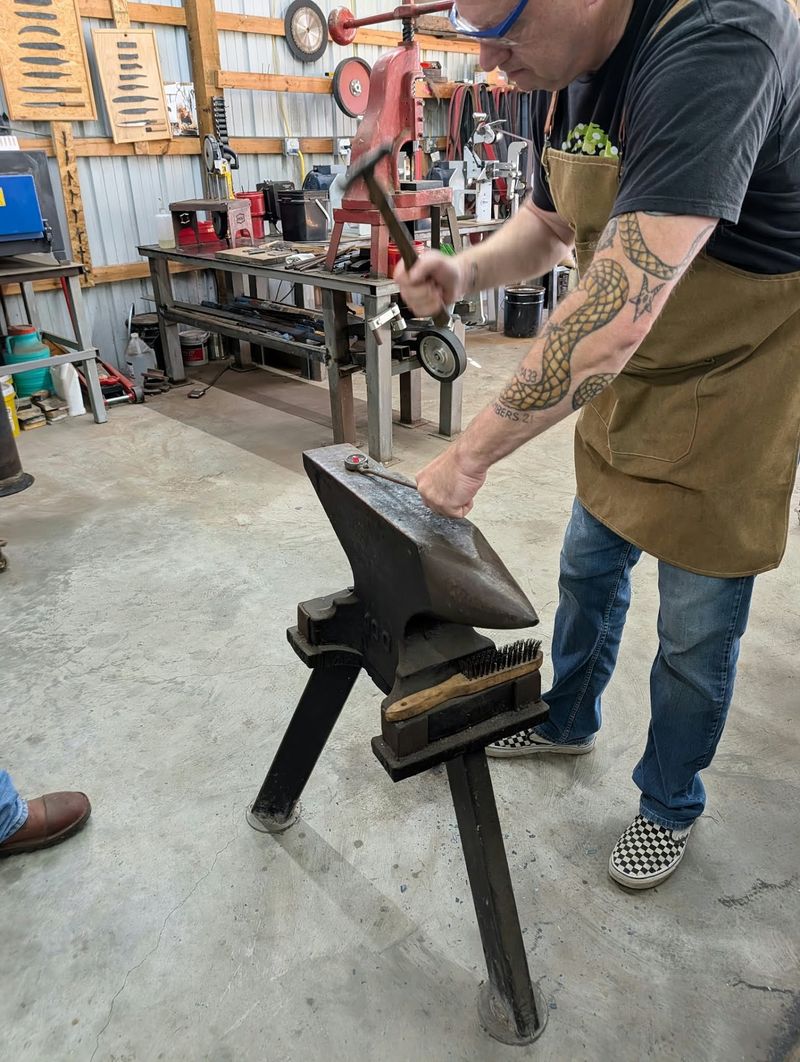
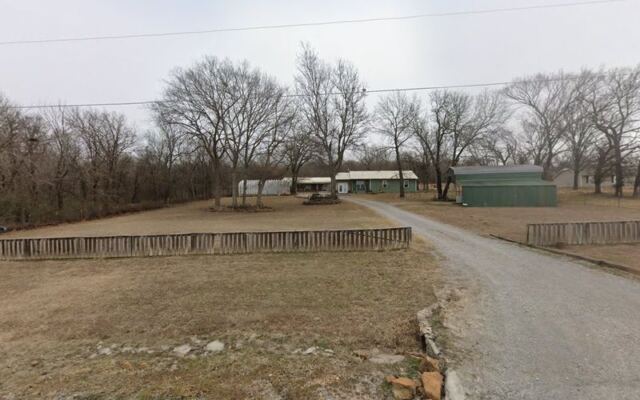
Picture a morning that starts before most weekend plans do. The closest match to the idea of building your own knife handle is a class from Dust Bowl Knives in Boatman, Oklahoma.
It is not a quick afternoon woodshop session, though. The shop advertises a full-day knife-making class that runs from 9 a.m. to 4:30 p.m.
That difference matters when you are planning a drive. Handle work does appear on the schedule, and it sits in the afternoon.
But it shares that time with other parts of the knife-making process, so the handle is one chapter in a longer story.
According to the shop’s own class listing, you take home a finished, handcrafted knife at the end of the day. That is the provider’s advertised outcome.
Nobody outside the shop has checked it for you, so treat it as a promise to confirm rather than a guarantee.
The listing also describes the class as hands-on and mentions instructor guidance. What it does not spell out is how much of each step you do on your own.
Keep that in mind as you read on, because several details are worth a quick call before you book.
For road-trippers, the appeal is easy to see. Learning by making feels different from watching a demonstration, and a full day gives you time to see a project move from raw material to something you can hold.
Just plan for a whole day, not a casual few hours.
What the listed schedule includes
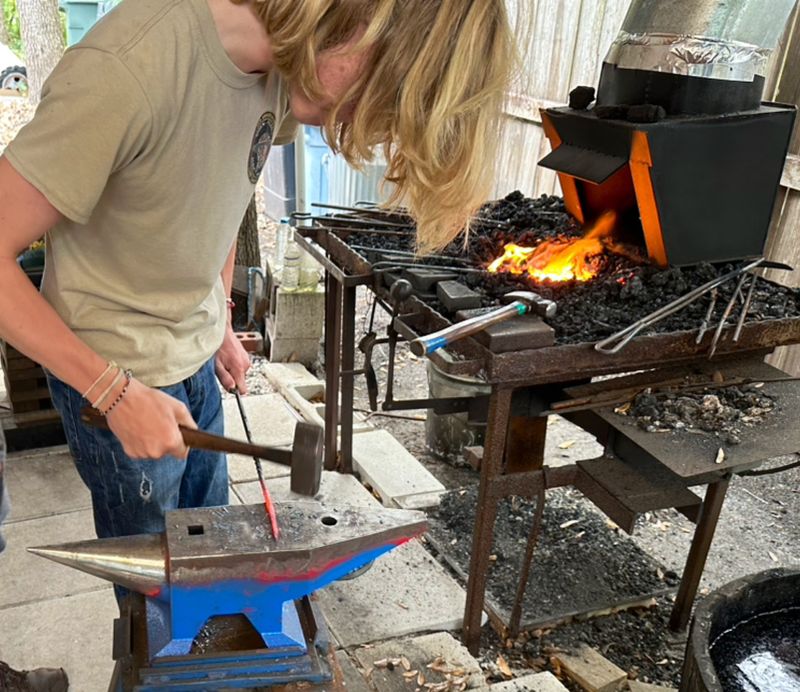
Think of the day as two halves. The listing places safety guidance and forging practice in the morning.
That is the part where the blade starts to take form.
After lunch, the schedule gets busier. The afternoon block lists blade grinding and sharpening, handle shaping and attachment, finishing, and a time for questions.
Handle shaping is only one item on that list, so it would be a mistake to picture the afternoon as nothing but handle work.
Here is the order as the listing presents it:
Morning: safety guidance, then forging practice. Afternoon: grinding and sharpening the blade, shaping the handle, attaching it, finishing the knife, and asking questions.
What the listing does not do is break down who performs each task. Some steps might be done by you, some demonstrated by the instructor, and some done together.
The page does not say, so do not assume you will personally handle every stage.
That gap is not a flaw, just something to clear up. A short message to the shop asking which steps you will do yourself will tell you whether this matches the hands-on day you picture.
It also helps you decide how much energy to bring for those long afternoon hours.
What to confirm about the handle
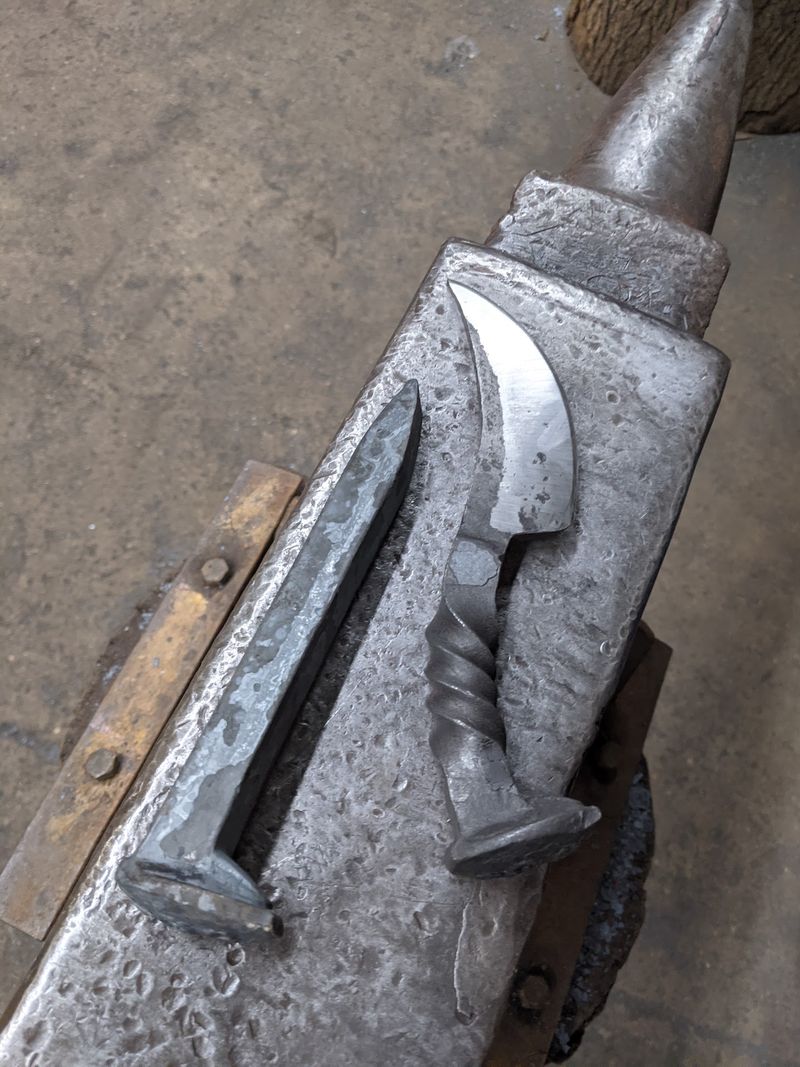
Shaping a handle is a satisfying idea. You feel the edges soften, test the grip, and see the knife begin to look like yours.
That appeal is real, but the listing leaves several handle details open.
The page mentions handle shaping and attachment. It does not name the handle material, so you cannot assume it is wood.
It also does not explain what design choices you get or which steps you complete yourself, according to the shop’s listing.
Personalization language shows up in promotional form, but no specific options are listed. Treat it as marketing until the shop explains what it means in practice.
A few questions worth sending before you book:
What material is the handle made from, and is wood one of the choices? Can I pick the shape, size, or color?
Which handle steps will I do with my own hands? Will the instructor step in at any point?
Can I see photos of knives from past classes?
Clear answers will keep you from arriving with the wrong picture in your head. If handle material matters most to you, ask that first, since it shapes everything else about the day.
Check the practical details before booking
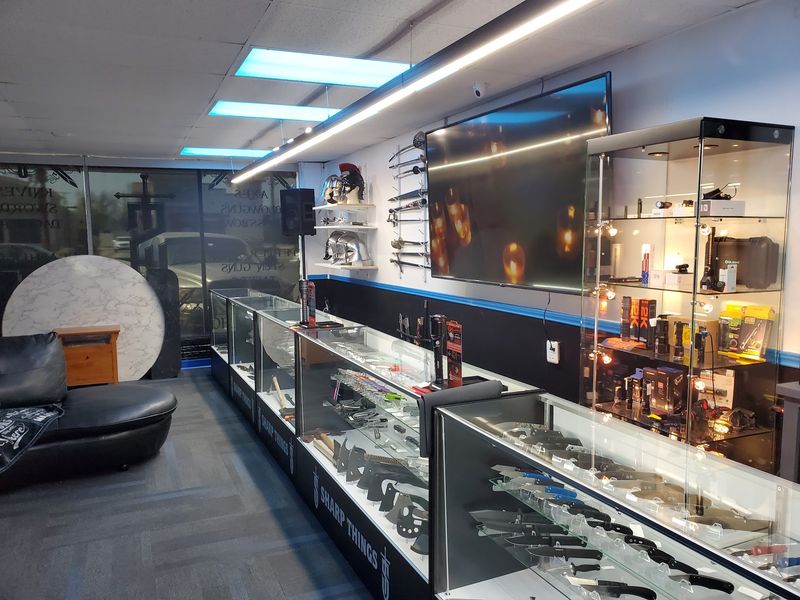
Logistics can make or break a day trip, so here is what the shop lists. Sessions are shown as Friday and Saturday, 9 a.m. to 4:30 p.m., in Boatman, Oklahoma.
The price is $350, and the listing says that covers materials and tools.
Participants must be 14 or older, and minors need an adult with them. The page also asks you to bring lunch, sign a waiver, arrive 10 minutes early, and wear shop-appropriate clothing and work boots.
All of this comes from the provider’s listing.
Now the catch. The page currently displays a sold-out status, so spots may not be open for the dates you want.
Dates, prices, and rules can change without notice.
Before you plan around any of it, contact the shop and confirm these points:
Which dates are open now? Is the price still $350?
Are the age rules the same? What counts as shop-appropriate clothing?
Is there a waitlist?
If you are driving in from another part of Oklahoma or a neighboring state, ask about a nearby place to stay too. A day that starts at 9 a.m. is easier when you are not rushing in from a long morning drive.
Ask about the class’s safety procedures
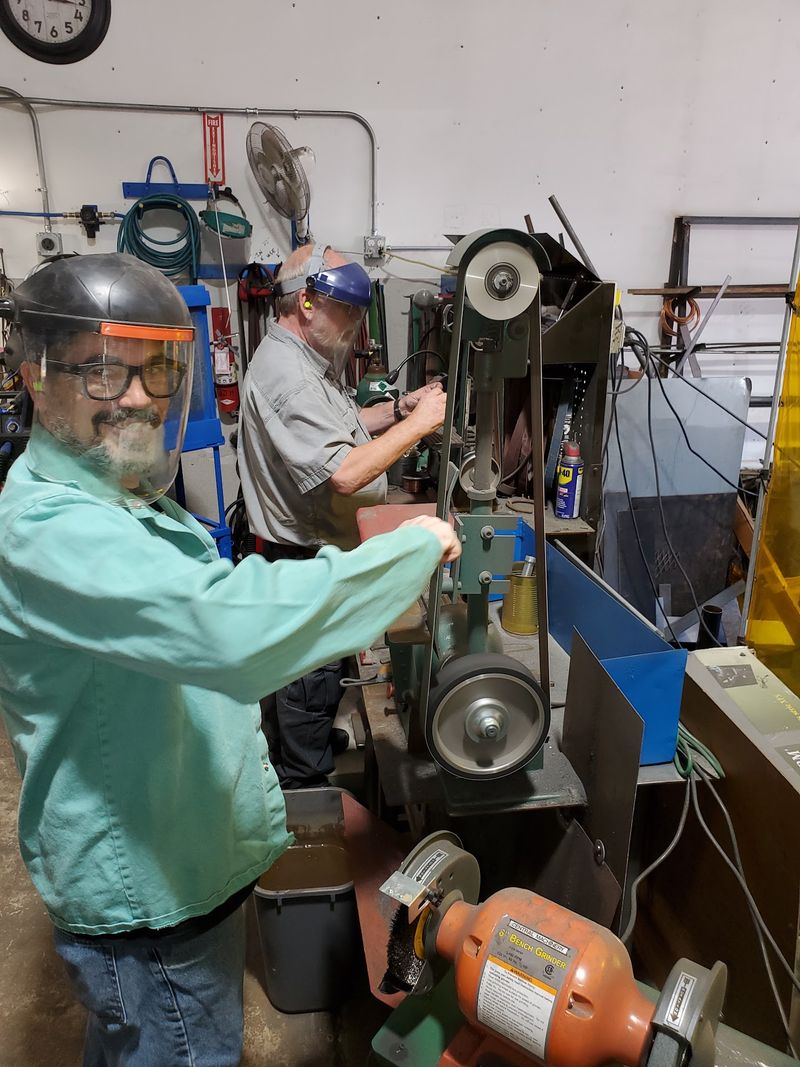
Safety talk is part of the plan from the start. The listing places safety guidance in the morning, before the forging practice.
What it does not do is describe the shop’s specific equipment, dust controls, or protective gear.
For general background, OSHA names wood dust and finishing chemicals as woodworking health hazards. It also advises that woodworking equipment be used with guards and safety devices in working order.
On protective gear, OSHA’s selection guidelines say eye protection should match the hazards involved.
Those are general references. They are not a description of what happens at this shop, and they should not be read as one.
So ask the instructor directly, using the class listing as your starting point:
What protective gear is provided, and what should I bring? How is dust handled during the afternoon work?
What does the morning safety briefing cover? Who is nearby if I have a question during a step?
Good shops are happy to answer these. A clear reply is a good sign, and it lets you show up calm and ready to focus.
If the handle is wood, ask about care
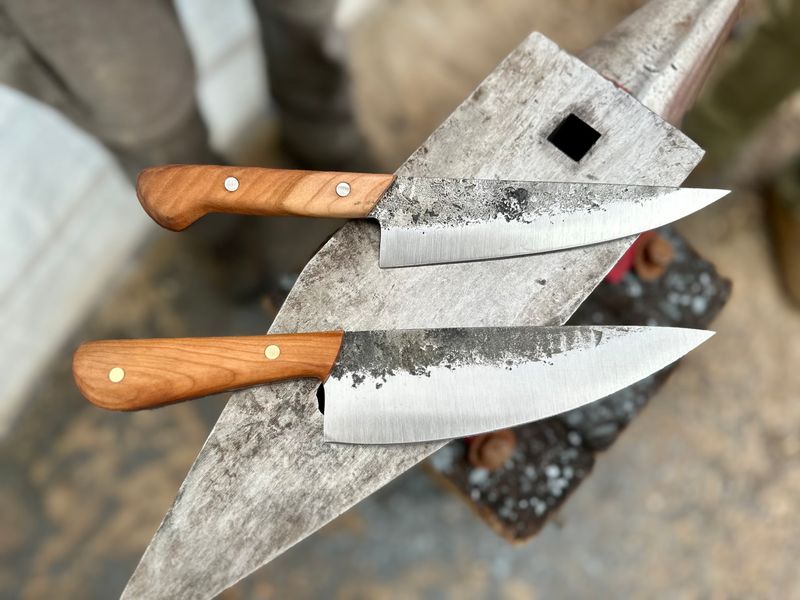
Here is a what-if worth keeping in your back pocket. Suppose the shop tells you the handle is wood.
Then a little background helps.
Wood takes in and gives off moisture from the air around it, and it can shrink or swell as conditions change. That is the basic point from Oklahoma State University Extension.
Oklahoma has plenty of humid summers and dry winters, so it is a fair thing to think about.
That fact does not tell you how this class builds or finishes its handles. The listing on the shop’s page does not name the material, the finish, or any care steps.
So if wood is confirmed, skip guessing and ask:
What finish is on the handle? How should I clean it?
Is there anything I should avoid, like soaking or leaving it in a hot car? Who can I contact if the handle changes over time?
If the material turns out to be something else, this section simply does not apply. Let the shop’s answers set your care routine.
Decide whether the full-day experience fits
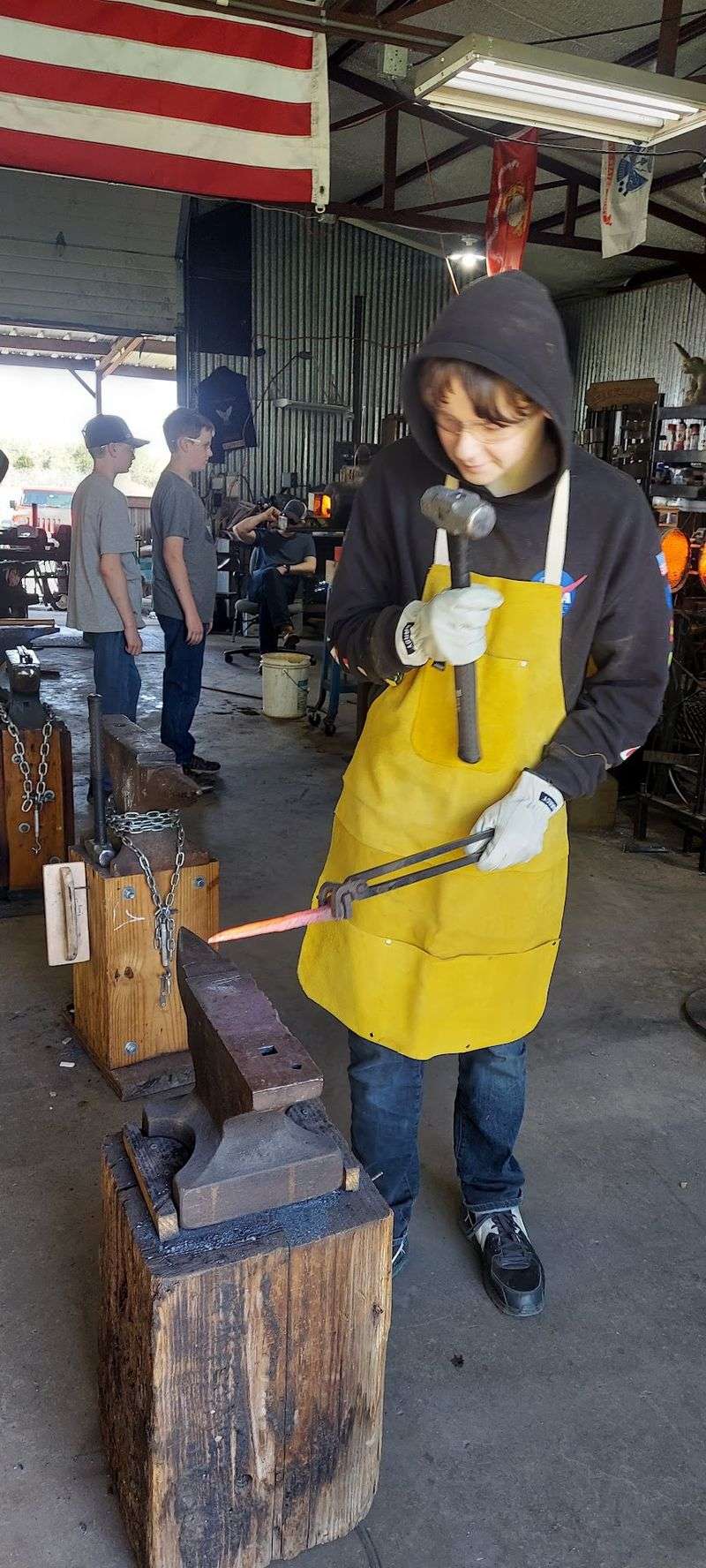
Some people want a whole day of making, with forging, grinding, and finishing in one long sitting. If that sounds like fun, this class from Dust Bowl Knives in Boatman may be a good fit.
Plan for a 9 a.m. to 4:30 p.m. day, and double-check that dates are open.
If your heart is set on shaping a personalized wooden handle, slow down first. Confirm the handle material and what customization is actually offered.
The take-home knife is the provider’s advertised outcome in its listing, not an independently verified guarantee.
A short list of questions will save you a long drive. Ask about the material, the steps you do yourself, safety gear, price, and age rules.
Then pack your lunch and sturdy boots. A knife you helped shape tends to tell a better story than one off a shelf.
Share this story