In 1762, a Pennsylvania community had a water-powered system that pushed water 94 feet uphill, decades before most American towns had anything similar. The stone building that housed the machinery still stands, and visitors can see its reconstructed 18-foot waterwheel.
The Colonial Industrial Quarter in Bethlehem preserves one of America’s earliest industrial centers. Along Monocacy Creek, visitors can explore a historic tannery, a reconstructed blacksmith shop, an old grain mill, and the remains of workshops where Moravian settlers produced everyday necessities.
Today, the district is part of a UNESCO World Heritage Site, with walking paths, historic buildings, and guided tours that reveal how this small religious community developed such an advanced industrial operation long before the American Revolution.
Meet the Quarter Beside Monocacy Creek
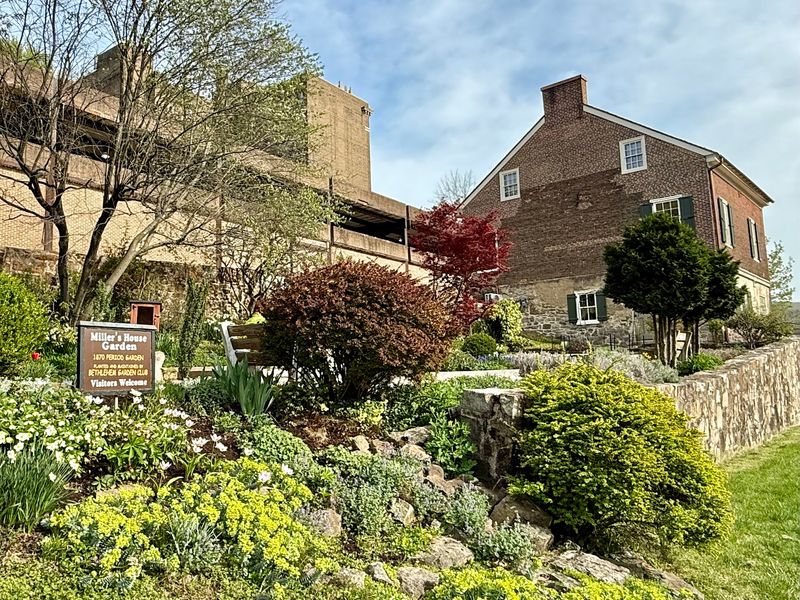
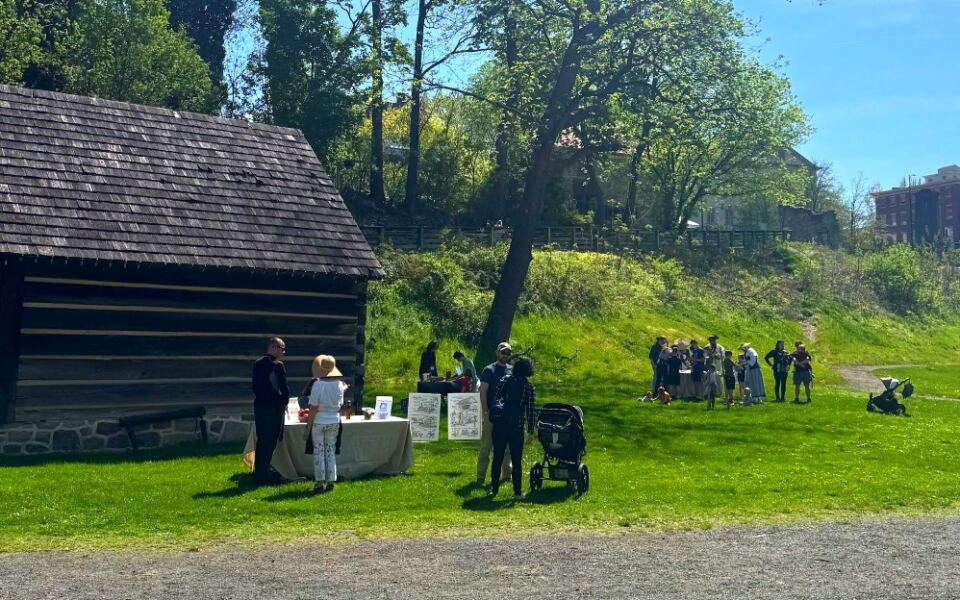
The Colonial Industrial Quarter sits at 459 Old York Road in Bethlehem, Pennsylvania. It is a historic district where early Moravian settlers set up their mills, shops, and water works in the 1700s.
The Moravians were a Protestant group from central Europe. They founded Bethlehem in 1741 and worked together to make almost everything their town needed.
Instead of spreading their workshops all over town, they placed many of them in one spot along Monocacy Creek. The flowing water gave them power for grinding, pumping, and other heavy jobs.
Today, the area works like a park with history built right in. You can stroll the grounds, read the plaques, and see restored buildings standing next to old foundations.
In 2024, the district became part of the Moravian Church Settlements World Heritage Site, a listing that includes Historic Moravian Bethlehem. That is a big honor for a small creekside work area.
The site is cared for by Historic Bethlehem Museums and Sites. I’d start with the building that made this place famous, which happens to hold a giant wheel.
A Wooden Wheel That Pushed Water Uphill
Carrying buckets up a steep hill every day sounds exhausting. The Moravians solved that problem in 1762 with the Bethlehem Waterworks.
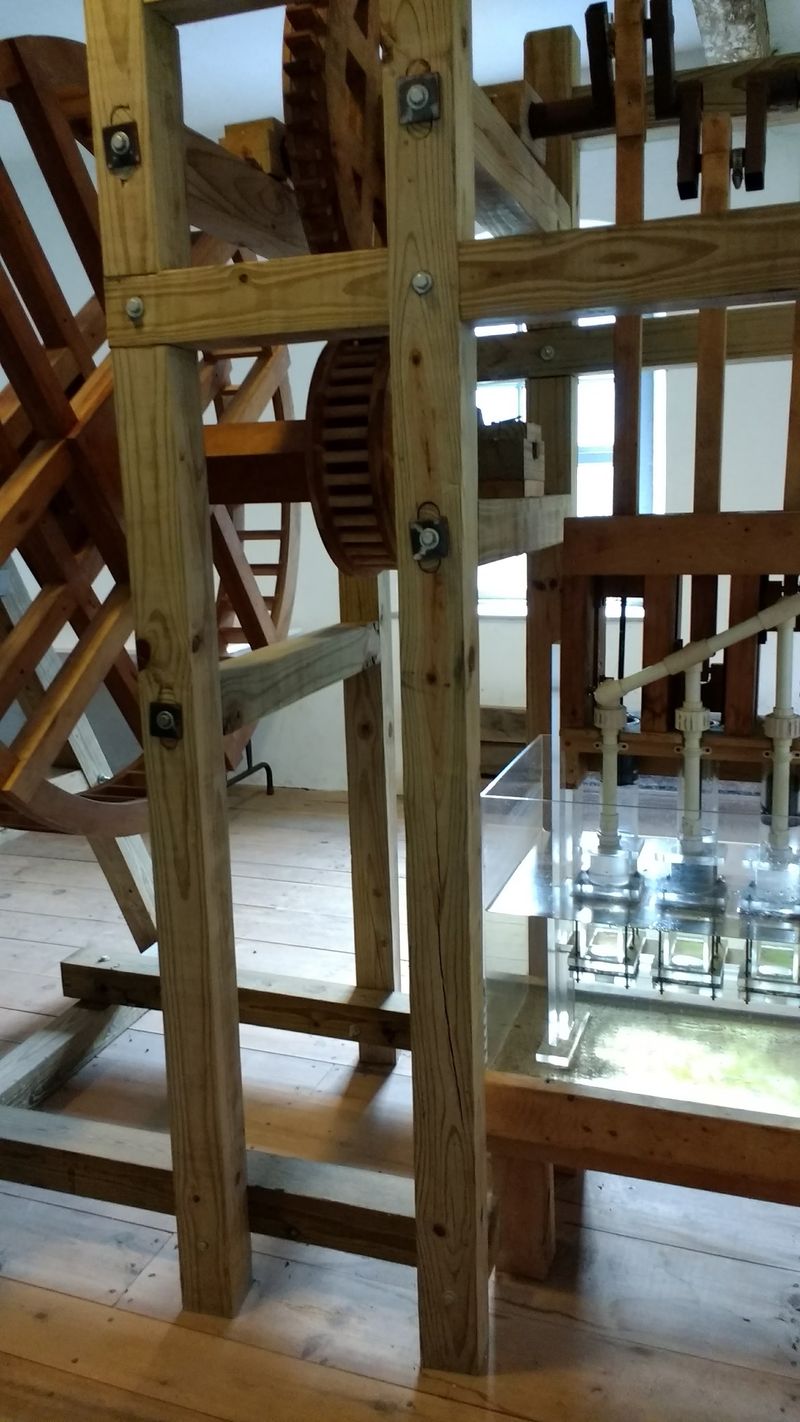
A waterwheel turned by the creek powered pumps inside the building. Those pumps pushed spring water through wooden pipes up the hill to the town above.
The Waterworks is a National Historic Landmark. It is widely recognized as one of the earliest pumped public water systems in what became the United States.
Inside, there is a reconstructed waterwheel and pump setup. Guided tours have included a look at this machinery, which helps you picture how the system actually worked.
I find the pipes especially interesting. Workers bored out logs to make them, which shows how much planning went into this project.
Think about it for a second. This town had running water before the American Revolution even started.
If you want to see the interior, check the Historic Bethlehem schedule before you go. Building hours can change, and the inside is often open only for tours.
The water story does not stop here, though, because the spring that fed it sits close by.
Where Raw Hides Became Useful Leather
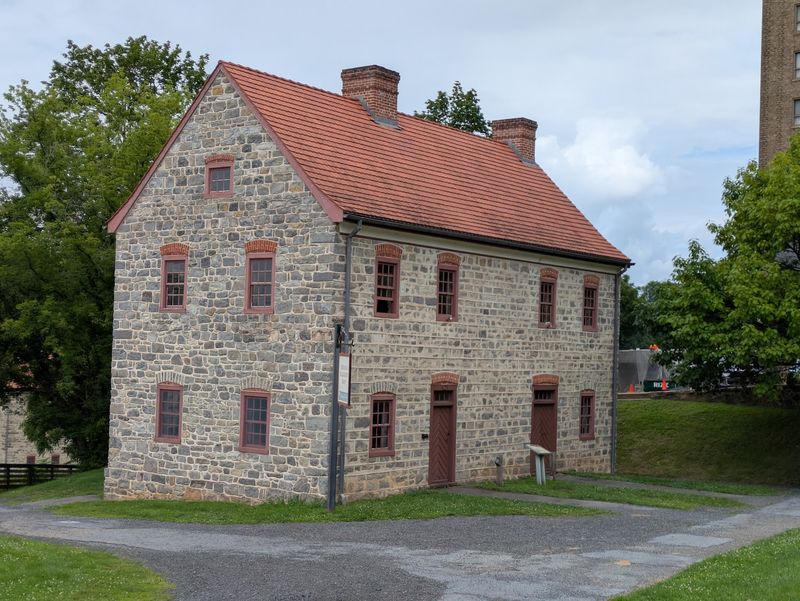
Shoes, saddles, and harnesses all needed leather in colonial life. So in 1761, the Moravians built a large stone tannery right in the quarter.
The Tannery is a tall limestone building, and it ranks as a standout structure on the grounds. Tanning took lots of water, which explains why it sits so close to the creek.
Workers soaked animal hides in pits and treated them for months. The process was slow and messy, but it turned raw skins into strong material.
Leather from this shop supplied the town and helped the community trade with neighbors. That trade brought in money to support Moravian missions and daily life.
I like that the building is so solid. Its thick walls show the Moravians planned for these workshops to last a long time.
When you visit, look up at the height of the structure. Upper floors were used for drying, since air could move through them easily.
Leather was only one product made here. Grain needed attention too, and the next stop tells that story with art on the walls today.
Art Shows Inside a Grain Mill
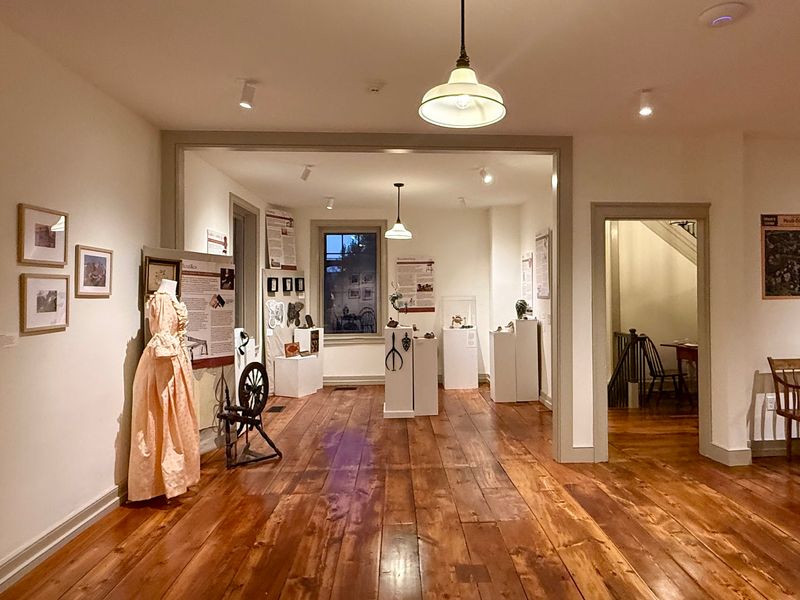
Flour once poured out of this building. Today, paintings, glass pieces, and other artwork often fill the space instead.
The Luckenbach Mill dates to 1869. It replaced earlier Moravian mills that stood on the same site, so grain grinding happened here for a long stretch of history.
Water from the creek turned the mill’s machinery. Farmers brought grain, and millers turned it into flour for bread and other basic foods.
Now the mill hosts rotating art exhibits, including shows by the Lehigh Art Alliance. Pieces in these shows have included blown glass, pastels, oils, watercolors, and collage work.
Some artwork may be for sale, which adds a fun shopping twist to a history stop. It also gives local artists a place to share their skills.
Here is a handy tip. When the mill is open, it can also give you access to restrooms, which many other buildings here do not offer.
I like how this building stays useful. A place that once fed the town now feeds people’s creativity, and iron work waits just down the path.
Sparks Fly at the Blacksmith Shop
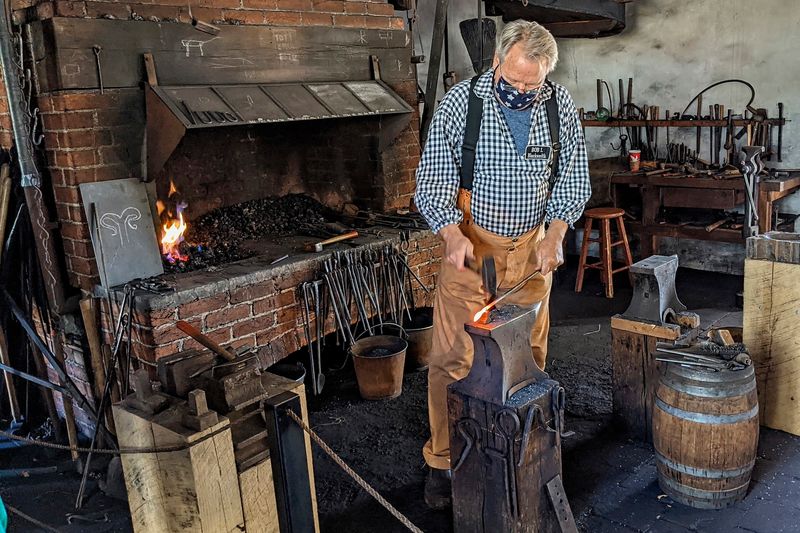
Clang, clang, clang. That sound once rang out across the quarter as blacksmiths shaped hot iron into tools.
A reconstructed blacksmith shop stands on the grounds today. It shows where workers heated metal in a forge and hammered it on an anvil.
Blacksmiths made nails, hinges, hooks, and farm tools. Almost every other trade in town depended on their work, so they kept busy.
During special events, demonstrations have taken place inside the forge building. Watching a smith work gives kids and adults a clear idea of how hard this job was.
Demonstrations are not daily, so plan ahead. Check event listings from Historic Bethlehem or festival schedules if you hope to see one.
I’d recommend this stop for families. Kids tend to understand history faster when they can see fire, metal, and real tools in action.
Fun fact: colonial smiths often worked in dim light on purpose. Watching the color of the glowing metal helped them judge its temperature.
Of course, not every building here is fully standing. Some of the most interesting spots are just stone outlines in the grass.
Ruins That Still Tell a Story
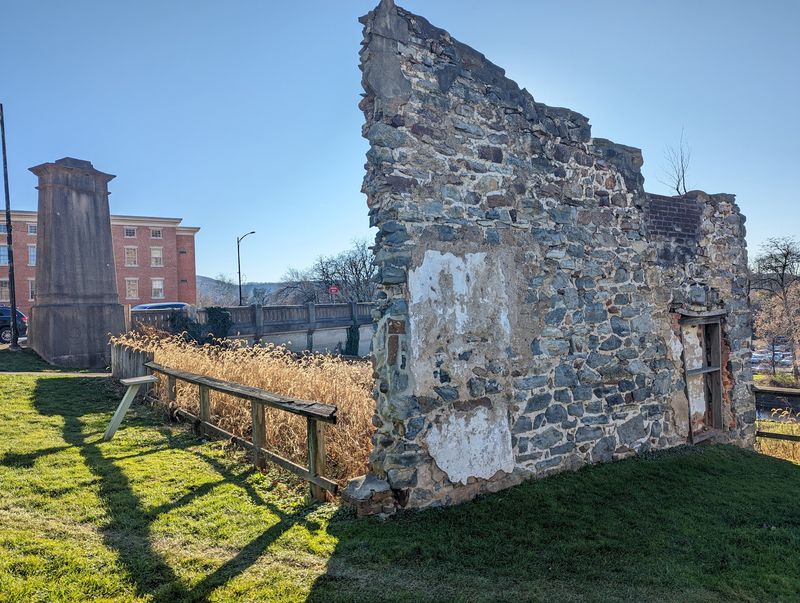
Low stone walls pop up across the lawn like clues in a puzzle. Each one marks a building that once buzzed with work.
The quarter held many trades in the 1700s. Along with the big landmarks, there were shops for jobs like dyeing, butchering, and oil pressing.
Some of those buildings vanished long ago. Their foundations remain, and they help show how crowded and busy this area used to be.
Plaques around the grounds explain what happened at each spot. Reading them is the easiest way to piece together the full picture without a guide.
I’d take my time here. It’s easy to walk past a pile of stones, but the plaques turn them into real places with real workers.
You may also see buildings in various stages of restoration. Preservation is ongoing, so the site keeps changing a little over time.
This part of the visit costs nothing extra and needs no tour ticket. Bring a curious mind and comfortable shoes.
If plaques leave you wanting more details, a live guide can fill in the gaps nicely.
Hear It From a Guide
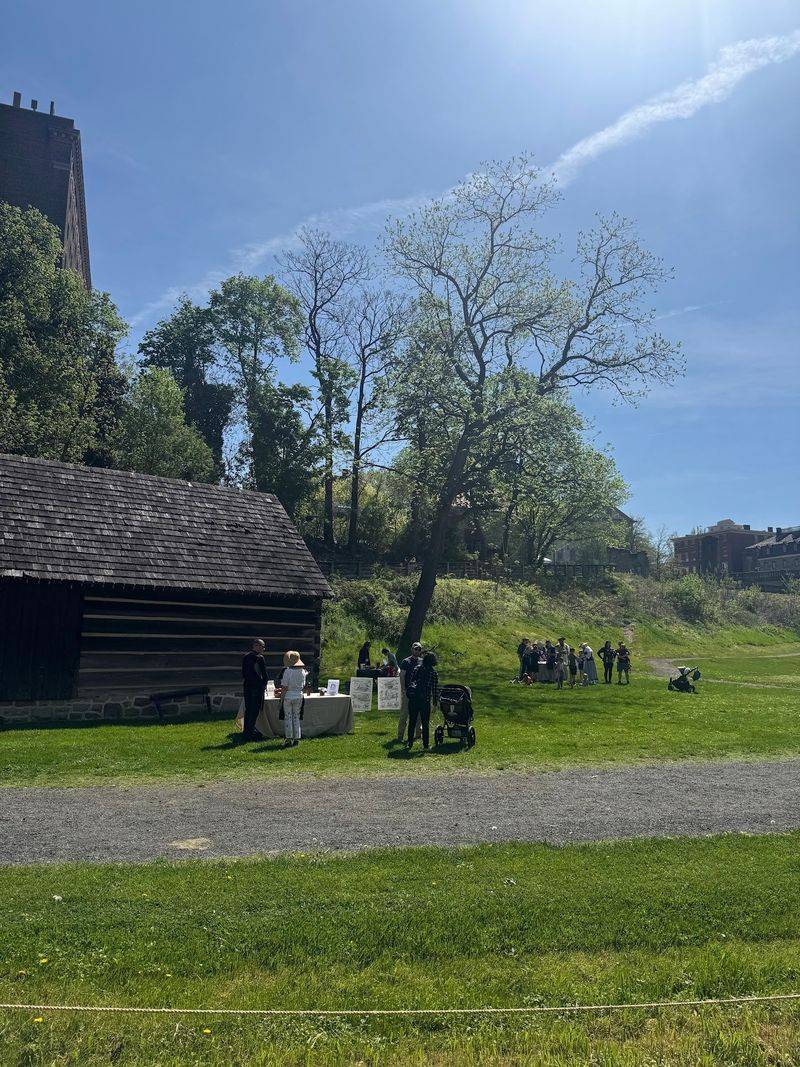
A good guide can make old stones feel alive. Historic Bethlehem Museums and Sites offers walking tours that cover the town’s Moravian past, including the industrial quarter.
Tours can be booked through the Bethlehem Visitor Center or the Historic Bethlehem organization. Private group tours are also possible, which works well for teams, classes, or family reunions.
Guides explain how the Moravians ran a shared economy. Members worked for the good of the whole community, and that system shaped how these workshops operated.
Tours have included a look inside the Waterworks and its reconstructed wheel. That inside view is hard to get on your own.
I like guided tours for one simple reason. You get to ask questions, and the answers are often better than anything printed on a sign.
Even people who grew up nearby tend to learn something new. Local history has a lot of layers.
Book ahead when you can, since tour times vary by season. After the tour, you may want to stay outside a while, and the creek makes that easy.
Paths, Picnics, and the Creek
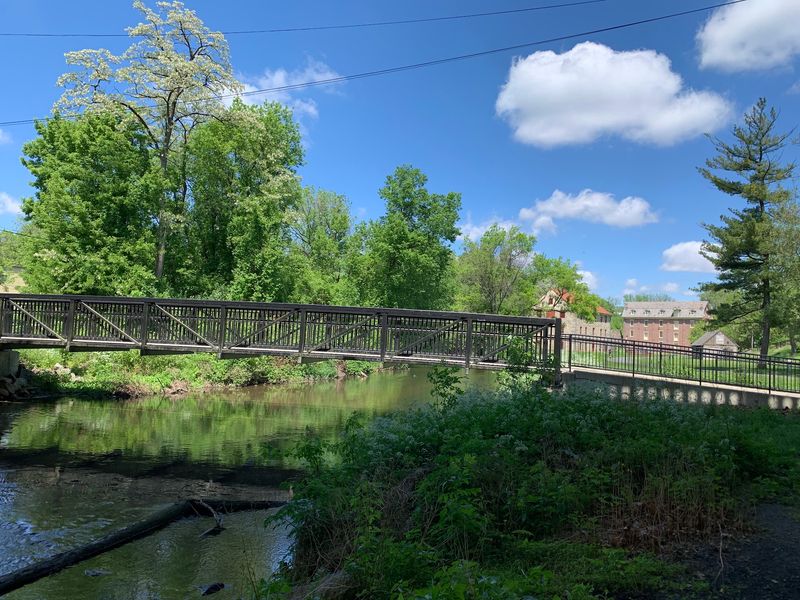
Monocacy Creek did the heavy lifting for colonial workers. Now it sets a calm scene for walkers, runners, and bike riders.
The quarter has open lawns and paved paths. Those make it a comfortable place for a stroll, a jog, or a walk with your dog.
The Monocacy Way trail runs through the area too. Cyclists and walkers use it to connect with other parts of Bethlehem.
Grassy spaces work well for picnics or tossing a frisbee. Some people even bring sketchbooks or paints to capture the old buildings.
I’d pack a snack and a blanket. Sitting near the creek gives you time to notice how the water and buildings fit together.
Fishing is another activity people enjoy along the creek. Check Pennsylvania fishing rules before you bring a rod.
Remember that many buildings are not open every day. That means restrooms can be limited, so plan around that if you are staying a while.
Quiet days are lovely, but this lawn does not stay quiet all year. Each August, it turns into one of the busiest spots in town.
Festival Season by the Old Workshops
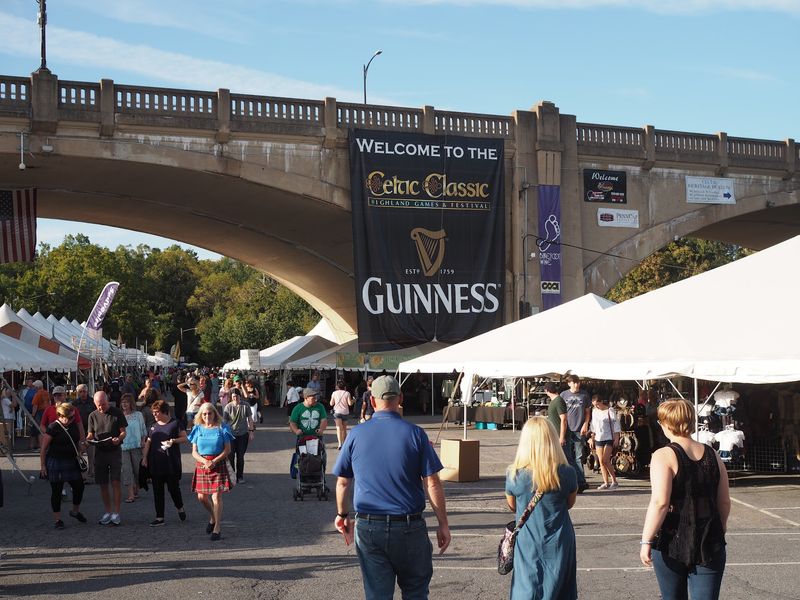
Music drifts over 250-year-old stone buildings every summer. That happens when Musikfest comes to Bethlehem.
Musikfest is a large free music festival held each August across the city. The Colonial Industrial Quarter often serves as one of its festival areas, with stages and crowds near the creek.
Other events use the grounds too. Celtic Classic, a fall festival celebrating Celtic culture, has also brought music and activity to this area.
Festivals can be a fun way to see the quarter, and special demonstrations sometimes happen during them. Just expect bigger crowds and busier parking.
I’d suggest two visits if you can manage it. Go once during a festival for energy, and again on a quiet day for history.
Each experience shows a different side of the place. One feels lively and loud, while the other lets the old buildings speak for themselves.
Check the festival schedule ahead of time. Stage locations and event layouts can shift from year to year.
Whatever season you pick, the quarter connects to more than music. It sits steps from a historic main street worth exploring.
Steps From Main Street and More History
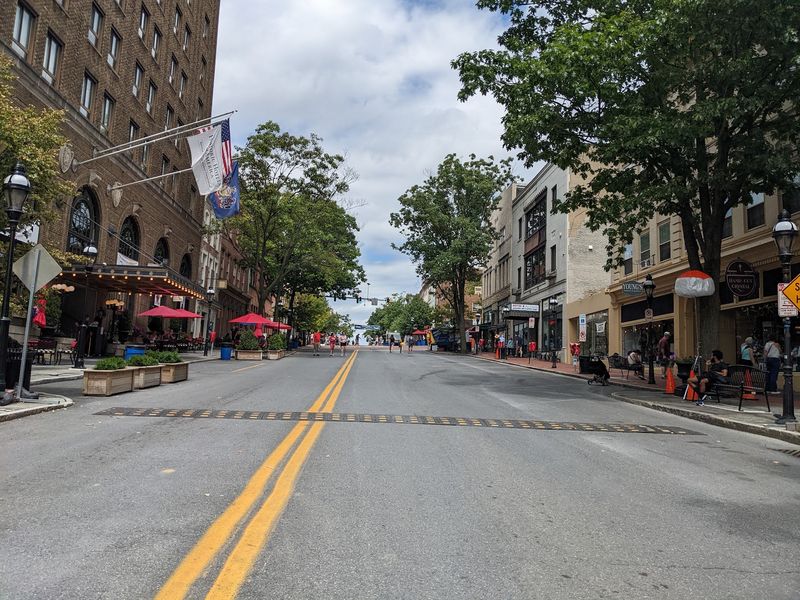
Climb the hill from the creek, and you land in historic downtown Bethlehem. That short walk connects the workshops to the town they supported.
Main Street has shops, cafes, and restaurants with outdoor seating. It makes an easy next stop after exploring the quarter.
Nearby, you can see other Moravian landmarks. The Moravian Museum sits in the Gemeinhaus, a large log building from 1741 that is part of the World Heritage listing.
Seeing both areas helps the story click. The town on the hill held homes and churches, while the creek below handled the hard work.
I’d plan a full day to enjoy both. Start in the quarter, then wander uphill for lunch and more history.
Wear comfortable shoes, since the hill between them is steep. The Moravians climbed it daily, so you can probably handle it once or twice.
Many local spots are dog friendly too, which helps if your pet tags along. Just check each business first.
Standing at the top, it is easy to picture water flowing up through wooden pipes. That small detail sums up how clever this community really was.
Share this story