Travel can be a big adventure, but it also leaves a footprint on the places we visit. Luckily, some destinations are finding smart ways to protect nature while still welcoming guests.
From Alpine lakes in Slovenia to rainforests in Rwanda, these places use pledges, certifications, protected land, and cleaner transportation to make trips gentler on the planet. Some ask visitors to make a promise, while others help travelers find businesses that meet real standards.
Each stop on this list shows a different way tourism can work with nature instead of against it. If you are planning your next getaway, these ideas might change how you pick where to go and what to do once you get there.
Costa Rica
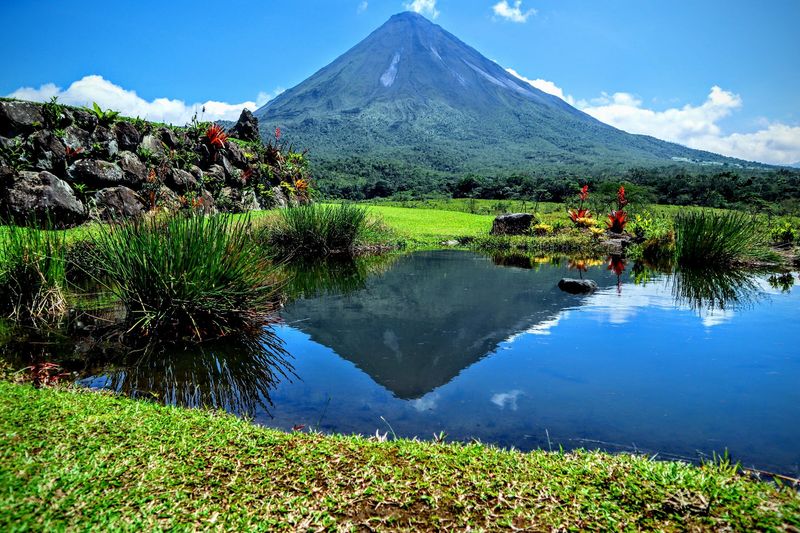
Roughly a quarter of Costa Rica is protected land, which says a lot about its priorities. About 26 percent of the country is officially set aside, and tourism has grown up around that conservation focus.
The electricity system leans heavily on renewable sources. Hydroelectric, geothermal, wind, solar, and biomass energy all play a part, so a hotel stay here can connect to a cleaner power grid than many travelers are used to back home.
Before booking, look for businesses taking part in the Certification for Sustainable Tourism program. Hotels, tour operators, restaurants, and other tourism companies can join, which gives travelers an easy way to spot places that take environmental goals seriously.
Nature lovers have plenty of choices. Tortuguero, Arenal, Corcovado, and Monteverde are popular names, each offering a different landscape to explore.
Picking a certified operator for a guided hike or boat trip is a simple step that supports the whole idea.
Ljubljana, Slovenia
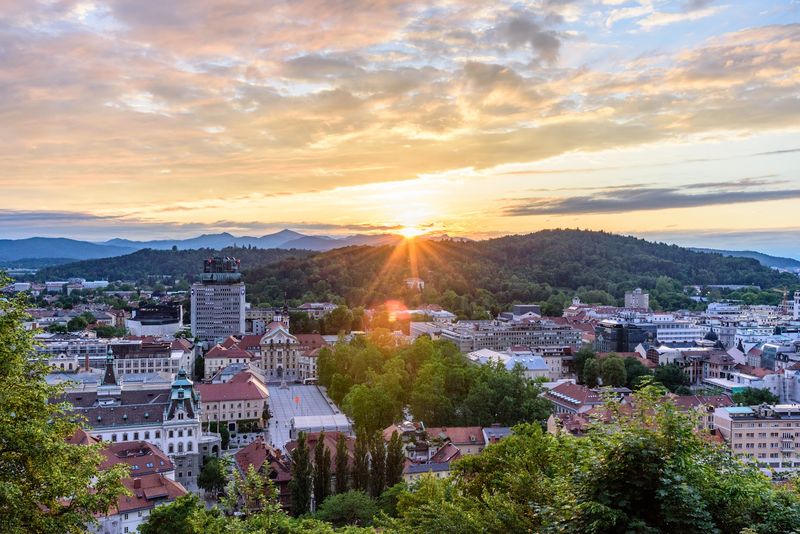
Here is a fun twist on hotel stays: in Ljubljana, the hotel itself can be part of the green plan. The Zero Waste at Ljubljana Hotels project is a recent example of how the city is trying to cut down tourism waste.
By 2026, ten participating hotels were putting measures into action. These included reducing food waste, improving purchasing practices, and expanding waste sorting.
Those are practical changes, the kind that add up when thousands of guests pass through.
The capital also holds the Slovenia Green Destination Platinum designation, the country’s highest level. That recognition reflects ongoing work to lower the environmental impact of visitors.
Getting around is simple, since the city center is very walkable and has plenty of green spaces. You can wander from one sight to another on foot, which keeps the trip low-impact and lets you see more of daily life along the way.
The Azores, Portugal
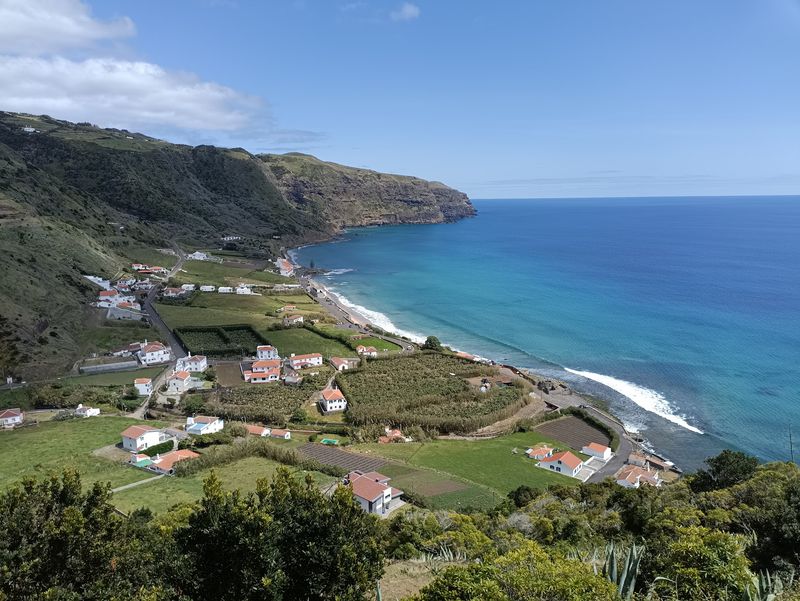
Nine volcanic islands in the middle of the Atlantic have earned a world first. The Azores became the first archipelago certified as a Sustainable Tourism Destination through the EarthCheck Sustainable Destination program.
That title fits an island group where the main attractions come straight from nature. Travelers can hike volcanic landscapes, visit crater lakes, and explore geothermal areas that show how active the land beneath them really is.
Whale watching is another big draw. Because the local tourism economy is so closely tied to the natural setting, visitors who choose responsible tours help support the very environment they came to see.
If you go, think about slowing down. A trip built around trails, lakes, and ocean views works well with the islands’ approach, and it gives you time to enjoy each stop without rushing through a long checklist of sights.
Palau
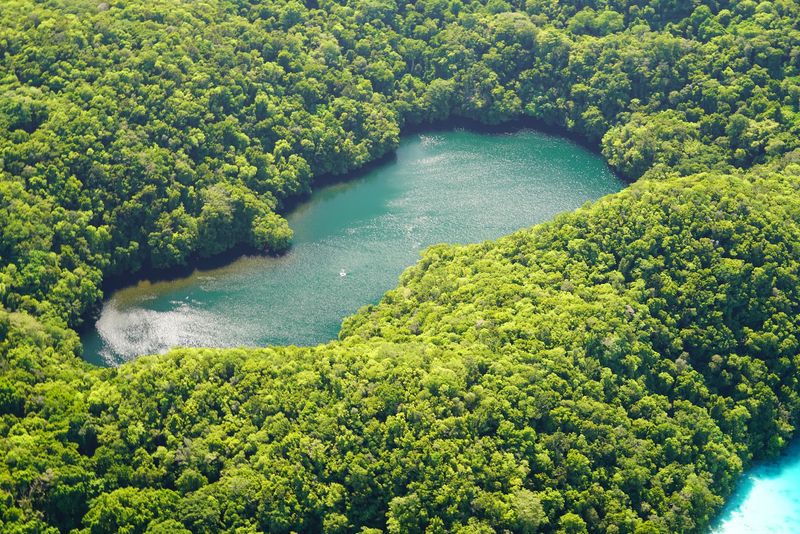
Few countries ask for a promise before you even unpack. Palau does, and it is a big part of what makes the island nation stand out.
The Palau Pledge asks arriving travelers to respect the country’s natural and cultural heritage. It is a simple idea, but it sets the tone for the whole visit and reminds guests that they are stepping into a place with its own rules and values.
Palau has also set up extensive marine protections. That makes the ocean the star of the show, with responsible snorkeling, diving, and general ocean exploration forming major parts of the tourism experience.
For travelers, the takeaway is easy. Choose operators who follow local guidelines, keep your hands off marine life, and treat the water like a shared space.
Palau shows that a vacation can start with a pledge and still be fun.
Bhutan
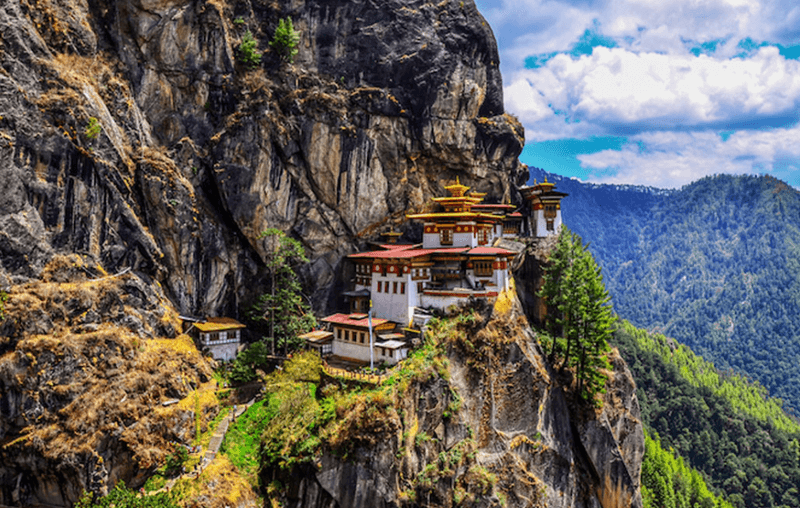
“High-value, low-volume” is how the government describes Bhutan’s approach to tourism. In plain terms, the country prefers fewer visitors who bring more benefit instead of crowds that strain the land.
Around 70 percent of Bhutan remains forested, and an extensive network of protected areas helps keep it that way. The ecotourism policy emphasizes environmental conservation, respect for local traditions, and benefits for communities.
Travelers can explore Himalayan landscapes, monasteries, forests, wildlife sanctuaries, and rural villages. Each of these gives a different look at the country, from quiet mountain paths to everyday village life.
Planning ahead matters here, since the model is built around managed visits rather than spur-of-the-moment trips. Expect a slower, more intentional journey, and consider it a chance to see a place where conservation is treated as a national priority instead of an afterthought.
New Zealand

New Zealand does something clever with its welcome: it hands visitors a job. The Tiaki Promise asks travelers to take responsibility for protecting the places they enjoy.
The promise covers a handful of simple habits. Care for the land and sea, protect wildlife, leave no trace, travel safely, and respect local communities and Māori culture.
Those are easy to remember and easy to follow once you know about them.
The country is a natural fit for people who like to move under their own power. Hiking, cycling, kayaking, and exploring national parks are all popular ways to see the scenery without relying on a car for every moment of the trip.
A good approach is to pick one region and spend more time there. Fewer long drives and more time outdoors means a lighter footprint, and it gives you space to follow the Tiaki Promise in a meaningful way.
Finland
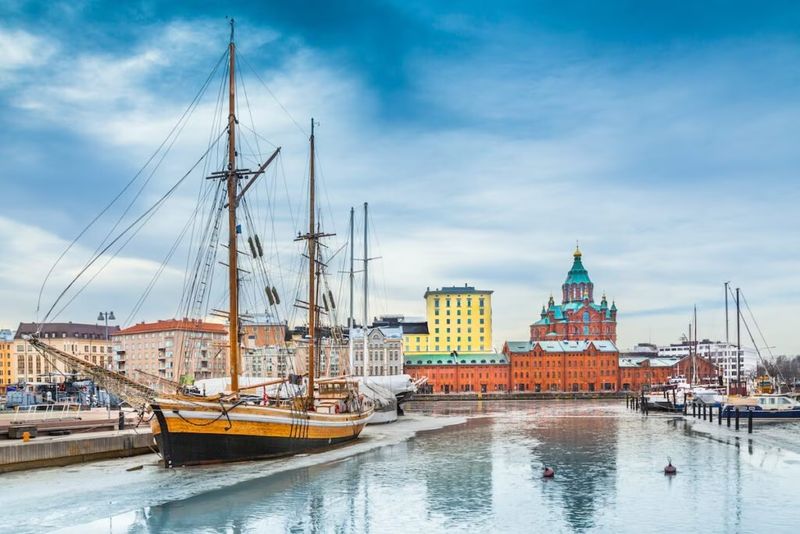
Ever wish travel companies came with a label that proves they care? In Finland, they do.
The Sustainable Travel Finland program helps visitors find tourism businesses that meet established standards.
To carry the label, a business must satisfy specific criteria. One of them is obtaining a recognized sustainability certification, so the badge is more than a marketing slogan.
The range of certified experiences is wide. Travelers can choose Helsinki excursions, national park adventures, cycling trips, snowshoeing outings, and Sámi cultural experiences in northern Finland.
That variety makes planning easier. You can pick a city day, a forest walk, or a cultural visit and still know the provider has been checked against a clear set of rules.
Look for the label when you browse tours, and use it as a quick filter when options start to blur together.
The Lofoten Islands, Norway
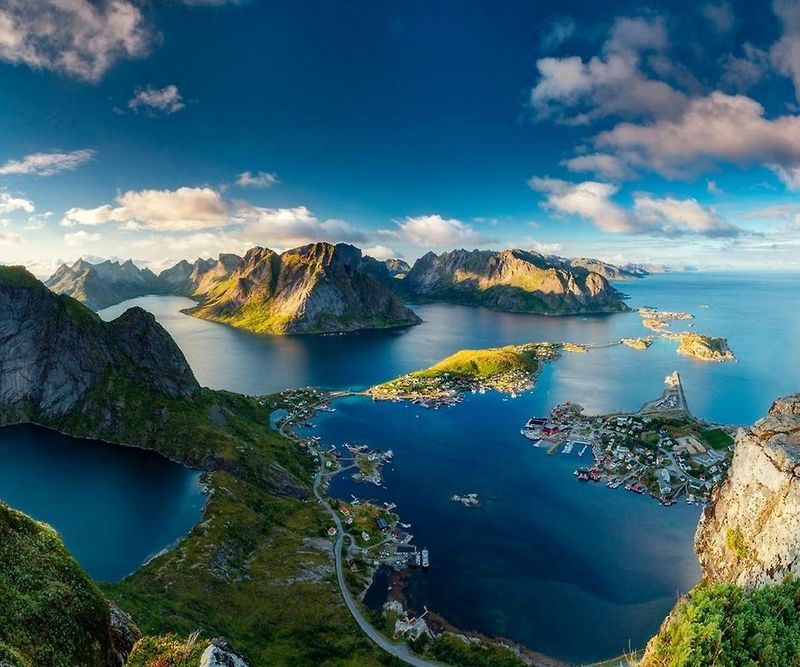
Jagged peaks rise straight out of the sea in Lofoten, and that alone explains why it is one of Norway’s most recognizable destinations. Fishing villages, beaches, and Arctic scenery fill out the picture.
The region is also listed under Norway’s national Sustainable Destination program. That means it is recognized for working in a systematic way to improve environmental, cultural, social, and economic sustainability.
It helps to be clear about what the label means. It does not claim that tourism has no environmental impact at all.
Instead, it shows a commitment to keep improving and to balance visitor needs with the needs of local people and nature.
As a traveler, you can support that effort by staying longer in one village, respecting local rules, and choosing activities that fit the landscape. Slow travel suits Lofoten well, since the scenery rewards time spent in one place.
Vancouver, Canada

Beaches, mountains, forests, and a busy downtown all sit within reach of each other in Vancouver. That mix makes it easier to plan a trip that does not depend on a rental car.
Stanley Park is the headliner, and it is one of North America’s best-known urban parks. Visitors can explore it on foot or by bicycle, which keeps the experience simple and low-impact.
Many neighborhoods are linked by public transportation, so hopping between areas is straightforward. Cycling routes add another option for getting around while taking in the waterfront and city streets.
Travelers who care about their footprint can also choose sustainability-focused restaurants and accommodations. Destination Vancouver actively promotes itineraries built around lower-impact ways of experiencing the city, so you can start with those suggestions and build a plan that fits your own pace and interests.
Singapore

Sustainable travel does not have to mean escaping civilization, and Singapore proves it. This city-state mixes skyscrapers with parks, reserves, and wildlife protection.
Officials promote public transportation, walking and cycling experiences, certified sustainable accommodations, and responsible dining. That gives visitors plenty of ways to keep a trip lighter without giving up comfort or convenience.
Nature stops are easy to find. Singapore Botanic Gardens, Pulau Ubin, Sungei Buloh Wetland Reserve, and the Southern Ridges each show a different side of the island’s green spaces, from gardens to wetlands to elevated walking routes.
A smart plan is to pair one nature outing with a day of city exploring. You can take the train to a reserve in the morning, then return to urban sights by afternoon.
It is a handy example of how a major global city can still make room for the outdoors.
Rwanda

In Rwanda, wildlife conservation and tourism are closely connected. The country’s best-known experience, gorilla trekking in Volcanoes National Park, is carefully managed to protect the animals.
Other protected areas add variety. Nyungwe National Park safeguards rainforest and primates, while Akagera National Park protects wetlands, savannah, birds, and other wildlife.
Together they show how different habitats can be part of one tourism plan.
Visitors can also look beyond wildlife. Rwanda’s tourism authority promotes community-based coffee and tea experiences, which let travelers learn about local farming and support the people who grow these crops.
When planning, think about combining a park visit with a community experience. That way your trip supports conservation and local livelihoods at the same time.
It is a good reminder that responsible travel can include both nature and the neighbors who live beside it.
Bohinj, Slovenia
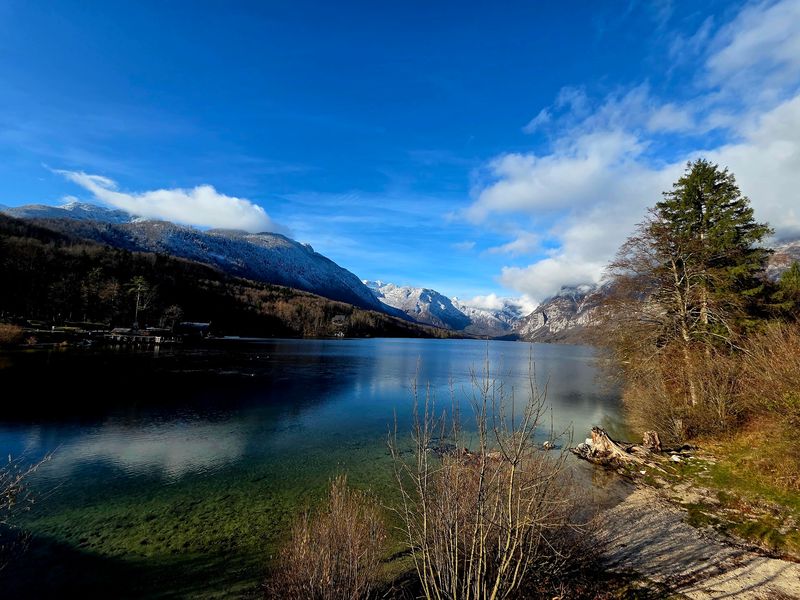
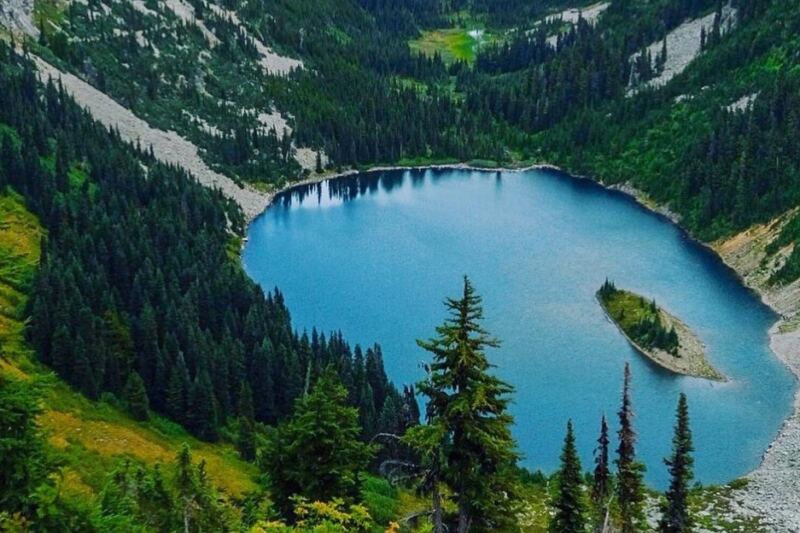
Set in the Julian Alps and closely tied to Triglav National Park, Bohinj is the kind of place where the mountains set the schedule. Lake Bohinj is the centerpiece.
The destination holds Slovenia Green Destination Platinum status, the country’s highest sustainability category. That puts it in the same top tier as Ljubljana.
Its appeal comes from simple outdoor activities. Mountain scenery, hiking, cycling, and traditional Alpine communities are the main draws, and they encourage visitors to experience the natural environment more carefully.
For a trip here, trade the busy itinerary for a few good outings. Walk a lakeside path, bike between villages, or pick a hiking route that matches your energy level.
Keeping the plan flexible lets you enjoy the scenery and helps limit the pressure on popular spots.
Freiburg, Germany
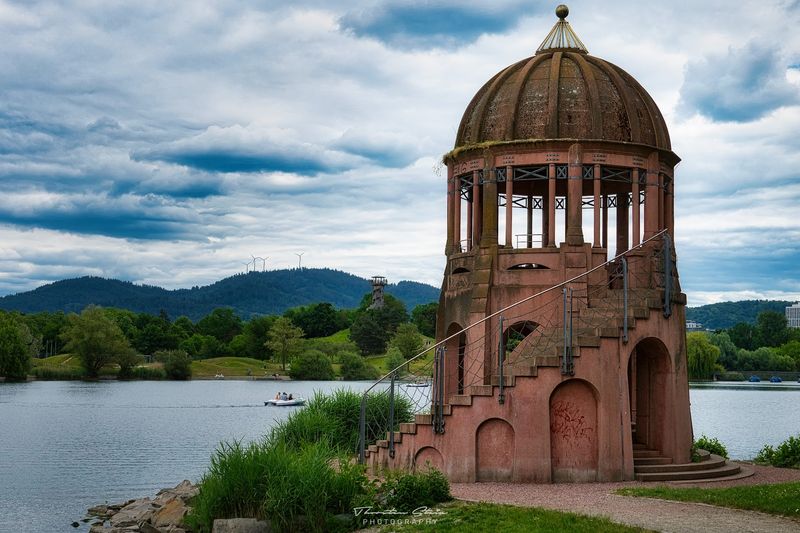
City culture and forest trails can share a single day in Freiburg. The city sits beside Germany’s Black Forest, so nature is never far from the main square.
Walking routes, cycling possibilities, riverside recreation, parks, and trails all begin close to the urban center. That means you can leave your accommodation and be on a path without a long transfer.
Two spots show how easy access can be. Schlossberg and the Dreisam are natural areas that visitors can reach without planning a lengthy trip outside the city.
This setup works well for travelers who like variety. Spend a morning with city sights, then head out for a walk or a bike ride in the afternoon.
Because the green spaces are so close, you can cut down on extra travel and still get a full dose of the outdoors.
Bergen, Norway
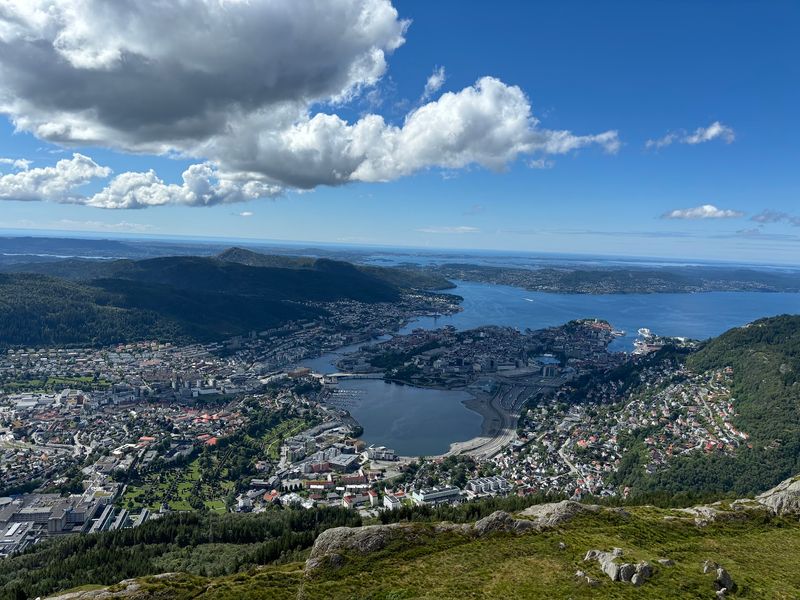
Norway officially lists Bergen among the destinations in its national Sustainable Destination scheme. That makes it a solid pick for travelers who want a city base with a conservation mindset.
The compact layout helps. Sightseeing stays close together, and public transportation offers another way to get around without relying on a car.
Culture and scenery sit side by side. Historic Bryggen anchors the cultural side, while surrounding mountains and hiking routes offer outdoor time within reach of the city.
Bergen also connects to nearby fjord regions, so it works well as a launch point for exploring western Norway’s dramatic coastal landscapes. A good plan is to settle in for a few days, take day trips by public routes, and return each evening, which keeps travel simple and cuts down on constant packing and moving.
Bled, Slovenia
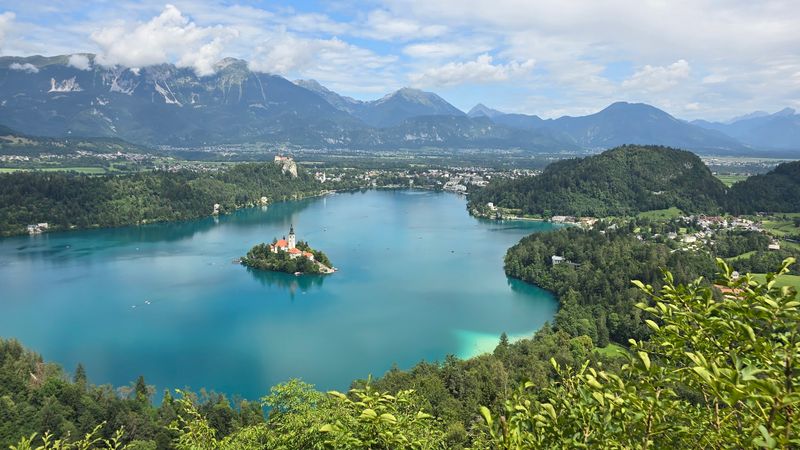
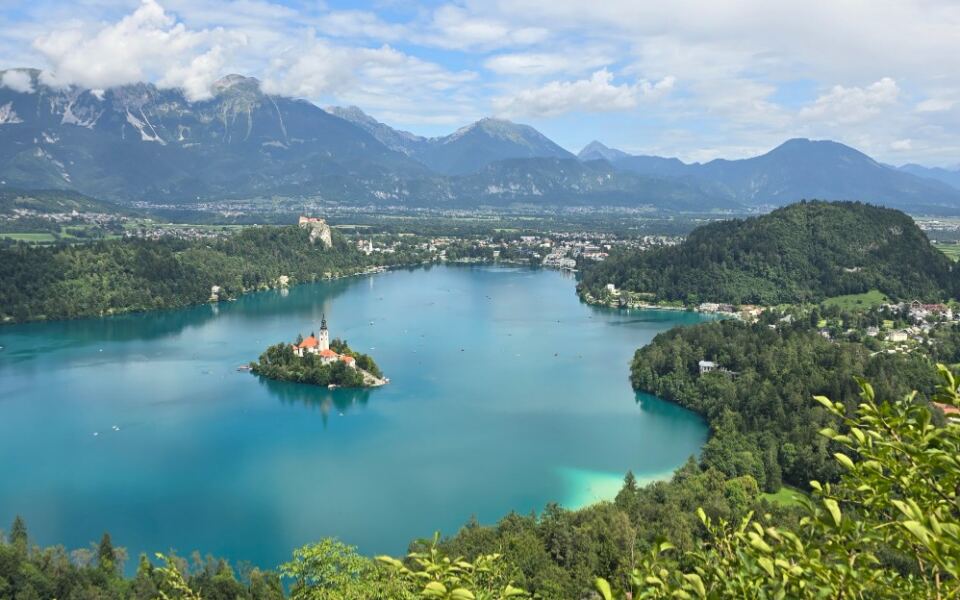
Few lakes get photographed as often as Lake Bled, yet the destination has done more than pose for pictures. It has invested in making tourism more sustainable.
Bled holds the Slovenia Green Destination Gold designation. Slovenia’s tourism authority specifically highlights its sustainable mobility initiatives and its work toward the Zero Waste concept.
For visitors, that translates into simple choices. Walk around the lake, explore nearby trails, and use Bled as a gateway to the wider Alpine region.
Going on foot is a nice way to see the area, because the lake path gives you changing views without needing a car. Pair it with a trail outing and you have a full day built around scenery and movement.
It is an easy example of how a popular spot can welcome guests while still working to protect what makes it special.
Share this story