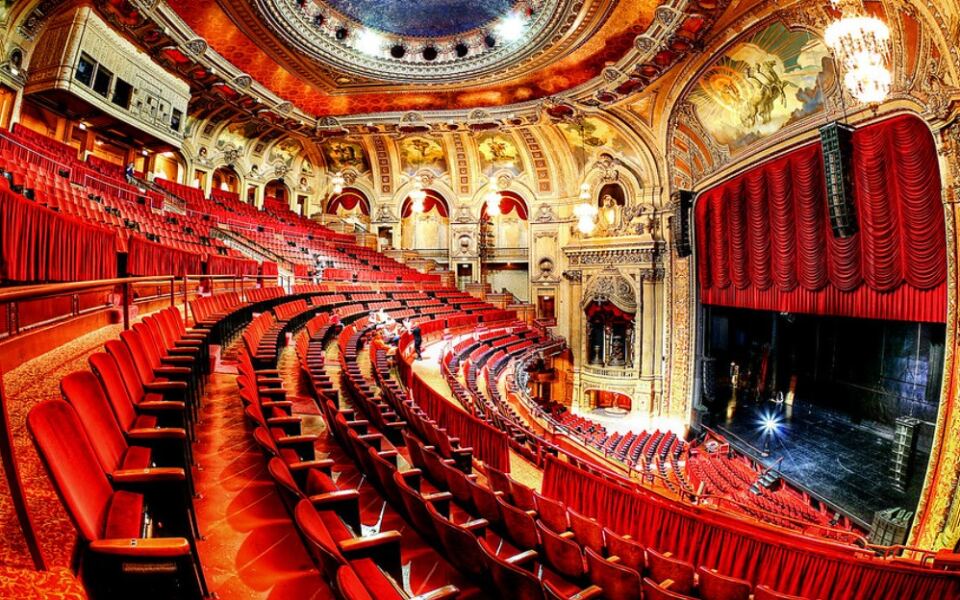
Some buildings hold more than seats and a stage. They hold centuries of stories, famous performers, and crowds who keep coming back.
This list travels from London to Seoul to visit twelve theaters, festivals, and districts that shaped live performance or keep it thriving today. You will find a rebuilt Shakespeare playhouse, a Japanese hall for kabuki, a Canadian festival town, and an opera house famous for its sails.
Some are old, some are bold, and all of them are real places that audiences can still visit. Whether you want to plan a trip or just add a few dream stops to your list, there is a curtain here waiting for you.
Shakespeare’s Globe, London, England
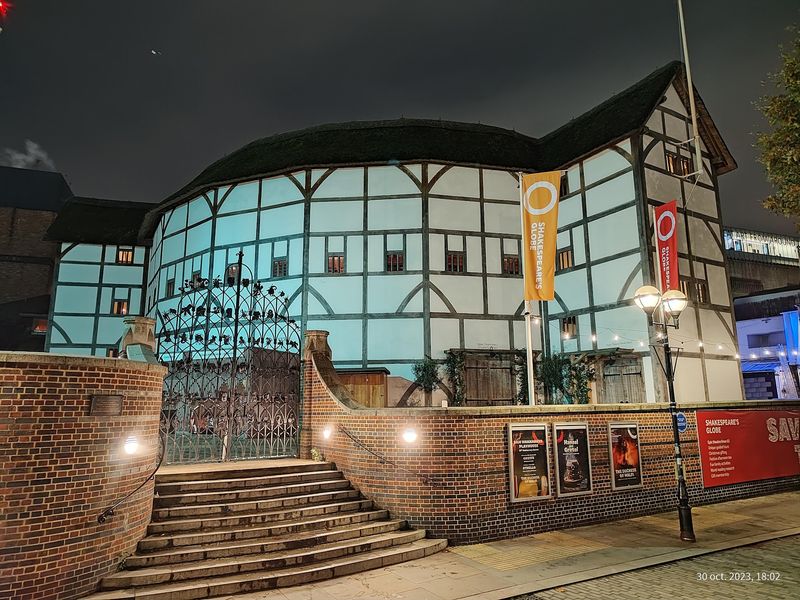
Here is a fun twist: this theater has a thatched roof, which is rare in London because of its fire history. Shakespeare’s Globe is a modern rebuild of the open-air playhouse linked to Shakespeare, and it stands on the south bank of the River Thames.
The Globe opened in 1997 after years of work led by actor and director Sam Wanamaker. It is built in the style of an Elizabethan playhouse, with a round shape, wooden galleries, and a central yard where people can stand to watch.
Plays are performed in the open air during the summer season, so weather is part of the show. Visitors who want a drier experience can look at the Sam Wanamaker Playhouse next door, an indoor candlelit-style space.
The Globe also offers exhibition and theater tours, which makes it useful on days without a performance. Standing tickets are known for being budget-friendly, and bringing a rain jacket is smart planning.
Broadway Theatre District, New York City, United States

Forty professional theaters make up the group most people mean when they say Broadway. They sit mainly around Times Square in Midtown Manhattan, so a whole evening of theater can start with a short walk.
Musicals, plays, and revivals run throughout the year, and the lineup changes often. That makes it smart to check current shows before planning a trip.
Ticket choices are wide. Many travelers buy seats ahead online, while others try same-day options such as the TKTS booths, which sell discounted tickets for select shows.
Matinee performances can free up evenings for dinner or a stroll. The district is also home to stage door crowds, where fans often gather after a show hoping to greet cast members.
Since theaters are packed into a few blocks, you can compare marquees on foot and choose a show that fits your mood.
Comédie-Française, Paris, France
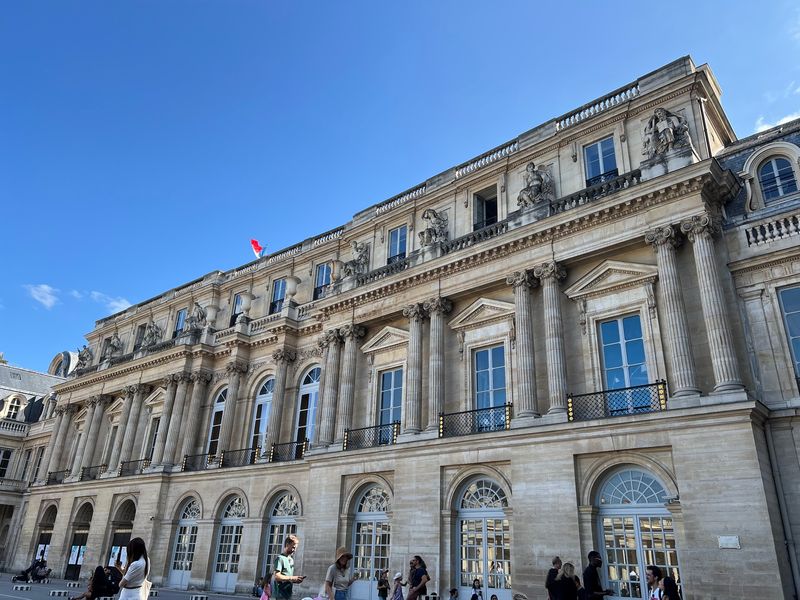
Founded in 1680 by order of King Louis XIV, the Comédie-Française is the oldest active theater company in the world. Its main home, the Salle Richelieu, sits beside the Palais-Royal in Paris.
The company is known as the House of Molière, named for the playwright whose comedies form a core part of its repertoire. It also performs works by Racine, Corneille, Marivaux, and many modern authors.
A resident troupe of actors, called sociétaires and pensionnaires, performs in rotating repertory, which means different plays appear on the schedule through the season.
Performances are mostly in French, so visitors may want to read a plot summary first. The Salle Richelieu is easy to reach by Metro, and the nearby Palais-Royal gardens give you a calm spot before curtain time.
Burgtheater, Vienna, Austria
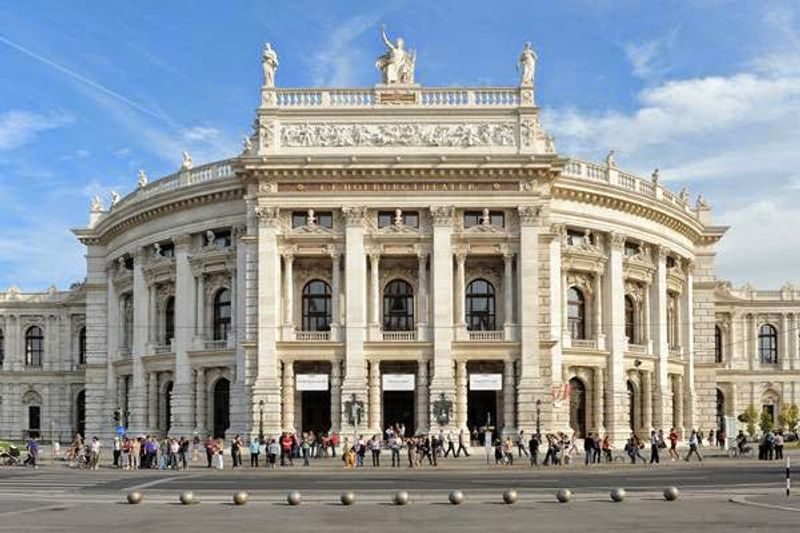
Along Vienna’s grand Ringstrasse stands one of the most respected German-language theaters in the world. The Burgtheater, also called the Austrian National Theatre, was founded in 1741, and its current building opened in 1888.
The building was designed by architects Gottfried Semper and Karl von Hasenauer. Visitors often notice the curved front, the sculptures, and the grand staircases inside, which include ceiling paintings by Gustav Klimt and his colleagues.
The company presents classic and modern plays, and its schedule often includes works by Schiller, Goethe, and contemporary writers. Performances are usually in German, so travelers may want to check for subtitles or read the story beforehand.
Guided tours are available on select days and offer a look at the architecture and backstage areas. The theater is close to Vienna’s city hall and university, so it fits neatly into a walking day.
Kabukiza Theatre, Tokyo, Japan
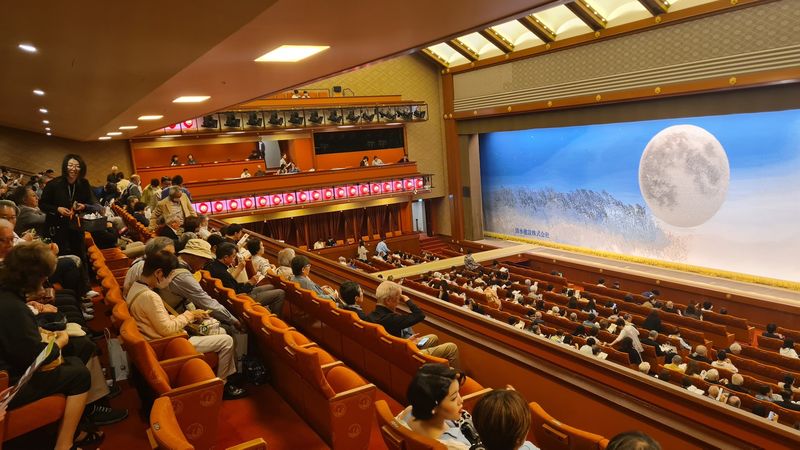
Kabuki is a traditional Japanese stage art with bold makeup, dramatic poses, and elaborate costumes, and Kabukiza in Tokyo’s Ginza district is its best-known home. The theater has stood on this site since 1889, and the current building, which reopened in 2013, blends a classic exterior with a modern office tower.
First-time visitors do not have to sit through a whole day of plays. Single-act tickets are sold for many performances, which lets guests see a short portion at a lower price.
Audio guides in English are available and explain the story and staging as the action unfolds. That helps a lot when the dialogue is in Japanese.
The building also has a rooftop garden and a shopping area with kabuki-themed souvenirs and snacks. It is steps from Higashi-Ginza Station, which makes getting there simple.
Sydney Opera House, Sydney, Australia
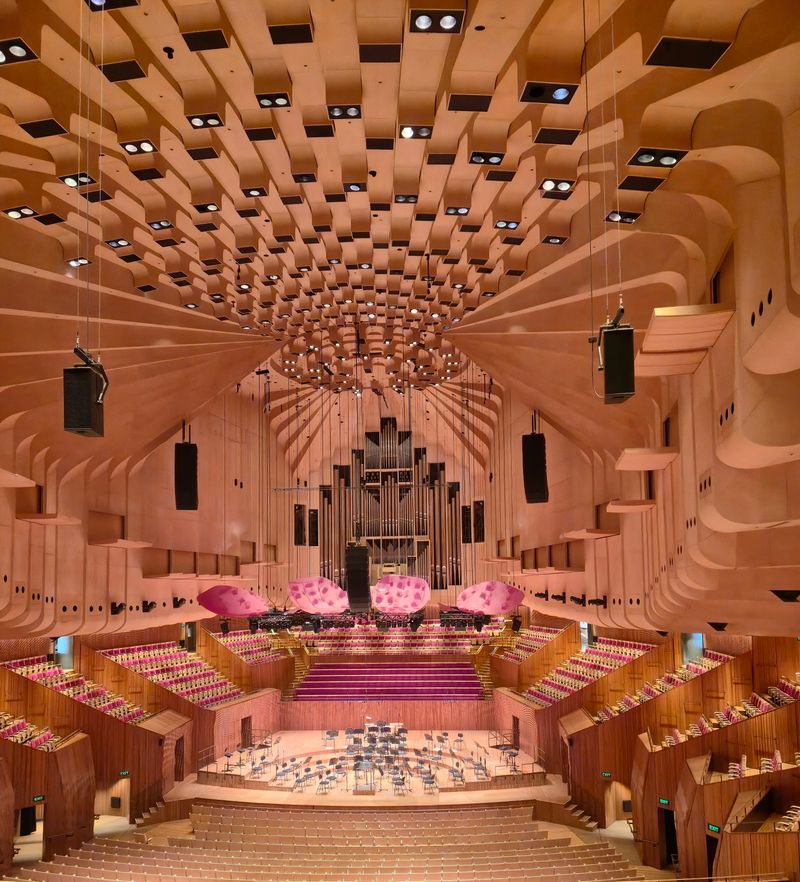
Even people who have never seen a show there recognize the white shell roofs on Bennelong Point. The Sydney Opera House, designed by Danish architect Jørn Utzon, opened in 1973 and is a UNESCO World Heritage site.
Inside are multiple venues, including the Concert Hall, the Joan Sutherland Theatre, and the Drama Theatre. The building hosts opera, ballet, plays, concerts, and comedy, so the calendar covers many tastes.
Guided tours let visitors see inside the spaces and learn how the roof was built. Some tours run in the morning, which can fit around other Circular Quay plans.
The area around the building is open for strolling, with views of Sydney Harbour and the Harbour Bridge. Going for a show gives a closer look at the interior, and booking in advance is smart for popular performances.
Stratford Festival, Stratford, Canada
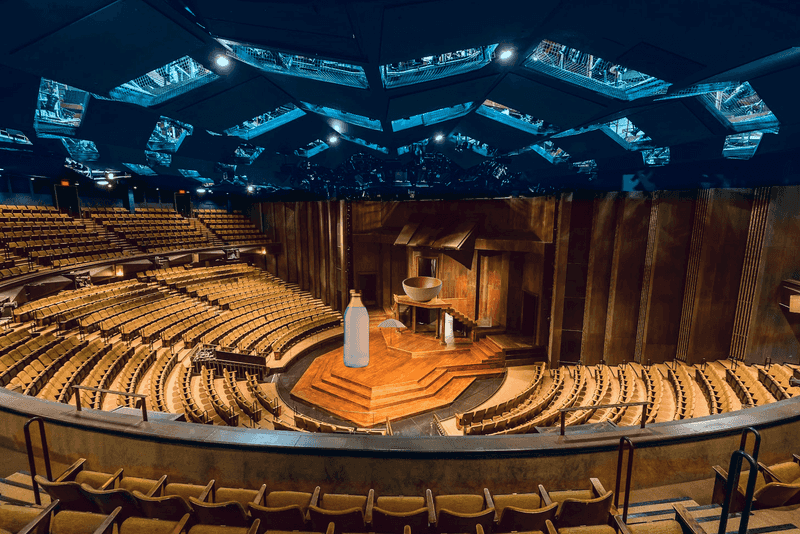
A small city in Ontario hosts one of North America’s largest classical repertory theater festivals. The Stratford Festival began in 1953 with a performance of Richard III under a tent, and it has grown into a multi-venue season that typically runs from spring into fall.
The main venues include the Festival Theatre, the Avon Theatre, the Tom Patterson Theatre, and the Studio Theatre. Shakespeare plays are a big part of the schedule, along with musicals and contemporary works.
Stratford’s setting adds to the trip. The Avon River runs through town, and swans are a local sight, so a walk before a matinee is easy to fit in.
Many visitors come for a weekend and see more than one production. The town has shops and restaurants within walking distance of the theaters, making it manageable without a car once you arrive.
Chicago Theatre, Chicago, United States
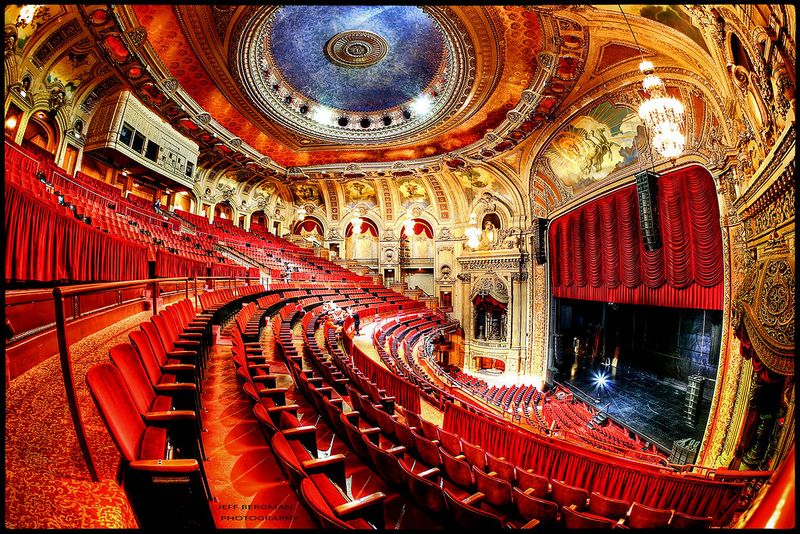
The giant vertical sign spelling out CHICAGO on State Street is one of the city’s most photographed pieces of signage. It marks the Chicago Theatre, which opened in 1921 as a movie palace and is now a landmark.
The design is French Baroque Revival, and the lobby is modeled after the Royal Chapel at Versailles. Visitors often point out the grand staircase and the ornate lobby details.
Today the venue hosts concerts, stand-up comedy, speakers, and live shows. Its mix of events means a visit may not be a traditional play, but the building itself is part of the draw.
It sits in the Loop, close to the Chicago Riverwalk, the Art Institute, and Millennium Park. Public transit makes the trip simple, and checking the schedule ahead is helpful since events change often.
Teatro Colón, Buenos Aires, Argentina
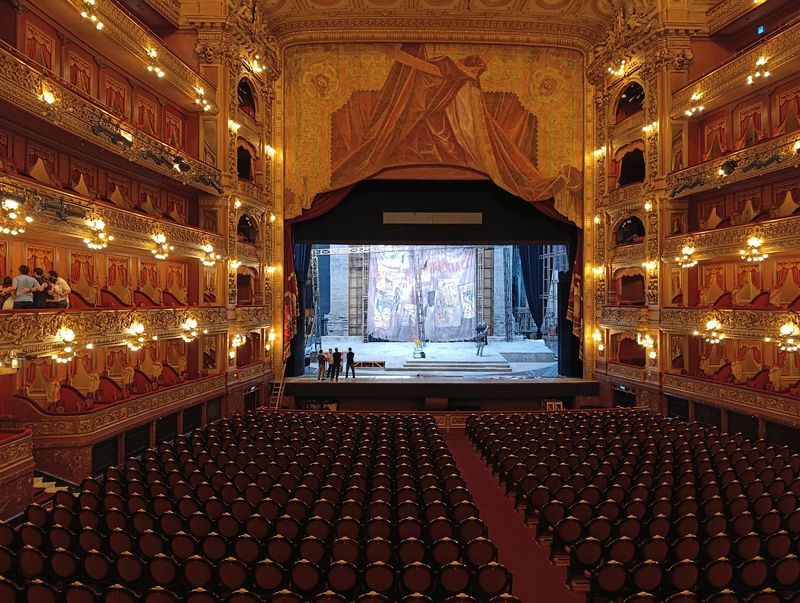
Opera singers and musicians often rank this house among the best-sounding in the world. Teatro Colón in Buenos Aires opened its current building in 1908 and presents opera, ballet, and orchestral concerts.
The main hall has a horseshoe shape with several tiers of boxes, red velvet seating, and a large central chandelier. It can seat roughly 2,500 people, with room for more standing.
Guided tours run in several languages and take visitors through the main hall, foyers, and sometimes backstage areas. This makes it easy to enjoy the building even if you cannot catch a performance.
The theater sits near Plaza Lavalle and the Avenida 9 de Julio, so it is easy to pair with a stroll through central Buenos Aires. Booking tour tickets ahead is wise during busy travel months.
Schaubühne, Berlin, Germany
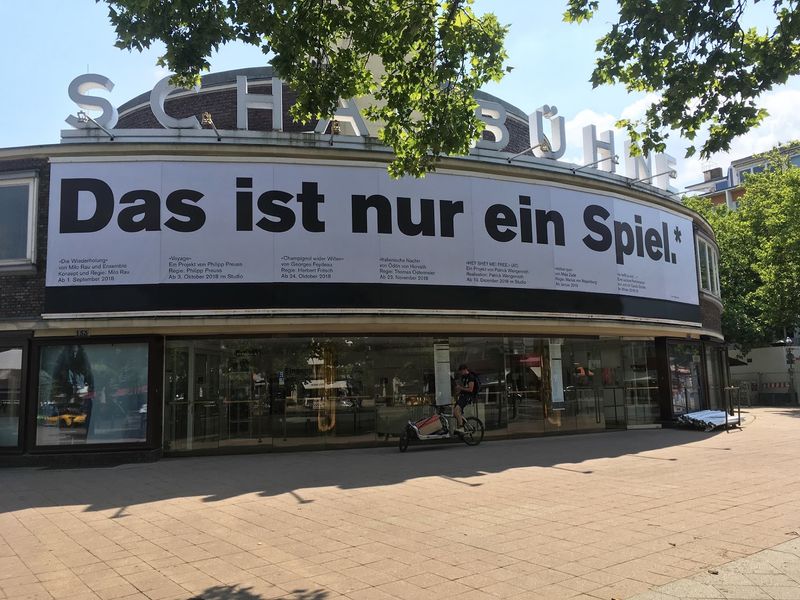
Few theaters in Berlin have shaped German stagecraft the way the Schaubühne has. It is housed in a building on the Kurfürstendamm designed by Erich Mendelsohn, completed in 1928 and originally used as a cinema.
The company began in 1962 and gained a reputation under directors such as Peter Stein. Today it is known for bold stagings of classics and new work, often led by director Thomas Ostermeier.
The building has several stages, which lets the theater present different types of productions at once. Its curved modernist exterior is a draw for architecture fans.
Many productions are in German, but the Schaubühne regularly offers English surtitles for select performances. Checking the schedule for that detail helps non-German speakers plan.
The location in western Berlin is easy to reach by public transit.
National Theater of Korea, Seoul, South Korea
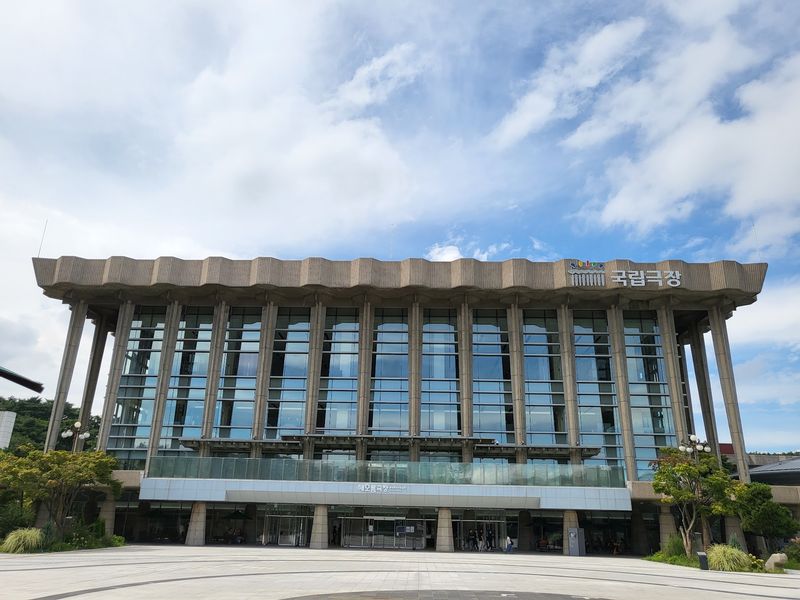
On the slopes of Namsan, this venue gives Seoul a national home for performing arts. The National Theater of Korea was established in 1950, and its main building opened in 1973 in the Jangchung-dong area.
The complex includes the large Haeoreum Theater, the Dal Theater, the Byeol Theater, and the Sky Theater. Each space hosts different kinds of shows.
The theater has resident companies for traditional Korean performance, including the National Changgeuk Company, the National Dance Company, and the National Orchestra. Changgeuk is a Korean form of musical storytelling that blends singing and drama.
The location is practical for visitors, since it is near Namsan Park and the paths leading toward N Seoul Tower. Checking for English subtitles or notes on the schedule can help international guests choose performances.
Teatro Real, Madrid, Spain
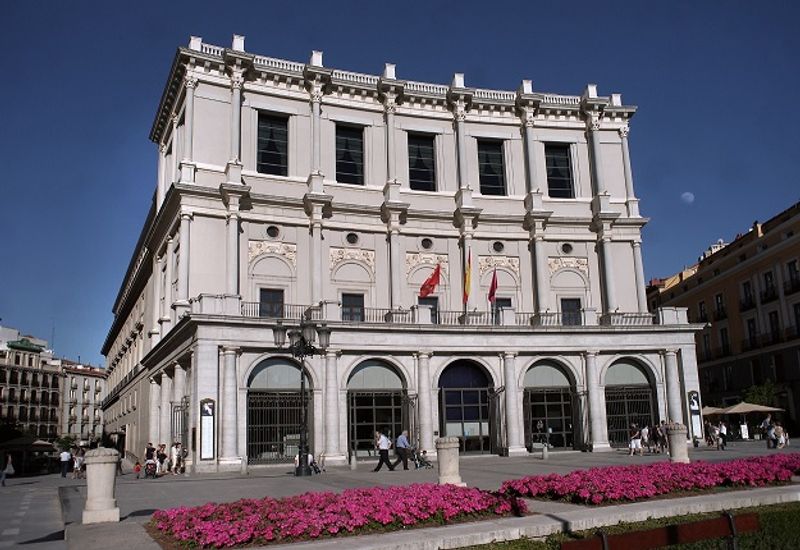
Facing the Plaza de Oriente and close to the Royal Palace, Teatro Real is Madrid’s principal opera house. It first opened in 1850 and reopened in 1997 after a long renovation.
The venue presents opera and also hosts ballet and concerts. Its season usually brings together classic titles and newer productions, so repeat visitors can find fresh programs.
The main hall has a horseshoe layout, which is a traditional design for opera houses. Guided tours are offered and let guests see the hall, the stage area, and other parts of the building.
The location makes planning easy. The Royal Palace, Almudena Cathedral, and the Opera metro station are close by, so a show can be paired with a day of sightseeing in central Madrid.
Share this story