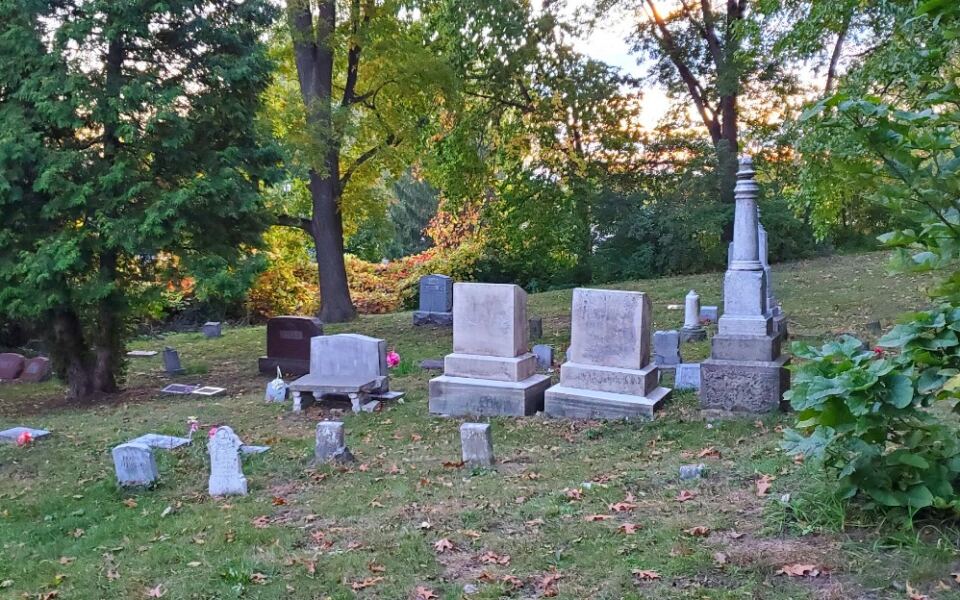
Some of the best history lessons in Michigan are carved into stone and tucked behind iron gates. Old cemeteries across the state hold the names of lumber workers, hospital patients, soldiers, and families who built towns that no longer exist.
Over the years, people started adding something extra to these places: ghost stories. Tales of witches, ladies in white, and cars that roll uphill have been told around campfires for generations.
Most of these legends cannot be proven, but the real history behind them is often stranger than the spooky versions. In this list, you will find a forest graveyard tied to a supposed curse, a Detroit landmark with a battle site inside its fence, and a quiet burial ground where folks swear gravity takes a day off.
Each stop comes with facts, folklore, and tips for a respectful daytime visit. Grab a notebook, keep your flashlight in the car, and get ready to meet the stories that refuse to stay buried.
Pere Cheney Cemetery, Roscommon, Michigan
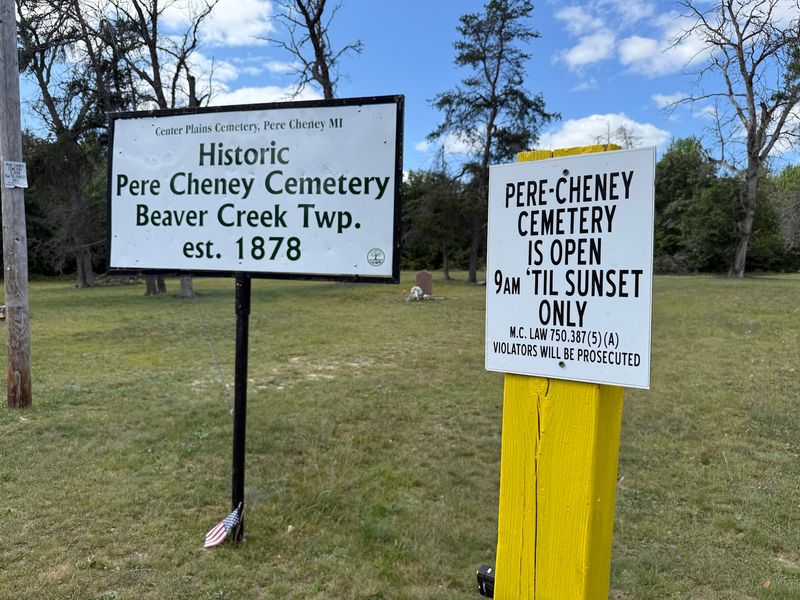
A whole town once stood here, and now a handful of headstones are nearly all that is left.
Pere Cheney was a lumber settlement in Crawford County during the late 1800s. Disease outbreaks, fires, and the end of the logging boom slowly emptied it out.
By the early 1900s, the town had faded from the map.
Roughly 90 people were buried in the small cemetery. Sadly, vandals have damaged or removed many markers over the decades, so only a few original stones remain.
Then there is the witch. Local legend says a woman accused of witchcraft cursed the town after being driven out.
Historians have found zero evidence that she existed, but the story refuses to retire.
Visitors today will find a fenced plot surrounded by pine trees, along with a state historical marker that explains the real story. The location is remote, down sandy roads, so a vehicle with decent clearance helps.
Go during daylight, bring a printed map since cell signal can be spotty, and leave everything exactly as you found it. The best way to honor a lost town is to help protect what little survived.
Findlay Cemetery, Ada, Michigan
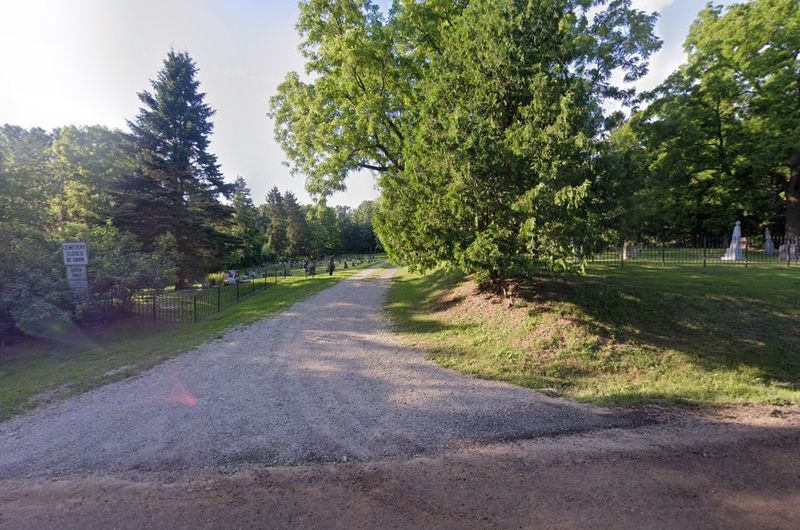
West Michigan has its own celebrity ghost, and her nickname is the Ada Witch.
According to the popular tale, a woman was caught meeting a secret sweetheart in the fields near Honey Creek. Her jealous husband supposedly attacked them both.
Since then, people claim to see a pale woman in white drifting along nearby roads and through Findlay Cemetery.
Here is the plot twist. Researchers tracked down the grave most often linked to the legend.
It belongs to Sarah McMillan, who passed away from typhoid fever in 1870, with no scandal involved.
So the real Sarah was not a witch or a wronged wife. She was a young woman from a farming family, struck by a common illness of her time.
That detail makes the visit feel a bit more human.
The cemetery is small and set in a quiet rural area east of Grand Rapids. Many markers date to the 1800s and show the names of early Ada pioneer families.
Park carefully along the road, stick to the paths, and visit during open hours. Local residents appreciate guests who come for history rather than late-night pranks.
Elmwood Cemetery, Detroit, Michigan
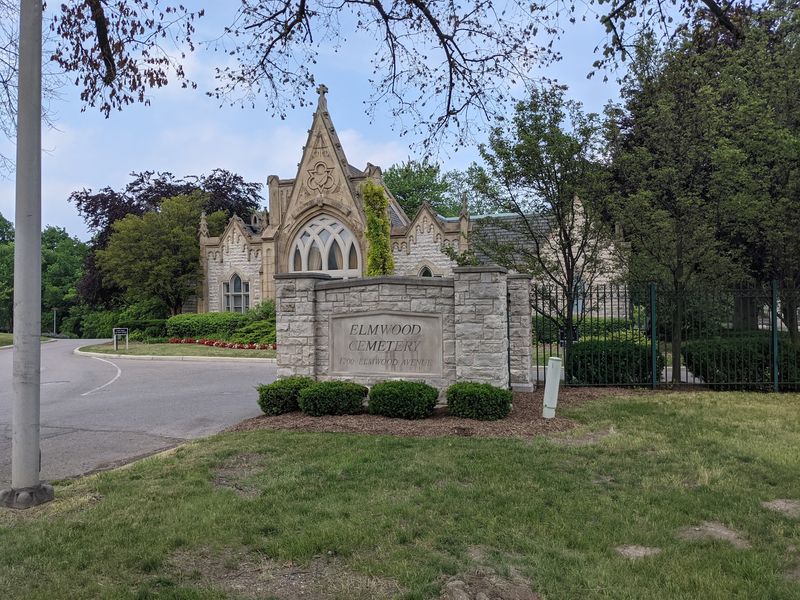
Few cemeteries can say they have a battlefield inside the gates, but Elmwood can.
Founded in 1846, it is one of the oldest cemeteries still operating in Michigan. A surviving stretch of Parent’s Creek runs through the grounds.
It earned the name Bloody Run after a fierce 1763 clash during Pontiac’s War.
History fans will spot familiar Detroit names everywhere. Mayors, senators, Civil War soldiers, and business leaders rest among the curving lanes.
The landscape was designed in a garden style, so it was meant for strolling from the start.
Now for the spooky part. A sculpture known as the Veiled Lady has inspired stories about a ghostly woman wandering the grounds.
Most visitors simply admire the craftsmanship of the draped stone figure.
Elmwood sits on Detroit’s east side and welcomes respectful guests. The Elmwood Historic Cemetery Foundation sometimes offers guided walks that point out notable graves and monuments.
Bring comfortable shoes, because the grounds cover more than 80 acres. A free map from the office will save you from walking the same loop three times, which is a haunting experience of its own.
Nunica Cemetery, Nunica, Michigan
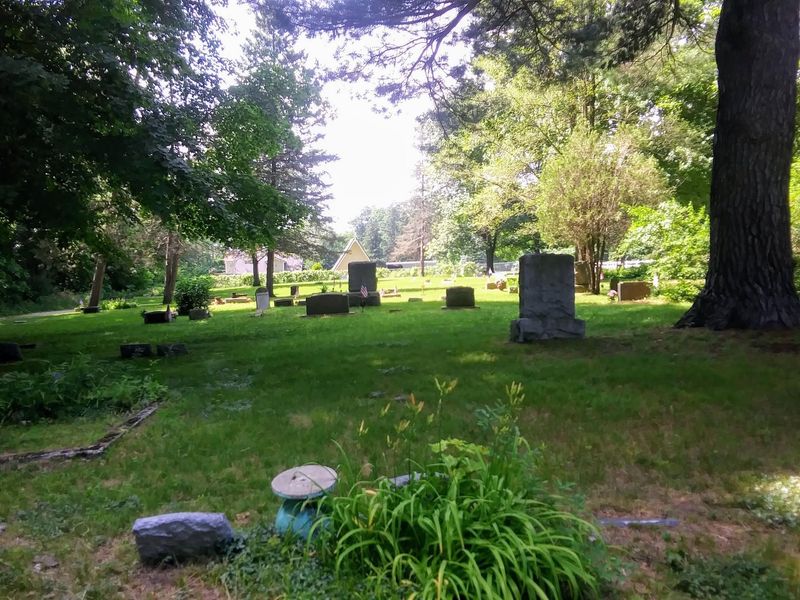
Small towns tend to have long memories, and Nunica is no exception.
The local cemetery was established in 1883 in this tiny Ottawa County community. Over time, it gathered a reputation for odd lights, shadowy figures, and noises that nobody can quite explain.
The star of the show is Joel A. Bond, a Civil War veteran buried on the grounds.
Stories say his spirit keeps watch over the cemetery, almost like an unofficial night guard. Some people even claim to have seen a figure standing near his marker.
No proof backs up these claims, of course. Still, it is fitting that a soldier would be remembered as someone still on duty.
The cemetery itself is worth a look in daylight. Large shade trees spread over a mix of weathered 1800s stones and newer family markers.
Reading the dates offers a quick lesson in how the town grew.
Nunica is an easy detour from Interstate 96 between Grand Rapids and Grand Haven. Pair a visit with a drive to the lakeshore, and say thanks at the veteran graves on your way out.
Oakwood Cemetery, Traverse City, Michigan
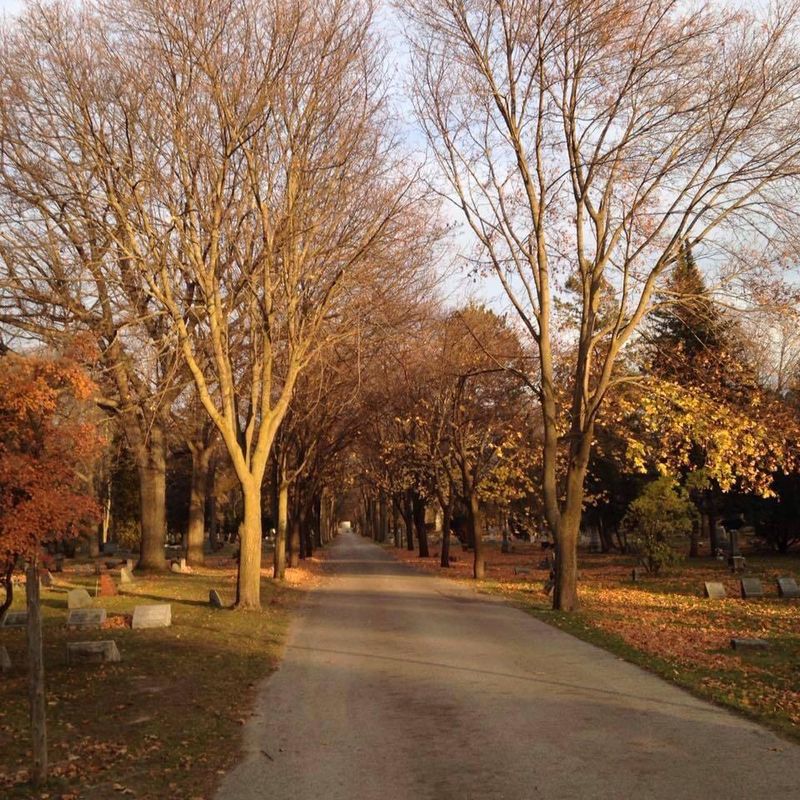
Traverse City is famous for cherries and beaches, yet one of its most surprising attractions sits on a hill full of oak trees.
Oakwood Cemetery opened in 1861 and now spreads across about 65 acres. Separate sections hold Catholic, Jewish, and city burials.
The rolling, garden-style layout makes it a popular spot for walkers.
Look closer, and the history gets complicated. A large, mostly unmarked area holds people connected to the former Northern Michigan Asylum.
That hospital, now restored as The Village at Grand Traverse Commons, once housed thousands of patients.
Local historical tours have dug up colorful tales from the cemetery’s past. Guides share stories of scandals, unusual accidents, and forgotten townspeople whose lives made the local paper long ago.
Ghost lovers will hear the occasional rumor here, but the real draw is the storytelling. Check with local historical groups for seasonal walking tours, which often fill up in autumn.
Afterward, stroll over to the old asylum grounds a short drive away. Seeing both places on the same day connects the dots between the hospital and the people buried here.
Mouth Cemetery, Montague, Michigan
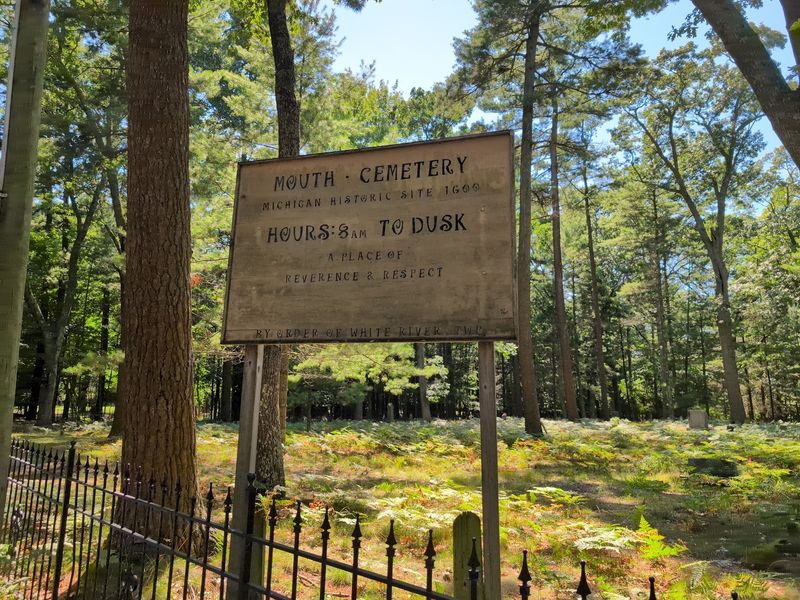
Here is a legend you cannot test anymore, because the main prop went missing.
Mouth Cemetery sits in wooded land near where the White River meets White Lake and Lake Michigan. It dates back to the early settlement of the Montague and Whitehall area.
Many pioneers and lumber families are buried here.
For years, a chair stood in the cemetery. Local lore claimed it was tied to a fatal accident, and sitting in it was said to bring bad luck.
Teenagers dared each other to try it, naturally.
The chair has since disappeared, so your luck is safe. Other stories mention unexplained footsteps among the trees, though wildlife is the likely culprit in a forest this size.
What remains is a peaceful, secluded spot with weathered stones and a strong link to the region’s founding years. History fans can match surnames to street names in nearby towns.
Plan to combine a visit with the White River Light Station, a historic lighthouse and museum close by. It makes for a well-rounded afternoon of local history with fewer jump scares.
Ganong Cemetery, Inkster, Michigan
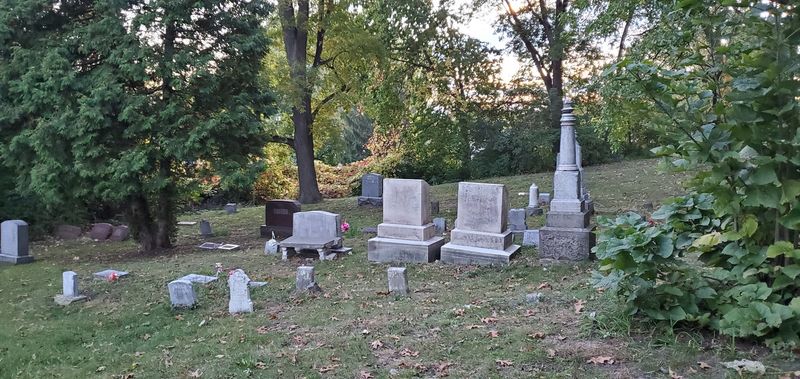
Blink while driving down Henry Ruff Road, and you might miss it entirely.
Ganong Cemetery is a small burial ground with roots in Wayne County’s pioneer days. Its weathered headstones date back to the 1800s, when the area was mostly farmland instead of suburbs.
Local folklore features a familiar character with a local twist. People describe a woman in white appearing near the cemetery and a sharp curve in the road.
The tale was recorded in collections of Wayne County haunted stories kept by the Canton Public Library.
Drivers may want to treat that curve with respect regardless of ghosts. Slowing down is good advice for any roadside cemetery visit.
The size is the real charm here. With only a modest number of graves, you can read nearly every stone in one visit.
Family names repeat often, showing how a few households shaped the early community.
Park legally and safely, since the road can be busy. Bring a notebook to jot down names and dates, then check them against local archives for a fun family history puzzle.
Machpelah Cemetery, Ferndale, Michigan
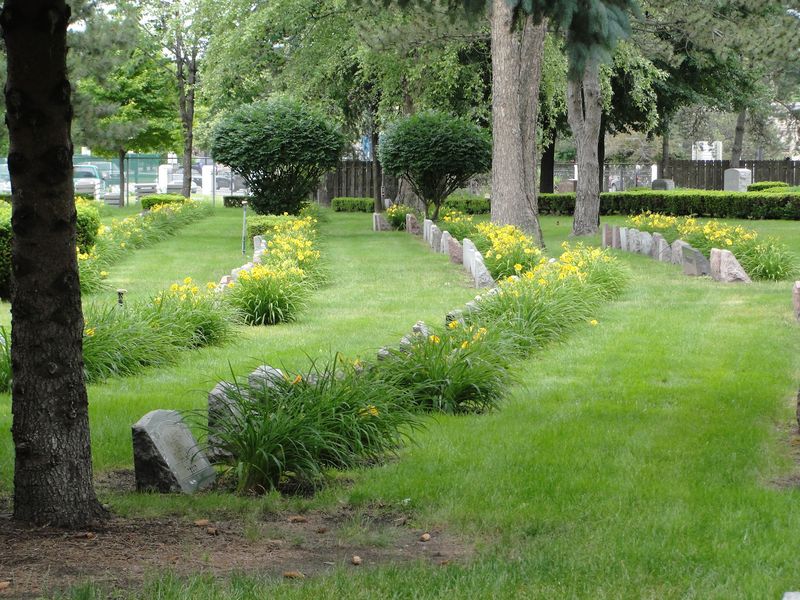
Woodward Avenue is known for classic car cruises, but one stretch also holds more than a century of family stories.
Machpelah Cemetery was founded in 1912 as a Jewish burial ground for the Detroit area. Its name comes from the Cave of Machpelah, a burial site described in the Book of Genesis.
Generations of Detroit families rest here, and many stones feature Hebrew inscriptions alongside English names. The grounds are neatly maintained and offer a calm break from the traffic just outside.
Paranormal fans have tied a few odd stories to the cemetery and the park nearby. Tales mention bells and distant screams at night.
No one has ever confirmed these reports, and they seem to belong more to campfire chatter than to history.
Visitors interested in Jewish customs may notice small stones placed on top of headstones. Leaving a pebble is a traditional sign that someone came to remember the person buried there.
Check visiting hours before you go, and note that Jewish cemeteries are often closed on the Sabbath and certain holidays. Modest, quiet behavior is always appreciated.
Oakwood Cemetery, Belmont, Michigan
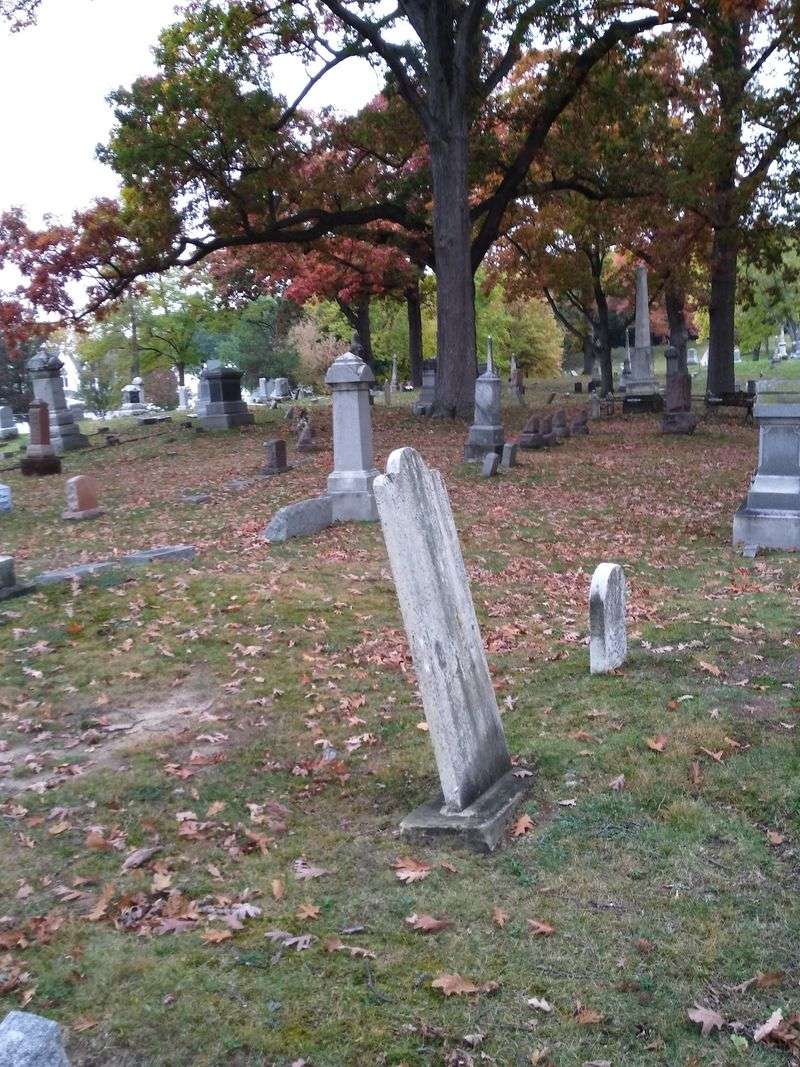
Gravity gets a lot of blame at this last stop.
Oakwood Cemetery in Belmont, just north of Grand Rapids, is home to one of the quirkiest legends in the state. People claim that a car placed in neutral on a certain slope will appear to roll uphill.
Some say unseen hands are doing the pushing.
Scientists usually explain these spots as optical illusions. When the surrounding land tilts in a sneaky way, a gentle downhill can look like an uphill.
No study has confirmed anything unusual here, so file it under fun folklore.
A second story involves a mysterious figure spotted near Brewer Avenue and Cannonsburg Road. Reports often mention cold or stormy weather, which is exactly when most people would rather stay home anyway.
Beyond the legends, the cemetery offers old markers and a pleasant rural setting. It shows how farming families in Plainfield Township lived and worked over a century ago.
Please do not test the rolling car myth on the cemetery grounds. Respect posted rules, visit during daylight, and let the story stay a story.
Share this story