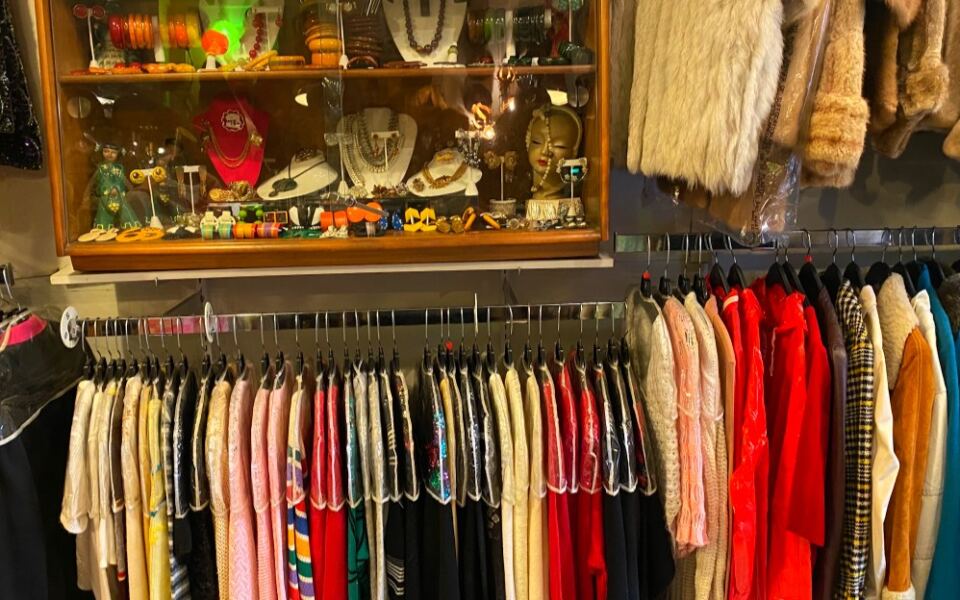
A vintage clothing shop in Grove City, Pennsylvania, carries pieces dating as far back as the 1800s. Three Rivers Vintage has everything from Edwardian-era clothing and mid-century outfits to bold styles from the 1970s and 1980s.
The store originally operated in Pittsburgh before moving to South Broad Street. Owner Scott Johnson personally selects the merchandise, including men’s and women’s clothing, hats, handbags, and vintage jewelry.
Unlike a typical thrift store, the collection is carefully organized, with garments cleaned and measured to help shoppers find the right fit.
There’s also something unusual about visiting. The shop welcomes walk-ins, but scheduling an appointment can give you dedicated time to browse and get help finding pieces from your favorite decade.
A Pittsburgh Favorite Finds a New Home on Broad Street
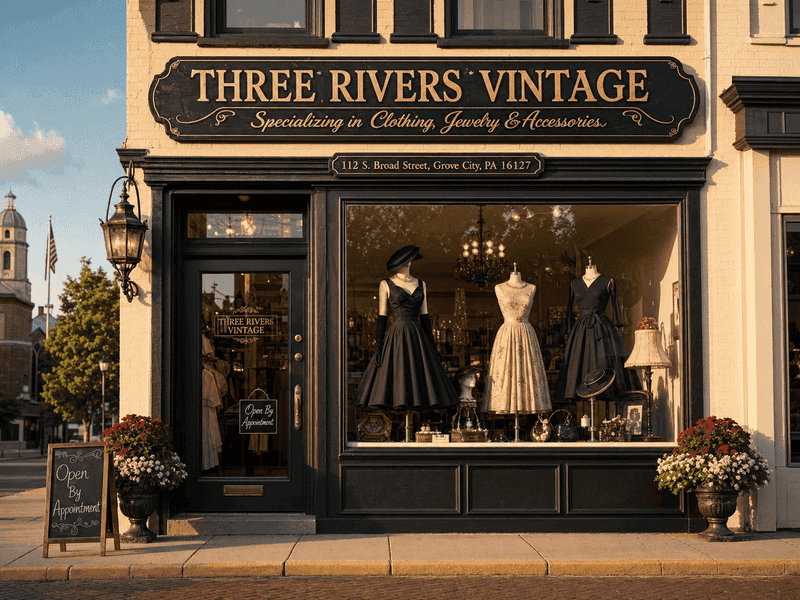
Fans of Three Rivers Vintage first knew the shop as a fixture on the South Side of Pittsburgh. Today it sits at 112 S Broad St in Grove City, Pennsylvania, a small town about an hour north of the city.
The move brought a well-loved collection to a quieter downtown. Grove City is known for its college and its walkable main street, so a retro clothing shop fits right into the neighborhood.
The store sells gently used and never-worn apparel and accessories. Most pieces come from the 1920s through the 1970s, though the racks stretch both earlier and later than that.
Men and women can both shop here. Casual clothes, formal outfits, and workwear all share the floor, so the selection goes well beyond party costumes.
I find the location change interesting because it gives shoppers north of Pittsburgh a closer option. People driving between Pittsburgh and Erie can make an easy detour off the interstate.
The heart of the business stayed the same after the move. The owner still picks the stock himself, and that personal touch explains a lot about what fills the shelves, as the next part shows.
The Collector Behind Every Rack
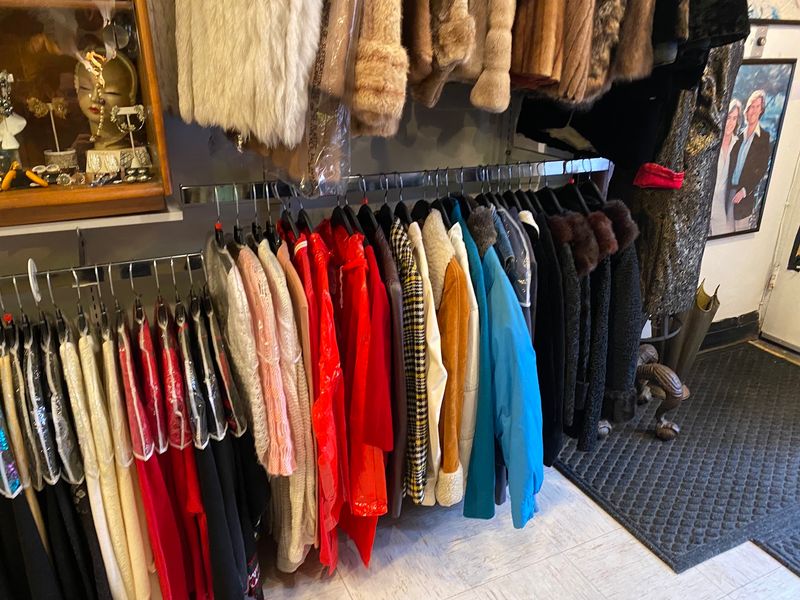
Scott, the owner, hand-selects the clothing during his many trips searching for vintage pieces. That means nothing lands on a hanger by accident.
Shops that buy in bulk often end up with racks full of filler. A curated store works differently, because one person decides what is worth keeping and what stays behind.
Scott has spent years building his knowledge of old fashion. He can answer questions about eras, fabrics, and how a piece was meant to be worn.
That kind of help matters when you shop for clothes made decades ago. Sizing, construction, and style rules were different, and a little guidance keeps you from guessing.
Kayla, a longtime team member, has also helped shoppers find pieces that match their taste and budget. She has handled repairs too, which keeps older garments in good shape.
I would happily ask a lot of questions on a visit. Learning where a coat came from makes wearing it more fun.
With someone this careful running the shop, the store layout follows the same thinking. Organization turns out to be one of the biggest reasons shopping here feels easy.
More Than a Century of Style Under One Roof
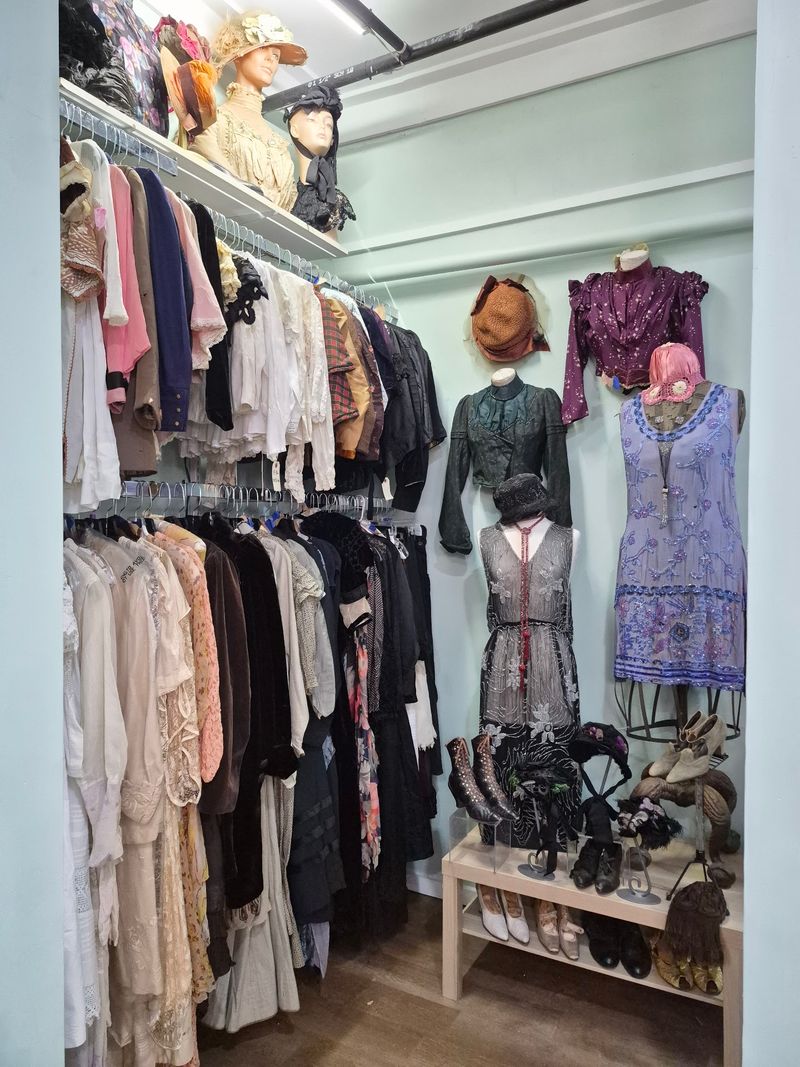
Edwardian blouses from the early 1900s can hang just a few steps from 1980s jumpsuits here. Few clothing stores cover that much ground.
The core of the collection runs from the 1920s to the 1970s. That range includes flapper-era looks, wartime dresses, sharp mid-century suits, and bold disco styles.
Shoppers have found pieces like a 1930s wool coat, a sailor-themed dress, and a gold brocade jacket. Sequined menswear from the 1970s has also turned up for themed parties.
Fun fact: the word vintage in fashion usually describes clothing at least 20 years old. Items older than 100 years are often called antique, and this shop carries some of both.
The wide range helps different kinds of shoppers. A student wanting a fun weekend top and a collector hunting a rare piece can both leave happy.
I like that the racks are not stuck on one decade. Browsing feels like flipping through a fashion history book you can actually try on.
Clothes are only part of the story, though. Some of the smallest items in the store sit behind glass and deserve a slow look.
Tiny Treasures in the Glass Cases
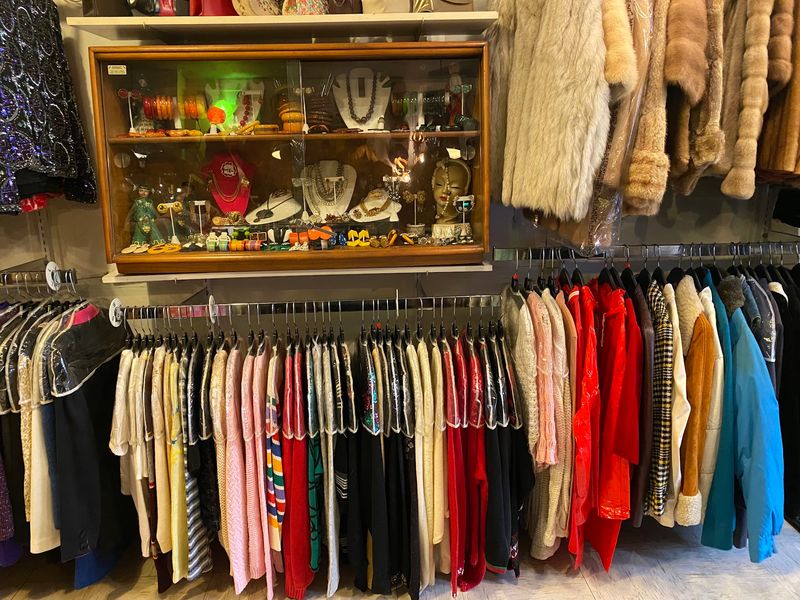
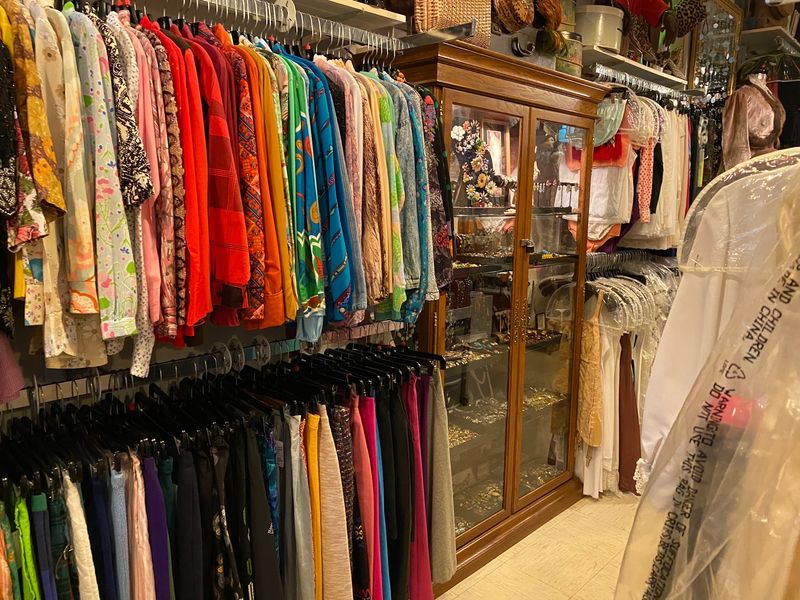
Small things can make an outfit, and the jewelry cases prove it. Brooches, bangle bracelets, rings, necklaces, hat pins, and scarf rings fill the displays.
Hat pins are a fun detail. In the early 1900s, women used long decorative pins to hold large hats in place, and some pins were works of art on their own.
Scarf rings are another clever piece many people have never seen. They slide over a scarf to keep it neat without tying a knot.
Vintage handbags also show up in the cases and around the shop. One shopper found a white wicker bag straight out of the 1970s, while another picked up a wool purse.
Accessories are a smart place to start if you are new to vintage. A brooch or a bracelet adds old-school style without needing a whole new wardrobe.
They also make great gifts. I can see a vintage pin becoming a better present than something from a mall.
Glass cases also hold a few decorative surprises. Keep reading the displays closely, because the whole store is set up to be looked at.
Racks Sorted So You Can Find Your Size Fast
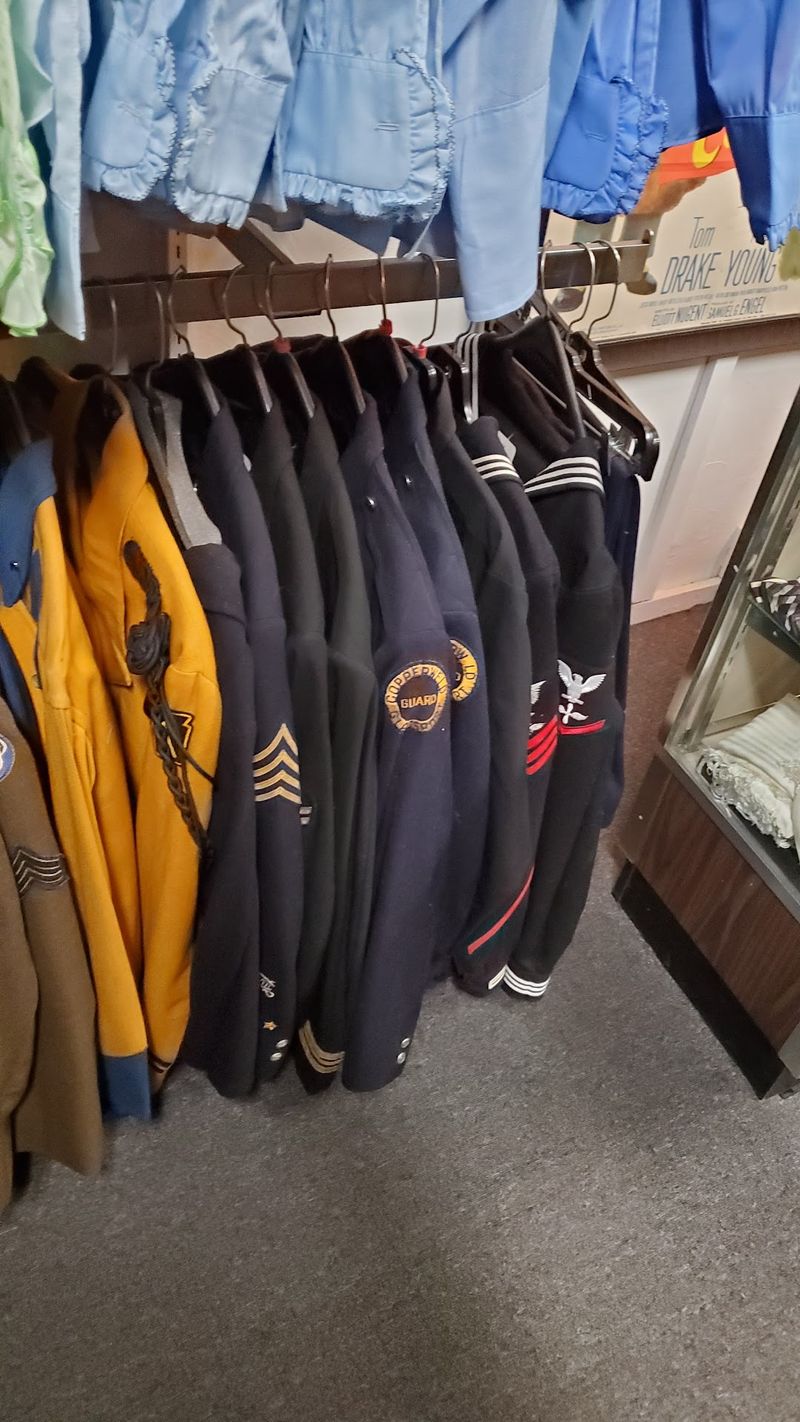
Anyone who has dug through a messy thrift bin will appreciate this. Clothing here is neatly organized by size, so you can head right to what fits.
Vintage sizing can be confusing. A size 12 dress from 1955 rarely matches a size 12 today, so sorting by actual fit saves time and frustration.
The shop is also kept very clean. Garments are well cared for, which matters when the fabric might be 50 or 80 years old.
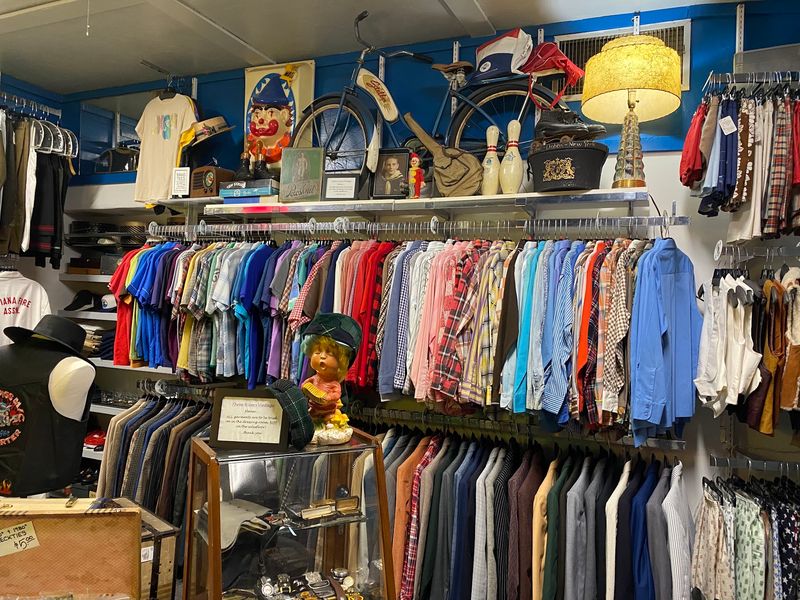
Women’s clothing and men’s clothing each have their own area. That makes browsing easier for couples or friends shopping together.
Here is a tip for your visit. Bring your measurements, or wear something easy to change out of, so trying on old pieces goes smoothly.
Good organization also means the shop can hold a lot without feeling chaotic. The amount of stock is large, yet each piece has its place.
I respect any store that makes old clothing feel this approachable. Of course, the way the store looks goes beyond tidy racks, and the displays bring the past to life.
Window Displays Worth Slowing Down For
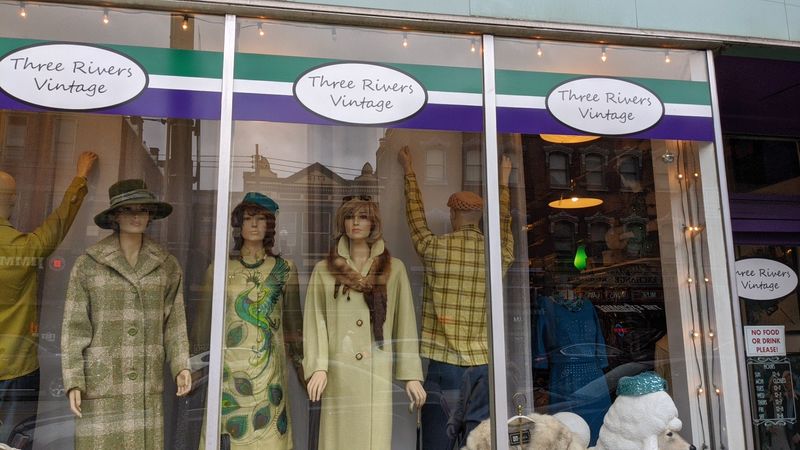
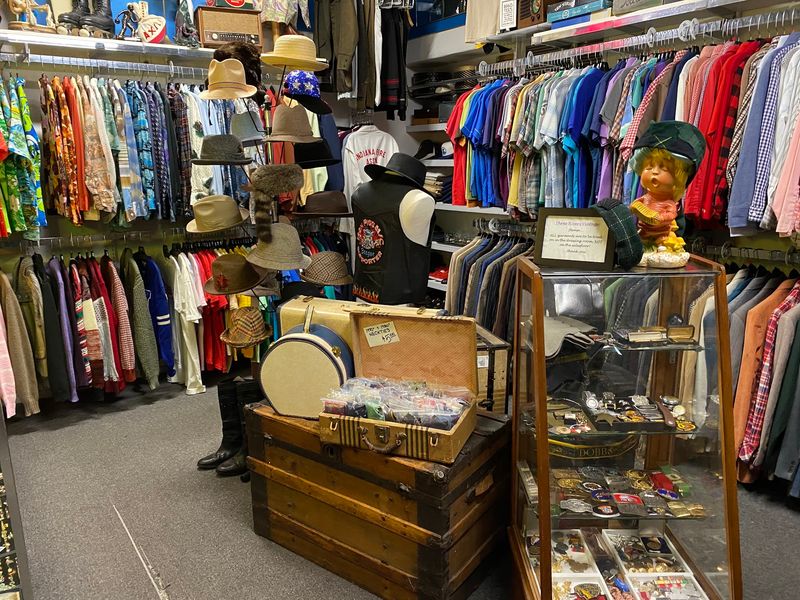
Hats lining the walls make a strong first impression. Combined with styled mannequins and decorated windows, the shop feels carefully designed.
The window displays have long been part of the store’s personality. They show complete outfits, which helps shoppers picture how old pieces work together.
Seeing a full look can spark ideas. A 1940s dress paired with the right hat and purse suddenly makes sense in a way a lone hanger cannot show.
Inside, the glass cases add charm of their own. One shopper pointed out a miniature model of a classic sewing machine tucked among the displays.
Music also plays a role in the mood. Older tunes have filled the shop during visits, matching the clothes on the racks.
For Broad Street walkers, the windows give a free preview. Even if you are just passing by, it is fun to see what outfit is on display that week.
I would take a few photos before going in. Displays like these give you a clue about what you might want to ask about inside, especially since getting inside works a little differently here.
Why Calling Ahead Pays Off
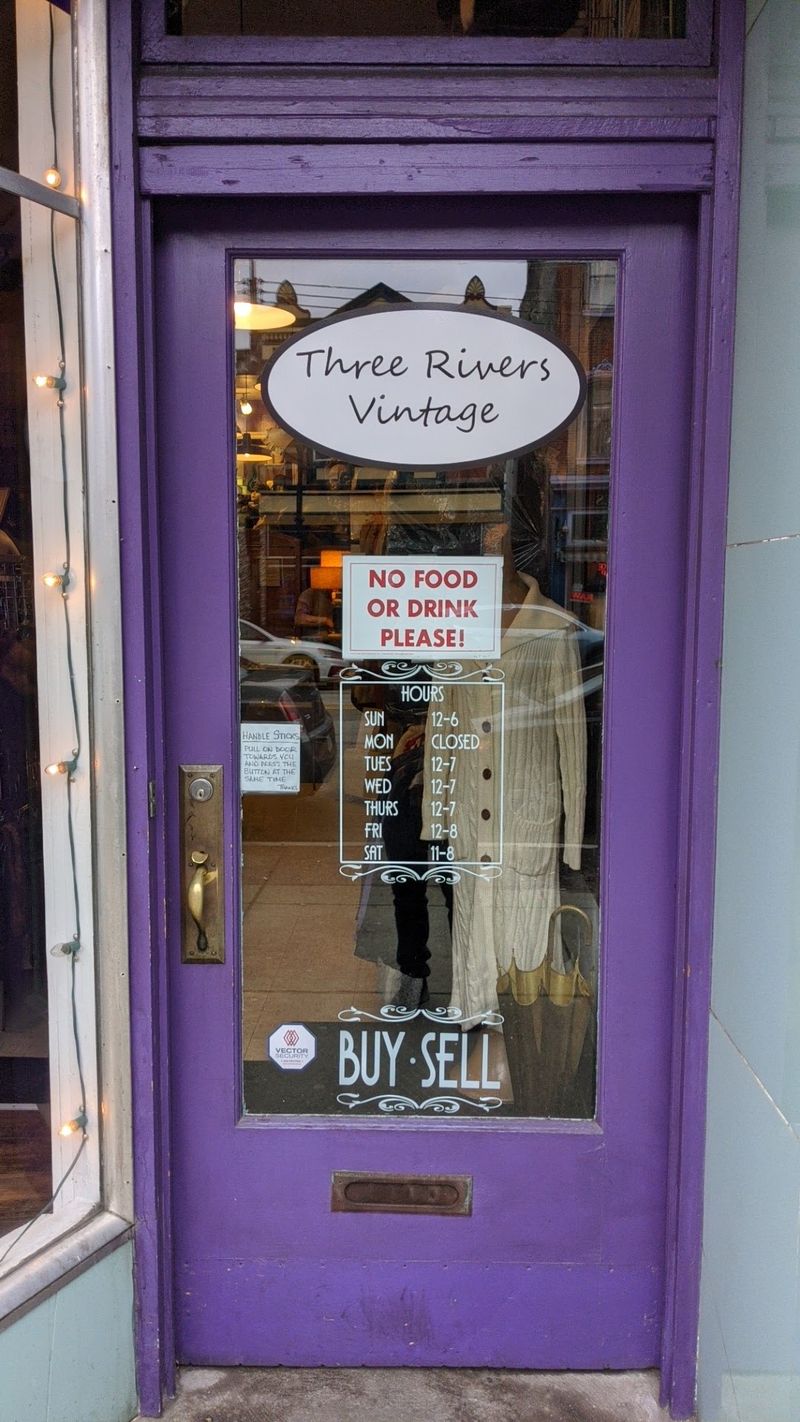
For years, the shop has been known for running by appointment. That system gave each group the whole store to themselves while they browsed.
Google currently lists regular hours: Wednesday through Friday from 11 am to 5 pm, and Saturday from 10 am to 4 pm. It is closed Sunday through Tuesday.
Policies can change, so calling or checking the shop’s Facebook page before your trip is smart. That simple step can save you a long drive to a locked door.
Private shopping time has some clear perks. You get one-on-one help, plenty of space, and no rush while trying on clothes.
The owner has also squeezed in walk-in visitors when he could. Still, it is better to plan than to hope for a last-minute opening.
Groups have booked time together for a fun outing. A birthday or friends’ day could feel special with the store mostly to yourselves.
I like this setup for nervous first-time vintage shoppers. Having attention without pressure makes asking questions much easier, and that friendly approach carries over to how the staff help.
Friendly Help Without the Hard Sell
Pushy salespeople can ruin a shopping trip fast. Kind staff come up again and again when people describe this shop.
Help here often starts with a conversation. Staff ask what you like and what budget you have, then pull pieces that match.
That style works well for vintage. Many people love the look but feel unsure about what suits them, and a guide can point them in the right direction.
Shoppers have described leaving with blouses, coats, and gifts they felt good about. No pressure to buy seems to be part of the store’s approach.
Knowledge helps too. Staff can share details about a garment’s era, how it was made, and how to care for it at home.
A quick tip: tell them about any event you are shopping for. A wedding, a themed party, or a costume contest gives them a clear goal.
I would rather shop somewhere I feel welcome than somewhere slightly cheaper. Speaking of cost, the prices here may surprise people who think vintage always means expensive.
Price Tags for Every Kind of Budget
High-end vintage can cost a fortune, especially rare designer items. This shop is known for keeping a range of price points on the racks.
That mix matters for students and young shoppers. Grove City is a college town, so affordable retro pieces are a nice fit for the area.
Shoppers on tight budgets have mentioned getting several garments for a fair total. Staff have helped them stretch their money by pointing out good options.
Of course, some rare or historic pieces will cost more. A well-kept 1920s item has survived a century, and that rarity affects the price.
A smart way to shop is to set a budget before you walk in. Then share it with staff so they can show you choices that fit.
Buying vintage can also be a greener choice. Wearing clothing that already exists keeps it out of landfills and cuts down on new production.
I find that combination appealing: good quality, fair prices, and less waste. And if you cannot make the drive, there are still ways to keep up with what arrives in the shop.
Keeping Up With New Arrivals From Home
New stock comes and goes quickly in a vintage shop. Each piece is one of a kind, so once it sells, it is gone.
Three Rivers Vintage shares updates on Facebook, and it has also posted on Instagram and TikTok. Following along helps you spot items before your visit.
Shoppers have reached out after seeing a piece online. The shop has also handled purchases over the phone and shipped items to people who could not come in.
That option helps out-of-town fans. A collector in another state can still grab a ring or a shirt that catches their eye.
Social media also shares practical news. Hours, holiday changes, and special updates often appear there first, so check before you head to Broad Street.
Here is my advice: if something you love shows up in a post, contact the shop soon. Waiting a week could mean someone else gets it.
For a store built on old clothing, staying connected online is a modern touch. It keeps a century of fashion just a scroll away until your next trip to Grove City.
Share this story