Some songs ruled the Billboard Hot 100 for months during the 1970s. Others reached the top, stayed for exactly seven days, and then stepped aside for the next hit.
Those one-week champions tell a surprisingly rich story about the decade. They include Motown newcomers, Dutch rockers, Canadian folk singers, Swedish pop stars, and an advertising man who pretended to be a trucker.
The 1970s moved fast. Singer-songwriters gave way to funk, funk shared space with disco, and the CB radio craze pushed a novelty record past serious rock acts.
FM radio grew, synthesizers became more common, and record buyers kept proving that they liked variety. A short stay at the summit did not always mean a song faded away.
Some of the most famous recordings in pop history held the No. 1 spot for only one week, while a few quirky hits became time capsules of very specific trends. Here is the surprising part: several of the decade’s biggest classics never managed a second week on top.
Keep reading to learn how each song reached the summit, who made it happen, and why many of them still show up on playlists today.
I Want You Back by The Jackson 5 (1970)
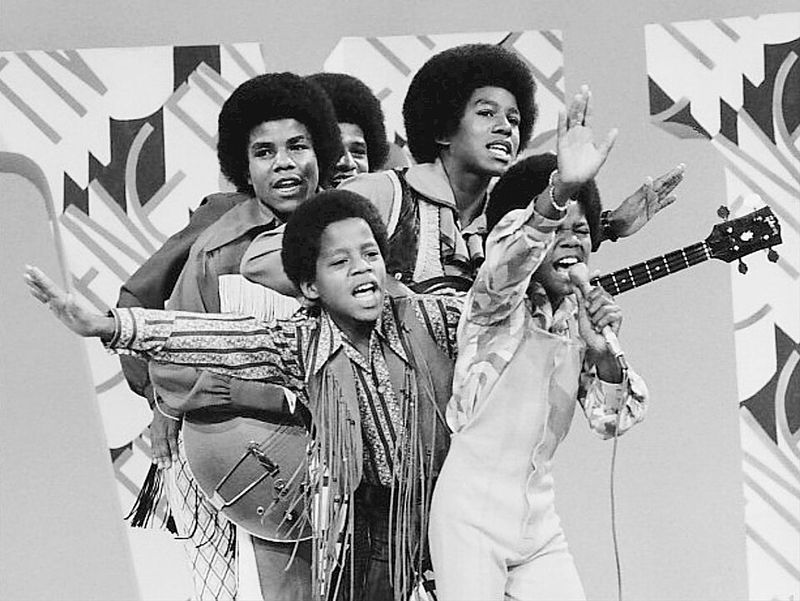
Motown had a hunch about five brothers from Gary, Indiana, and that hunch paid off fast. I Want You Back climbed to No. 1 on January 31, 1970, and held the top spot for one week.
The song was first planned for Gladys Knight and the Pips. Berry Gordy instead handed it to his newest act, and a songwriting team called The Corporation shaped the final record.
Diana Ross helped introduce the group to national TV viewers on The Hollywood Palace in October 1969. That appearance gave the single a major push.
Michael Jackson was just 11 years old, making him the youngest lead singer of a Hot 100 No. 1 song.
The brothers then scored three more No. 1 hits in a row. Decades later, hip-hop artists like Jay-Z sampled the track, and it entered the Grammy Hall of Fame in 1999.
Not bad for a debut.
Venus by Shocking Blue (1970)
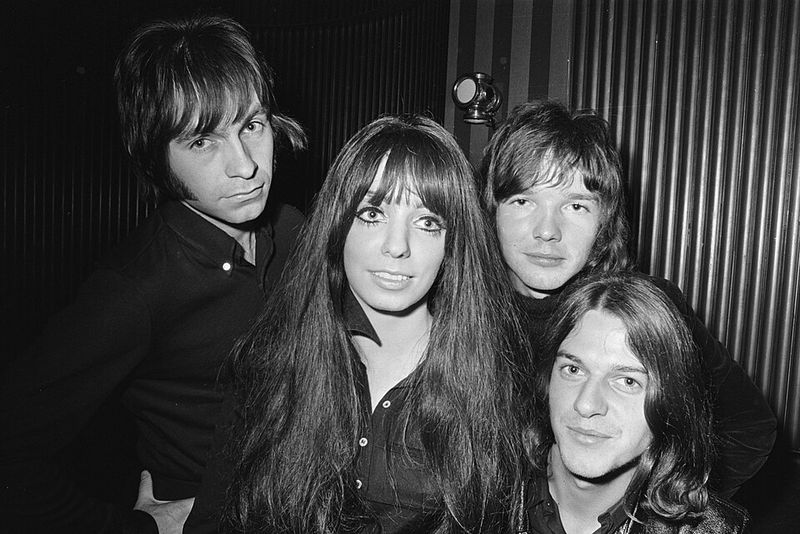
Not every 1970 smash came from London or Los Angeles. One of the biggest arrived from the Netherlands.
Shocking Blue guitarist Robbie van Leeuwen wrote Venus, and it topped charts in several European countries during 1969.
The American breakthrough came on February 7, 1970, when the song reached No. 1 for a single week. It had already earned a gold record for selling one million copies.
Lead singer Mariska Veres gave the track its cool, confident vocal. English was not her first language, and a spelling slip in the lyric sheet led her to sing goddess as goddness in the opening line.
Fans kept that quirk, and it became part of the song’s charm.
The story got a sequel in 1986. Bananarama’s dance-pop cover also hit No. 1 in the United States, making Venus one of only a handful of songs to top the chart for two different acts.
You’ve Got a Friend by James Taylor (1971)
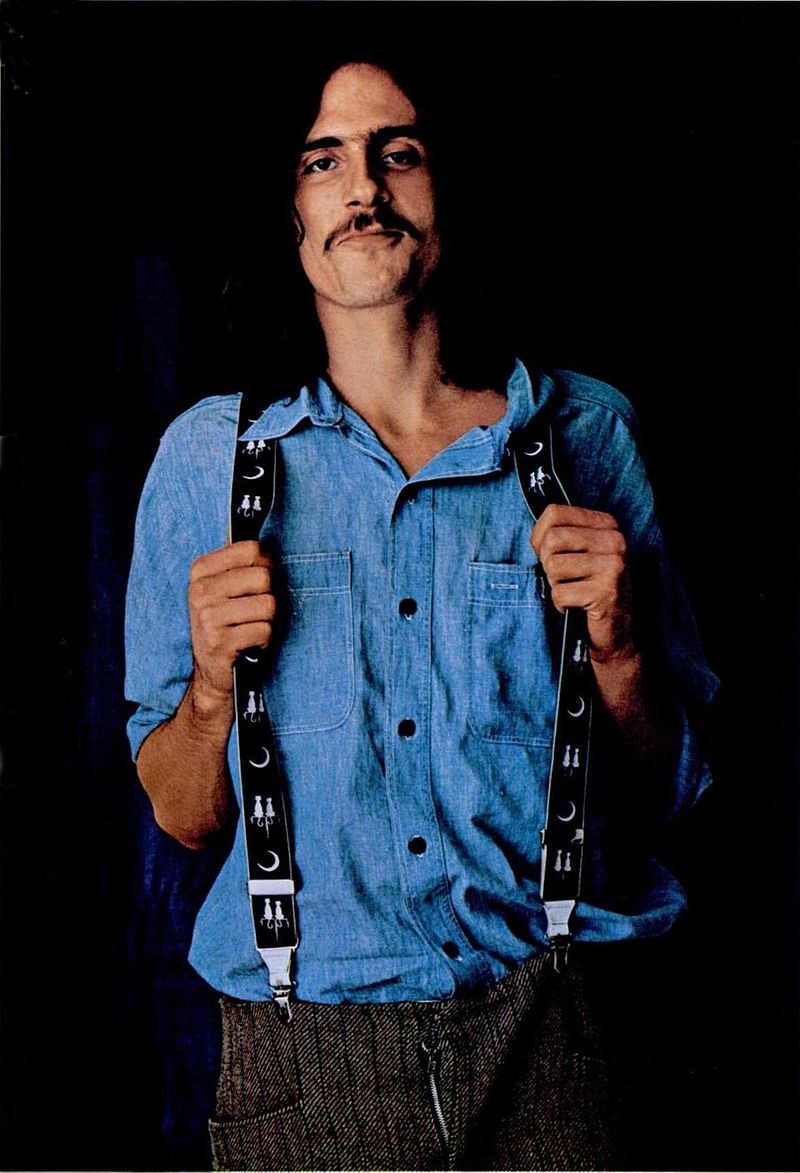
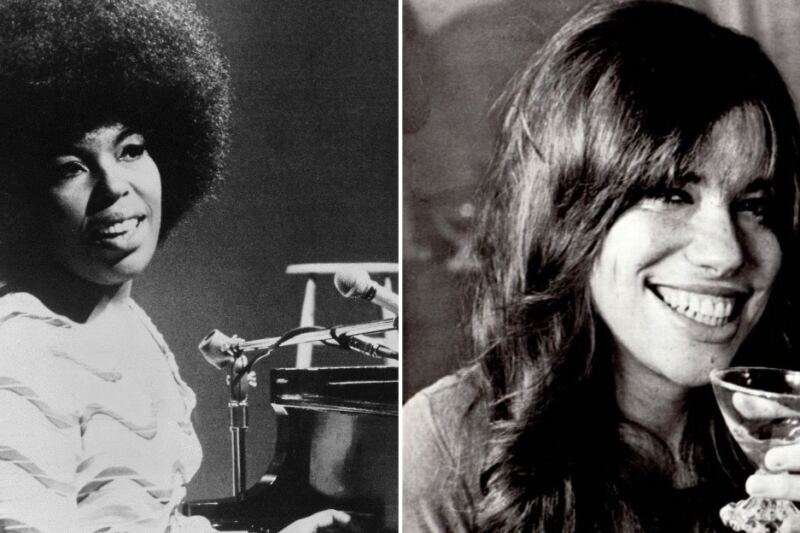
Carole King wrote the song, but James Taylor took it to the top.
His version reached No. 1 on July 31, 1971, and stayed for one week. It became the only Hot 100 chart-topper of his career.
King wrote it in early 1971 while recording her album Tapestry. Taylor was making Mud Slide Slim and the Blue Horizon at the same time, and both versions shared some of the same musicians.
According to Taylor, King said the song answered a line from his earlier hit Fire and Rain about not finding a friend.
The results paid off for both artists. Taylor won a Grammy for Best Male Pop Vocal Performance, and King won Song of the Year.
Over the following decades, the song became a favorite at graduations and farewell parties. Its simple promise of help in any season still connects with listeners who need a reminder that someone is in their corner.
Heart of Gold by Neil Young (1972)
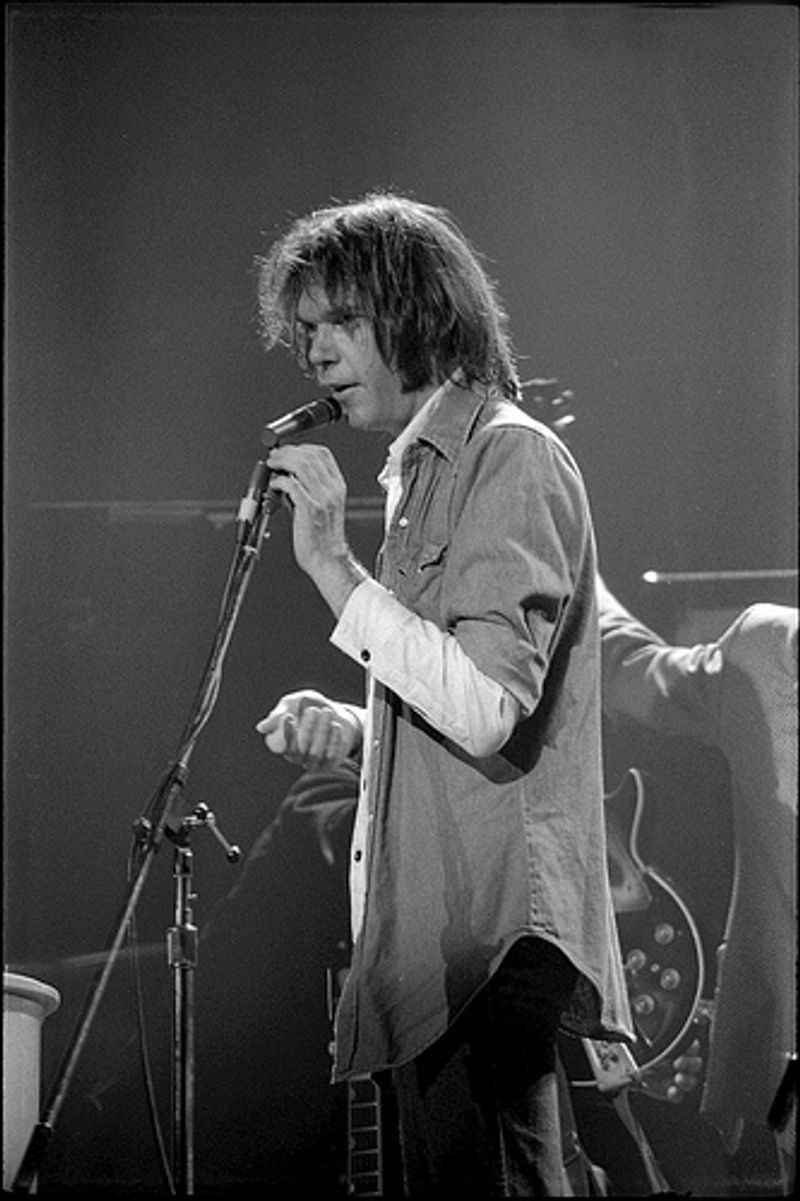
A sore back helped change Neil Young’s sound.
An injury made it hard for him to stand with a heavy electric guitar for long stretches, so he leaned on acoustic guitar and harmonica instead.
Heart of Gold was recorded in Nashville in early 1971. Young was in town for The Johnny Cash Show, and fellow guests James Taylor and Linda Ronstadt added backing vocals.
The single reached No. 1 on March 18, 1972. It knocked Harry Nilsson’s Without You from the top, then gave way a week later to America’s A Horse with No Name.
Harvest became the best-selling album of 1972 in the United States.
Young had mixed feelings about the fame. In his 1977 Decade liner notes, he wrote that the song put him in the middle of the road, so he headed for the ditch.
It remains his only solo No. 1, which seems to suit him fine.
Superstition by Stevie Wonder (1973)
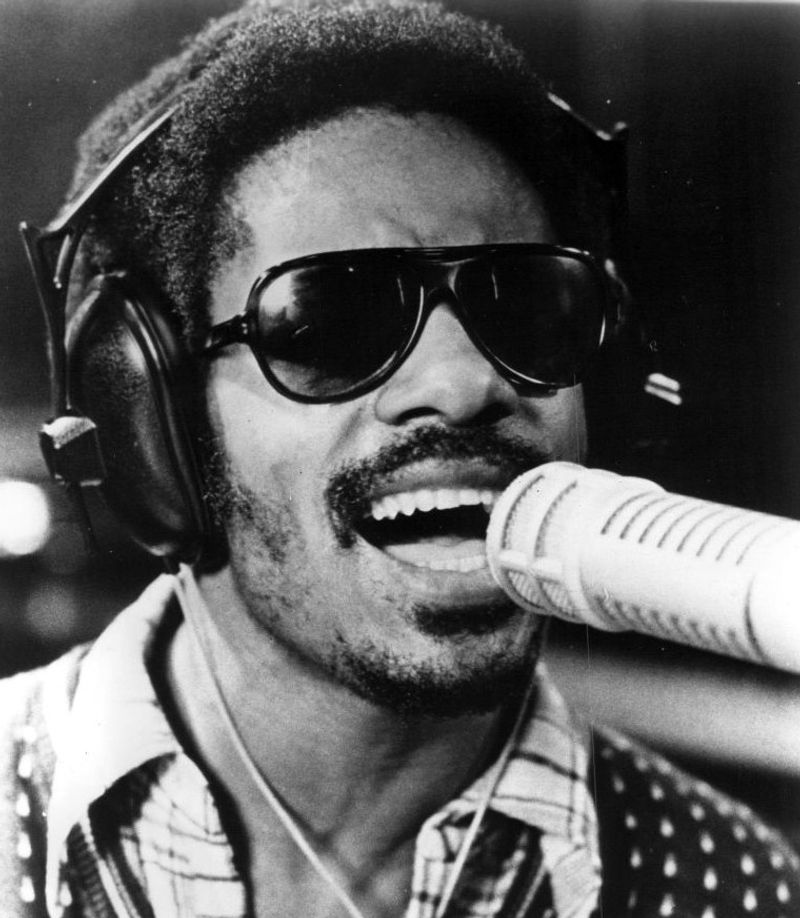
Jeff Beck was supposed to get this song first.
Stevie Wonder wrote Superstition during the Talking Book sessions as a thank-you for Beck’s guitar help. Berry Gordy heard a hit, though, and pushed for Wonder’s version to come out first.
The record reached No. 1 on January 27, 1973, for one week. It was Wonder’s first Hot 100 chart-topper since Fingertips, Pt. 2 in 1963.
At Electric Lady Studios in New York, Wonder built the track himself. He laid down drums, then a Moog bass line, then several layers of Hohner clavinet.
That clavinet riff became one of the most famous keyboard parts in pop history.
The lyrics push back against letting superstitions guide your choices.
Two Grammys followed, along with a spot in the Grammy Hall of Fame in 1998. In 2021, Rolling Stone ranked it No. 12 on its list of the 500 greatest songs.
Frankenstein by The Edgar Winter Group (1973)
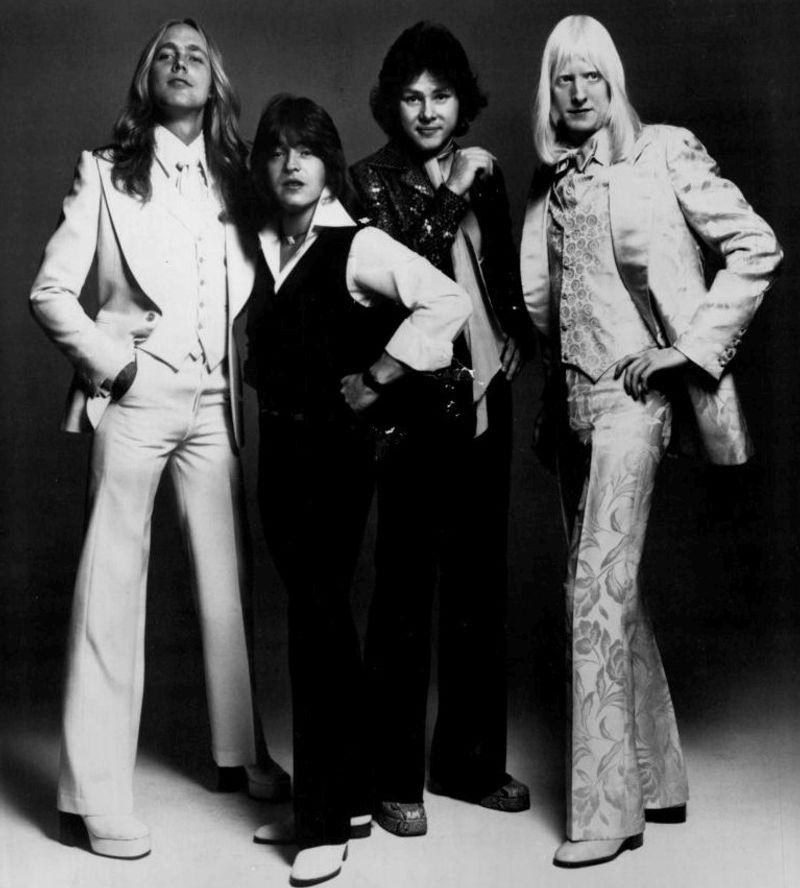
Who needs lyrics when you have a synthesizer strapped around your neck?
Edgar Winter wore a keyboard on a shoulder strap onstage, which was rare in 1973. It let him move around like a guitarist.
Frankenstein reached No. 1 on May 26, 1973, and stayed for one week. It was an instrumental, a rare feat on a chart packed with singers.
The track got its name from the studio. Winter and his team cut and spliced together pieces from long jam recordings, and the patched-together tape reminded them of the famous creature built from spare parts.
Guitarist Ronnie Montrose and drummer Chuck Ruff helped give it a heavy rock edge.
The song arrived during a stretch dominated by soft singer-songwriter hits. Its success showed record buyers that synthesizers could belong in hard rock, not just in experimental albums.
It still turns up on classic rock radio and in movie soundtracks.
Band on the Run by Paul McCartney and Wings (1974)
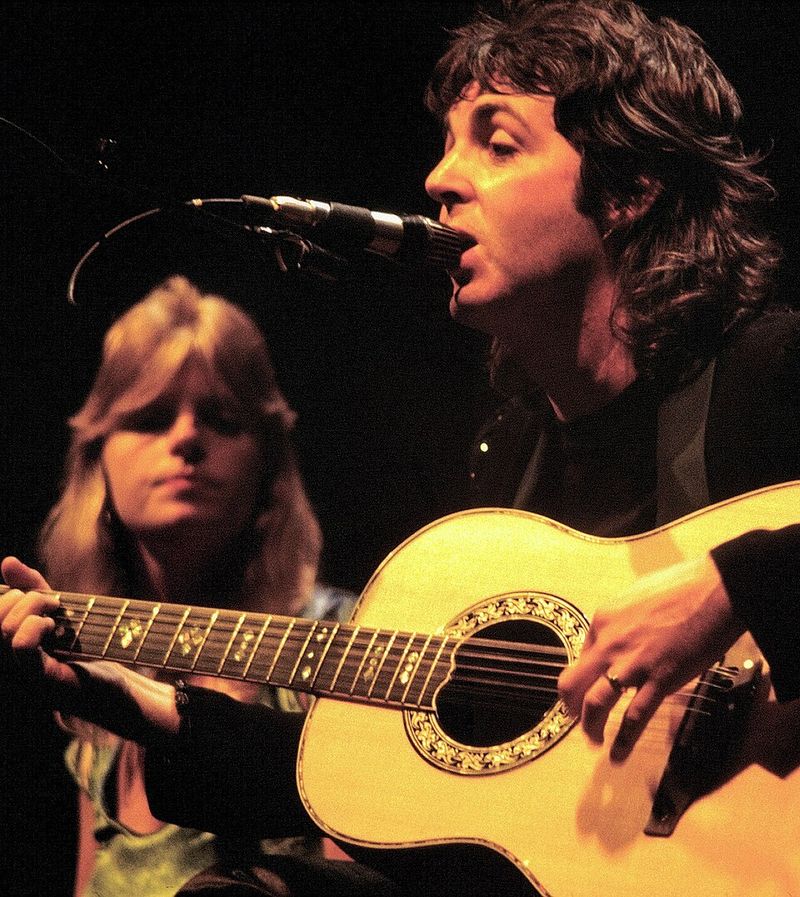
Paul McCartney had plenty to prove after the Beatles split, and this song answered a lot of questions.
Band on the Run reached No. 1 on June 8, 1974, for one week. It came from the 1973 album of the same name.
The album was recorded in Lagos, Nigeria, with a stripped-down lineup. Just before the sessions, two band members quit, leaving Paul, Linda McCartney, and Denny Laine to handle the work.
Making it there was not easy. Equipment problems and a stolen bag of demo tapes added to the challenge.
The song itself refuses to sit still. It moves through three distinct sections, starting slow and quiet before building into a full rock finish.
The album topped the Billboard 200 and won a Grammy. Critics who had doubted McCartney’s solo work changed their tune.
Decades later, the title track remains a fixture on classic rock stations and in McCartney’s concert sets.
Cat’s in the Cradle by Harry Chapin (1974)
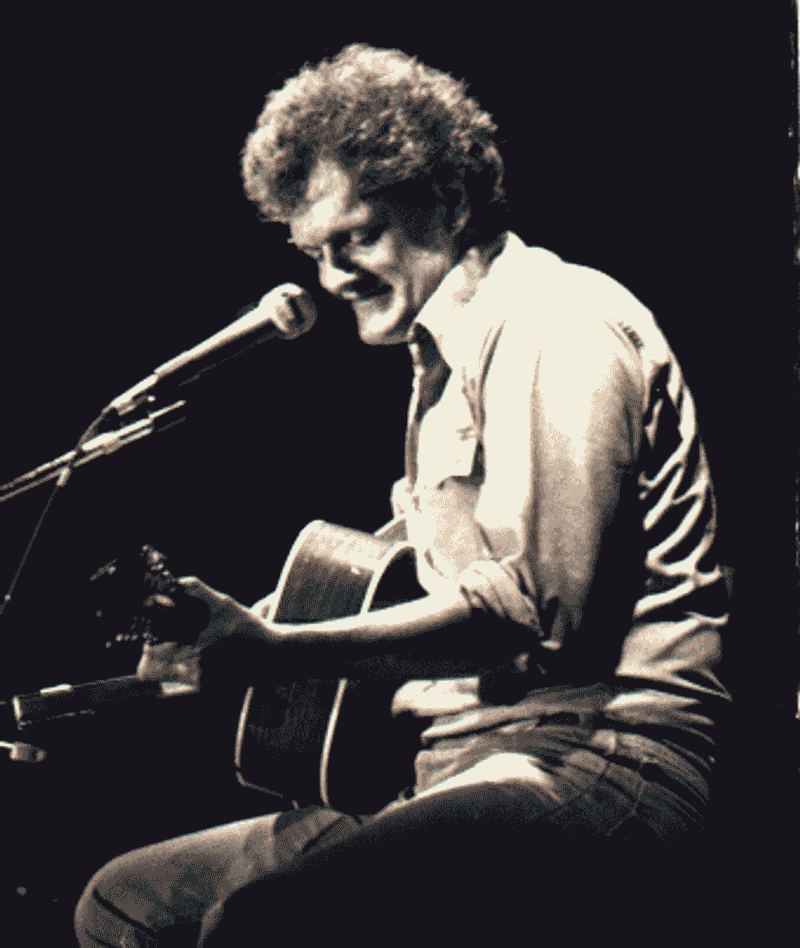
Few parents have heard this song without glancing at their calendars afterward.
Harry Chapin’s Cat’s in the Cradle reached No. 1 on December 21, 1974, and stayed there for one week. It was his only chart-topper.
The lyrics began as a poem written by his wife, Sandy. Harry set it to music around the time their son Josh was born.
The story follows a busy father who keeps promising time to his son. Years later, the grown son has no time for him either.
Chapin was a gifted storyteller, and his earlier hit Taxi showed the same talent for squeezing a full plot into a few minutes.
The song earned a Grammy nomination and later a spot in the Grammy Hall of Fame.
Many listeners say it nudged them to put down work and show up for school plays and ball games.
Lady Marmalade by Labelle (1975)
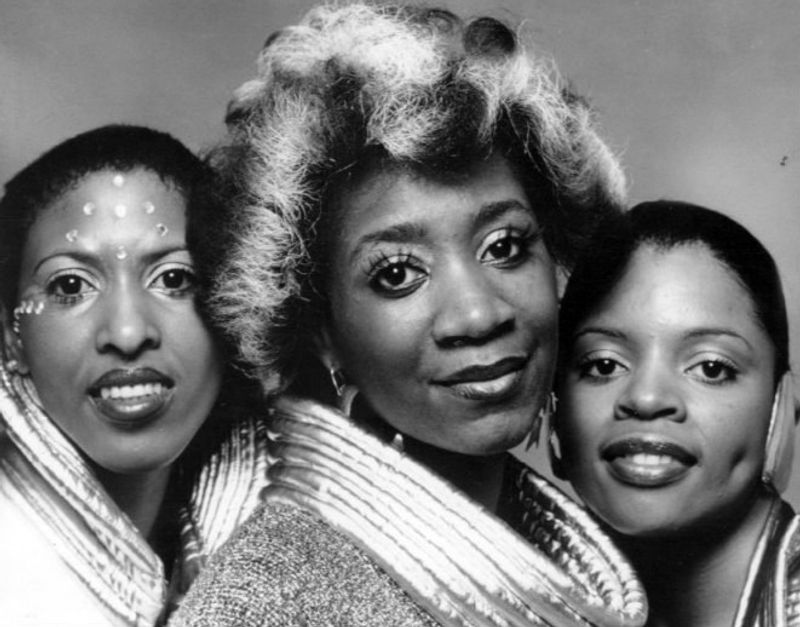
Silver spacesuits and feathers were part of the uniform for Labelle.
The trio of Patti LaBelle, Nona Hendryx, and Sarah Dash brought a bold stage look that matched their sound.
Lady Marmalade reached No. 1 on March 29, 1975, and held the spot for one week.
Bob Crewe and Kenny Nolan wrote the song, and Allen Toussaint produced it in New Orleans, the city where the story takes place.
Its French chorus line became one of the most quoted hooks of the decade, even for listeners who knew no other French at all.
The record blended funk, soul, and early disco at a moment when dance clubs were starting to shape radio playlists.
A second life arrived in 2001. Christina Aguilera, Lil’ Kim, Mya, and Pink recorded a version for the film Moulin Rouge, and it also topped the Hot 100.
That means the same song ruled the chart in two different centuries.
Sister Golden Hair by America (1975)
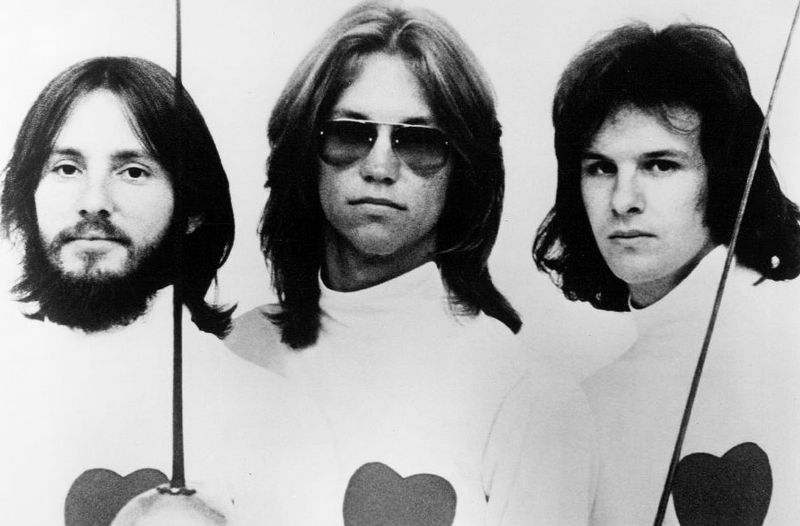
Three sons of American military families met at a high school in London and formed a band called America.
By 1975 they were soft rock stars, and Sister Golden Hair gave them their second No. 1.
The song topped the chart on June 14, 1975, for one week. Gerry Beckley wrote it and sang lead.
The track opens with a bright slide guitar part that radio listeners still recognize within seconds.
The lyrics describe a man who loves someone but is nervous about marriage. Upbeat music paired with uncertain words gave it a relatable twist.
George Martin, the Beatles producer, handled the album Hearts. America worked with him on several records during the mid-1970s.
The song arrived when FM radio was building playlists around groups like Eagles and Fleetwood Mac.
Its easy harmonies fit that format perfectly, and the song still turns up on soft rock stations today.
Convoy by C. W. McCall (1976)
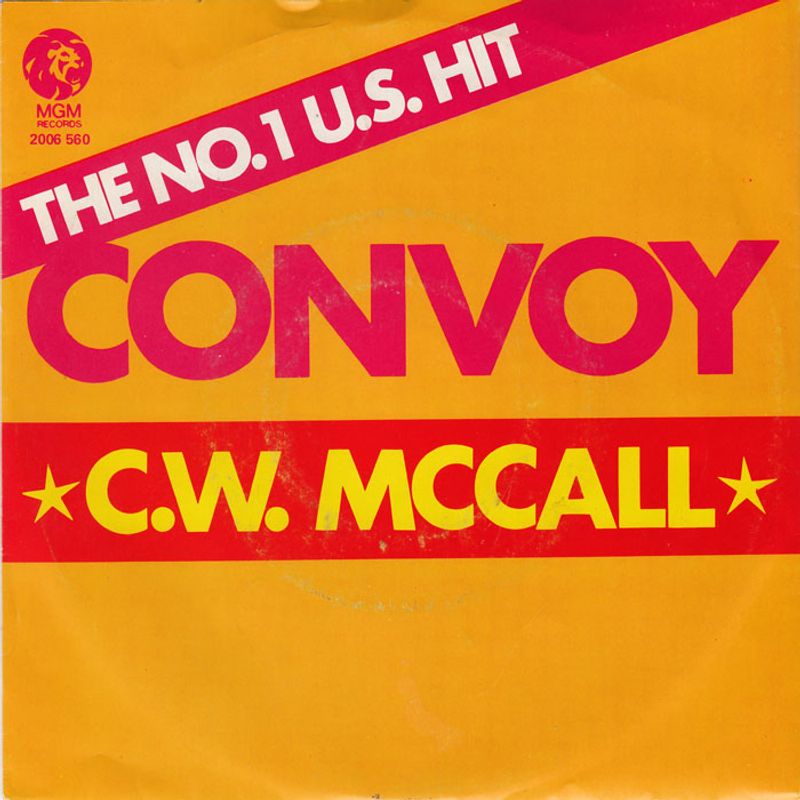
Breaker one-nine, a novelty record is headed for the top of the chart.
Convoy reached No. 1 on January 10, 1976, and stayed there for one week.
C. W.
McCall was a character created by Bill Fries, an advertising man from Omaha. He first used the persona in bread commercials before turning it into a recording career.
The song tells its story through trucker slang and CB radio chatter. Terms like rubber duck and bear became familiar to listeners who had never driven a truck.
Timing helped. A 55 mph national speed limit and fuel shortages had truckers using CB radios to share road information, and millions of regular drivers bought their own sets.
The craze turned the song into a hit far beyond country fans.
It even inspired the 1978 movie Convoy, starring Kris Kristofferson. If you ever wondered what ten-four meant, this record was a crash course.
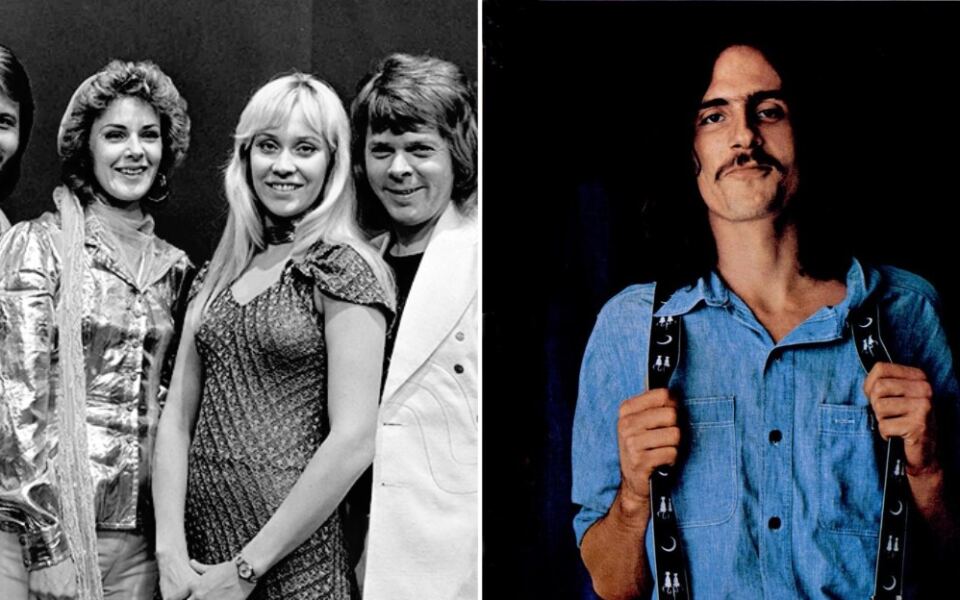
Dancing Queen by ABBA (1977)
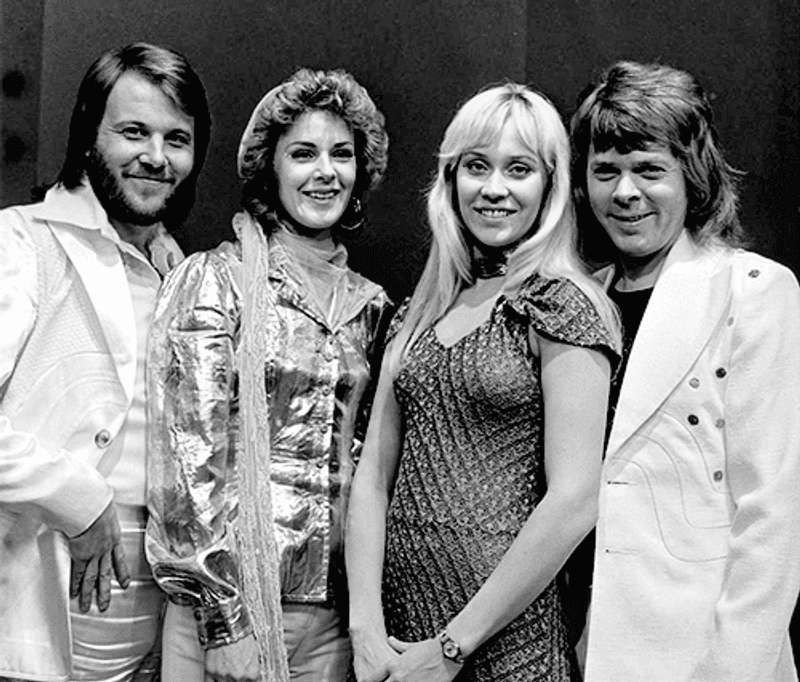
Sweden’s biggest musical export only reached No. 1 in America once.
Dancing Queen topped the Billboard Hot 100 on April 9, 1977, for a single week. It remains ABBA’s lone chart-topper in the United States.
Benny Andersson and Bjorn Ulvaeus wrote it with manager Stig Anderson. Agnetha Faltskog and Anni-Frid Lyngstad shared the lead vocals.
The group performed it on Swedish TV in June 1976 at a gala honoring King Carl XVI Gustaf before his wedding.
In the U.S., the timing was ideal. Disco was gaining ground, and the song’s piano runs and steady beat fit right in at roller rinks and school dances.
Its reach kept growing long after 1977. ABBA Gold in 1992 introduced it to new fans, and the stage show Mamma Mia opened in 1999 before becoming a 2008 film.
A single week on top turned out to be the smallest part of its story.
Hotel California by Eagles (1977)
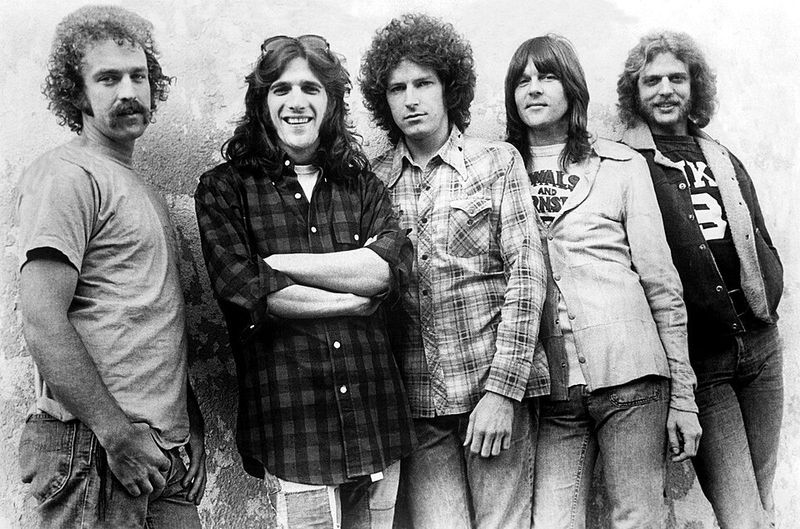
Six minutes and thirty seconds is a long time for a radio single, but Eagles made it work.
Hotel California reached No. 1 on May 7, 1977, and held on for one week.
Don Felder wrote the music, and Don Henley and Glenn Frey wrote the lyrics. Henley sang lead, while Felder and Joe Walsh traded parts in the long closing guitar solo.
The lyrics are full of mystery, and fans have offered many theories over the years. The band has described the song as a commentary on excess in the American music business and Southern California life.
The album of the same name sold millions and stayed near the top of the album charts.
At the 1978 Grammy Awards, the song won Record of the Year.
Guitar students still learn the opening part, and the solo regularly ranks among the best ever in reader polls.
Heart of Glass by Blondie (1979)
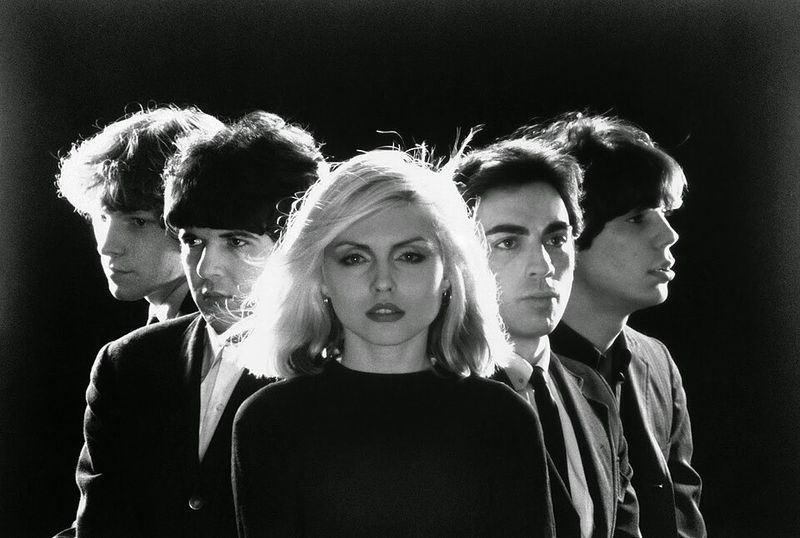
Punk fans in New York were not thrilled when Blondie went disco.
The rest of the country did not seem to mind. Heart of Glass reached No. 1 on April 28, 1979, and stayed for one week.
Chris Stein and Debbie Harry wrote an early version years earlier, when the band called it Once I Had a Love. Producer Mike Chapman later reshaped it with a drum machine and a steady dance beat.
The single came from Parallel Lines, the album that finally broke Blondie in the United States.
Harry’s calm, cool vocal set it apart from louder disco hits.
Some rock listeners called it a sellout, but sales told a different story. It topped charts in several countries, including the UK.
Blondie later reached No. 1 with Call Me, The Tide Is High, and Rapture, mixing reggae and early hip-hop into pop.
Few late-1970s records did more to blur the lines between rock and the dance floor.
Share this story