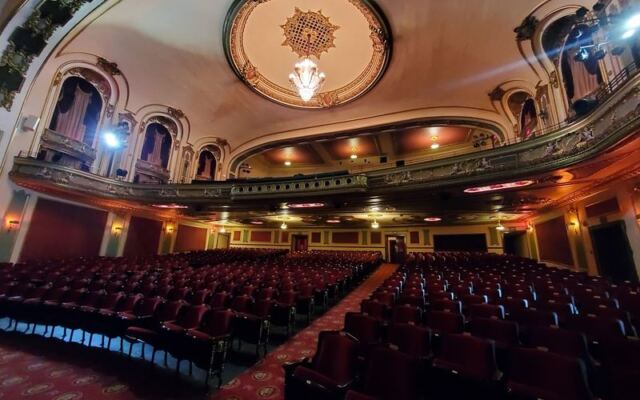
I pulled off the highway in northeast Oklahoma expecting a quick stretch and maybe a snack, not a trip back almost a hundred years. Behind a plain brick doorway sat a theater glowing with gold trim, carved wood, and a pipe organ that still roars to life.
Silent movies flicker on the screen while real music fills the room, just like it did in 1929. If you love history, music, or simply finding something special where you least expect it, this stop deserves a spot on your map.
A Route 66 Landmark on North Main Street
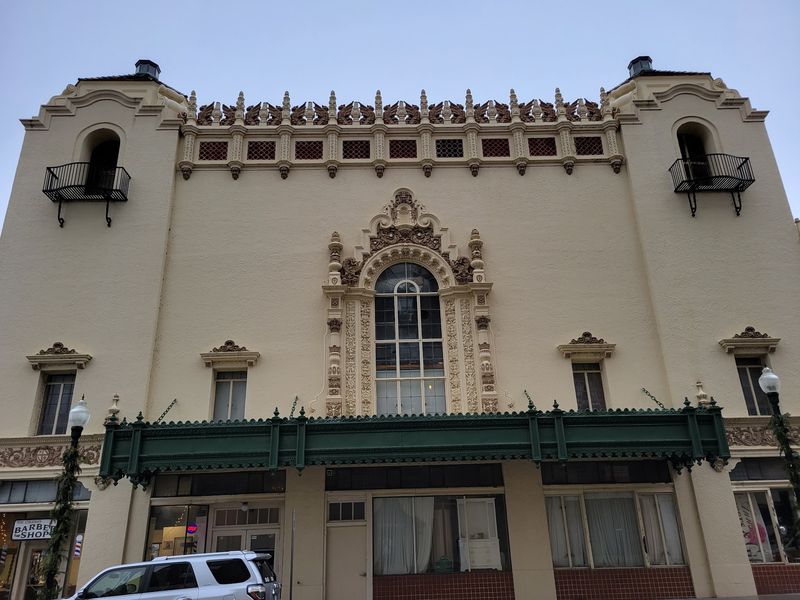
Plenty of travelers roll through Miami, Oklahoma, on Route 66 without realizing what sits at 103 North Main Street. The Coleman Theater is a performing arts venue that opened in 1929, and according to visitors it has never stopped doing business.
That alone makes it a rare survivor.
Today the building hosts musicals, plays, concerts, and the event that earns the most chatter: silent movies paired with live organ music. Folks driving the Mother Road often say their guidebook mentioned the stop, yet nothing prepared them for how striking it feels in person.
Some call it an iconic, must-see break in the journey.
Even people who only pause outside for photos describe the building as beautiful and worth a detour. Locals have plenty of affection for it too, and one longtime resident admitted to finally stepping inside after nearly three decades in town and wishing it had happened sooner.
Finding it is simple, since the theater anchors the downtown strip. You can call ahead at 918-540-2425 or check thecolemantheatre.org for upcoming shows.
Whether you plan a full evening or a quick peek, the Coleman makes a strong first impression that tends to linger long after the car is back on the road.
How a Community Brought Its Theater Back
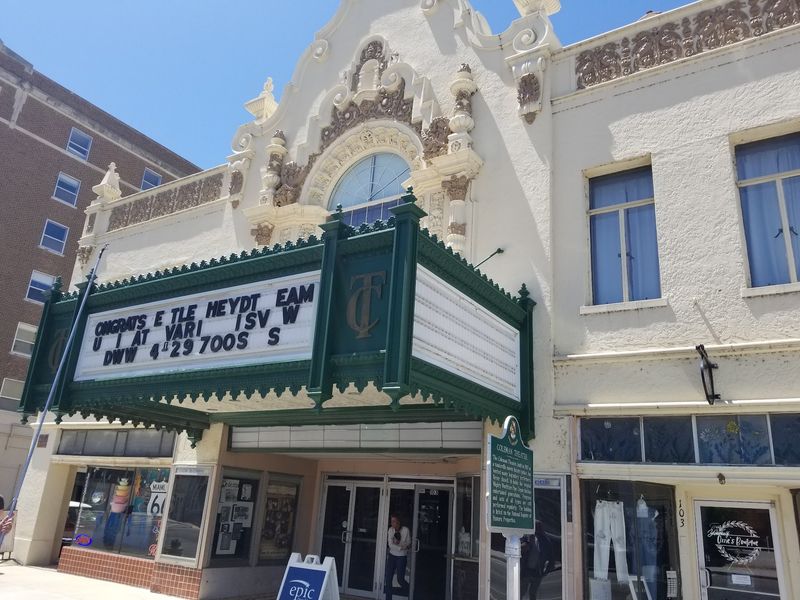
Restoration stories usually involve big budgets and grand plans. The Coleman took a more heartfelt route, since visitors explain it was restored using only private donations and volunteer time.
That kind of effort says a lot about how much the people of Miami care about their downtown.
Former residents remember the work happening slowly over the years. One person who grew up in town recalls performing in band concerts on the stage while the restoration was still underway.
Coming back years later for a tour, that same visitor found the theater returned to her former glory.
Guests often mention a sense of pride that comes through during visits. The community, they say, really came together, and the revived theater has helped breathe new life into the whole town.
It reads less like a museum project and more like a shared accomplishment.
Guides happily fill in the backstory on tours, and many guests say the history turned out to be far more interesting than they expected. Some visitors also learn that the Coleman has a little sister theater in Columbia, Missouri.
Hearing how much care went into every corner makes the details feel even more meaningful once you start looking around.
The Mighty Wurlitzer and Its Hidden Pipes
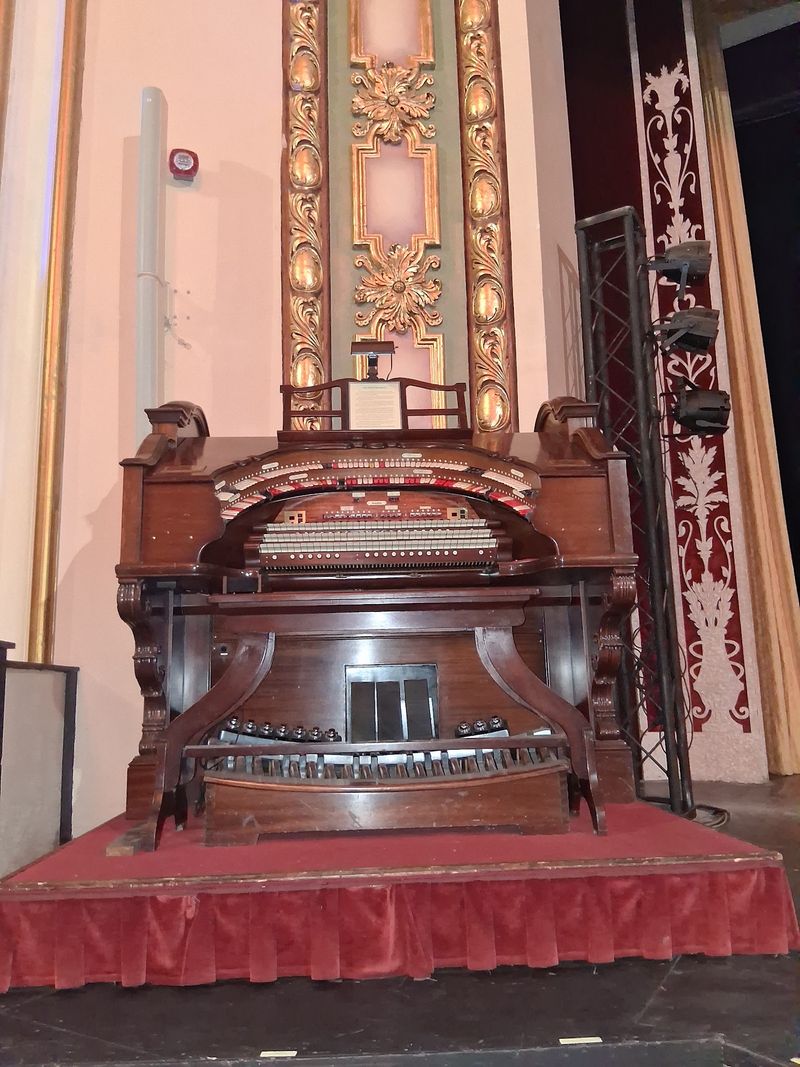
Ask anyone what they remember most, and the answer is often the organ. The Coleman is home to an original Wurlitzer pipe organ, lovingly called the Mighty Wurlitzer, and it still works.
Visitors describe the sound as something words cannot quite capture.
Here is a fun twist. The pipes sit on either side of the stage, tucked inside spaces most people would assume are fancy box seats.
Once you know the secret, you will catch yourself staring at those spots, trying to picture the music hiding behind them.
Tour groups frequently get a demonstration, and returning guests strongly recommend asking for one if it does not happen on its own. One traveler shared a simple tip: make sure they play the organ.
Others felt lucky to arrive while it was rumbling through the room.
The instrument is more than a display piece. It is still used for performances, which means the same sound that filled the hall in 1929 continues to move audiences today.
Hearing deep notes roll across the seats gives you a real sense of why theaters once treated their organs like star performers. Few modern venues can offer anything close to that experience.
Silent Movies With a Live Soundtrack
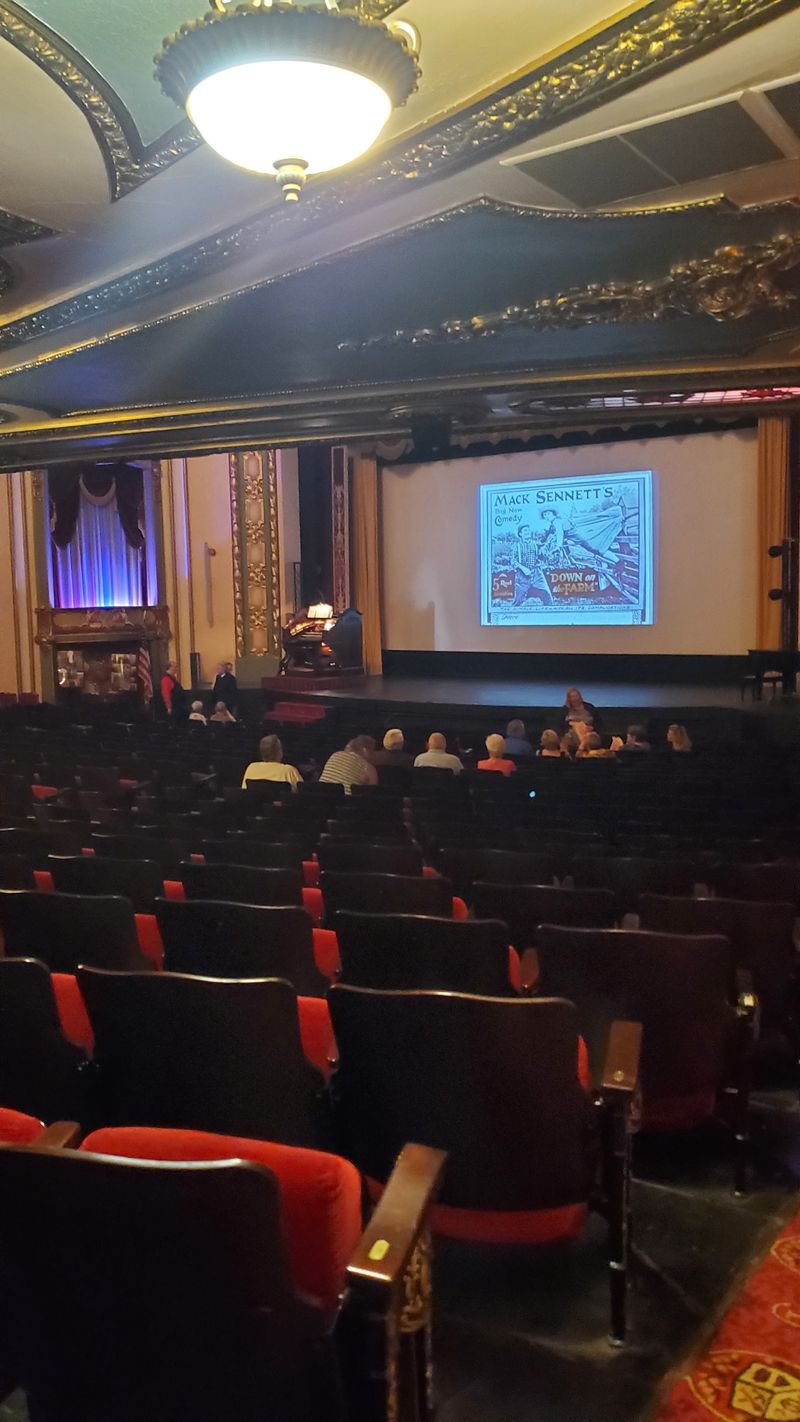
Picture a black-and-white comedy flickering across the screen while a real organ provides every swell, chase, and punchline. That is the magic of a silent film night at the Coleman, and it is one of the most talked-about experiences here.
Back in the vaudeville and early movie days, theaters relied on live musicians to bring silent pictures to life. The Coleman keeps that tradition going with its Wurlitzer, so modern audiences can feel what moviegoing was like long before surround sound.
Former locals fondly recall watching silent movies alongside operas, plays, and concerts here.
Interestingly, some guests admit the film almost becomes the side act. One visitor came for a silent movie date and found the real show was the stunning interior surrounding them.
With so much to look at, your eyes may wander between the screen and the ceiling.
If you have never watched a silent film, this is a friendly place to start. The live music helps carry the story, and the historic room adds a feeling that no streaming service can match.
Check the theater website for current screening dates, since schedules change throughout the year.
Chandeliers, Carved Wood, and Backlit Stained Glass
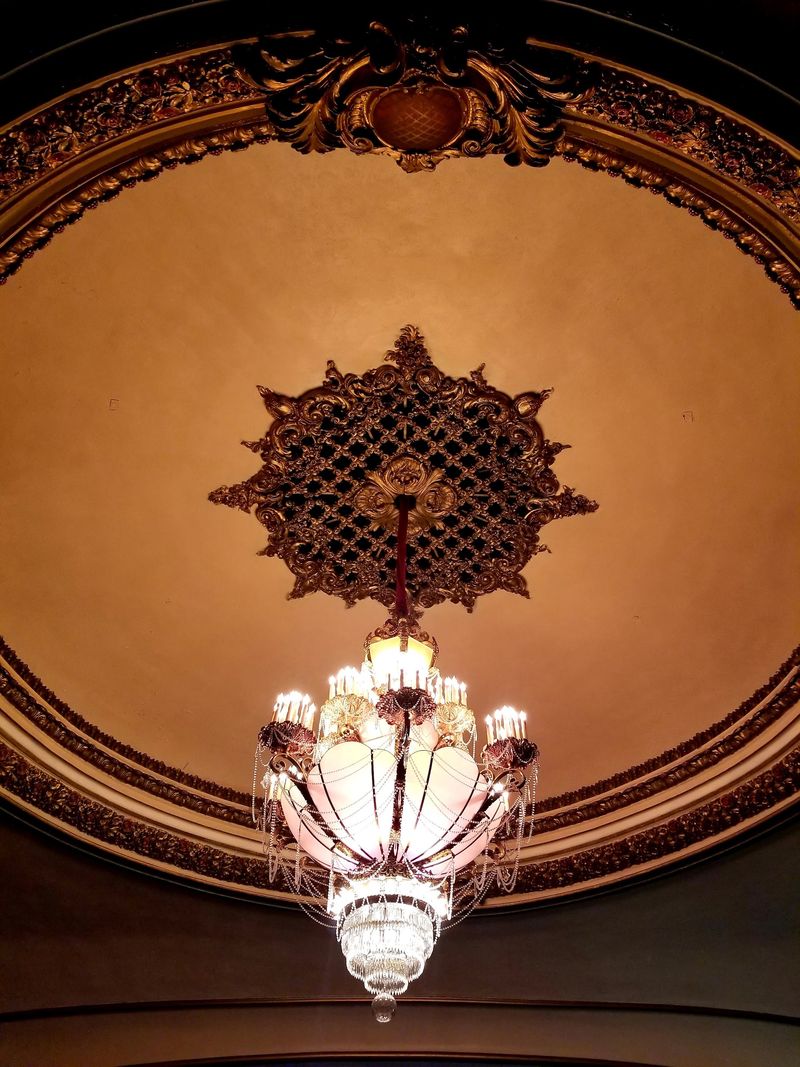
Look up. That is the first piece of advice regulars seem to share, because the ceiling and walls are packed with detail.
Visitors say you cannot help but stare at every corner of this ornate 1929 interior.
The grand chandelier draws plenty of praise, along with lamps scattered throughout the hall. Gold-gilded accents catch the light, and the carved woodwork gets called out again and again as incredible.
Guides also point out imported silks that add rich texture to the space.
One favorite surprise sits beneath the balcony. Stained glass panels there are backlit, letting their colors glow softly over the seats below.
It is the kind of touch you might miss if you rushed, so slow down and take it in.
Even the floors got attention, with custom carpets completing the look. Many guests insist pictures do not do the place justice, and after seeing the photos versus the real thing, that claim makes sense.
The combination of craftsmanship and careful upkeep creates a room that feels like stepping into another era. Bring your camera anyway, but expect to spend more time simply admiring than snapping shots.
Free Guided Tours and a Safe Nobody Has Cracked
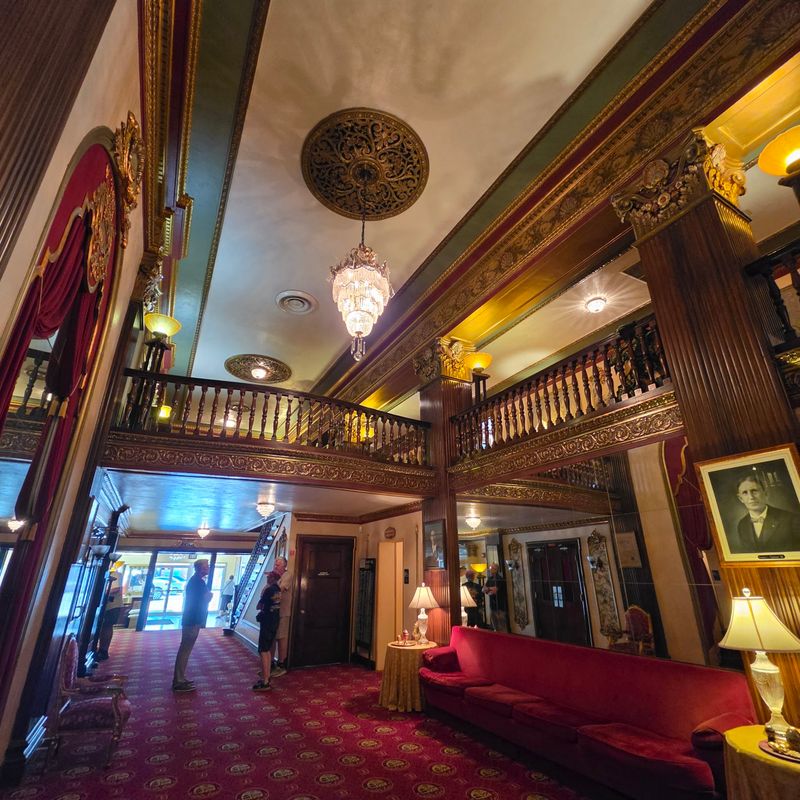
Good news for budget travelers: tours here are free. A donation box sits nearby, and many guests happily drop something in, knowing how much work it takes to keep a historic theater running.
The guides earn glowing feedback. Visitors describe them as enthusiastic and full of knowledge, explaining not only what happened but also the reasons behind it.
One traveler even called their tour the best guided experience they had ever taken anywhere, which is high praise for a small-town stop.
Tours walk you past the carved woods, imported silks, and of course the organ, which you will likely get to hear. Some guests simply wandered in as a group was starting and tagged along.
Plan for roughly half an hour if you are exploring at a relaxed pace.
Then comes the playful part. The theater keeps founder Coleman’s personal safe, and visitors are invited to try guessing the combination.
Crack it, the story goes, and you will be famous. Nobody seems to have managed it yet, but trying adds a fun bit of mystery to the visit.
Kids and grown-ups alike enjoy giving that dial a hopeful spin before moving on.
Concerts in an Intimate Setting
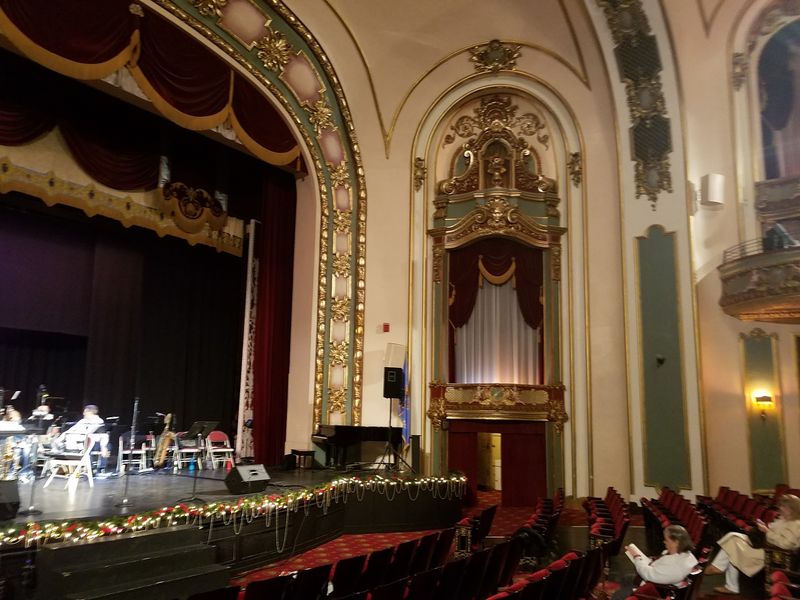
Some concert halls make you feel miles from the stage. At the Coleman, one guest said it felt more like sitting in the performer’s living room.
That cozy scale is a big part of the appeal.
Because the theater is fairly small with comfortable seating, visitors note you get your money’s worth no matter where your ticket lands. Sound quality earns repeated compliments, with several people calling it excellent.
The space was built for live performance, and it shows.
The lineup leans toward variety. Musicals, plays, concerts, and organ performances all take the stage, and past guests remember operas too.
One couple happily made a ninety-minute drive for a piano concert and said they would gladly return.
Staff members get warm words as well, described as friendly and helpful throughout the evening. Concessions and plenty of restrooms make longer shows easier.
A few small quirks remain from its age, such as a tiny upstairs restroom and slightly uneven flooring under some back seats, but most visitors see those as part of the historic character. For a night out that feels personal and special, the Coleman delivers something big venues rarely can.
Who Will Love a Stop Here
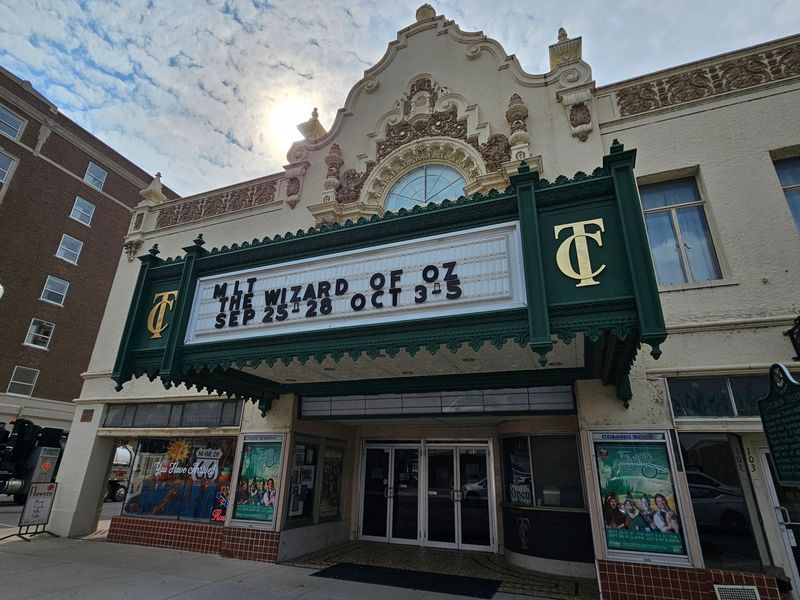
History buffs, this one is for you. The building practically hands you a time machine, and visitors keep saying it truly feels like stepping back to another era.
If old architecture makes your heart beat faster, plan extra time.
Route 66 road-trippers will find it an easy and rewarding break. On a scorching summer day, one group loved how dark and cool the theater felt inside, a welcome escape from the heat.
A quick tour fits neatly between miles of highway.
Music lovers and theater fans get the bonus of live shows with great acoustics. Couples looking for a unique date night might enjoy a silent film, just as one visitor did when a boyfriend planned a surprise outing.
Families can turn the safe-cracking challenge into a little game.
Locals should not overlook it either. More than one Miami resident has admitted to waiting years before finally going inside, then wondering why they waited.
The atmosphere is relaxed and welcoming, whether you show up in road-trip clothes or dress up for a performance. Curiosity is really the only requirement, and the theater rewards it generously.
Planning Your Visit and Final Thoughts
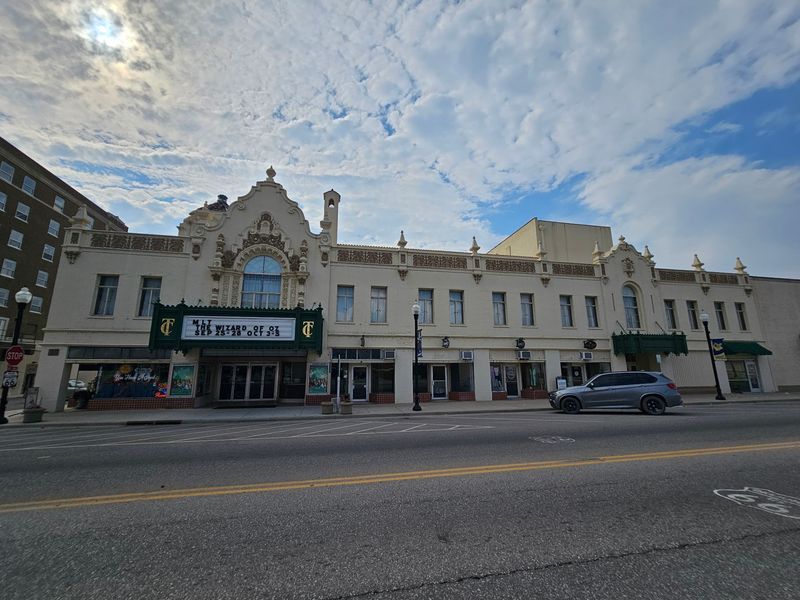
Before you go, a little planning helps. The Coleman sits at 103 N Main St in Miami, Oklahoma, right along the Route 66 corridor in the northeast corner of the state.
Call 918-540-2425 or visit thecolemantheatre.org for show schedules and ticket details.
Tours are free, so all you need is time and maybe a few dollars for the donation box. Silent film nights, concerts, and plays require tickets, and dates vary, so checking ahead is smart.
Plan around thirty minutes for a self-paced look, longer if you join a guided tour or catch an organ demonstration.
So, is it worth the trip? Based on what visitors share, the answer leans strongly toward yes.
People describe it as beautiful, well preserved, and a magnificent example of yesterday still serving audiences today.
What makes the Coleman stand out is that it is not frozen in time. It breathes, plays music, and welcomes crowds just as it did in 1929.
Hearing that original Wurlitzer fill the room while a silent movie rolls might become one of your favorite Oklahoma memories. Pull off the highway, step inside, and let the old theater work its charm.
Share this story