Turn on an oldies station, and it might take only a few seconds to recognize a song from 1965. That year, American radio was changing fast.
British bands battled Detroit soul groups for the top spot, folk singers plugged in electric guitars, and teenagers carried transistor radios almost everywhere they went. Some records held the No. 1 position for a full month.
Others stayed for just one week but became classics people still know more than 60 years later. A single chart could hold a love ballad, a protest song, and a comedy number all in the same season.
That mix tells a story about a country full of new ideas, new sounds, and new arguments. In the list below, you will find every song covered here that reached No. 1 on the Billboard Hot 100 during 1965.
You will learn who wrote them, who sang them, and why they still matter. You might also pick up a few surprising facts to share at your next family gathering.
Keep score as you read, and see how many choruses come back to you without any help.
1. I Feel Fine by The Beatles
A happy accident in the studio kicked off 1965 for American pop fans. While the band was recording, John Lennon leaned his guitar near an amplifier, and the buzzing noise made the final cut.
That buzz is called feedback. Few mainstream pop records had ever used it on purpose, so this opening was unusual for its time.
The song first hit No. 1 in December 1964. It then held the top spot for the first two chart weeks of January 1965.
Lennon wrote most of it, though it was credited to Lennon-McCartney. The bright harmonies and bouncy beat kept Beatlemania rolling strong.
American teens had spent 1964 watching British bands take over their radios. This record proved the Beatles had no plans to slow down.
Fun fact: later rock bands made feedback a regular tool, but the Beatles helped show it could work on a hit.
2. Downtown by Petula Clark
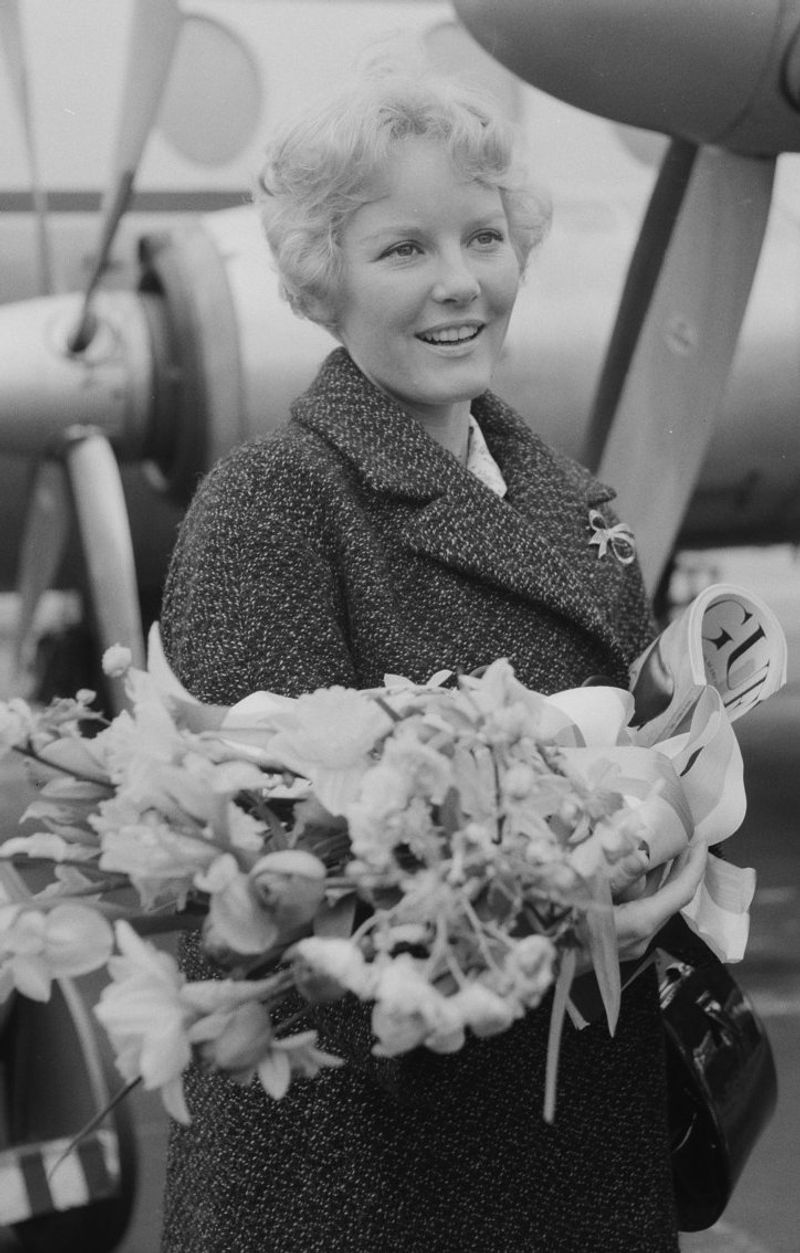
Songwriter Tony Hatch got the idea after a trip to New York City. He looked around Times Square and imagined a song about escaping your worries by heading into town.
Petula Clark recorded it, and by January 1965 it sat at No. 1 on the Billboard Hot 100. It stayed there for two weeks.
Clark was already famous in Britain and Europe. She had been performing since she was a child during the 1940s.
This record finally made her a star in America too. Its big orchestra set it apart from the guitar bands filling the charts.
The song even won a Grammy Award for Best Rock and Roll Recording. That is a funny honor for a tune with so many violins.
Back then, downtown districts held department stores and movie palaces. Suburban malls had not yet pulled shoppers away.
3. You’ve Lost That Lovin’ Feelin’ by The Righteous Brothers
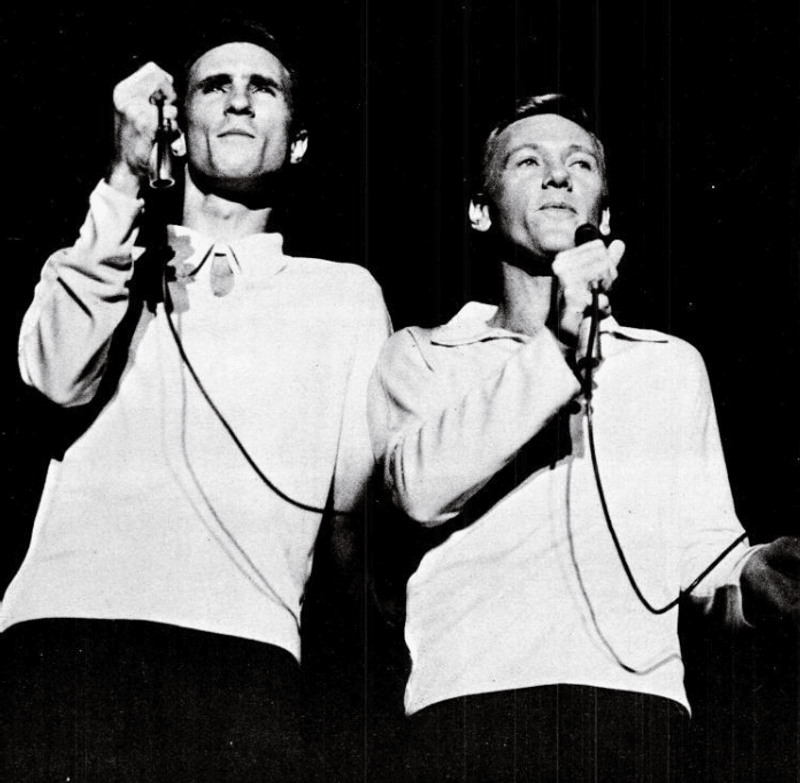
Some radio programmers worried the record was too long. It ran close to four minutes, so the label printed a shorter time on the label to sneak it onto playlists.
The trick worked. The Righteous Brothers reached No. 1 in February 1965.
Phil Spector produced the track using his famous Wall of Sound method. He stacked many instruments together to create a huge, layered arrangement.
Bill Medley opens with a deep, slow vocal. Bobby Hatfield joins later, and the two build toward a powerful finish.
Barry Mann, Cynthia Weil, and Spector wrote the song about a romance losing its spark. Mann and Weil were a married songwriting team.
The track later became one of the most played songs on American radio and TV in the 20th century. Movies such as Top Gun brought it to younger fans in 1986.
4. This Diamond Ring by Gary Lewis & the Playboys
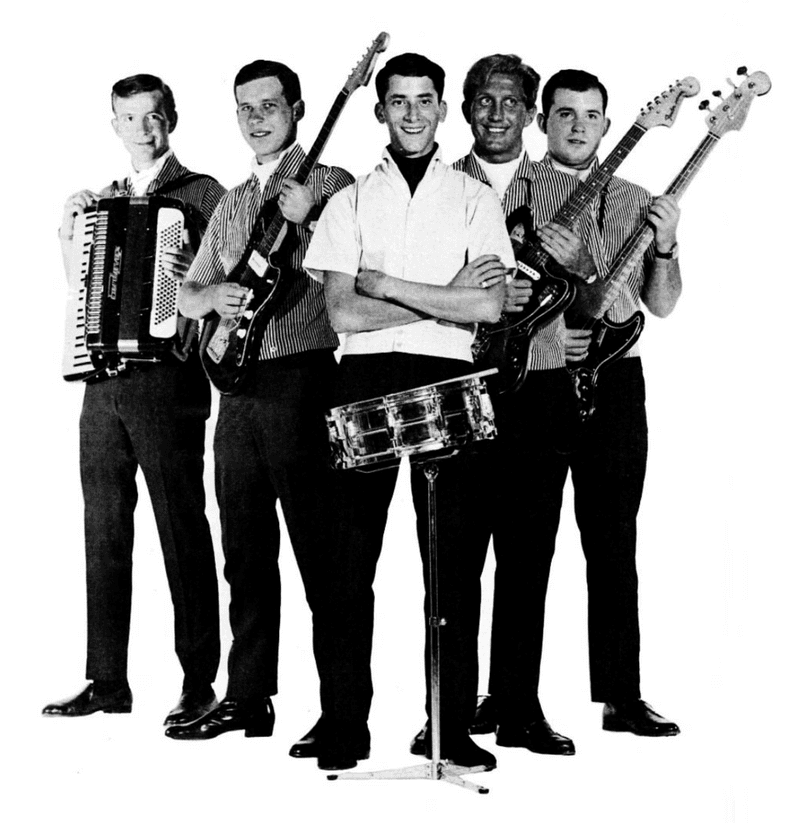
Having a famous dad can open doors, but it cannot guarantee a hit. Gary Lewis, son of comedian Jerry Lewis, earned his chart success the old-fashioned way.
His band, the Playboys, reached No. 1 in February 1965 with This Diamond Ring. It held the spot for two weeks.
Al Kooper, Bob Brass, and Irwin Levine wrote the song. It tells of a young man with a ring that no longer has meaning after a breakup.
Kooper later joined Bob Dylan’s recording sessions and helped form Blood, Sweat and Tears. Quite a career path from a teen pop tune.
The catchy chorus made it a favorite for younger listeners. It also showed American groups could still compete during the British Invasion.
Gary Lewis and the Playboys went on to land several more Top 10 singles. This one remains their best known.
5. My Girl by The Temptations
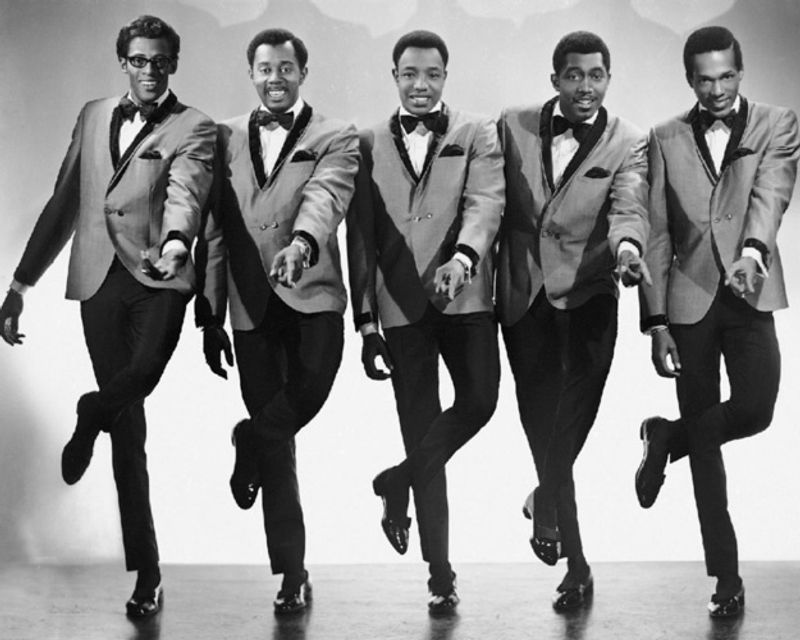
Few song openings are easier to identify. A simple bass line plays, then a guitar answers, and listeners usually start smiling.
The Temptations reached No. 1 in March 1965 with My Girl. It was their first chart-topper on the Billboard Hot 100.
Smokey Robinson and Ronald White of the Miracles wrote and produced it. Robinson wanted to give the group a song that showed off David Ruffin’s voice.
Ruffin had mostly sung backup before this. After My Girl, he became a lead star.
Guitarist Robert White, part of Motown’s studio band called the Funk Brothers, played that famous guitar line. Studio players like him rarely got credit on album covers back then.
The song turned into a regular at weddings and family parties. Decades later, it still shows up in movies and commercials, keeping Motown’s 1960s sound in front of new listeners.
6. Stop! In the Name of Love by The Supremes
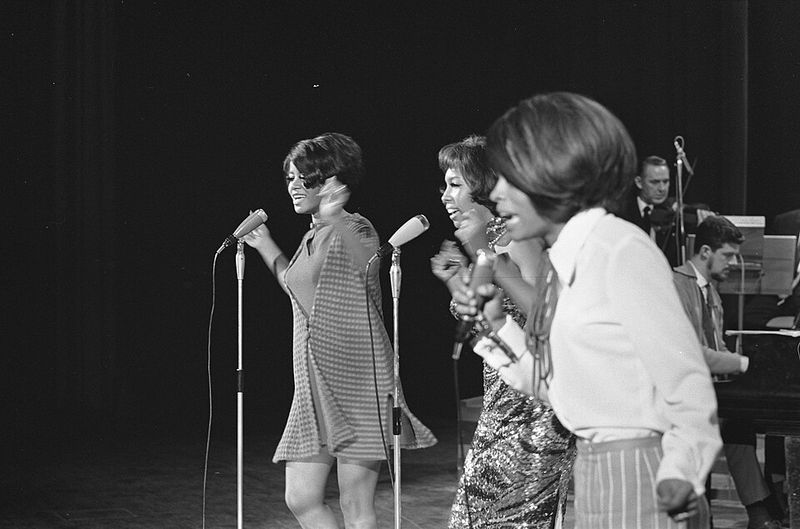
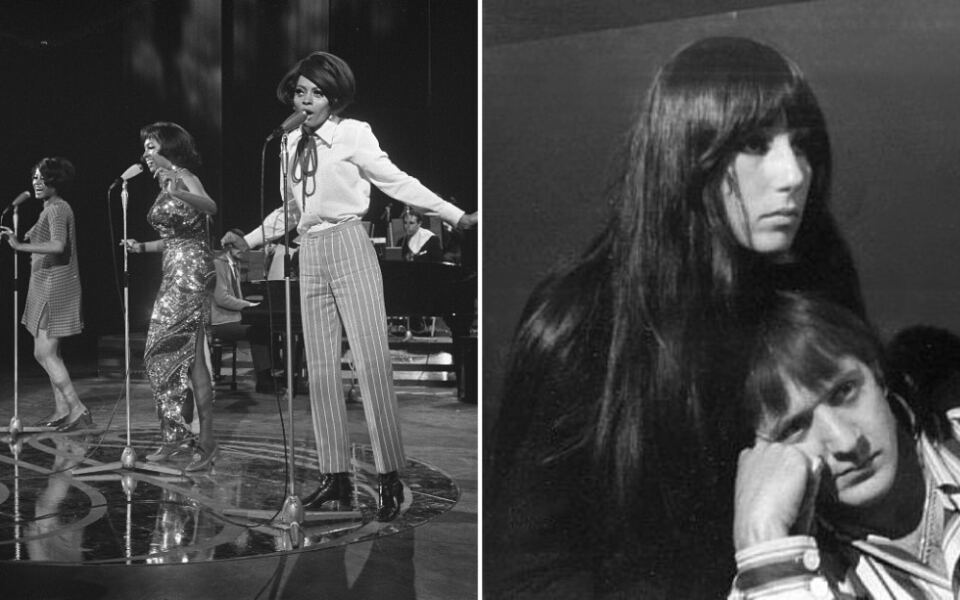
One raised hand became among the most copied dance moves of the decade. When the Supremes sang the word stop, they pushed a palm forward, and fans everywhere did the same.
The gesture reportedly came from a Motown team member before a TV taping. It quickly became the trio’s trademark.
The song reached No. 1 in March 1965 and stayed for two weeks. Holland-Dozier-Holland, Motown’s top songwriting trio, wrote it.
Diana Ross sang lead. Florence Ballard and Mary Wilson provided the harmonies.
The lyrics show a woman asking her partner to think twice before breaking her heart. It is a dramatic plea set to a bouncy beat.
Television helped turn the Supremes into household names. Shows like Hullabaloo and The Ed Sullivan Show put their gowns and choreography in living rooms across the country.
7. Ticket to Ride by The Beatles
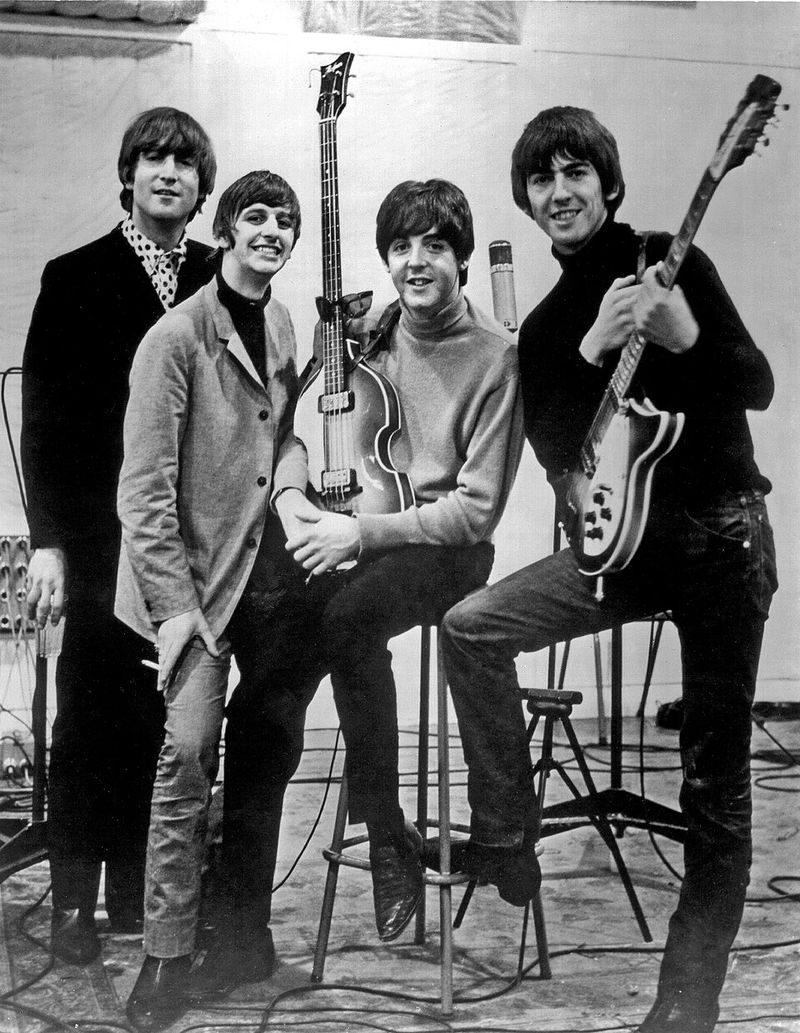
Fans heading to theaters in summer 1965 saw this song in the movie Help, including a scene with the band goofing around on ski slopes in Austria. By then it was already a smash.
Ticket to Ride hit No. 1 in May 1965. It appeared on the Help soundtrack album.
The drum part by Ringo Starr was unusual and choppy. Combined with a heavier guitar sound, it felt different from their earlier cheerful pop.
John Lennon sang lead, with Paul McCartney adding harmonies and helping shape the arrangement. McCartney also played the lead guitar parts.
The lyrics describe a girl leaving town and leaving the singer behind. Fans have argued for years about what the title really means.
Lennon later called it one of the earliest heavy records. It hinted at the bold experiments the band would try on later albums.
8. Help Me, Rhonda by The Beach Boys
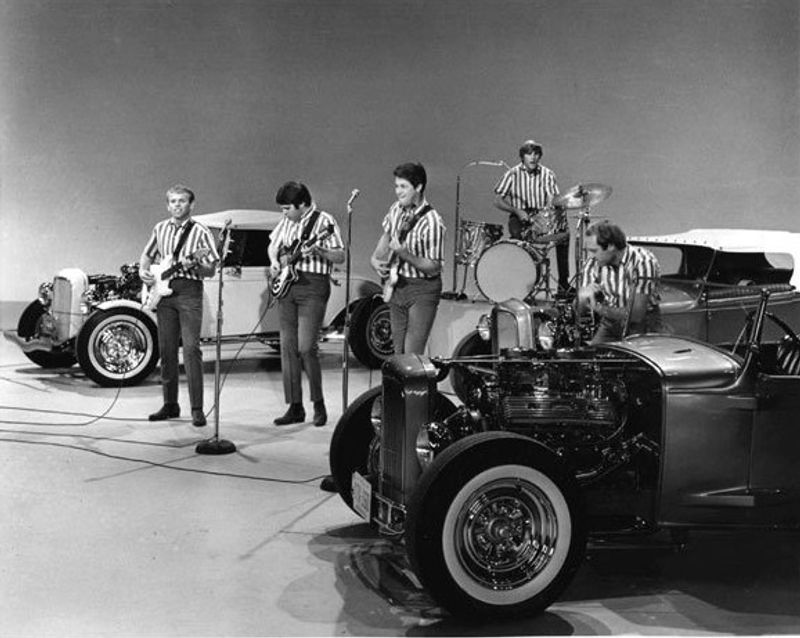
Brian Wilson usually got the spotlight, but this time Al Jardine stepped up. Jardine sang lead, giving the Beach Boys a fresh voice at the front.
Help Me, Rhonda reached No. 1 in May 1965. It was the group’s second chart-topper after I Get Around in 1964.
Wilson and Mike Love wrote the song. A heartbroken guy asks Rhonda to help him forget his former girlfriend.
Here is a twist many fans miss. An earlier version, spelled Help Me, Ronda, appeared on The Beach Boys Today album.
The group recorded a new, faster version for the single. That one later landed on Summer Days (And Summer Nights).
Its upbeat rhythm made it perfect for summer radio. Teens in 1965 played it at beach parties, drive-ins, and on car radios as the surf-pop craze peaked.
9. Back in My Arms Again by The Supremes
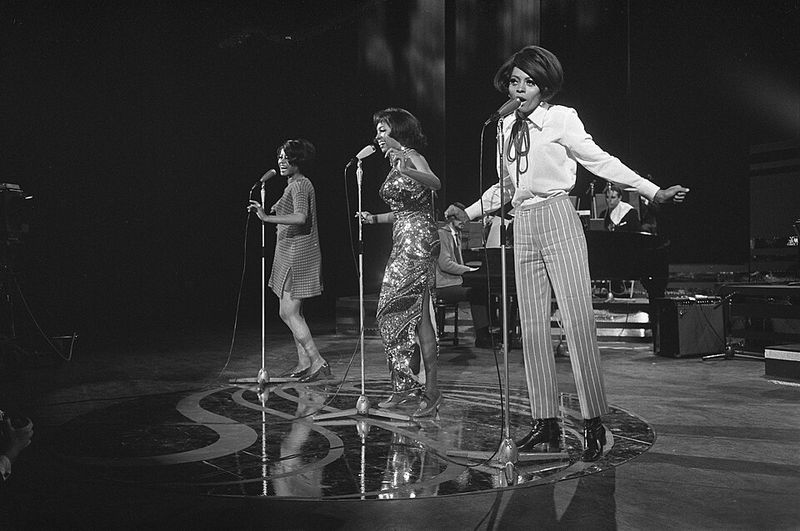
Five in a row. That is how many straight No. 1 singles the Supremes scored when Back in My Arms Again topped the chart in June 1965.
The streak started in 1964 with Where Did Our Love Go. No American group had pulled off anything like it at the time.
Holland-Dozier-Holland wrote this one too. Diana Ross sings about ignoring her friends’ advice and following her own heart.
The lyrics even mention Mary and Flo by name. That is a playful nod to bandmates Mary Wilson and Florence Ballard.
The song has a quick beat and polished Motown production. It kept radio stations busy all summer.
By 1965, the Supremes were more than singers. Their gowns, wigs, and graceful moves made them fashion icons, and Motown’s charm school helped polish every public appearance.
10. (I Can’t Get No) Satisfaction by The Rolling Stones
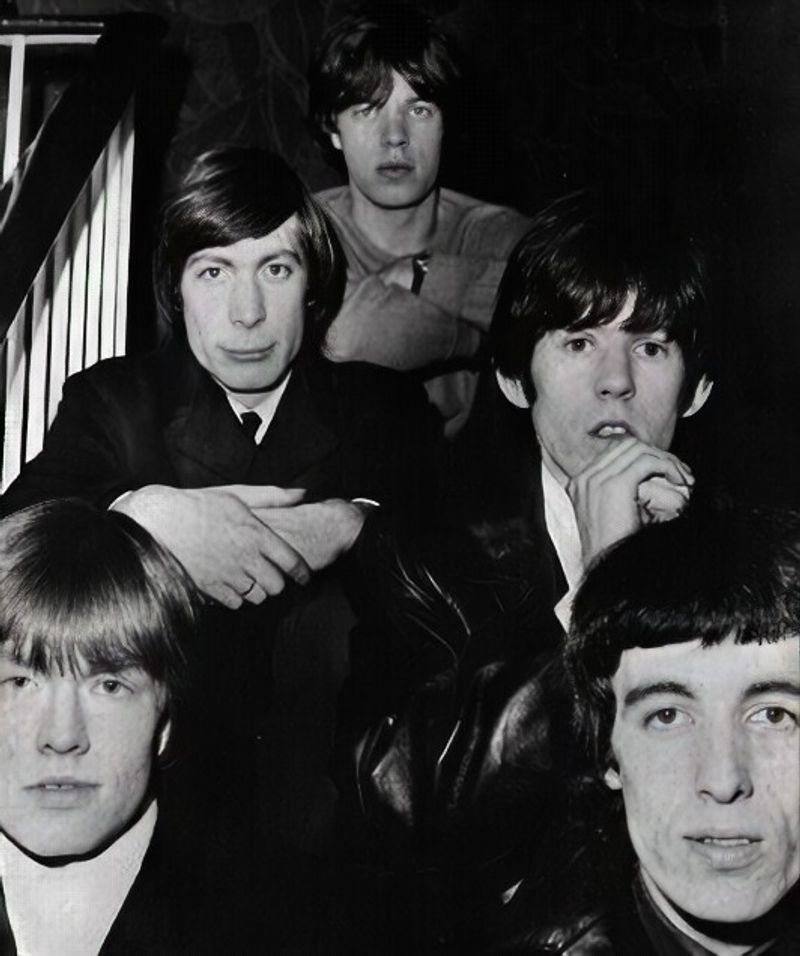
Keith Richards said the famous guitar riff came to him in his sleep. He woke up, recorded it on a small tape player, and went back to bed.
That riff became one of the most recognized in rock history. Richards played it through a fuzz pedal, giving it a rough edge.
The Rolling Stones reached No. 1 in July 1965 with this song. It held the top spot for four weeks.
Mick Jagger’s lyrics complain about advertising, radio chatter, and everyday frustration. That attitude felt bolder than most pop hits of the time.
It was the band’s first American No. 1. It also made them serious rivals to the Beatles.
Countless later rock bands learned from its formula. A simple riff, a sharp attitude, and a chorus everyone could shout made it the anthem of summer 1965.
11. I’m Henry VIII, I Am by Herman’s Hermits
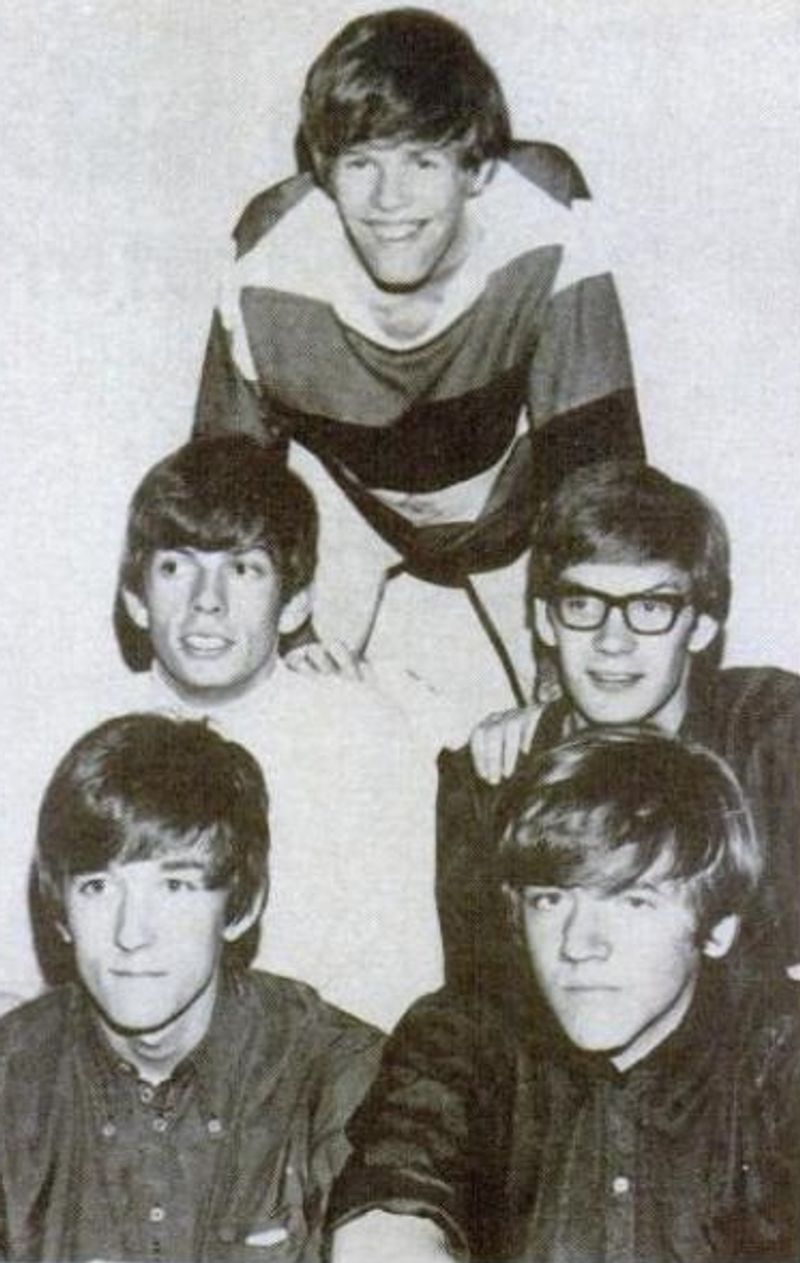
A song older than radio itself somehow became a 1965 chart-topper. Fred Murray and R.
P. Weston wrote it in 1910 for British music-hall stages.
Herman’s Hermits gave it a speedy pop makeover. It reached No. 1 in August 1965 for one week.
The joke is simple. A man named Henry marries a widow who already wed seven other men named Henry.
Peter Noone sang lead with his cheerful accent. He was only 17 years old when the record hit the top.
Before the final verse, guitarist Derek Leckenby, then Noone, shouts second verse, same as the first. The whole song lasts under two minutes.
Teens who had never seen a music-hall show suddenly knew every word. The group earned another American No. 1 that year, Mrs. Brown, You’ve Got a Lovely Daughter, in May.
12. I Got You Babe by Sonny & Cher
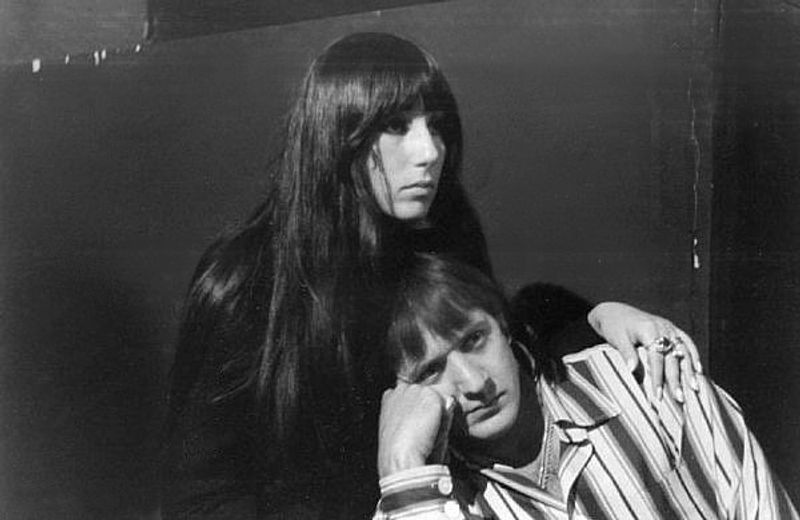
Long hair, fur vests, and bell-bottoms were not standard TV wear in 1965. Sonny and Cher wore them anyway and made them part of their image.
I Got You Babe reached No. 1 in August 1965. It stayed there for three weeks.
Sonny Bono wrote the song himself. He reportedly worked on it late at night at the couple’s home.
The duet mixes his thin voice with Cher’s deep, rich tone. Cher was just 19 at the time.
The lyrics promise loyalty even when others doubt the couple. Young fans related to that message.
Sonny and Cher later hosted a popular TV variety show in the 1970s. They closed each episode with this song.
The 1993 movie Groundhog Day used it as a repeating alarm clock tune. That gave it a fresh round of fame.
13. Eve of Destruction by Barry McGuire
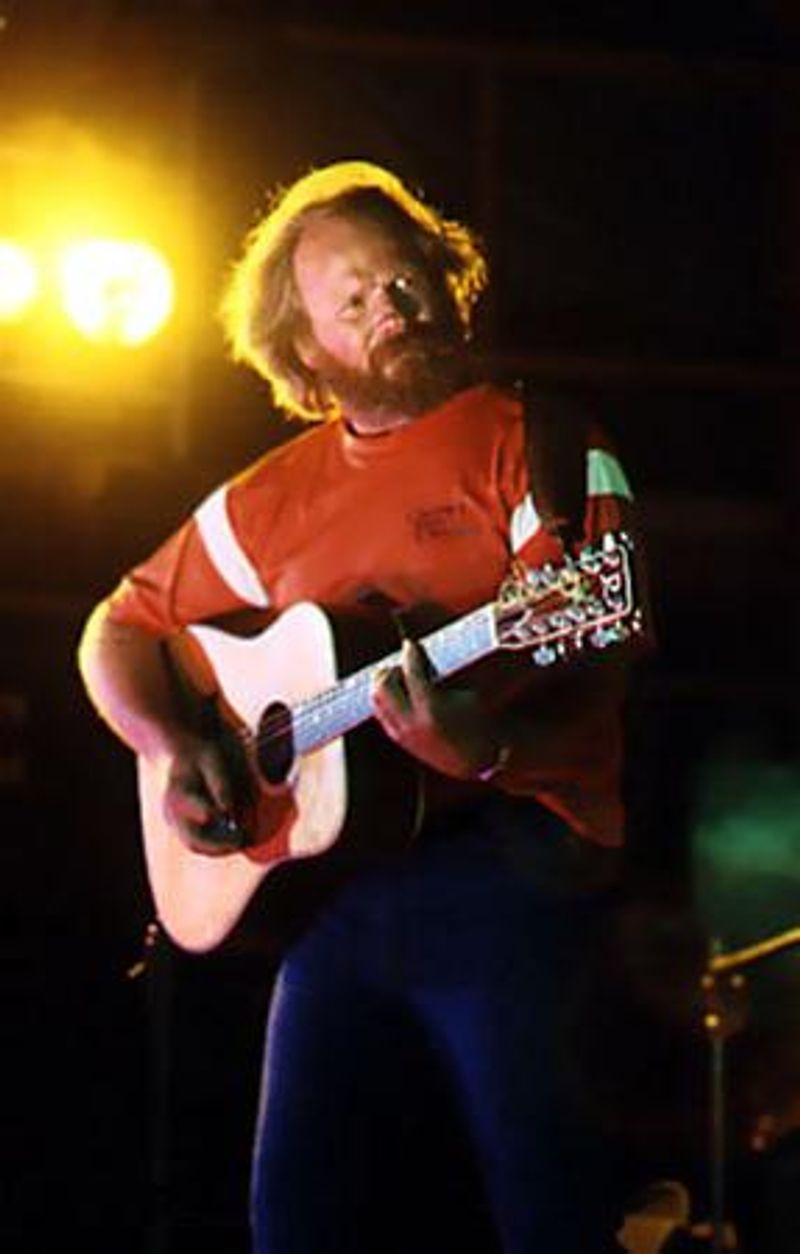
Not every 1965 hit was about romance. P.
F. Sloan, just 19 or 20 years old, wrote a song packed with worries about world events.
Barry McGuire recorded it quickly, reportedly in one take. His raspy voice gave it a raw, urgent feel.
The lyrics mention the space race, civil rights struggles, and Cold War fears. Those were daily newspaper topics in 1965.
Many people argued about the song. Some radio stations refused to play it.
Still, it climbed to No. 1 in September 1965 for one week. A group called the Spokesmen even released an answer record titled The Dawn of Correction.
McGuire had earlier sung with the New Christy Minstrels folk group. His hit proved that serious protest songs could reach a large pop audience.
14. Yesterday by The Beatles
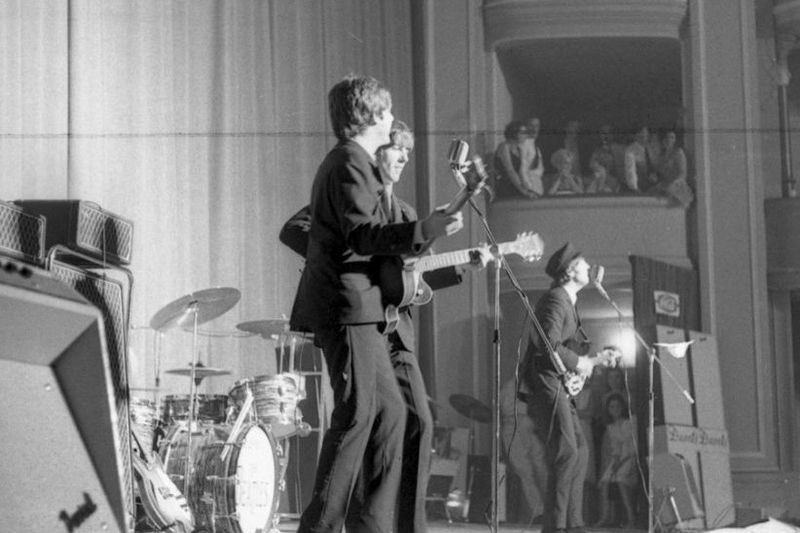
Paul McCartney woke up one morning with a complete melody in his head. He was so sure he had copied it from somewhere that he played it for friends for weeks to check.
Until he found real words, he used the placeholder title Scrambled Eggs. Thankfully, the final lyrics changed.
Yesterday reached No. 1 in October 1965 and held on for four weeks. In Britain, it was not released as a single at the time.
No other Beatles play on the track. McCartney sings with his acoustic guitar, backed by a string quartet.
Producer George Martin arranged those strings. The result sounded nothing like the band’s usual rock songs.
Yesterday became among the most covered songs ever recorded. Thousands of versions exist, from Frank Sinatra to Marvin Gaye.
15. Turn! Turn! Turn! by The Byrds
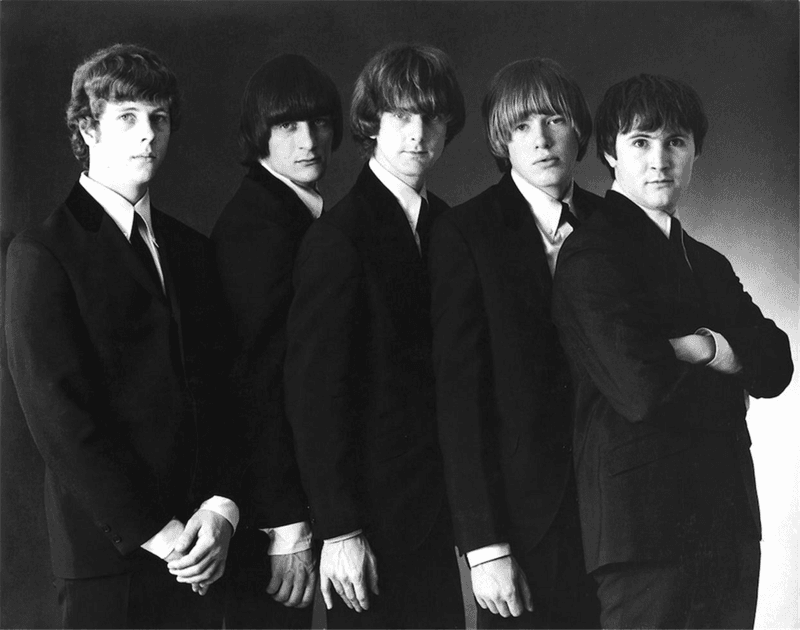
Lyrics written thousands of years ago closed out the year at No. 1. Folk singer Pete Seeger adapted the words from the Book of Ecclesiastes in the Bible.
Seeger added only a few lines, including the title words. He wrote it in the late 1950s.
The Byrds turned it into folk rock. Roger McGuinn played a twelve-string electric Rickenbacker guitar, which became the band’s signature sound.
The song reached No. 1 in December 1965. It spent three weeks there, carrying into January 1966.
The lyrics list opposite seasons in life, like planting and harvesting. A plea for peace ends the song.
The Byrds had already scored a No. 1 earlier in 1965 with Mr. Tambourine Man. Together, the two hits made folk rock a major force on American radio.
Share this story