The 1970s gave radio some of the most unforgettable female voices ever recorded. Soul queens, disco icons, country storytellers, punk poets, and rock frontwomen all filled the airwaves, often at the same time.
Some wrote their own songs and changed how pop music sounded. Others turned a single record into a dance floor legend.
This list walks through twenty women whose music defined the decade, with a look at the albums, hits, and awards that made each one a chart force. Even if you know the big names, you might spot a fact or two you missed.
Aretha Franklin
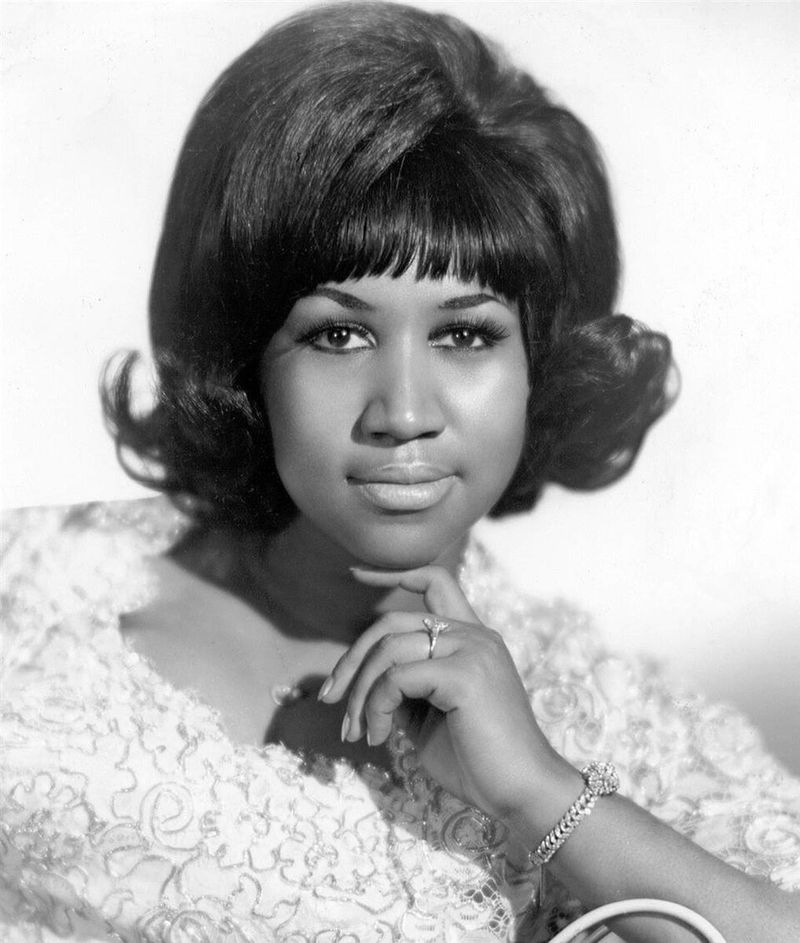
Crowned the Queen of Soul in the 1960s, Aretha Franklin never gave up the throne once the 1970s arrived. She kept the hits and the praise coming for the whole decade.
Albums such as Spirit in the Dark and Young, Gifted and Black showed how easily she moved between soul, gospel, R&B, and pop. Each record let her stretch a little further, and fans followed her every step of the way.
Her trophy shelf kept growing too. In 1974 she picked up a Grammy for Best R&B Vocal Performance, Female, adding to an already huge collection of honors.
If you want to hear what a commanding voice sounds like, her 1970s catalog is a great place to start. Her gospel training shaped how she phrased every line, and you can hear that church background even on her pop songs.
Start with the two albums named here, then keep exploring, because there is plenty more to find in her work from this busy and successful decade.
Joni Mitchell
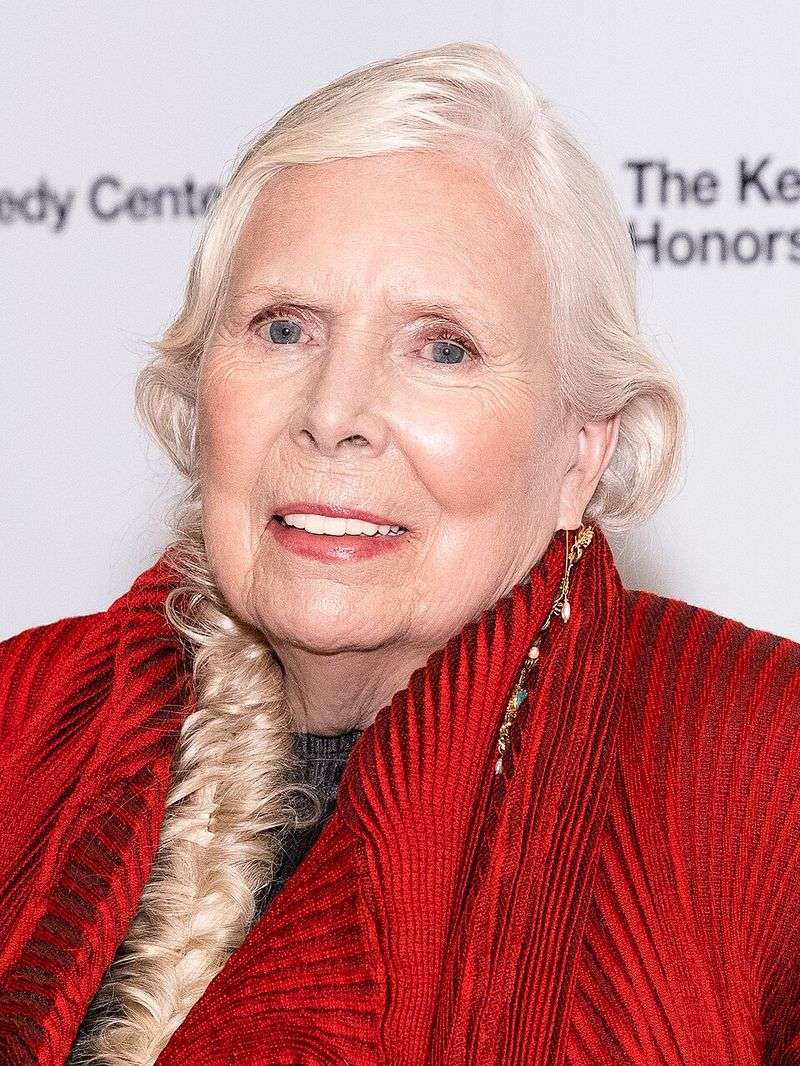
Few songwriters changed the sound of the 1970s as deeply as Joni Mitchell. Her songs read like diary pages set to unusual guitar tunings.
Blue became one of the decade’s landmark confessional albums, proving that personal and honest writing could connect with huge audiences. Then Court and Spark widened her sound, bringing in jazz and pop influences that made her music more polished and more adventurous.
What makes her stand out on this list is the influence she left behind. Her sophisticated approach to lyrics inspired generations of artists who came after her, and many of them still name her as a favorite.
If you are new to her music, try the two albums mentioned here back to back. You can hear how she grew from raw and intimate folk to a smoother style without losing the storytelling that made people notice her in the first place.
That change is a big part of her story.
Carole King
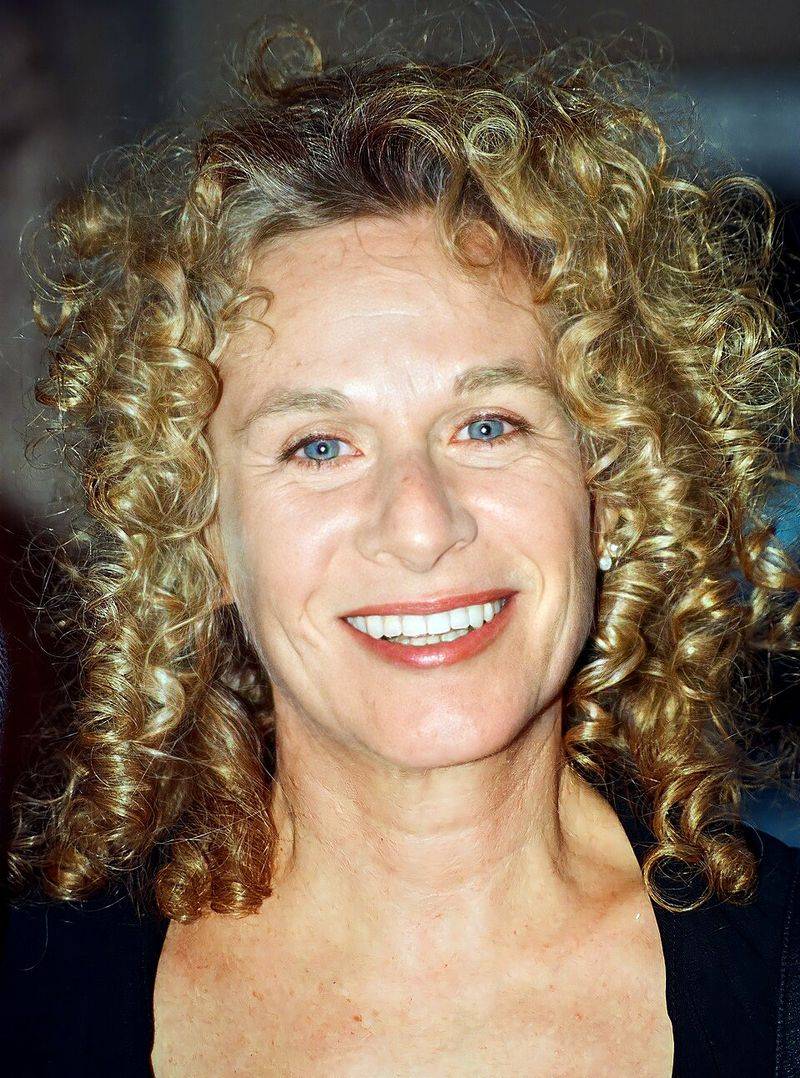
Released in 1971, Tapestry turned into one of the defining albums of the singer-songwriter era. It is the kind of record people still know by heart.
Songs such as “It’s Too Late” and “You’ve Got a Friend” stayed on the radio for years and became favorites that listeners still know today. Their plain, friendly style made them feel personal to millions of people.
The 1972 Grammy Awards made the success official. King took home Album of the Year, Record of the Year, and Song of the Year honors connected to the album’s extraordinary run.
Before Tapestry, she had already been a successful songwriter for other artists, so it was a big moment when she stepped forward with her own voice. If you only know her songs through other singers, give her original versions a listen.
They show how simple piano-based pop can still hit hard decades later.
Donna Summer
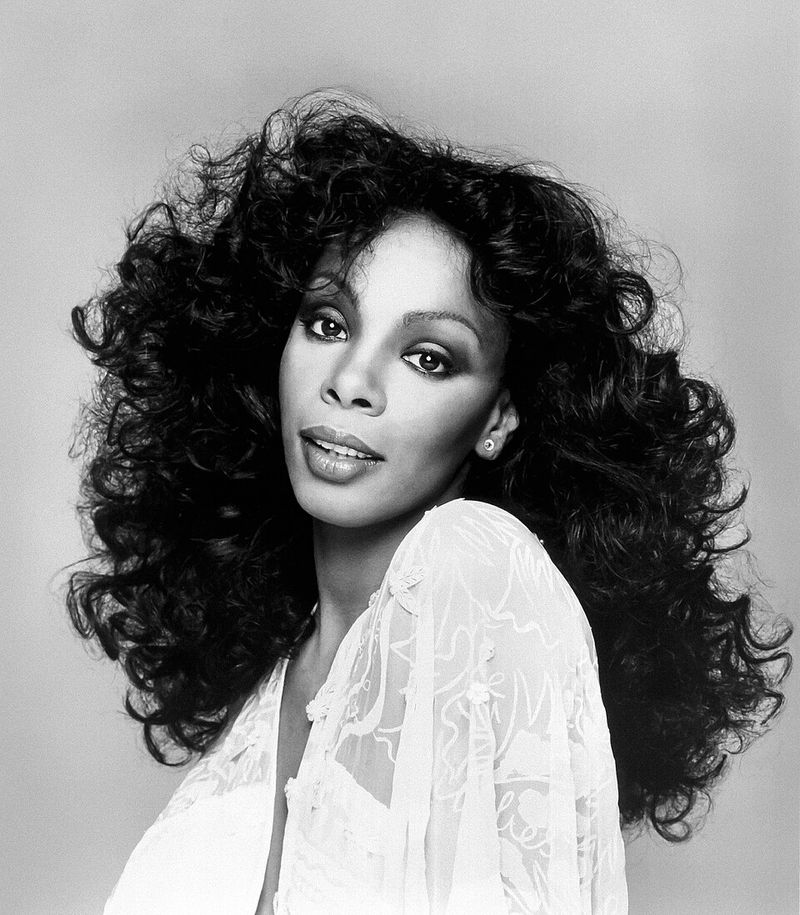
Try telling the story of 1970s disco without Donna Summer, and the whole thing falls apart. She was the sound of the dance floor.
Working with producers Giorgio Moroder and Pete Bellotte, she recorded era-defining tracks including “Love to Love You Baby,” “I Feel Love,” and “Hot Stuff.” Each one showed a different side of her talent, from smooth and sultry to bold and rocking.
“I Feel Love” deserves a special mention. Its electronic production and futuristic dance sound became enormously influential, and later dance and pop producers kept borrowing from the idea.
It is a good reminder that disco was not just about fun. It was also a place where new studio technology was being tested.
Put on those three songs in a row and you will hear how quickly her style moved from classic disco to something that sounded like the future of dance music at the time.
Dolly Parton
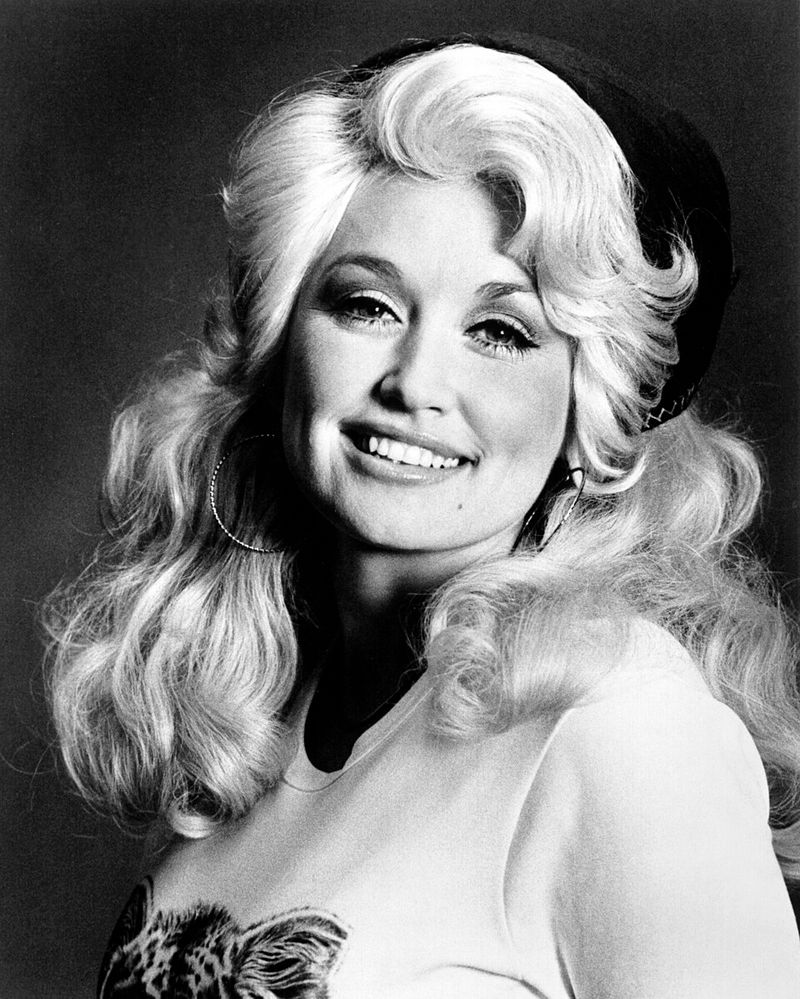
Two of country music’s most famous songs, “Jolene” and “I Will Always Love You,” both came out in the 1970s. That alone tells you how big the decade was for Dolly Parton.
Her gift was turning simple stories into emotionally powerful classics. She wrote them herself, and her unmistakable voice made each one instantly recognizable on the radio.
Television helped too. Her growing presence on the small screen introduced her to audiences far beyond country music, and plenty of viewers became fans before they ever bought a record.
That mix of songwriting skill and friendly personality made her one of country’s biggest stars. If you want to see why songwriters admire her, read the lyrics to those two songs without any music.
They are short, direct, and packed with feeling, which is exactly why they have lasted so long and still get covered today.
Diana Ross
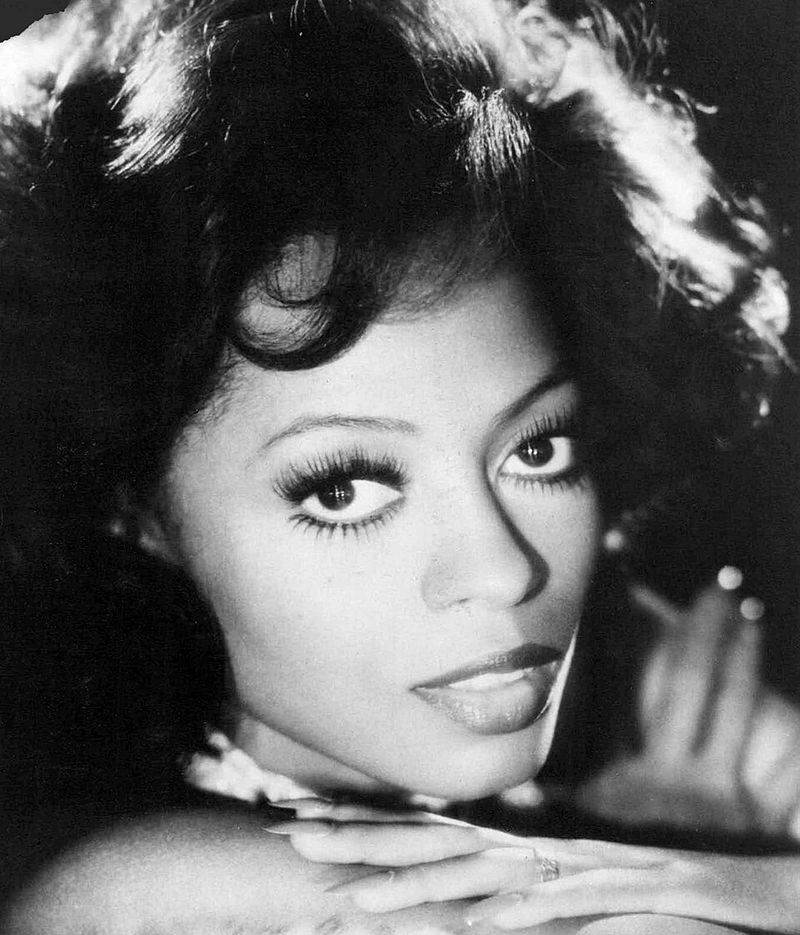
Leaving the Supremes was a big gamble, and Diana Ross made it pay off. She became one of the decade’s biggest solo stars almost right away.
Her hits show how flexible she was. “Ain’t No Mountain High Enough” was a dramatic soul showcase, “Touch Me in the Morning” leaned toward soft pop, and “Love Hangover” slid into the disco era with ease.
That range is the real story here. Many singers stick to one style for an entire career, while Ross kept shifting with the times and still sounded like herself on every track.
If you are making a playlist, those three songs make a handy mini tour of her solo years. Listen for how her voice stays light and clear even when the music around it changes from big orchestral soul to a pulsing dance beat.
That control is a big reason she stayed on the charts.
Linda Ronstadt
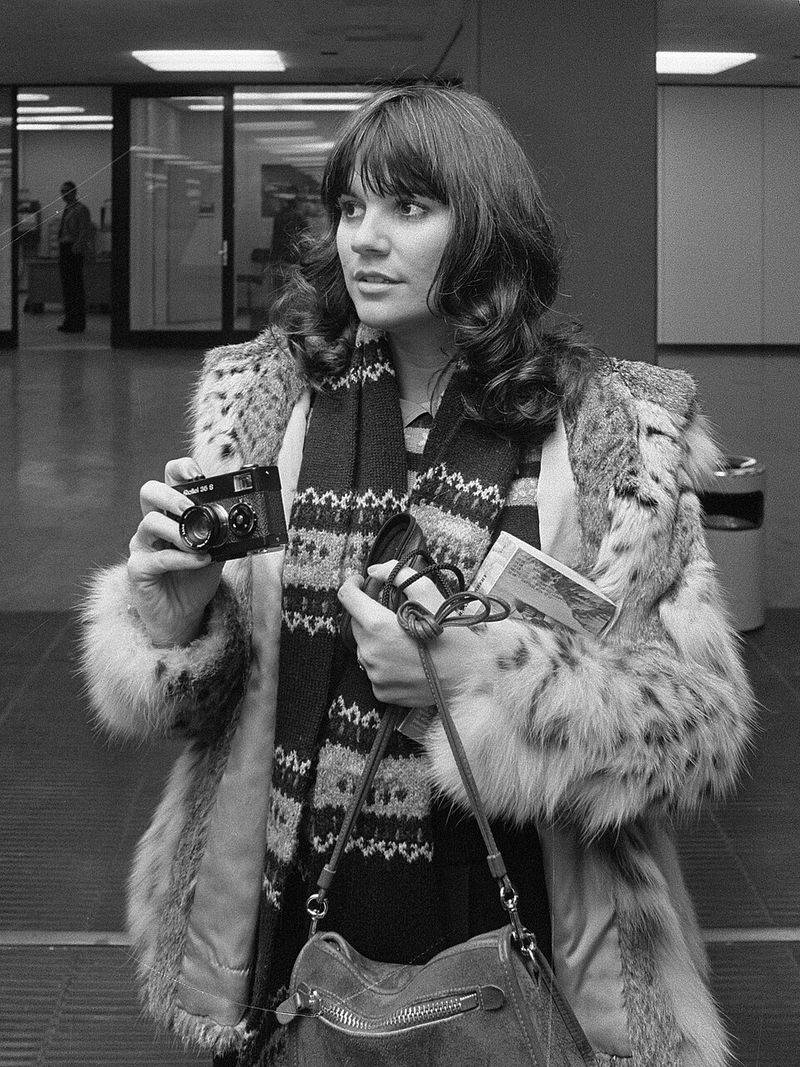
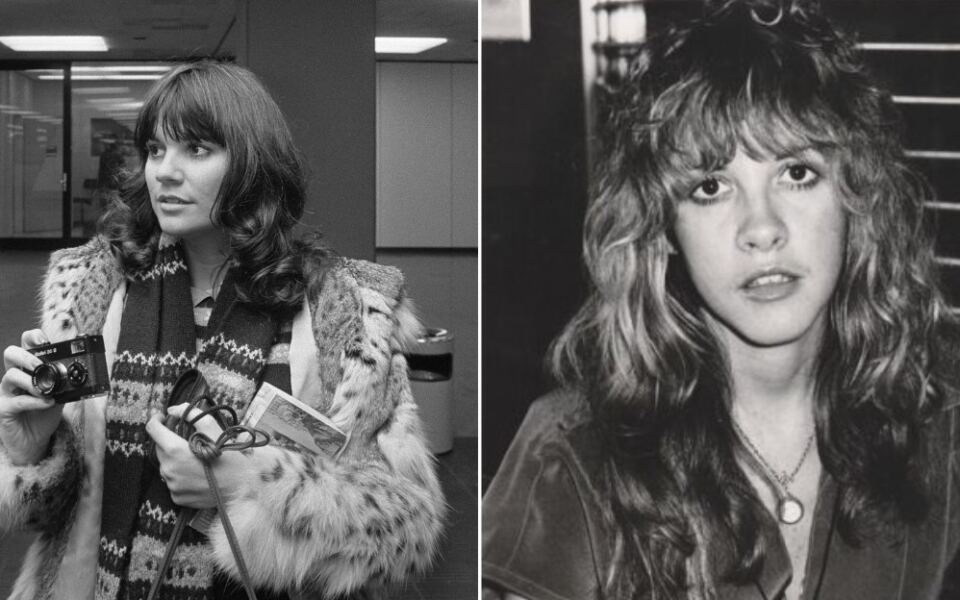
Linda Ronstadt had a knack for finding great songs and making them her own. That talent helped her become one of America’s most successful female rock and pop singers in the 1970s.
Her versions of “You’re No Good,” “When Will I Be Loved,” and “Blue Bayou” helped bring country rock into the mainstream. Many listeners first heard these songs through her voice.
The album Heart Like a Wheel was especially important. It established her as a major star and showed that she could pick material that fit her powerful singing perfectly.
Ronstadt is a good reminder that interpreting a song is its own kind of art. She did not need to write every tune to leave a stamp on it.
Try listening to her take on a favorite and then the original, and you will notice how she shifts the mood and gives the lyrics a fresh feel.
Roberta Flack
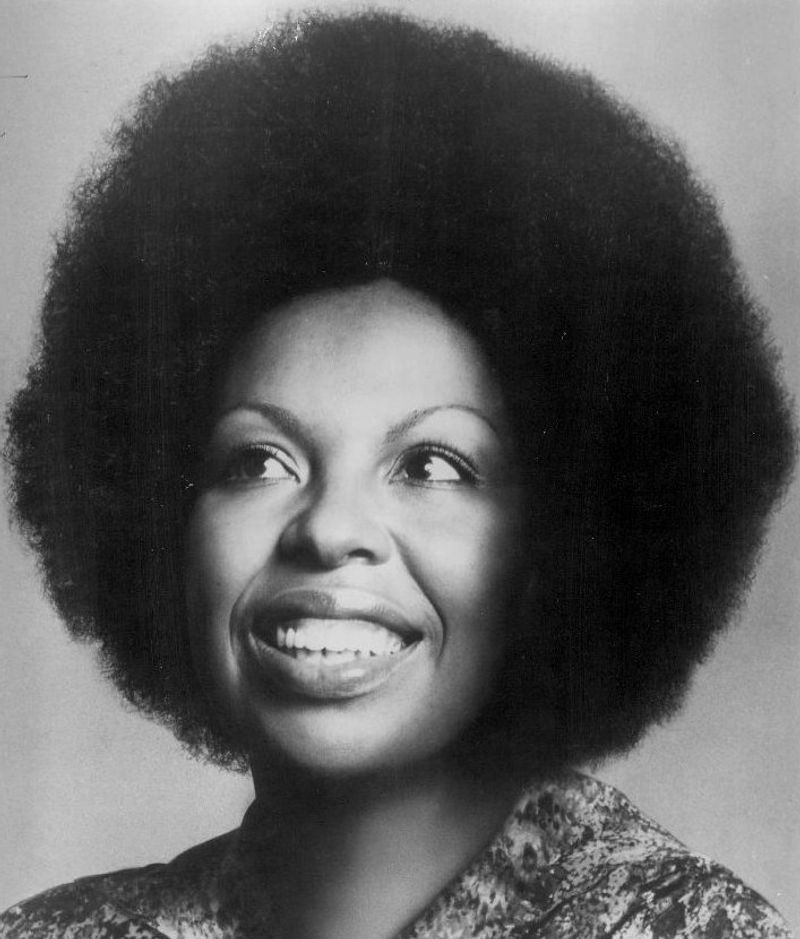
Winning Record of the Year at the Grammys once is a career highlight. Roberta Flack won it twice in a row, in 1973 and 1974.
The songs behind those wins were “The First Time Ever I Saw Your Face” and “Killing Me Softly with His Song.” Both became signature recordings and are still tied to her name today.
What set her apart was a calm, understated sophistication. She did not need to shout to hold a room, and her restraint gave soul and pop ballads a quiet kind of power.
Her piano playing and careful phrasing made each song feel unhurried. If you like music that lets the lyrics breathe, her 1970s recordings are a great pick.
They also prove that a soft approach can still dominate the charts when the singer has this much control over every note.
Stevie Nicks
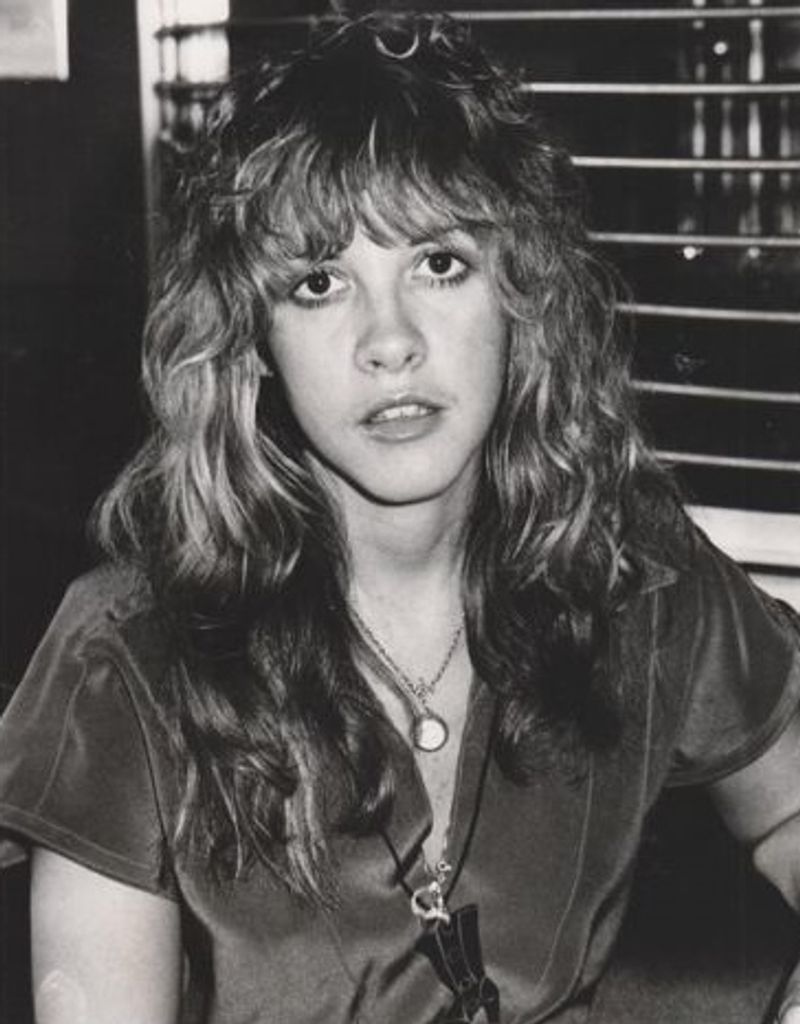
Joining Fleetwood Mac in 1975 changed everything for Stevie Nicks. Within a short time she was one of rock’s most recognizable voices.
Her songs “Rhiannon” and “Dreams” helped define the band’s hugely successful mid-1970s period. They sit alongside the landmark album Rumours, one of the biggest records of the decade.
Nicks also stood out for her look. Her mystical stage image, with flowing outfits and a dreamy presence, was nearly as influential as her distinctive vocals, and many fans copied the style.
It is fun to listen to those two songs back to back, since they show her knack for mixing a husky voice with poetic lyrics. A newer listener might be surprised at how modern they still sound.
Her mix of music and image made her a style icon as well as a hitmaker.
Gladys Knight
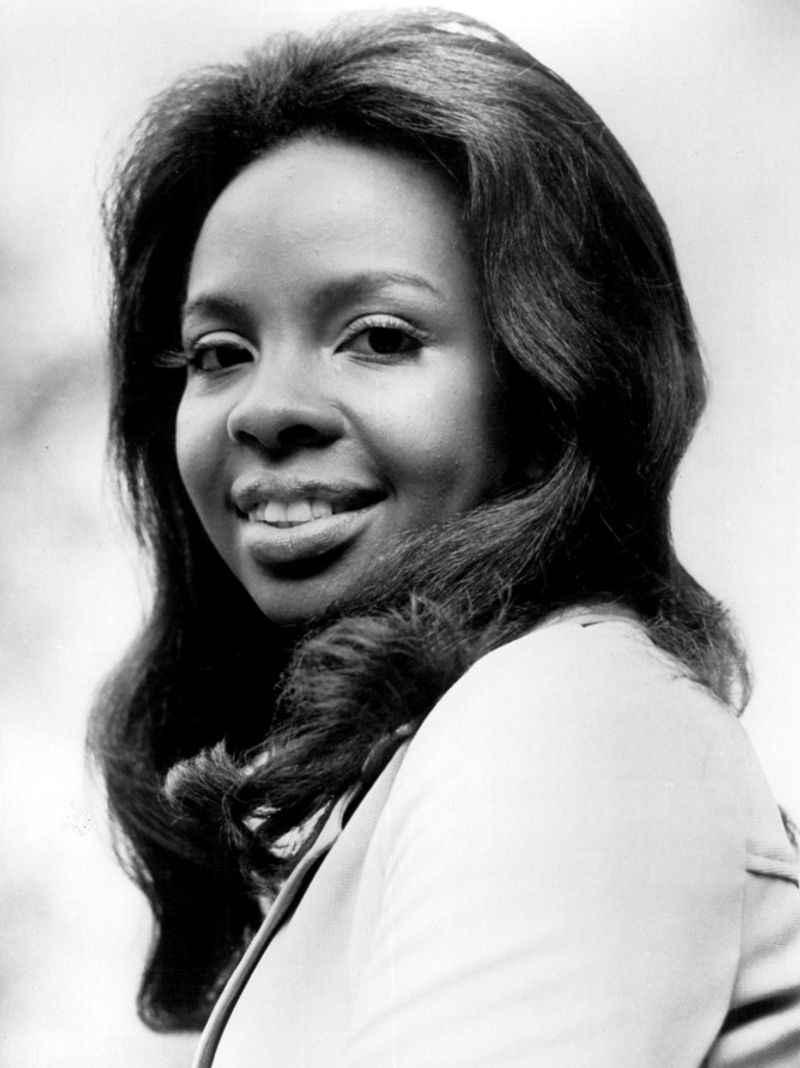
A train song gave Gladys Knight one of the most famous hits of the decade. “Midnight Train to Georgia” became the signature song of Gladys Knight & the Pips.
She was the unmistakable lead voice of the group, and her soulful delivery gave every lyric weight. The Pips added smooth harmonies and polished dance steps that made their shows a treat to watch.
Another standout was “Neither One of Us,” which showed off Knight’s emotional vocal power. That song earned the group a Grammy in 1974.
If you want to hear what a great soul vocal sounds like, listen closely to how she bends the notes in the chorus of her biggest hit. She never oversings, yet every line lands.
It is a lesson in how feeling can matter more than flash, and it explains why the group stayed popular for so long.
Karen Carpenter
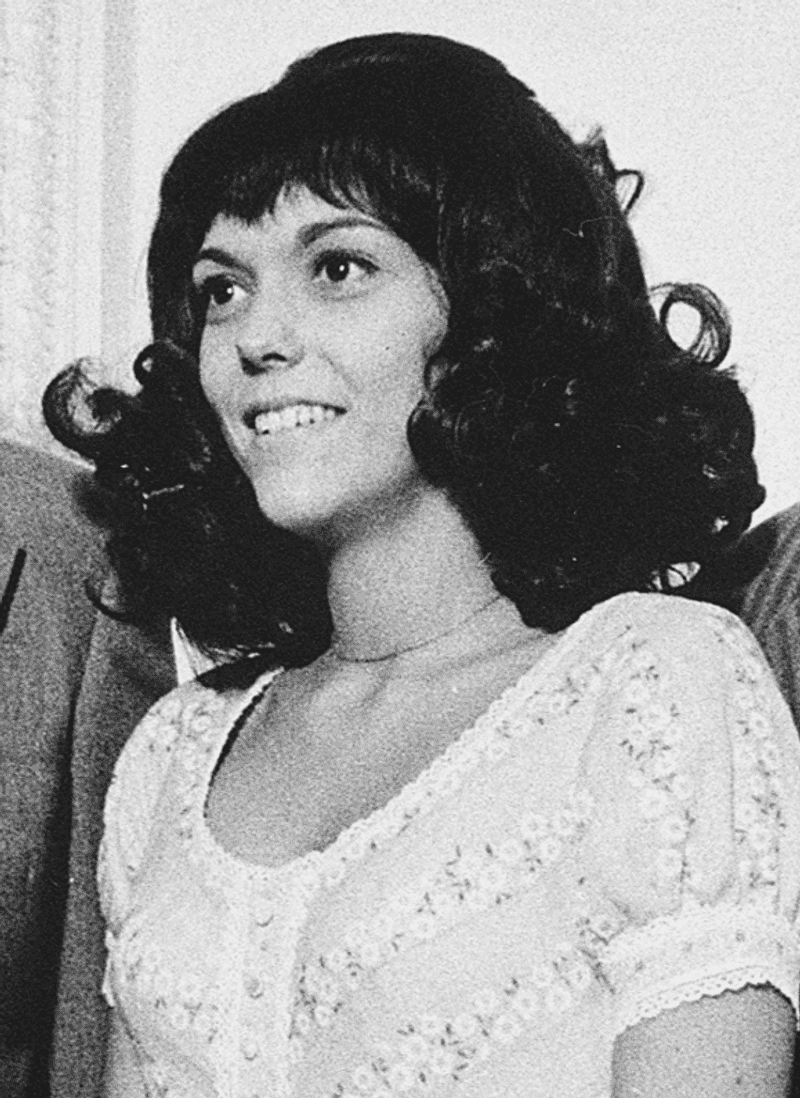
Karen Carpenter was a drummer as well as a singer, and she often played behind the kit during early performances. Her warm contralto became one of the most recognizable voices on 1970s radio.
With her brother Richard, she formed the Carpenters and recorded enduring hits including “(They Long to Be) Close to You,” “We’ve Only Just Begun,” “Superstar,” and “Rainy Days and Mondays.”
The duo were also Grammy winners during the decade, a sign that critics and listeners agreed on their talent.
Their music is smooth and gentle, which made it a fixture on car radios and living room stereos. What stands out most is how clear and steady her voice sounds, with almost no strain in any of those songs.
Many singers still point to her tone as a model of control and calm, and her recordings remain popular today.
Olivia Newton-John
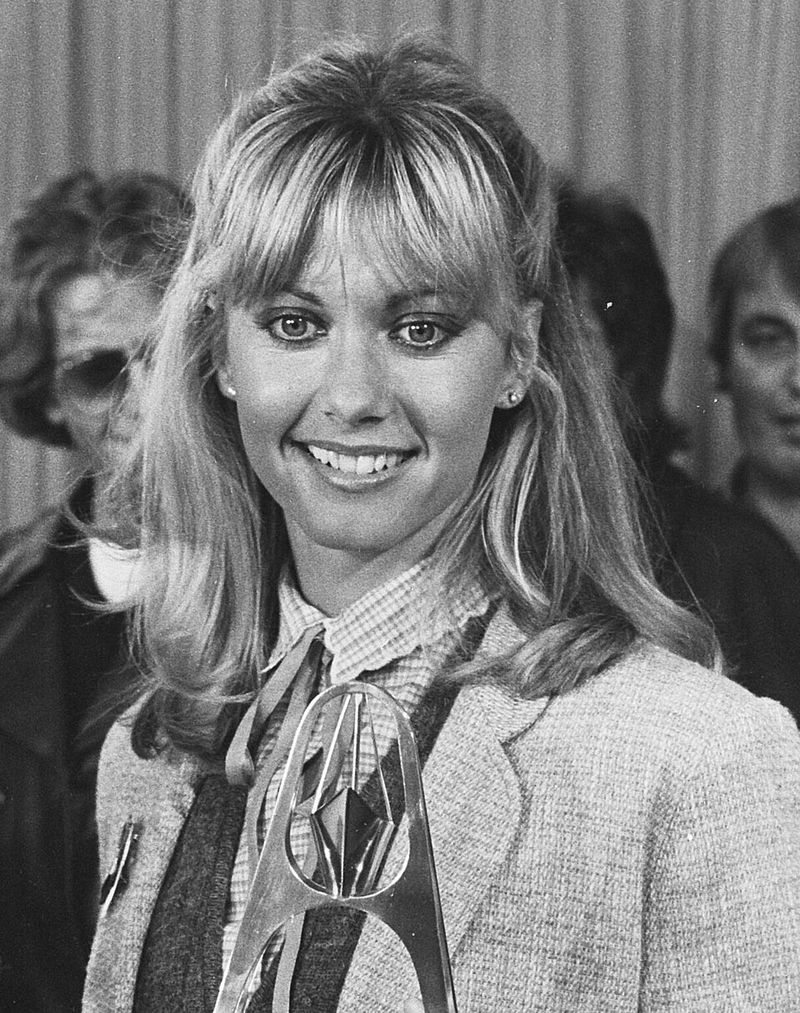
Most people think of Grease first, but Olivia Newton-John had a major recording career before the movie ever hit theaters.
Songs such as “I Honestly Love You” and “Have You Never Been Mellow” crossed between pop and country audiences, which was not easy to do. That blend gave her a wide fan base.
“I Honestly Love You” earned Record of the Year at the 1975 Grammy Awards, a big win that confirmed her place among the decade’s top stars.
If you only know her from the movie, the earlier ballads are worth a listen. They are soft, clean, and sung with a gentle clarity that suited the radio of the time.
Hearing them shows how she was already a star before putting on the famous black outfit that later became part of pop culture history.
Cher
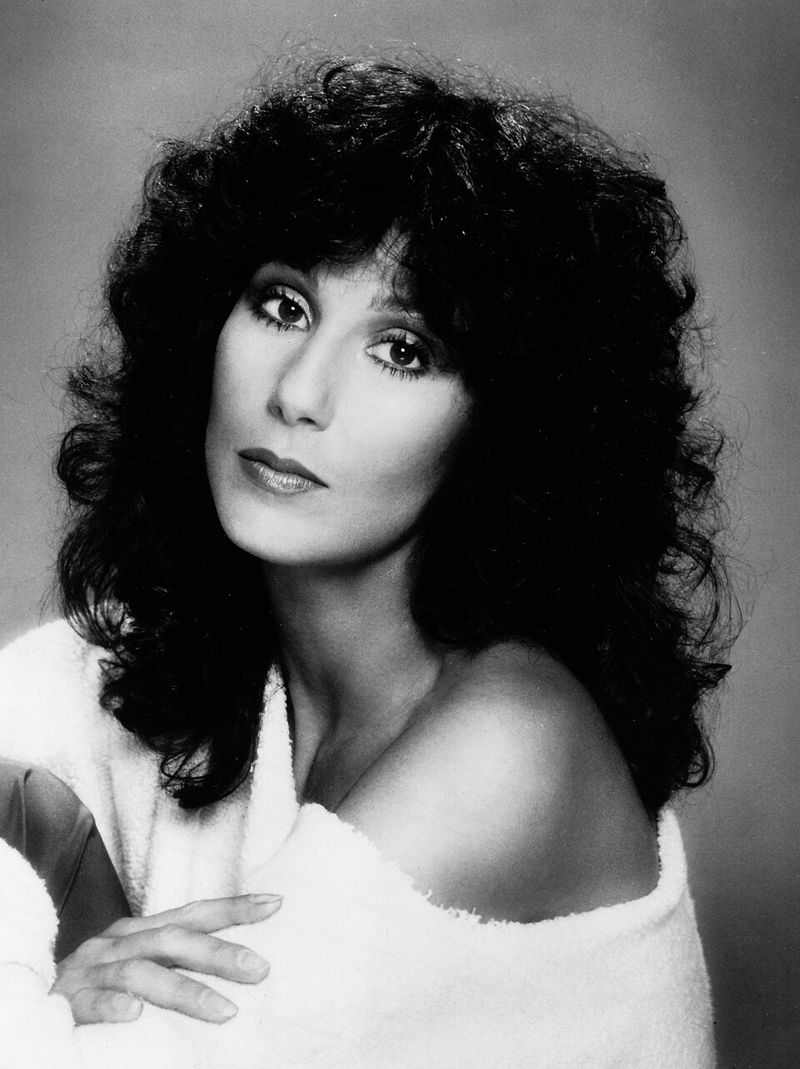
After years of fame beside Sonny Bono, Cher proved she could carry the spotlight alone. The 1970s became her chance to reinvent herself as a solo star.
Singles including “Gypsys, Tramps & Thieves,” “Half-Breed,” and “Dark Lady” became major hits. They were story songs with a dramatic flair, and her deep voice gave them plenty of character.
Television helped too. Her glamorous presence on screen made her one of the decade’s most recognizable entertainers, and viewers tuned in as much for the fashion as for the music.
It is fun to notice how often she changed her look during these years, from bold gowns to sparkling costumes. That willingness to try something new is a big reason she stayed in the public eye.
Cher showed that a performer could keep growing, and her 1970s hits are a great example of that.
Carly Simon
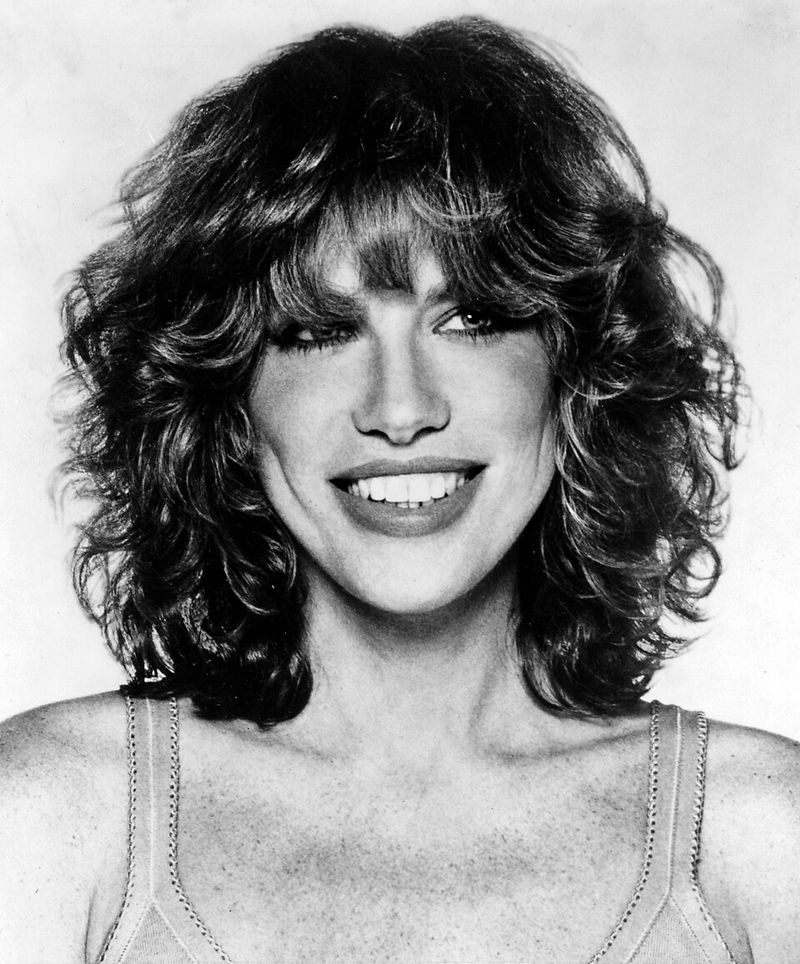
Who is the song about? Music fans have argued over that question for decades, and it keeps “You’re So Vain” in the conversation.
Carly Simon’s biggest hit became both a pop classic and one of music’s most enduring lyrical mysteries. The sharp, witty writing is a big part of why people keep talking about it.
Albums such as No Secrets established her among the decade’s leading singer-songwriters. She helped define the sophisticated sound of the early 1970s, with smart lyrics and a confident voice.
If you want to appreciate her style, read the lyrics of her big hit like a short story. Every verse adds another detail, and the chorus pulls it all together.
That mix of storytelling and a catchy tune is what made her stand out, and it is why her songs still get played on classic radio stations today.
Patti Smith
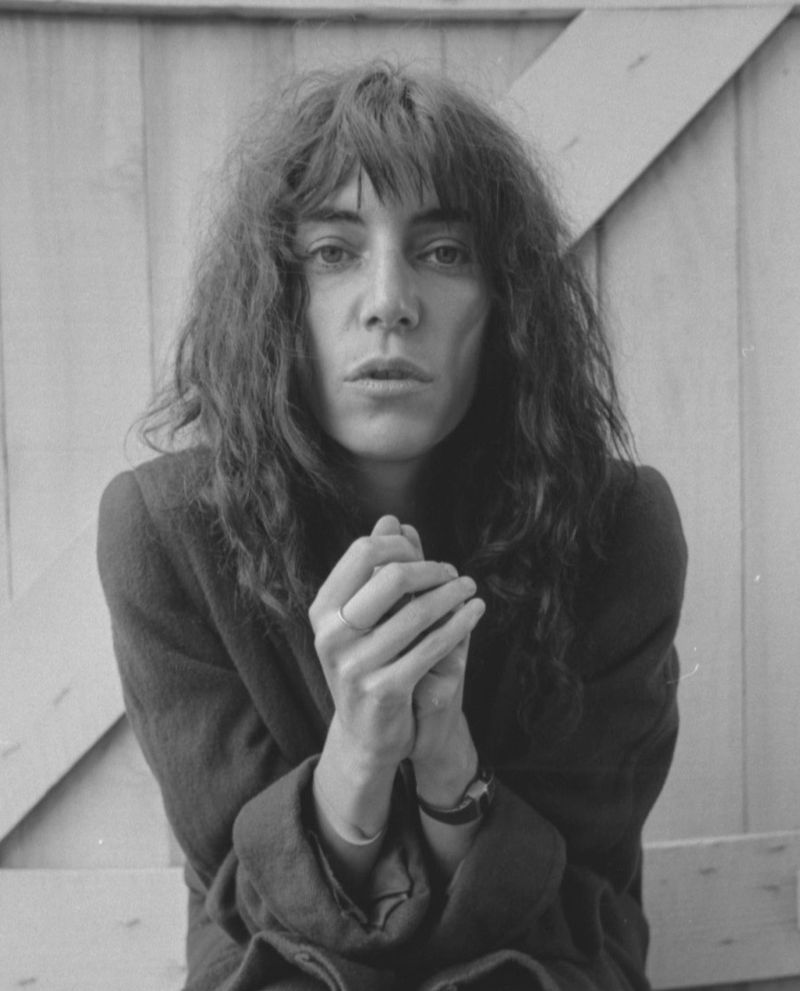
Poetry met raw rock energy when Patti Smith arrived on New York’s emerging punk scene. She brought an uncompromising attitude that made the music feel new.
Her 1975 debut album Horses became enormously influential. Many later bands pointed to it as a spark for their own sound, and it still appears on lists of important records.
She also had a major commercial hit. “Because the Night” reached listeners in 1978 and showed that her style could connect with a wider crowd.
The Rock & Roll Hall of Fame credits her with helping redefine the cultural landscape and pave the way for punk. If you are curious about her, start with Horses and read along with the lyrics.
You will notice how she treats a song like a poem that happens to be played loudly, which is what set her apart.
Debbie Harry
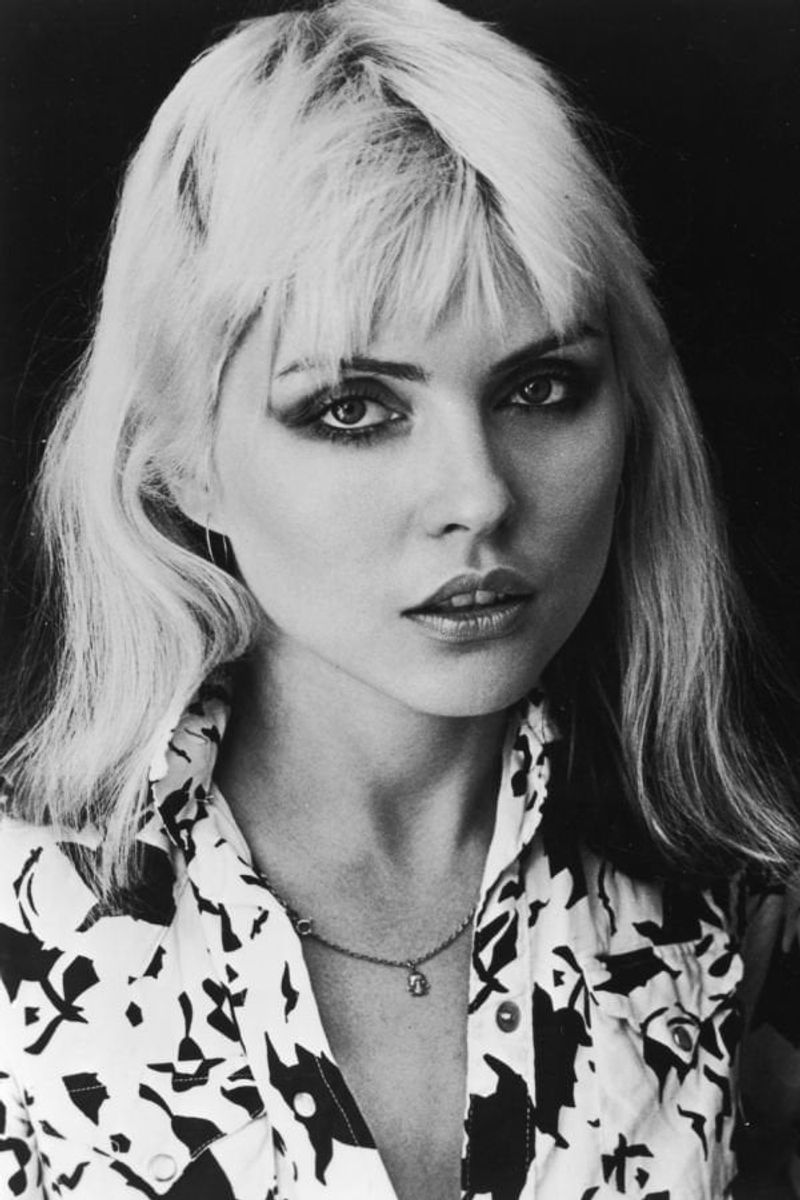
Blondie did not stay in one lane, and that is exactly why Debbie Harry’s band stood out. The group blended punk, pop, disco, reggae, and other influences rather than sticking to a single genre.
As lead singer, Harry became one of the defining figures of late-1970s new wave. Her cool, confident style fit the band’s mix of sounds perfectly.
Songs including “Heart of Glass” helped carry the New York group from the underground scene into international pop success. It was a big leap for a band that started in small clubs.
Listen to that song and you can hear a disco-style beat sitting right next to a new wave attitude. That mix surprised many fans at the time and helped Blondie reach both rock and dance audiences.
Harry’s vocals tied everything together and gave the band a lasting identity.
Chaka Khan
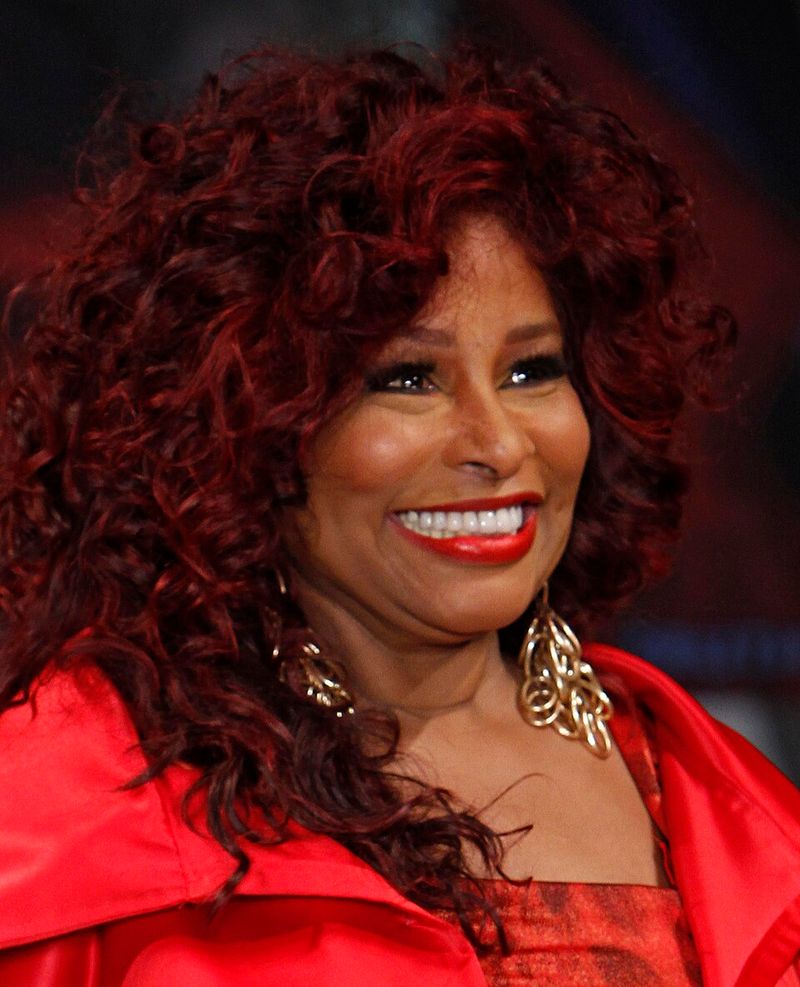
Big voice, big hair, big energy. Chaka Khan brought all three to the band Rufus, where she emerged as the powerhouse vocalist.
Her commanding performance on songs such as “Tell Me Something Good” made her one of funk and R&B’s most distinctive singers. She could ride a groove and still leave room for dramatic high notes.
Near the end of the decade she began a solo career. Her 1978 solo debut produced the anthem “I’m Every Woman,” a song that has stayed popular ever since.
If you want to hear the difference between her group work and her solo sound, play the two songs mentioned here one after the other. The band tune is full of funky bounce, while the solo hit feels like a celebration.
Both show a singer who knew how to command attention and make a crowd move.
Ann Wilson
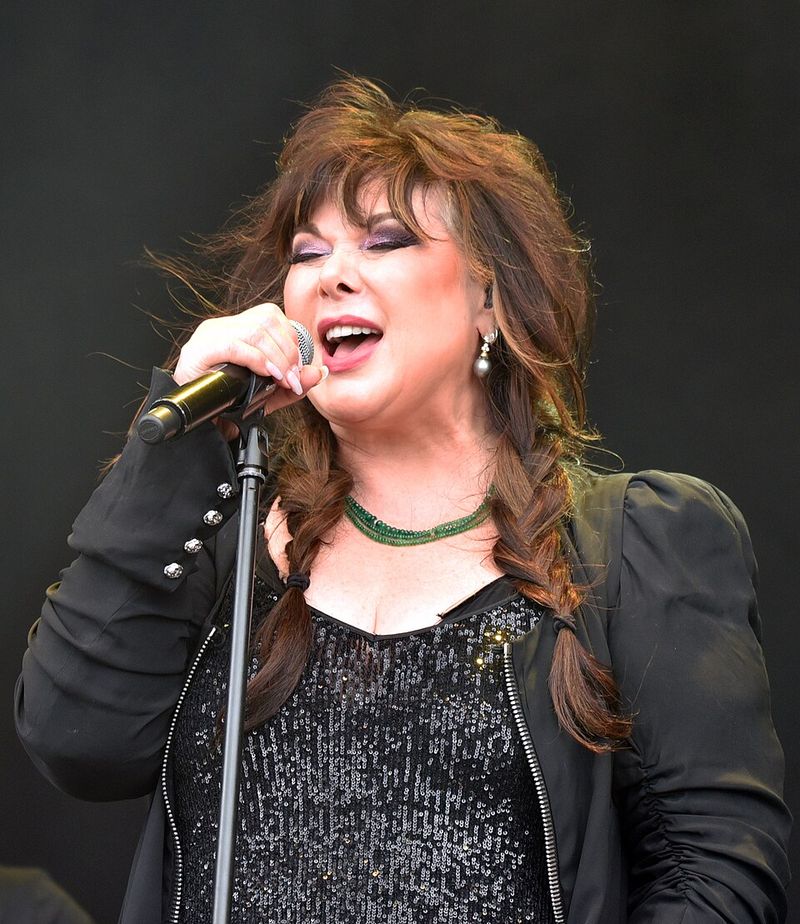
Rock in the 1970s was dominated largely by men, so Ann Wilson stood out right away. As lead vocalist of Heart, she brought a powerful female voice to the stage.
Heart’s 1970s recordings included “Magic Man,” “Crazy on You,” and “Barracuda.” Each one showed off hard-driving guitars and a vocal that could soar or growl as needed.
Her dramatic style helped make the band one of the decade’s most important female-fronted rock acts. The Rock & Roll Hall of Fame includes Heart among its essential women of 1970s rock.
If you like loud guitars, these three songs are a perfect starting point. Pay attention to how her voice holds its own against the heavy riffs instead of being buried by them.
That balance of strength and control helped open doors for many women who wanted to front a rock band.
Emmylou Harris
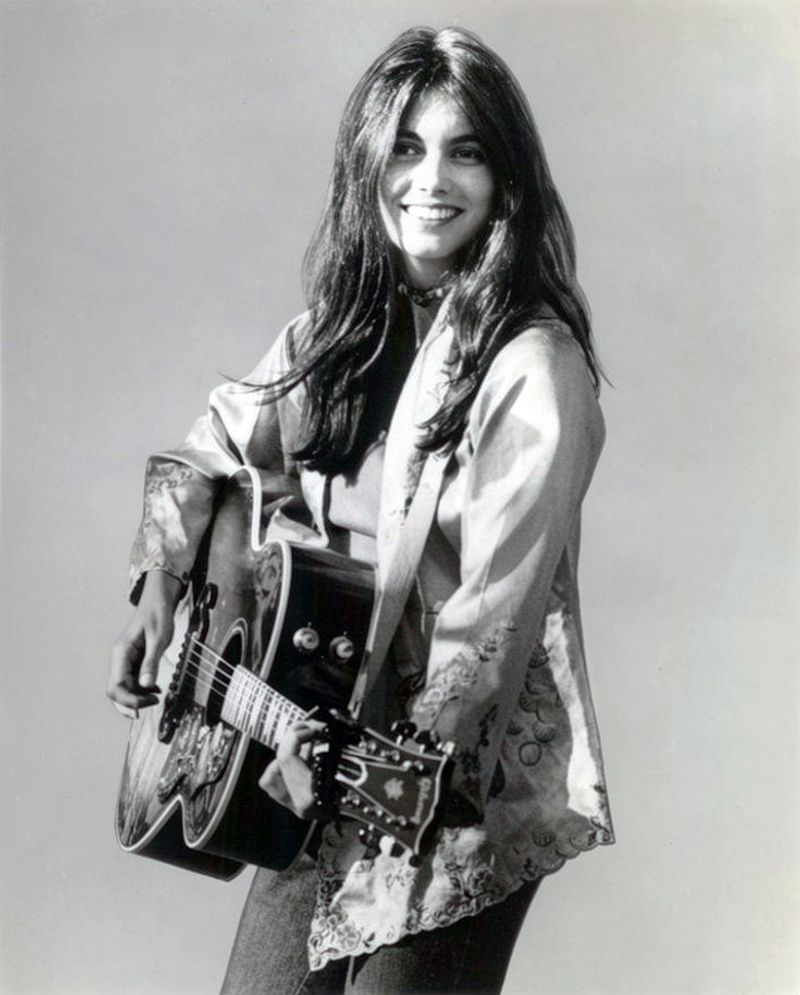
Country rock and Americana owe a lot to Emmylou Harris. In the 1970s she helped expand both styles and bring them to new listeners.
After working with Gram Parsons, she built a solo career around albums including Pieces of the Sky, Elite Hotel, and Luxury Liner. Each one mixed fresh arrangements with songs that respected country tradition.
Her crystalline voice and skill at interpreting traditional country material influenced countless later artists. Many younger singers cite her as a model for how to honor the past while still sounding current.
If you want a good listening plan, pick one of those albums and let it play from start to finish. You will hear a singer who chooses songs with care and sings them with clear, steady emotion.
That patience and taste are big reasons her work has aged so well over the years.
Barbra Streisand
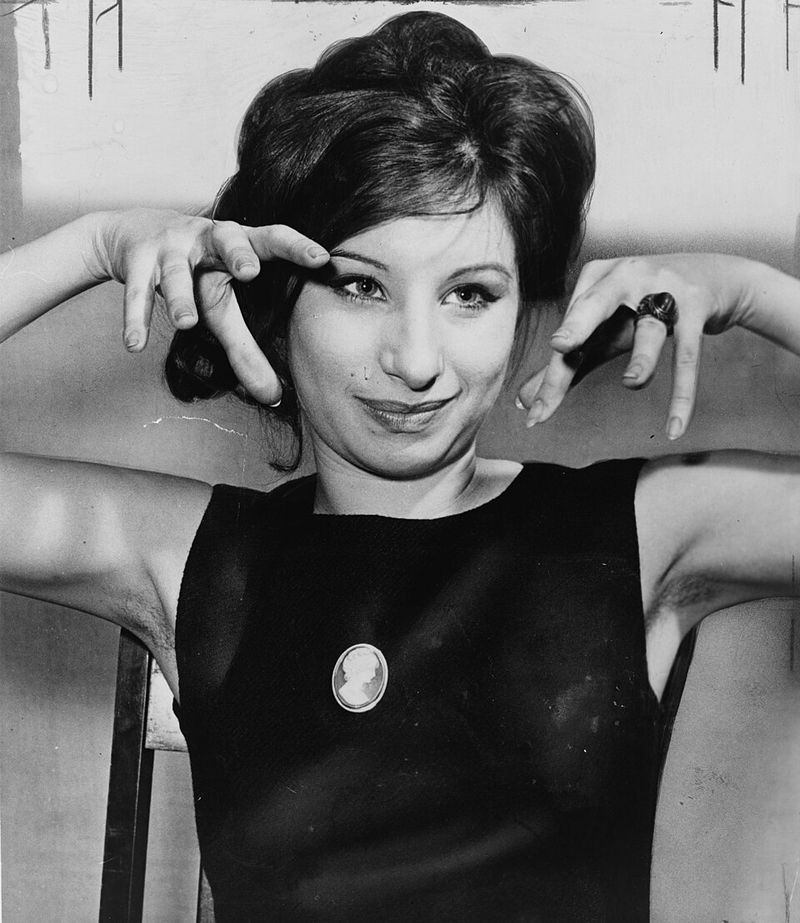
Barbra Streisand was already a star before the 1970s began, yet the decade made her even bigger. She managed to dominate pop music and a film career at the same time.
Songs such as “The Way We Were” and “Evergreen” kept her near the top of the charts. Both are tied closely to her movie work, which helped each song reach even more listeners.
She also teamed up with Neil Diamond on “You Don’t Bring Me Flowers,” a collaboration that became another major hit.
What stands out is her ability to turn a ballad into a big dramatic moment. Her powerful, precise voice can hold a long note without wobbling, and her phrasing makes each lyric feel important.
Listening to these songs together is a quick way to understand why she became one of the biggest names in popular music during the 1970s.
Share this story