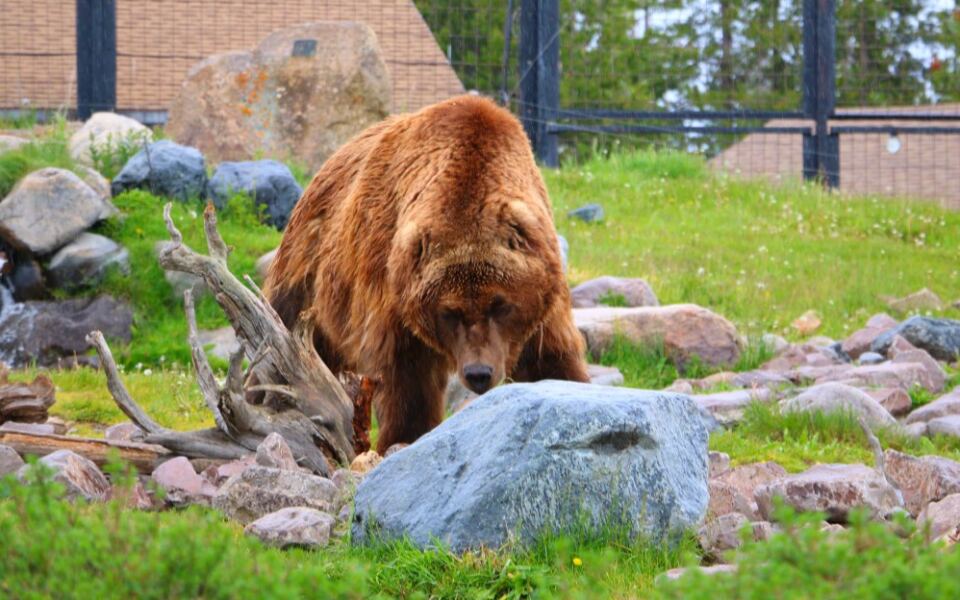
Kids can help hide food inside a real grizzly bear habitat at this Montana wildlife center, then watch the bears search for it. The Keeper Kids program is one of several unusual experiences at the Grizzly & Wolf Discovery Center, just outside Yellowstone National Park.
The nonprofit center provides a permanent home for grizzlies that cannot return to the wild and wolves born in captivity. Visitors can watch the animals from safe viewing areas, learn their individual stories, and see how keepers encourage natural behaviors.
There is more here than bears and wolves. River otters, birds of prey, and wildlife education programs make this a worthwhile stop for families exploring Yellowstone.
Admission also covers two consecutive days, giving visitors another chance to catch animal activities they missed the first time.
A Rescue Home at the Edge of Yellowstone
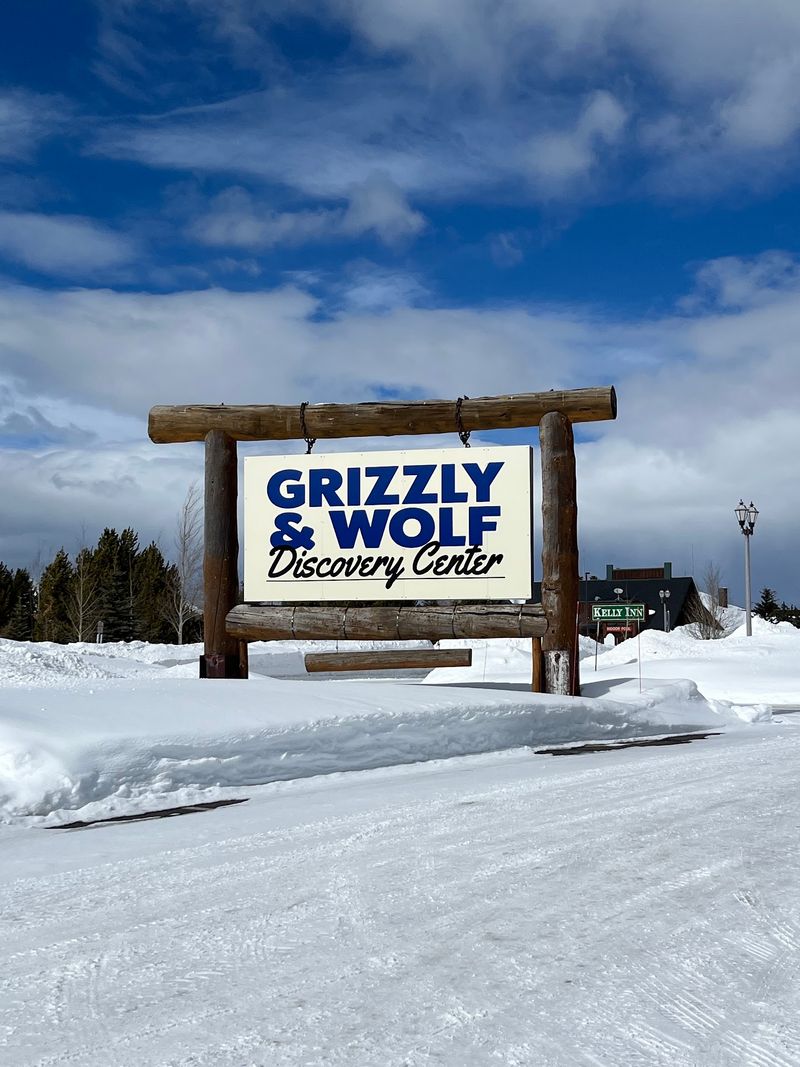
Grizzly bears and gray wolves live just a short walk from the park entrance, and that surprises plenty of travelers. The spot is called the Grizzly & Wolf Discovery Center, and you will find it at 201 S Canyon St in West Yellowstone, Montana, in the United States.
It works as a nonprofit wildlife park and education center. The animals here are rescues that could not stay in the wild, so each one has a story worth hearing.
West Yellowstone sits right beside the park’s west gate. That makes the center easy to fit into a trip, whether you visit before heading into Yellowstone or after a long day of geyser watching.
The town layout helps too. The center sits near many local hotels, so you may be able to walk over from your room.
I like that it fills a real gap. Yellowstone is wild, and nobody can promise you will spot a bear from the road.
Here, the odds are much better. The bears, of course, are the main reason most people come, and they have plenty of personality to share.
Meet the Grizzlies by Name
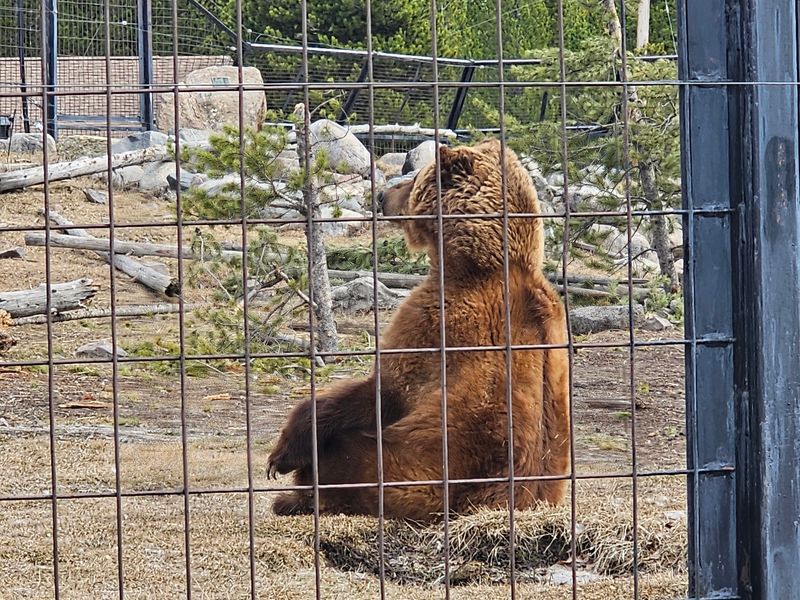
Bo, Spirit, Coram, and Nakina are names you will likely hear while standing at the bear habitat. Staff get to know these grizzlies well, and they share each bear’s background with visitors.
The outdoor habitat includes rocks, logs, and water. Bears may swim, dig, wrestle, or wander around looking for food that keepers have hidden.
That food search is worth watching closely. In the wild, grizzlies spend a lot of time sniffing out meals, and this setup lets you see that natural behavior from a safe spot.
One thing to know before you go: bears often take turns in the main habitat. You may see one or two at a time instead of the whole group.
If you have a favorite in mind, ask at the front desk when you buy your pass. The staff hand out a schedule showing when new animals come out.
Patience pays off here. Waiting for the next rotation means you might catch a different bear doing something completely new.
And sometimes the hidden snacks were placed by much smaller hands, which leads to a favorite program for kids.
Kids Get to Hide the Bear Snacks
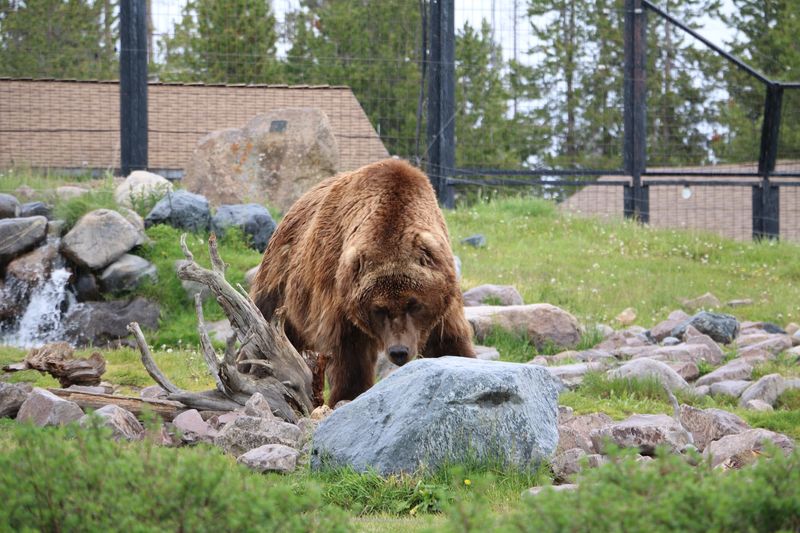
Few kids ever get to say they stepped inside a grizzly bear’s home. Through the Keeper Kids program, young visitors can do just that, with no bears present, of course.
Here is how it works. Kids head into the empty bear habitat with staff and tuck food into hidden places around the space.
After everyone leaves, the bears come in. Children then get to watch from safety as the grizzlies dig, sniff, and find the treats they just hid.
It is a hands-on way to learn how bears use their powerful sense of smell. It also shows why keepers work so hard to keep the animals busy and curious.
At the end, kids get to choose a pin of their favorite animal. That little prize tends to become a proud souvenir.
Spots and timing can vary, so I would ask about the program as soon as you arrive. Planning around it early helps avoid disappointment.
Once the bears finish their snack hunt, it is a great time to check on the other famous residents, the wolves.
Wolves Watching You Through the Glass
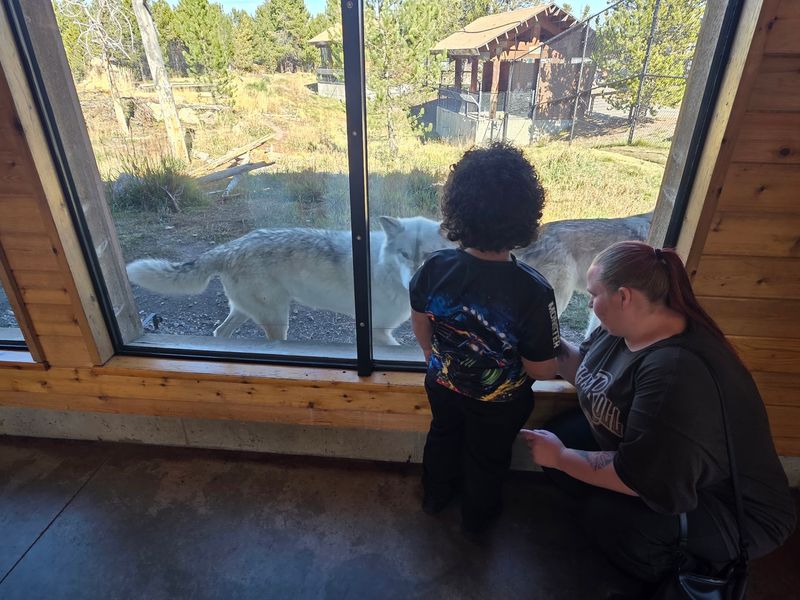
A wolf staring straight at you is something people remember for a long time. At the center, a viewing room with big windows looks right into the wolf habitat.
That room lets you sit or stand comfortably while the pack moves around outside. It is a nice break from the sun or a chilly mountain breeze too.
Gray wolves are clever and social animals. Watching how they move together, rest, and react to each other helps explain how a pack works.
Wolves can be shy, though. On some visits they may be resting out of sight, so a second look later in the day is a smart move.
Good news on that front. Your admission pass is good for two days in a row, which gives you another chance if the wolves are napping.
Photographers will want to stay a while. Patient folks often get great shots when a wolf walks close to the glass.
Keepers also run talks about the pack, and one of them includes a fun test of wolf behavior that is worth catching.
The Pack Chat and a Famous Wolf Story
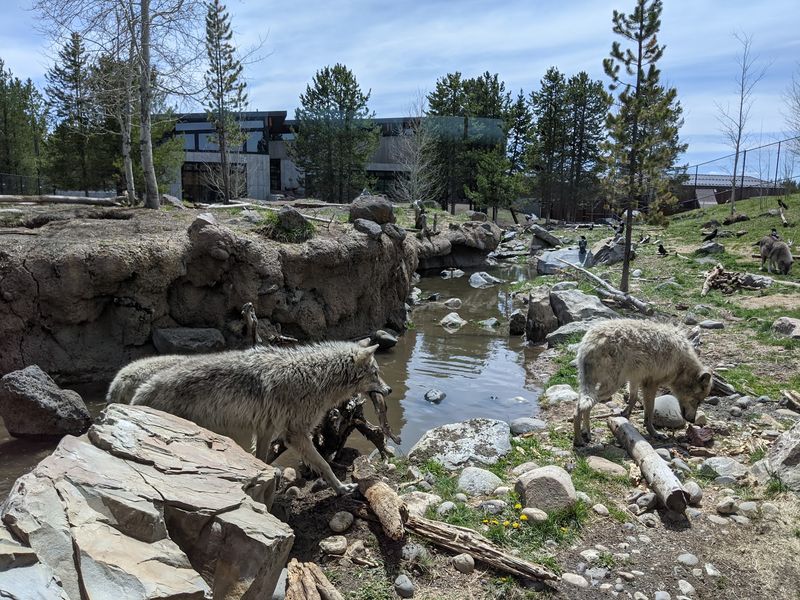
Food or territory? Wolves sometimes have to make that choice, and the keeper talk at the wolf habitat lets you see how they handle it.
During these pack chats, staff explain wolf behavior in plain, friendly language. You learn how the animals interact, who seems in charge, and why they act the way they do.
The talks feel more like a conversation than a lecture. Naturalists are happy to answer questions, so bring your curious kid or your own curious self.
The center also shares the story of a wolf known as number 13. Learning about real Yellowstone wolves adds meaning to the animals you see in front of you.
I find that link to the wild park especially interesting. It connects the center to the bigger story of wolves returning to the Yellowstone area.
Talks happen at set times through the day. Check the schedule you get with your ticket so you do not miss one.
When the wolf chat wraps up, head indoors, where a few playful swimmers are usually putting on a show.
River Otters Steal Plenty of Attention
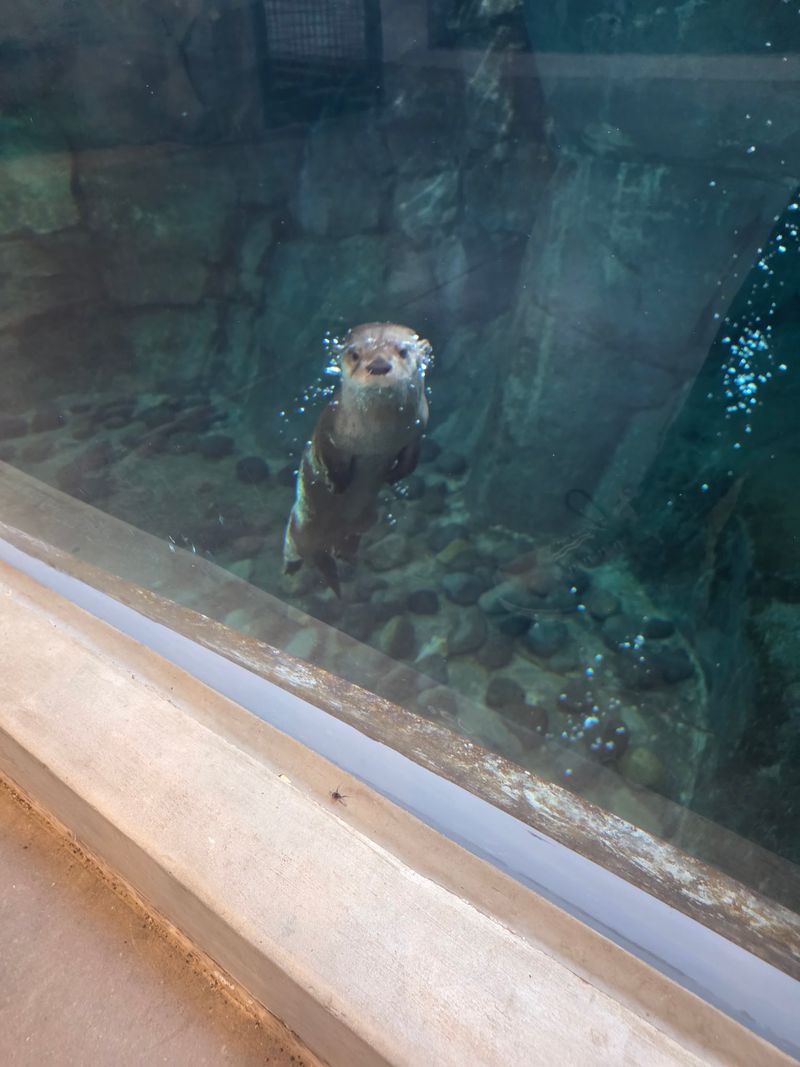
Twirling, diving, and zooming past the glass, the river otters seem to have endless energy. Many families say this exhibit becomes a group favorite.
The otters live in an indoor riparian area, which means a habitat based on riverbanks and streams. Their swimming space lets you watch them both above and below the water.
Get your camera ready. The otters often swim in loops right in front of viewers, which makes for fun videos.
The same indoor area holds fish, amphibians, and even a small garter snake. It gives a fuller picture of the life you would find along a Yellowstone stream.
I like that this space is a little calmer than the outdoor habitats. It is a good place to slow down, especially with younger kids.
Otters are also a nice reminder that big predators are not the whole story. Smaller animals play an important part in the ecosystem too.
After the water show, look up and around for the feathered residents that live just outside, including eagles and owls.
Bald Eagles, Owls, and a Vulture Named Lewis
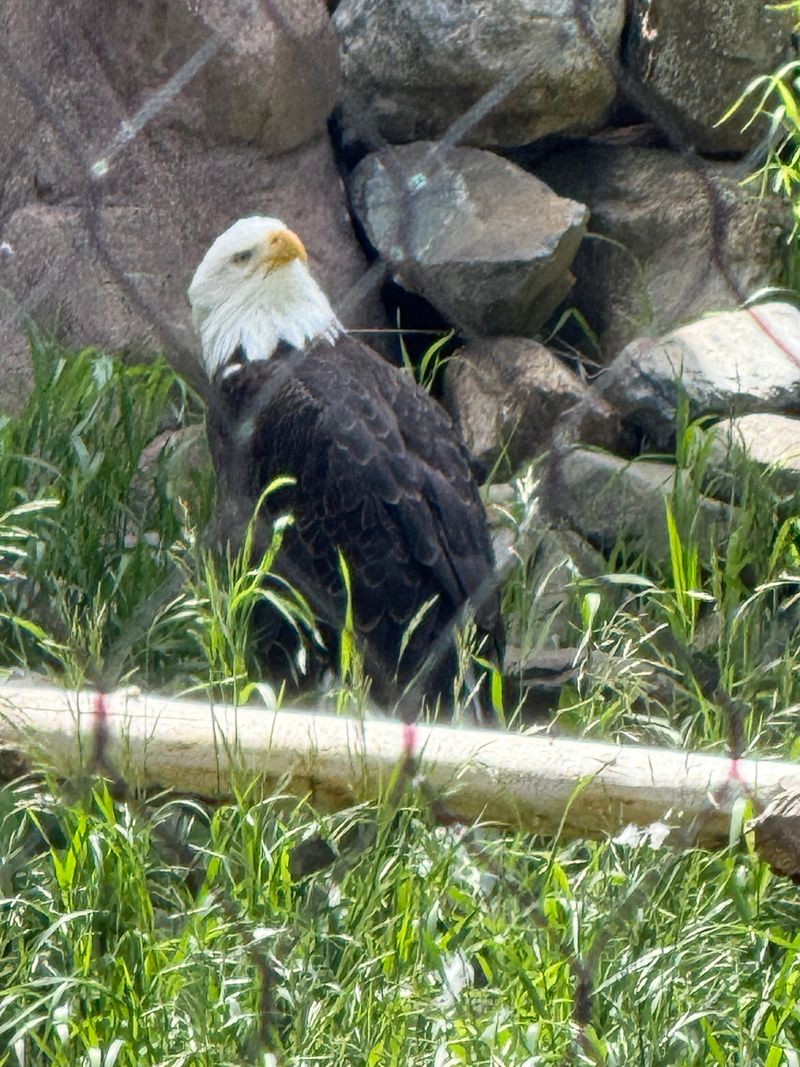
Lewis the turkey vulture might not win a beauty contest, but he has fans anyway. He shares the spotlight with bald eagles, owls, a hawk, and ravens in the center’s bird area.
These birds of prey, also called raptors, are hunters with sharp eyes and strong talons. Seeing them up close shows details you would miss from far away.
Like the bears and wolves, many birds here came to the center because they could not survive on their own in the wild. Staff share their individual stories.
Bald eagles usually catch the most attention. Their size and bright white heads are easy to admire from just a few feet away.
Owls are fun to study too. Their faces and feathers are built for quiet hunting, and kids love spotting how still they sit.
Do not skip the ravens. They are known as smart birds, and watching them can be surprisingly entertaining.
Nearby, keep an eye low to the ground. Some of the smallest residents at the center are also some of the cutest.
Bear Safety Lessons That Stick
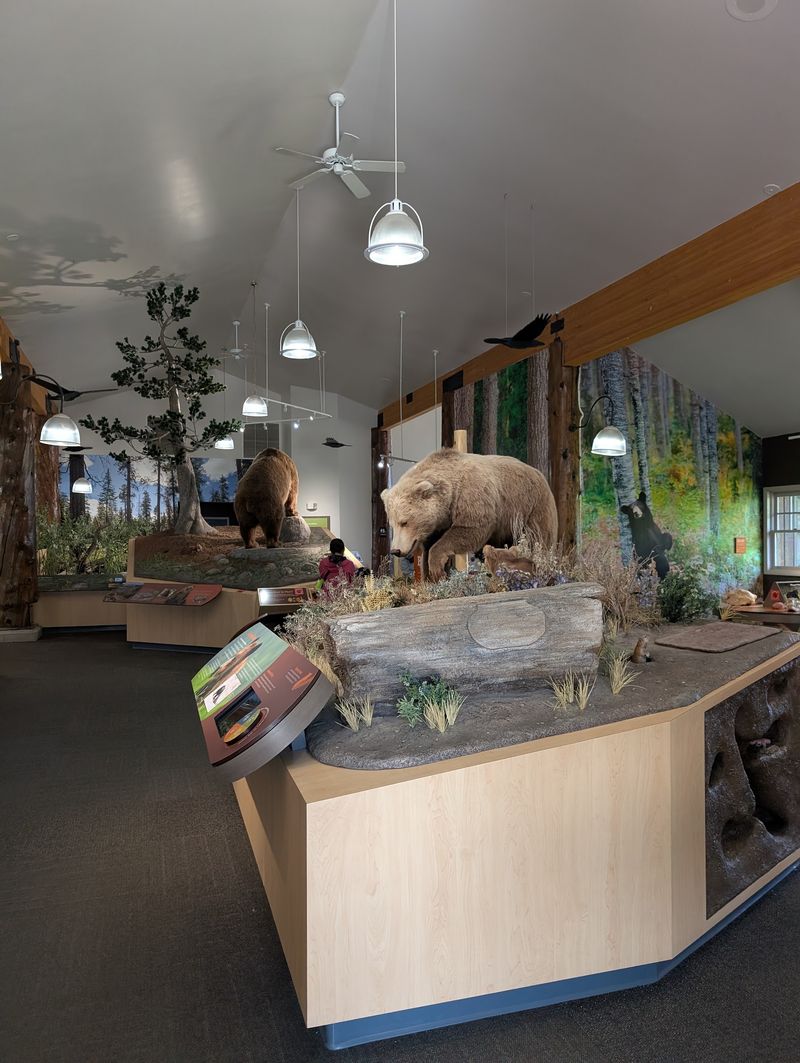
One young visitor’s biggest takeaway from an entire Yellowstone trip was learning how bears get moved from place to place. Exhibits like that are a big part of the center’s mission.
The indoor displays teach about grizzlies, wolves, and life in bear country. There are things to touch and explore, though not the wild animals, naturally.
Staff care a lot about helping people stay safe around bears. They also explain how visitors can avoid causing problems that put bears at risk.
That message matters here. Many resident bears came from situations where contact with people made wild life impossible for them.
Keepers may also remind guests about behaviors that can stress the animals. I appreciate that kind of honest guidance.
Little ground squirrels live at the center too. They make a cheerful stop while you wander through the learning areas.
If you plan to hike in Yellowstone, these lessons are useful before you hit the trail. Knowing what to do around wildlife can make your trip safer.
Of course, smart planning also helps your visit to the center itself go smoothly.
Timing Your Visit the Smart Way
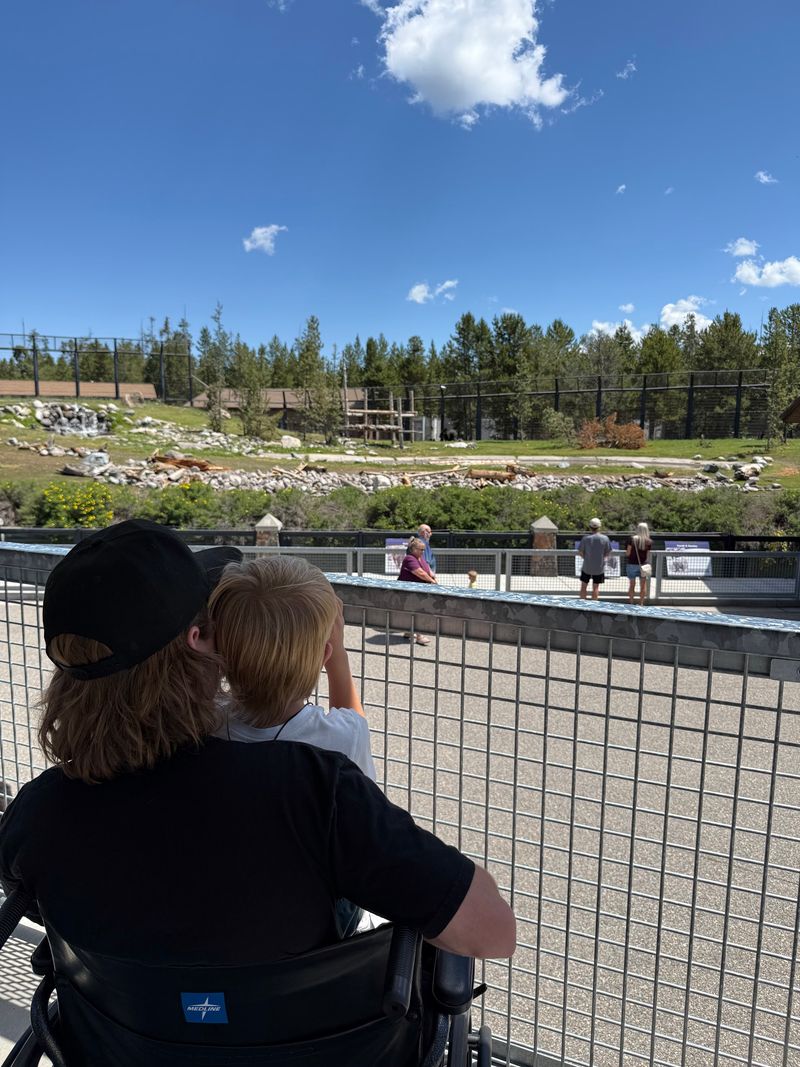
Two days of access with one pass is a perk many people miss. Your admission covers back-to-back days, so you can come at different times and see different activity.
Arriving right when the gates open in the morning is a popular plan. The center can get busier as the day goes on, especially in peak summer.
On the other hand, afternoons can bring lively animals too. Feedings and new animal rotations happen throughout the day.
Grab the daily schedule when you check in. It lists talks, feedings, and when keepers bring out new animals.
The center is fairly small and focused. Some guests see the highlights in about an hour, while others stay for several hours to catch more programs.
I would leave room in your plans. Rushing means you could miss a bear rotation or a keeper talk.
Hours can change by season, so check current details before you go. Parking near the center is generally easy, which helps.
Once you have a plan, it is worth knowing about the spots that keep kids busy between animal visits.
A Playground, a Gift Shop, and a Good Cause
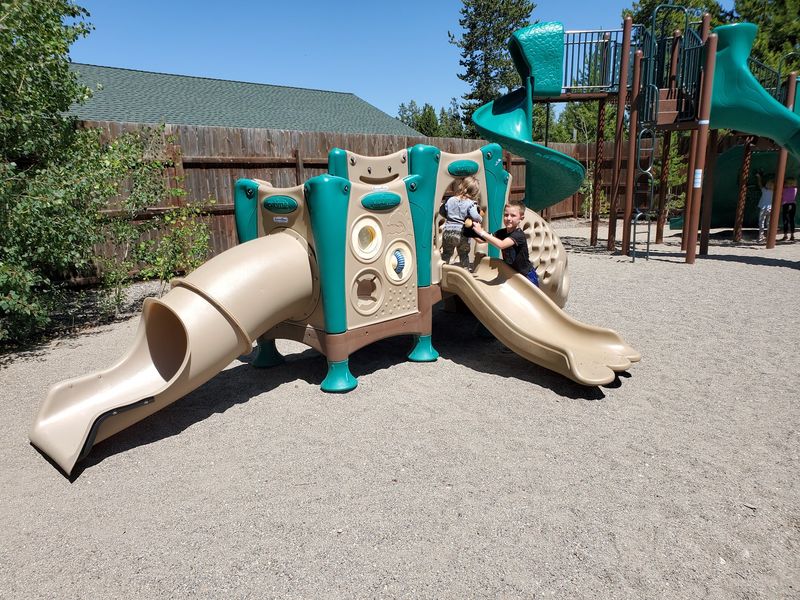
Little legs need a break sometimes, and the center has a playground for exactly that. It gives kids room to burn energy between bear and wolf stops.
The gift shop is another popular stop. You can pick up souvenirs, holiday gifts, or a stuffed wolf for the ride home.
Shopping here does more than fill a suitcase. As a nonprofit, the center uses support from visitors to care for its animals and share its education programs.
The center has also been working on growing its facilities, including plans for a bear den area. That kind of project shows the work keeps moving forward.
I like knowing that a ticket helps animals that cannot return to the wild. It turns a fun family stop into something a bit more meaningful.
The mix of indoor and outdoor spaces helps on unpredictable mountain days. You can duck inside when the weather shifts.
Before heading back toward Yellowstone, one last look at the grizzlies feels like the right goodbye.
Share this story