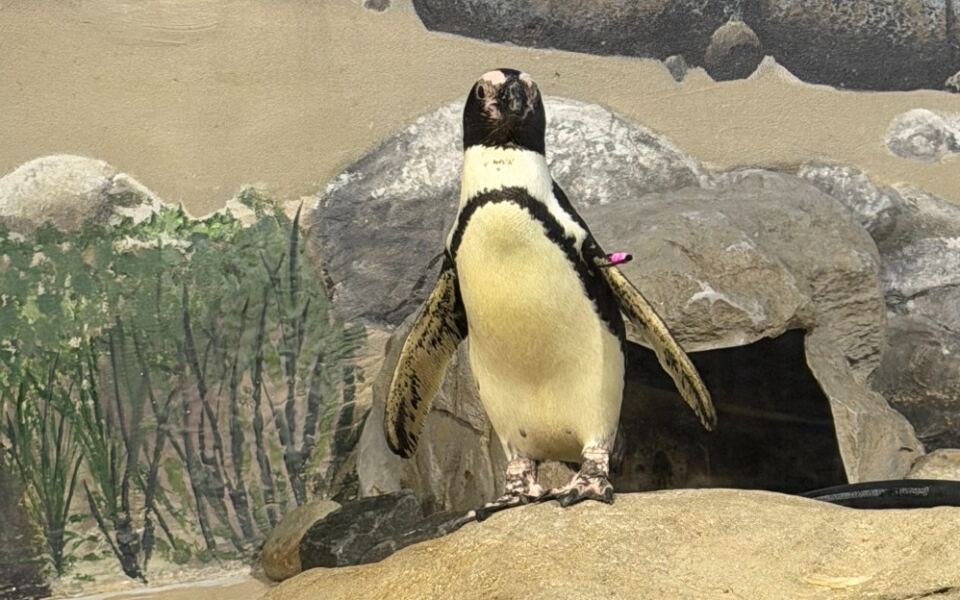
A penguin named Saba once had people rooting for her through a molting phase. That tells you a lot about this place.
The animals here have names, stories, and fans.
Some of the residents came through rescue. Staff members share why many animals can’t return to the wild.
Suddenly a fish tank becomes a second-chance story.
I like how this New Jersey stop packs penguins, harbor seals, sharks, and even a sloth into two cozy floors. It sits right by the ocean, so the salty air follows you to the door.
Penguins wear colored bracelets, and there’s a reason for that too.
I can’t imagine a better rainy-day rescue for restless kids. Or for grown-ups who secretly want to wave at a penguin.
Who’s going first?
A Boardwalk Aquarium With Its Feet Almost in the Sand
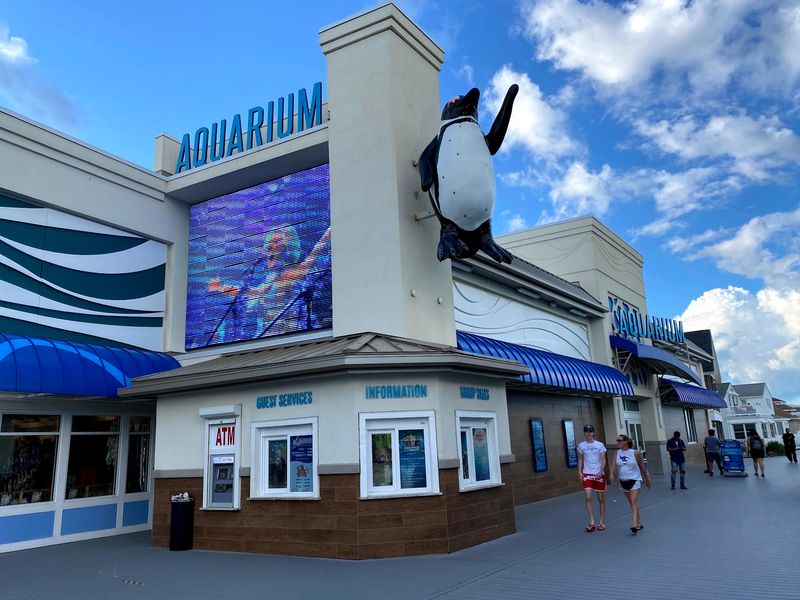
Few aquariums let you hear waves on the walk in. Jenkinson’s Aquarium sits right on the Point Pleasant Beach boardwalk, so the Atlantic is basically the opening act.
It’s a compact, two-floor facility filled with penguins, sharks, seals, fish, and coral reef exhibits. The size matters in a good way.
Families can see everything without a marathon of walking.
Many visitors spend around an hour exploring at a relaxed pace. That’s long enough to meet the stars and short enough to keep small legs happy.
Others linger much longer, especially when feedings and shows stack up through the day.
Location makes the whole plan easier. You can pair the aquarium with a beach walk, a boardwalk stroll, or simply some fresh air afterward.
The setting feels classic Jersey Shore, but the experience inside feels surprisingly thoughtful.
Kids tend to treat it like a treasure hunt. Adults often discover they enjoy it just as much.
That’s the sneaky charm of a smaller aquarium done well.
Consider it a proper introduction to New Jersey sea life. Just don’t be surprised when one quick stop turns into a favorite family tradition you return to every summer.
Penguins Stealing Every Scene
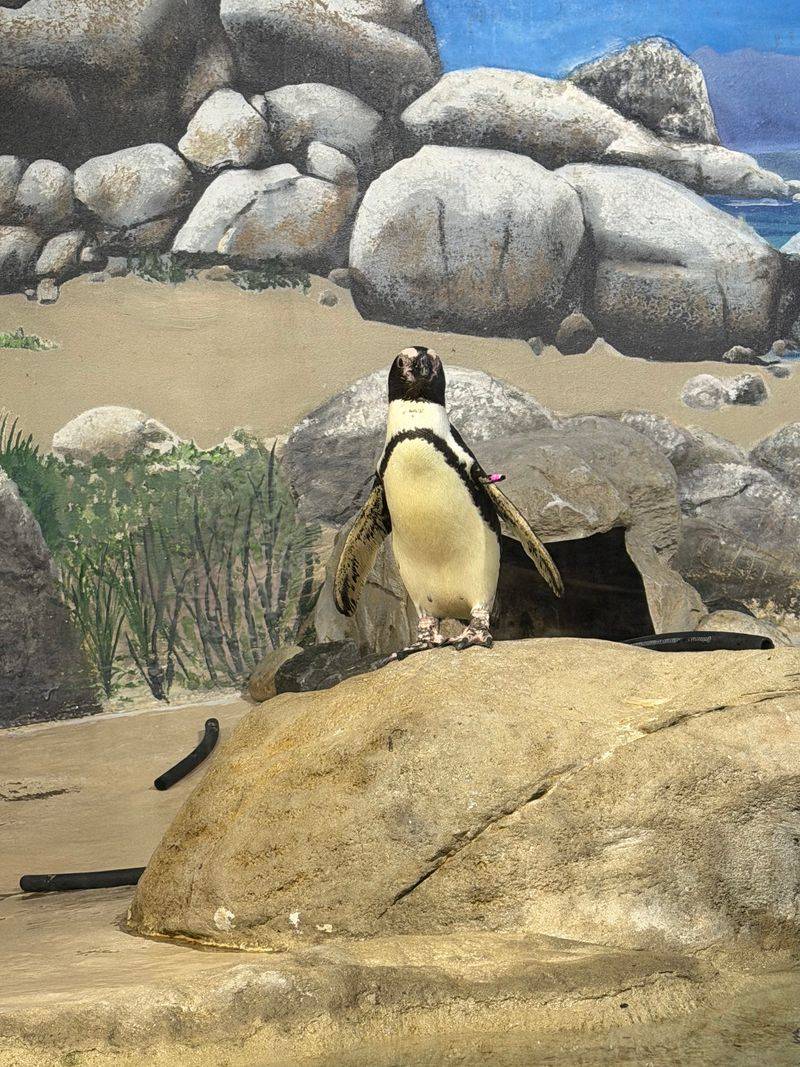
Penguins are the headliners here, and they seem to know it. Talk about the aquarium rarely goes long before someone mentions these tuxedoed celebrities.
Children often call them the highlight of the visit. Grown-ups don’t argue much either.
Watching penguins waddle, swim, and squabble is pure entertainment with zero screen time required.
Staff members love explaining the little details. One favorite is the colored bracelets on each bird.
Those bands help distinguish males from females, which is handy when everyone wears the same formal outfit.
The birds also have personalities and names. Saba, for example, drew sympathy from guests during a tough molting phase.
Molting is when penguins replace old feathers, and it can make a bird look rather grumpy for a while.
Getting this close turns abstract facts into real moments. You notice how quickly they zip through water compared to their clumsy land shuffle.
You might catch a feeding, which is a popular part of the day.
Bring patience and maybe a camera. The penguins rarely pose on command, but they always deliver a show eventually.
Few New Jersey attractions offer this kind of close, friendly encounter with such charming birds.
Feeding Times Worth Planning Around
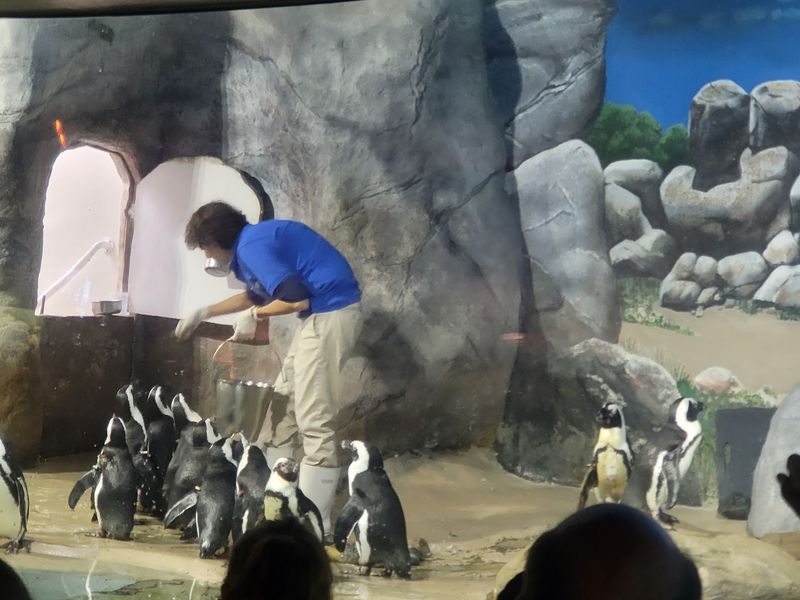
Timing changes everything at this aquarium. Feeding times are posted, and they turn a casual walk-through into a real event.
Penguin feedings rank among the most-loved moments. Seals get their turn too, and those sessions come with plenty of explanation from staff.
Shark feedings add a little thrill, since watching big fish eat is oddly fascinating.
Here’s a smart move. Check the posted schedule as soon as you arrive.
Then build your route around the animals your crew cares about most.
Feedings also double as mini lessons. Staff share how the animals live, what they eat, and why they’re here.
Kids absorb a surprising amount when a penguin is gulping fish in front of them.
Plenty of shows and feedings happen daily, so you’re rarely waiting long for the next one. Some families end up spending a good portion of the day because of them.
That’s not a bad problem to have.
Arrive early enough to grab a decent view. The glass can get busy once a crowd gathers.
A front-row spot makes a fish-snack moment feel like a front-row seat at a concert.
Harbor Seals and Their Floating Duck
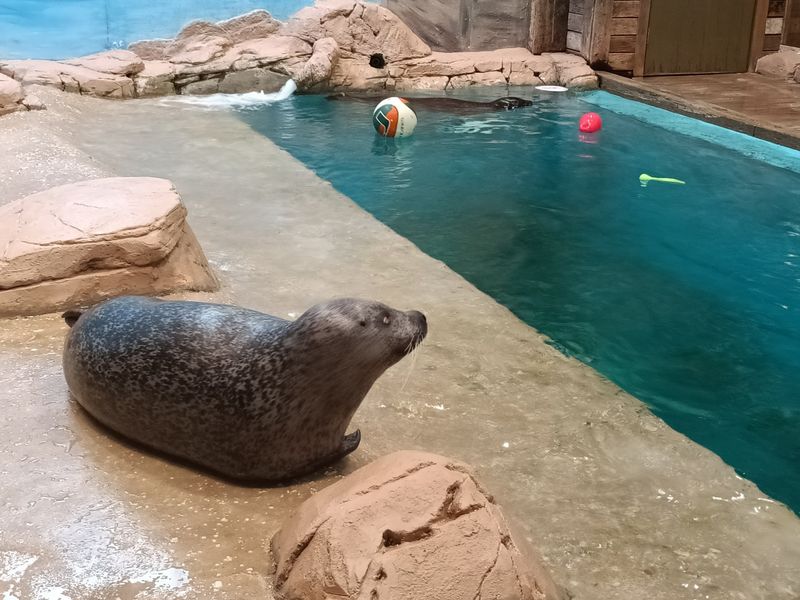
Whiskers, big eyes, and a sleek swim style make the harbor seals instant crowd-pleasers. They’re among the most talked-about animals in the building.
Seal feedings are a highlight for many families. Staff explain behaviors and details during the session, so it feels informative rather than just cute.
Though honestly, it’s very cute.
One fun detail has popped up in visitor chatter. A floating rubber duck has appeared in the seal habitat.
It’s a small touch, but it adds a smile to the scene.
The seal area is on the smaller side compared to some exhibits. Expect a cozy viewing space rather than a sprawling marine stadium.
That closeness can actually help kids see faces and flippers in detail.
Seals are curious creatures by nature. Watching them glide past the glass makes you wonder who’s observing whom.
Their quick turns and lazy floats show a fun range of moods.
Pair a seal feeding with a penguin feeding for a perfect double feature. Together, they show how different marine animals tackle life in the water.
Not bad for one afternoon on the New Jersey coast.
Sharks Bigger Than You’d Expect
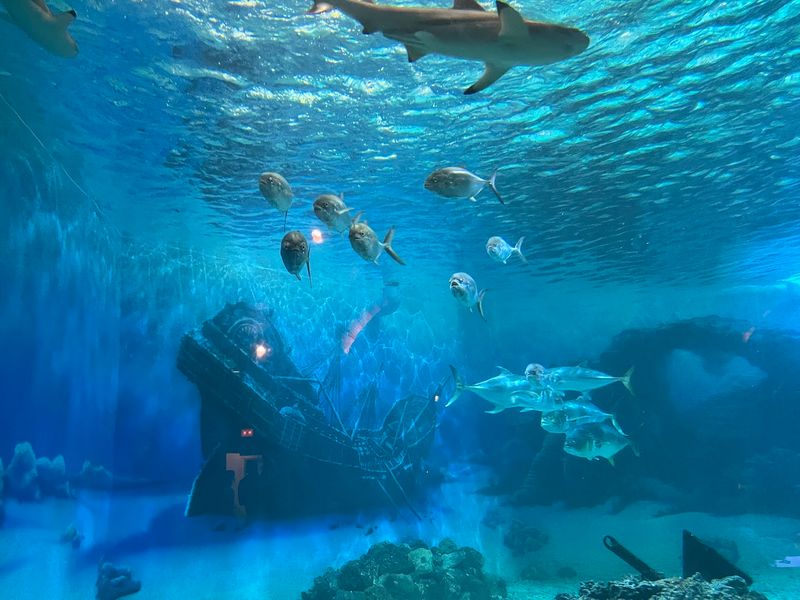
Small aquarium, big sharks. That combination catches many first-timers off guard.
Guests often mention how impressive the shark sizes are. Some describe the shark display as the closest they’ve ever been to one.
For anyone raised on shark documentaries, that’s a pretty big deal.
The shark tank is a gathering spot. Kids press close to the glass while sleek shapes cruise past.
Parents tend to take a half step back, just out of habit.
Feeding time adds extra excitement. Watching sharks eat shows their power without any scary drama.
It’s a great chance to talk about why these fish matter to ocean health.
Stingrays also appear among the animals here. Their graceful, wing-like swimming makes a nice contrast to the sharks.
One looks like a submarine, the other like a kite.
Big fish of other kinds round out the scene. Some are surprisingly large for a compact space.
Together, they give the first floor plenty of wow factor.
Bring curious questions. Staff around the exhibits are happy to explain details.
Few things spark a young marine biologist faster than a shark sliding inches away.
Second Chances Behind the Glass
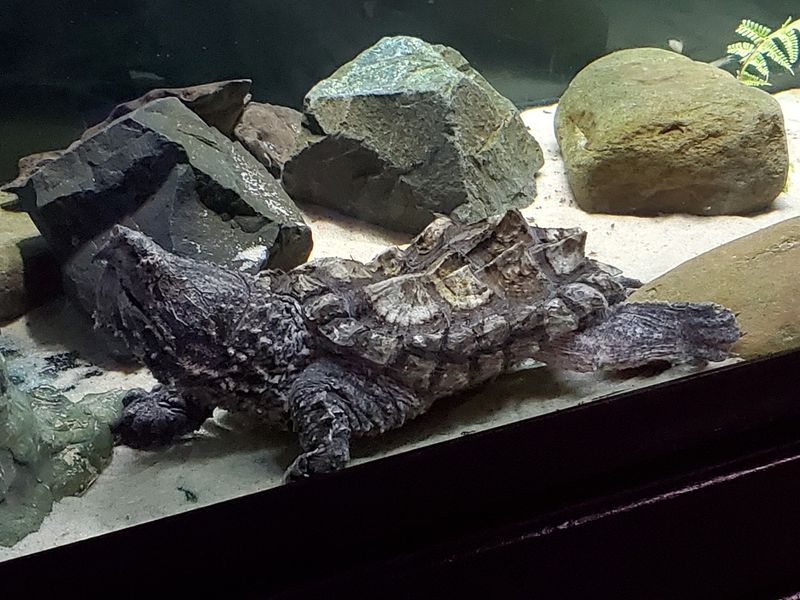
Several residents arrived through rescue, and that changes how you see them. Some animals can’t return to the wild because of injuries or other circumstances.
Staff members share these stories throughout the aquarium. They explain where animals came from and why this is now home.
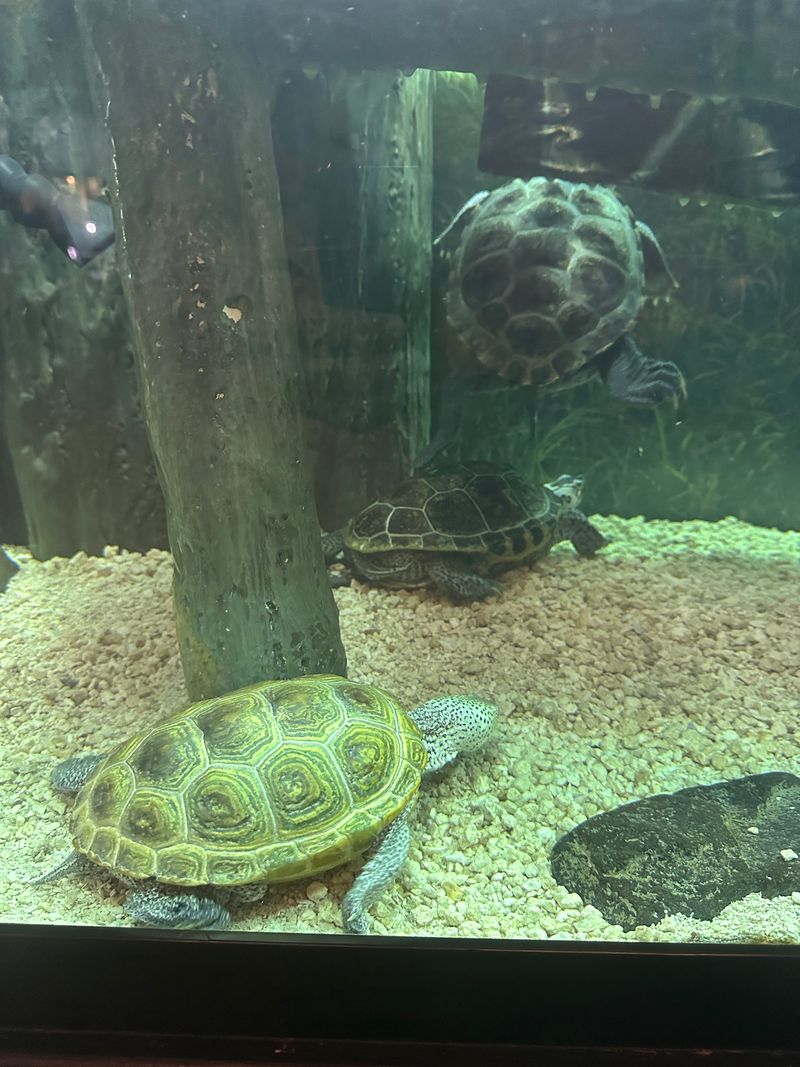
Suddenly a turtle isn’t just a turtle. It’s a survivor with a backstory.
That context makes the visit feel meaningful. Children learn that aquariums can offer care, not just display.
Adults often leave with a new respect for rehabilitation work.
Enrichment also shows up in many habitats. These are activities and environments that encourage natural behaviors.
Think puzzles, textures, and setups that keep animals curious and active.
Not every exhibit is equally spacious. Still, the commitment to care and education comes through in conversations with staff.
Their knowledge and passion are hard to miss.
If your kids love asking why, this is their place. Encourage them to talk with the team.
A single question can lead to a whole story about recovery and patience.
It’s the kind of visible good that makes a New Jersey day trip feel richer than a simple outing.
Monkeys, Marmosets, and a Sloth Upstairs
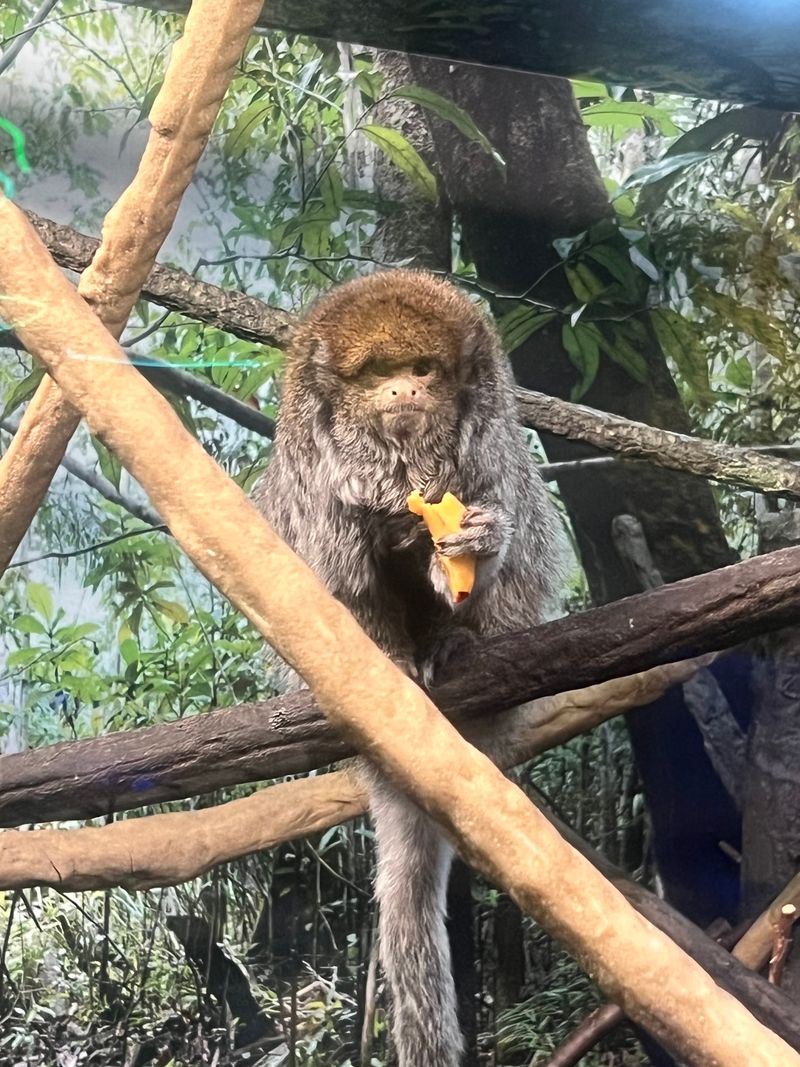
Surprise guests live on the second floor. Yes, an aquarium with monkeys and a sloth.
Pygmy marmosets are a favorite discovery. These tiny primates are among the smallest monkeys in the world.
They move quickly, so keep your eyes sharp.
A sloth also calls the aquarium home. Spotting one is a bit like a slow-motion scavenger hunt.
Sloths save energy by moving very little, which makes any movement feel like breaking news.
Frogs and turtles add even more variety. The mix keeps the visit from feeling like one long row of fish tanks.
Kids get a new surprise around nearly every corner.
The second floor has also been updated recently. Fresh exhibits give returning families something new to explore.
That’s welcome news for anyone who visited years ago.
Why mix rainforest creatures with sea life? It shows how water connects ecosystems everywhere.
Rivers, forests, and oceans all depend on each other.
Give yourself time upstairs. Little animals hide well, and patience pays off.
A marmoset blinking back at you is a pretty great reward.
Hands-On Fun at the Touch Tank
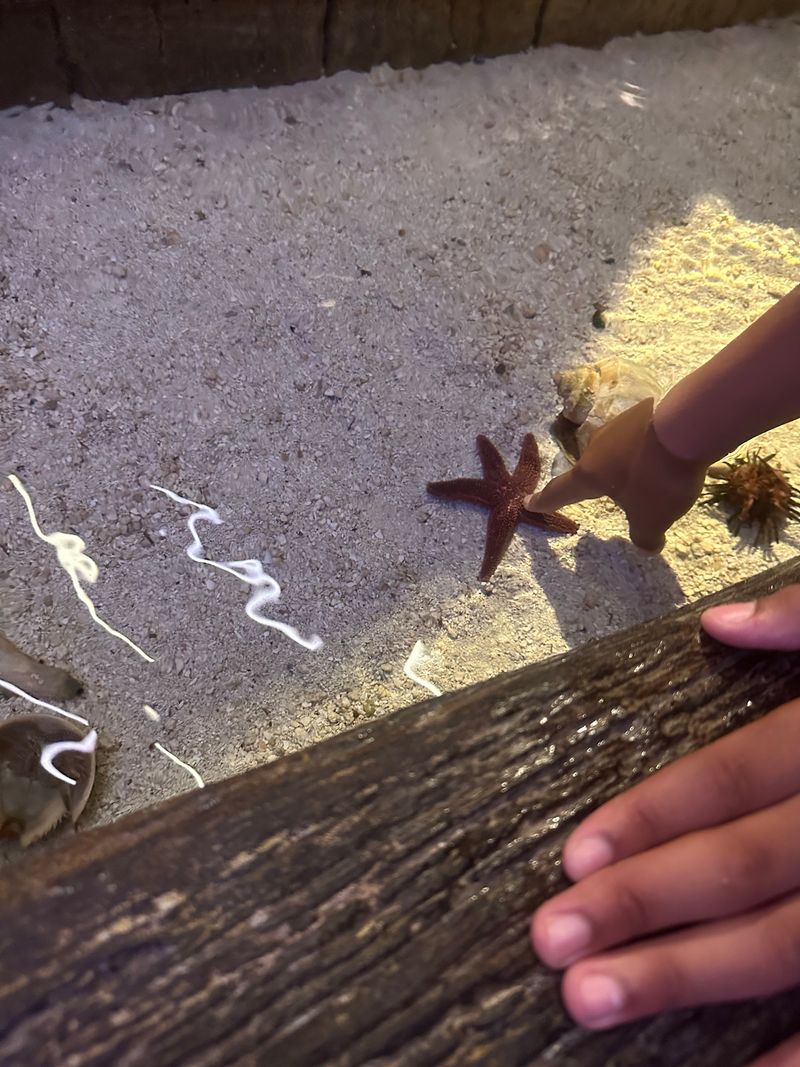
Curious fingers finally get permission. The touch tank on the upper level lets visitors gently meet marine life.
It’s one of the interactive areas that make the visit more engaging. Young kids especially love going beyond looking.
Feeling a sea creature’s texture makes ocean lessons stick.
Staff help guide the experience. They show the right way to touch and explain what each creature is.
Gentle hands and calm voices go a long way here.
Little ones may hesitate at first. That’s totally normal.
Watching a sibling or parent go first often builds the courage needed.
Teachers seem to appreciate the hands-on element too. The aquarium is a familiar field trip spot for classes.
Students get real experiences that textbooks just can’t match.
Try making the touch tank a mid-visit break. It resets attention spans after lots of walking and looking.
Then everyone heads back to the exhibits with fresh enthusiasm.
Bring hand sanitizer or plan to wash up afterward. Your future snack-eating self will thank you.
A quick cleanup keeps the fun going all the way to the next exhibit.
Coral Reefs and Colorful Fish
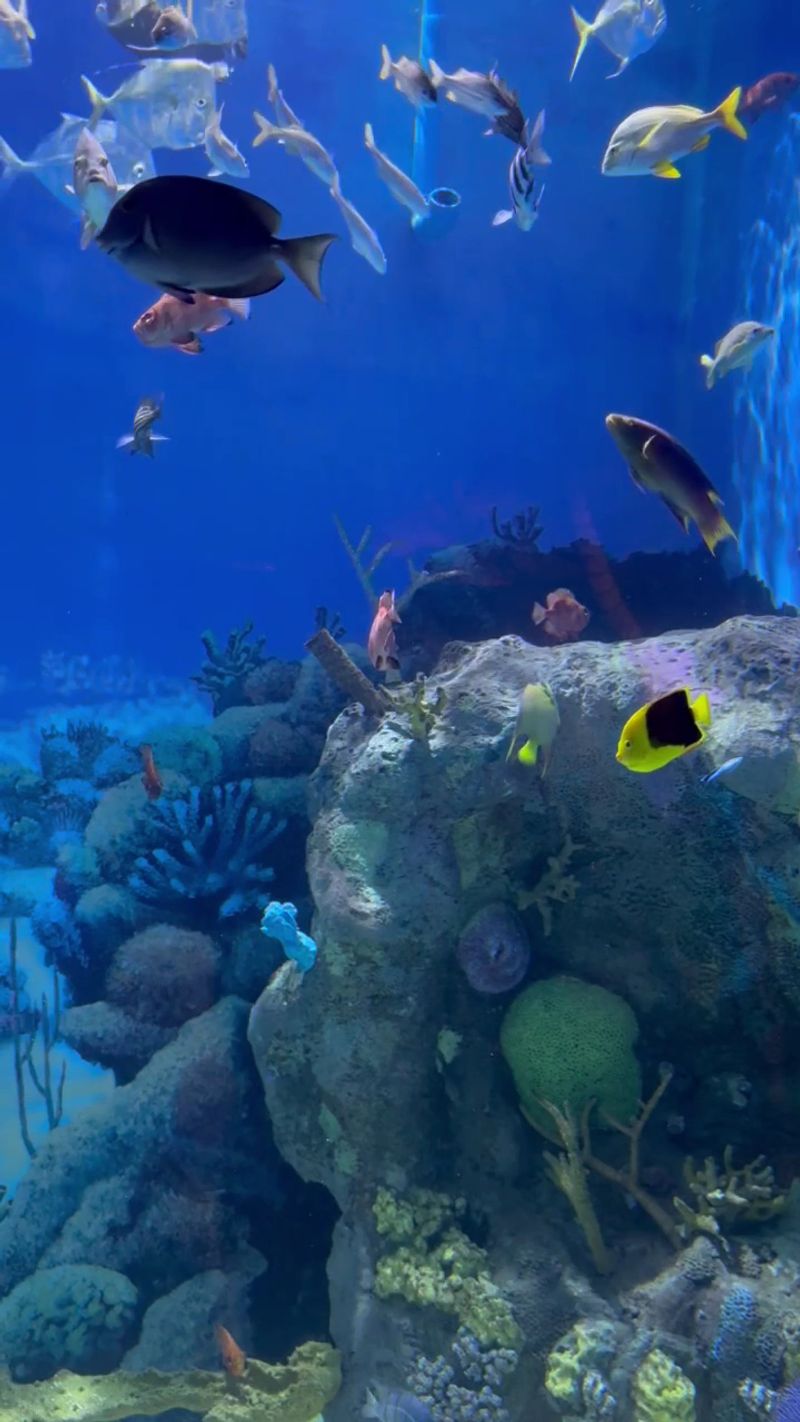
Color pops out of the darkness in the fish galleries. Coral reef exhibits and tropical fish bring a bright, calming energy to the visit.
Lighting inside is fairly dim. That helps the tanks glow, but it also means you should watch your step.
Hold little hands, especially near corners.
Reef tanks are great for slowing down. Kids can play spot-the-fish games, counting stripes or searching for hidden creatures.
Adults may find it surprisingly relaxing.
The variety of fish adds depth to the experience. Some are small and speedy, while others are impressively large.
Each tank feels like a tiny window into a different underwater neighborhood.
Exhibits are known for being clean and well maintained. That makes viewing much more pleasant.
Clear glass beats a foggy tank any day.
Here’s a gentle challenge for families. Pick a favorite fish in each tank and explain why.
It sparks conversation and keeps young minds engaged.
Coral reefs are vital ocean habitats. Seeing them up close helps explain why protecting them matters.
It’s an easy way to plant a conservation seed during a fun day.
Cozy Size That Suits Little Explorers
Toddlers rarely last through giant aquariums. A manageable layout like this one is a gift to tired parents.
The aquarium is often praised as perfect for young children. A three-year-old can explore without getting overwhelmed.
Everyone sees the highlights before meltdowns begin.
Variety helps a lot. In a short time, kids meet penguins, sharks, seals, frogs, and monkeys.
That’s a lot of wow for one building.
It also works beautifully on rainy days. When the beach is off the table, this becomes a reliable indoor plan.
Bad weather can actually bring a crowd, so expect company.
Space can feel tight in spots. The first floor walkway isn’t especially wide, which matters with strollers and wheelchairs.
An elevator reaches the second floor, though it’s on the small and slow side.
Plan ahead if mobility is a concern. Visiting at quieter times helps.
Lighter strollers may also make navigation easier.
Grown-ups without kids enjoy it too. Couples have found it a pleasantly surprising outing.
Small doesn’t mean boring when the animals are this charming.
Friendly Staff Who Love to Share
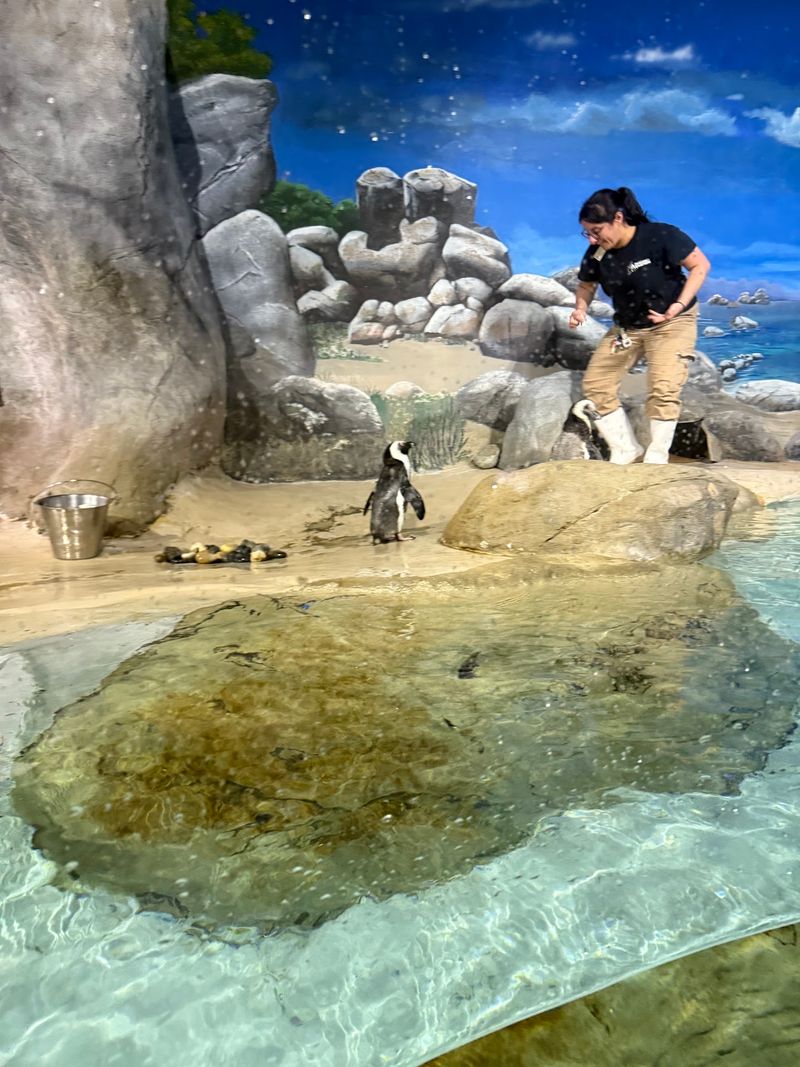
Knowledgeable people make a small aquarium feel big. The team here earns frequent praise for friendliness and expertise.
Employees are spread throughout the building. They share animal stories, answer questions, and explain fun details.
Penguin bracelets, seal behaviors, and rescue backgrounds all come up.
That presence turns a casual walk into a guided learning experience. You don’t need to book a tour.
Just approach an exhibit and listen in.
Kids benefit the most. A friendly adult explaining why a sloth moves slowly is far more memorable than a sign.
Questions get real answers, not just shrugs.
Having team members nearby is often called an added bonus. It also helps visitors feel welcome.
A good greeting sets the tone for the whole visit.
Want to make the most of it? Encourage your kids to ask one question at every exhibit.
They’ll leave with a pocketful of animal facts.
That warmth reflects well on New Jersey hospitality too. A place staffed by passionate people tends to feel like a community spot rather than a tourist stop.
Smart Timing for a Smoother Visit
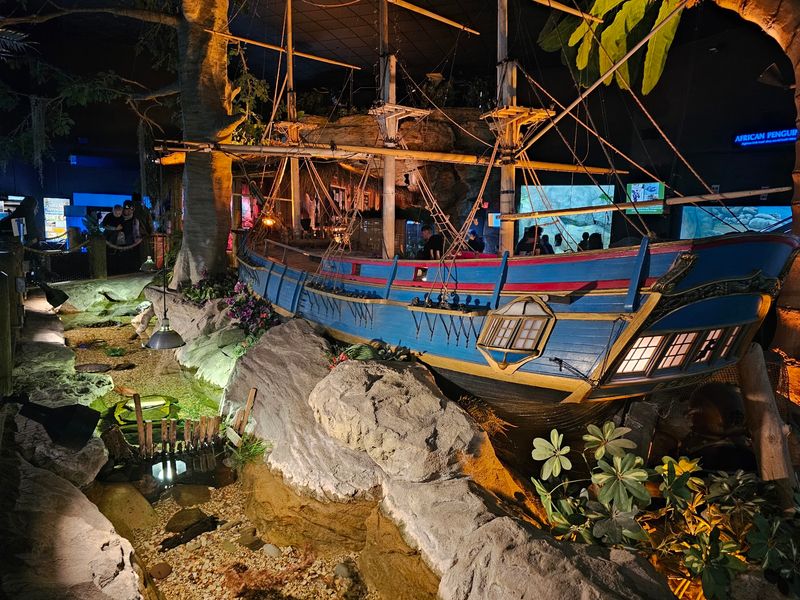
Early birds get the best glass views. Arriving right at opening is a popular strategy for avoiding busier moments.
The aquarium opens daily at 10 am and closes at 5 pm. Crowds can build quickly, sometimes within the first hour.
Stroller pushers especially benefit from a head start.
Weekends and rainy days can get crowded. That doesn’t ruin the fun, but it can slow movement.
A weekday morning is often a calmer bet.
Here’s a handy perk. Your admission lets you come and go all day.
Just get your hand stamped before leaving.
That flexibility is perfect for beach towns. Visit the penguins, grab a bite, walk the boardwalk, then return for an afternoon feeding.
It’s like having a home base.
Discounted evening visits have also been offered at times, including half-price Wednesday nights. Those deals may change, so check current details before planning around them.
A little research could save your crew some cash.
No reservation is typically required. Many guests simply walk right in.
That ease makes spontaneous trips totally doable.
Parking, Address, and Getting There

Parking is the puzzle piece to solve first. Jenkinson’s Aquarium sits at 300 Ocean Ave, Point Pleasant Beach, NJ 08742.
A nearby lot is close to the entrance, roughly a short stroll away. Valet parking has been available at times.
During busy periods, the lot can fill up fast.
Paid lots may require cash, so bring some just in case. Some visitors skip the lot and hunt for street parking instead.
Residential areas near Broadway Avenue are one option families mention.
Give yourself extra time in summer. Shore traffic and parking searches add minutes.
Arriving early helps on both fronts.
The boardwalk location makes everything walkable once you’re parked. Beach, aquarium, and snacks all sit within easy reach.
You can plan a full shore day around one parking spot.
Driving in from elsewhere in New Jersey is simple for many families. It’s a manageable day trip from much of the state.
Visitors from neighboring areas often fold it into summer vacations.
Comfortable shoes are a smart choice. Between the boardwalk and two aquarium floors, you’ll be on your feet.
Why the Penguins Earn a Return Trip
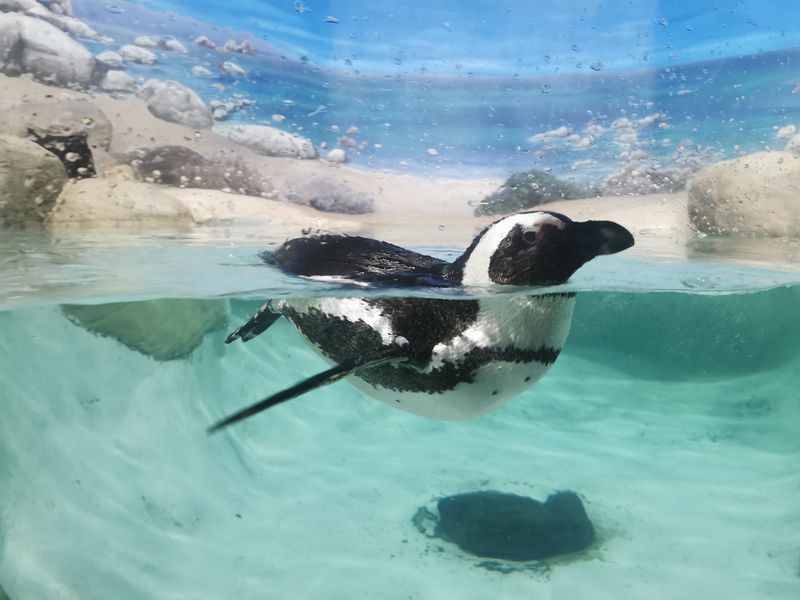
Small places sometimes leave the biggest impressions. Jenkinson’s Aquarium proves that with penguins, sharks, seals, and a surprise sloth.
It’s clean, approachable, and full of personality. Staff bring stories to life, and rescued animals add real heart.
Feedings and the touch tank keep young visitors busy and curious.
Is it the largest aquarium around? No, and it doesn’t try to be.
Its strength is closeness, both in size and in connection.
Families with little kids will find the scale just right. Couples and curious grown-ups can enjoy a relaxed outing too.
Rainy-day planners get a dependable backup.
A few tips sum it up. Arrive early, check feeding times, and bring cash for parking.
Get that hand stamp if you plan to wander.
Don’t skip the gift shop either. It’s a popular spot for souvenirs, maybe a plush penguin to take home.
For a New Jersey day full of wiggly flippers and wide eyes, this boardwalk aquarium delivers. Saba and friends will be waiting by the water.
Share this story