Some famous faces did far more than act, sing, or pose for cameras. A few filed patents, a few passed secret messages, and a few used their fame to push for change when it was not safe or popular to do so.
This list brings together 17 stars whose off-screen lives are every bit as interesting as their movies and music. You will meet an inventor, a performer who worked with French intelligence, ambassadors, peace protesters, and advocates for children, refugees, and equality.
A couple of the stories also come with a fact-check, because some Hollywood legends are bigger than the record supports. Whether you are a movie fan, a history buff, or just someone who loves a surprising backstory, there is plenty here to share with a friend or save for later.
Hedy Lamarr Helped Pioneer Technology Behind Modern Wireless Communication
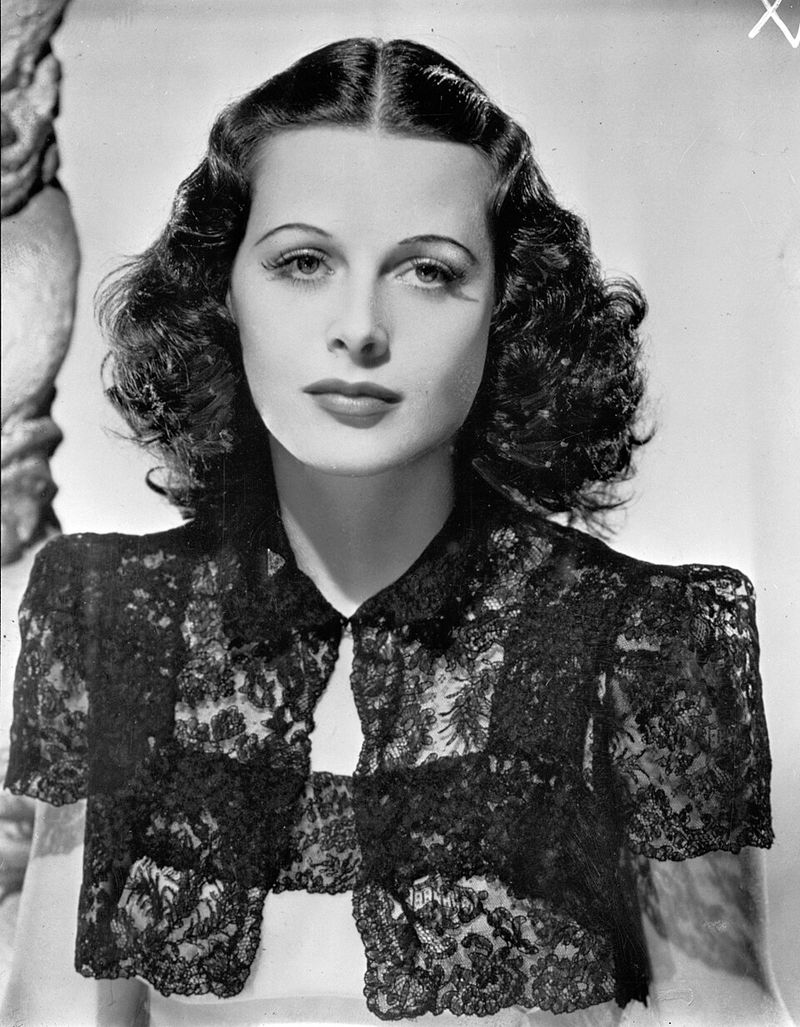
Hedy Lamarr was one of Hollywood’s most glamorous stars, yet acting was only one side of her remarkable life. She also had a sharp mind for engineering and a talent for solving problems.
During World War II, Lamarr teamed up with composer George Antheil on a frequency-hopping communication system. The goal was to keep radio-controlled torpedoes from being jammed.
The two received a U.S. patent for their idea in 1942.
The Navy did not adopt the system during the war, so it sat on the shelf for a while. Later, the basic concept became an important step in the growth of wireless communication.
Institutions such as the Smithsonian and the National Inventors Hall of Fame connect their work to technologies that eventually helped make systems like Bluetooth, GPS, and Wi-Fi possible. Not bad for a movie star who was often judged only by her looks.
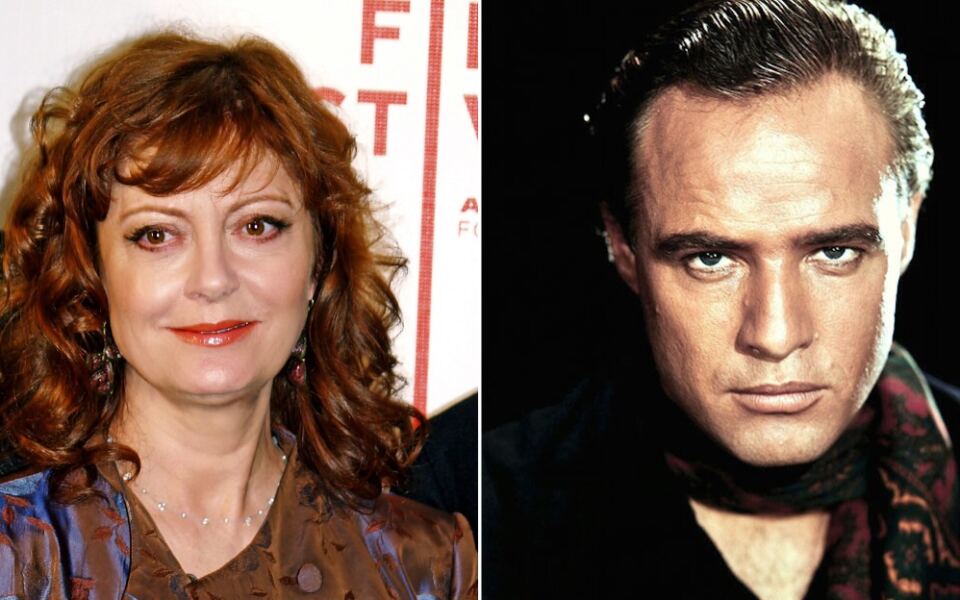
Marlon Brando Used Hollywood’s Biggest Stage to Protest Native American Treatment
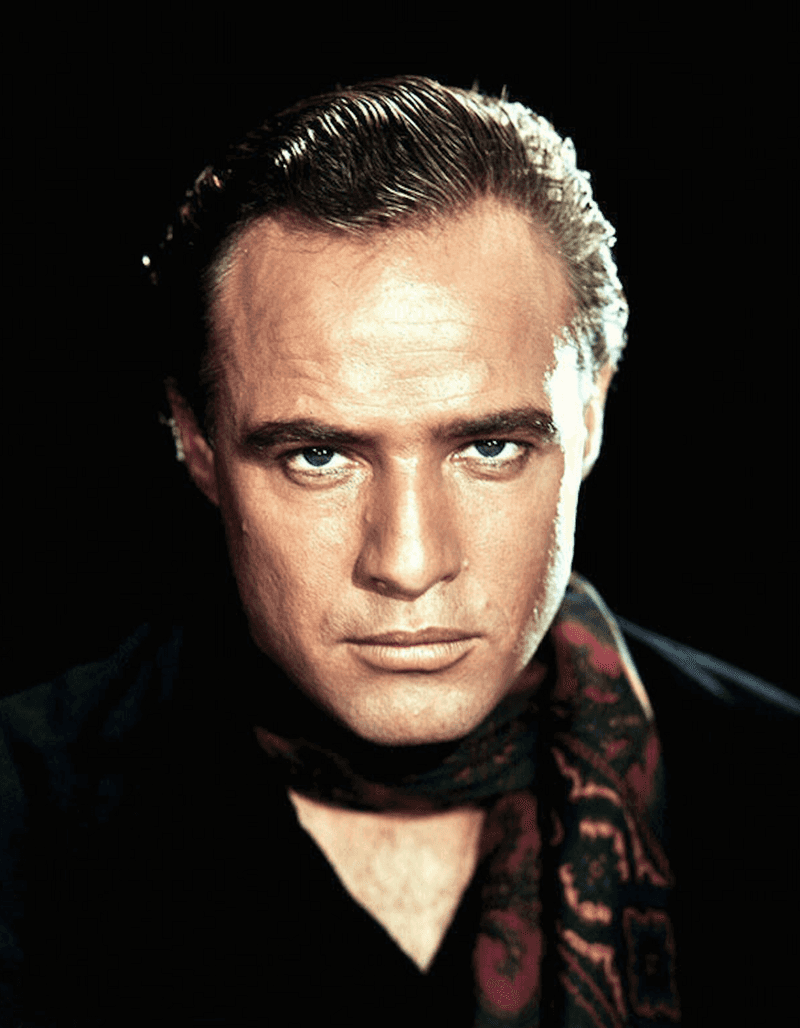
Imagine winning Best Actor and not showing up to take the trophy. At the 1973 Academy Awards, Marlon Brando won for The Godfather, and he did not appear to collect the Oscar.
Instead, Sacheen Littlefeather appeared on his behalf and declined the award. She explained that Brando was protesting Hollywood’s portrayal and treatment of Native Americans.
She also drew attention to events at Wounded Knee.
The moment was controversial, but it forced millions of viewers to think about an issue that was rarely addressed during major entertainment broadcasts.
Almost 50 years later, the Academy formally acknowledged the mistreatment Littlefeather experienced after the appearance. That later recognition shows how long it can take for history to catch up with a bold moment.
Greta Garbo’s Rumored Wartime Role Is More Complicated Than Hollywood Legend Suggests
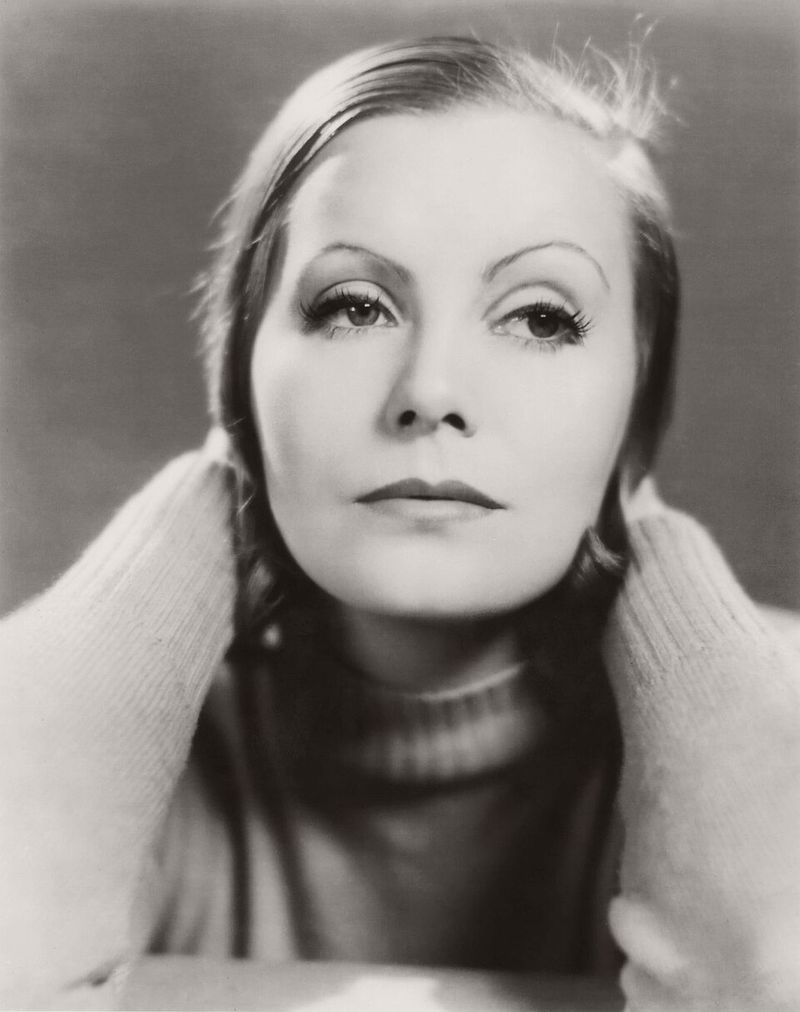
Some stories are so good that people keep repeating them without checking the details. The tale of Greta Garbo as a secret Allied agent is one of those, and historians treat it with caution.
Several biographies have linked her to British intelligence and wartime efforts to help threatened Europeans. One often repeated story says she helped arrange contact between physicist Niels Bohr and Sweden’s King Gustav V during the effort to protect Danish Jews.
Reliable accounts, however, admit that the espionage stories around Garbo remain murky and sometimes contradictory. The Independent, reviewing one biography, described accounts of her alleged MI6 assignments as opaque.
So her supposed life as a secret agent is fascinating, but it should not be presented as firmly established fact. Sometimes the honest answer is simply that nobody knows for sure.
Audrey Hepburn Turned Her Fame Into a Global Campaign for Children
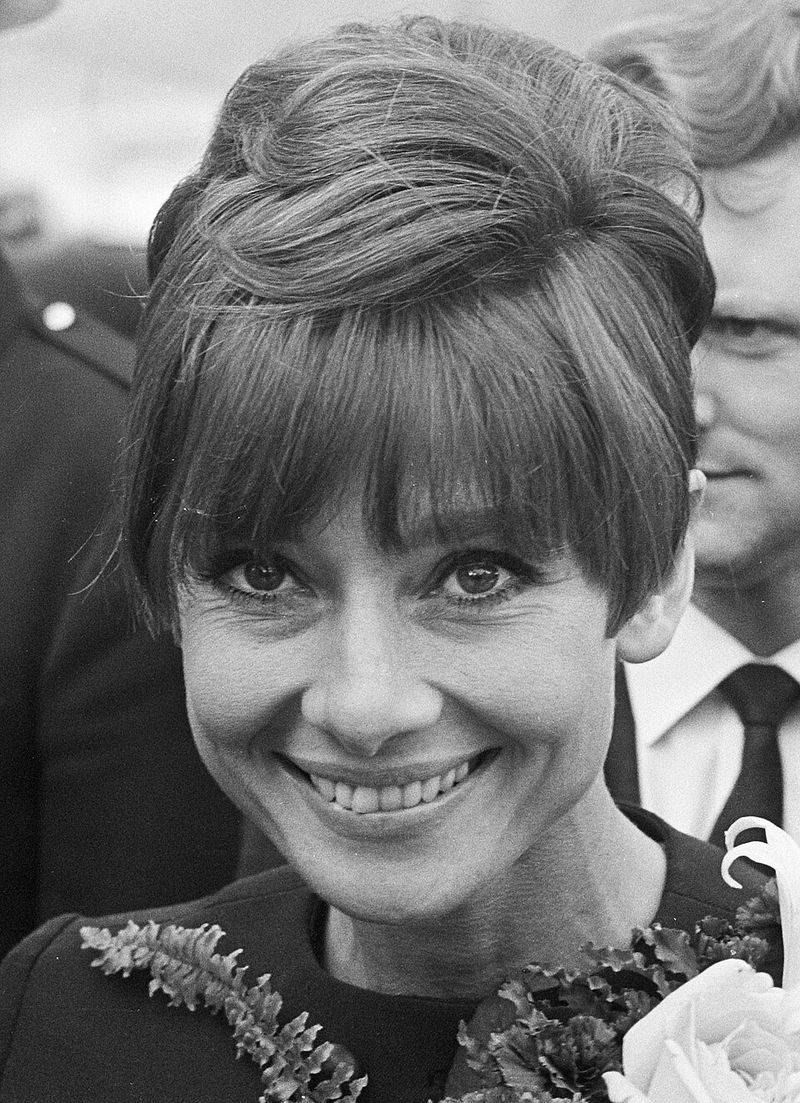
Audrey Hepburn’s humanitarian work was not a celebrity side project. It became one of the defining missions of the final years of her life.
UNICEF appointed Hepburn a Goodwill Ambassador in 1988. She traveled to countries including Ethiopia, Bangladesh, Turkey, Sudan, Vietnam, and Somalia.
Her visits drew international attention to famine, disease, poverty, and children’s rights.
Her connection to the cause was personal. Hepburn herself had received humanitarian assistance as a child in Europe after World War II.
In 1992, she received the Presidential Medal of Freedom for her humanitarian service. Many fans remember her for classic films, but her work for children may be the part of her legacy that mattered most.
Harry Belafonte’s Civil Rights Work Was as Important as His Music
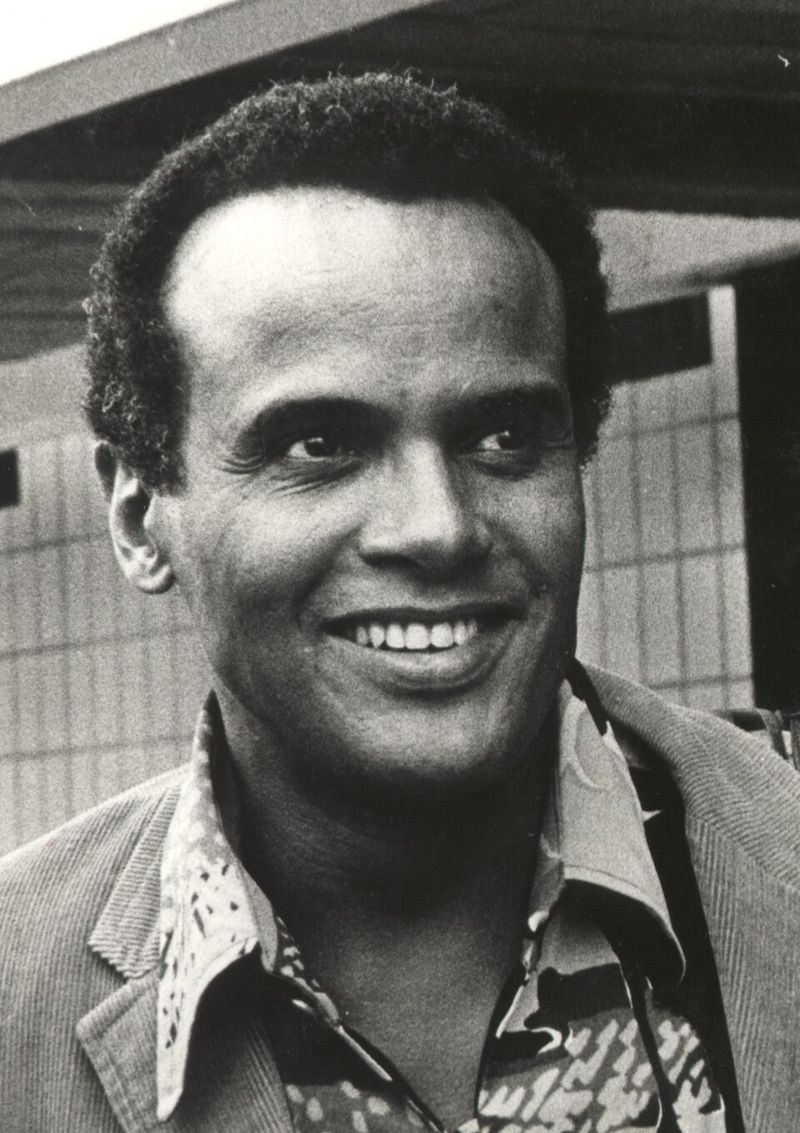
By the time Harry Belafonte joined America’s Civil Rights Movement, he was already an international star. He could have stayed comfortable on the stage, but he chose a harder path.
He used his fame, money, connections, and public platform to support racial equality. That was a risky choice at a time when celebrity involvement in civil rights could carry serious professional consequences.
His humanitarian activism continued for decades. In 1987, he became a UNICEF Goodwill Ambassador and remained in the role until his death in 2023.
He advocated for children’s education, health care, and human rights around the world.
Belafonte showed that celebrity influence could become a powerful political and humanitarian tool. His music is still loved, but his activism may be what sets him apart.
Paul Newman Built a Business Designed to Give Its Profits Away
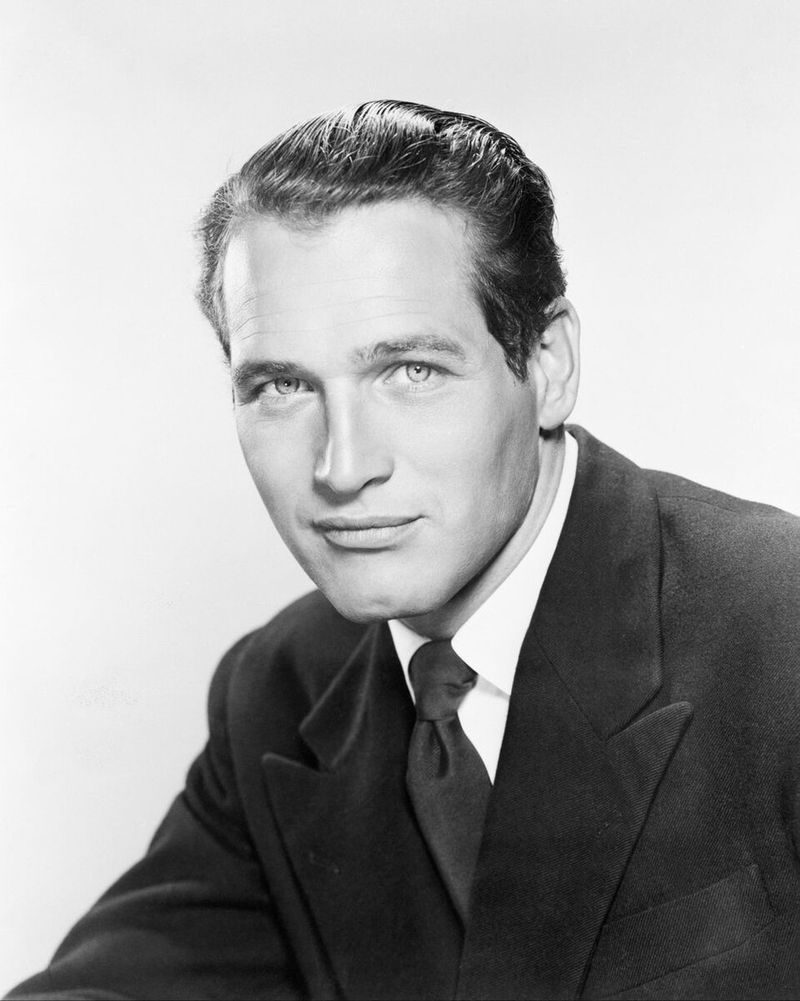
Salad dressing is not the first thing most people link to a Hollywood legend. Yet Paul Newman turned it into a charitable effort that is still going strong.
Newman’s Own officially launched in 1982 after Newman and writer A.E. Hotchner began making salad dressing.
Newman decided that the profits should go to charity.
That idea grew far beyond one product. According to Newman’s Own Foundation, more than $600 million has now been donated to charitable causes.
The model helped show that a celebrity-branded business could be built around giving rather than personal profit. Next time you spot that familiar face on a label, you will know the story behind it.
Shirley Temple Went From Child Star to U.S. Ambassador
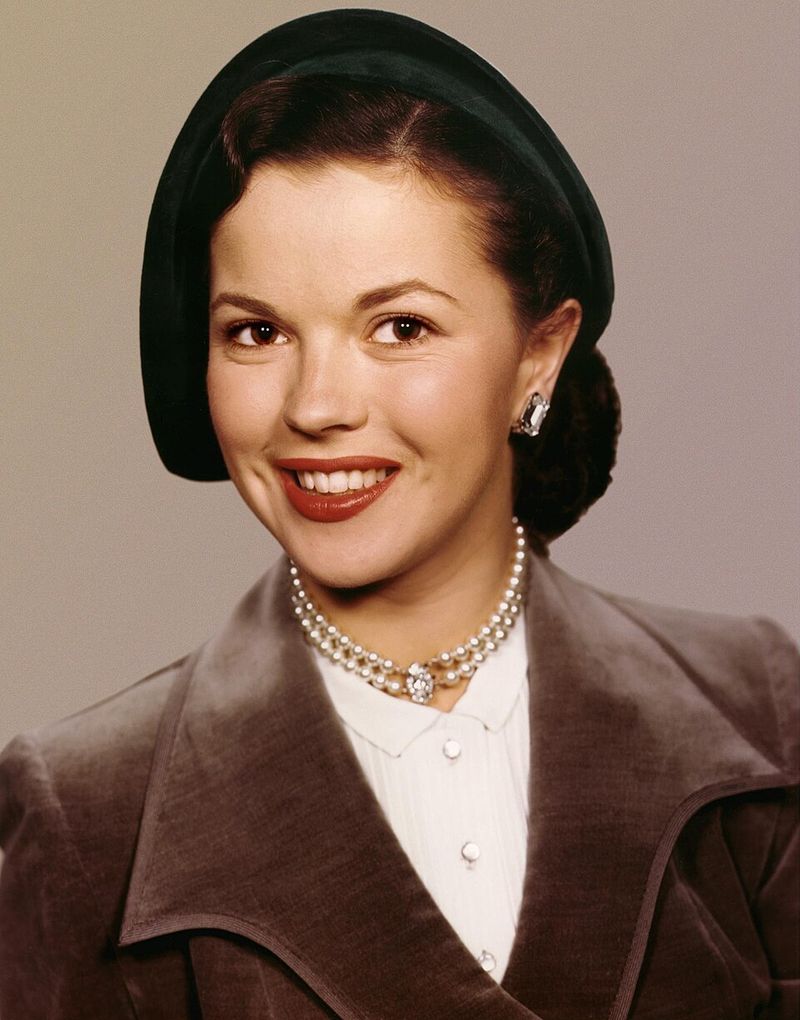
For millions of Americans, Shirley Temple will always be the curly-haired child star of Depression-era Hollywood. Decades later, she surprised many people by starting a serious diplomatic career.
Under her married name, Shirley Temple Black, she served as U.S. ambassador to Ghana from 1974 to 1976. She later served as ambassador to Czechoslovakia from 1989 to 1992.
She was there during the extraordinary period surrounding the end of Communist rule and the Velvet Revolution.
She also served as U.S. Chief of Protocol.
Her second career was not a ceremonial curiosity. It lasted decades and placed one of Hollywood’s most famous former child stars at the heart of American diplomacy.
Sammy Davis Jr. Helped Challenge Segregation in Las Vegas
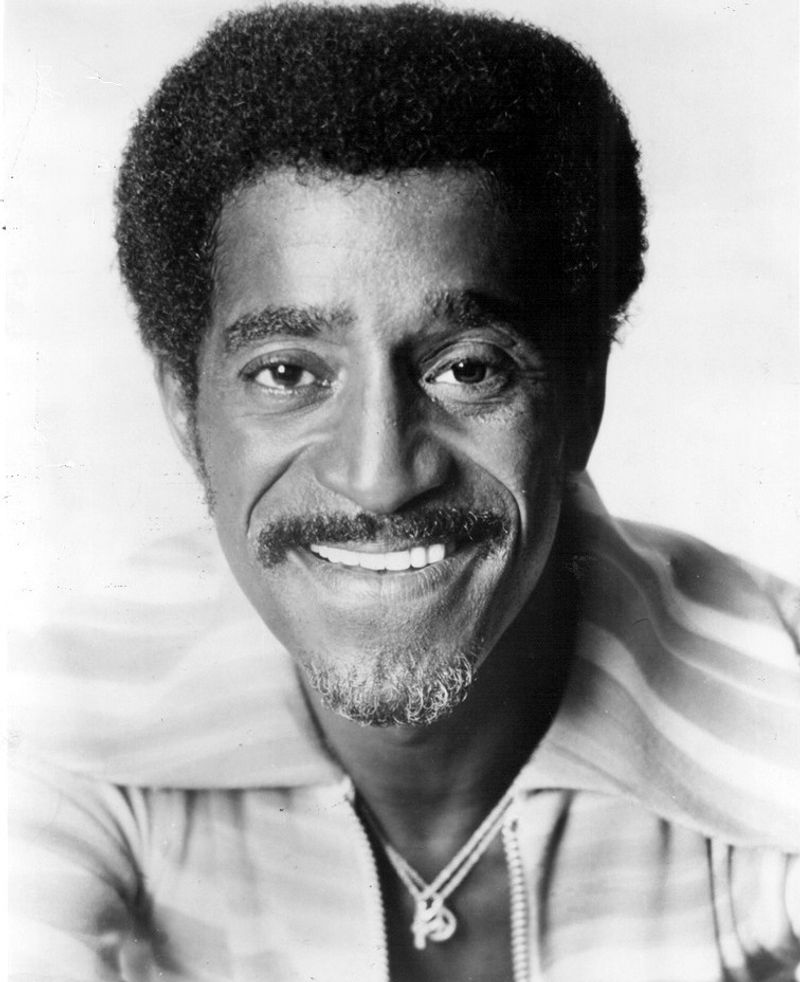
Headlining a major Las Vegas show and then being refused a hotel room sounds unbelievable today. For Sammy Davis Jr. and other Black entertainers, it was a reality.
During the city’s segregated era, Black performers could appear at famous Strip properties yet be denied rooms, restaurants, pools, and other facilities at those same hotels.
Davis became one of the entertainers who challenged those barriers and supported local civil-rights efforts. UNLV historians identify him as an important entertainer-advocate in the city’s struggle for integration.
The 1960 Moulin Rouge Agreement eventually ended segregation in Las Vegas casinos, hotels, and showrooms. Wider workplace discrimination, however, persisted much longer.
Marlene Dietrich Risked Her Safety to Support Allied Troops
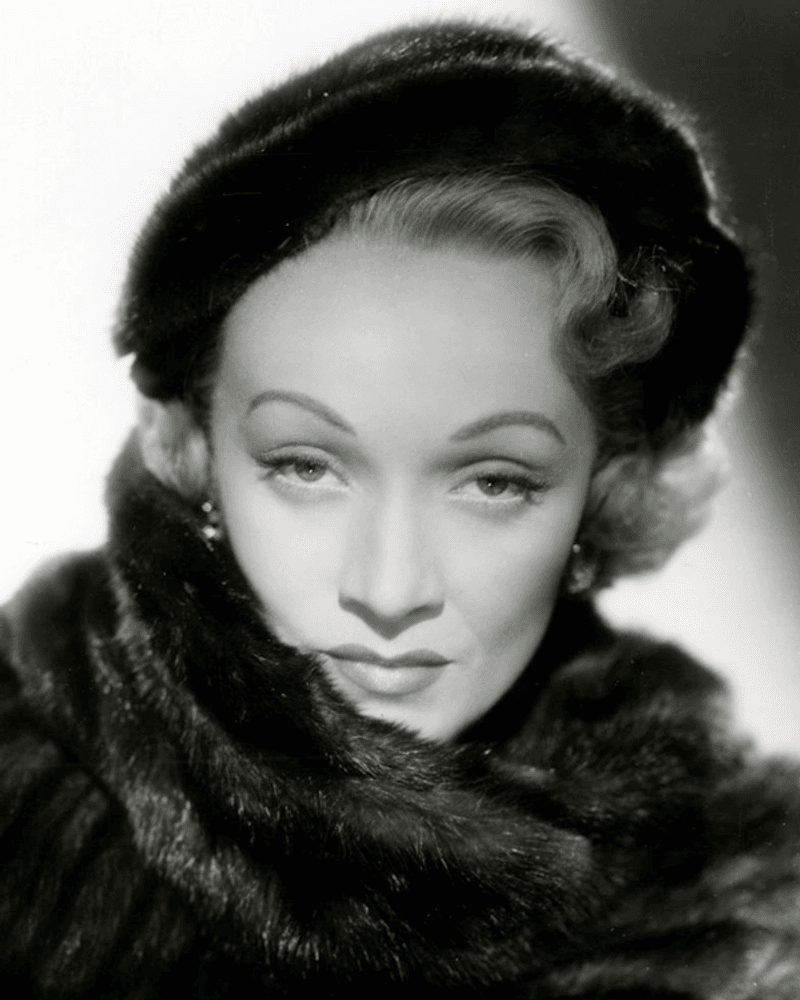
German-born actress Marlene Dietrich became one of Hollywood’s most glamorous international stars. During World War II, she firmly took a stand against Nazi Germany.
Dietrich became an American citizen and performed for Allied troops, sometimes close to the front lines. The Library of Congress notes that one of her wartime tours lasted 11 months and took her through France and Germany.
She also recorded German-language material for the U.S. Office of Strategic Services.
It was broadcast to German soldiers as part of psychological warfare efforts.
After the war, she received the U.S. Medal of Freedom.
Her story shows how a star could trade the red carpet for a muddy battlefield audience.
Susan Sarandon Used Her Celebrity to Put Children’s Issues in the Spotlight
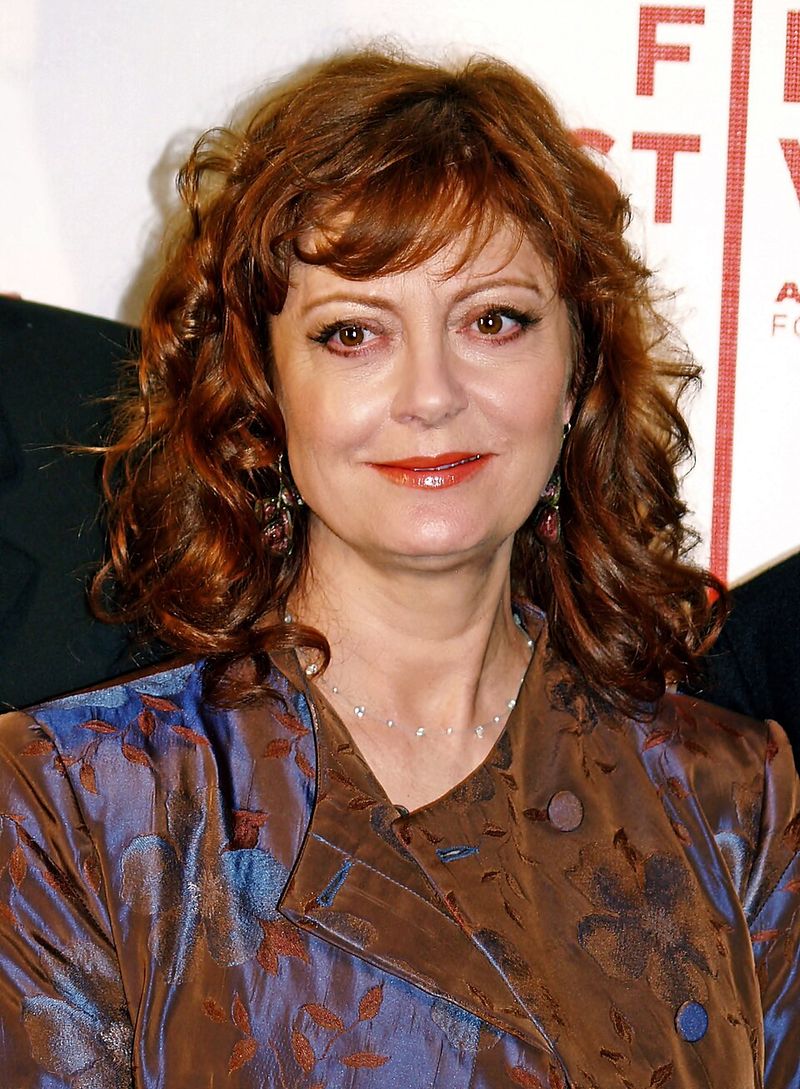
Acting has always shared space with advocacy in Susan Sarandon’s career. She has spent decades blending the two.
UNICEF appointed her a Goodwill Ambassador in 1999. Through field missions and public campaigns, she highlighted issues involving education, health care, child protection, HIV/AIDS, and vulnerable communities.
Her UNICEF work included visits to India and Tanzania. There she met families and children affected by poverty and HIV/AIDS.
Sarandon has also been involved with campaigns on criminal justice, hunger, and other social causes. For her, activism has been a steady part of her public life rather than a temporary cause.
John Lennon Turned His Honeymoon Into an Anti-War Protest
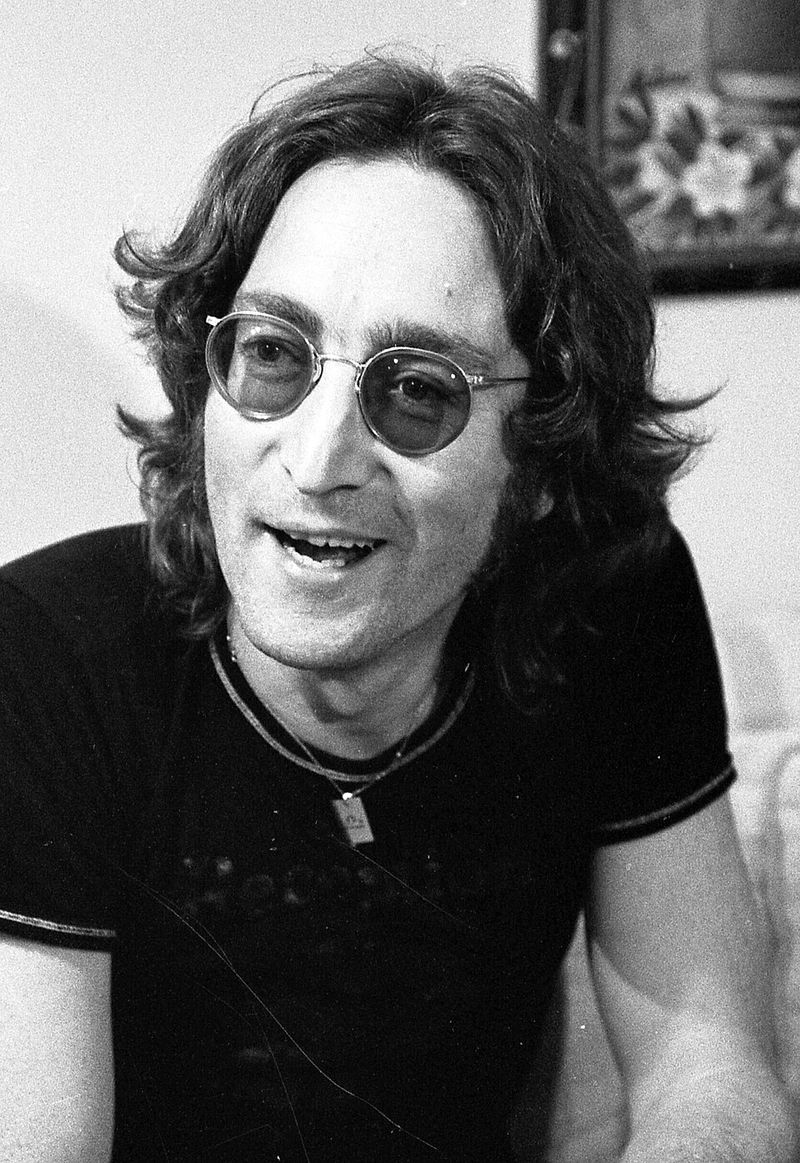
Most couples want privacy on a honeymoon. John Lennon and Yoko Ono knew photographers would follow their 1969 marriage, so they turned that attention into political theater.
Instead of hiding from the press, the couple staged their famous Bed-Ins for Peace.
The first began in Amsterdam on March 25, 1969. A second took place in Montreal later that year, where Lennon recorded “Give Peace a Chance.”
The protests were unconventional, intentionally theatrical, and impossible for the media to ignore. They helped show how celebrity culture itself could carry a political message.
Angelina Jolie Spent More Than 20 Years Advocating for Refugees

Few stars have stayed with a cause as long as Angelina Jolie has stayed with refugee aid. Her work developed into one of Hollywood’s most sustained humanitarian commitments.
She began working with UNHCR in 2001 and served as a Goodwill Ambassador until 2012. She then became the organization’s Special Envoy.
During more than two decades with UNHCR, Jolie completed more than 60 field missions. She visited displaced communities and conflict-affected regions around the world.
One correction for older articles: she is no longer UNHCR Special Envoy. Jolie stepped down in December 2022 to pursue a broader range of humanitarian and human-rights work.
Bono Turned Rock-Star Access Into Political Advocacy
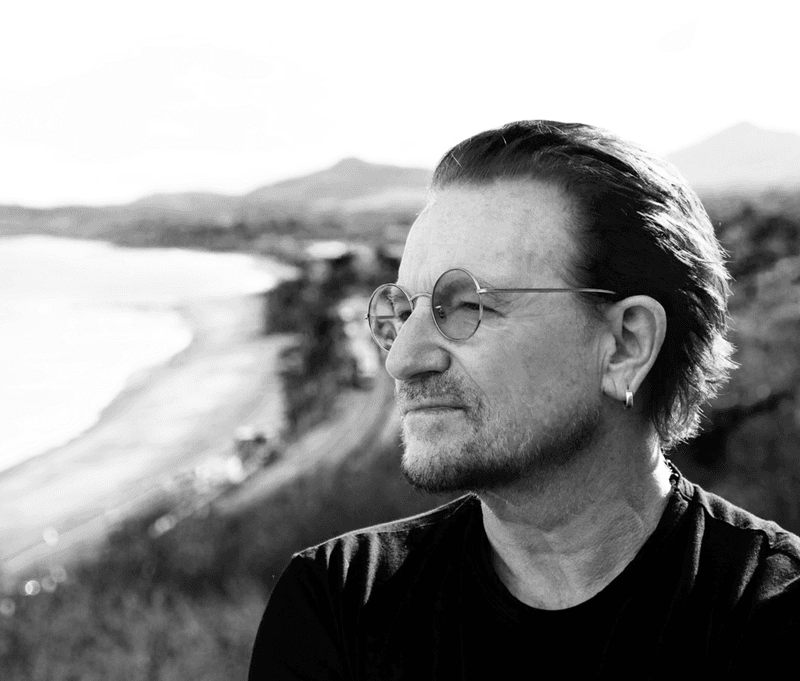
Most rock stars meet fans backstage. Bono has often ended up in meetings with presidents, prime ministers, and policymakers instead.
In 2002, he helped launch DATA, short for Debt, AIDS, Trade, Africa. Two years later, DATA helped establish the ONE Campaign.
That group advocates for investment, health, economic opportunity, and poverty reduction, particularly in Africa.
Bono and Bobby Shriver also launched (RED) in 2006. The aim was to bring private companies into fundraising efforts for global health.
Whatever people think of celebrities entering politics, Bono helped build organizations meant to keep campaigning far beyond a single benefit concert.
Rita Moreno Broke a Barrier That Hollywood Had Maintained for Decades
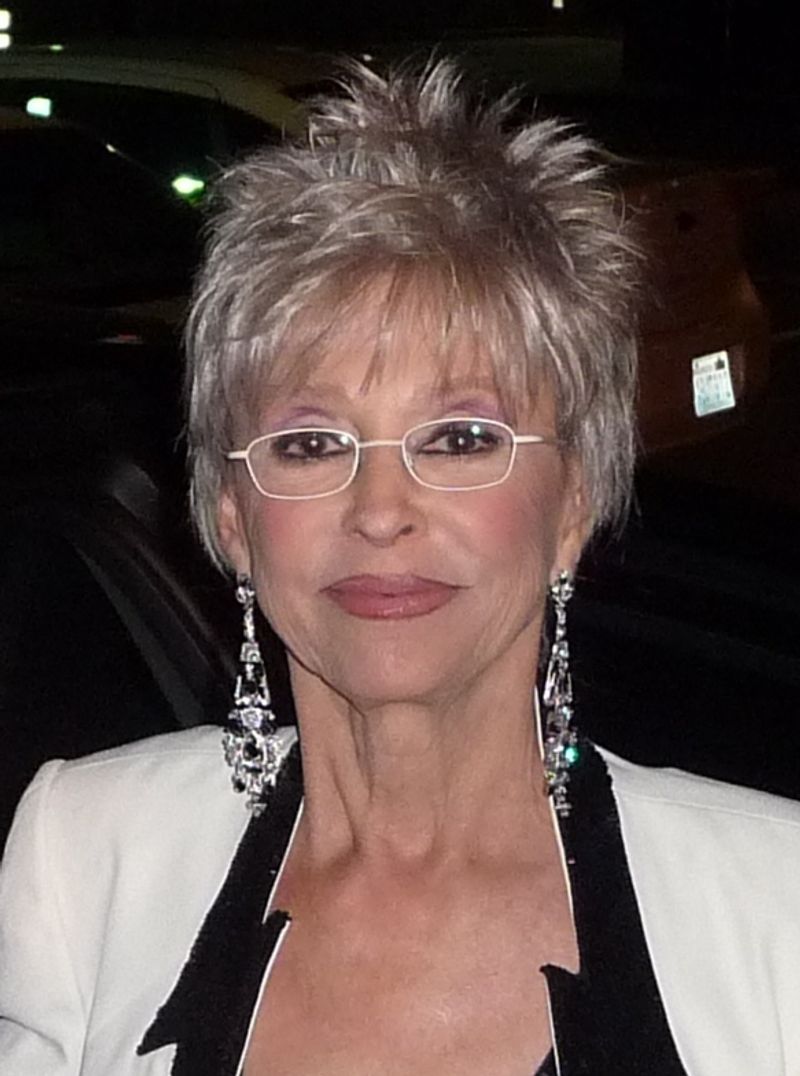
Early in her career, Rita Moreno kept running into the same problem: stereotypical roles offered to Latina performers. She pushed back against that pattern for years.
Then came West Side Story. Her performance as Anita made her the first Latina to win an Academy Award, a historic milestone.
That win turned Moreno into a visible symbol of possibility for generations of Latino performers.
Her influence went beyond awards. Moreno took part in the 1963 March on Washington and has spoken repeatedly about discrimination, representation, and the need for more opportunities for Latino artists.
Her career challenged an industry that had long confined Hispanic performers to narrowly defined roles.
Cary Grant’s Political Story Has Been Exaggerated, but His Cultural Influence Was Enormous
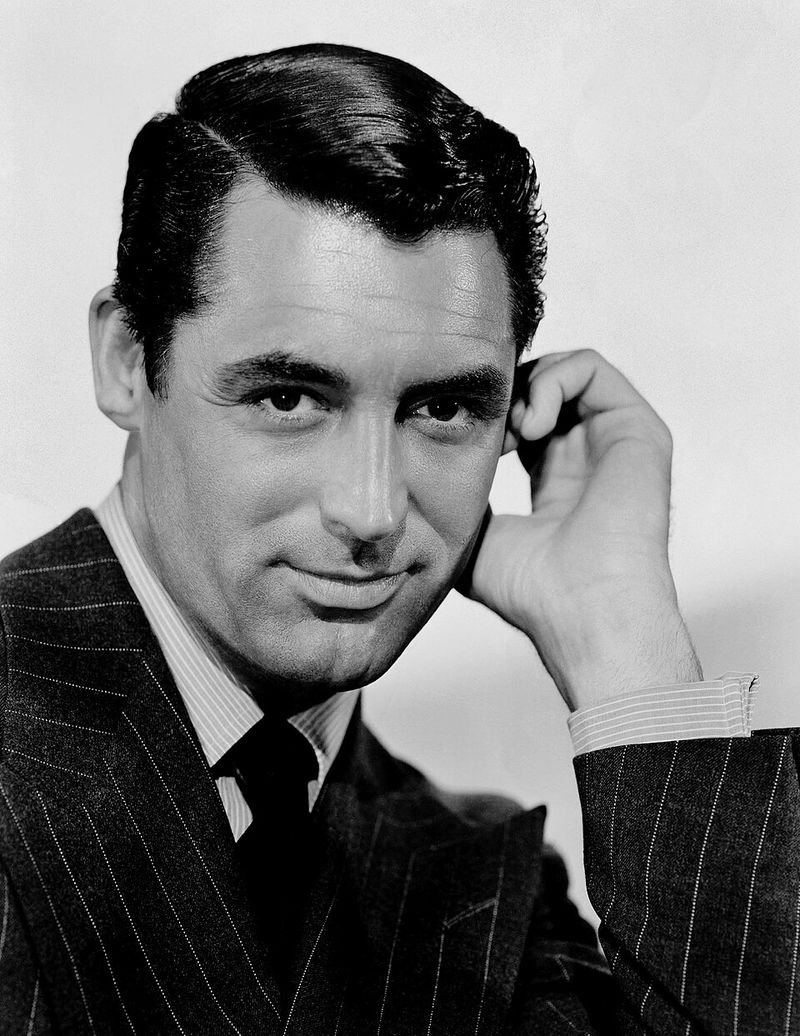
Hollywood legends sometimes grow bigger with each retelling. Cary Grant is occasionally included in stories about stars fighting the anti-Communist investigations of the late 1940s, but the record is more complicated.
A detailed Oxford University Press biography notes that Grant was first reluctant to take a political stand during the House Un-American Activities Committee era. He believed actors should avoid political pronouncements.
He became more outspoken against the investigations later, particularly when Charlie Chaplin came under attack.
Grant nevertheless became one of the defining screen personalities of 20th-century Hollywood. He helped establish an archetype of sophisticated leading-man style that influenced generations of actors.
His cultural impact is undeniable, even if some claims about his activism have been overstated.
David Bowie Helped Push Gender-Bending Style Into Mainstream Culture
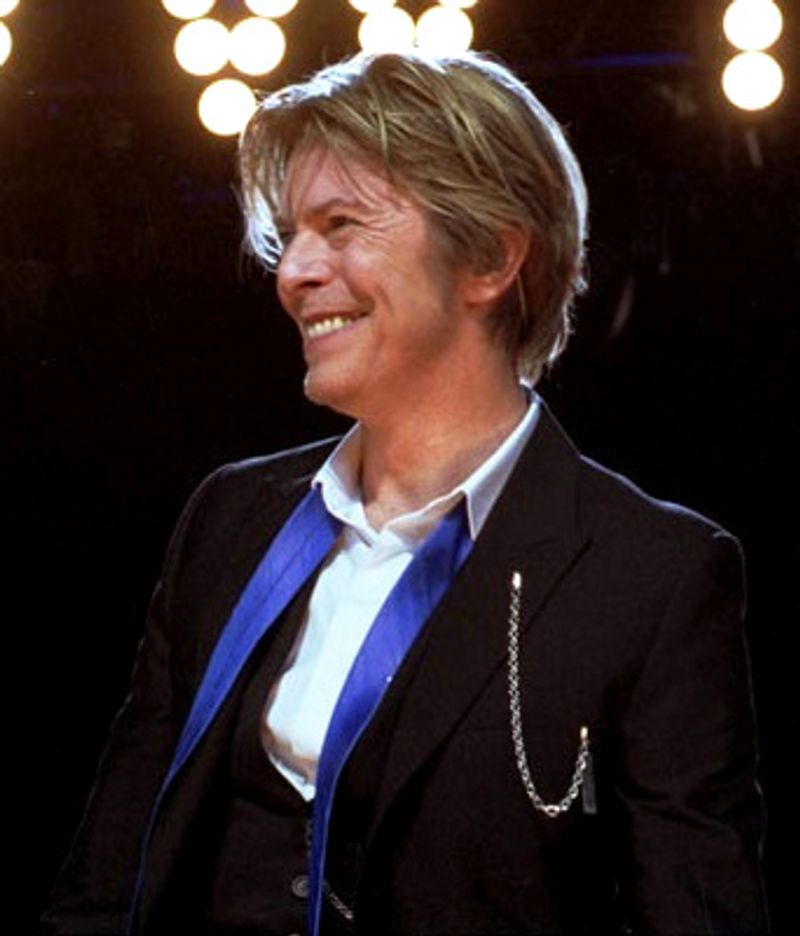
A rock star in a dress on an album cover was a bold idea in the early 1970s. David Bowie did not simply influence music; he changed ideas about how a major male pop star could dress, behave, and present identity.
Characters such as Ziggy Stardust deliberately blurred traditional expectations about masculinity, clothing, sexuality, and gender expression.
The Victoria and Albert Museum describes Bowie as a major cultural innovator whose changing identities influenced art, fashion, theater, and music. His look was provocative enough that the American release of The Man Who Sold the World replaced an image of Bowie wearing a “man-dress.”
Artists decades later kept borrowing from the visual language he helped popularize.
Emma Watson Helped Bring Men Into a Global Conversation About Gender Equality
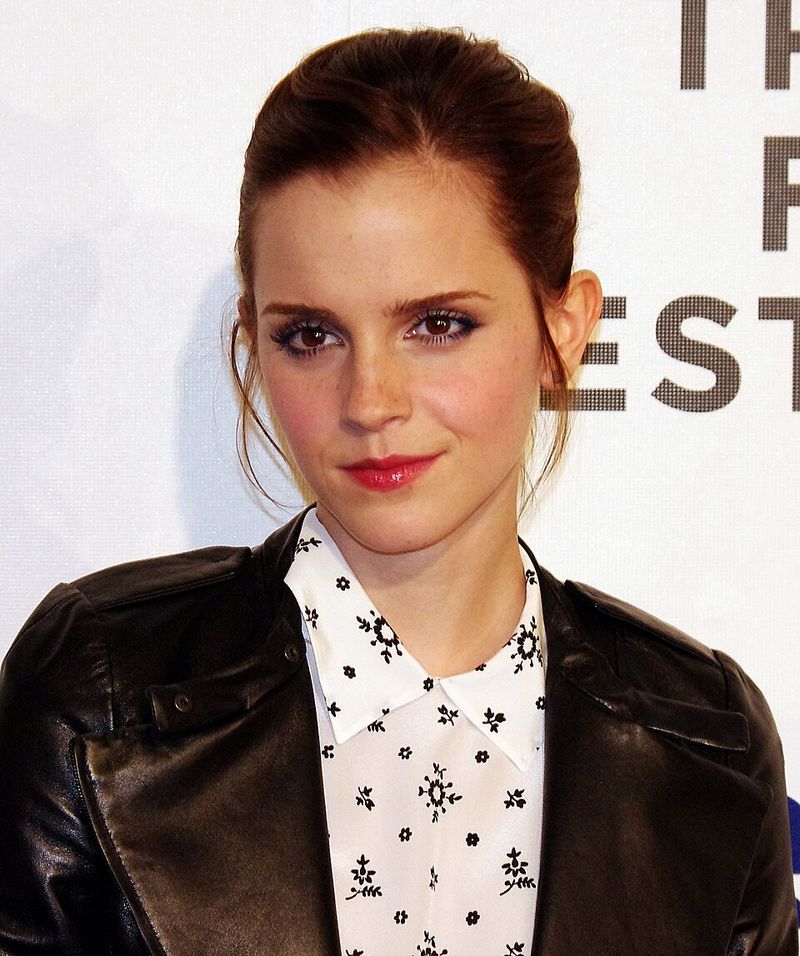
Emma Watson’s influence moved well beyond Harry Potter when she became a UN Women Global Goodwill Ambassador.
In September 2014, she helped launch HeForShe at the United Nations. The campaign was designed to encourage men and boys to take an active part in the push for gender equality, rather than treating women’s rights as an issue only for women.
The initiative grew into partnerships involving universities, governments, businesses, and public figures around the world.
Watson did not create the global struggle for gender equality. Her involvement did give the campaign huge visibility among younger audiences.
It also showed how a celebrity platform can introduce social issues to millions of people who might never otherwise engage with them.
Share this story