India is full of places that look like they belong in a dream. You will find flower-covered valleys, giant ruined cities, cliff-cut temples and bridges grown from living trees.
Some spots are famous, while others stay hidden from most visitors. Get ready to meet 15 destinations that can surprise even people who have traveled the world.
Hampi, Karnataka
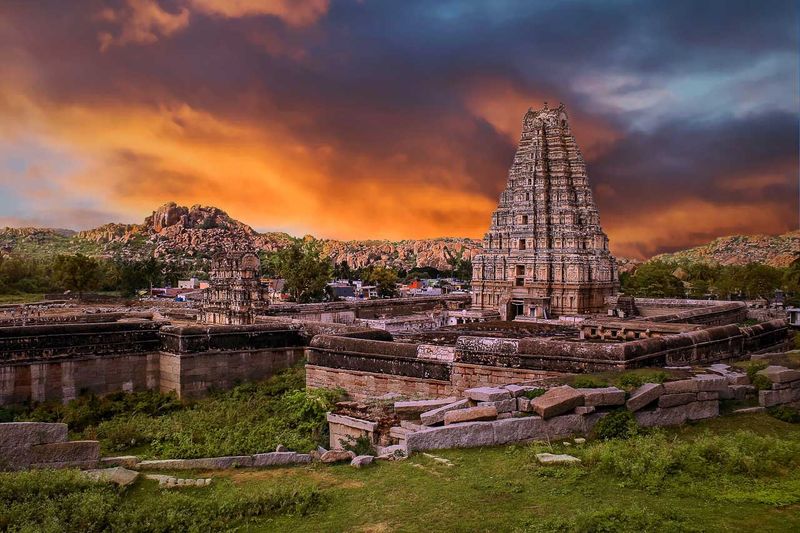
Boulders the size of houses sit stacked like toys across Hampi, and temples peek out from between them. It is a landscape that makes first-time visitors stop and stare.
Hampi was once the capital of the Vijayanagara Empire. More than 1,600 structures survive today, including temples, gateways, water systems and palace remains.
Spread across the Tungabhadra River valley, the ruins take more than one day to explore.
The setting is what truly sets Hampi apart. Monuments appear beside palm groves, rocky hills and green fields, so every turn gives a new view.
Rent a bicycle or a scooter to roam from site to site at your own pace.
Sunrise is a favorite time here. Climb one of the viewpoints early, and the ruins glow softly while the air is still cool.
Bring water, a hat and comfortable shoes, because the paths can be rocky and the sun gets strong by midmorning.
Visit between October and February for the most pleasant weather. Summers are very hot, so plan your exploring for early mornings and late afternoons.
Valley of Flowers, Uttarakhand
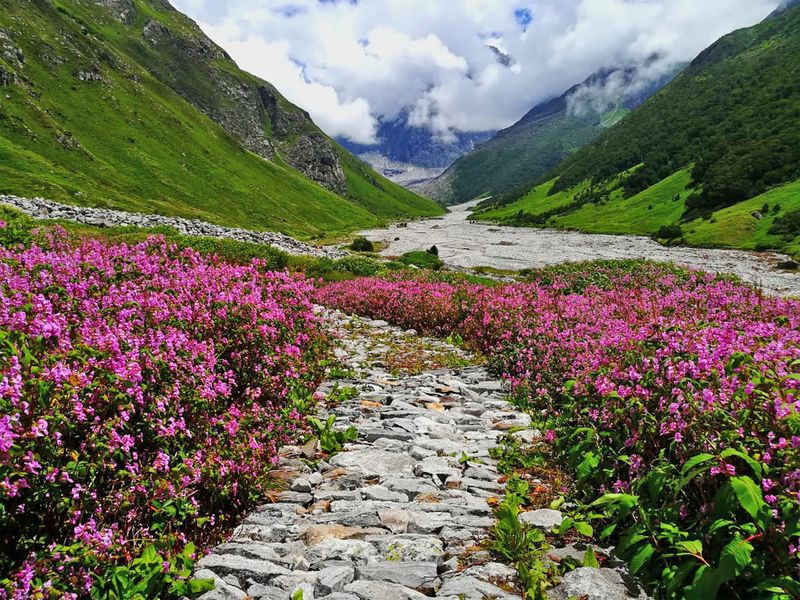
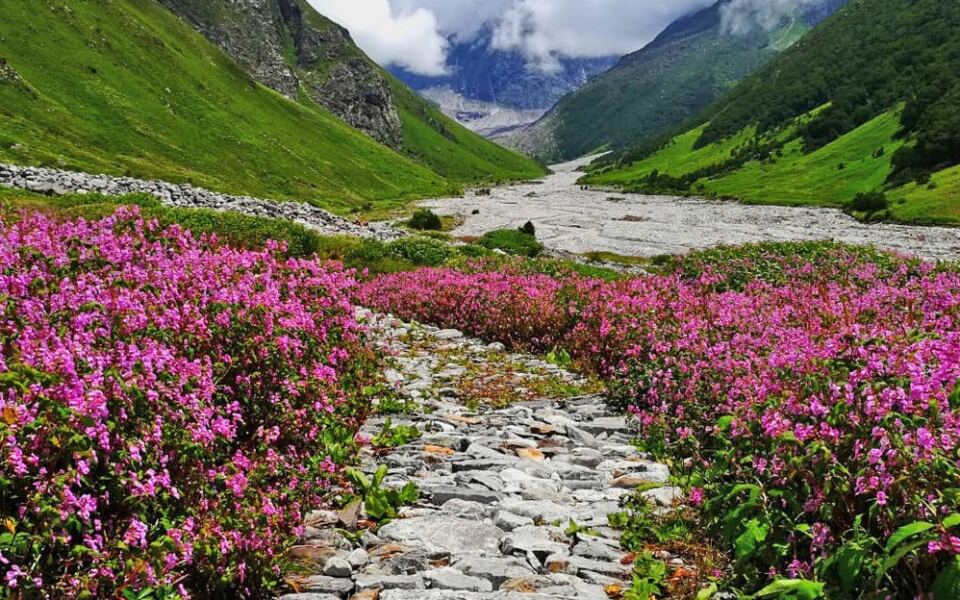
Picture a mountain valley so colorful that it looks painted. That is the Valley of Flowers in the western Himalayas during its short summer season.
UNESCO recognizes the valley together with nearby Nanda Devi National Park. The meadows hold many alpine plants found almost nowhere else.
The wild areas around them are home to rare animals such as snow leopards, blue sheep and Asiatic black bears.
You cannot drive in. A trek is needed, and that effort makes the arrival feel special.
Along the way, you will cross glacial streams and pass waterfalls tumbling down steep slopes.
Plan your trip for the monsoon months, usually July to September, when the blooms peak. Pack rain gear, sturdy boots and layers, since weather changes fast at high altitude.
Start walking early so you have plenty of time among the flowers.
The silence here is remarkable. After the noise of India’s busy cities, it can feel like stepping into a completely different country.
Living Root Bridges, Meghalaya
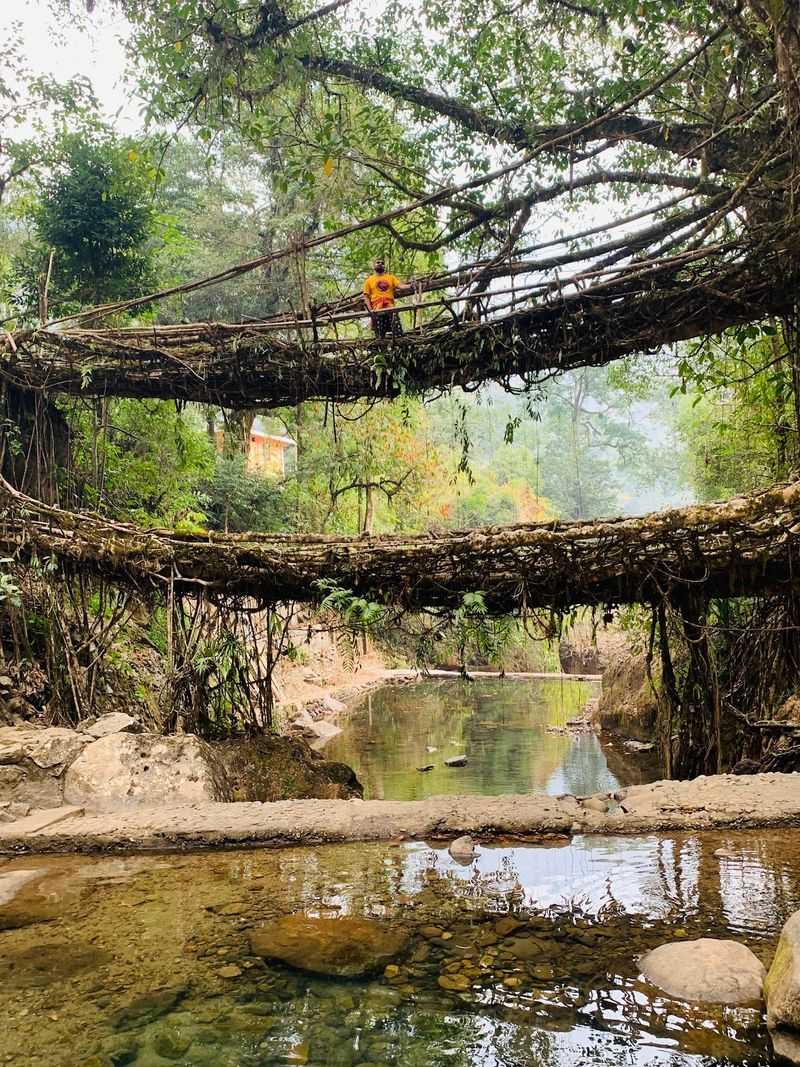
Some bridges get built. In Meghalaya, others get grown.
Local communities guide the aerial roots of rubber fig trees across streams until they form strong, living walkways.
The famous double-decker root bridge near Cherrapunji draws the most visitors. India’s official tourism site highlights it, and the region appears on UNESCO’s tentative list.
Few places show people and nature working together so closely.
The scenery around the bridges is just as good. Expect waterfalls, deep green valleys and rivers so clear you can see the pebbles below.
Some pools are perfect for a quick, chilly dip.
Getting there takes effort. Certain routes involve thousands of steps down into the forest, and the climb back up will test your legs.
Wear shoes with good grip, because stone steps get slippery in the rain.
Hire a local guide if you can. They know the quieter trails, share the history of each bridge and help support the villages that have cared for these living structures for generations.
Ladakh
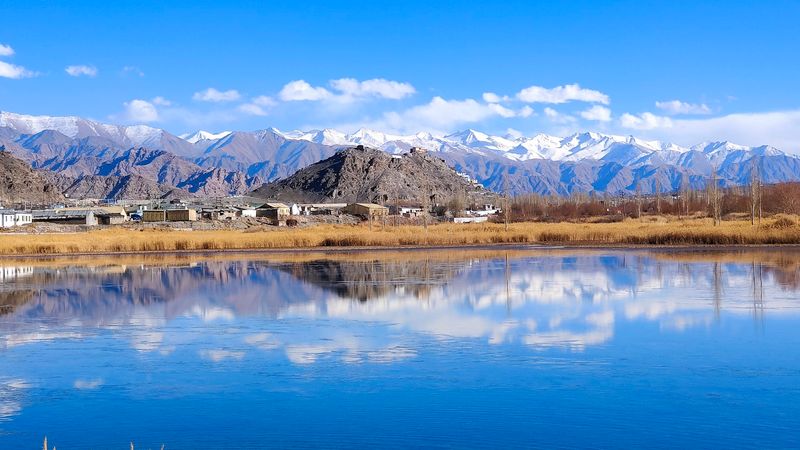
Thin air, huge skies and mountains the color of old sandpaper: Ladakh does not look like the India most people imagine. It feels more like another planet.
Buddhist monasteries cling to cliffs here, and turquoise lakes appear suddenly between bare ridges. The region belongs to India’s cold desert cultural landscape, which sits on UNESCO’s tentative list.
Pangong Lake, Nubra Valley and the monasteries around Leh each offer a very different mood. Together they fit into a fairly compact area, so you can see a lot in one trip.
Nubra even has double-humped camels waiting on its sand dunes.
Altitude is the big rule here. Spend your first two days in Leh doing very little, drink lots of water and skip alcohol.
Rushing can make you sick, and nobody wants to miss the views from a hotel bed.
Take warm clothes even in summer, because nights get cold fast. The reward is a rare mix of spirituality, geology and remote mountain scenery found almost nowhere else in Asia.
Ellora Caves, Maharashtra
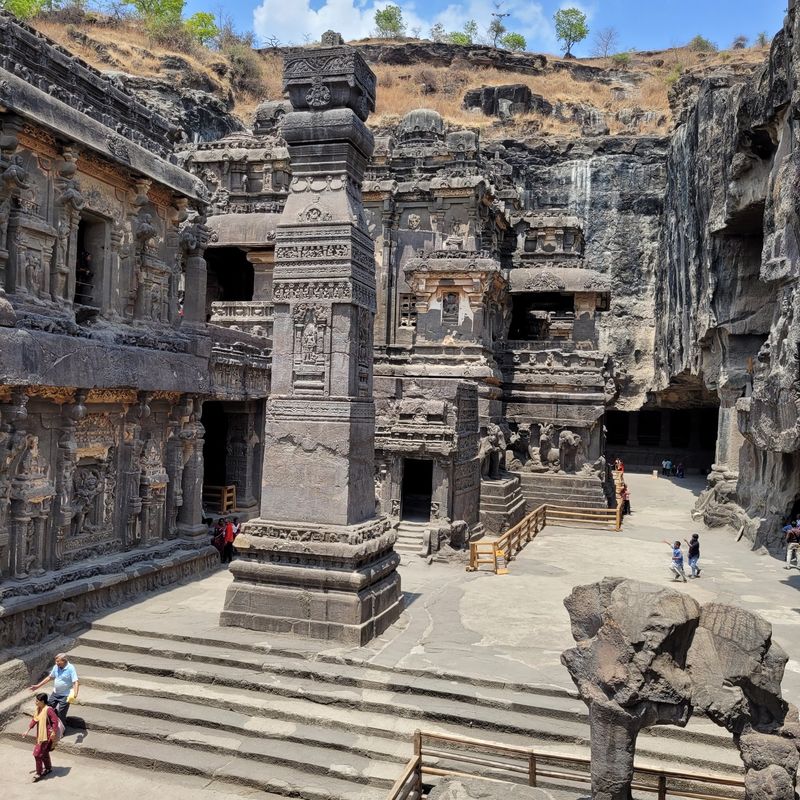
Imagine carving a whole temple from the top down, starting with a mountain. The builders of Ellora did exactly that.
Thirty-four major rock-cut complexes stretch for more than two kilometers along a cliff. They were created between roughly the sixth and twelfth centuries.
Buddhist, Hindu and Jain monuments stand side by side, which UNESCO describes as proof of both amazing art and peaceful coexistence.
The Kailasa Temple steals the show. Workers carved it downward from one huge mass of rock rather than stacking stones piece by piece.
Stand at its edge and try to guess how many hammers it took. Nobody can say for sure.
Even travelers who have seen many ancient sites can feel small here. The scale of the labor is hard to wrap your head around.
Go early to enjoy softer light and fewer crowds. Wear comfortable shoes, since you will climb plenty of steps.
Pair your visit with Ajanta if you have a few extra days.
Rann of Kutch, Gujarat
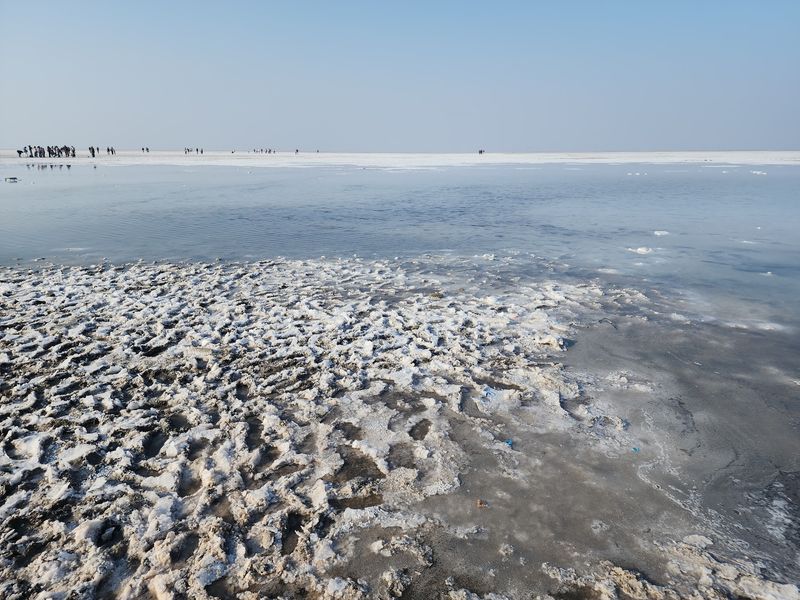
Walk out onto the Great Rann of Kutch and the world turns white. A seasonal salt desert stretches to the horizon, flat and bright and strangely quiet.
The scene turns surreal in strong sunlight or under a full moon. With nothing to block the view, the plain seems to go on forever.
Sunrise and sunset paint the salt in soft pinks and golds.
Nearby villages add color to the picture. Local artists create detailed embroidery, textiles and crafts, and many welcome visitors to watch them work.
The wider Kutch region also holds wildlife areas, historic sites and coastal scenery.
The best time to visit is the dry winter period, when the salt is firm and the weather is mild. Bring sunglasses and sunscreen, because the glare is intense.
Dress in layers, as desert nights can get chilly.
The contrast between stark salt flats and bright local culture makes this one of India’s most eye-catching destinations.
Kerala Backwaters
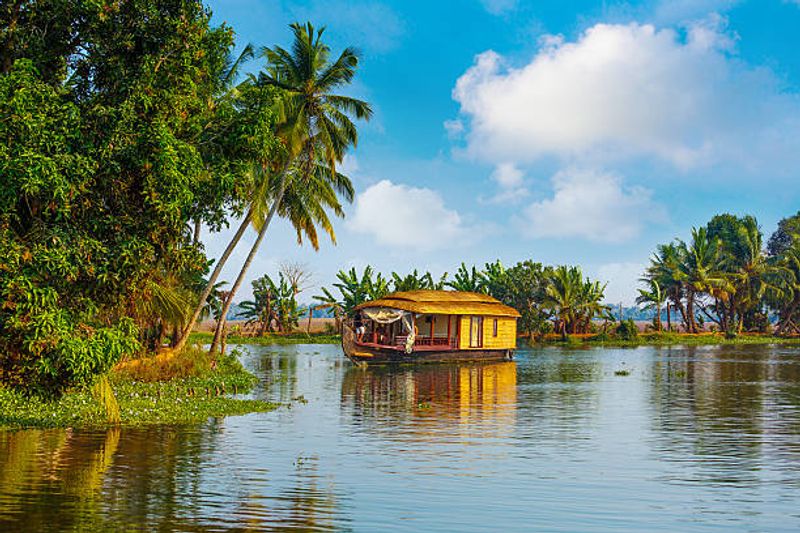
Slow is the speed limit in the Kerala backwaters. Lagoons, canals and lakes wind past coconut palms, rice fields and small waterside villages.
Traditional kettuvallam houseboats carry travelers through the waterways, especially around Alappuzha and Kumarakom. Many come with a cook on board, so lunch might be fresh fish curry served while you watch the scenery drift by.
Daily life carries on right beside you. Fishing boats, ferries and farms appear only meters from the water.
Wave at a child on a canoe and you will probably get a bigger wave back.
There is no single landmark to chase here. The charm comes from rhythm and atmosphere.
Early mornings are lovely, with soft light and birds calling over the water.
If a full houseboat stay feels like too much, try a short canoe ride through narrow side canals. It brings you even closer to village life.
Visit between November and February for the most comfortable weather.
Rani-ki-Vav, Gujarat
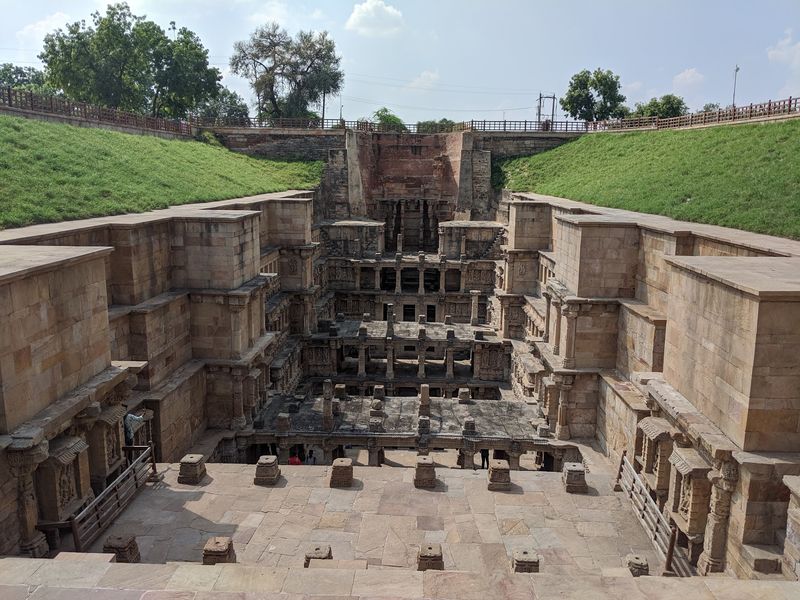
Most buildings try to impress from the outside. Rani-ki-Vav saves its best surprise for below the ground.
This stepwell in Patan descends through many levels of carved pillars, walls and sculpture panels. At the bottom lies the old water source it was built to reach.
UNESCO lists the Queen’s Stepwell as a World Heritage property.
The deeper you walk, the more detail you spot. Carvings of gods, dancers and everyday figures cover almost every surface.
Take your time and look closely at the small panels, because many visitors rush past them.
Photographers love the repeating lines of the stone columns, especially when sunlight slants in from above. Go in the morning for softer light and fewer people.
The site is open and easy to walk, but the steps can be uneven, so wear shoes with grip. Even travelers who have already seen many Indian monuments tend to remember this one for turning ordinary expectations upside down.
Kaas Plateau, Maharashtra
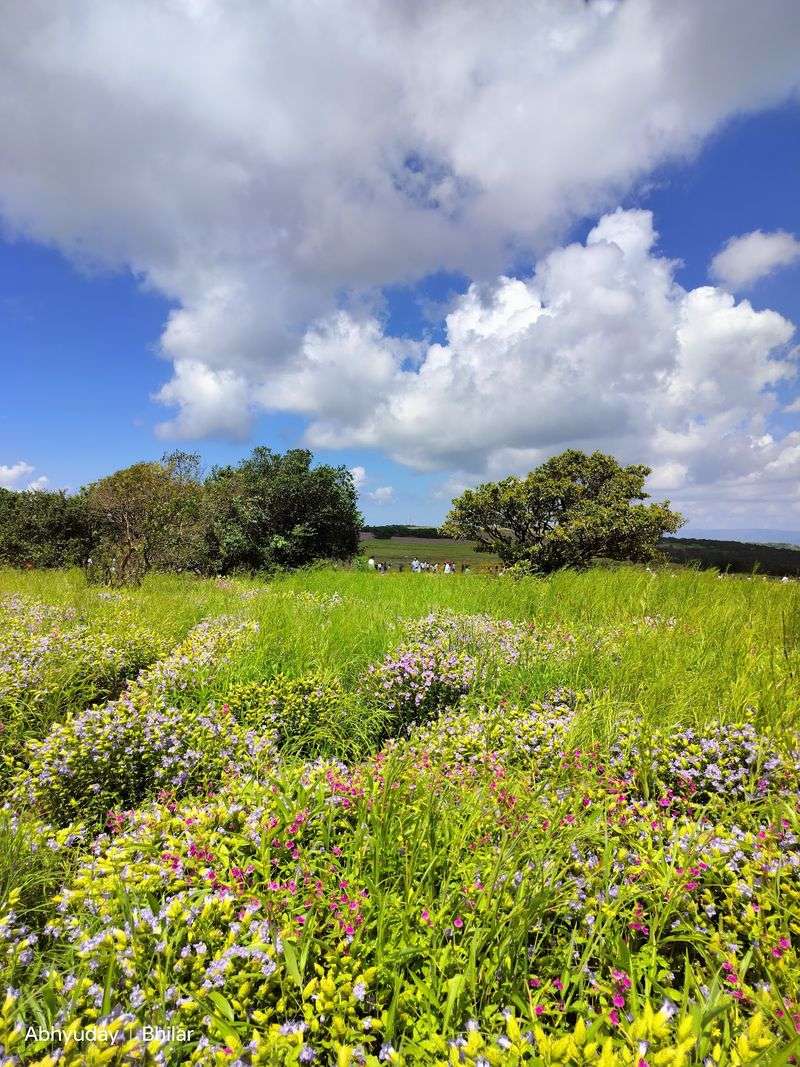
Blink and you might miss it. Kaas Plateau puts on its colorful show for only a few weeks after the monsoon.
More than 850 species of wildflowers, plants and grasses have been recorded on this volcanic plateau near Satara. Peak flowering usually happens between August and October.
India’s official tourism authority describes the scene as a living carpet of yellow, pink, purple, blue and white.
To protect the fragile ecosystem, the number of daily visitors is limited. Book your slot ahead of time and stay on the marked paths.
Stepping on the blooms can damage plants that took a whole season to grow.
Nearby waterfalls and the green hills of the Western Ghats add even more to the view. A trip here pairs nicely with a visit to the lake at Thoseghar.
Kaas is a smart pick for anyone who thinks of India mainly as a land of palaces and temples. Nature has its own seasonal spectacle, and this is a great one.
Jaisalmer, Rajasthan
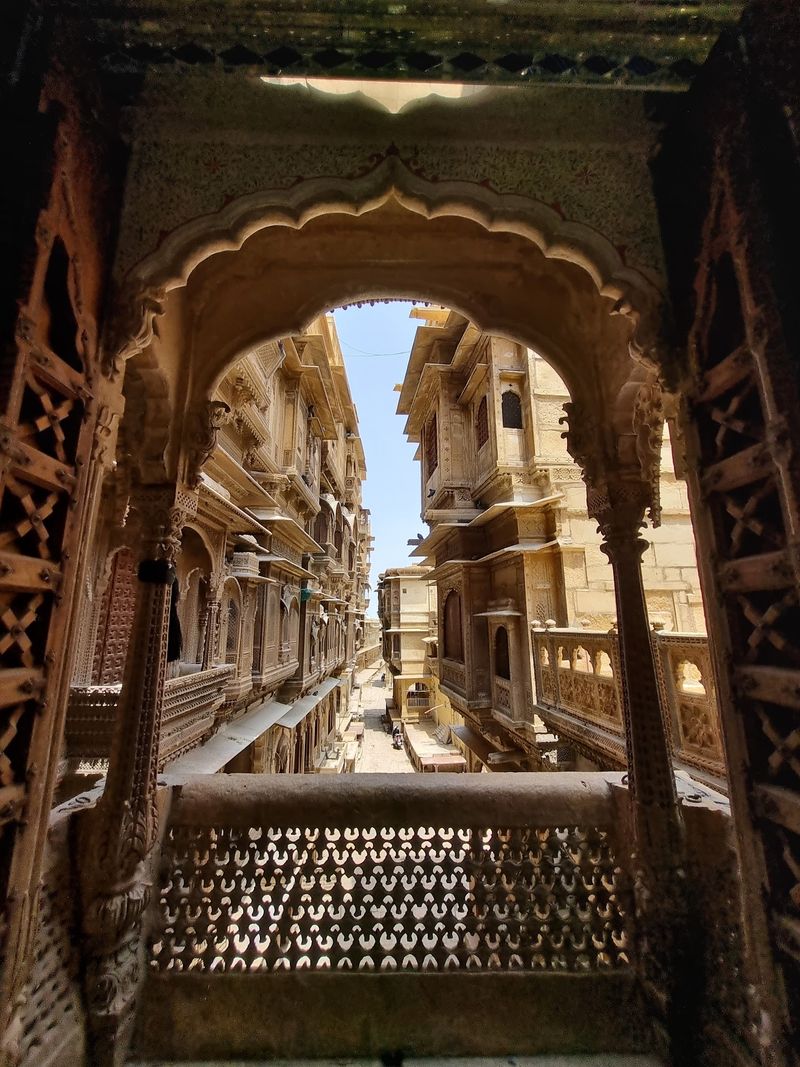
Golden stone, warm light and a fort that seems to grow right out of the sand. Jaisalmer looks like a sandcastle that never washed away.
Jaisalmer Fort is still lived in. Homes, temples, shops and guesthouses operate inside its walls, so you can sleep within a medieval fortress.
Wander the narrow lanes and you will bump into locals going about their day. The broader Hill Forts of Rajasthan are recognized by UNESCO.
Beyond the old city, desert dunes await. Camel rides at sunset are popular, and an evening under the stars with folk music is hard to beat.
Book an overnight camp if you want a full desert experience.
The yellow sandstone, tight lanes and desert glow create a look that is all Jaisalmer. It feels far from India’s greener regions.
Visit from October to March, when the days are warm and the nights are cool. Summer here is very hot.
Bring a scarf for dust and sunshine.
Munnar, Kerala
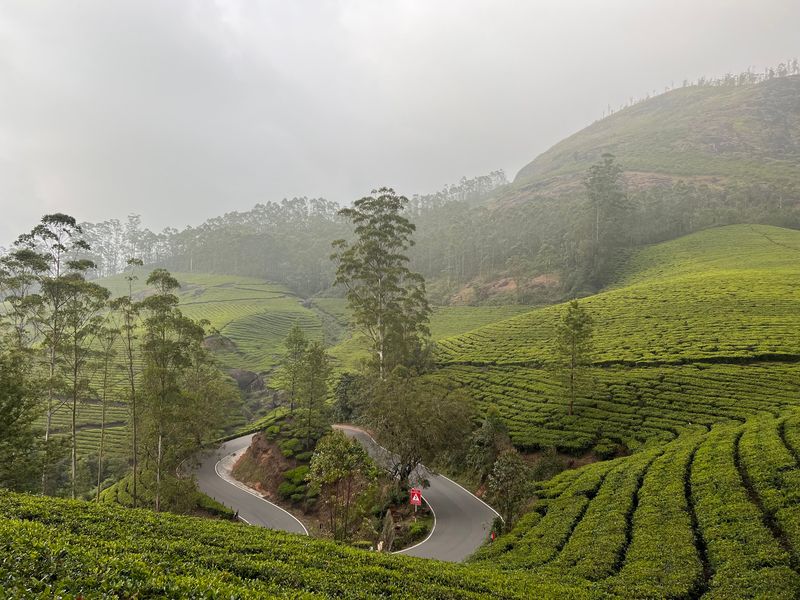
Wake up in Munnar and the hills might be wearing a blanket of mist. Tea bushes ripple down every slope in neat green waves.
The Western Ghats setting is more than a tea region. Reservoirs, forests, waterfalls and wildlife habitats are all nearby.
If you are lucky, you may spot the rare Nilgiri tahr, a mountain goat found in these highlands.
Driving through the hills reveals endless curves of planted terraces bordered by patches of native forest. Stop at a tea factory to see how leaves become your morning cup.
Many offer short tours and tastings.
Compared with Kerala’s warm coast, Munnar is cooler and more mountainous. Pack a light jacket, especially for early mornings and evenings.
The change in climate shows how quickly India’s landscapes can shift within one state.
The hills look especially lush after the monsoon, when everything turns deep green. Visit then, or in the cooler months, for the most pleasant walks.
Ajanta Caves, Maharashtra
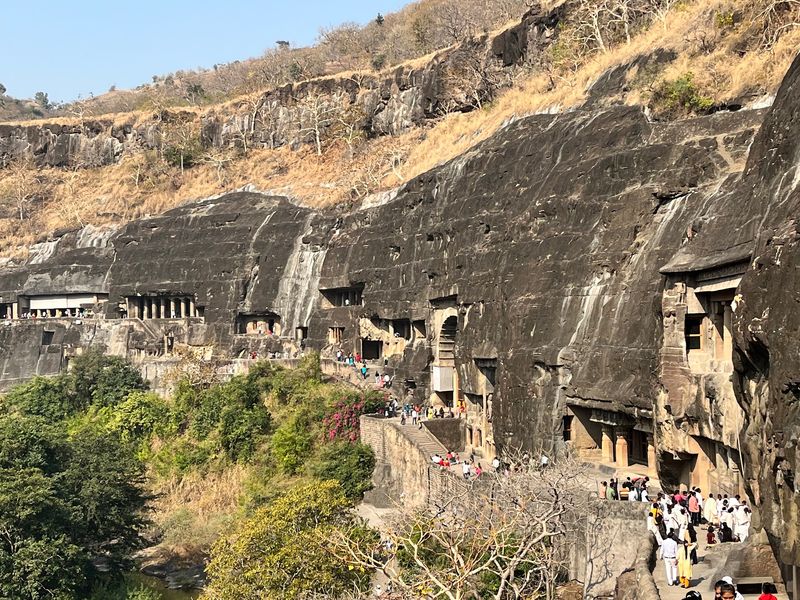
Ajanta hides its treasures in a curved cliff above a quiet, wooded gorge. Few ancient sites have such a dramatic frame.
The Buddhist caves preserve ancient paintings, sculptures and monastic spaces spanning centuries. UNESCO lists Ajanta among India’s earliest World Heritage properties.
Inside, colorful wall art still tells stories of the Buddha’s past lives.
The setting adds to the impact. Instead of sitting in an open park, the monuments follow the bend of a steep ravine above the Waghora River.
Walking from cave to cave feels like moving along a hidden mountain path.
Bring a small flashlight if allowed, since some caves are dim. Flash photography is restricted to protect the paintings, so rely on your eyes.
Go early to beat the crowds and the heat.
Visitors often come for the cave architecture and leave thinking about the remoteness and natural drama around it. It pairs perfectly with a trip to nearby Ellora for a full ancient art tour.
Srinagar and Dal Lake, Jammu and Kashmir
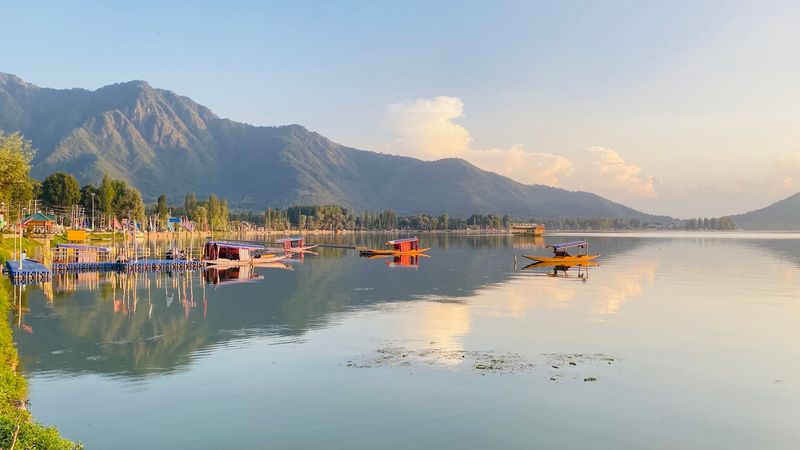
A shikara glides across the still water, and the mountains seem to float behind it. Dal Lake is one of India’s most recognizable mountain-city views.
Wooden houseboats line the shore, and floating gardens drift nearby. Srinagar also has historic gardens, shrines and neighborhoods that reflect centuries of regional culture.
A sunrise boat ride past the floating vegetable market is a classic experience.
Each season brings its own mood. Spring and summer fill the gardens with color, autumn lights up the trees in gold and red, and winter can sprinkle snow across the peaks.
Conditions in Kashmir can change, so check current official travel guidance before planning your trip. Local advice and flexible bookings are smart choices.
When conditions allow, the mix of water, gardens and Himalayan scenery is extraordinary. Try a cup of warm kahwa tea on your houseboat deck and watch the evening light fade over the lake.
Khajuraho, Madhya Pradesh
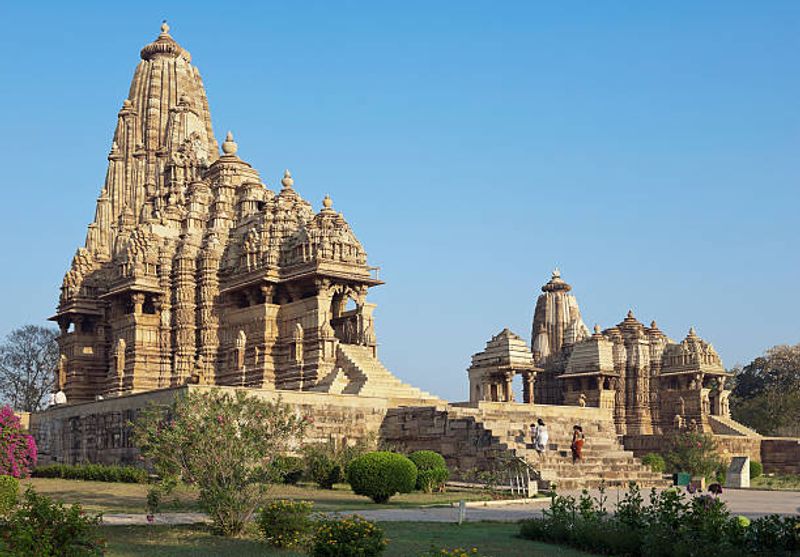
Thousands of carved figures stare, dance and play music on the walls of Khajuraho. Every inch seems to have a story.
The temples were built between the 10th and 12th centuries. They rise in soaring towers covered with sculptures showing mythology, daily life, musicians, warriors and tender human moments.
The Khajuraho Group of Monuments is a UNESCO World Heritage property.
Many visitors arrive expecting the famous carvings and are surprised by something else. The temples themselves are elegant and perfectly balanced, especially against open lawns and bright skies.
Walk slowly around each one and notice how the sculptures change from side to side.
Hiring a guide helps, since the stories behind the carvings are easy to miss. Come in the cooler months and aim for early morning, when the stone glows warmly.
After nearly a thousand years, the craftsmanship still feels astonishing. It is a calm, graceful place that rewards patient visitors.
Khangchendzonga National Park, Sikkim
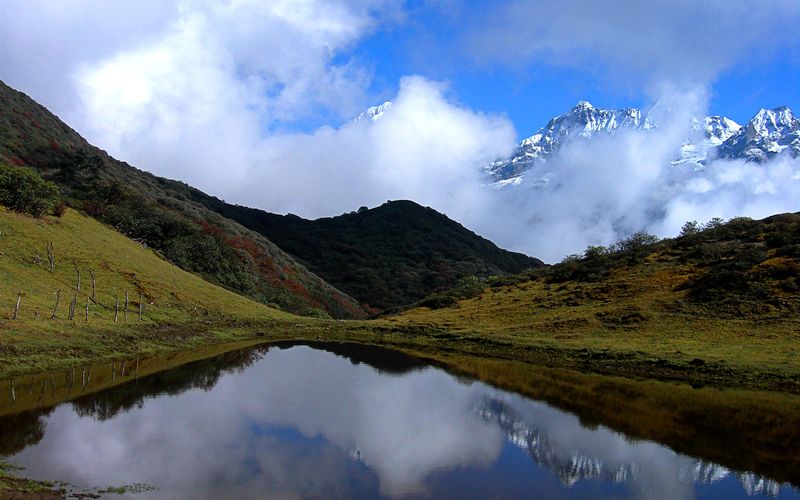
The third-highest mountain in the world watches over this park, and you feel its presence everywhere. Khangchendzonga National Park is Himalayan wilderness at full size.
Glaciers, forests, high lakes and rugged terrain fill the protected area. UNESCO recognizes it as India’s only mixed cultural and natural World Heritage property.
Local communities consider many places here sacred, so treat the land with respect.
Elevation changes sharply across the park. You can start among green forests and end up near snow-covered peaks.
Along the way, ecosystems shift from one zone to the next, and wildlife changes with them.
Treks here need planning. Permits are required, weather can turn quickly, and a licensed guide is a wise choice.
Spring and autumn usually offer the clearest mountain views.
For experienced travelers who want somewhere remote and immense, Sikkim delivers. Mountain scenery, Buddhist culture and protected wilderness come together in a way that is hard to forget.
Share this story