Nobody forgets stepping onto a street so tidy that it almost sparkles. Clean public spaces make a trip calmer, safer and a lot more fun.
Surveys of residents and reviews from travelers point to a handful of European cities that keep winning praise. Here are 15 places where the sidewalks, parks and squares leave visitors smiling.
Luxembourg City, Luxembourg
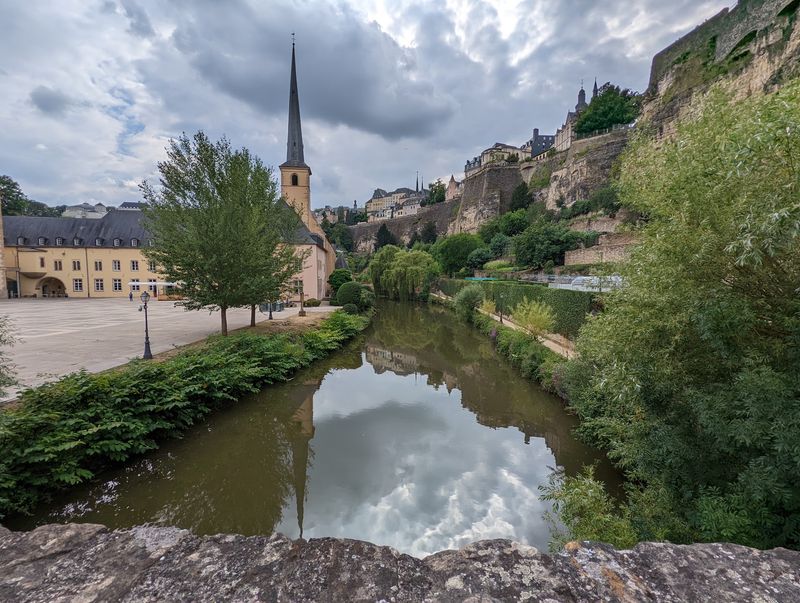
Ninety-three percent. That is how many residents told European Commission surveyors they were happy with the cleanliness of Luxembourg City, the top score among all 83 cities studied.
Wander the compact center and the number makes sense. Old fortifications look freshly cared for, and the parks are trimmed with real pride.
Paths above the Alzette Valley offer views without a single overflowing bin to spoil the photo.
Size helps a lot here. A small city is simply easier to keep tidy, and Luxembourg also has green space around nearly every corner.
Public transport is plentiful, so fewer cars crowd the streets.
If you visit, start with the walk along the Corniche, often called the most beautiful balcony in Europe. Then drop down into the Grund district and look back up at the cliffs.
Bring comfortable shoes, because the hills are steep and the best views reward walkers.
Visitors used to crowded capitals often say the calm order here feels almost surprising. Pack a picnic, find a bench in a landscaped park, and enjoy a city that seems to tidy itself while you sip your coffee.
Zurich, Switzerland
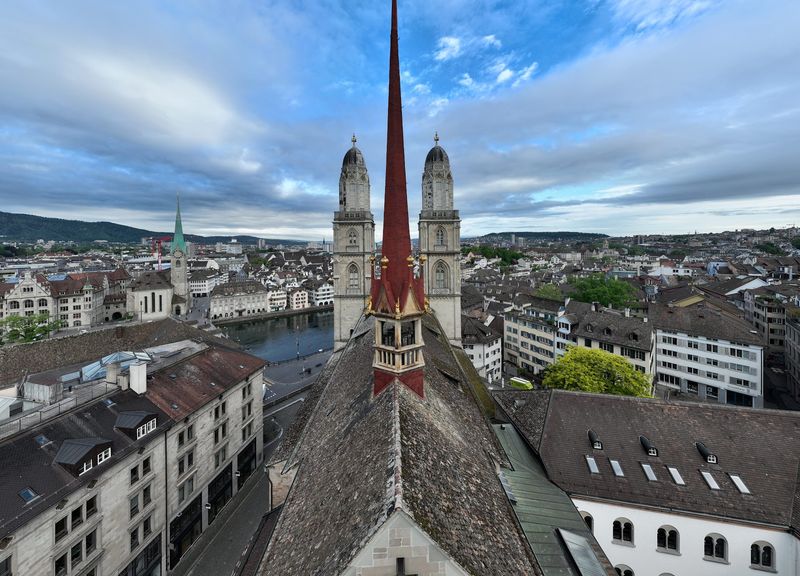
Zurich scores well with the people who live there and the people who visit. About 89 percent of residents say they are happy with local cleanliness, and a 2026 review study found 95.7 percent of cleanliness comments about the city were positive.
The lakefront is a good place to see why. Walkers, swimmers and picnickers share the shoreline, yet the grass and promenades stay neat.
Along the Limmat River, cafe terraces sit beside tidy stone embankments.
The old town feels organized without being stiff. Narrow lanes are swept, trams glide past on time, and recycling stations sit where you can actually find them.
Locals sort their waste carefully, and visitors quickly pick up the habit.
Here is a handy tip. Buy a day pass for trams and boats, then hop between neighborhoods and the lake.
You will notice that even busy shopping streets like the Bahnhofstrasse look ready for a magazine shoot.
Zurich proves a big financial hub can still feel relaxed. Bring a water bottle too, since public fountains around town offer fresh drinking water for free.
Kraków, Poland
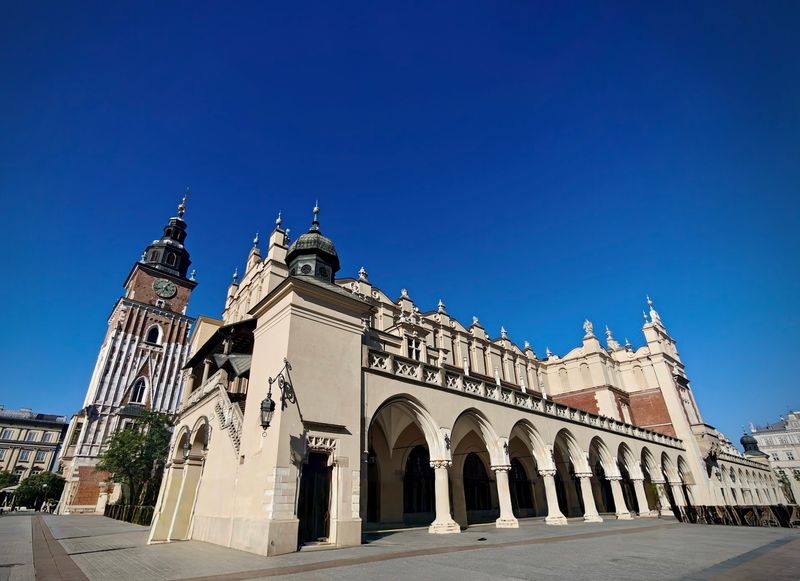
Here is a plot twist. A 2026 study of traveler reviews crowned Kraków the cleanest city among those it examined, with 98.5 percent of cleanliness comments being positive.
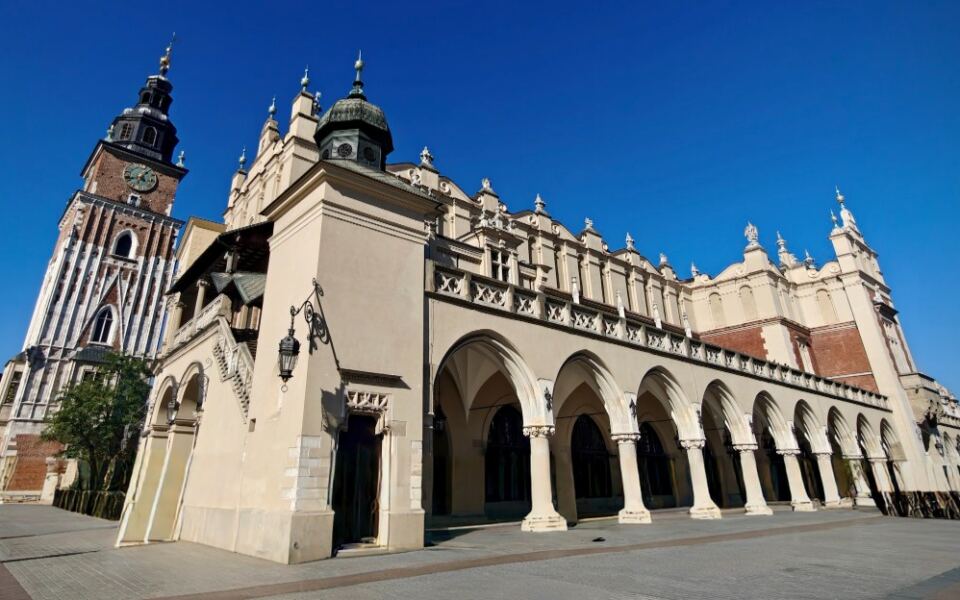
The star of the show is Rynek Główny, one of Europe’s biggest medieval squares. Thousands of people pass through daily, yet the cobblestones and arcades look cared for.
Horse carriages clip by, pigeons strut, and somehow the place stays presentable.
Planty Park wraps around the old town like a leafy ribbon. It replaced the old city walls, and today it gives walkers a shady loop with flower beds and benches.
Locals use it for lunch breaks, which probably keeps everyone on their best behavior.
Plan your day on foot. Start at Wawel Castle, stroll down Grodzka Street, and finish with pierogi in the Kazimierz district.
Almost everything sits within easy walking distance.
Visitors often say the city feels welcoming even during busy summer weeks. Beauty, history and tidy streets make a rare combination, and Kraków pulls it off with style.
Vienna, Austria
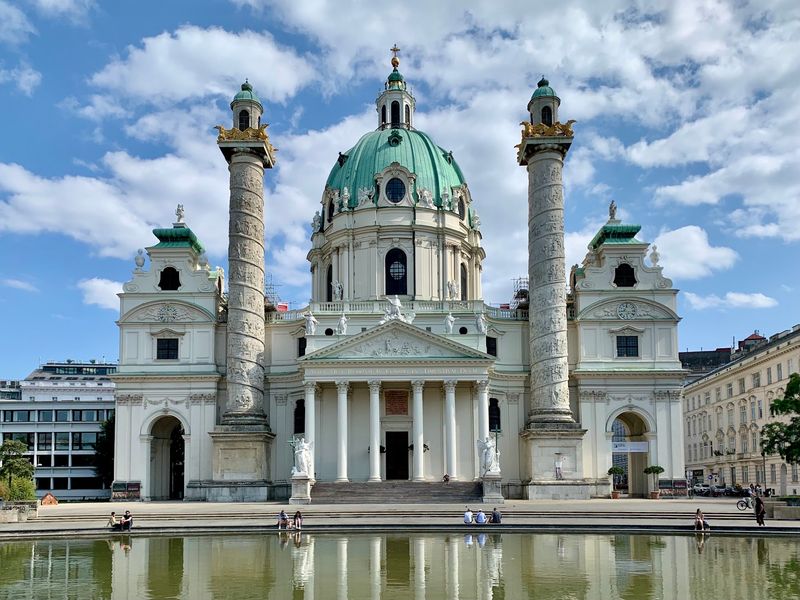
Picture a grand ballroom where somebody swept the floor before the waltz. That is Vienna’s general mood.
In the European Commission survey, 83 percent of residents said they were happy with cleanliness, putting the city among the top performers.
It was also one of just three capitals in the top ten. Stroll along the Ringstrasse and you will see why.
Palaces, theaters and gardens line the boulevard, and the pavement is spotless enough to make you hesitate before dropping a crumb.
Neighborhoods beyond the center keep up the standard. Parks like the Stadtpark and the Danube waterfront are busy with joggers and families, but benches and lawns stay in good shape.
Fewer cars also help, thanks to a trusted network of trams, buses and subways.
Try this plan. Ride tram line 1 or 2 around the Ring for a cheap sightseeing tour.
Hop off near the Rathaus, grab a pastry, and enjoy the calm.
Many visitors describe Vienna as peaceful and polished. It is a city where good order is part of the charm.
Copenhagen, Denmark
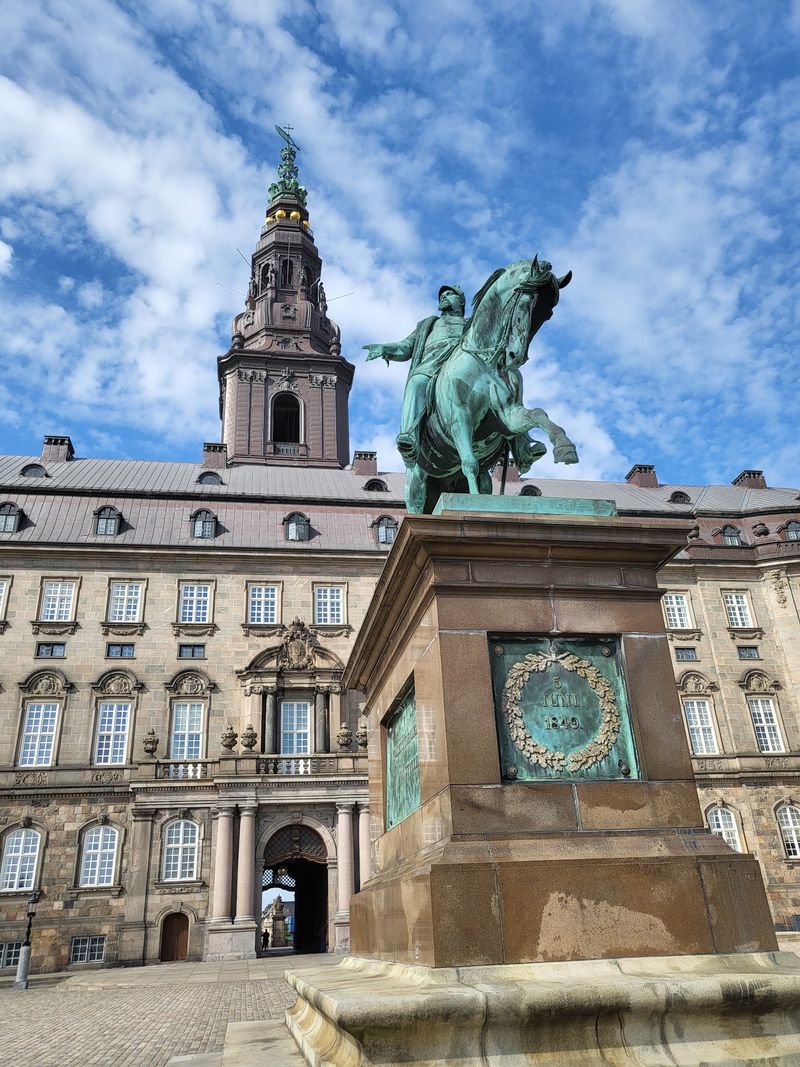
Swimming in a capital city harbor sounds wild, yet Copenhagen makes it normal. Decades ago the waterfront was badly polluted, but cleanup efforts turned it into a place where people now take a dip at designated spots.
Traveler reviews back up the good impression. A recent analysis found that 94.5 percent of comments mentioning cleanliness were positive.
Bikes rule the streets, so the center feels quieter and less smoggy than many capitals.
Old shipping areas have become public spaces with promenades, cafes and play areas. Walk the harbor path at sunset and you will see locals relaxing on the docks, with hardly a wrapper in sight.
Rent a bike for the day and follow the dedicated lanes. They are wide, well marked and very popular.
Remember to signal your turns and stay out of the way of fast commuters.
Parks such as the King’s Garden and the leafy lakes ring the city with greenery. The overall feel is modern, bright and easy to enjoy, which is why so many visitors leave planning a return trip.
Munich, Germany
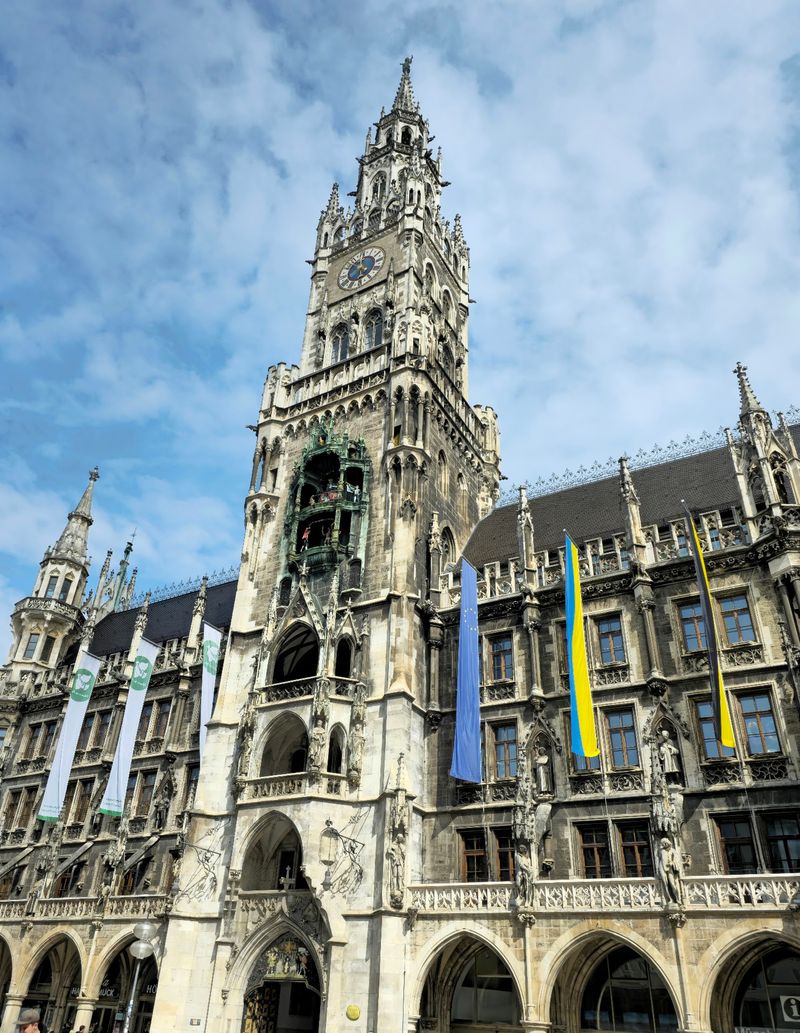
Munich looks like a big city that decided to behave like a village. About 83 percent of residents told surveyors they were satisfied with cleanliness, which landed the city in Europe’s top ten.
The English Garden is a fine place to test it. This huge park is larger than New York’s Central Park, and on sunny days it fills with sunbathers, musicians and surfers riding the river wave.
Even so, the lawns and paths stay in good shape.
Marienplatz, the main square, draws enormous crowds to watch the glockenspiel chime. Afterward, the stones are tidy and the cafes are lively.
Residential districts feel orderly and calm, which surprises many guests who expect a busy metropolis of over a million people.
For a smart visit, pick up a day ticket for the U-Bahn and S-Bahn. Trains are frequent, and stations are cared for.
Then take a short ride out to the Bavarian countryside or a nearby lake.
Munich suits travelers who want museums in the morning and fresh air in the afternoon. It balances both beautifully.
Ljubljana, Slovenia
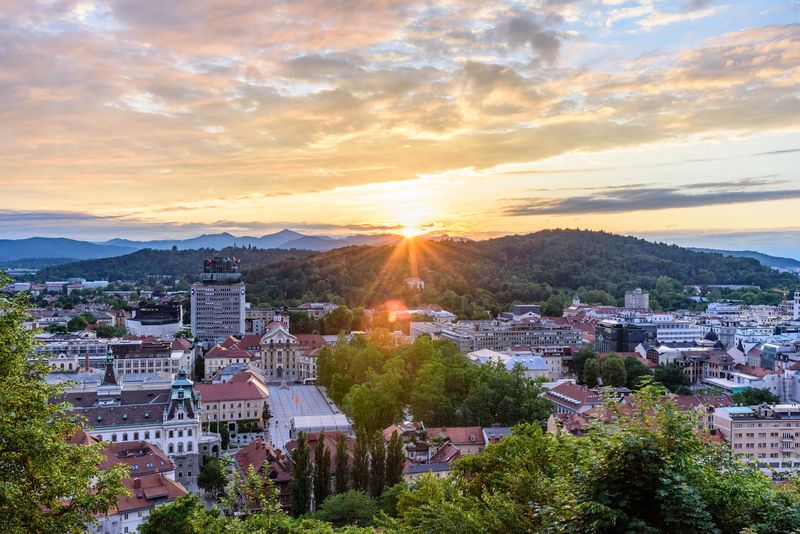
Small can be mighty. Ljubljana is one of Europe’s smallest capitals, and its compact size helps keep things neat.
In the European Commission survey, 81 percent of residents said they were happy with local cleanliness.
Much of the old center is closed to cars. Instead, people stroll along the Ljubljanica River, where landscaped banks hold cafes, willow trees and flower pots.
Sit by the water with a coffee and you will hear more bicycle bells than engines.
The city earned attention for its sustainability efforts too. It became known for strong recycling and waste reduction, and residents take that seriously.
Even visitors quickly notice the separate bins around town.
You can cover the highlights in a lazy day. Cross the Triple Bridge, ride the funicular up to the castle, then wander through Tivoli Park.
Everything is close, so you will not waste time in traffic.
Travelers love how relaxed the place feels. Ljubljana offers charm, fresh air and tidy streets without the crowds that swamp bigger capitals.
Warsaw, Poland
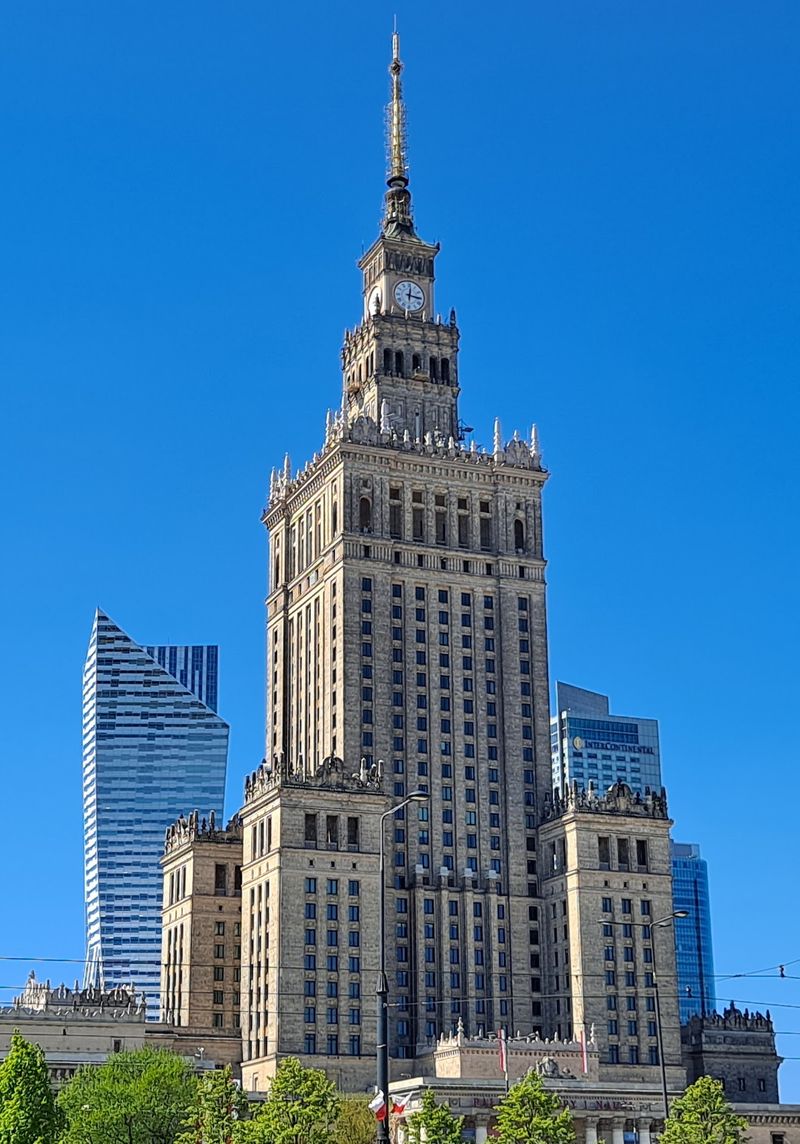
Ask someone to picture Warsaw and they may imagine glass towers and business meetings. Reviewers see something different.
In a 2026 analysis, 97.8 percent of cleanliness comments about the city were positive, one of the best results in the study.
The Old Town is a story in itself. It was rebuilt carefully after World War II, and today its pastel townhouses and cobbled lanes look freshly polished.
Locals clearly care about keeping it that way.
The modern districts hold up too. Wide boulevards, new transit lines and tidy plazas make the city easy to explore.
Then there is Łazienki Park, where peacocks wander near a palace on the water and Chopin concerts float across the lawn on summer Sundays.
Plan a route that mixes both sides. Begin in the Old Town, walk the Royal Route south, and end in the park for a quiet rest.
Trams and buses are simple to use if your feet get tired.
Visitors often say they expected gray and found bright. Warsaw is orderly, green and full of surprises.
Prague, Czechia
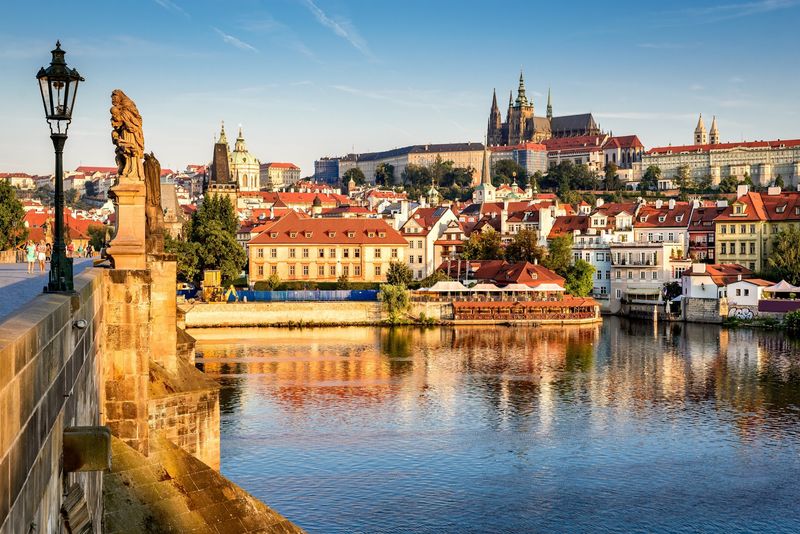
Charles Bridge at noon can feel like a rush-hour subway. Yet Prague still earns praise, with 96.4 percent of cleanliness comments in a 2026 review analysis being positive.
That is impressive for a city under heavy tourist pressure. Old Town Square gets packed all day, and crews work hard to keep the stones and fountains in good shape.
Early mornings are the best time to see the place almost empty and glowing.
Step away from the main sights for a calmer scene. In Vinohrady, tree-lined streets lead to Riegrovy Sady, a park with a hillside beer garden and sweeping skyline views.
Along the Vltava, riverside paths invite long, easy walks.
Try this tip. Cross the bridge at sunrise, then climb to Prague Castle before the tour buses arrive.
You will get cleaner photos and quieter paths.
The medieval center feels full of atmosphere without looking worn out. Prague shows that a famous, busy city can still keep its sparkle with steady care and a little local pride.
Oulu, Finland
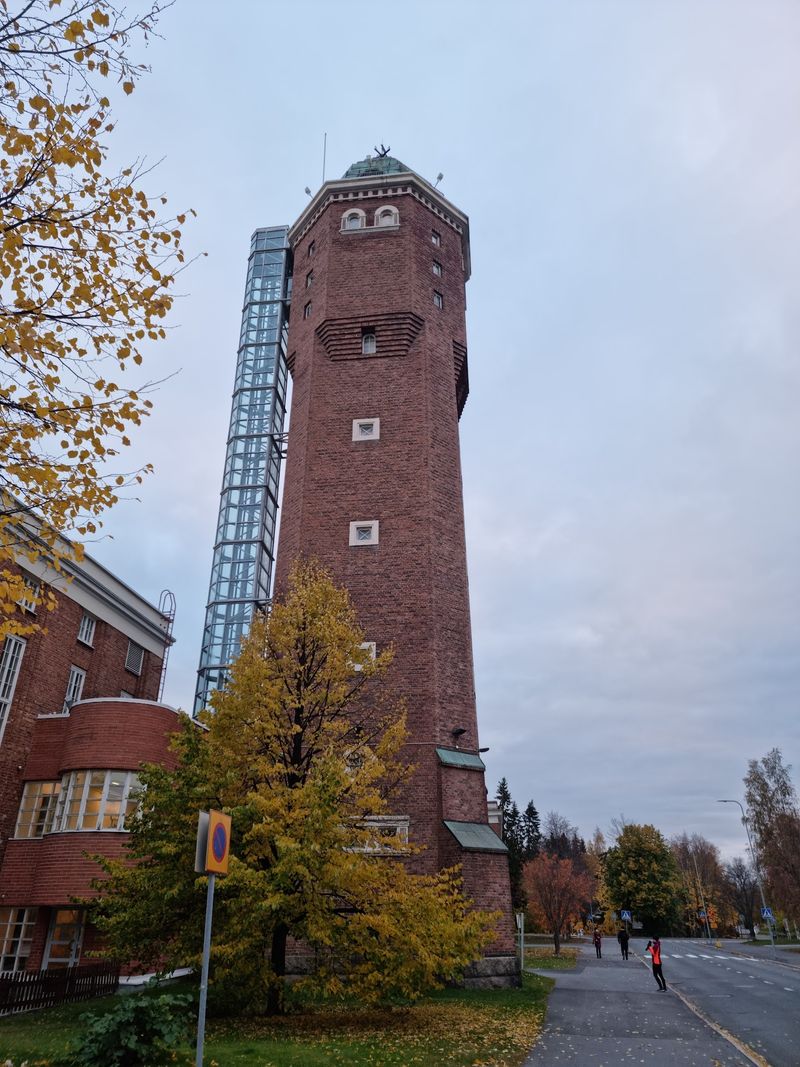
Few first-time travelers put Oulu on their map, but residents are very happy there. In the European Commission survey, 83 percent said they were satisfied with the city’s cleanliness.
This northern city sits where the river meets the Gulf of Bothnia, and water, forests and open space surround it. Cycling paths weave through town, and locals use them all year.
Even in winter, crews clear routes quickly so life keeps moving.
Finland as a whole scores well on pollution. Numbeo’s 2026 country index ranks it among the countries with the lowest pollution scores, and that fits the fresh feel here.
The air smells like pine and river water.
Visit in summer for long, bright evenings. Rent a bike, ride out to Hietasaari island, and take a break at the beach.
In winter, try walking on the frozen sea ice if local guides say it is safe.
Oulu is perfect for people who like quiet streets and easy nature. It feels uncluttered, friendly and wonderfully calm.
Groningen, Netherlands
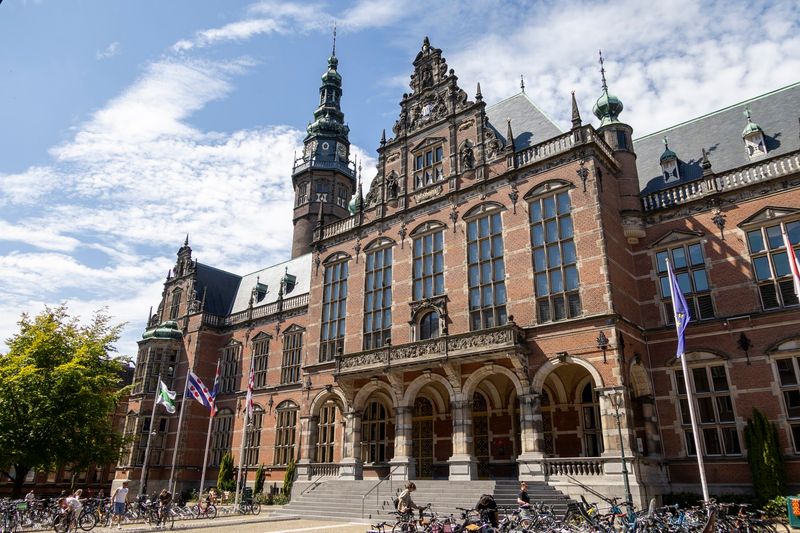
Bikes outnumber cars here, and the effect is dramatic. Groningen is a lively student city, yet 81 percent of residents told surveyors they were happy with cleanliness, putting it in Europe’s top ten.
With so many people pedaling, the historic center feels quieter and easier to breathe in. Squares like the Grote Markt host cafes and markets, and the cobbled lanes stay pleasant to stroll.
Canals add a calm backdrop without crowds of tour boats.
The Netherlands also does well in broader comparisons. Numbeo’s 2026 index places it among Europe’s cleaner countries for pollution.
That national habit of tidy planning shows up in the details, from neat bike parking to well-kept parks.
Here is a local trick. Climb the Martini Tower for a wide view, then wander to the Noorderplantsoen park for a picnic.
Do not forget to lock your bike, since students love borrowing a good ride.
If you know Amsterdam, you may find Groningen refreshing. It offers canals and old brick architecture on a smaller, calmer scale.
Aalborg, Denmark
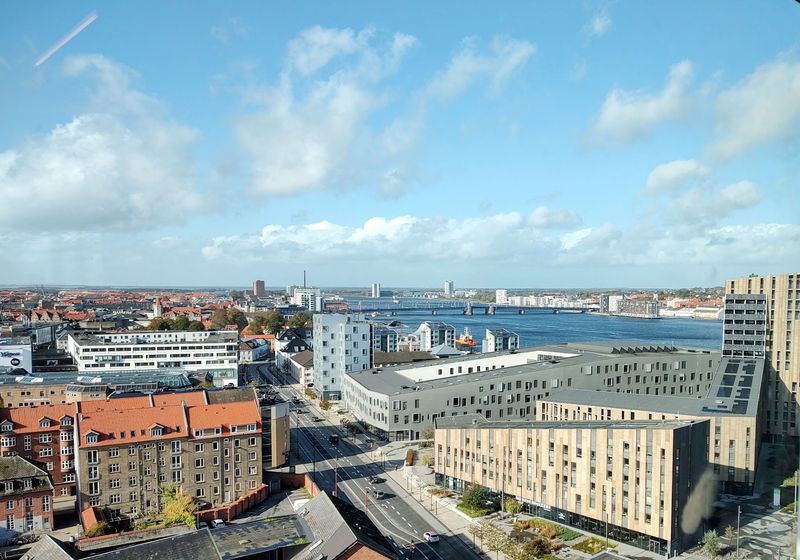
Copenhagen gets the fame, but Aalborg quietly collects compliments. In the European Commission survey, 80 percent of residents said they were satisfied with cleanliness, a top ten result.
The big story is the waterfront. Former industrial zones along the Limfjord have become promenades, concert halls and play areas.
Walkers stroll along the water, and the old shipping grounds now host open-air events instead of cargo.
The city is easy to handle without a car. Short distances make cycling and walking practical, and public spaces feel open rather than crowded.
Denmark’s generally low pollution levels add to the fresh, light feeling.
For a good day out, start in the old town with its colorful merchant houses. Then head to the harbor for a walk or a coffee on the boardwalk.
Take a little time to explore the nearby Kunsten art museum, which has a sleek design and lovely views.
Aalborg may lack big-name status, and that is part of its appeal. You get tidy streets, modern buildings and elbow room all at once.
Edinburgh, Scotland
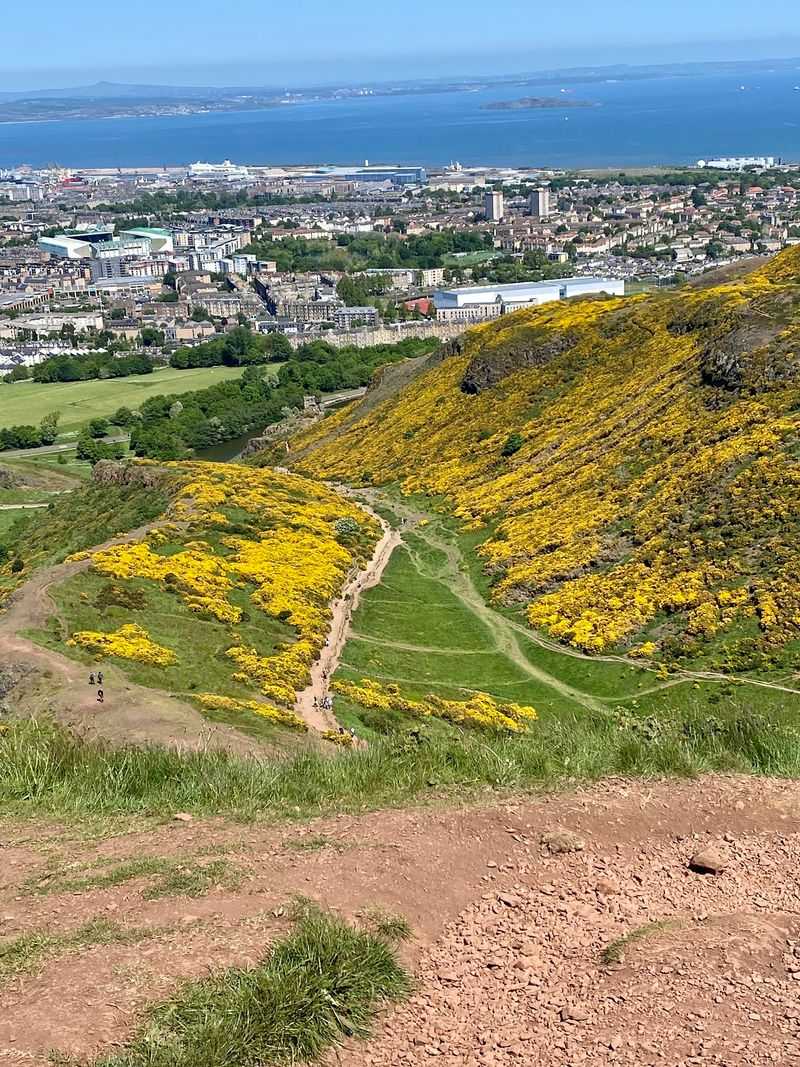
Dark stone, steep lanes and castle walls do not scream spotless. Yet in a recent global review analysis, 95.4 percent of comments that mentioned Edinburgh’s cleanliness were positive.
The city’s parks and visitor areas help. Princes Street Gardens sits right below the castle rock, and the lawns are kept in fine shape.
Residential neighborhoods like the New Town have broad Georgian streets that look surprisingly crisp.
Then there is Arthur’s Seat. This ancient volcano rises in Holyrood Park, only minutes from the Royal Mile.
Hike up and you will find wide views of rooftops, sea and hills with fresh air to match.
Festival season can be hectic, with huge crowds and plenty of flyers. If you want a calmer visit, come in spring or early autumn.
You will still find street performers and warm pubs without the shoulder-to-shoulder squeeze.
Wear good shoes, since the cobbles can be slippery. Edinburgh blends drama and order, and that mix explains why travelers keep calling it one of Britain’s most appealing cities.
Porto, Portugal
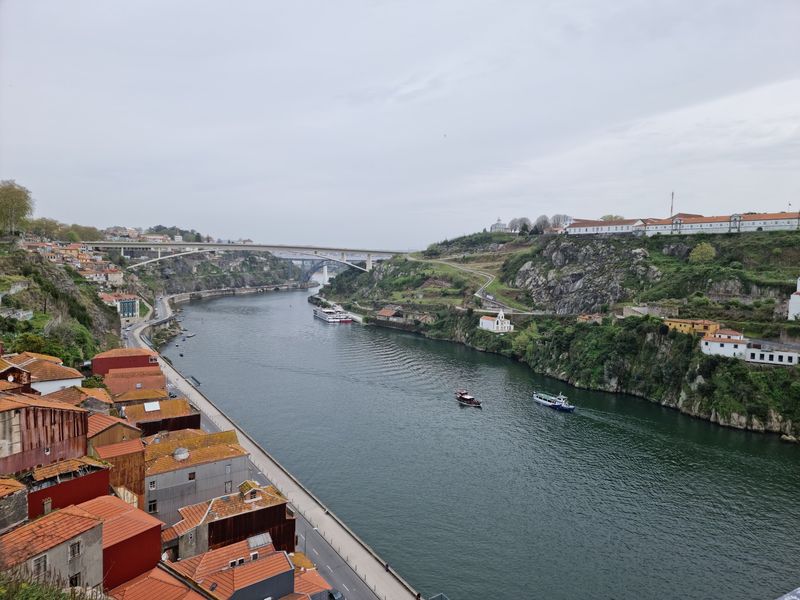
Peeling paint and worn tiles might suggest a messy city, but Porto’s fans say the opposite. A 2026 traveler-review analysis found that 94.8 percent of cleanliness comments about it were positive.
The Ribeira district is a busy stop, with colorful houses stacked above the Douro River. Despite the crowds, the riverside walkways stay inviting.
Street cleaners seem to work as hard as the waiters carrying trays of port wine.
The city has put money into urban upgrades and public transport in recent years. The metro is clean and easy to use, and historic trams still rattle along the coast.
Hillside viewpoints, like the one near the Dom Luís I Bridge, give sweeping views without litter spoiling the scene.
Tip for your legs: Porto is very hilly. Take the metro or funicular uphill, then walk down toward the river so you can enjoy the sights.
Do not skip the famous azulejo tiles at the São Bento station. They look fresh and bright, which says plenty about how the city cares for its treasures.
Porto proves charm and tidiness can share a street.
Valencia, Spain
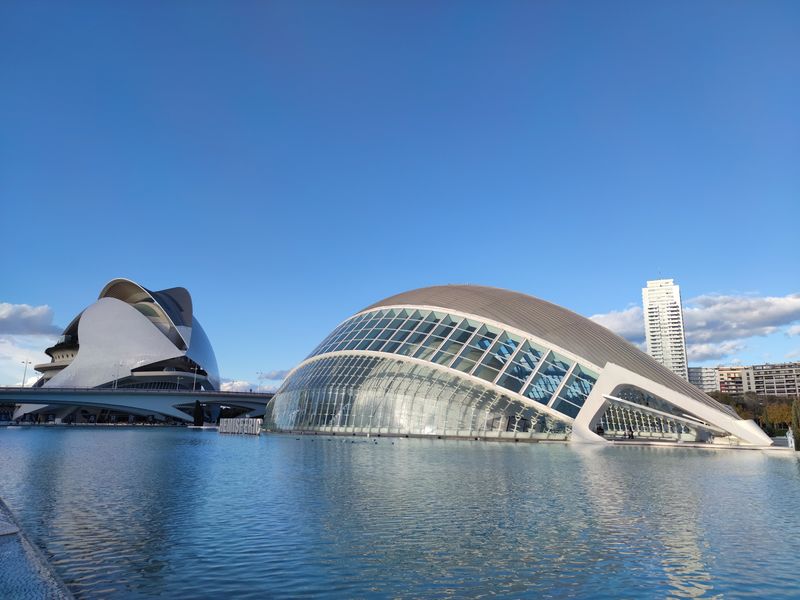
Valencia did something clever with a river. After a deadly flood in 1957, the Turia was rerouted, and the empty riverbed became a giant garden that stretches for kilometers.
Today the Turia Garden is a green ribbon full of cycling paths, sports fields, playgrounds and orange trees. In a 2026 review analysis, 94.3 percent of cleanliness comments about the city were positive, and a walk here shows why.
At the end of the garden stands the City of Arts and Sciences. Its white, futuristic buildings sit among bright blue pools and are kept in gleaming shape.
Nearby, broad beaches are only a short ride away.
The flat layout makes the city perfect for bikes. Rent one, follow the garden from end to end, and stop for horchata and fartons along the way.
You can see most of the city without needing a car or a taxi.
Visitors love the open, spacious feel. Valencia mixes old Mediterranean streets with bold modern design, and it all looks nicely cared for from morning until sunset.
Share this story