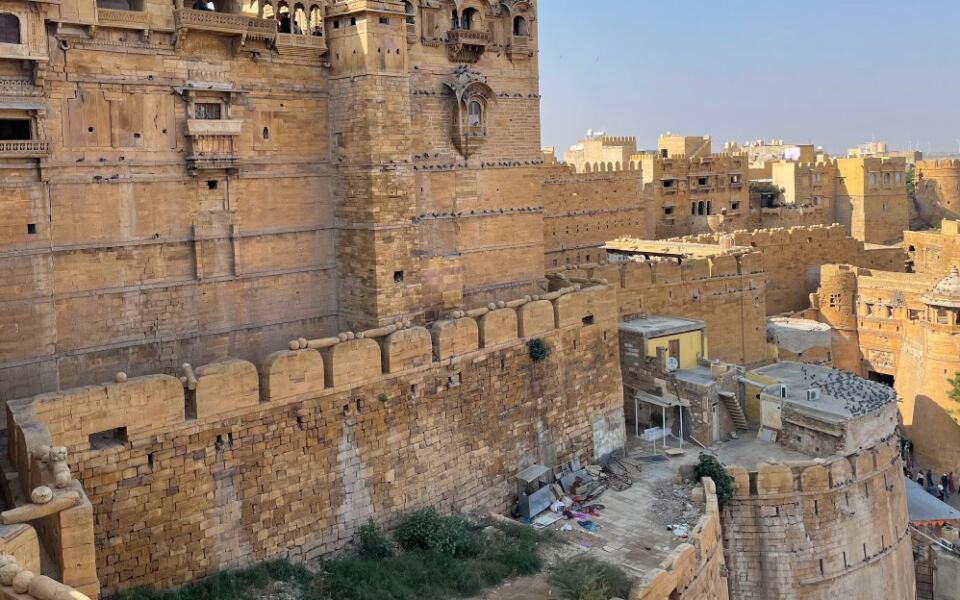
Rising out of the Thar Desert like a giant sandcastle, Jaisalmer Fort looks like a movie set. But the doors you see are real front doors, and the people behind them are real neighbors.
Thousands of families still live, cook, shop, and pray inside its honey-colored walls. Ready to meet one of the last living forts on Earth?
A Fort That Still Has Neighbors
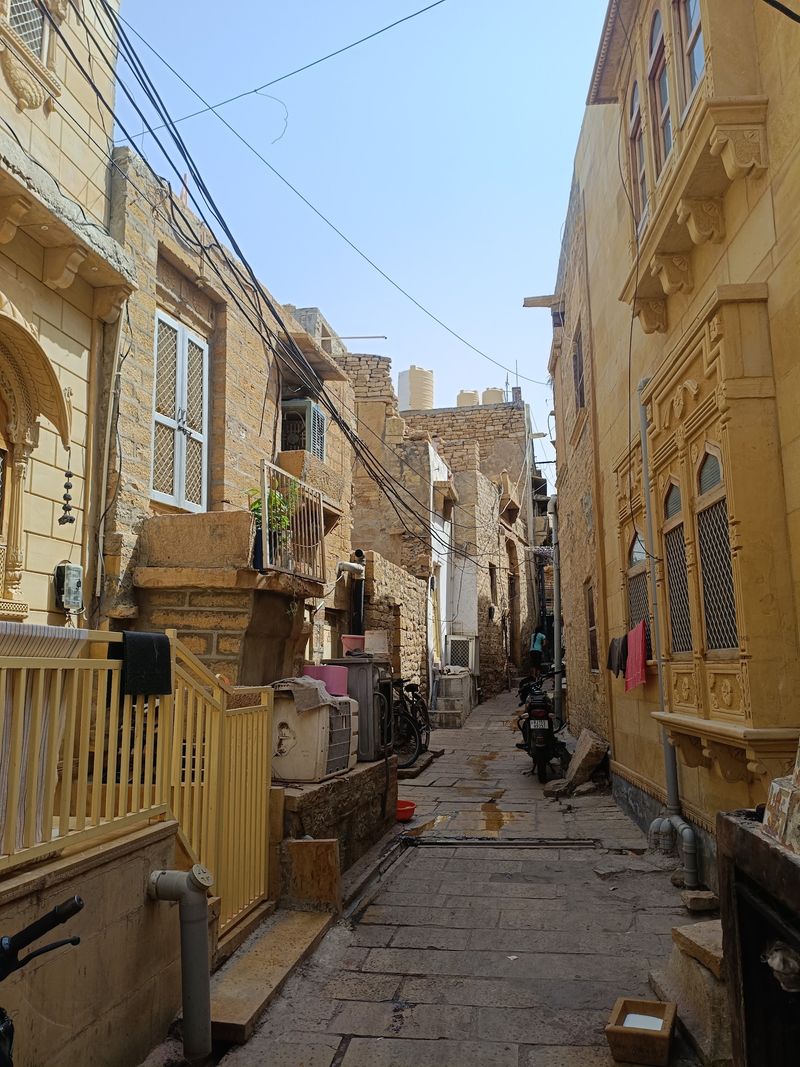
Picture this: you walk through an ancient gate and bump into a kid carrying school books. That is daily life at Jaisalmer Fort.
Reviewers say around 3000 to 4000 people still call it home, which is roughly a quarter of the city.
Families here have lived inside these walls for generations. They hang laundry on old stone balconies, chat on doorsteps, and send children off to school past centuries-old gates.
Nothing feels staged, and that is the whole charm.
Treat the lanes like someone’s front yard, because they are. Keep your voice low, ask before taking photos of people, and say a friendly hello.
Locals are often warm and helpful when you show a little respect.
The fort is one of the very few living forts in the world. Most forts in India are quiet ruins or museums with ticket booths at every corner.
Here, you may hear a pressure cooker whistle echo off a thousand-year-old wall, and that is a sound no museum can copy.
Walls That Glow Like Honey
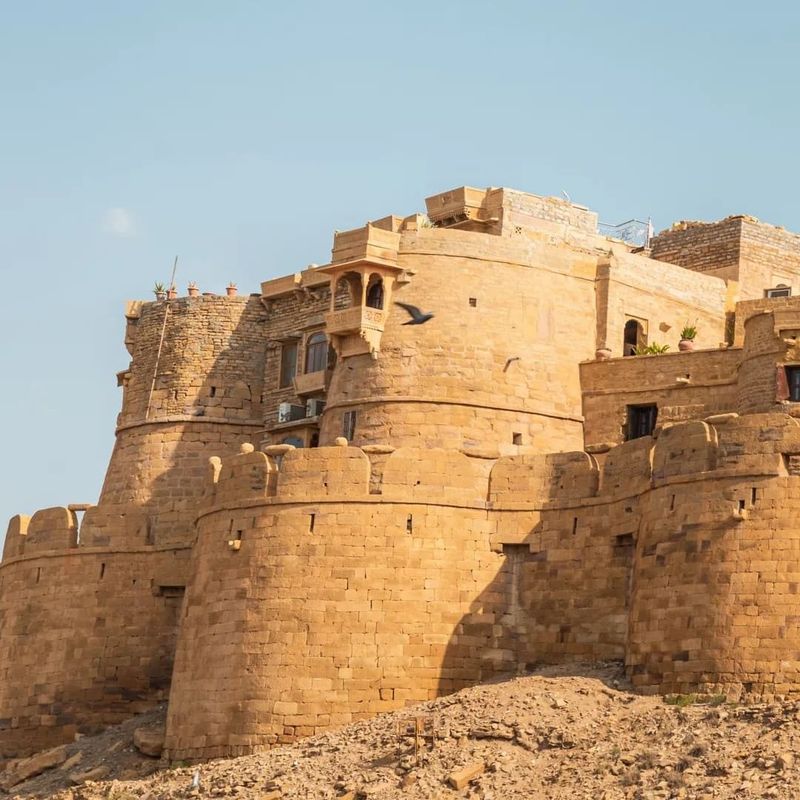
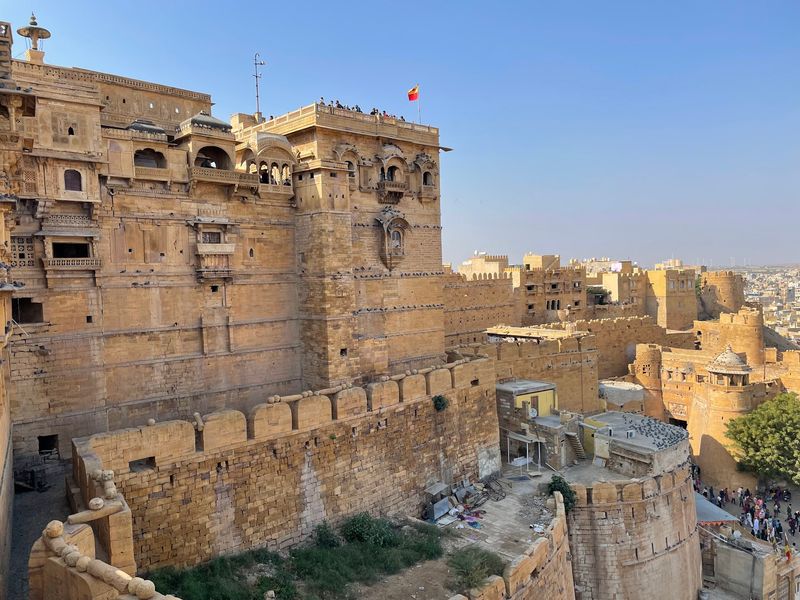
Sonar Qila, the Golden Fort, earns its name the moment the sun hits it. By day the yellow sandstone blends with the desert sand, almost like camouflage.
Near sunset it turns a deep honey gold that makes visitors stop mid-sentence.
Rawal Jaisal, a Rajput ruler, built the fort in 1156 AD. Its walls stand tall on a hill, so you can spot it from far across the city.
Over 99 bastions guard the edges, and some were built without mortar, with stones fitted together snugly.
Photographers should plan around the light. Early morning gives soft, warm tones and fewer people in your frame.
Late afternoon gives that famous glow, so bring a charged phone or camera.
Walk the outer edge if you can, and look up at the curved bastions. Run your hand over the stone, which stays rough and warm from the sun.
It feels like touching a very old, very patient giant.
Seven Jain Temples of Fine Stone Lace
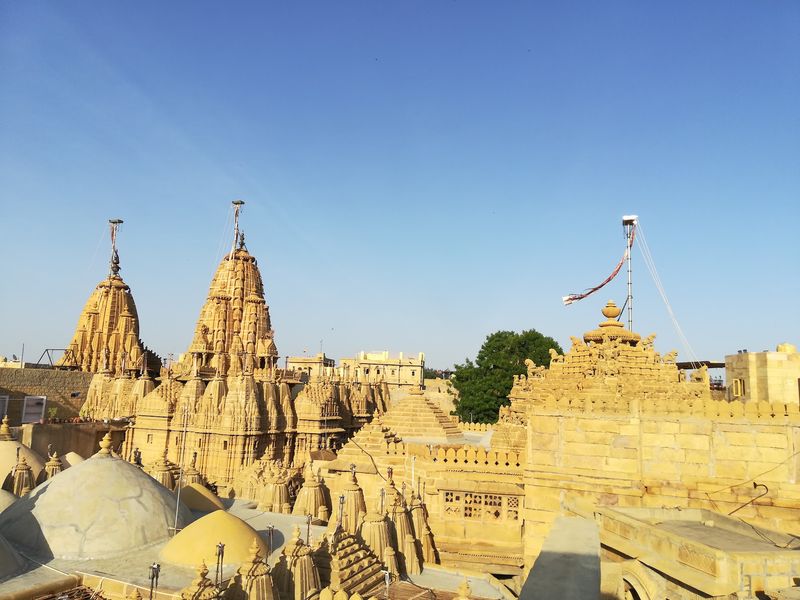
Step inside the Jain temples and your jaw may drop before your shoes come off. Every pillar, ceiling, and doorway is carved with tiny dancers, flowers, and patterns.
The stone looks almost soft, as if someone embroidered it.
The fort holds a cluster of seven temples built between the 12th and 15th centuries. Visitors often spend time at four main shrines, and many reviewers call the carvings their favorite part of the trip.
One traveler even said the sculptures deserve their own dedicated time.
Go slowly here. Look up, look closely, and let your eyes adjust to the fine details.
Dress modestly and be ready to remove your shoes at the entrance.
A tip from visitors: the temples are close to the fort entrance, so you can see them early before the crowds and the heat build up. Even a short visit is rewarding.
A guide can point out stories hidden in the stonework that you would otherwise miss.
Raj Mahal and Royal Leftovers
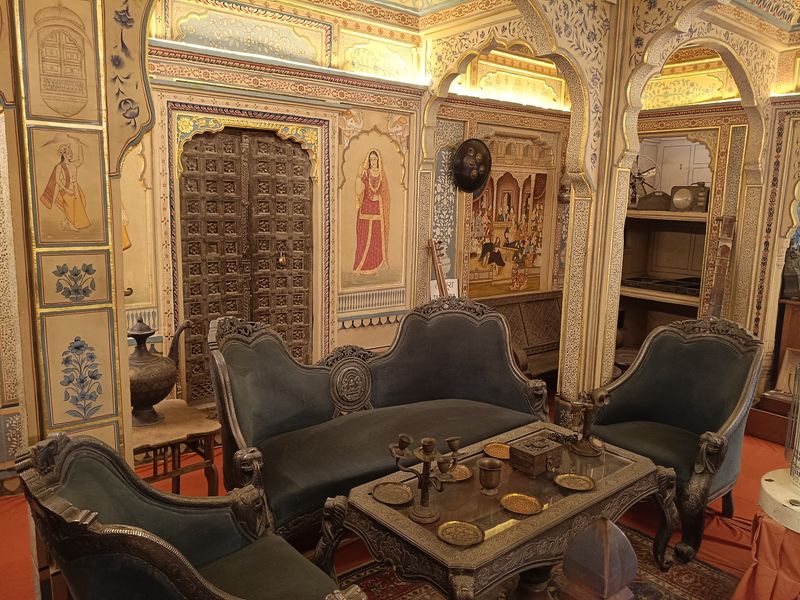
Ever wondered how big a royal outfit can get? One visitor found a seven-foot royal dress inside the palace and could not stop talking about it.
The Raj Mahal is full of surprises like that.
This former royal home now works as a museum. You can wander the courtyard, peek into the queens’ living quarters, and see the public meeting area where kings once heard their people.
Weapons, artifacts, and carved balconies fill the rooms.
The palace ticket costs about 200 rupees per person, according to recent reviews. Walking through the fort itself is free, so you can choose how deep to go.
History fans will want the palace, while casual strollers can skip it.
Save time for the rooftop views. From the upper levels, you can look across the whole golden city and out toward the desert.
Hire a guide at the gate if you want stories, since many charge modest prices.
Sunset From Cannon Point
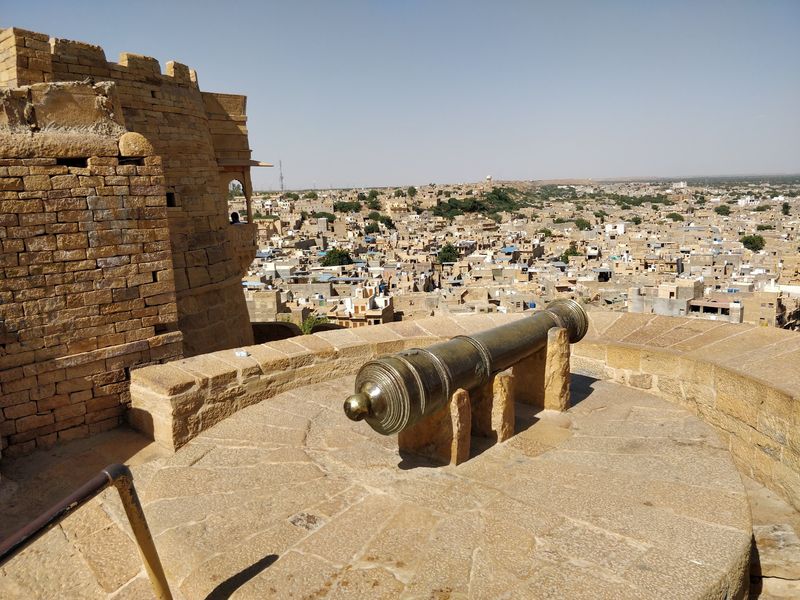
Sunset is the fort’s daily show, and the best seats are free. Head to the ramparts or the gun point after 5 p.m. and watch the city turn gold.
Reviewers rave about it again and again.
The view stretches across rooftops, domes, and the flat desert beyond. As the sky shifts from orange to pink, lights start flickering on below.
Stay a little longer and the whole city sparkles.
Arrive early to grab a good spot. Evenings can get busy, and everyone wants the same photo.
Bring water, and watch your step on the old stone.
Here is a handy fact: the fort stays open around the clock, so you can return at night too. Some visitors say the glowing walls look just as stunning from a nearby rooftop restaurant after dark.
Not many historic sites let you enjoy dinner and a floodlit fortress at the same time.
Shopping in the Alleys
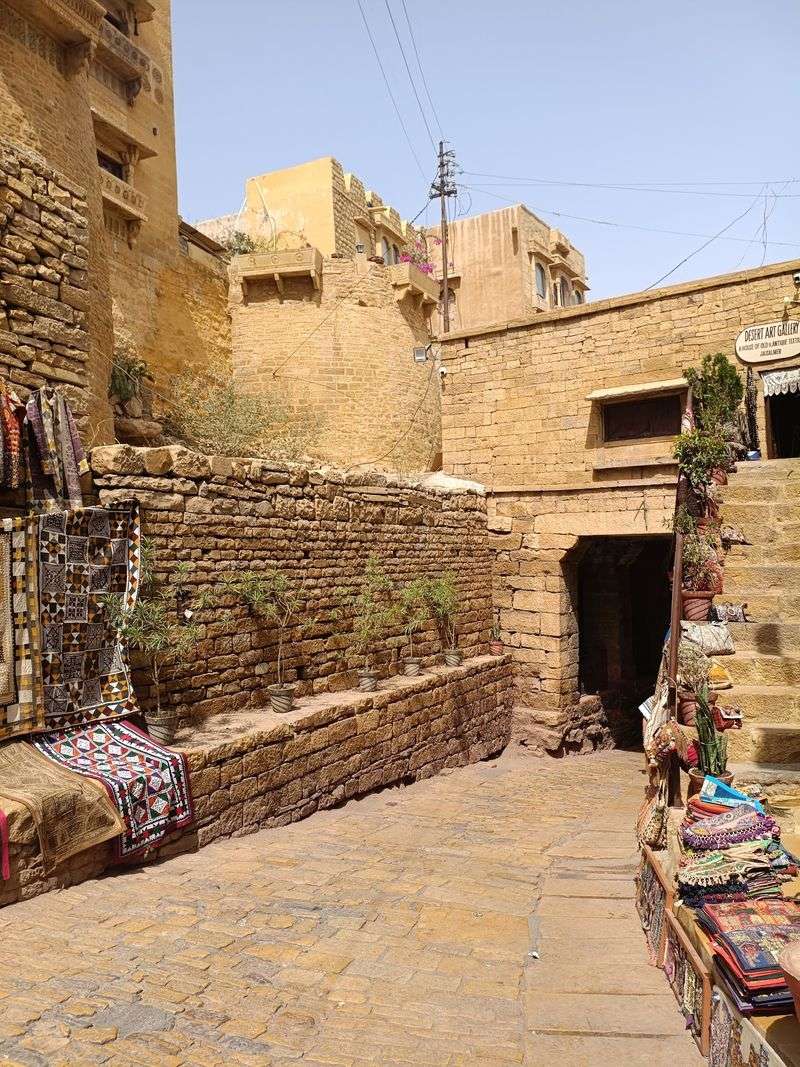
Colors pop everywhere in the fort’s lanes. Bright mirror-work cloth hangs beside silver jewelry, leather bags, and puppets.
It is hard to leave empty-handed.
Small shops tuck into every corner, selling Rajasthani textiles, camel-leather goods, and souvenirs. One reviewer found the prices reasonable, though bargaining was not always welcome.
Another said every shopkeeper seemed ready to sell something, so a polite smile and a firm no help a lot.
Take your time and browse before buying. Compare a few stalls, and ask about the materials.
Handmade items usually cost more than factory-made ones, and the difference shows.
Not everyone loves the commercial feel. One visitor felt the fort is now heavily commercialized, with hotels and gift stores almost everywhere.
Still, the shops keep local crafts alive and give residents a livelihood, so shop with a kind heart and a small budget plan.
Rooftop Cafes With a View
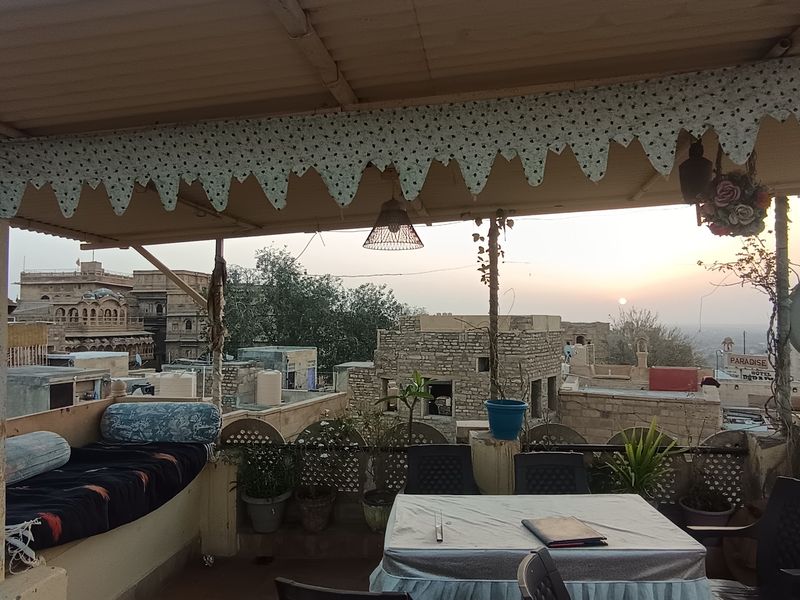
Sip your chai first, then plan the rest of your day. Rooftop cafes inside the fort make the perfect pit stop.
You get shade, snacks, and a view that beats any menu.
Many restaurants sit right on the walls with open viewpoints over the city. One visitor suggested saving a full day or two here, simply to sit, watch, and wander.
That slower pace is part of the experience.
Try local flavors while you are there. Rajasthani thali plates, fresh lassi, and hot tea are easy picks.
Ask staff what is freshest that day.
Evening is lovely. The stone cools, the lights come on, and you can see other rooftops glowing across the fort.
Book a table early for sunset, since the best seats go quickly. Bring a light jacket in winter, because desert nights get chilly.
Sleeping Inside the Walls
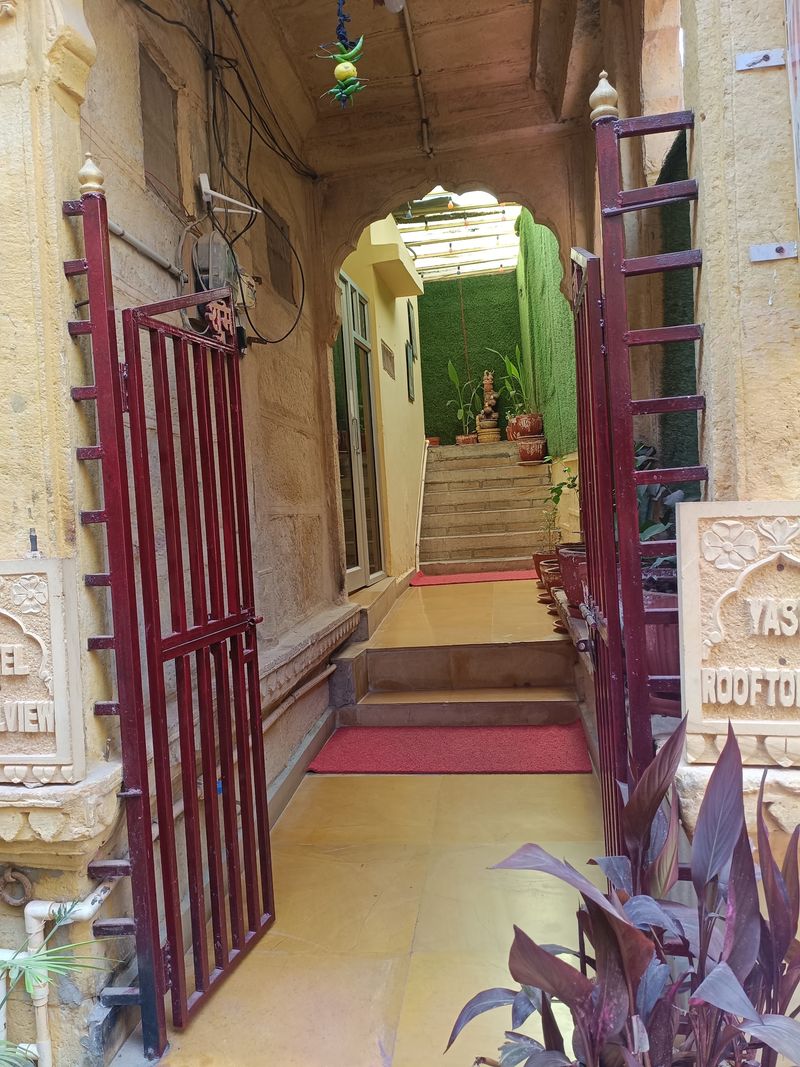
Why visit the fort when you can wake up inside it? Guesthouses and small hotels tuck into the lanes, giving you an authentic heritage feel.
One traveler stayed two days and loved exploring alleys and ramparts at a relaxed pace.
Staying inside means you see the fort at its quietest. Mornings are calm, with soft light and few tourists.
Evenings bring lamps, music, and neighbors chatting on steps.
There are a few things to plan for. Rickshaws can carry you and your bags up toward the final gate, though one reviewer found the 100 rupee fare steep for a short ride.
Power can cut out for about 30 minutes at night in some areas, so pack a small torch.
Choose a place with a rooftop and good reviews. Ask about luggage help before booking.
A heritage room with a view makes every climb worthwhile.
Gates, Pols, and Old Defenses
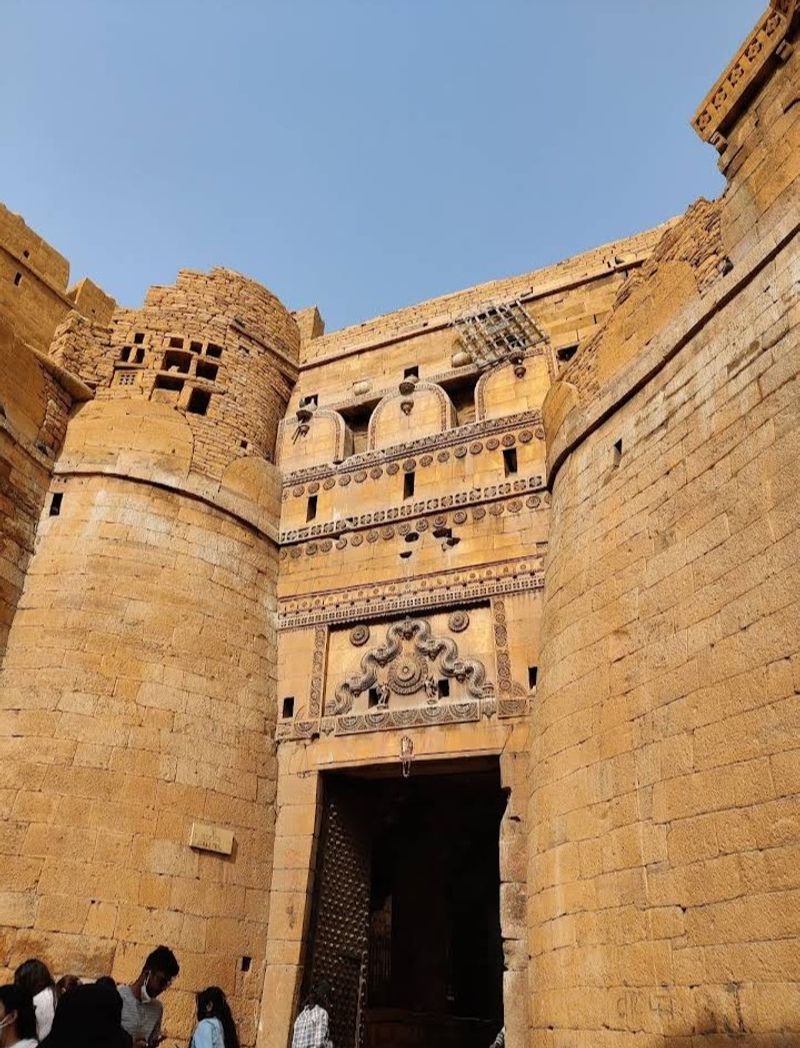
Four mighty gates, called pols, stand between you and the heart of the fort. Each one forced invaders to slow down and face stone, spikes, and archers.
Today, they slow you down for a better reason: photos.
Walking up the sloping path feels like retracing history. The ramparts remain remarkably well preserved, according to visitors.
Look for cannons and wide walls that once watched over desert trade routes.
Remember that the fort sits on a hill. Wear comfortable shoes, carry water, and take short breaks.
One reviewer warned of a long walk, so pace yourself.
Rickshaws run from the base if you want a lift. Parking nearby is easy and often free, which helps if you are driving.
Early mornings are cooler and quieter, so you can enjoy the gates without crowds or heat.
Smart Tips for a Better Visit
A little planning can turn a hot, crowded walk into a happy memory. Visit between October and March, when desert weather is kind.
Go early in the morning or late in the afternoon to avoid the midday glare.
Opinions about the fort differ. Most visitors adore it, but one found the lanes damp and crowded with sellers.
Expect a lively, real neighborhood rather than a polished museum, and you will likely enjoy it more.
Hire a guide if you love stories. Many charge cheap prices and even take your photos.
Plan on about two hours for a quick visit, or up to two days if you want to linger.
Also look beyond the fort. Patwa Haveli, Sam Sand Dunes, and Bada Bagh are all popular picks nearby.
Water in Gadisar Lake can run low in dry months, so check before you go.
Share this story