Think your pantry is bare some nights? Imagine feeding yourself during the Civil War, when armies marched far from supply wagons and shortages hit homes across the South.
People ate crackers hard enough to need soaking, brewed coffee from roots and acorns, and gathered wild plants from fields and creeks. Some of the foods on this list were everyday rations, while others were backyard fixes that only a few people tried.
A few come with honest warnings about what history can and cannot prove. Here are 20 foods that show how creative hungry Americans had to be.
Hardtack
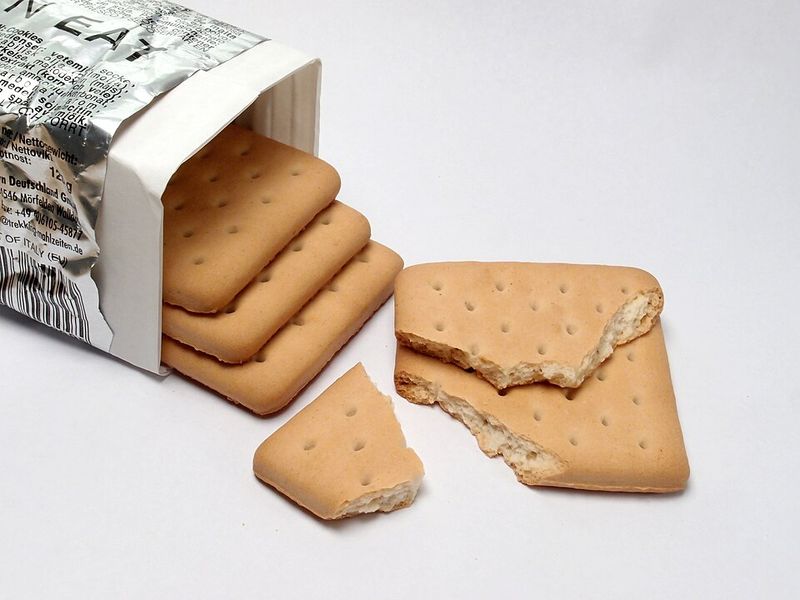
Soldiers gave hardtack the nickname “worm castles,” and the reason says a lot about how it was stored. The thick crackers were generally made from flour, water, and sometimes salt, then baked until extremely dry so they could survive long journeys.
The trouble was how tough they became. Some were nearly impossible to bite, so soldiers softened them in coffee or water, crumbled them into soups, or soaked and fried them in bacon grease.
Storage was another headache. Crackers kept too long could turn moldy or get infested with insects, which is how the colorful nickname came about.
Few foods are tied more closely to Civil War soldiers than this one. It was cheap, simple, and built to last, even if nobody called it delicious.
Fried up with a little grease, it at least turned into a hot meal after a long day of marching.
Acorn Coffee
Coffee mattered so much to Civil War soldiers that running out of it felt like a real crisis. In the Confederacy, the Union blockade made genuine coffee harder to find and much more expensive.
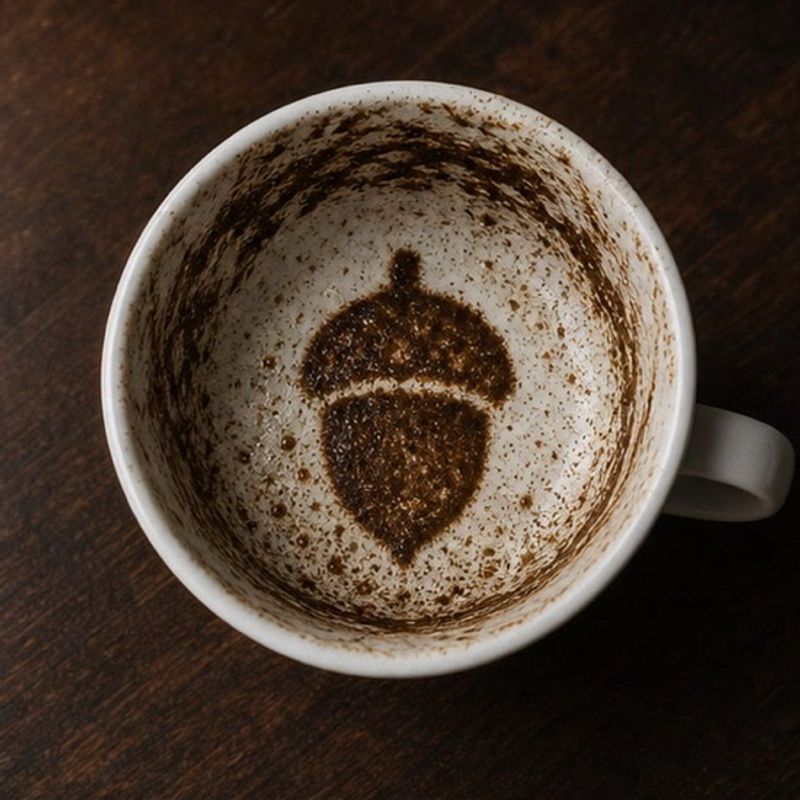
One documented substitute came from acorns. They could be shelled, dried, roasted, ground, and brewed to imitate the real thing.
Confederate newspapers listed acorns alongside many other stand-ins when imported coffee was unavailable. Readers were basically handed a menu of options and told to experiment.
Acorn brew did not carry the caffeine of true coffee, so nobody was getting the same morning jolt. Still, it gave people something warm and familiar to hold during stretches of severe scarcity.
Sometimes the ritual of a hot cup in the morning mattered almost as much as what was inside it.
Dandelion Greens
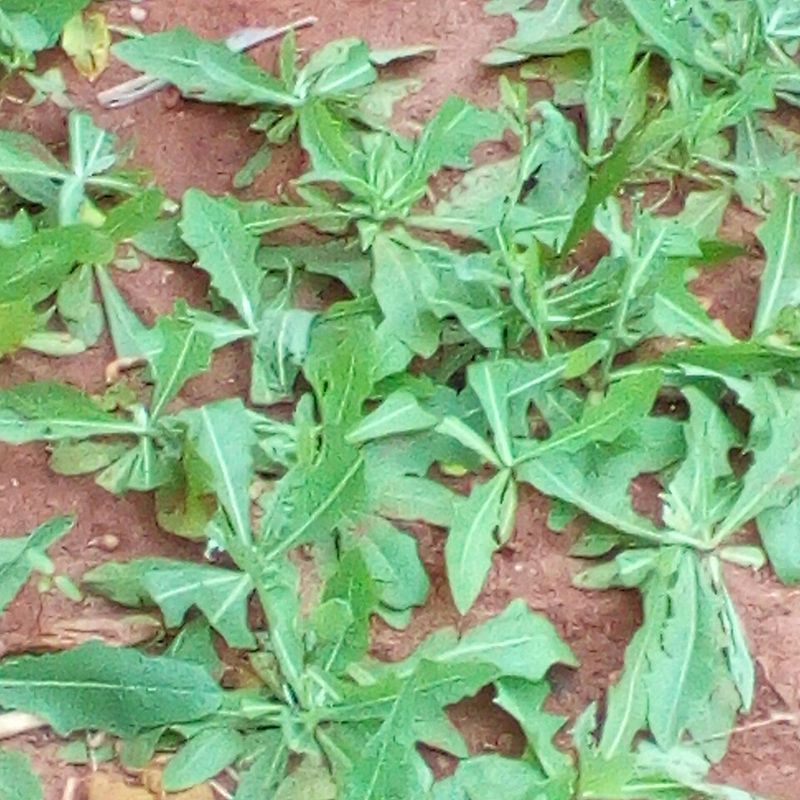
When gardens, markets, and military supply lines failed, a weed in the yard suddenly became dinner. Dandelions were handy because their young leaves are edible and can be gathered without planting a single seed.
The greens could be boiled or cooked with other available ingredients. That added some variety to meals built mostly around cornmeal, meat, or bread.
Dandelion greens were never an official Civil War ration. Still, foraging was one way civilians and soldiers could stretch limited diets.
Soldiers often searched the surrounding countryside for extra food when issued provisions fell short. A patch of greens along a roadside or field edge could turn a plain plate into something with a bit more color.
It was a small fix, but when food was scarce, small fixes counted.
Squirrel Stew
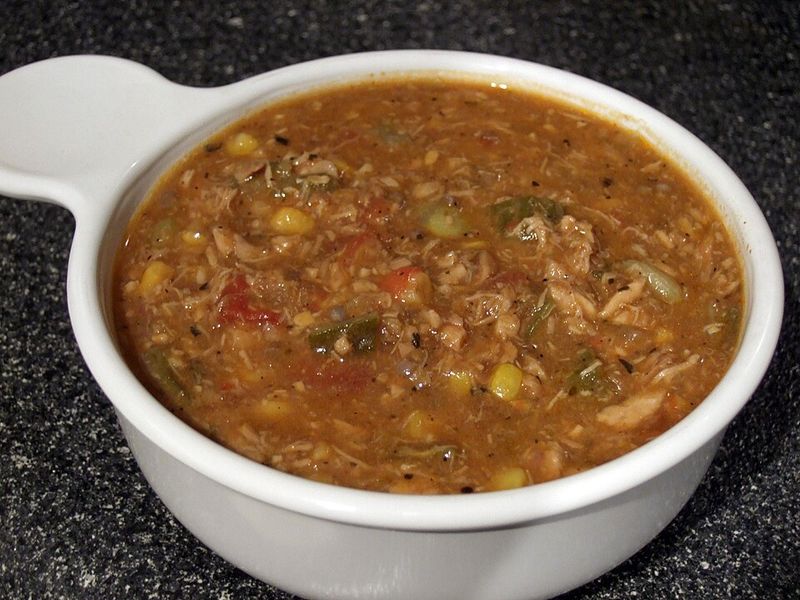
Rural Americans were cooking small game long before the first shots of the war. Once normal meat supplies dried up, hunting became even more valuable.
Squirrels were fairly easy to find in wooded regions. They could be cooked slowly with vegetables, herbs, onions, or whatever else happened to be on hand.
Armies mostly depended on cattle, hogs, chickens, and preserved meat. Even so, soldiers also hunted and fished when official rations were not enough.
That is what makes squirrel stew a practical wartime possibility in rural communities. A single pot could stretch a little meat and a few vegetables across a whole table of hungry people.
It was not fancy, but it fit the make-do spirit of the era, and it used what the nearby woods already offered for free.
Cornbread
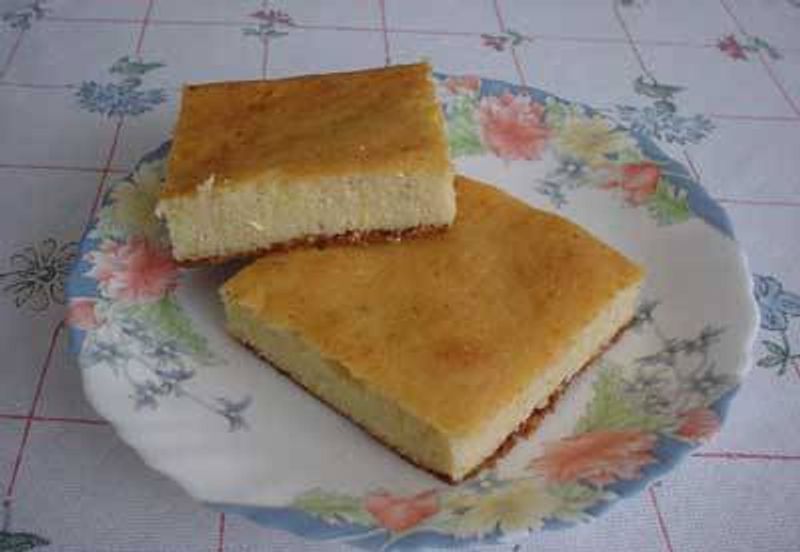
Cornmeal may have been the most important food of the Civil War era, especially in the South. Corn grew readily across many Southern farming regions, so Confederate troops leaned on cornbread and related dishes.
Only a few ingredients were needed to turn meal into bread. Wartime versions often looked more like hard corn cakes or “corn dodgers” than the soft, sweet cornbread many people enjoy today.
The Smithsonian notes that Confederate soldiers commonly carried cornbread and fatback as part of their food supplies.
That pairing was plain but practical. Both foods could be carried, stored, and eaten without much fuss.
If you picture a modern skillet cornbread with butter and honey, adjust your expectations. The wartime kind was built for survival first and comfort second.
Molasses Water
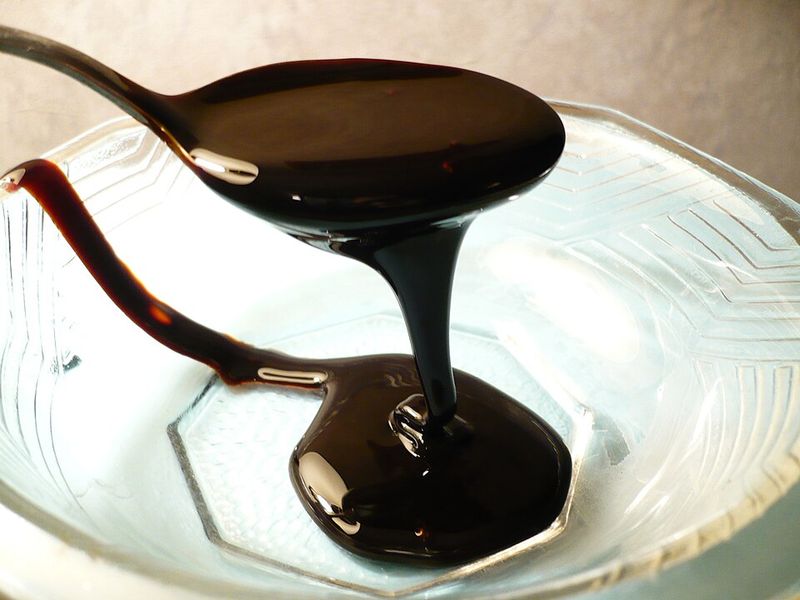
A spoonful of molasses stirred into water sounds like a modest drink, yet it made sense in the 1860s. Molasses was a common sweetener in nineteenth-century kitchens and also appeared among authorized military provisions.
When refined sugar or other drinks were hard to get, this mix offered a quick way to add sweetness and calories. It was hardly luxurious, but wartime cooking often depended on stretching basic ingredients as far as possible.
Civil War army ration regulations specifically included molasses among provisions distributed in bulk to troops. That tells us the ingredient would have been very familiar to soldiers and cooks alike.
Since the drink needed almost nothing, it fit camps and farmhouses equally well. Think of it as the simplest sweet treat of the period, made with one jar and a cup of water.
Salt Pork
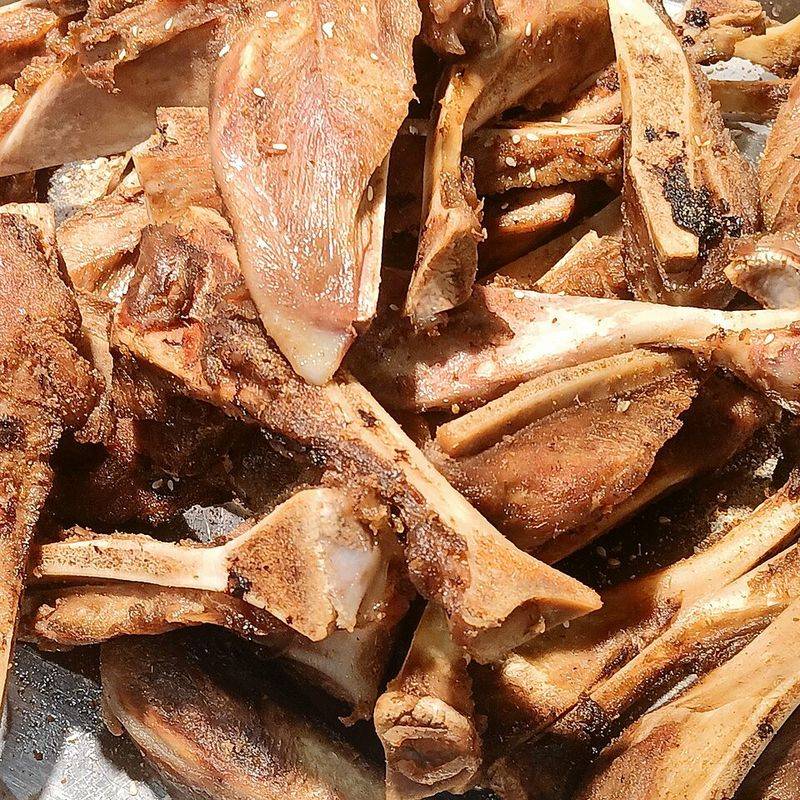
Glamorous it was not, but salt pork kept armies moving. Pork heavily preserved with salt lasted much longer than fresh meat, which made it ideal for supply wagons and extended campaigns.
Soldiers fried it, boiled it, or dropped it into stews and other dishes. A little went a long way in flavoring otherwise plain meals.
A Union marching ration could include three-quarters of a pound of salt pork along with hard bread, coffee, sugar, and salt.
Gettysburg National Military Park also identifies salt pork as a common part of soldiers’ daily diets. When you read about a soldier’s menu, this is often the meat in the lineup.
It was salty, fatty, and reliable, and in an army that needed food to survive the road, reliable counted for a lot.
Parched Corn
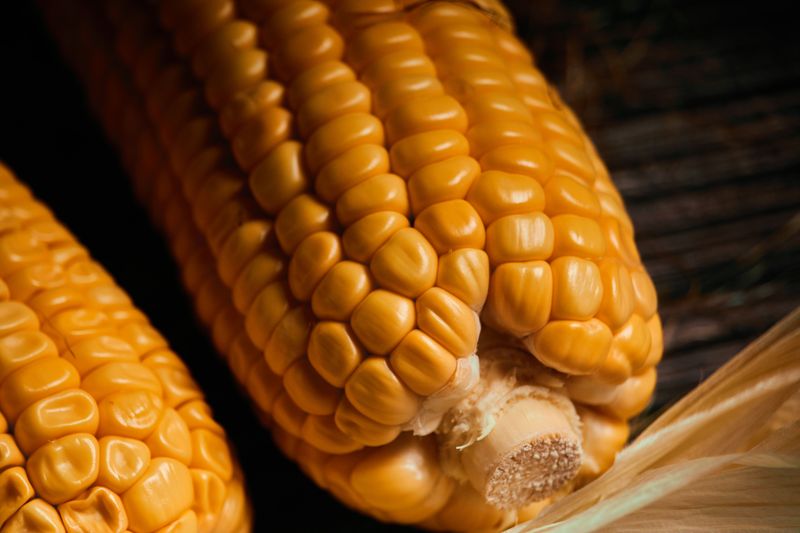
Picture a long march with no kitchen in sight. Parched corn solved that problem, since dried kernels could be heated until toasted and then carried without complicated preparation.
Corn was already central to Southern wartime cooking. It showed up in cornbread, corn dodgers, and even improvised drinks, so it made sense to keep a pocketful handy.
Soldiers often needed food that could withstand long marches without refrigeration. Toasted kernels fit that job nicely.
Parched corn was more of a supplemental food than a standardized ration. Even so, its simplicity suited people traveling or working where cooking equipment was unavailable.
It was a crunchy, portable snack long before anyone used that word for a bag of trail mix.
Wild Onions
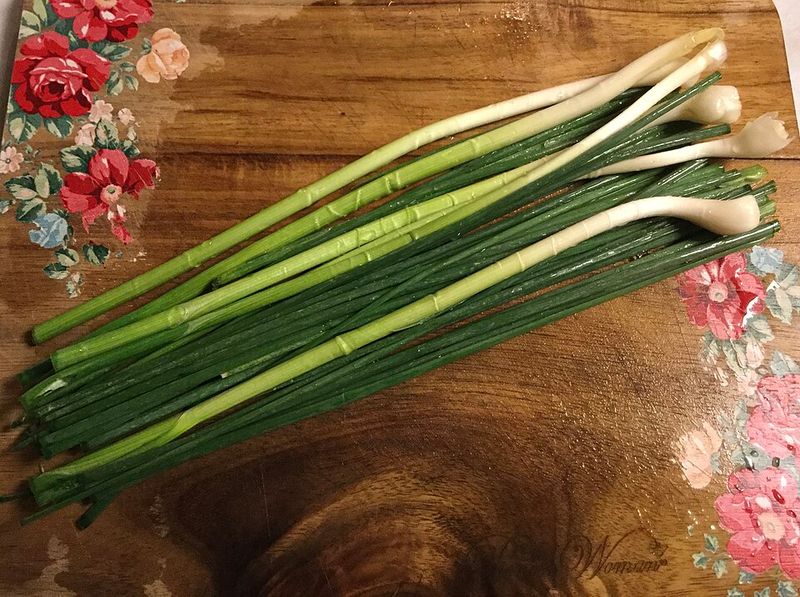
A bland pot of beans could be rescued by a few stalks pulled from the ground. Wild onions offered both edible greens and a strong flavor that stood out against plain army fare.
They could be chopped into soups, stews, or meat dishes, especially when cultivated vegetables were not available. For soldiers far from dependable supply lines, locally gathered foods were extra valuable.
The wider practice of military foraging is well documented. Civil War troops supplemented official provisions with fruits, vegetables, game, and other foods found or acquired in the countryside.
Wild onions fit that pattern perfectly. They needed no planting, grew in many places, and added a sharp bite to meals that otherwise leaned heavily on salt and starch.
A little bit of green made a big difference.
Chicory Root Coffee
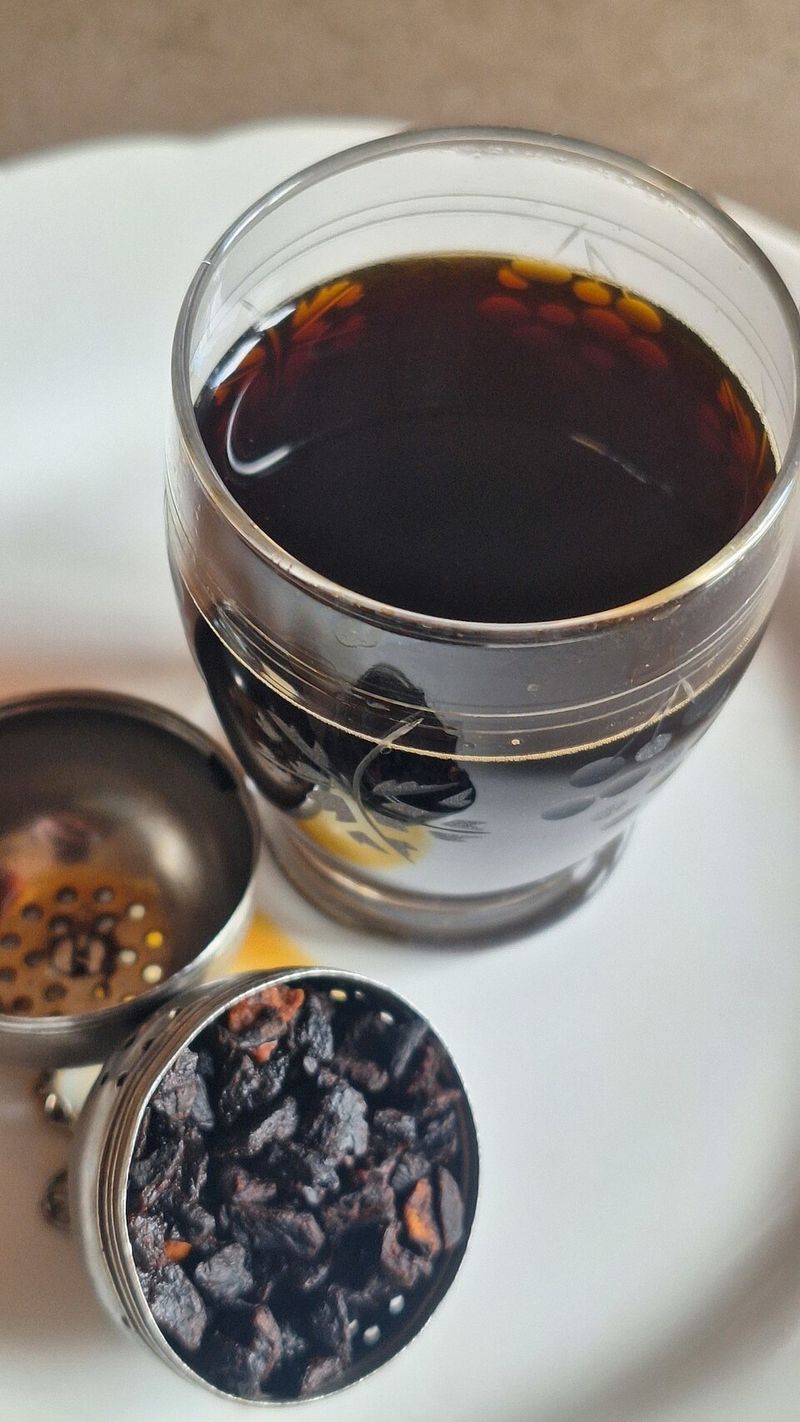
If one coffee substitute earned a lasting reputation, it was chicory. It became one of the best-known stand-ins during the Civil War, especially in the Confederacy.
The root was sliced or dried, roasted until brown, ground, and brewed. In New Orleans, it was also mixed with the small amounts of genuine coffee still available so supplies would last longer.
Confederate newspaper reports specifically recommended chicory during the war.
The Smithsonian notes that Confederate soldiers used roasted chicory, corn, and peanuts as substitutes or additions to scarce coffee. Stretching real beans with a cheap root was a smart kitchen trick when the blockade tightened.
Today, chicory coffee is still tied to New Orleans, which gives this wartime fix a surprisingly long afterlife.
Cattail Roots
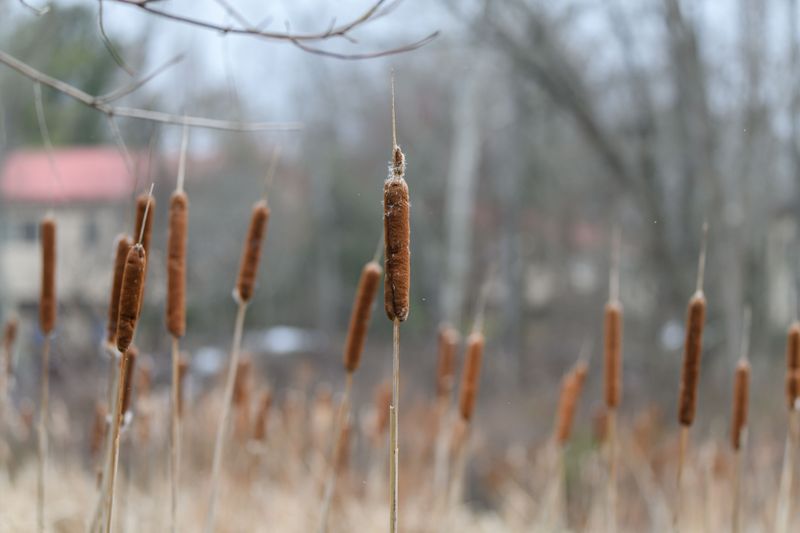
Cattails are one of those plants that most people walk past without a second thought. Yet they have many edible parts, including underground rhizomes that contain starch and can be cooked or processed into flour.
Native peoples across North America had long used cattails as food. The U.S.
Forest Service documents the use of shoots, roots, pollen, and other parts of the plant.
Here is the honest part: evidence for cattail roots as a widespread Civil War survival food is much thinner than it is for hardtack or cornmeal.
Still, they show the kind of wild resource available to people with the right foraging knowledge. A marsh could be a pantry if you knew what to look for.
That knowledge was not universal, which is why this one sits as a possibility rather than a common wartime staple.
Blackberry Syrup
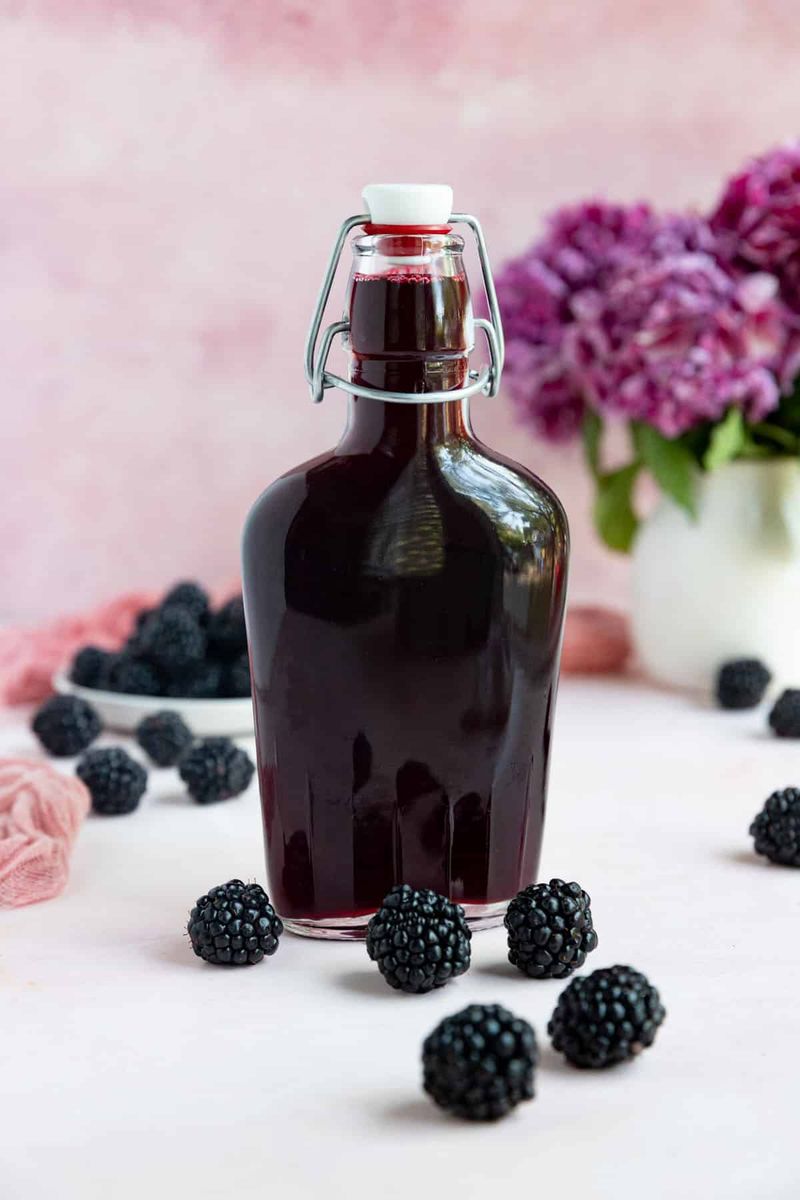
Fresh fruit was something military rations almost never delivered. Wild blackberries filled that gap whenever the season and the foraging luck lined up.
Families could gather berries and turn them into preserves, syrups, sauces, pies, or other preparations when sugar was available. Those foods were far more likely to show up in homes or through local foraging than in standard military rations.
Fruit mattered because soldiers’ diets were often short on fresh produce. Gettysburg National Military Park notes that vegetables and fruits were often scarce, contributing to nutritional problems among troops.
A jar of berry syrup on a farmhouse shelf was a small sweet bright spot in a hard stretch. It also shows how people tried to hold onto a taste of summer when so much else was uncertain.
Persimmon Pudding
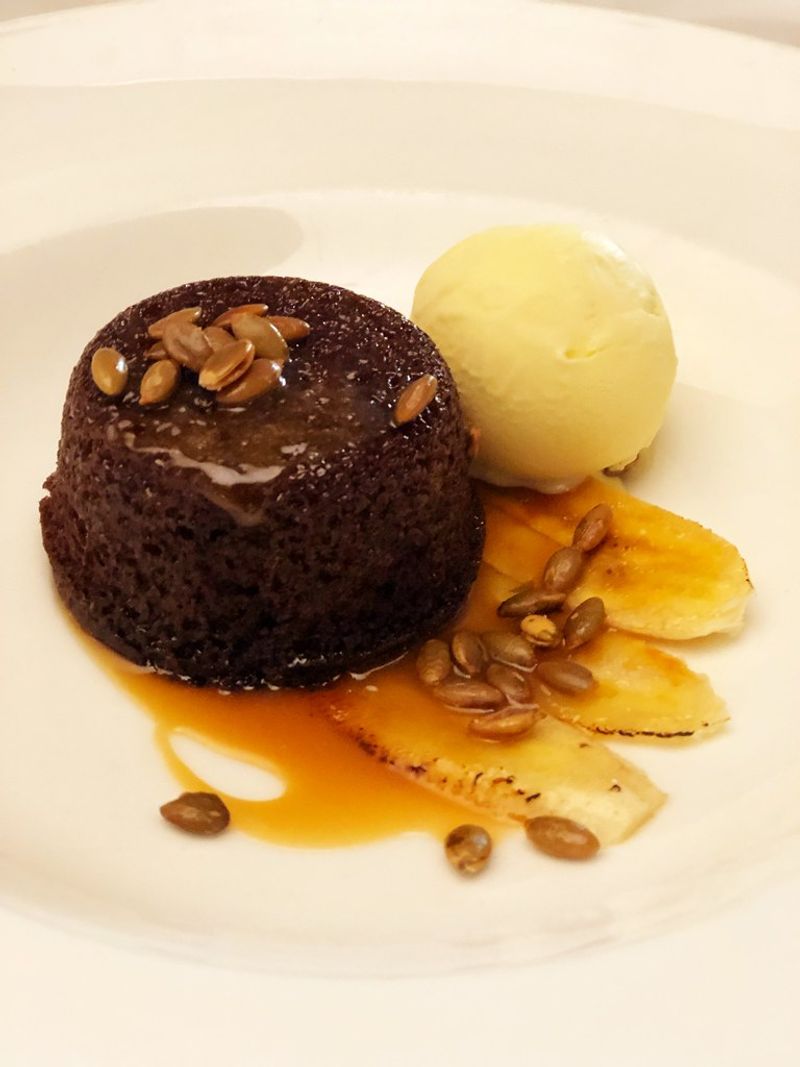
Persimmons grew across much of the eastern United States and had been eaten long before the Civil War. Their fully ripe pulp is naturally sweet, which made them a handy local ingredient.
Cooks could work the pulp into breads, puddings, and other dishes. Since the fruit could be gathered nearby, it did not depend on disrupted commercial supply systems.
Persimmons also joined wartime improvisation in a surprising way. Confederate sources document roasted persimmon seeds among the ingredients used to imitate coffee.
That means one tree could supply both dessert and a stand-in for a morning drink. Patience helped, since unripe persimmons are famously sharp and unpleasant.
Waiting for the fruit to soften fully was part of the trick, and it rewarded anyone who knew when to pick.
Sweet Potato Coffee
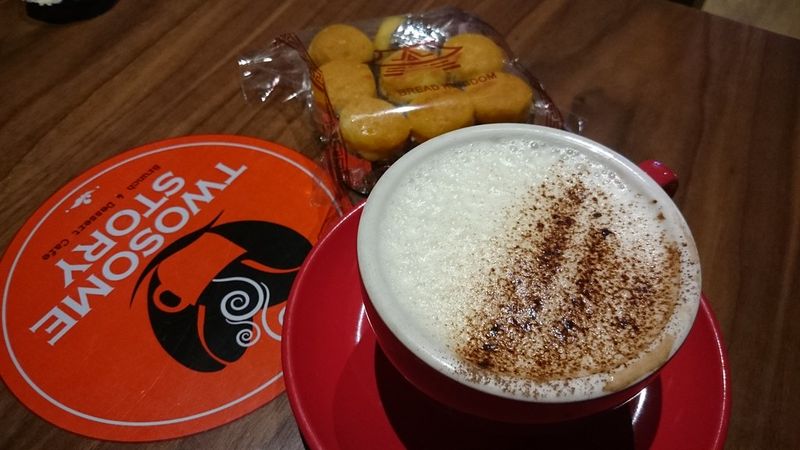
Here is one of the stranger Confederate coffee substitutes: a drink made from sweet potatoes. It sounds like a joke, but wartime shortages pushed people to try almost anything.
Sweet potatoes could be cut, dried or roasted, browned, ground, and brewed into a hot drink meant to imitate coffee. Contemporary sources and later Civil War historians list them among the many substitutes used when imported coffee became scarce.
Smithsonian reporting on Civil War coffee also notes that Confederate troops sometimes resorted to drinks made from sweet potatoes and acorns.
It might not have fooled a dedicated coffee drinker. In wartime, though, familiarity mattered almost as much as flavor, and a dark, hot cup at breakfast still felt like normal life.
Corn Cob Jelly
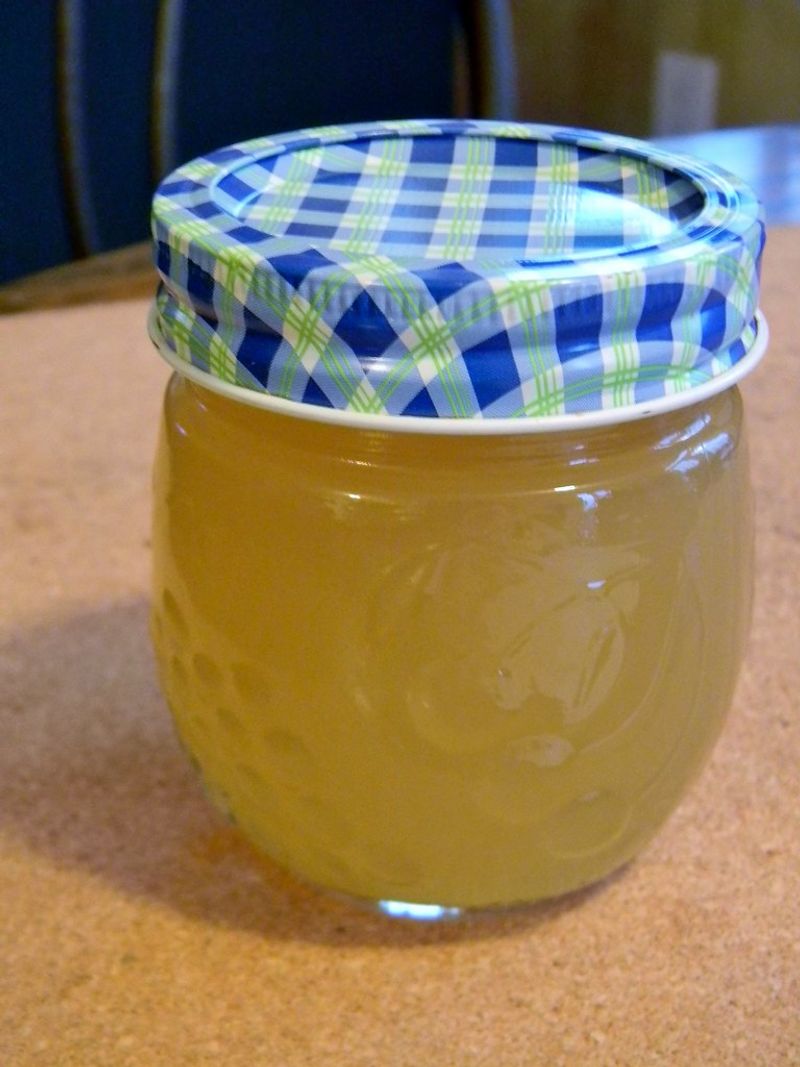
Corn-cob jelly is made by pulling flavor from stripped cobs, then combining the liquid with sweetener and a setting agent. It fits the waste-nothing spirit of hardship cooking.
Including it as a Civil War food needs an important qualification, though. Historical evidence places recognizable corn-cob jelly recipes closer to the postwar period.
Food historians suggest the preparation probably began around 1875. Nebraska historical sources describe later nineteenth-century settlers boiling corn cobs for syrup.
So the jelly belongs to the broader tradition of nineteenth-century scarcity cooking. Calling it a common Civil War dish would go beyond the available evidence.
It is still a fun example of how frugal cooks kept finding new uses for leftovers, even if the timeline lands just after the war.
Wild Game Jerky
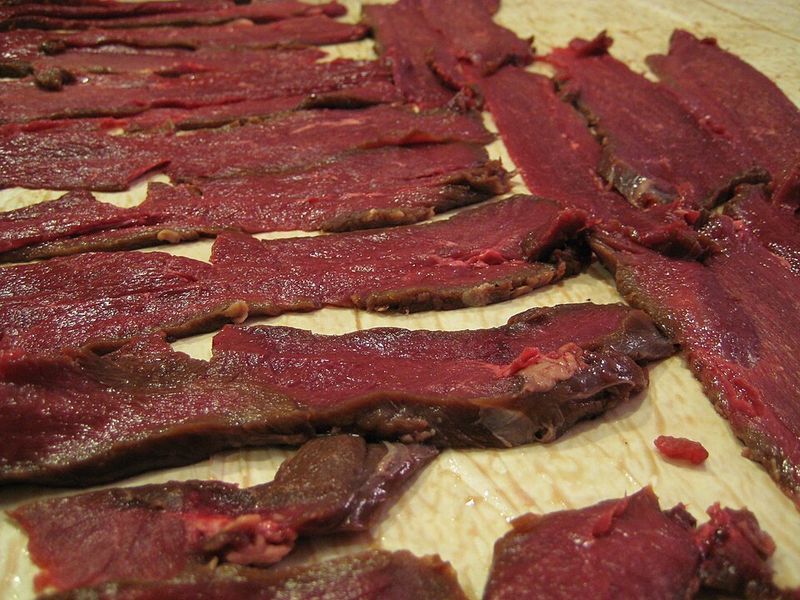
Long before refrigerators, drying meat was a trusted way to keep it from spoiling. That simple idea makes wild game jerky a sensible entry on any list of hardship foods.
Deer and other game could provide fresh protein. Drying portions of the meat made it easier to store and carry.
Civil War troops sometimes hunted when issued rations were insufficient, and National Park Service sources specifically mention deer hunting and fishing.
The phrase “wild game jerky” does not describe a standard army ration. Even so, preserved game would have made practical sense for hunters, rural civilians, and others trying to stretch meat supplies.
It is best seen as a smart technique rather than an official menu item, but a strip of dried meat in a pocket could mean a lot on a long day.
Sorrel Soup
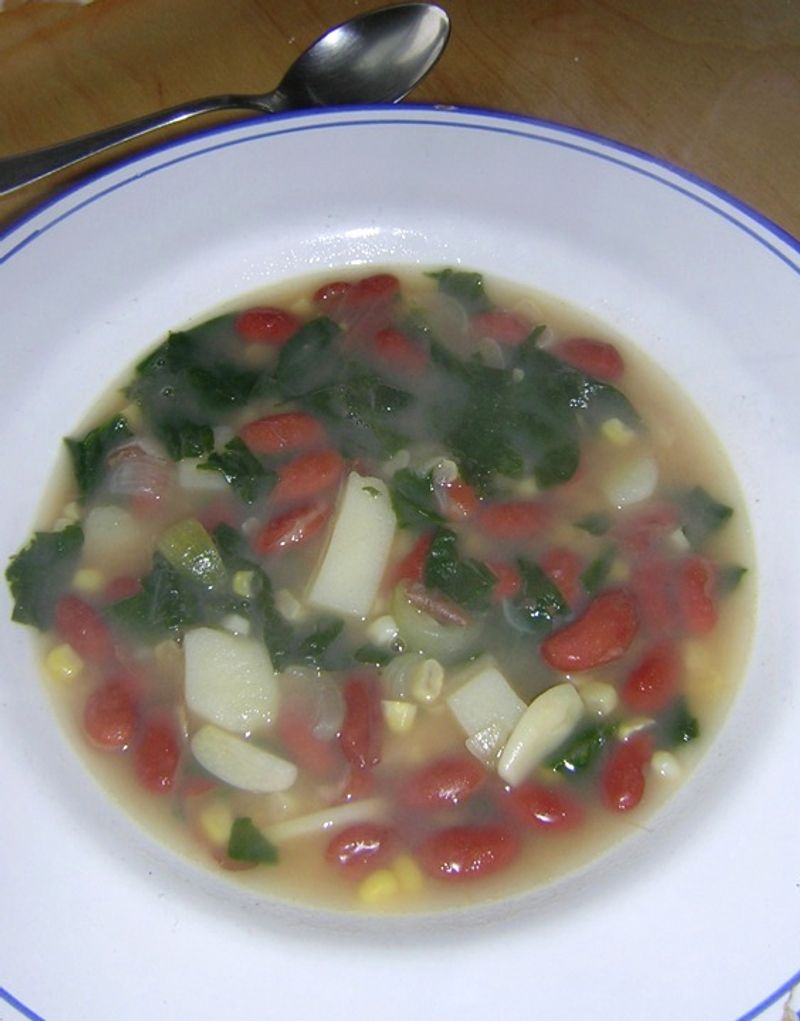
Sorrel has a sharp, lemon-like tang that has long been used in soups and sauces. A few leaves can brighten a pot that would otherwise taste flat.
For people who could identify edible plants, greens like sorrel added fresh flavor to repetitive meals. During the Civil War, that kind of local foraging was especially useful in areas where markets and farms had been disrupted.
There is much less evidence for “sorrel soup” as a widespread Civil War dish than for foods such as cornbread or salt pork.
It is better understood as an example of the wild greens available to nineteenth-century foragers. Think of it as a possibility that fit the times, not a documented standard recipe.
The lesson is the same either way: knowing your plants could put variety on the table.
Pokeweed Salad
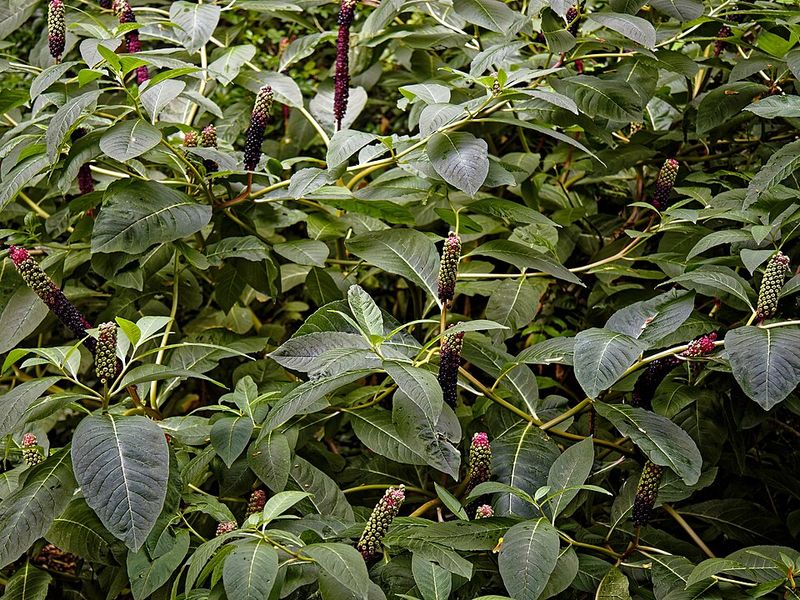
Poke sallet, also called poke salad, has a long history as a regional foraged food in the South. Young shoots and leaves were traditionally prepared by boiling them repeatedly.
That step was not optional. Pokeweed contains toxic compounds and can cause serious illness if improperly prepared.
Its place on a list of hardship foods makes historical sense, because rural communities often relied on wild greens when other food ran short.
However, pokeweed should not be treated casually as a modern foraging recommendation. The plant remains poisonous, particularly its roots, berries, and mature portions.
Consider this one a history lesson, not a cooking tip. Anyone curious about traditional foods should learn from experienced experts and reliable sources before even thinking about trying it.
Turnip Greens
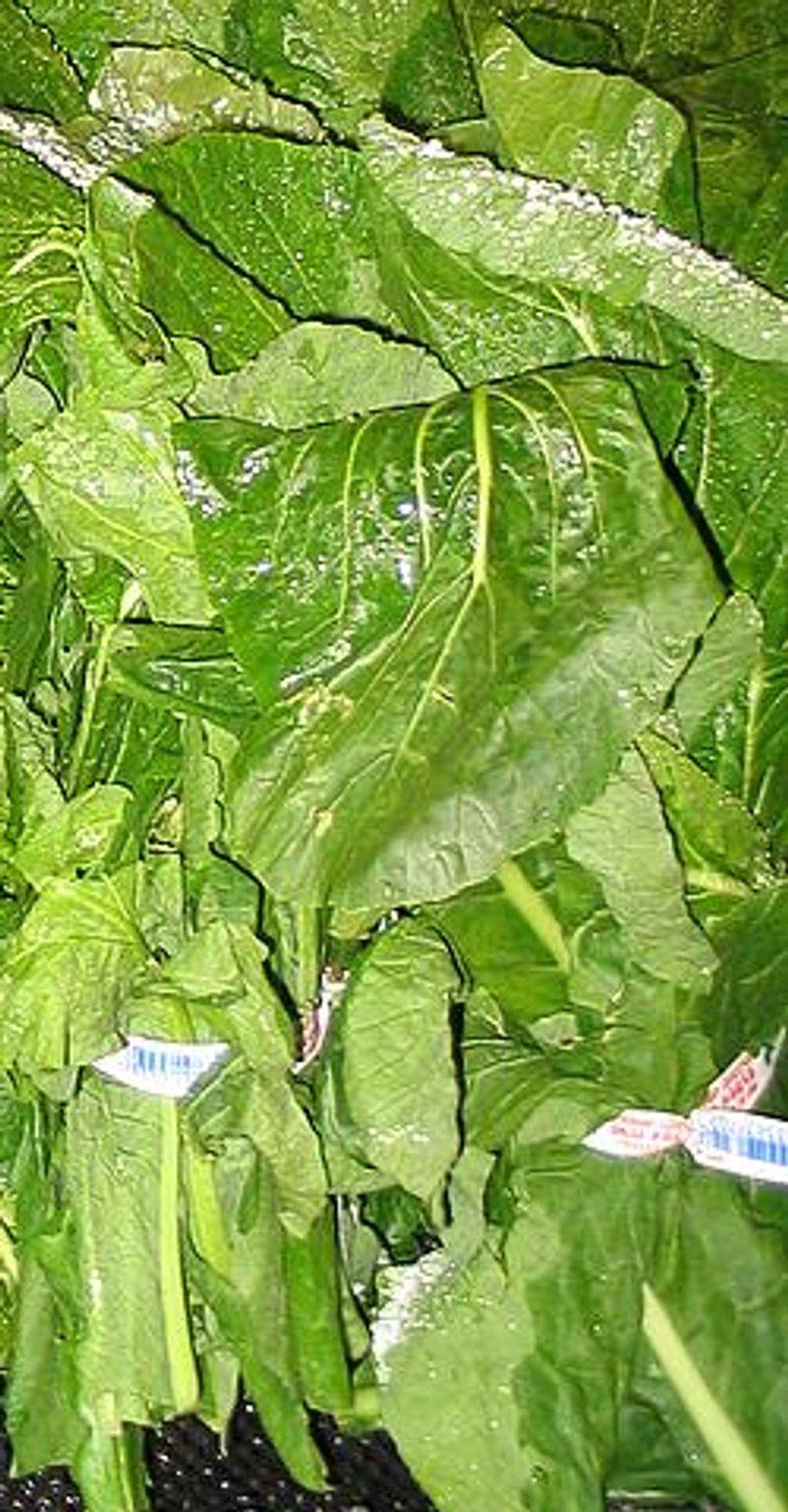
Sam Watkins, a Confederate soldier, never forgot a farmhouse meal in Georgia in 1863. Turnip greens were on the table, along with ham, eggs, potatoes, chicken, biscuits, butter, and genuine coffee.
That makes this dish one with direct Civil War evidence. Turnip greens were an established Southern food long before the war and fit naturally into wartime diets.
The plants were fairly easy to grow. The greens could be boiled and flavored with available pork fat or meat.
Turnips also gave an edible root, so the crop did double duty. Few vegetables stretched a garden plot as well.
For a hungry household, a pot of greens was dependable, filling, and tied closely to Southern cooking that has lasted well beyond the war years.
Wild Berry Pie
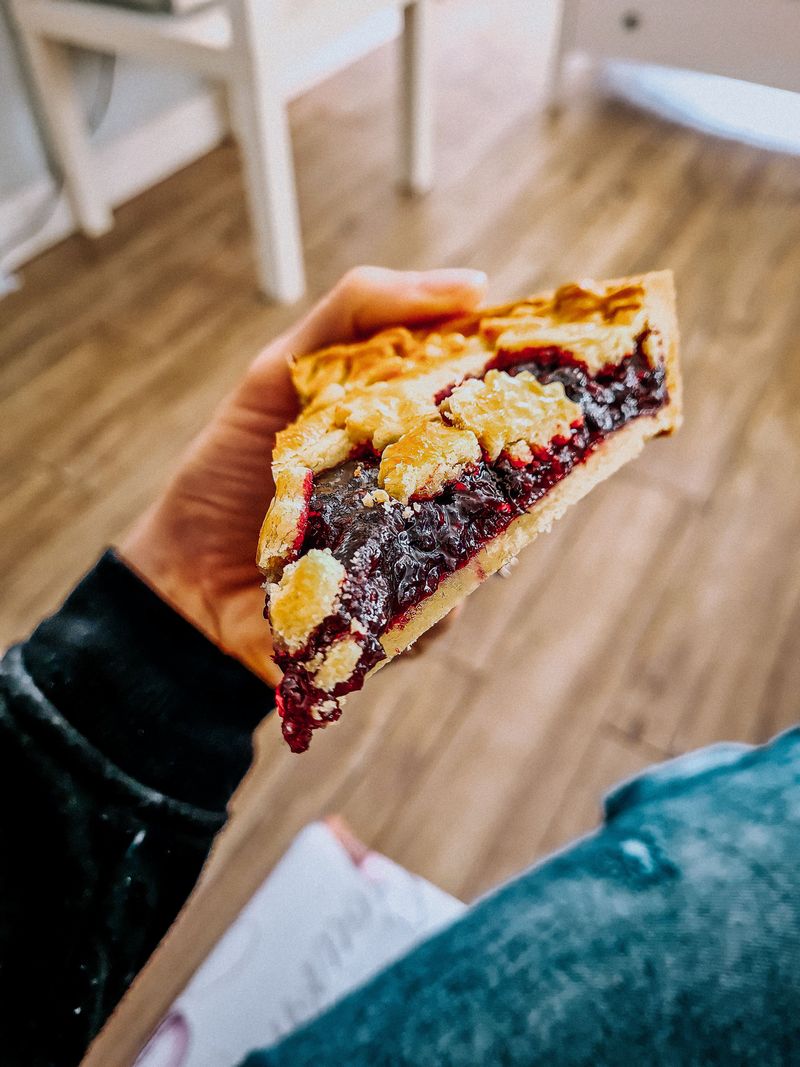
Army rations were dominated by preserved meat, dried bread, beans, and grains. A wild berry pie, by contrast, was the kind of treat that belonged in a home kitchen.
Blackberries, raspberries, and other seasonal fruits could be eaten fresh or cooked into pies and preserves when flour and sweetener were available.
Realistically, such a pie fit a farmhouse or civilian kitchen far better than an active battlefield.
Still, it reflects an important part of wartime food culture. People used locally available fruit whenever circumstances allowed, especially because fresh produce was often missing from soldiers’ regular diets.
A slice of pie may not sound like survival food, but it offered comfort and nutrition when both were hard to find.
Share this story