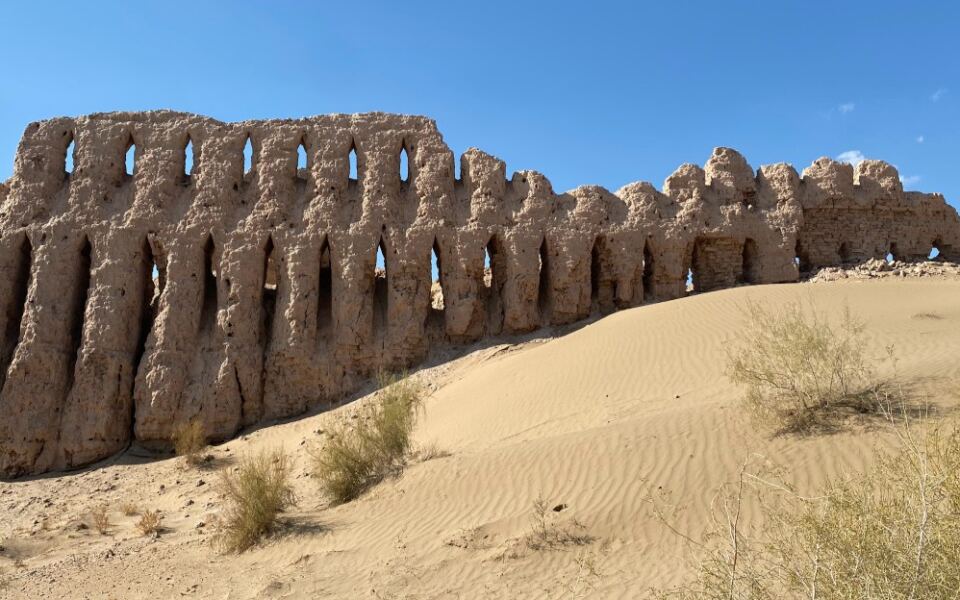
Uzbekistan is best known for Samarkand and Bukhara, but its deserts and river valleys hold many older places. Mud-brick fortresses, Buddhist monasteries, and buried trade towns still stand across the country.
Each site tells part of the story of the Silk Road and the people who lived along it. Here are fifteen ancient places that travelers and history fans may want to learn about.
1. Afrasiab
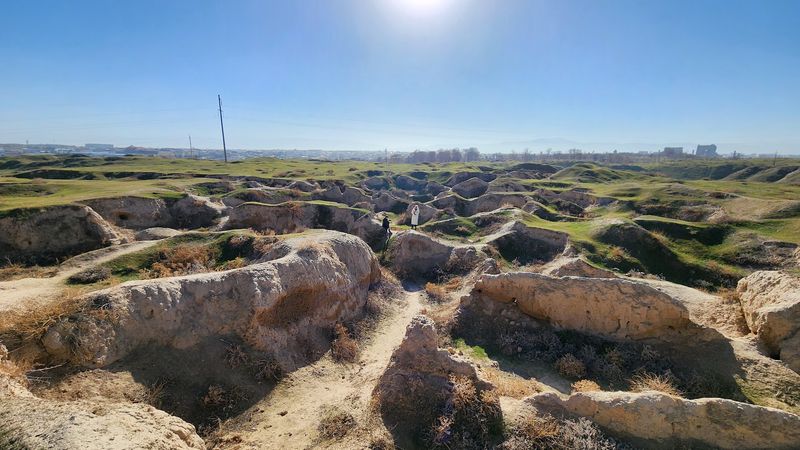
Long before the famous blue domes, Samarkand began on a hill called Afrasiab. The old city was founded more than 2,500 years ago and later ruined by the Mongol invasion in 1220.
Today the site looks like a field of grassy mounds, but diggers have uncovered streets, walls, and homes beneath the surface. Many visitors are surprised by how much history hides under what looks like plain ground.
The star attraction is the small museum on the site. It protects a seventh-century wall painting from a ruler’s palace, showing envoys from far-off lands bringing gifts.
The colors are still easy to see, and the scene gives a rare look at how people in Central Asia dressed and met foreign guests.
Plan to spend about an hour here. Walk the paths first, then go inside the museum to see the paintings up close.
Wear comfortable shoes, since the ground is uneven and there is little shade in summer.
2. Toprak-Kala
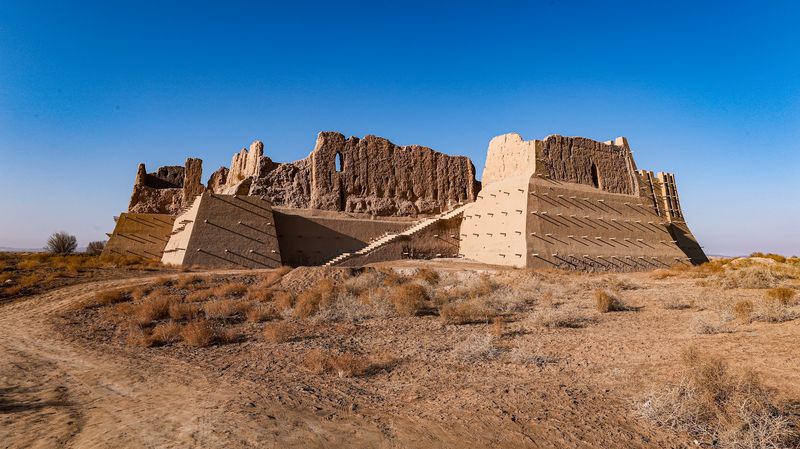
Picture a royal home built entirely from mud, standing in the desert for almost two thousand years. That is Toprak-Kala, a palace-city of the ancient kingdom of Khorezm, built around the third century.
Its name means earth fortress, which fits well. Thick walls surround the site, and three tall towers once rose above the rooms inside.
Archaeologists found dozens of halls, along with clay sculptures and written records on wood and leather.
The ruler’s chambers were decorated with painted walls, and one large hall may have been used for ceremonies. Walking through the remains gives a clear sense of how a ruling family once lived and worked.
The site sits in the Karakalpakstan region, so reaching it takes a hired driver and some planning. Go in the morning or late afternoon, when the sun is gentler.
Bring water, a hat, and a camera, because the low light makes the brown walls glow.
3. Ayaz-Kala
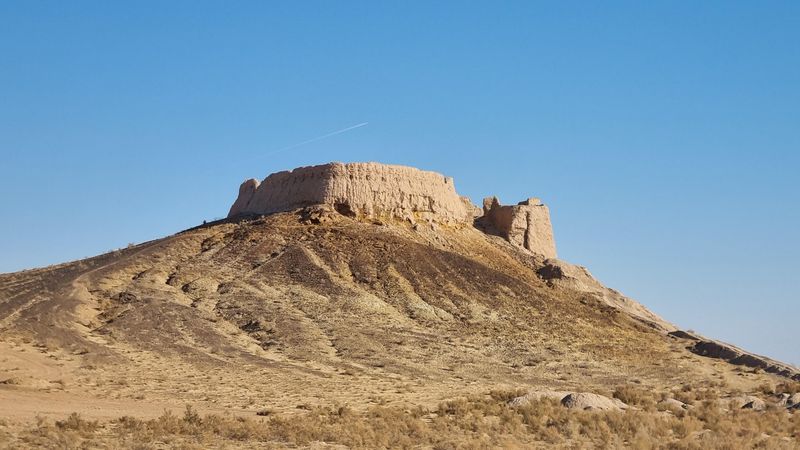
Few views in Uzbekistan beat sunset from the top of Ayaz-Kala. Three fortresses, built between the fourth century BC and the seventh century AD, sit on hills above the Kyzylkum Desert.
The largest fortress stands on a high ridge and has walls that follow the shape of the land. Narrow corridors, lookout points, and rooms for guards can still be traced.
The fortresses probably protected farmland and trade routes from raiders.
Many travelers stay overnight in a nearby yurt camp, which makes the visit feel like part of the desert itself. Evenings are quiet, and the stars are very clear because there are no city lights.
Climbing between the forts involves some steps and loose stones, so sturdy shoes help. Summer afternoons can be extremely hot.
Spring and autumn are far more comfortable, and the softer light is better for photos of the old walls against the open sand.
4. Kampyrtepa
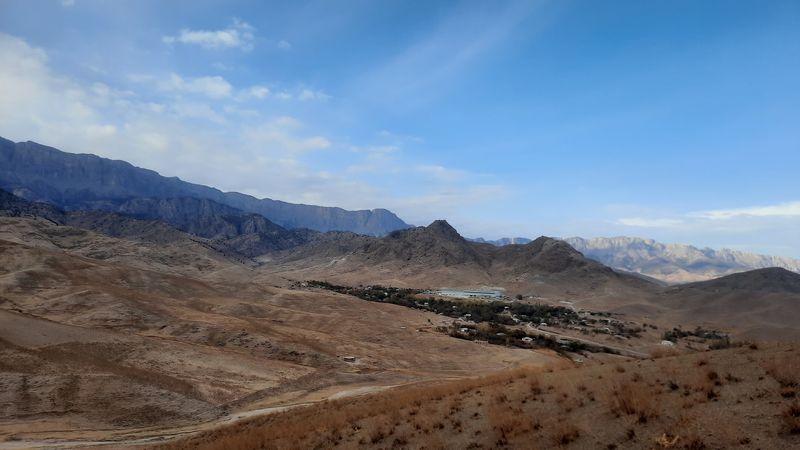
Alexander the Great marched through this region in 329 BC, and Kampyrtepa may have been one of the places he knew. The fortress stood on the bank of the Amu Darya, the river the ancient Greeks called the Oxus.
It guarded an important crossing and later grew into a busy river port. Diggers found a harbor, defensive walls, and a large number of coins and pottery.
Some finds show a mix of Greek and local styles, a sign of how cultures blended in ancient Bactria.
The site is quiet and rarely crowded. The remains are mostly low walls and mounds, so a little imagination helps.
Reading about the history before you go makes the visit more rewarding.
It lies in the Surkhandarya region, not far from Termez. Hiring a local guide is a smart idea, since signs are limited.
Pair the trip with other Bactrian sites in the area for a full day of exploring.
5. Dalverzintepa
Gold treasure once lay hidden in the soil at Dalverzintepa. Excavators found a hoard of gold items here, including jewelry and ornaments made roughly two thousand years ago.
The city flourished during the Kushan Empire, which controlled a large part of Central Asia and northern India. It had a citadel, living areas, and workshops, all surrounded by strong walls.
Archaeologists also found a Buddhist shrine and sculptures, which show that several beliefs lived side by side.
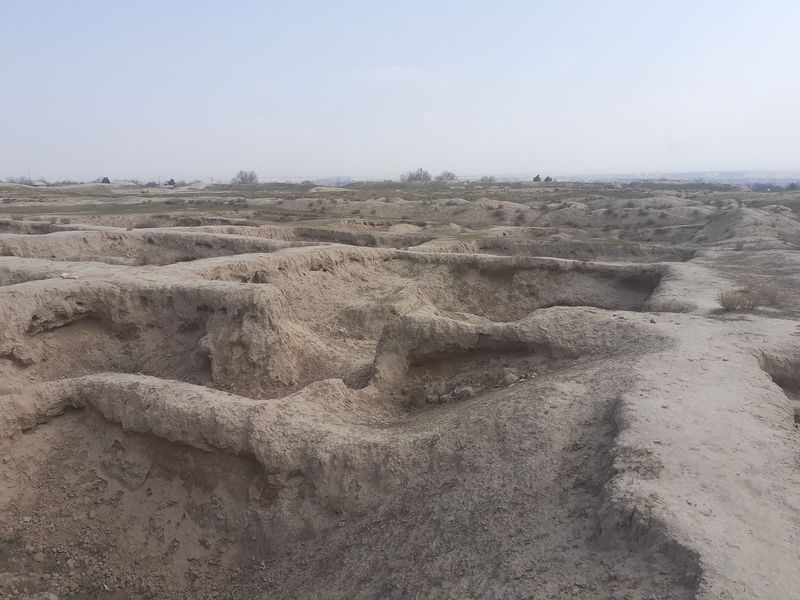
Visitors today see mounds, wall lines, and trenches left by research teams. The site is peaceful, and you can easily imagine merchants arriving with goods from far away.
Dalverzintepa is in the Shurchi district of Surkhandarya province. Bring water and sun protection, because shade is rare.
Many of the best finds are displayed in museums, so a stop at the Termez Archaeological Museum adds helpful context to the trip.
6. Fayaz Tepe
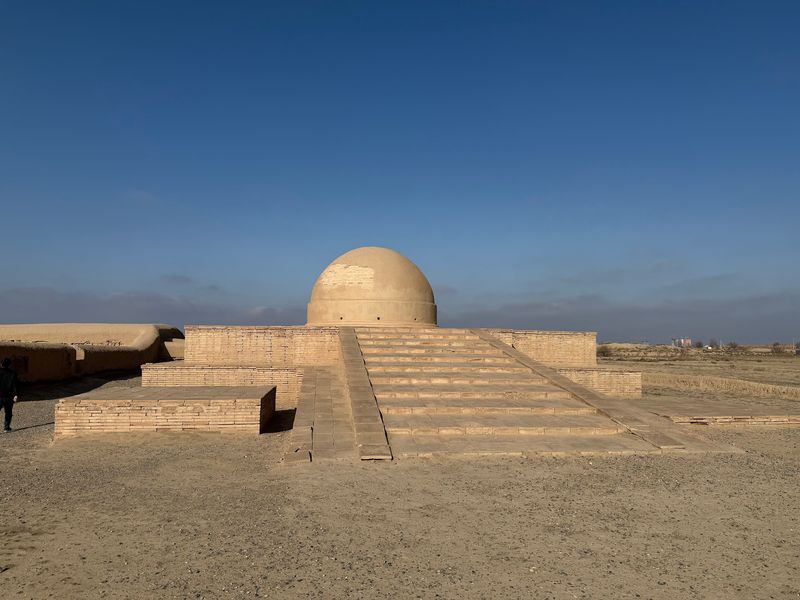
Monks once walked these courtyards in quiet robes, chanting and studying. Fayaz Tepe was a Buddhist monastery built in the first to third centuries, when Buddhism was strong in this part of Central Asia.
Excavations revealed a stupa, a courtyard, living quarters, and a place for worship. Inside, workers found a painted statue of a seated Buddha and a large piece of clay sculpture.
Those finds helped scholars understand how local artists mixed Greek and Indian styles.
The monastery sits just outside the city of Termez, near the Afghan border region. It is easy to reach by taxi and fits well with a visit to Kara Tepe nearby.
Look closely at the low walls to spot the layout of rooms and passages. A short walk around the site takes about thirty minutes.
Early morning is the coolest time to go, and you will likely have the place almost to yourself.
7. Kara Tepe
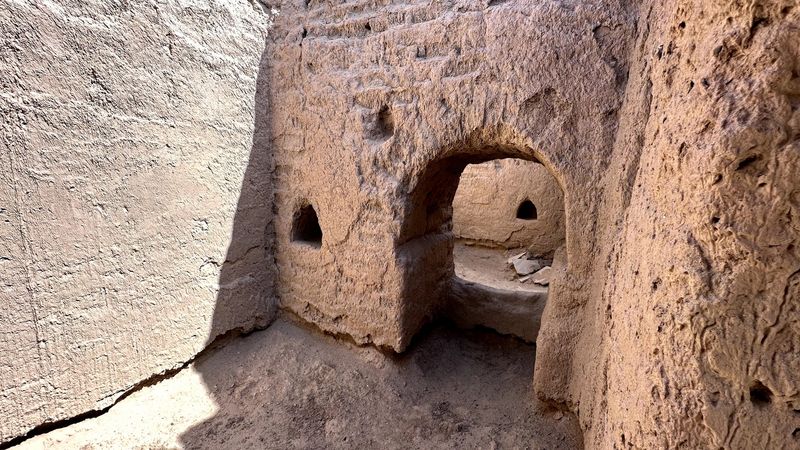
Some monasteries were built on the ground, but this one was partly carved into rock. Kara Tepe, which means black hill, held caves, halls, and shrines used by Buddhist monks about two thousand years ago.
Cave rooms were cut into the hillside, then joined to brick buildings and open courtyards. Archaeologists found wall paintings, written texts in old scripts, and pieces of sculpture.
These discoveries show that the monastery was a place of learning as well as prayer.
Walking through the dim cave corridors feels very different from visiting an open ruin. The air is cooler inside, and the thick walls block the noise from outside.
Kara Tepe is a short drive from Termez, so it is easy to combine with other sites. A flashlight on your phone helps in darker corners.
Be careful on the slopes, since the ground can be dusty and slippery. A local guide can explain what each chamber was used for.
8. Old Termez
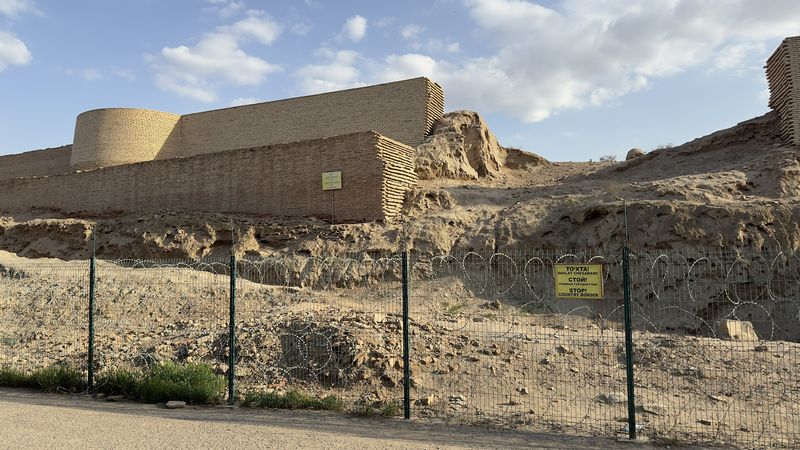
Termez has a long list of rulers: Greeks, Kushans, Arabs, and Mongols all left their mark. The old city, now a field of ruins just west of the modern one, grew up beside one of the best river crossings in Central Asia.
Because so many trade caravans passed through, Termez became wealthy and busy. Remains include city walls, a citadel, palaces, and religious buildings from different eras.
Chingis Khan’s armies destroyed it in 1220, and people later settled in the newer location.
Walking the site, you can spot layers of history in the exposed bricks and foundations. Nearby stands the Sultan Saodat complex, a group of tombs with fine tilework, which makes a lovely stop on the same trip.
The Termez Archaeological Museum in the modern city holds many items found at the ruins. Visit it first to understand what you are looking at.
Spring and autumn offer the most pleasant weather for exploring.
9. Varakhsha
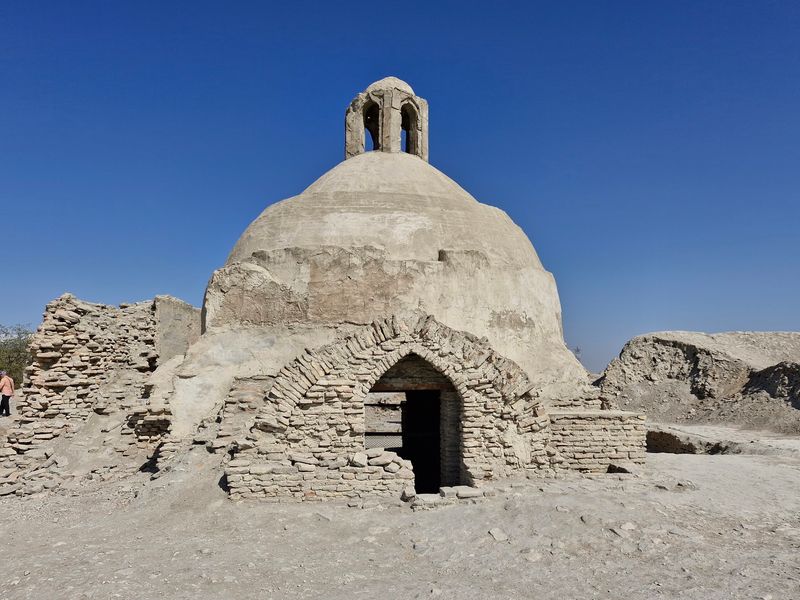
Here is a puzzle for history fans: a palace with a wall painting of an elephant in the middle of the desert. Varakhsha, northwest of Bukhara, was once the home of the rulers of Bukhara, and its palace was richly decorated.
The city dates back to about the fifth century, and its ruler’s palace stood on top of a tall citadel. Inside, archaeologists found wall paintings showing hunting scenes and mythical animals, as well as carved plaster designs.
The art offers a glimpse of Sogdian taste before Islamic rule changed the region.
What remains today are mounds and wall sections, shaped by wind and time. Because the site is close to Bukhara, it can be seen in a half-day trip.
Go with a guide if you can, since there are few signs. Wear a hat and bring water.
Combine the visit with a stop at nearby sites to see how the desert towns once supplied the busy city.
10. Paykend (Poykent)
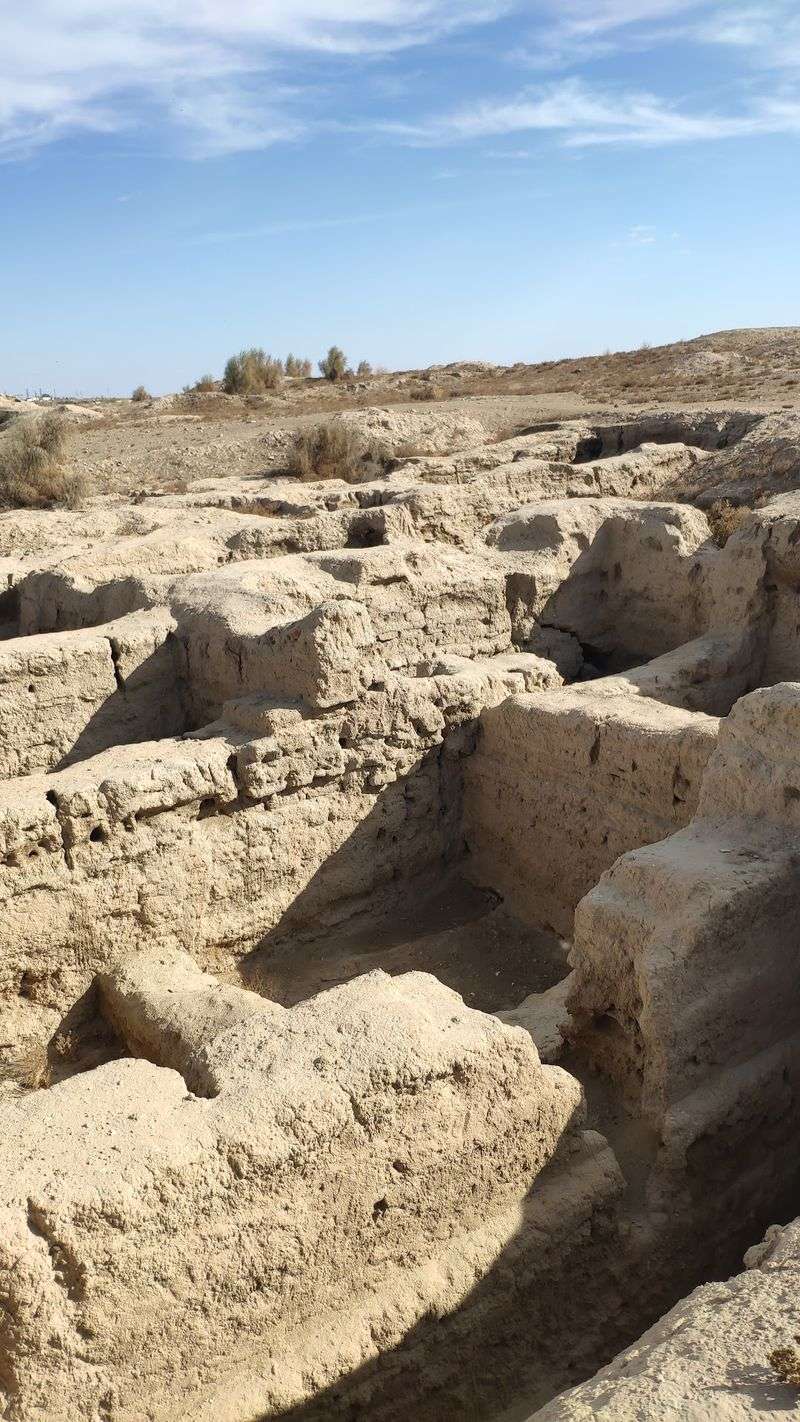
Nicknamed the city of merchants, Paykend once handled goods moving between China, India, and the west. It lies in the Bukhara region and was active from around the fourth century BC until the twelfth century.
Excavations revealed thick city walls, a citadel, a marketplace, and homes with workshops. Some streets still show the lines of old shops.
Finds include coins, glass, pottery, and tools, which show how busy the trade was.
The city also had a mosque and public baths from the Islamic period, so it offers a look at how daily life changed over many centuries. The dig is still ongoing, and new discoveries appear often.
Paykend has a small museum that is worth a stop for its well-arranged displays. The ruins are rather open, so bring a hat.
A guide can help you see the difference between the earlier and later layers, which are hard to tell apart on your own.
11. Akhsikent (Ahsikath)
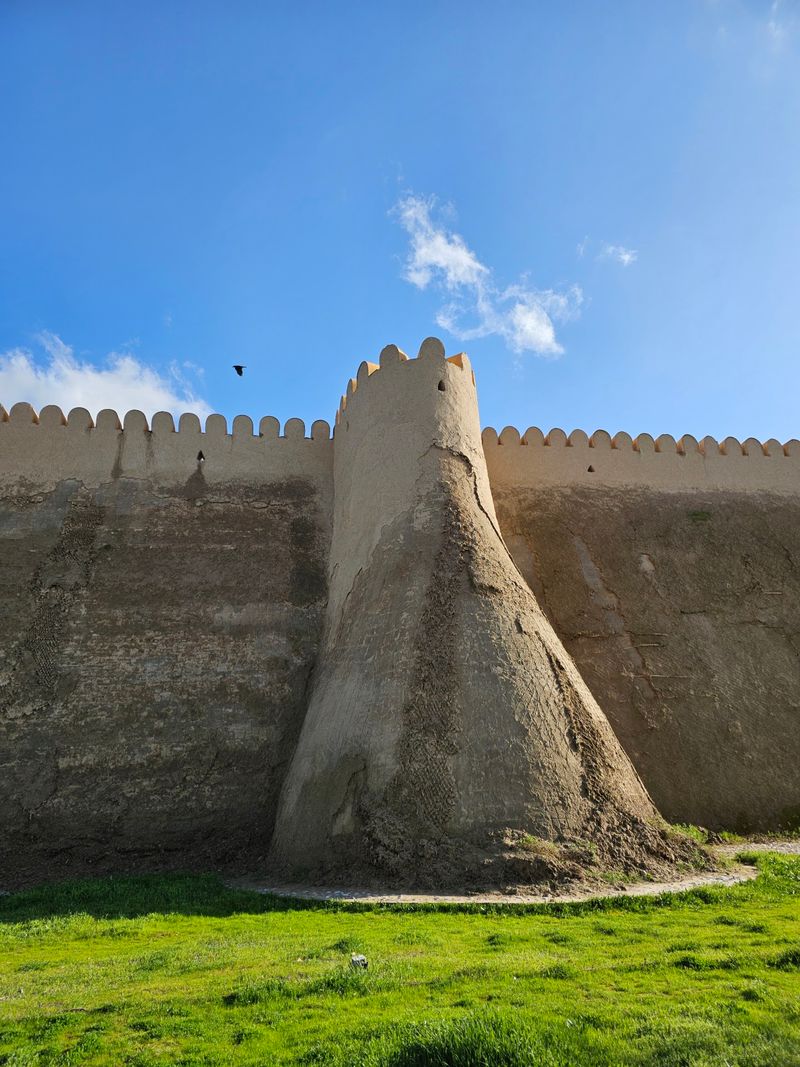
For centuries, Akhsikent was the capital of the Fergana Valley. Located on a high bank above the Syr Darya in the Namangan region, it was a major city by the fifth century and kept growing for hundreds of years.
Writers from the medieval period praised its size and wealth. Craftsmen made fine pottery, and merchants sold goods along the Silk Road.
A large citadel stood at the center, with a lower town and workshops around it.
An earthquake in the thirteenth century and invasions led to its decline. Today, visitors see mounds, ditches, and parts of old walls, while excavations show streets and houses beneath the surface.
Not many tourists come here, so the site is calm. The Namangan region has a lively market culture, so combine the ruins with a stop in the nearby city for local food.
Bring sturdy shoes, since the terrain is uneven, and read a little about Fergana first to enrich your visit.
12. Mingtepa
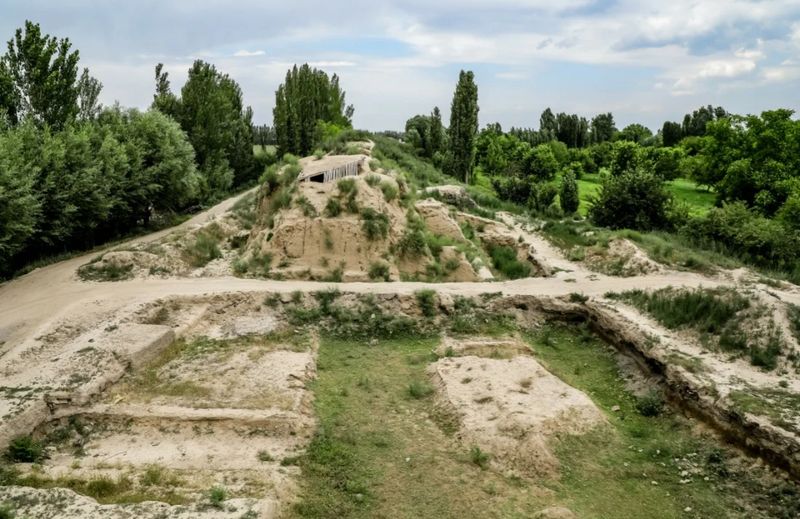
Thousands of years ago, the Fergana Valley was home to a state the Chinese called Dayuan, famous for its powerful horses. Mingtepa, near Andijan, is believed to have been one of its main centers.
The site is large, with thick earth walls enclosing an area of about 150 hectares. Within the walls, archaeologists found a citadel, residential districts, and traces of craft production.
Some experts think Mingtepa may be the ancient city of Ershi, which Chinese chroniclers described.
Standing on the ramparts, you can see how big the city was. Green fields now surround the old walls, a pleasant contrast with the desert sites elsewhere in the country.
Signs are limited, so ask a local guide or museum in Andijan to point you in the right direction. Visit in spring when the valley is green and mild.
It is a good stop for travelers who enjoy a slower pace and quiet scenery.
13. Kanka (Qanqa)
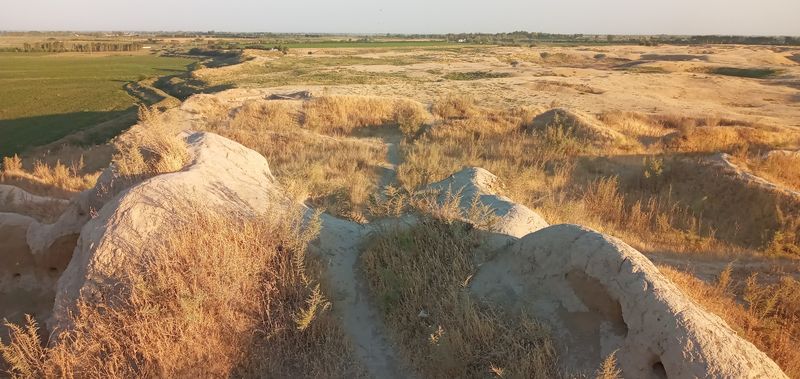
Close to modern Tashkent, an older city once ruled the area. Kanka was a major center of the Chach region, a name that later became Tashkent.
It was active from about the second century BC through the early medieval era.
The city was large, with a citadel, a shahristan, which means inner town, and a ring of walls. Archaeologists found coins, pottery, and traces of irrigation canals that fed nearby fields.
Those canals show how important farming was to the settlement.
Written sources suggest that Kanka was a state capital during part of its history. Its location along the Silk Road helped traders reach cities in the Fergana Valley and beyond.
Remains are mostly earthen mounds today, and some are covered in grass. A visit works best as a short outing from Tashkent.
Bring a local map or guide, since markers are few. Spring brings green hills, which give the old walls a softer look than the dry summer months.
14. Kyzyl-Kala
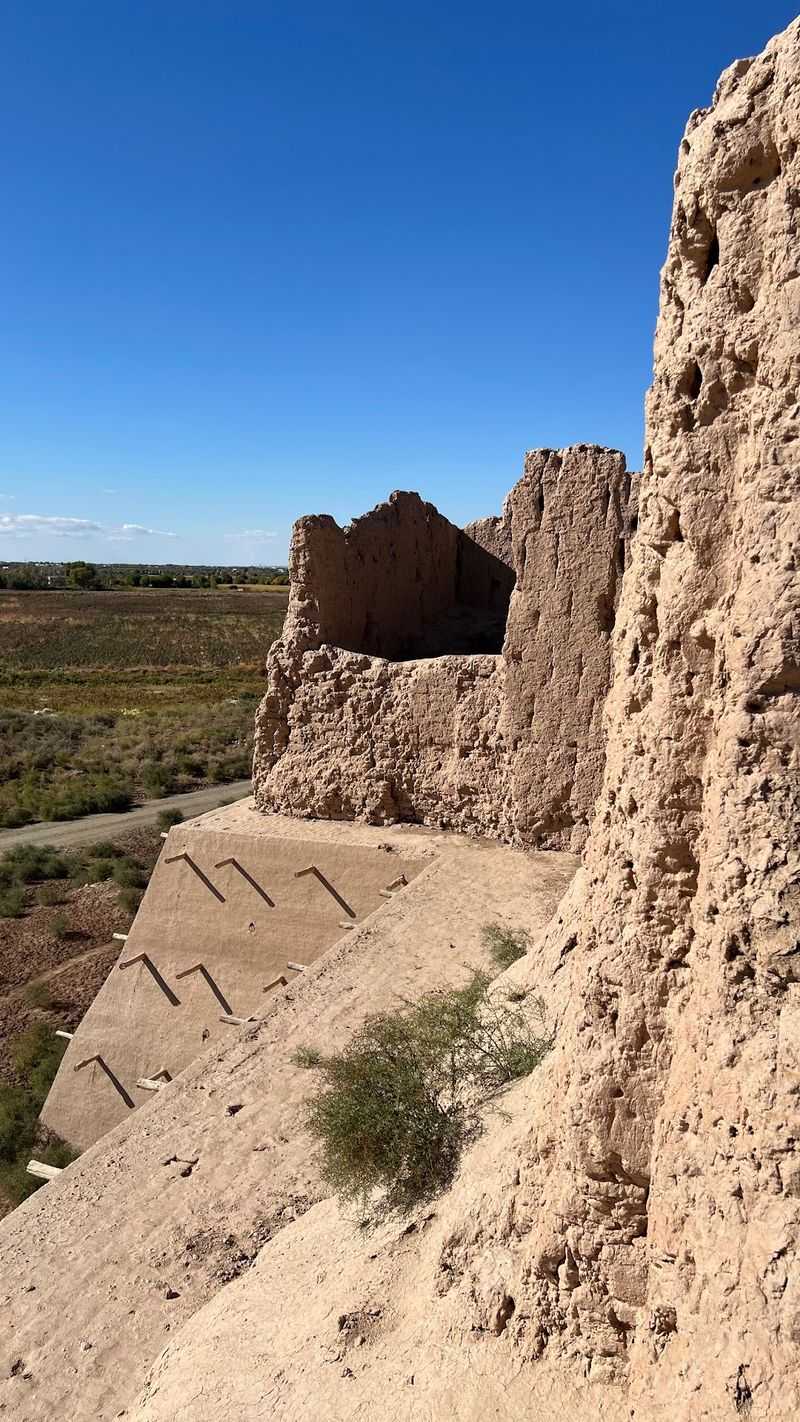
Red is the first thing you notice here. Kyzyl-Kala means red fortress, and the baked clay walls glow a deep rusty color, especially near sunset.
The fortress was built around the first century BC and was in use for several hundred years. It has a square layout with strong walls, corner towers, and a gate.
The thick design made it hard for enemies to attack, while the open land around it gave guards a clear view.
Kyzyl-Kala is only a short drive from Toprak-Kala, so the two are often visited together. Seeing both shows how different Khorezmian builders could be: one site was a royal home, while this one was clearly meant for defense.
Walls have worn away in places, yet the outline remains very clear. Take your time walking around the outside first.
Then step inside to see how the space was arranged. Good light and few visitors make it a great place for photography.
15. Janbas-Kala (Djanbas Qala)
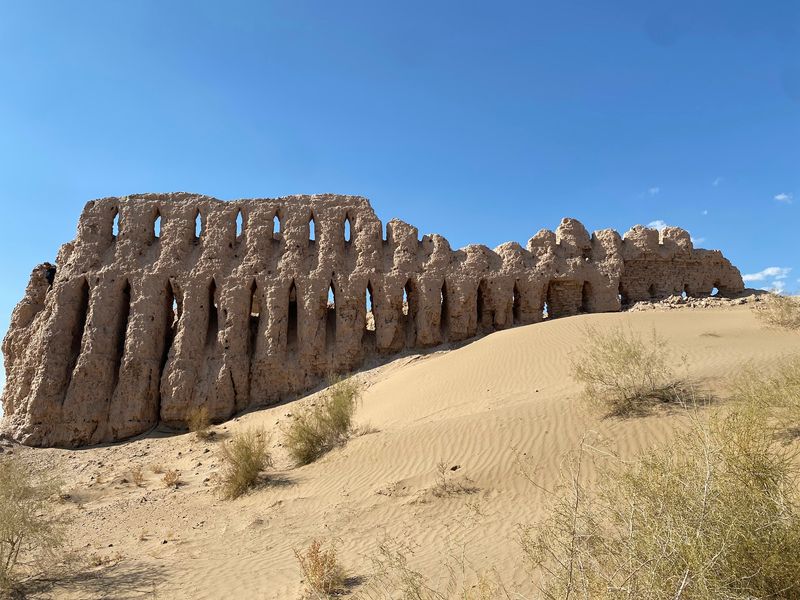
Out in the Karakalpak desert, one square fortress still holds its shape against the wind. Janbas-Kala was built in the fourth century BC and was used for several hundred years by the people of ancient Khorezm.
Its design is simple and strong, with thick walls and towers set at regular spots. Archaeologists believe it served as a guarded settlement and perhaps a point for watching the surrounding land.
Remains of rooms inside suggest that soldiers and families may have lived there.
Finds from the site include pottery, tools, and traces of daily life. These help scholars understand how people lived in this dry region long ago, and how they managed the harsh climate.
The location is remote, so a driver and guide are recommended. Pack plenty of water and snacks, and plan the trip with other desert fortresses in the area.
The silence and wide horizon give the ruins a special feeling that is hard to find at busier sites.
Share this story