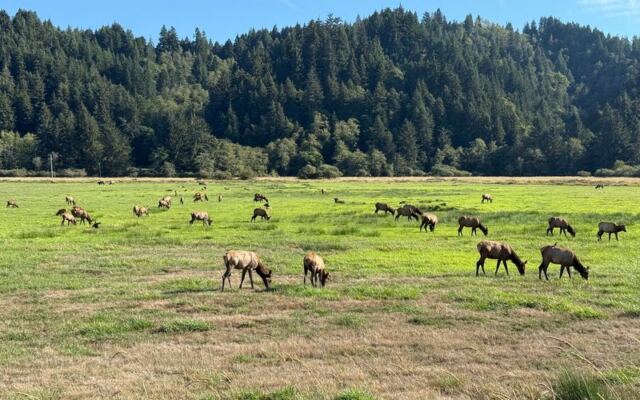
You pull over for a quick stretch and a bathroom break, expecting nothing more than a patch of gravel. Then a whole herd steps out of the tall grass, close enough to hear them breathing.
Oregon has a way of hiding its best moments in plain sight, and this roadside stop is one of them. Here is what locals know and tourists often zoom right past.
A Meadow Beside the Highway
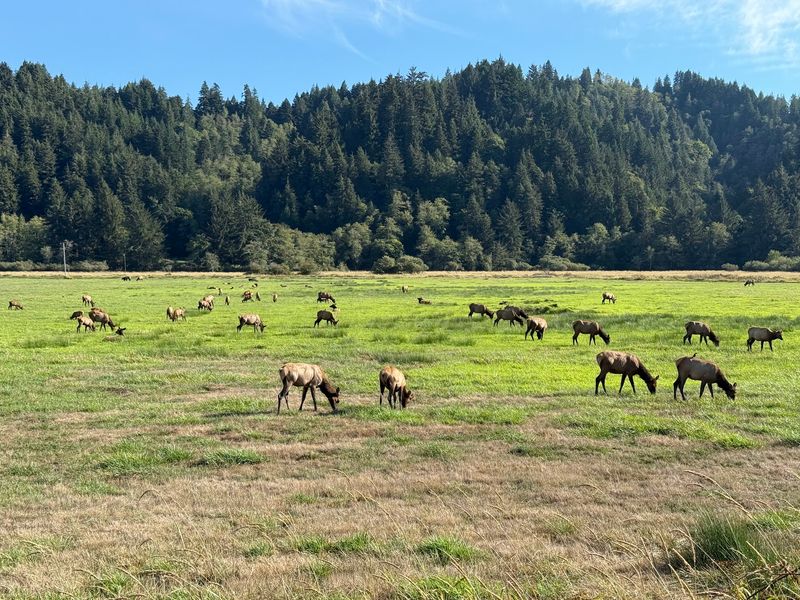
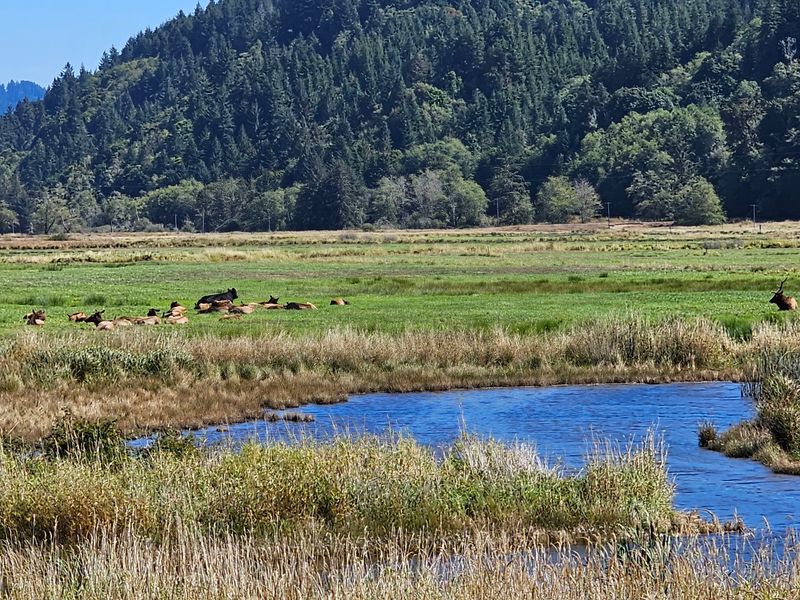
Blink at the wrong moment on Highway 38 and you might miss it. Dean Creek Elk Viewing Area sits just outside Reedsport, on the Oregon coast side of the Coast Range, a wide, flat meadow where Roosevelt elk graze in plain sight.
It is managed as a wildlife refuge, and the listed address is 48819 OR-38. Visitors describe a sprawling lowland where elk graze, rest, and raise their young.
The pullouts line the road, so you can stop, step out, and start watching within a minute. No trail to hike, no gate to pay at, and no waiting in line.
For anyone driving between the valley and the coast, it is a ready-made detour that costs nothing but a few minutes and a little curiosity about what is standing in the grass.
Roosevelt Elk, the Resident Herd
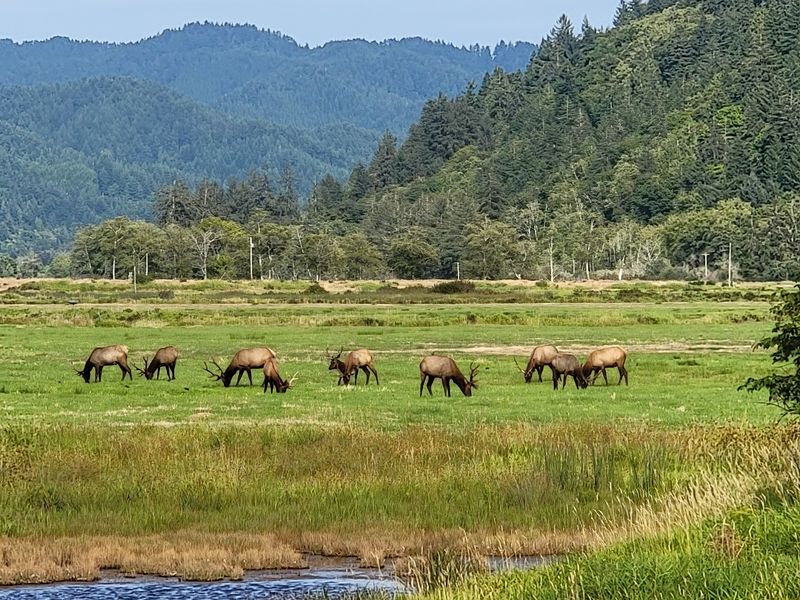
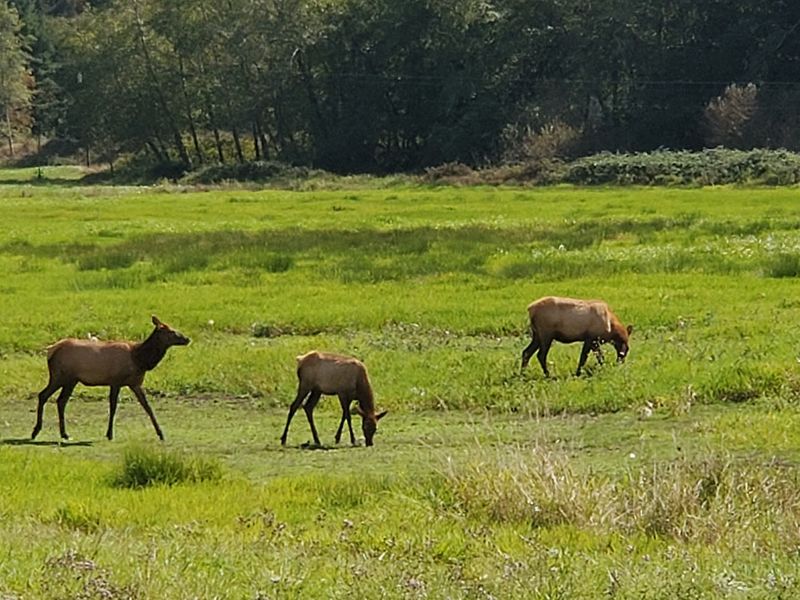
Here is a fun surprise: these elk basically live here. Several regulars say a resident herd of Roosevelt elk can be spotted nearly every time they drive by, often twenty to fifty animals at once.
One visitor counted around 50 to 60 on a recent stop, after half a dozen earlier visits that always had a few hanging around.
Roosevelt elk are big, sturdy animals, and seeing a whole group together is a real thrill. Others report packs of males wearing impressive antlers, plus females lounging in the field like they own the place.
Since the herd tends to stay in one general area, your odds of a sighting are better than at most wildlife stops. Still, wild animals keep their own schedule, so patience helps.
Open Around the Clock, Free Every Time
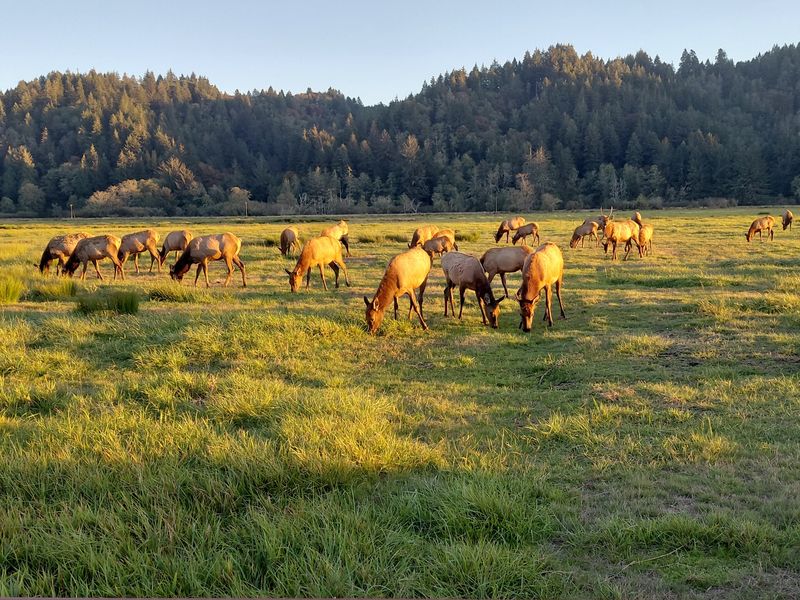
Money talk is short here: there is none. Visitors say it is free to view, and the listing shows the area open 24 hours every day of the week.
One traveler noted that the place is rarely crowded, even in tourist season, which makes it feel like a small local secret.
Another visitor mentioned the area being open dawn to dusk, so it makes sense to plan your visit in daylight, when the elk are easiest to see anyway.
That mix of no fees and easy timing makes it a smart stop for road trippers on a budget. You can drop in on a whim, spend five minutes or fifty, and leave without spending a cent.
Few attractions are this low-pressure.
The Best Hours for Elk Spotting
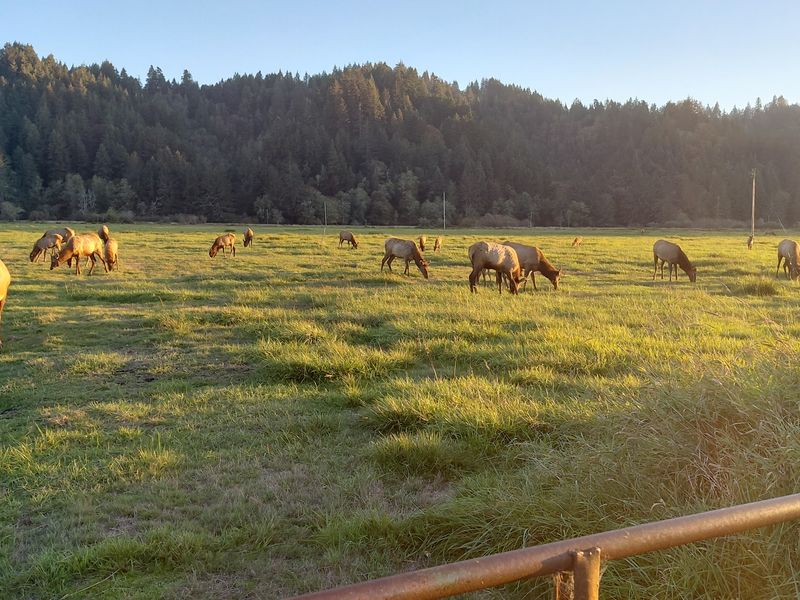
Early birds win this one. Visitors repeatedly suggest morning or dusk, when the elk are out and moving around.
One traveler explained that the herd drifts toward the woods once the day warms up. Another stopped twice in a single day and found the animals had moved closer by the later visit.
That means a second pass can pay off if your first look comes up short. Mid-day sightings still happen, though, with several people finding elk lounging in the grass in the afternoon.
Oregon off-peak seasons can be lovely here, with fewer cars and a quieter roadside. Pack a layer, since coastal mornings run cool, and give yourself time to simply stand and watch.
Elk do not hurry, and the show rewards people who do not either.
Binoculars Make the Day
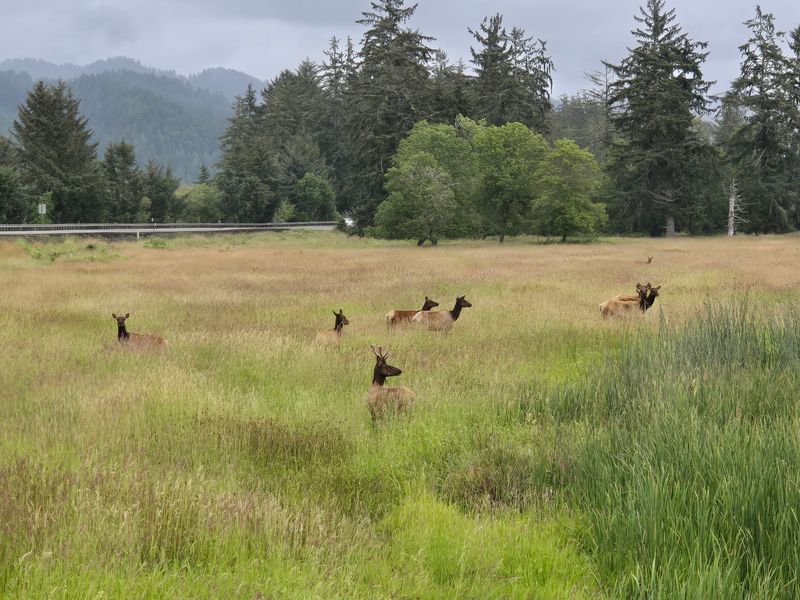
Distance can be a trickster in a big meadow. One visitor found the herd grazing about 500 yards from the viewing area, with around 15 elk visible.
Binoculars saved the day, and several others agree that the herd is best enjoyed through a good pair or a camera with a zoom lens.
Without gear, the experience is still fun, as one traveler pointed out, but the details of antlers and calves pop with magnification.
Other days the elk wander far closer. One group saw a herd emerge from tall grass within thirty feet, and another says you can get within about 25 feet if you stay quiet and calm.
The takeaway is simple. Toss binoculars in the glove box, and you are ready for any scenario.
Up Close Without Crossing the Line
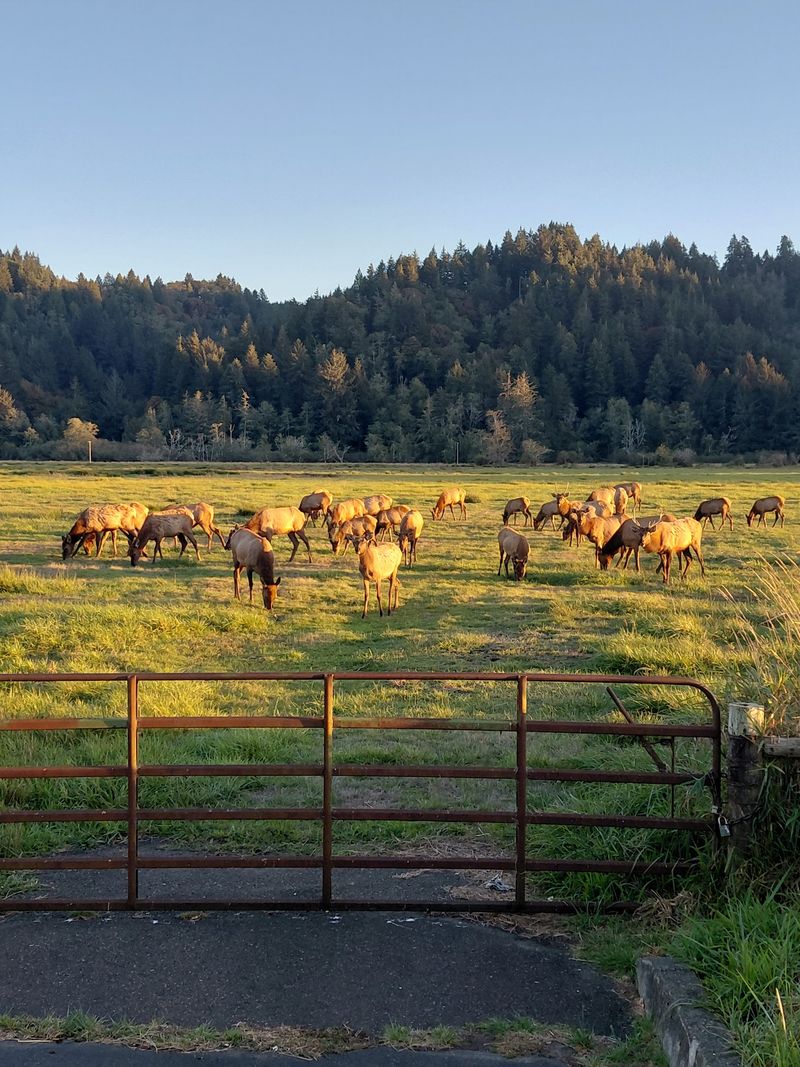
Close encounters are possible, but manners matter. A visitor noted the elk seem calm and that quiet watchers can get surprisingly near.
The one firm rule is to stay on your side of the fence or gate.
Elk may also wander near the road itself, so slow down when driving through. One visitor reported that animals can come as close as the pavement, and another parked at the roadside to find them very near.
Hearing the herd is part of the fun too. A traveler described catching the bugling calls as animals answered one another across the meadow.
Keep voices low, keep your distance, and let the elk set the pace. That respect is what keeps this place peaceful for everyone who stops.
Parking for Everything From Sedans to Big Rigs
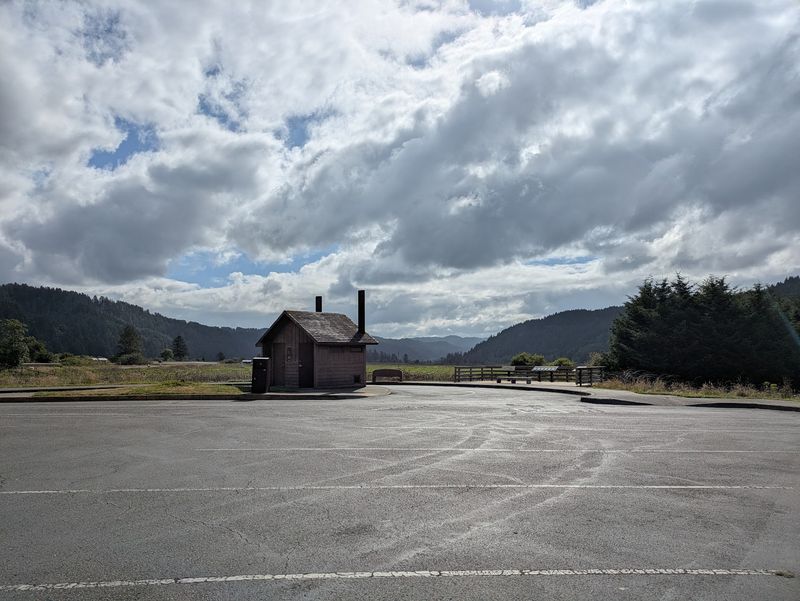
Got a 40-foot fifth wheel? You are welcome.
One traveler hauling exactly that praised the ample parking, and others mention designated RV spots plus room for trailers and buses.
A camper van visitor offered a smart tip: if your rig is really long, use the first lot as you enter, since the back lot has a tighter turnout.
Another reader said turning around with a big trailer was easy.
Cars have plenty of room too, with a large lot and several spots to step out and photograph the meadow.
That generous layout takes the stress out of a pullout stop, especially on the busy coastal route. You can park, stretch, and focus on the herd rather than circling for space.
Interpretive Displays and the Gazebo-Style Center
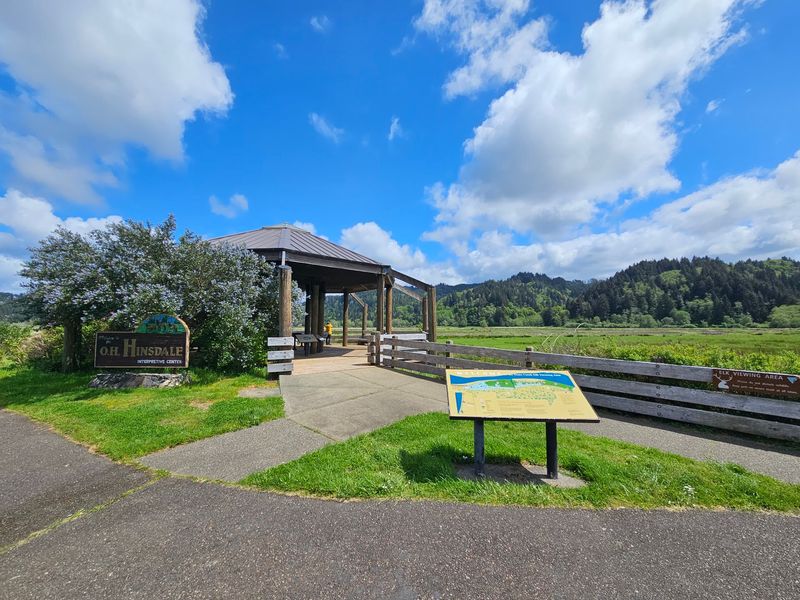
Hidden in the loop of pathways is a gazebo-style interpretive center with plenty to read. Visitors call the educational cards detailed and well organized, covering elk and local history.
One traveler even enjoyed the displays on a day with no elk in sight, calling the stop educational and worthwhile.
The Hinsdale Interpretive Center has creaky wooden boards and is wheelchair accessible, according to a recent visitor.
An older note from a past traveler praised the large gazebo as a spot to take pictures in any weather, which is handy in a place where Oregon drizzle is always possible.
Signs also mention that volunteers help maintain the grounds. Reading them adds a nice layer of context before you pick up the binoculars again.
Clean Restrooms and Bench Breaks
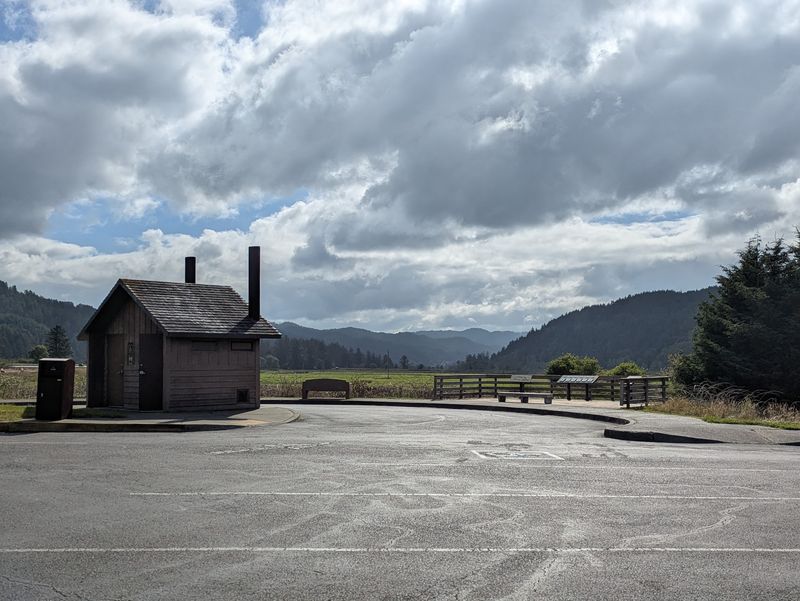
Road trips run on good bathroom stops, and this one earns plenty of praise. Clean restrooms are among the most mentioned features, with one visitor saying an unplanned pit stop turned into an amazing experience.
A recent visitor counted two separate restroom buildings on the grounds.
Benches are another bonus. Sturdy seats sit along the half-mile-ish sidewalk and parking area, so you can rest while the herd does its thing.
The same traveler did not spot picnic tables, though, so plan to eat in your vehicle or bring a seat of your own.
Volunteers keep the grounds tidy, and visitors are asked not to litter. A little care goes a long way in keeping the place pleasant.
Easy Access for Every Visitor
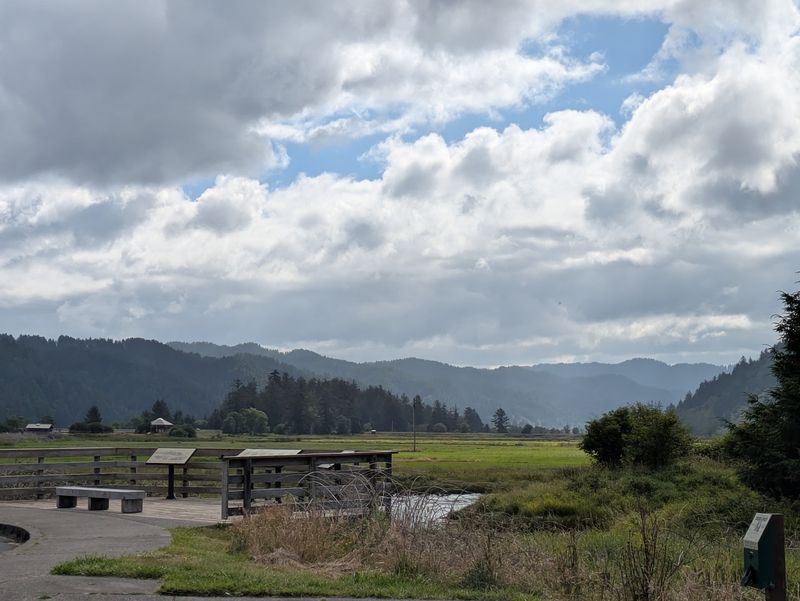
Not every wildlife stop welcomes everyone, but this one comes close. A visitor with mobility in mind called it flat, with lots of benches near the viewing areas.
The Hinsdale Interpretive Center is described as wheelchair accessible, and the sidewalk keeps walking to a minimum.
Families with kids, older travelers, and anyone tired from hours behind the wheel can all enjoy the herd without a long trek.
Highway access is simple. One visitor noted that going on a weekday made everything feel smooth and uncrowded.
Cell service is decent too, with a camper reporting two bars of 5G on Verizon, though service may fade for about fifteen minutes heading east on the highway. Download your maps before you roll on.
Bulls, Cows, and One Chill Bovine
Plot twist: the elk sometimes have a cow for company. Two visitors spotted a resident bovine hanging out with the herd, and one said she seemed pretty chill.
It is a quirky bonus if you are lucky enough to see her.
The elk themselves come in plenty of varieties. Travelers describe females lounging in the field and groups of males with long antlers, and one visitor noted that males and females were separated.
Older notes mention at least 50 cows and one incredibly large bull on a past visit.
Ducks make an appearance too, with a few visitors mentioning duck viewing among the sights. Keep your eyes moving across the whole meadow, because the cast of characters changes from day to day.
A Quiet Pause on the Oregon Coast Route
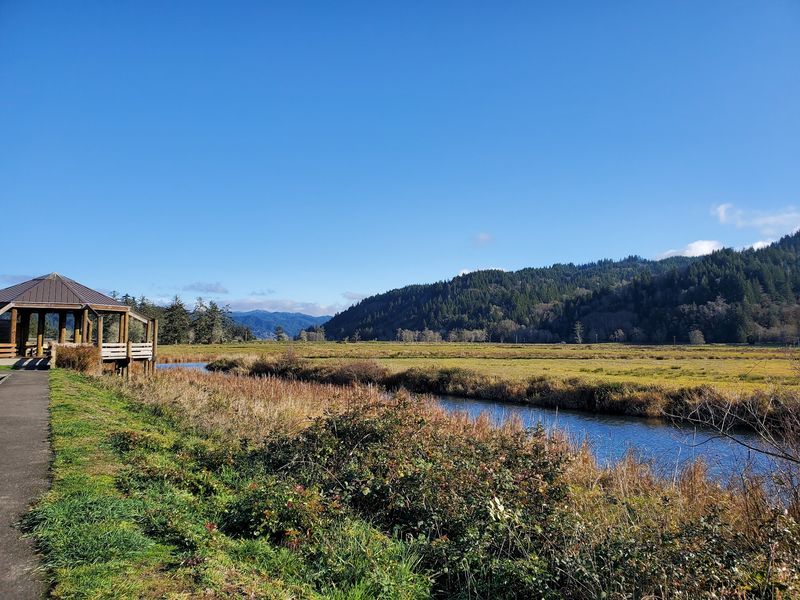
Some stops are about the animals, and others are about the pause. Visitors call the area picturesque, a place to take a break and relax with wildlife views.
Even a day without elk had its charm for one traveler, who enjoyed the wide open plains as a break from driving.
The listing describes a wildlife refuge, and the mood matches: calm, wide, and unhurried.
One reader recommends stopping on the way back from a trip along the Oregon coast, which makes a nice bookend to a beach day.
Fellow Oregonians will appreciate the low-key feel. It rarely gets crowded, and the pace slows the moment you step out of the car and see the meadow.
Elk Might Show Up Right at the Roadside
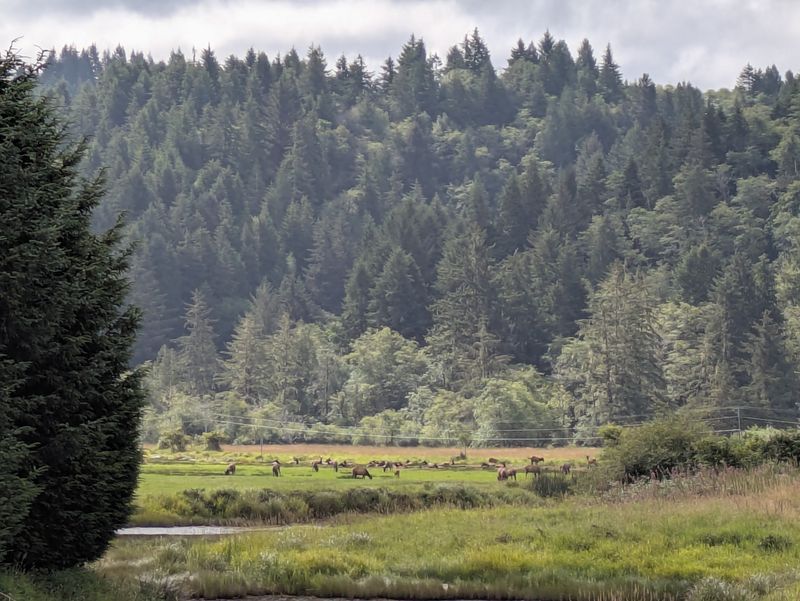
Plot it like a bonus round. One visitor saw no elk from the viewing area, then climbed back into the car and found a huge herd along the side of the road.
Others have parked at the roadside and found the animals very close.
That unpredictability is part of the fun, and it is also a good reason to drive slowly through the whole stretch. Watch the shoulder and the grass beyond it.
Visitors say a group of twenty to fifty can often be seen right from the highway.
If you do pull off, use the official pullouts, keep an eye on traffic, and stay respectful of the animals. Safe stopping keeps the experience good for you and the herd alike.
Planning Your Stop: Getting There and Staying Prepared
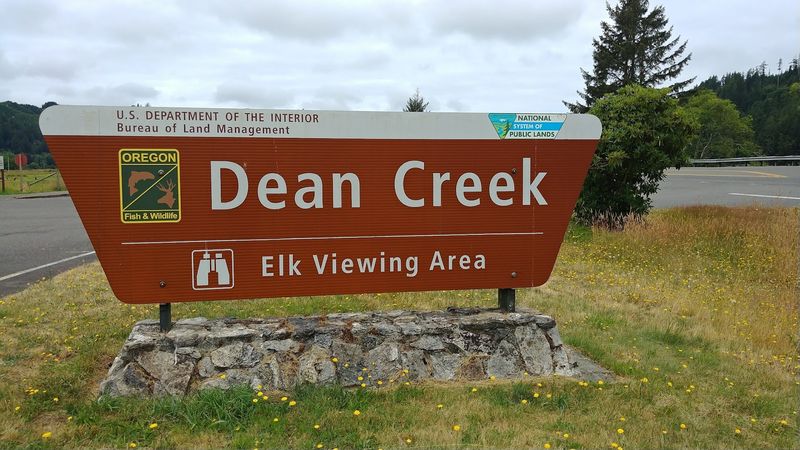
Finding the spot is simple. Dean Creek sits at 48819 OR-38, a short drive east of Reedsport, right along the highway.
The Bureau of Land Management website covers the area, and the phone number listed is 541-756-0100 if you want to check conditions before you go.
Bring binoculars, a camera, a light jacket, and your own snacks, since visitors did not mention picnic tables.
Stay on your side of the fence, drive slowly, and pack out any litter.
Weekday visits and off-peak seasons tend to feel calmer, and mornings or dusk give the best odds of seeing the herd on the move. Give yourself at least half an hour so you are not rushing the view.
A Soft Verdict for the Road-Trip Crowd
Worth the stop? Visitors overwhelmingly say yes.
The area earns a 4.7 star average on Google Maps, driven by easy parking, clean restrooms, and the thrill of seeing a herd in the open.
It is not a guaranteed sighting. A few travelers saw few or no elk, though most still enjoyed the stretch and the displays.
That honesty is part of its charm. Wildlife keeps its own schedule, and the meadow rewards patience.
For Oregonians heading to or from the coast, this is a tidy, no-cost detour that fits into any itinerary. Go early, bring binoculars, speak softly, and let the herd do the rest.
You may leave with a few photos and a secret you will want to share carefully.
Share this story