You know that feeling when a small, plain building along an eastern Oregon road ends up being the best stop of the whole trip? I almost drove past it, and I am so glad I did not.
Behind that modest stone front is a place most Oregonians have never heard of, and tourists zoom right by. Stick with me, because this secret is worth keeping close.
A Stone Building Hiding in Plain Sight
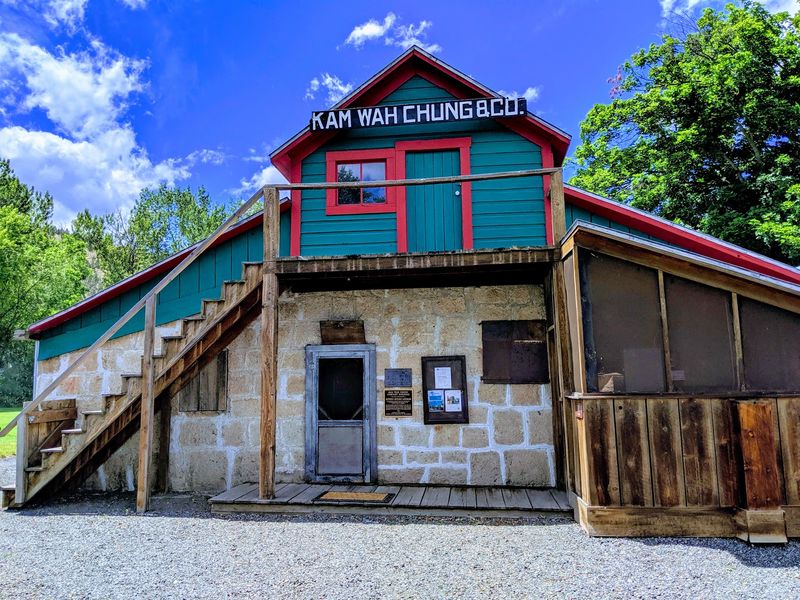
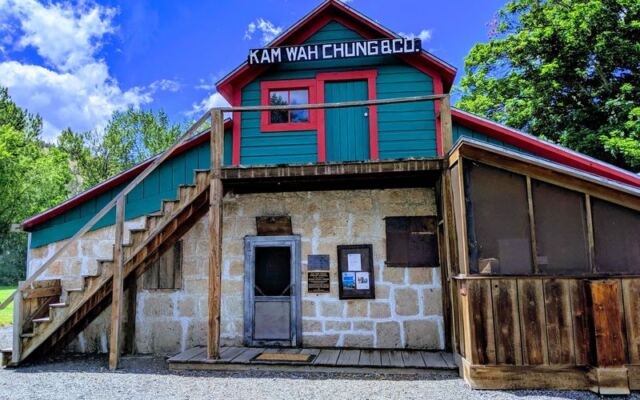
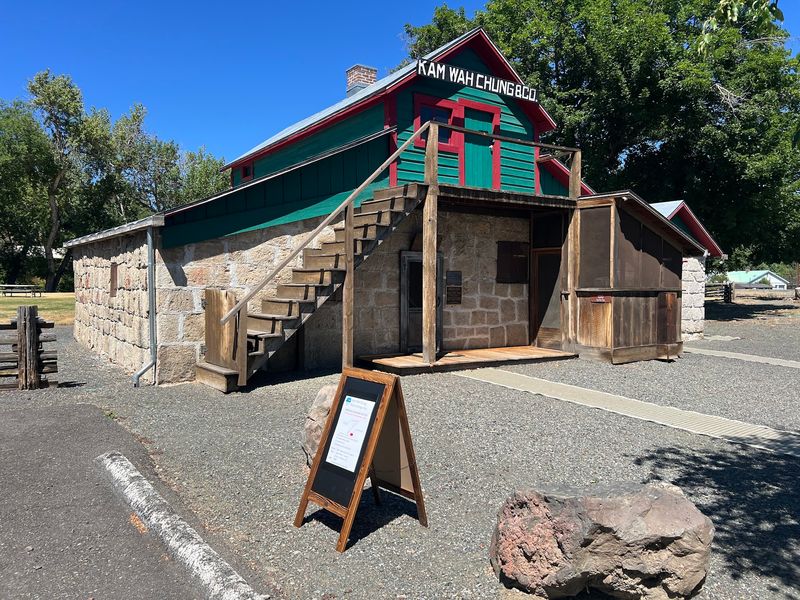
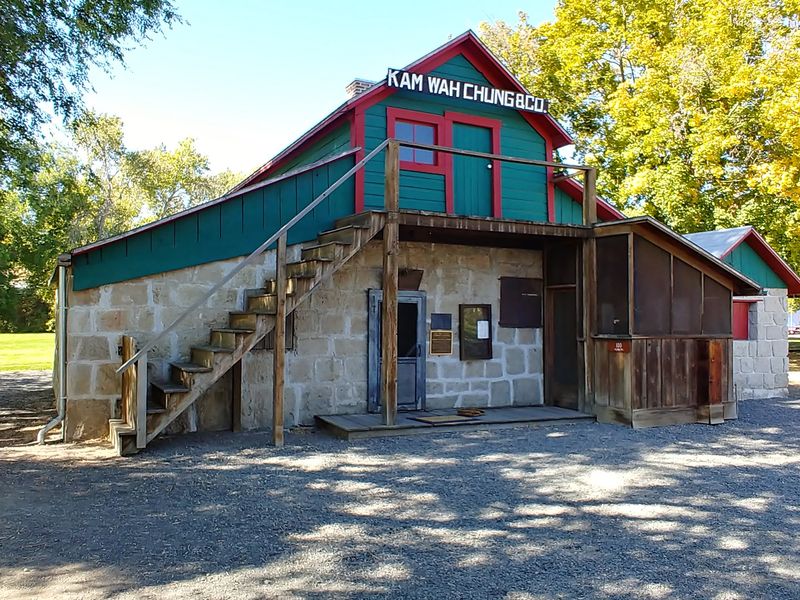
Blink and you might miss it. Kam Wah Chung State Heritage Site sits in John Day, in Grant County, in the high desert of eastern Oregon, and it looks like a modest old building on a quiet street.
Inside, the story gets big. The site is a National Historic Landmark that preserves early Chinese culture in the region, and it is often described as the oldest Chinese mercantile in the country.
Visitors say the whole experience feels like discovering something tucked away from the usual tourist trail. There are no big crowds here, just a small stone storefront holding a lot of history.
It is the kind of stop that rewards anyone willing to take the road less traveled across Oregon.
From Wagon Road Trading Post to Community Hub
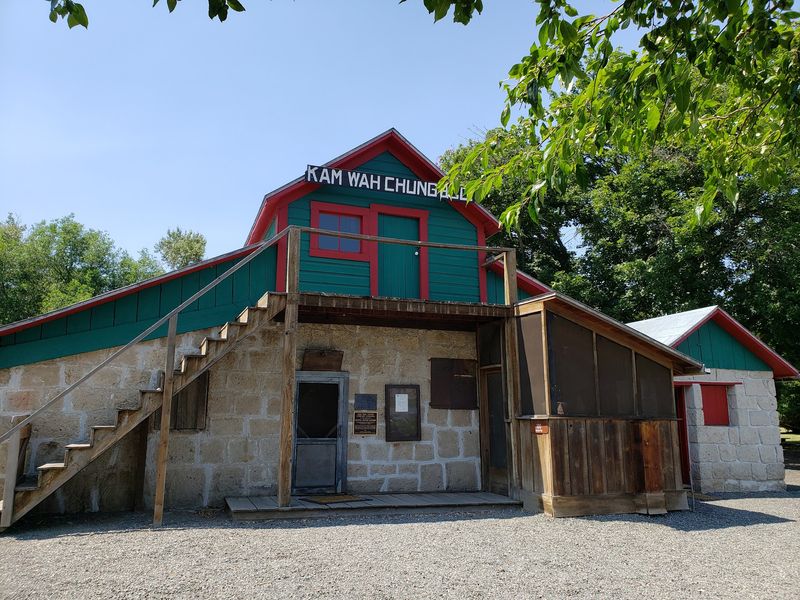
Here is a fun bit of backstory. The building went up in 1866 or 1867 as a trading post along a wagon road that later became known as The Dalles Military Road.
Over time, it grew into the heart of the Chinese community in John Day. It served as a store and an apothecary, and it became a gathering place for people far from home.
One visitor noted that this chapter of the Oregon gold rush began just as the California rush was fading. That timing explains why so many miners and settlers passed through eastern Oregon, and why a busy trading post found plenty of customers.
History here is not just dates. It is wagon ruts, hard work, and neighbors relying on each other.
Doc Hay and Lung On, Two Enterprising Partners
Meet the stars of the story. Ing Hay, known as Doc Hay, and Lung On were immigrants from Guangdong who ran the store and apothecary.
Visitors often call them two great men, and the tour makes it easy to see why. Guides share how they served the community, invested in their business, and became prominent figures in the area.
Doc Hay worked as an herbal doctor, while the pair together kept the shop humming for decades. Guests describe leaving with a real sense of who these men were, not just what they sold.
That personal touch is what makes the visit stick. You walk out feeling like you know them.
The Free Guided Tour That Makes the Visit
Here is the headline: the tour is the main attraction, and it costs nothing. Guided visits are how you get inside the old mercantile, and the most common praise from visitors is about the guides.
Rangers and volunteers share facts, stories, and small details that you would never spot alone. Many guests say the one-hour presentation was packed with information and delivered with real enthusiasm.
Groups are limited to eight people, so the experience feels personal. Visitors also mention that no one pushed donations, though some chose to leave one anyway.
Think of it as a friendly history lesson with a great seat. Bring questions, because the guides clearly love answering them.
Three Rooms Frozen in Time
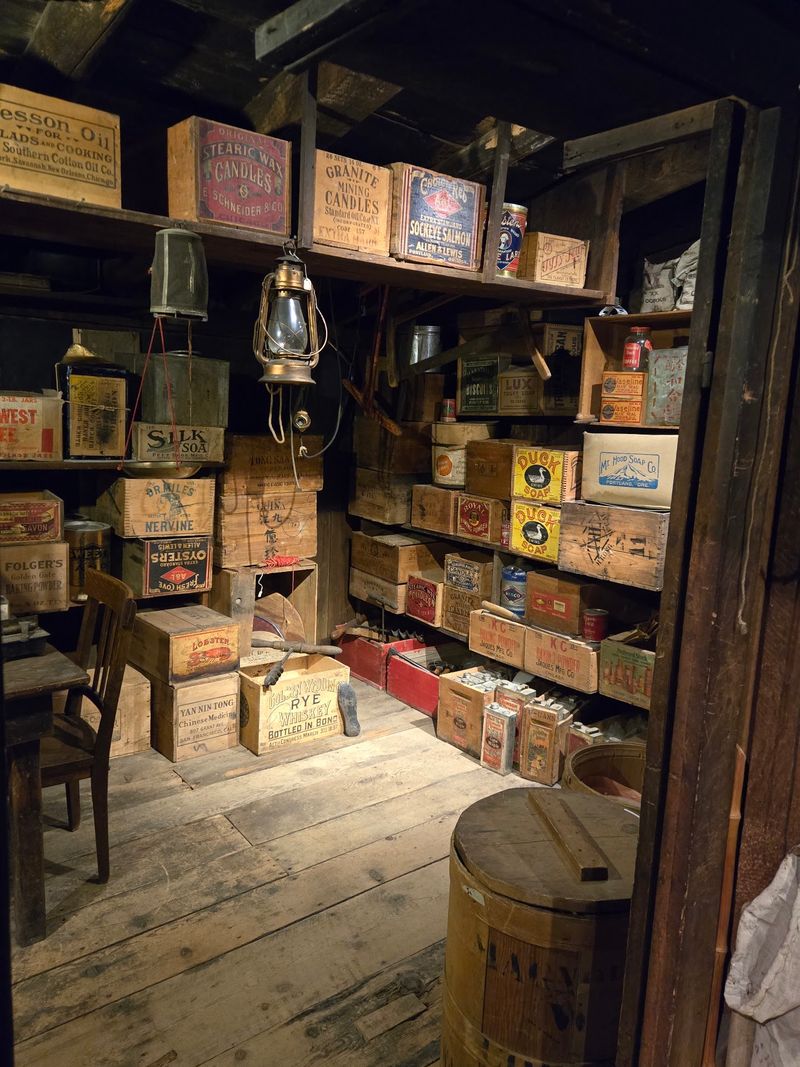
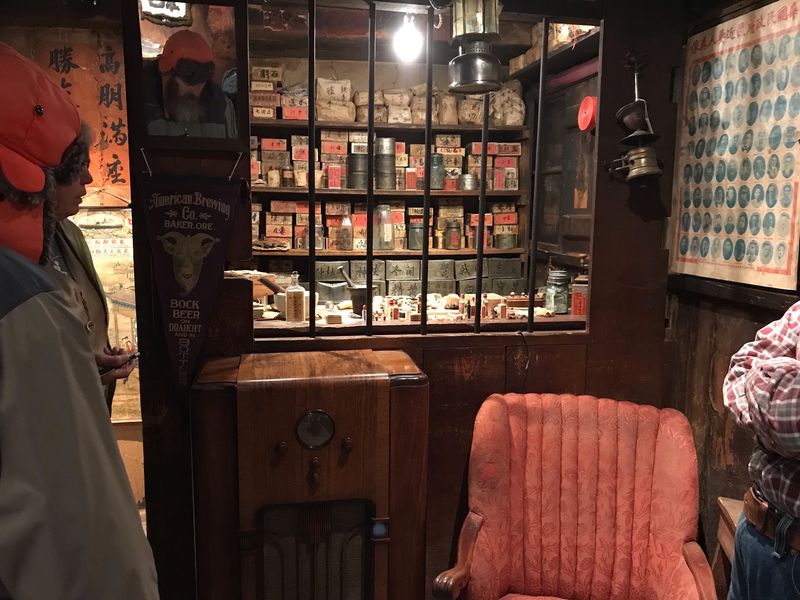
Step inside and the clock stops. The mercantile is small, with just three rooms you can walk into, yet every shelf and corner is crowded with products and trinkets from long ago.
What sets it apart is that nearly everything is original to when the store operated. Plenty of historic sites rely on recreations, but visitors point out that this is exactly how it was.
One guest said absolutely everything seems to be in the store and living space. Teenagers in one family were mesmerized and called it their favorite part of the trip.
Tight quarters, close looks, and a lot to take in. You will want your eyes everywhere at once.
Herbal Medicine and Artifacts Worth Lingering Over
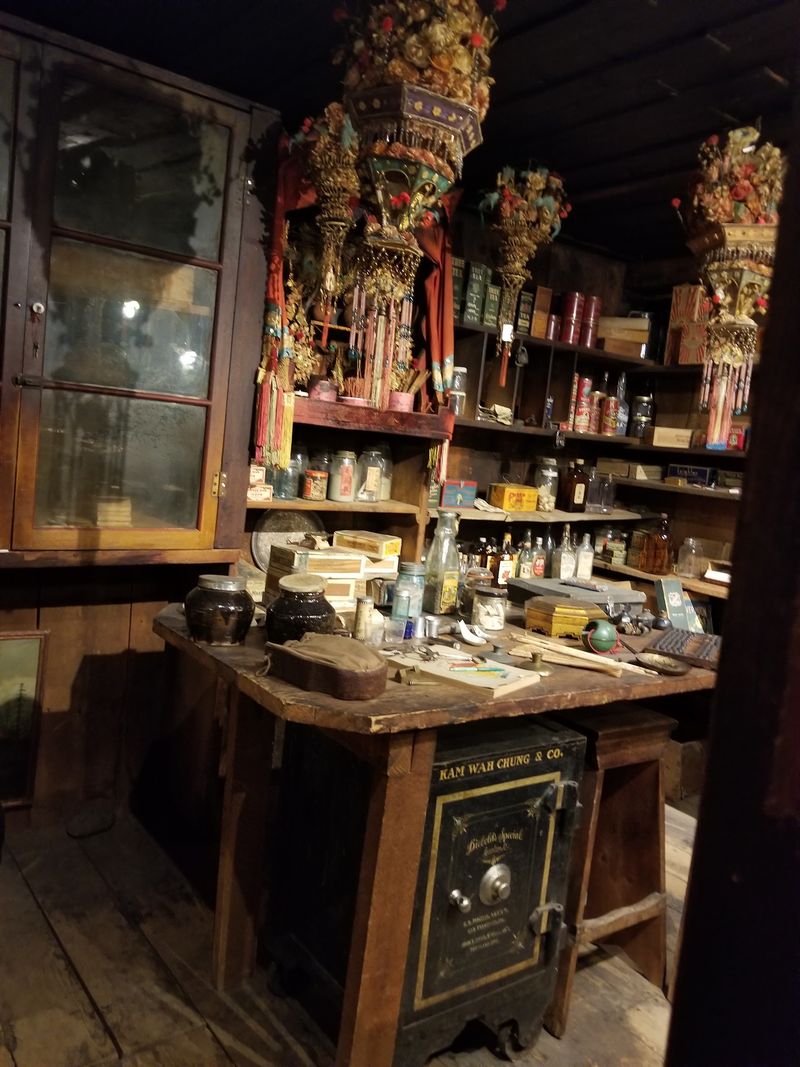
Curious about what an old frontier apothecary looked like? Here is your answer.
The site gives a view into the life of an herbal doctor and the services he offered the community.
Artifacts are a frequent topic in visitor comments, and it is easy to see why. Products, tools, and everyday items sit as they were left, giving guests plenty to study.
One history fan said they could have spent hours looking around. Another called it an unvarnished glimpse into the Chinese community in John Day from the 1800s through the 1950s.
Ask your guide about anything that catches your eye. The answers tend to be better than the labels.
Rattlesnake Tuff and the Strong Stone Walls
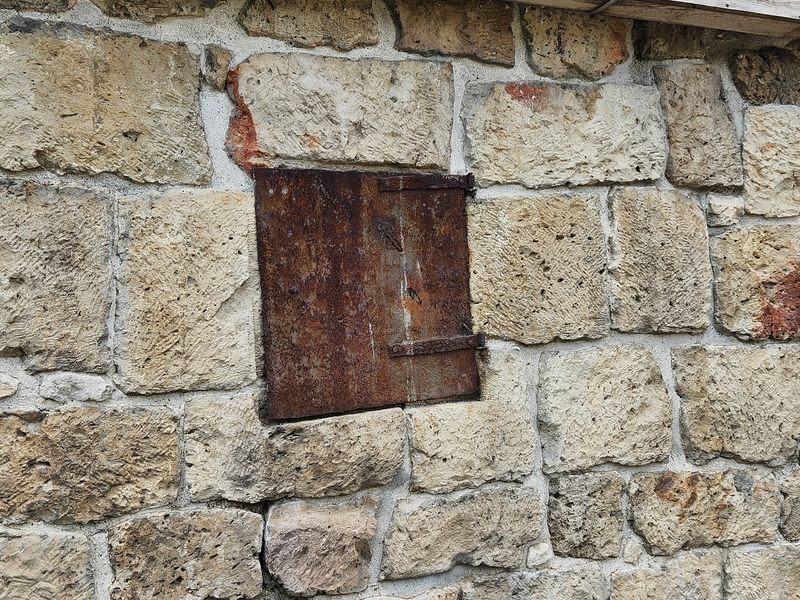
Look closely at the walls. One visitor was fascinated by tooling marks on the Rattlesnake Tuff, a volcanic rock used in the building.
The ranger explained the marks likely came from a cold chisel when stones were flattened for exterior use. It is a small detail, but it says a lot about the craftsmanship.
The same guest called the structure very strongly built. After more than a century and a half, the building still stands as proof.
Geology fans and building nerds, this one is for you. Even if you do not know your tuff from your basalt, running your eyes over those textured stones is oddly satisfying.
The Interpretive Center Down the Street
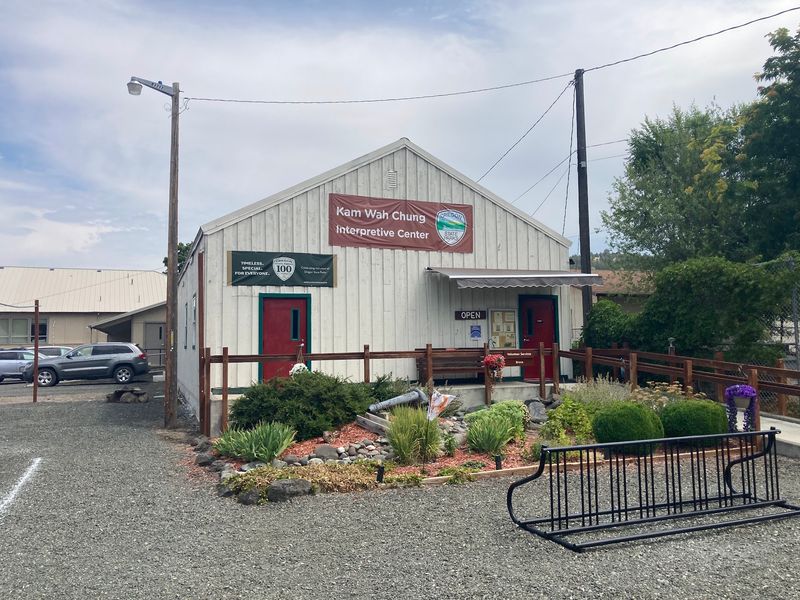
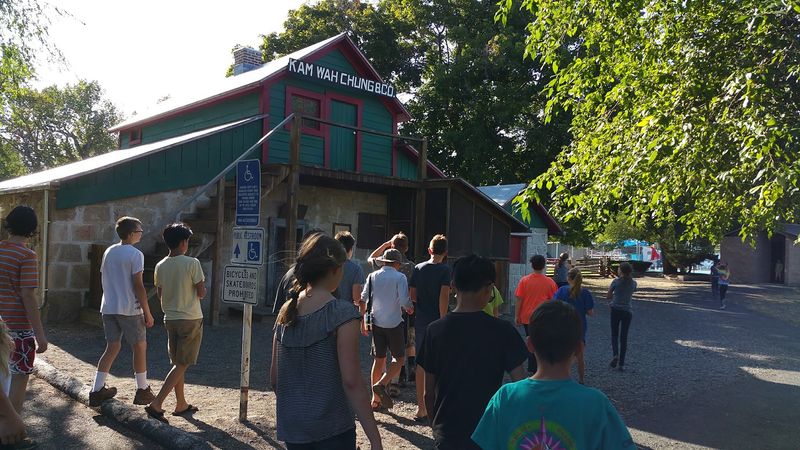
Start or finish at the interpretive center, a short walk from the mercantile of about two blocks. Visitors meet here for tours, and the staff are widely described as knowledgeable.
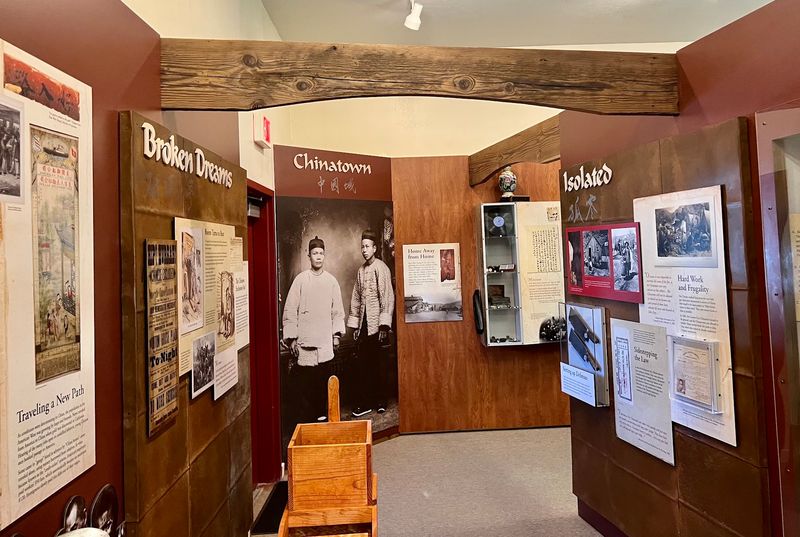
Exhibits give a brief history of the two men and the Chinese presence in the region. One traveler found it older and less impressive than the tour, so set your expectations accordingly.
The good news is that the state plans to build a new visitor center in the coming years. Until then, treat it as a friendly starting point and a handy spot to stash water bottles, since no food or water is allowed in the historic site.
Consider it the warm-up act for the main show.
A Quiet Stop for History Lovers and Road Trippers
Who is this for? Anyone who likes stories with real objects attached.
History nerds are the obvious crowd, but families with teens, curious road trippers, and groups of friends all show up in visitor comments.
The mood is calm and unhurried. With small tour groups and a quiet town setting, it feels far from the usual tourist circuit.
Many travelers fit it in while exploring Grant County or heading through eastern Oregon, often near the Painted Hills. An hour is a good amount of time to set aside.
Some visitors say it is an excellent place to stretch your legs. Others say it became their favorite part of the trip.
Hours, Reservations, and Getting There
Plan ahead, because the tour is the point. The site lists hours of 9 am to 4 pm every day of the week, and the address is John Day, OR 97845.
Visitors strongly advise calling to reserve a tour time. One said the free slots fill up fast, so do not wait until you arrive.
Call 541-575-2800 or check the Oregon State Parks website for the latest schedule. Tours last about an hour and are limited to eight people.
Leave food and water behind, as neither is allowed inside the site. Wear comfortable shoes and bring a curious mind.
It sits on the way through town, so it fits neatly into a day trip across eastern Oregon.
A Soft Verdict Worth the Detour
So, is it worth the detour? Most visitors say yes, with enthusiasm.
The tour earns the praise, the guides win hearts, and the preserved mercantile is a rare look at history left untouched.
The visitor center is modest, and the mercantile is small, but those are minor notes next to what you take away. It is a stop that feels special because so few people know to make it.
Off-peak days likely mean more breathing room, and eastern Oregon is lovely in spring and fall for a road trip. Just book your tour first.
Go for the history, stay for the stories, and tell only the friends who will appreciate it.
Share this story