Asia packs more variety into one continent than most people can plan for. You can trek beside the tallest peaks on Earth, paddle through limestone caves, ride camels across desert dunes, and snorkel with sea creatures that look straight out of a storybook.
This list brings together fifteen regions and countries where the adventure is the main event. Some are famous names, and others are only starting to pop up on travel radars.
Each one offers a different kind of thrill, from slow multi-day hikes to island-hopping boat trips and mountain road journeys. Whether you like to sweat on a trail, explore underground rivers, or simply stand in front of a view that makes you go quiet, there is a pick here for you.
Grab a pen, start a notes file, and get ready to dream a little bigger about your next trip.
Himalayas, Nepal
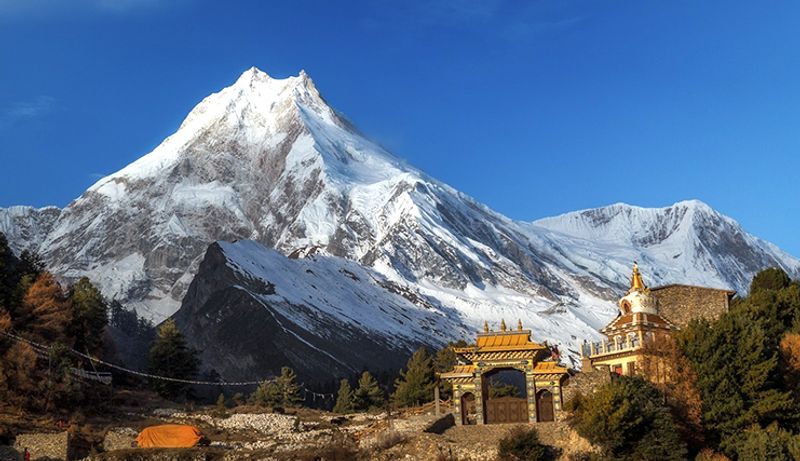
Few trails carry as much fame as the paths leading toward Mount Everest Base Camp. The trek usually takes about two weeks round trip, starting with a flight into Lukla, a small airstrip high in the mountains.
Along the way, hikers stay in teahouses, which are simple lodges run by local families that offer beds and hot meals. Sherpa villages like Namche Bazaar make good rest stops, and they give trekkers time to adjust to the thin air.
Not everyone wants to go that far, and that is fine. The Annapurna region offers several routes, including the shorter Poon Hill trek, which delivers sunrise views over huge white peaks in just a few days.
Spring and autumn are the most popular seasons because skies tend to be clearer and temperatures steadier. Pack layers, bring good broken-in boots, and book permits through a registered agency or the proper offices.
Going slowly is the best plan, since altitude can surprise even fit hikers.
Hokkaido, Japan
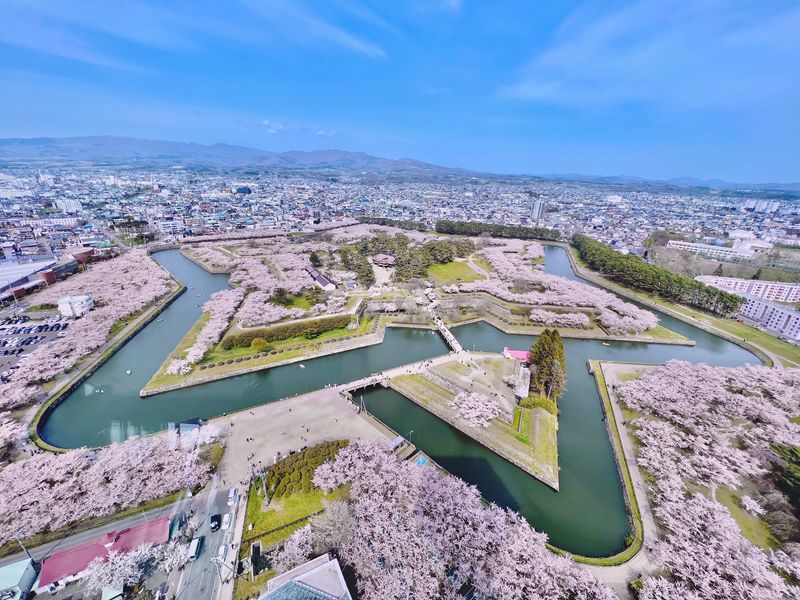
Powder lovers talk about Hokkaido the way beach fans talk about Hawaii. Cold winds from Siberia cross the Sea of Japan and drop huge amounts of light, dry snow on resorts like Niseko, Rusutsu, and Furano.
Winter is the big draw, but the island works in warmer months too. Summer brings cycling, rafting, and hiking in Daisetsuzan National Park, which is Japan’s largest national park and full of volcanic scenery.
Shiretoko Peninsula, a World Heritage Site in the northeast, adds a wilder side. Visitors can join boat tours to spot wildlife and walk guided routes through protected forest.
Getting around is easy, with trains and rental cars connecting Sapporo to most regions. If you visit in ski season, book lodging early, since popular towns fill up quickly.
Sapporo also makes a fun base for snacking on local seafood and miso ramen between outdoor days.
Ladakh, India
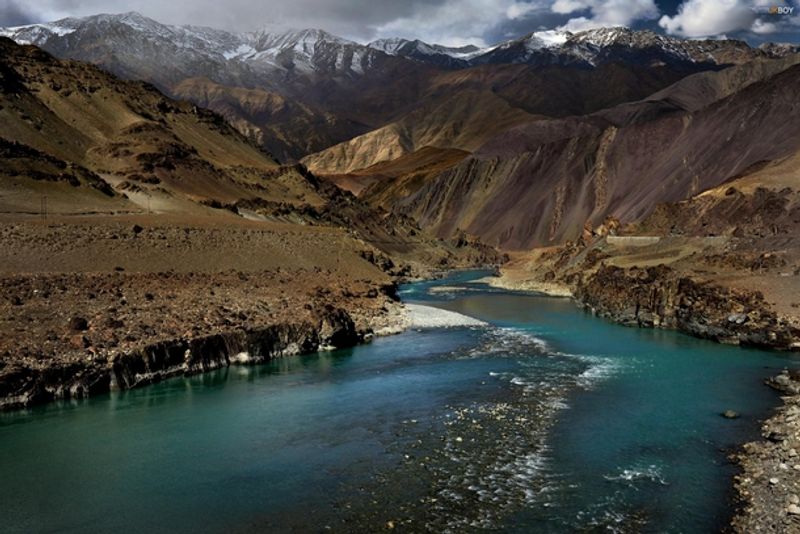
Road trips do not get much higher than the ride from Manali to Leh. The route crosses several mountain passes above 4,000 meters, and the scenery shifts from green valleys to wide, dry, colorful desert.
Ladakh is often called Little Tibet because of its monasteries, white stupas, and Buddhist culture. Places like Thiksey Monastery and Hemis give travelers a window into local traditions.
For active visitors, the options keep stacking up. The Markha Valley trek is a popular multi-day hike, and the Zanskar River offers rafting in summer.
Winter brings the Chadar trek on the frozen river, though conditions can change from year to year.
Plan to spend a couple of days in Leh doing very little, because altitude sickness is a real issue here. Drink plenty of water, move slowly, and visit between late spring and early autumn when passes are open.
Phong Nha, Vietnam
Underground is where the real show happens in central Vietnam. Phong Nha-Ke Bang National Park holds hundreds of caves, including Son Doong, which is widely recognized as the largest cave passage in the world.
Son Doong expeditions are limited, require booking far ahead, and are run by a licensed operator. If that is out of reach, other options are easier to arrange.
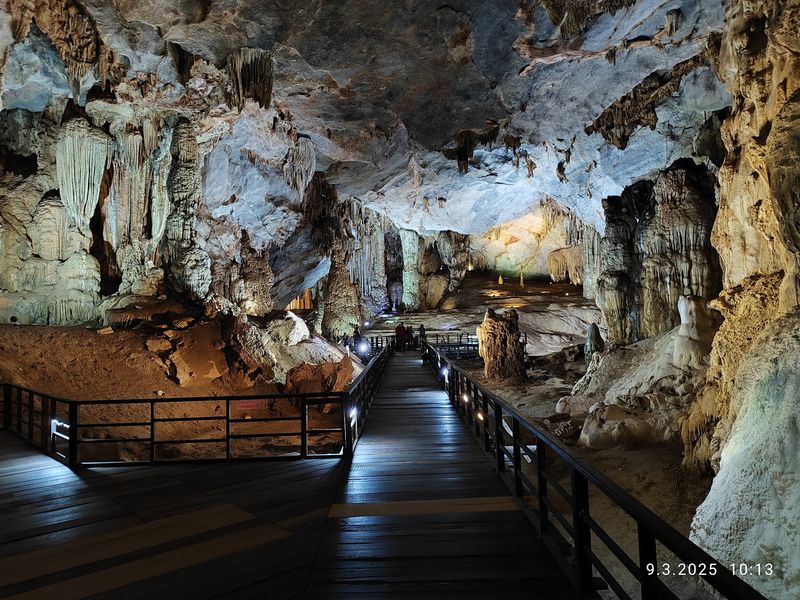
Paradise Cave stretches deep into the mountain with a wooden walkway through its giant chambers. Phong Nha Cave is reached by boat along a river, while the Dark Cave lets visitors zip-line, kayak, and swim in a muddy pool.
The area also offers jungle trekking and cycling past rice fields and limestone peaks. Dry season, roughly spring through summer, is best for cave trips, since heavy rains can close entrances.
Base yourself in Phong Nha town, where homestays and small cafes are easy to find.
Ha Giang, Vietnam
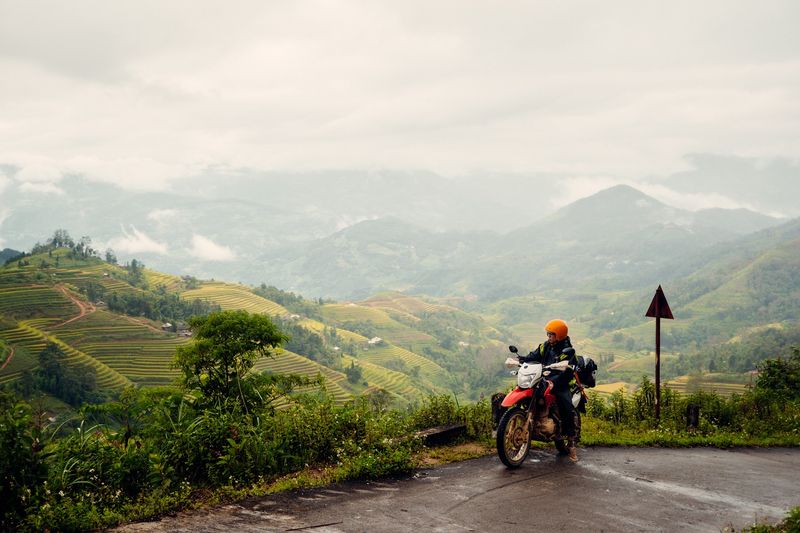
Ask backpackers about their favorite ride in Vietnam, and many will say the Ha Giang Loop. This route of roughly 350 kilometers winds through the far north, close to the Chinese border.
Most people take three or four days, stopping in towns like Quan Ba, Yen Minh, Dong Van, and Meo Vac. The famous Ma Pi Leng Pass hugs a cliff above the deep Nho Que River gorge, and it offers some of the best views in the country.
Many visitors hire an easy rider, a local driver who handles the bike while you sit behind. That is a smart pick for anyone without much motorbike experience, since roads are steep and twisty.
Homestays along the loop serve family-style meals and give you a taste of local ethnic minority communities, including the Hmong and Tay. Buckwheat flower season in autumn adds pink fields to the scenery.
Krabi, Thailand
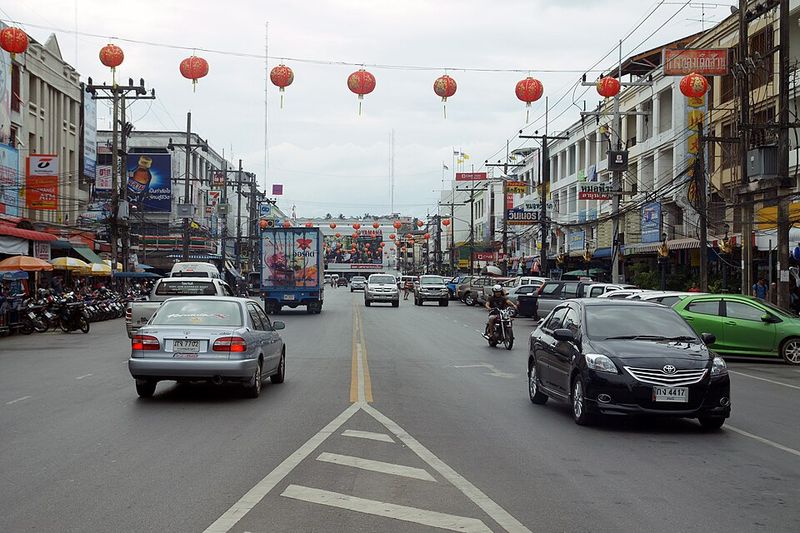
Rock climbers have been flocking to Krabi for decades, and the reason is easy to see. Tall limestone cliffs rise right beside the sea, especially around Railay Beach, which can only be reached by boat.
Beginners can sign up for a half-day course with local guides who supply gear and teach basics. Experienced climbers will find hundreds of routes in a range of difficulty levels.
On days you want a break from the rock, there are plenty of other things to do. Kayak through mangroves at Ao Thalane, or hop on a longtail boat to the Four Islands for snorkeling and sandbars.
The Emerald Pool and Tiger Cave Temple add inland options, though the temple has more than 1,200 steps to reach the top.
The best weather generally runs from November to April. During the rainy season, seas can get rough, so check boat schedules before heading out.
Komodo National Park, Indonesia
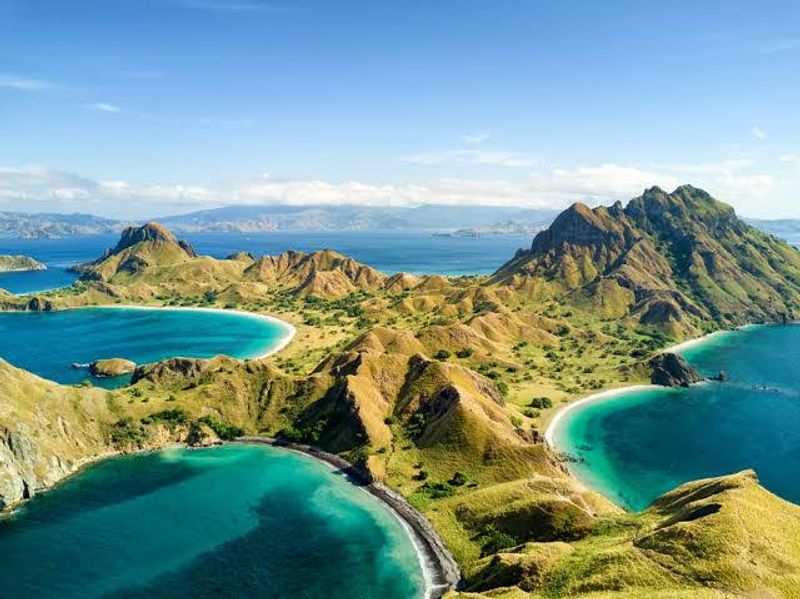
Meeting the world’s largest living lizard in the wild is the main reason people come here. Komodo dragons live on a handful of islands in the park, and visitors walk with certified rangers to see them safely.
Most trips start from Labuan Bajo on Flores island. You can book a day tour or a multi-day boat trip that sleeps onboard, stopping at spots like Padar Island, where a short hike leads to a classic viewpoint over three curved bays.
Underwater, the park is just as impressive. Dive and snorkel sites such as Manta Point and Pink Beach attract visitors hoping to see manta rays, colorful reefs, and sea turtles.
Currents can be strong, so choose an operator with a solid safety record.
Dry season, from roughly April to December, is the easier time to go. Bring reef-safe sunscreen, a hat, and plenty of water, since many islands have little shade.
Sabah, Malaysia
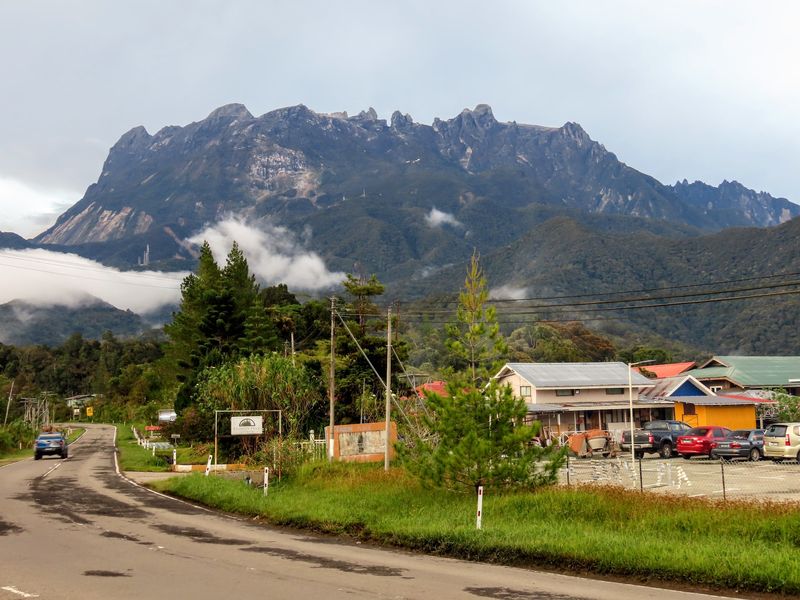
Borneo gets a lot of attention for its wildlife, and the Malaysian state of Sabah is one of the best places to see it. Orangutans recover at the Sepilok Rehabilitation Centre, and the Kinabatangan River offers boat safaris where proboscis monkeys and hornbills are regular sightings.
Mount Kinabalu, at about 4,095 meters, is the highest peak in Malaysia. Climbers usually spend two days on the trail, with an overnight stay at a mountain hut and a pre-dawn push to the summit.
Permits are limited, so reserve well ahead.
Water fans have options too. Sipadan, near Semporna, is known as one of the top dive sites on the planet, and access is controlled by a daily permit system.
Danum Valley adds rainforest trekking and canopy walks for those who want deeper jungle. Pack rain gear, since showers pop up at any time of year.
Sri Lanka
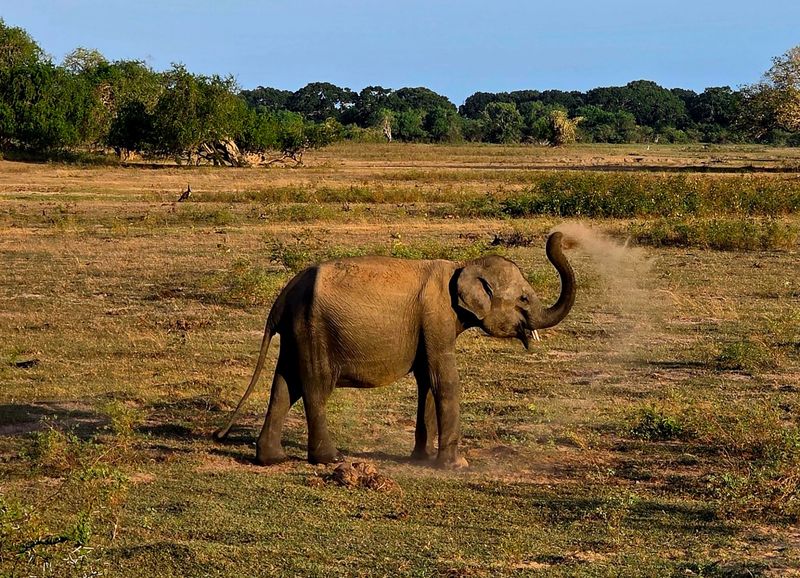
Small in size but huge on variety, this island nation fits beaches, mountains, and wildlife into a compact area. The train ride from Kandy to Ella is a favorite, passing tea plantations, waterfalls, and misty hillsides at a relaxed pace.
In Ella, hikers can tackle Little Adam’s Peak and Ella Rock, then see the Nine Arches Bridge. Further south, Yala National Park offers jeep safaris with chances to spot leopards, elephants, and many birds.
The coast adds more action. Arugam Bay is known for surfing, and Mirissa runs boat trips for whale watching, mainly from around November to April.
Sigiriya, the ancient rock fortress, rewards visitors who climb its stairs early in the morning before the heat builds. Buy train tickets ahead for popular routes, since reserved seats sell out, and keep in mind that the island has two monsoon seasons affecting different coasts.
Bhutan
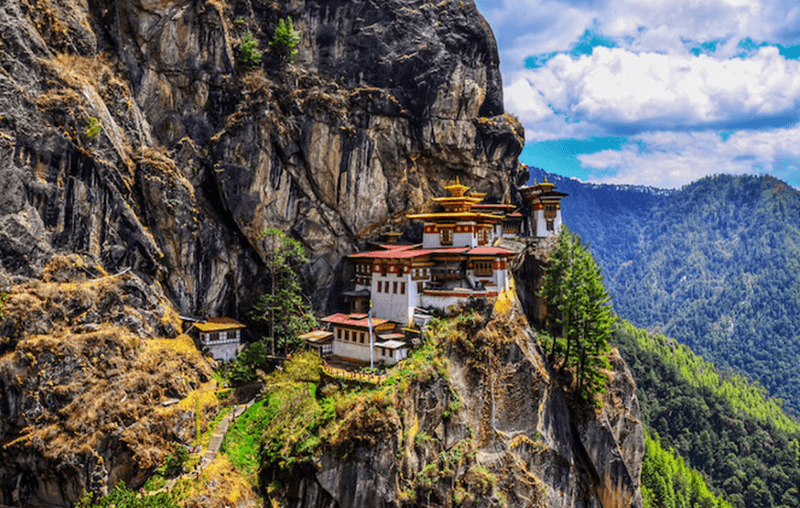
Bhutan has a reputation for doing things differently. The country measures progress with Gross National Happiness, and it manages tourism carefully, with a daily Sustainable Development Fee charged to most international visitors.
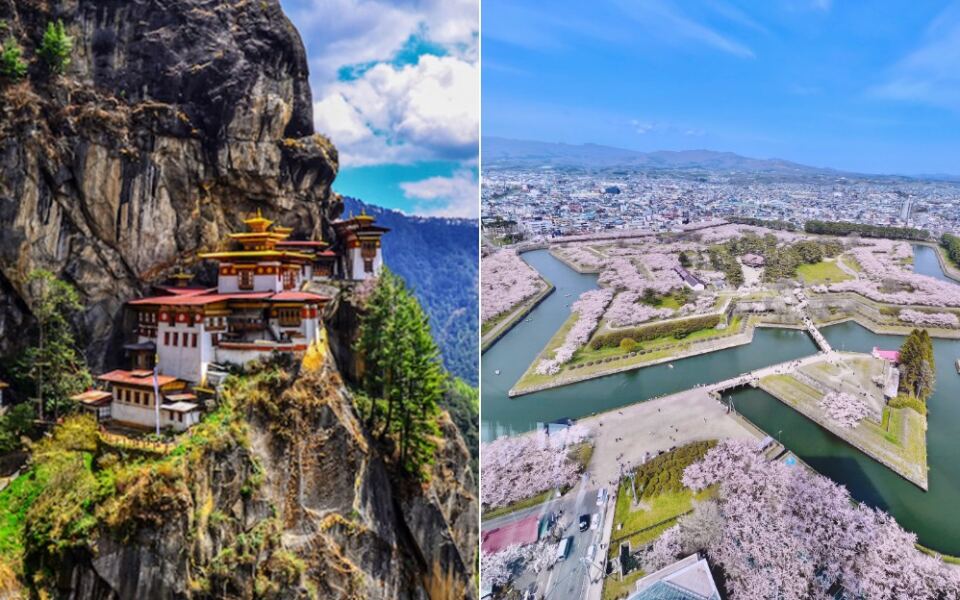
The signature hike climbs to Paro Taktsang, better known as Tiger’s Nest, a monastery built into a cliff roughly 900 meters above the valley floor. Most people need about five hours round trip, so start early.
Serious trekkers can head for longer routes like the Druk Path Trek, which links Paro and Thimphu over several days, or the tough Snowman Trek, one of the hardest in the world. Shorter options include the Bumdra trek, which ends with a night in a monastery camp.
Archery, the national sport, is worth watching during local tournaments. Plan ahead, since visas and itineraries run through official channels, and spring and autumn bring the clearest mountain views.
Tian Shan Mountains, Kyrgyzstan
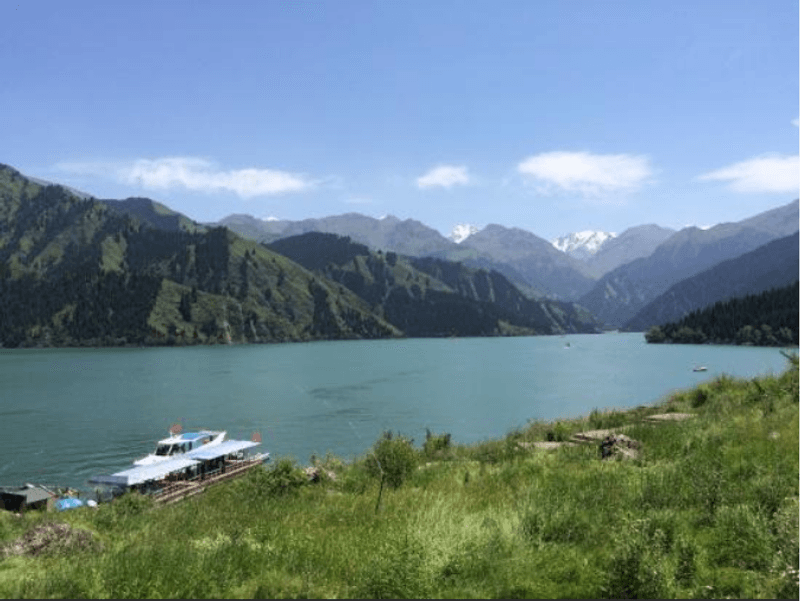
Nomad culture is still a living tradition across Kyrgyzstan, and the Tian Shan range is where you can see it up close. Summer pastures called jailoos host families who move livestock uphill and welcome visitors into their yurts.
Horse trekking is a classic way to explore. Routes around Song-Kol Lake, at about 3,000 meters, offer open grassland and wide views, with yurt stays included in many trips.
Hikers have strong options near Karakol, including the trail to Ala-Kul Lake, a multi-day route crossing a high pass. The Altyn Arashan valley is known for hot springs where tired legs can recover.
The best window runs from about June to September, since snow lingers at height earlier in the year. Many routes are reached on rough roads, so hiring a local guide or driver makes things smoother.
Bring warm layers because nights get cold, even in summer.
Almaty Region, Kazakhstan
Mountains sit right at the edge of Almaty, which makes this one of the easiest cities in Central Asia for outdoor trips. Within an hour or two, you can be at a ski area, a canyon, or an alpine lake.
Shymbulak is the local ski resort, reached by a gondola ride from the city. In summer, the same area opens up for hiking and views of the Trans-Ili Alatau range.
Big Almaty Lake sits at about 2,500 meters and shows off a vivid blue-green color. Access rules have changed over time, so check current entry details before going.
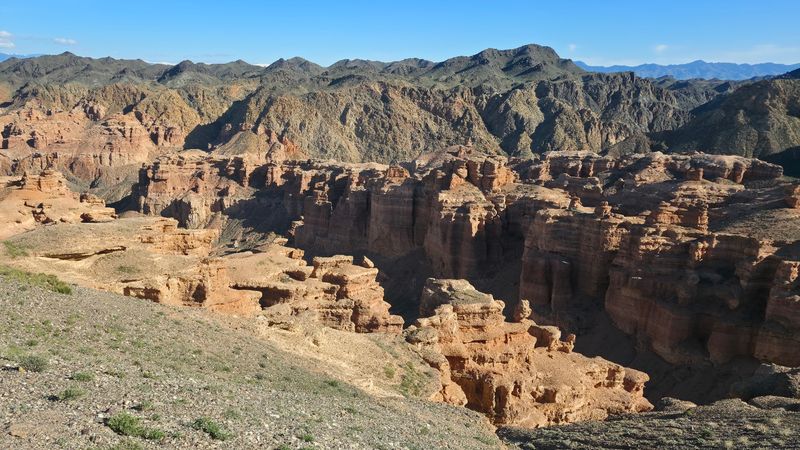
Charyn Canyon, roughly three hours away, features red rock formations often compared to the American Southwest. The Valley of Castles section has a trail down to the Charyn River.
Altyn-Emel National Park adds singing dunes and painted hills for those who want a longer outing.
Jeju Island, South Korea
A volcanic island with lava tubes, waterfalls, and a 1,947-meter mountain makes a strong case for an adventure trip. Jeju sits off the southern coast of the Korean peninsula and is reachable by a short flight from Seoul.
Hallasan, South Korea’s tallest peak, has two main trails to the summit, Seongpanak and Gwaneumsa. Each takes several hours one way, and entry reservations are often required, so check ahead.
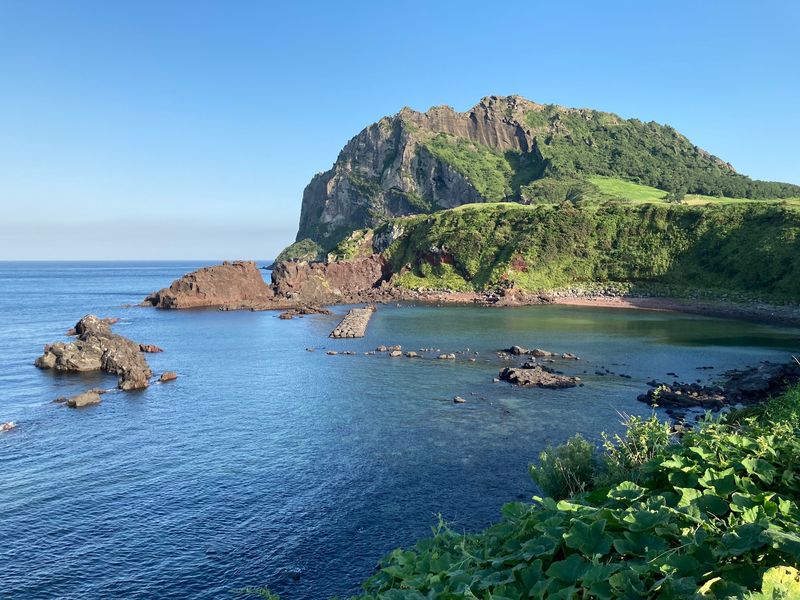
Along the coast, the Jeju Olle Trail network links walking routes around the island with painted trail markers. Seongsan Ilchulbong, a tuff cone, makes a short sunrise climb.
Underground, Manjanggul is a lava tube that is part of a UNESCO World Heritage listing, with a section open to visitors. Haenyeo divers, women who harvest seafood by free diving, are part of local heritage, and some areas offer demonstrations.
Renting a car is the simplest way to cover the island.
Taiwan
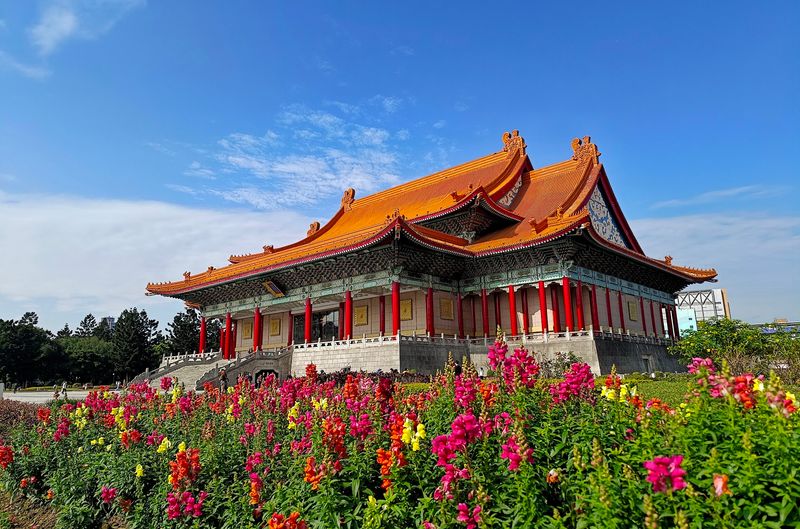
Taiwan surprises first-time visitors with how quickly the scenery changes. Over 200 peaks rise above 3,000 meters, and the island also has hot springs, rocky coastlines, and warm-water beaches.
Taroko National Park, on the east coast, is the headliner. Its marble gorge has trails like Shakadang and Zhuilu Old Trail, though some paths require permits, so check the park’s current rules.
Yushan, or Jade Mountain, stands at about 3,952 meters and is the highest peak in Taiwan. Climbers need a permit and usually stay at a mountain lodge before the summit push.
Cyclists have a major challenge in the route up to Wuling Pass, one of the highest paved roads on the island. Kenting in the south adds snorkeling and surfing.
Taiwan is also easy to get around, with high-speed rail and convenient buses, which means more time on trails and less on logistics.
Oman
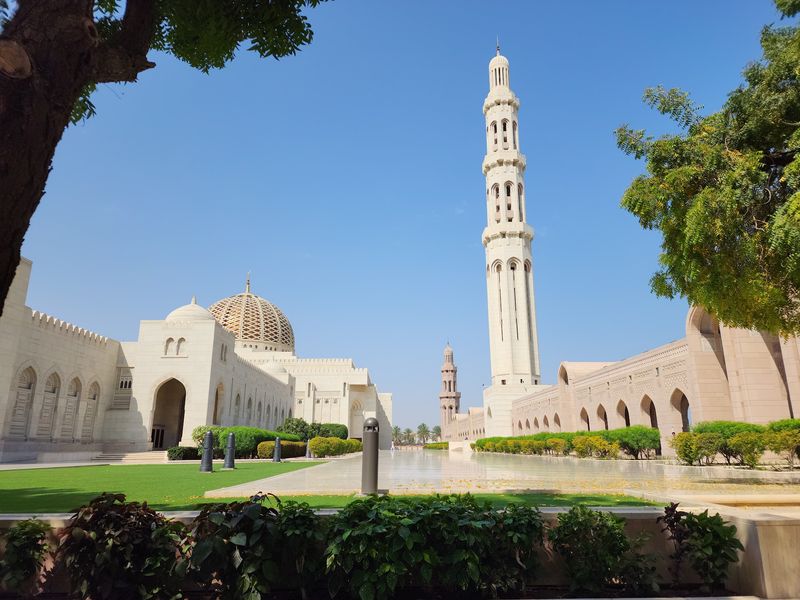
Mountains, deserts, canyons, and coastline all sit within one fairly compact country here. Oman has a growing reputation among travelers who prefer outdoor trips to big-city sightseeing.
Wadi Shab is a popular stop, where visitors hike along a canyon, swim through green pools, and reach a hidden waterfall inside a cave. Wadi Bani Khalid offers easier swimming in clear pools, and a short walk from the parking area.
In the Hajar Mountains, Jebel Shams is known as the highest peak in the country, and the Balcony Walk follows a canyon edge with big views. Jebel Akhdar adds terraced villages and cooler air.
Desert fans can head to Wahiba Sands for dune driving and nights in a Bedouin-style camp. Along the coast, boat trips from Muscat go dolphin watching.
Winter is the comfortable season, since summer heat can be intense, and a rental car, preferably a 4×4, is useful for outlying areas.
Share this story