A wooden bridge built in 1847 still lets cars roll across Fishing Creek in Pennsylvania. Plenty of old covered bridges now sit closed to traffic or tucked down quiet back roads.
This one is still part of daily life, and drivers, walkers, and bike riders all share it. It sits just minutes from a busy college town, and it links up with a riverside park.
An 1847 Bridge You Can Still Drive Through
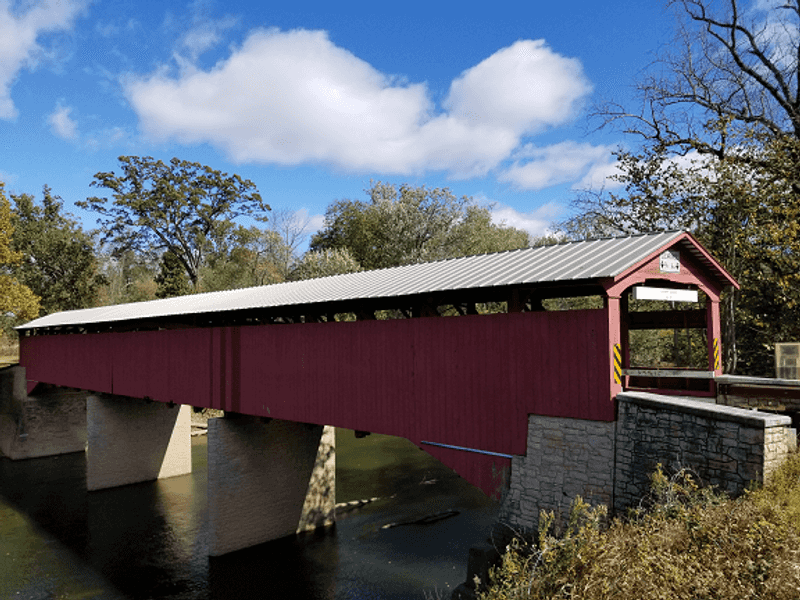
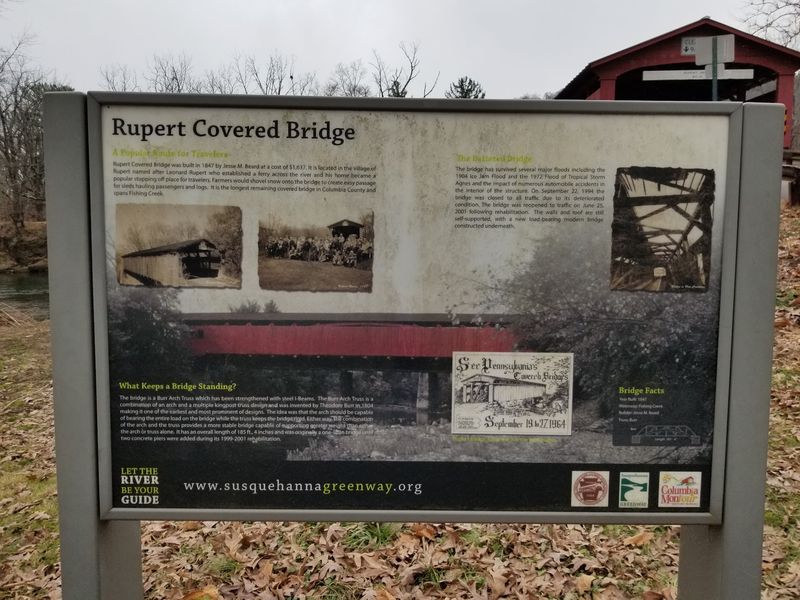
Cars still rumble through a bridge that was built back in 1847. That bridge is the Historic Rupert Covered Bridge, which sits on Covered Bridge Road in Bloomsburg, PA 17815, in the United States.
It crosses Fishing Creek in Columbia County, an area known for its many covered bridges. Most travelers reach it in about five minutes from downtown Bloomsburg, so it makes an easy side trip from town.
I like that the bridge was not turned into a museum piece. It still does the job it was built to do, carrying everyday traffic from one side of the creek to the other.
Many old covered bridges around the country now sit closed to cars. Some stand on private land, and others only allow foot traffic.
Here, you can simply drive in one end and come out the other.
The bridge is open all day, every day, since it is a working public road. That makes it handy if you are passing through on a longer drive across central Pennsylvania.
Of course, a bridge this old has needed some help to keep going. Its restoration story explains how it survived so long.
A 2001 Restoration Kept the Old Timbers Working
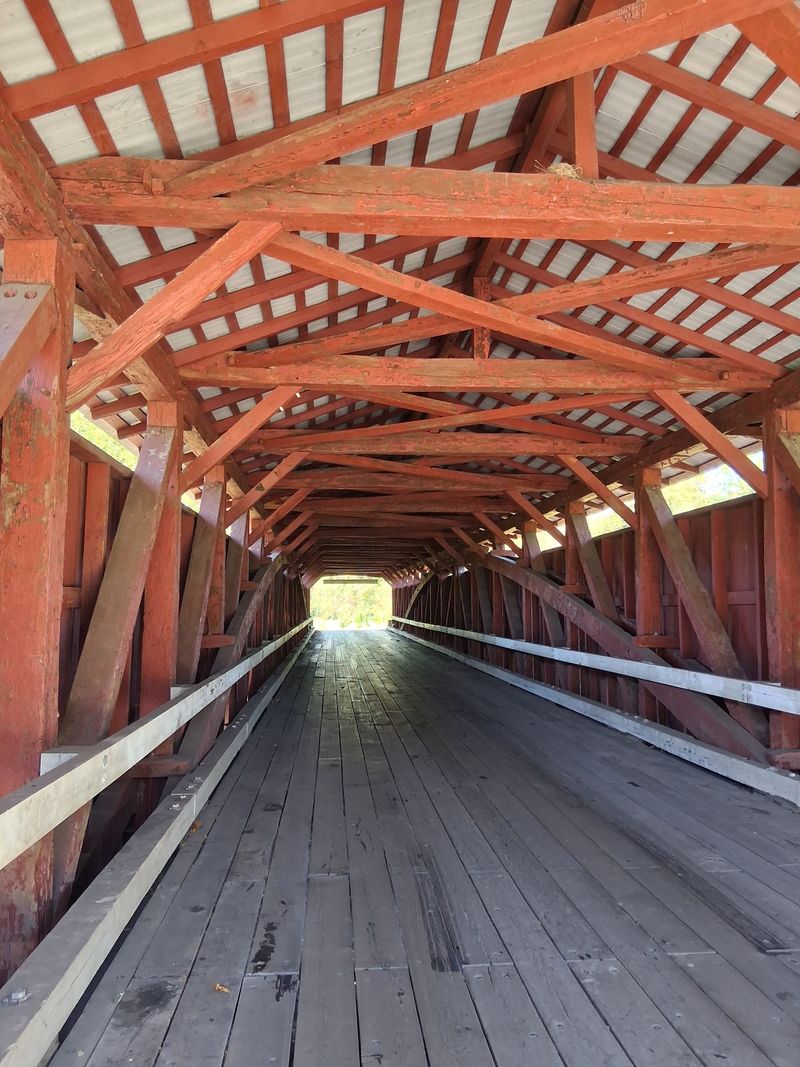
Wood does not last forever, especially over a flowing creek. Rain, snow, and constant traffic slowly wear down beams and boards, so every covered bridge needs care over time.
The Rupert Covered Bridge was restored in 2001. That project gave the structure a fresh start while keeping its historic look and purpose intact.
Here is the part I find most interesting. Even after the work was finished, some of the original timbers remain in the bridge, so pieces of the 1840s structure are still in place today.
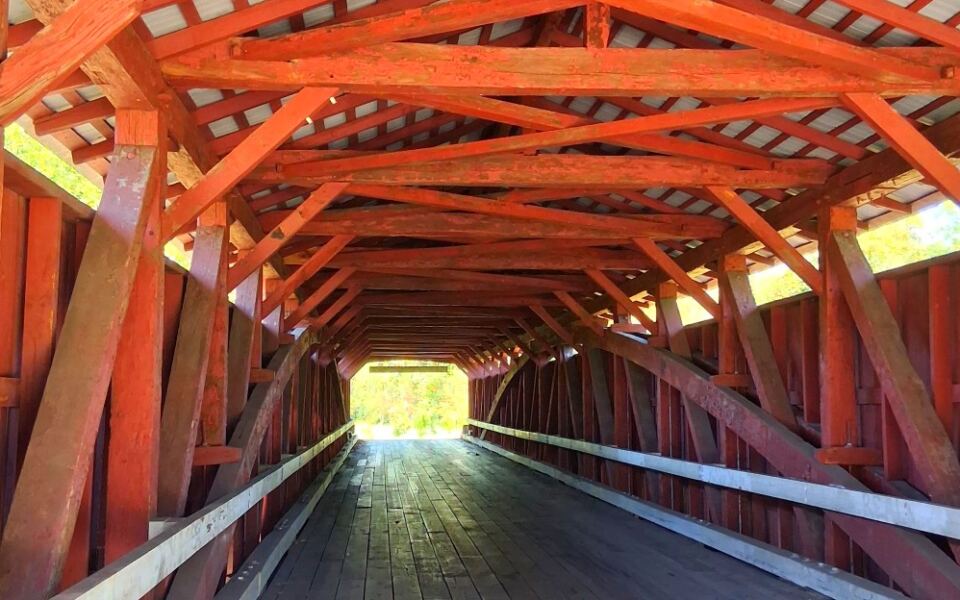
When you drive or walk through, take a moment to look up and around. The inside of a covered bridge shows off its framework, and that framework is what holds the whole thing together.
Restoration is a balancing act. Crews must make a bridge safe for modern use while still respecting how it was first built.
Keeping a working bridge open to cars adds even more pressure to get it right.
The roof and walls, by the way, are not just decoration. They play a big role in why covered bridges were built in the first place, which brings up a fun question.
Why Builders Put a Roof Over the Creek
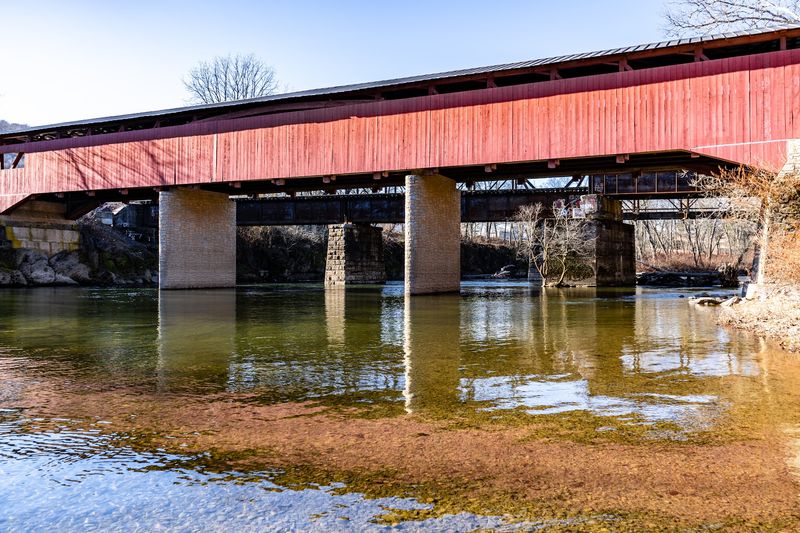
Ever wonder why anyone would put a roof on a bridge? The answer is pretty practical.
Builders in the 1800s covered wooden bridges to protect the main beams from rain and snow.
An uncovered wooden bridge could rot fairly quickly. With walls and a roof shielding the frame, the important structural parts stayed drier and lasted much longer.
That simple idea helps explain how a bridge from 1847 is still standing over Fishing Creek. The cover was basically a raincoat for the bridge, and it worked.
Pennsylvania once had a huge number of covered bridges. Over the years, many were replaced as roads were widened and newer materials took over, so the ones left now feel more special.
Columbia County still holds onto a strong collection of these old structures. That makes the Bloomsburg area a smart starting point if you enjoy seeking out historic bridges on a weekend drive.
Rupert stands out from many of its neighbors for another reason, though. It sits in a spot where three very different crossings meet over the same water.
Three Bridges Share One Stretch of Water
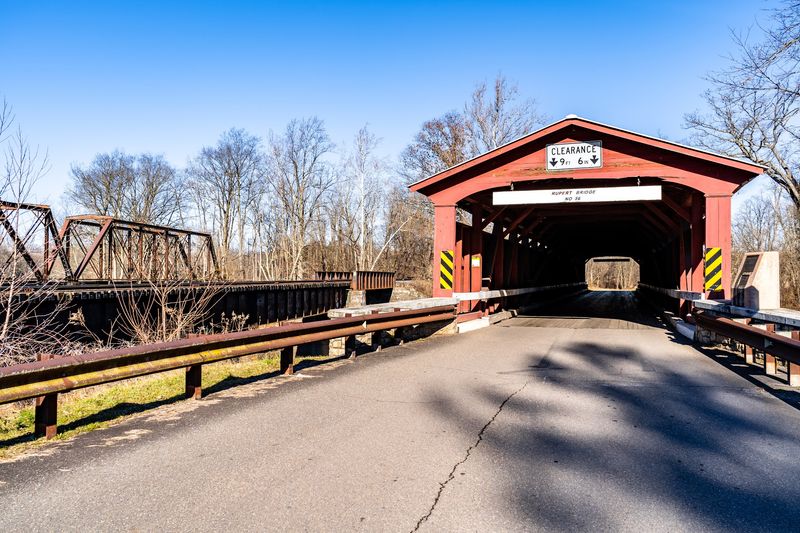
Railroad fans and history buffs, this one is for you. The Rupert Covered Bridge sits right beside railroad bridges, and the spot is sometimes called the Three Bridges.
One crossing is the covered bridge itself. Nearby are rail bridges tied to former Reading and Lackawanna lines, one of which is now used by the North Shore Railroad.
Seeing these structures side by side shows how travel changed over time. Wagons and later cars used the wooden bridge, while trains crossed on their own sturdy spans close by.
From certain angles, the bridges almost seem layered together. Photographers enjoy framing the wooden roofline against the rail crossings for a picture full of history.
A quick safety note matters here. Railroad tracks are private property, and walking on them counts as trespassing, so stay on public roads, paths, and parking areas when you grab your shots.
You can still find plenty of good views from the legal side of the fence. And speaking of views, the creek itself pulls a lot of attention when the weather turns warm.
Summer Days at the Fishing Creek Swimming Hole
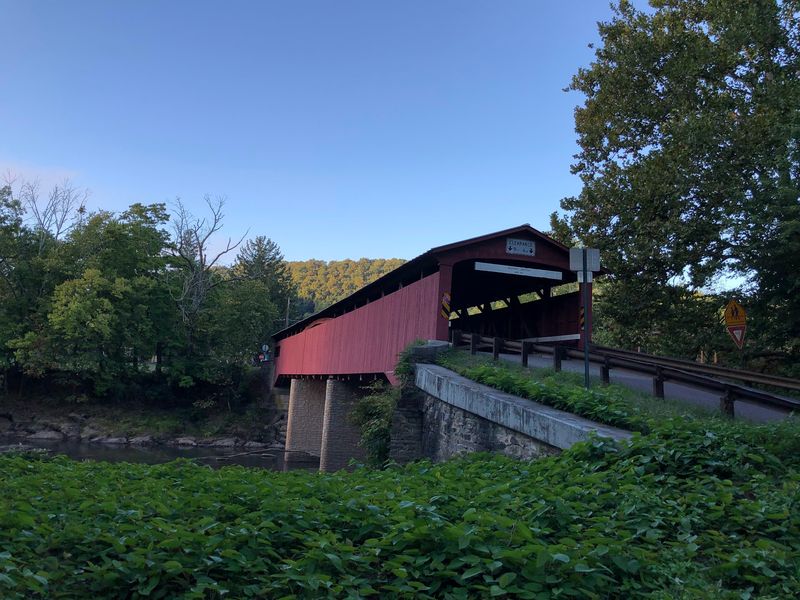
Hot afternoons bring a different kind of visitor to Rupert. The water of Fishing Creek near the bridge is a known swimming spot, and families come to cool off in the warmer months.
People mention clear water, a rope swing, and changing water levels. That last detail matters, because creek depth can shift a lot after storms or during dry spells.
Before jumping in, check how fast the water is moving and how deep it looks. A calm creek in July can turn swift and cloudy after heavy rain upstream.
Getting down to the water can also be tricky. The banks can be uneven, so anyone with balance concerns should take it slow or enjoy the view from higher ground.
Water shoes are a good idea for rocky creek bottoms. A towel, sunscreen, and a spare set of dry clothes for the drive home round out a smart packing list.
I can understand the appeal. Swimming in the shadow of a bridge from the 1840s gives an ordinary summer dip a little extra history.
Cross Over Into Bloomsburg Town Park
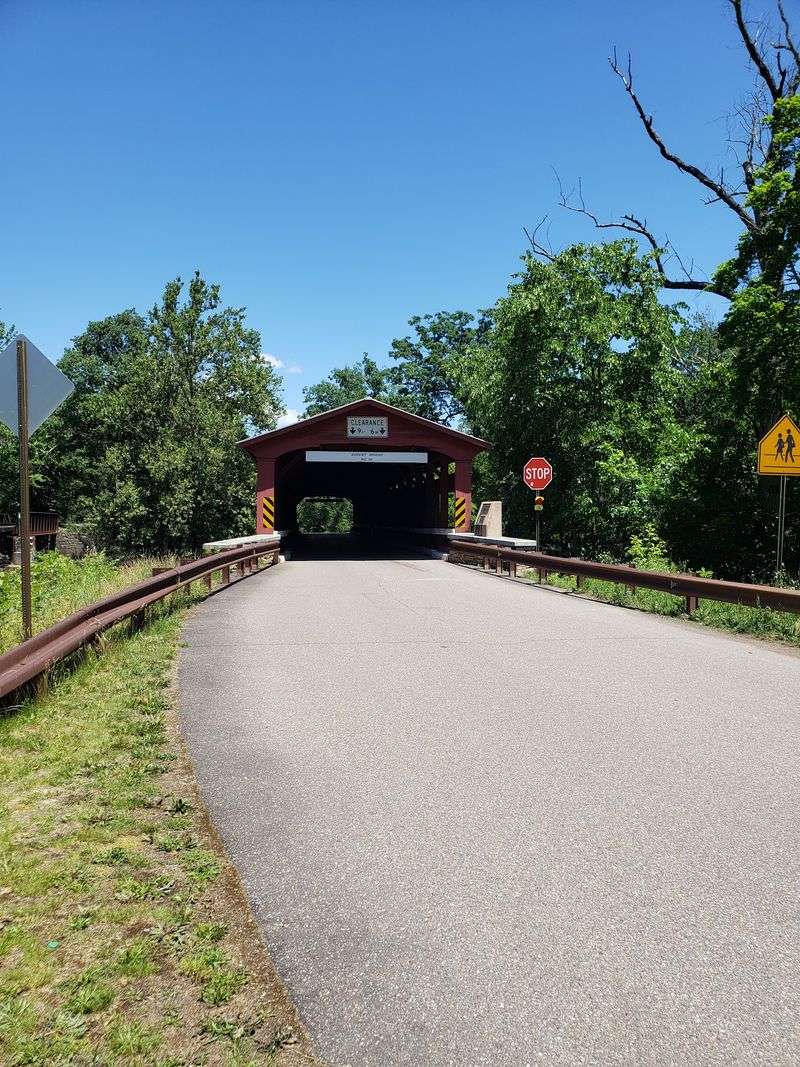
Drive through the bridge and keep going, and you reach Bloomsburg Town Park. The covered bridge works as a connecting link with the town’s riverfront area along the Susquehanna River.
That connection is part of what makes Rupert feel so woven into the community. It is not stuck at the end of a lonely road, far from everything else.
The park gives you room to spread out after admiring the bridge. Open space, riverside scenery, and walking areas make it easy to turn a quick photo stop into a longer outing.
For families, this pairing works nicely. Kids can stretch their legs at the park, while adults enjoy a relaxed stroll near the water.
I’d plan the visit in that order, starting at the bridge and then heading over to the park. It feels like a natural flow from history to fresh air.
If you would rather stay on foot near the creek, though, you don’t even need to cross the bridge. Paths near the parking area lead out along the water on their own.
Easy Parking and a Creekside Trail
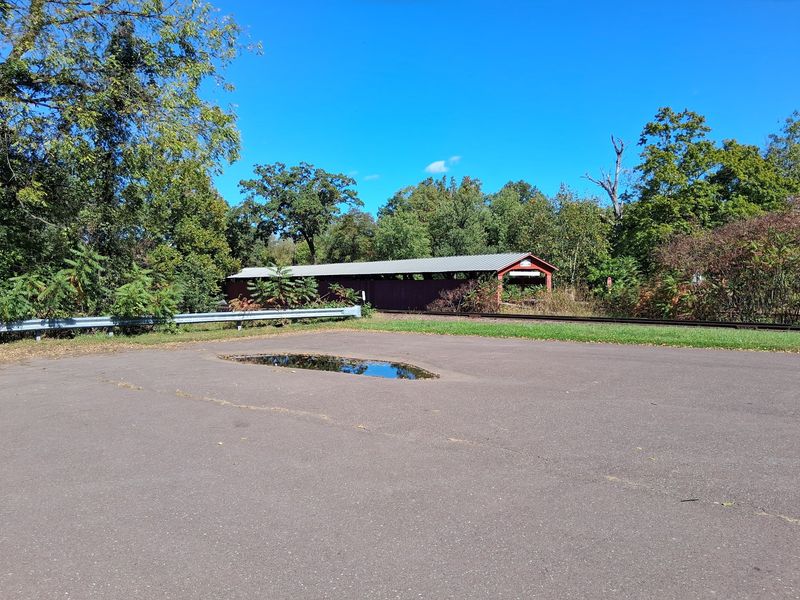
Good news for anyone who dreads hunting for a parking spot. There is an easy place to park on the southern side of the bridge, close enough to walk right over.
From there, a walking trail follows the area near the creek. It makes for a pleasant, short hike along the water with the bridge in view for part of the way.
Paths here are casual rather than fancy. Wear sturdy shoes, since the ground near the creek can be uneven, and some spots may get muddy after rain.
Dog owners are welcome to bring pets on many local walks, but please pack bags and clean up after them. Keeping the paths tidy helps everyone enjoy the spot.
Walkers and bike riders also cross the bridge itself, sharing space with cars. Stay alert, keep to the side, and give drivers time to see you before stepping inside.
Traffic is the main thing to watch here, since this is a live road. Once you are safely parked, the camera usually comes out next, and for good reason.
Plenty of Angles for Your Camera
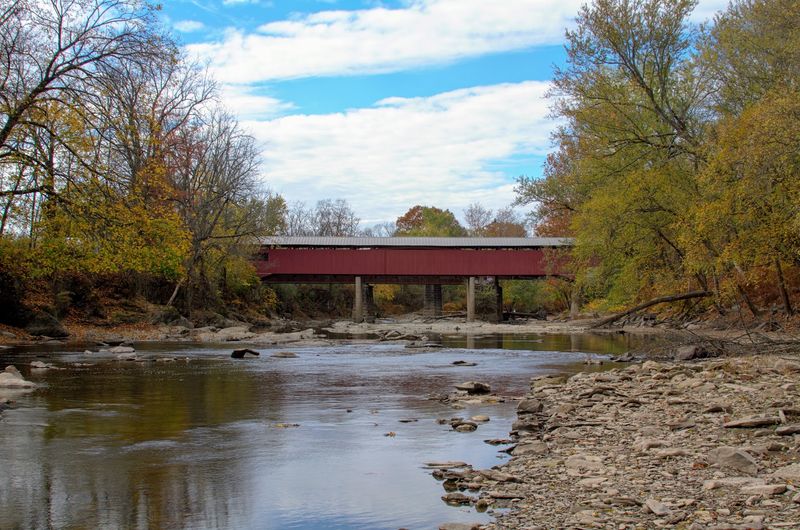
Cameras love old wood, flowing water, and green hills. Rupert delivers all three, which helps explain why it is a favorite photography subject in the Bloomsburg area.
Try shooting from the creek banks for a low angle that shows the full length of the bridge. A wide lens or phone setting can capture both the roof and its reflection on calm days.
Head-on shots of the portal are classic too. A car or bike passing through gives the picture a sense of everyday life.
Lighting changes the mood quite a bit. Early morning and dusk tend to bring softer light, and some people enjoy the bridge on foggy nights for an eerie, quiet feel.
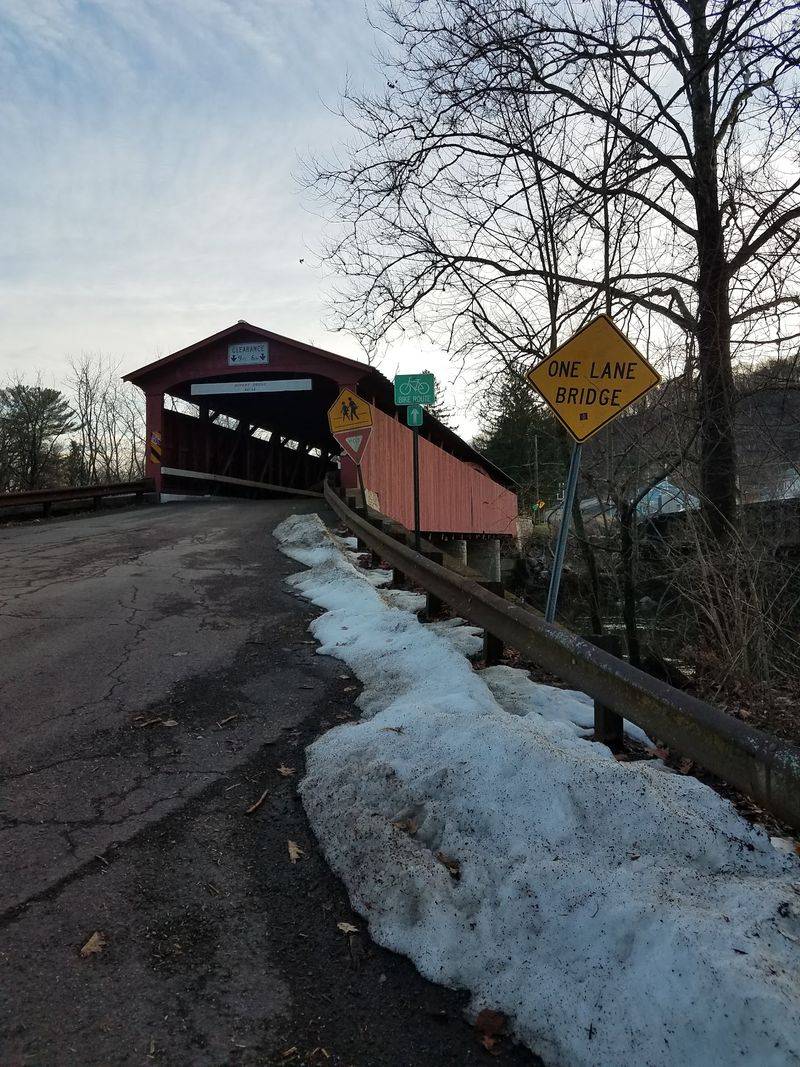
Each season adds its own look. Summer greenery, fall leaves, and snowy winter roofs all make the same bridge feel new again.
Remember the safety rule from earlier and stay off the railroad tracks, no matter how tempting the angle looks. Rupert also caught the eye of a much bigger camera crew back in 1970, which is a fun story in itself.
A Hollywood Connection From 1970
Movie trivia fans, this is your moment. The village of Rupert served as a staging area for the 1970 film The Molly Maguires, starring Sean Connery and Richard Harris.
The movie tells a story set in Pennsylvania coal country during the late 1800s. Filming took place in several spots around the region, which still had the old-time look the story needed.
It’s fun to think of a Hollywood crew working near this quiet creek. Old bridges, rail lines, and small-town streets helped bring that earlier era to life on screen.
If you have never seen the film, it might be a neat thing to watch before your trip. Spotting familiar landscapes can make a visit feel even more personal.
The story also connects to the area’s bigger history. Coal and railroads shaped much of central and eastern Pennsylvania, and those industries left their mark on towns like this one.
All of that history sits close to a modern college town, though. Bloomsburg offers plenty of ways to round out a trip once you leave the creek behind.
Make It Part of a Bloomsburg Day Trip
A short visit to the bridge pairs easily with time in town. Downtown Bloomsburg sits only minutes away, so you can mix history, food, and shopping in one easy day.
Bloomsburg is home to Commonwealth University-Bloomsburg, which gives the area a lively feel. Local shops and places to eat line the main streets near the center of town.
Families sometimes end a bridge outing with a sweet treat, like a stop for ice cream nearby. It’s a simple way to finish an evening after watching the sun set over Fishing Creek.
Columbia County also has many other covered bridges to explore. You could build a whole loop of bridge visits if you enjoy old structures and quiet country roads.
Timing matters a little. Summer is best for swimming, autumn brings colorful leaves, and weekdays may feel calmer if you want photos with fewer cars passing through.
No tickets or entry plans are needed for the bridge itself. Just drive in, park on the south side, and let a structure from 1847 show you how well good building can hold up.
Share this story