Imagine walking through stone gates and hearing your footsteps echo down streets older than most countries. Across Europe, walled towns, hilltop castles and merchant lanes still stand as they did centuries ago.
Some are tiny and quiet, while others wrap around busy modern cities. Here are 15 places where the Middle Ages feel close enough to touch.
Carcassonne, France
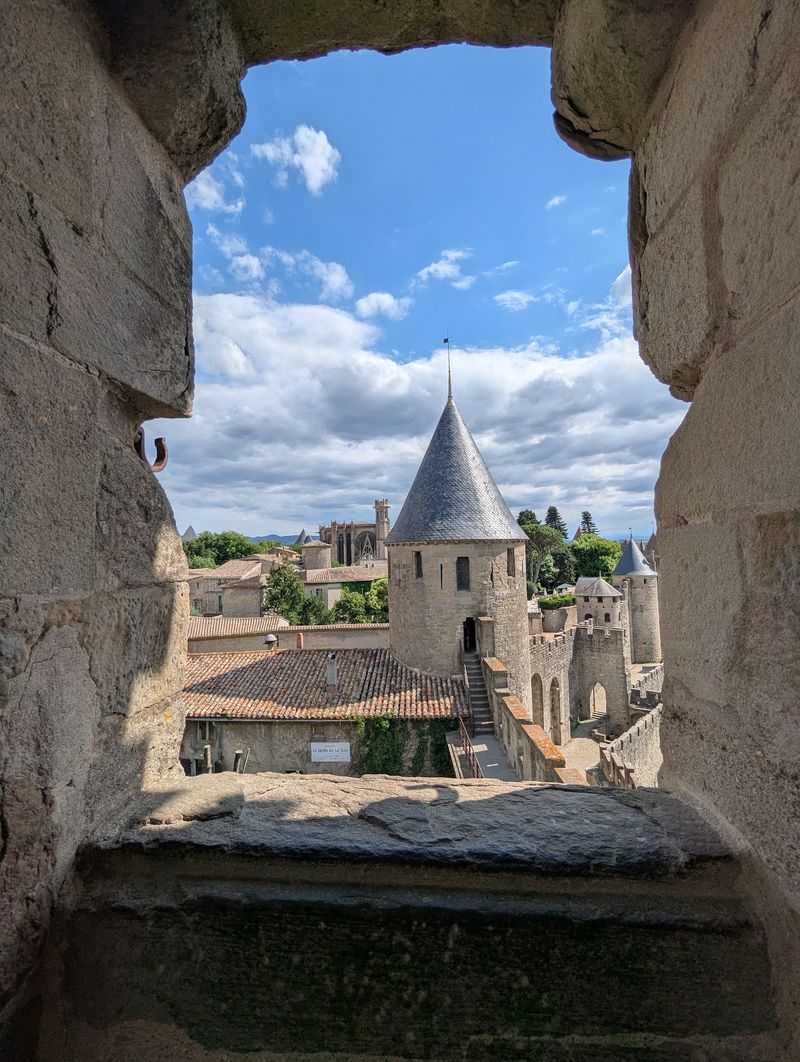
Double walls, fifty-odd towers and a castle that looks like a movie set: Carcassonne does not do subtle. The hilltop Cité holds narrow streets, a castle and the Gothic Basilica of Saints Nazarius and Celsus.
Defenses stood here long before the Middle Ages, but the walls you see grew most important during the medieval era. In the 19th century, architect Eugène Viollet-le-Duc led a famous restoration, and UNESCO mentions it when it praises the site as an outstanding fortified medieval town.
Timing matters here. Day trippers pour in by late morning, shops fill with swords and souvenirs, and the lanes get busy fast.
Stay overnight if you can. After dark, the crowds fade, lamps glow on the stone, and the battlements feel wonderfully quiet.
Walk the space between the inner and outer walls to see how defenders once guarded the gates. Pack comfortable shoes, because the cobblestones are uneven and the hill is steep.
A slow evening stroll here gives you the strongest feeling of stepping into a knight’s world, with no helmet required.
Tallinn, Estonia
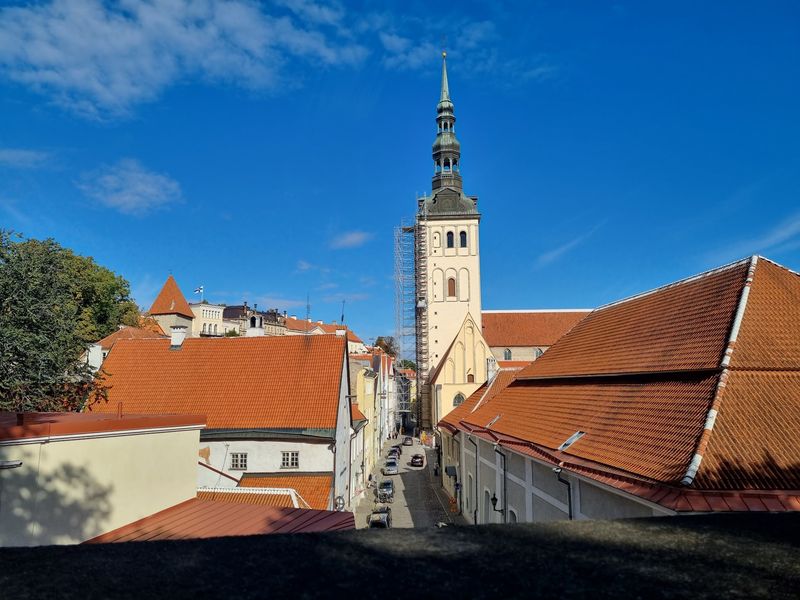
Tallinn is a capital city that kept its medieval bones. Its Old Town is one of the most complete trading centers left in northern Europe.
In the 13th century, a castle was built on Toompea hill, and the settlement grew into a proud member of the Hanseatic League. That trading network brought merchants, money and a lot of stone buildings.
Today the lower town still holds winding streets, guild halls, churches and long stretches of defensive wall. UNESCO notes that the medieval pattern of streets and building plots survives to a remarkable degree.
Climb up to the viewing platforms on Toompea for a rooftop panorama of red tiles and pointed towers. Then head back down and wander without a map.
The lanes are short, so getting lost never lasts long.
Look for the thick towers along the wall, some with names like Fat Margaret. Winter visits add snow and mulled wine, which suits the setting perfectly.
Cobbles can be slippery, so wear shoes with good grip.
San Gimignano, Italy
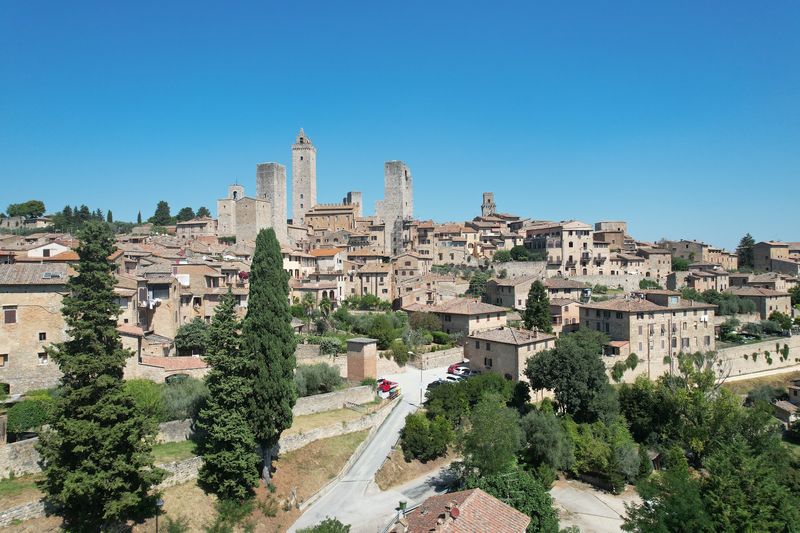
Seventy-two towers once poked into the Tuscan sky here, built by rich families who wanted to show off. Fourteen still stand, and the skyline looks like a stone forest on a hill.
The town grew along the Via Francigena, a pilgrim route that brought travelers, trade and fresh gossip. Two main medieval squares, defensive walls, noble homes and churches full of late-medieval art remain in place.
UNESCO says San Gimignano has kept its feudal feel and original layout to an exceptional degree. You can sense that as you squeeze through lanes shadowed by tall stone fronts.
Climb the tallest tower open to visitors for views across vineyards and farm fields. The stairs are narrow, so go early before lines form.
Step inside the churches to see colorful frescoes that tell Bible stories to people who could not read. Then finish the day with a gelato in the main square.
Competition between towers was fierce back then, and the leftovers make a fine photo.
Dubrovnik, Croatia
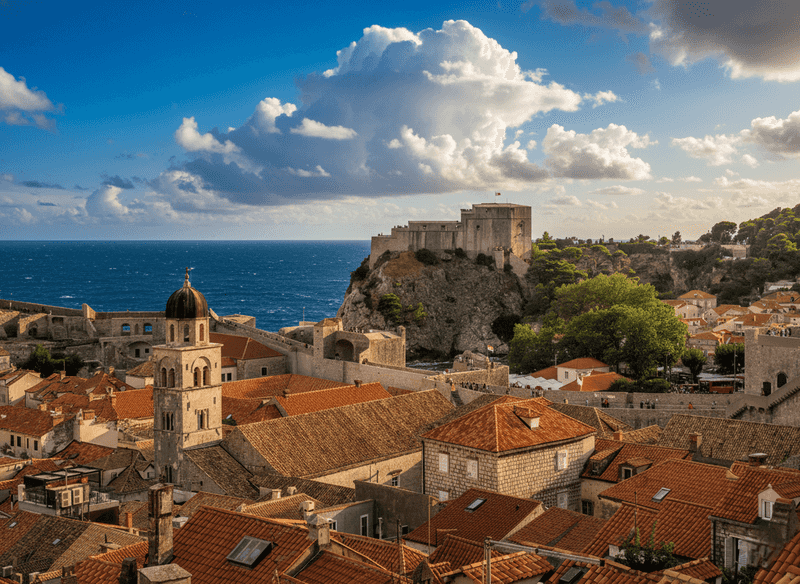
Red roofs, blue sea and walls thick enough to stop a cannonball: Dubrovnik is a postcard that happens to be real. From the 13th century on, it grew into a powerful sea trading city.
Inside the walls, Gothic, Renaissance and Baroque buildings crowd the narrow streets. Monasteries, palaces and churches show how much money Mediterranean trade once brought in.
UNESCO honors the Old City for keeping this architectural treasure despite a major earthquake in 1667 and damage during the conflict of the 1990s.
The best way to understand the place is to walk the walls. Towers stand on one side, and a jumble of rooftops spreads out on the other.
Go early in the morning or late in the afternoon, since midday sun and crowds can be intense. Bring water and a hat.
Then wander the side streets away from the main road, where laundry flaps overhead and the town feels lived in rather than staged.
Siena, Italy
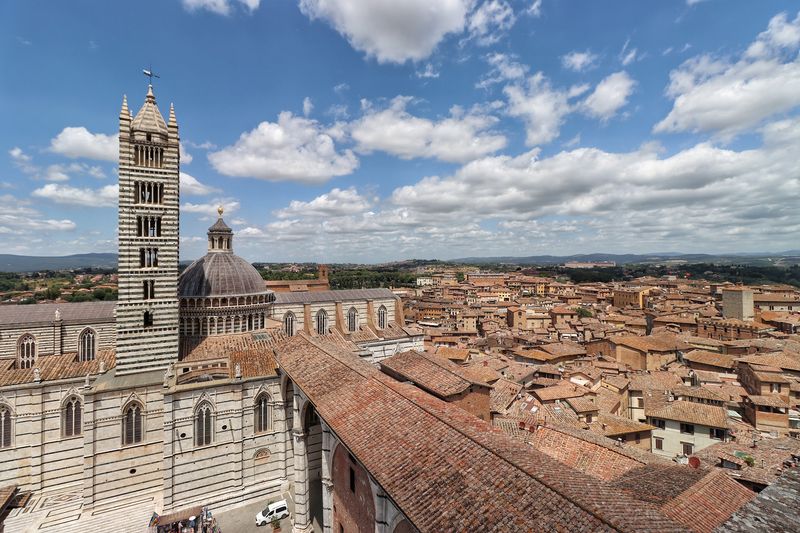
UNESCO calls Siena the embodiment of a medieval city, and it is hard to argue. The old center still follows its original street pattern across three hills.
All those lanes seem to roll downhill toward Piazza del Campo, a shell-shaped square that ranks among Europe’s great medieval public spaces. Locals still gather here to sit, chat and cheer during the famous Palio horse race.
Gothic palaces, towers and churches show off the wealth of the independent Republic of Siena, which fought a long rivalry with nearby Florence. Most of the medieval look dates from the 12th through 15th centuries.
Climb the Torre del Mangia for a sweeping view of brick rooftops. Then visit the striped marble cathedral, which is full of surprises, from carved floors to painted ceilings.
Come back after sunset. The warm brick glows, the steep lanes quiet down, and the city feels much closer to its past than at lunchtime.
Český Krumlov, Czechia
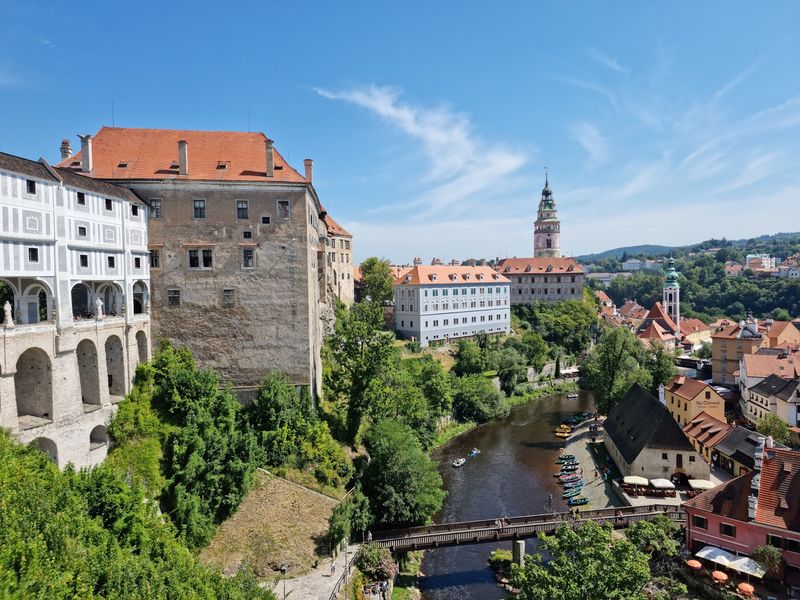
A river makes a lazy S-curve, a giant castle watches from above, and suddenly you are inside a storybook. That is Český Krumlov in a nutshell.
The castle was founded in the 13th century, and the small town below grew up gradually around it. Even with later changes, the old Central European town structure remains easy to read.
UNESCO stresses how intact the architecture is, thanks to more than 500 years of fairly peaceful development. Painted facades, narrow lanes and riverside homes create a setting that feels almost like a stage.
You will spot Renaissance and Baroque touches everywhere, yet the medieval street plan still guides your steps.
Rent a canoe or raft to float past the old houses for a different view. Then climb to the castle gardens and tower for a bird’s-eye look at the bend.
Visit on a weekday if you can, because summer weekends bring crowds to the small center.
Ávila, Spain
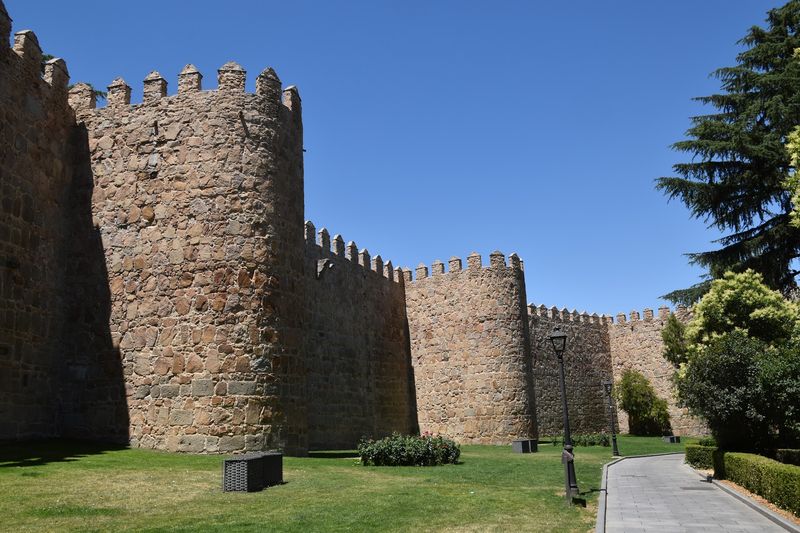
Two kilometers of stone wrap around Ávila like a giant hug. Dozens of round towers and nine gates mark the circuit, and it is among the most complete in Europe.
Much of the system dates from the 11th and 12th centuries, after the Reconquest of Toledo made the town a key Christian stronghold. UNESCO describes Ávila as an outstanding fortified medieval city and praises how whole the defensive ring remains.
View the walls from outside at dusk, when warm light turns the granite golden and the old city looks like one huge fortress.
Then step inside to find Romanesque churches, stone lanes and a calm, serious mood. The town has an austere character that feels very different from flashier tourist spots.
You can walk along a section of the top of the wall for a close look at the towers and the rooftops below. Bring a jacket, because Ávila sits high and the wind can bite, even in spring.
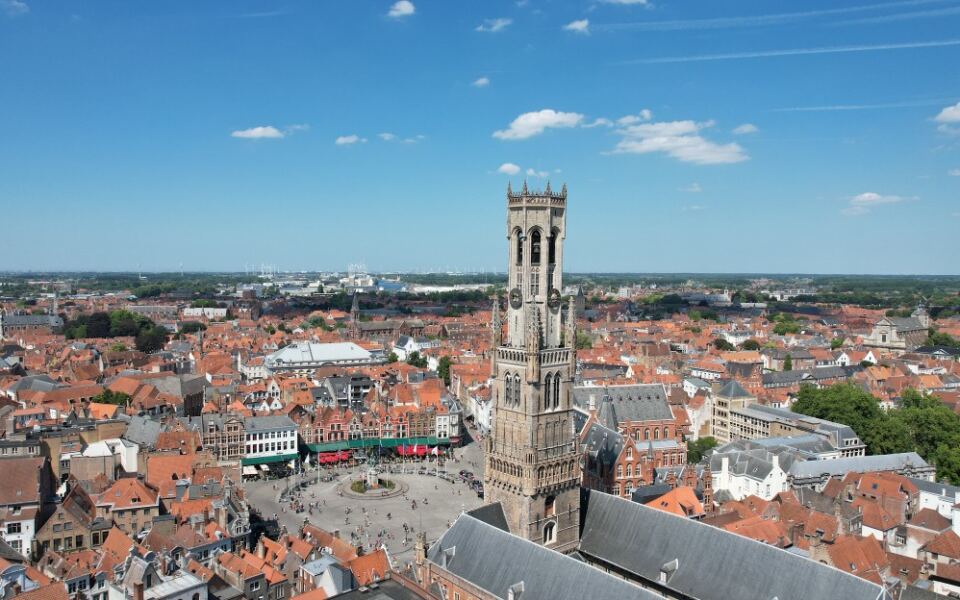
Bruges, Belgium
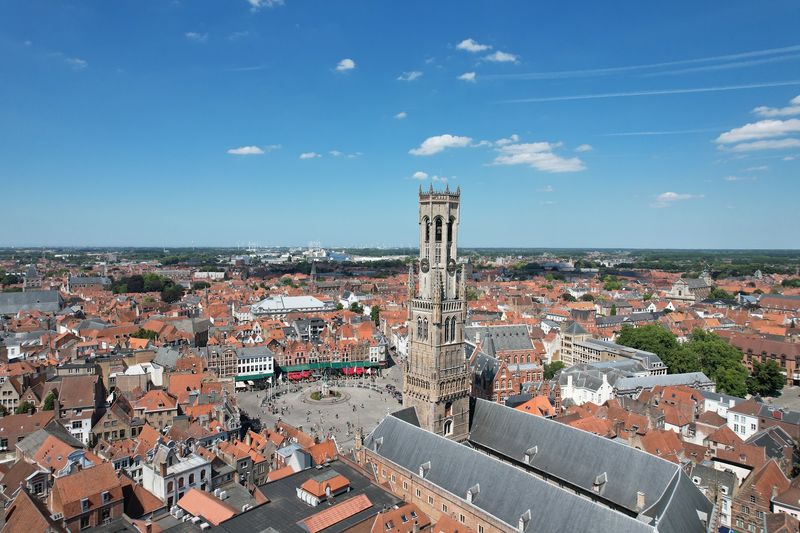
Mist on the canals, bells in the air, and hardly anyone around: early morning is when Bruges shows its true face. Come before the day crowds, and the town feels wonderfully removed from the modern world.
In the Middle Ages, Bruges was a top commercial center, linking merchants and goods across northern Europe. Its canals, squares and Gothic buildings still reflect that rich era.
UNESCO calls the historic center an outstanding medieval settlement and notes that much of the street pattern, canals and public spaces remain intact.
The Belfry, the Markt and the Burg are the big landmarks, and they earn their fame. Still, some of the most convincing medieval scenes appear on quiet lanes beside the water.
Climb the Belfry’s winding staircase for a view across the red rooftops. Then wander beyond the center to the edges, where old brick houses and quiet bridges make a perfect spot for a slow photo walk.
Visby, Sweden
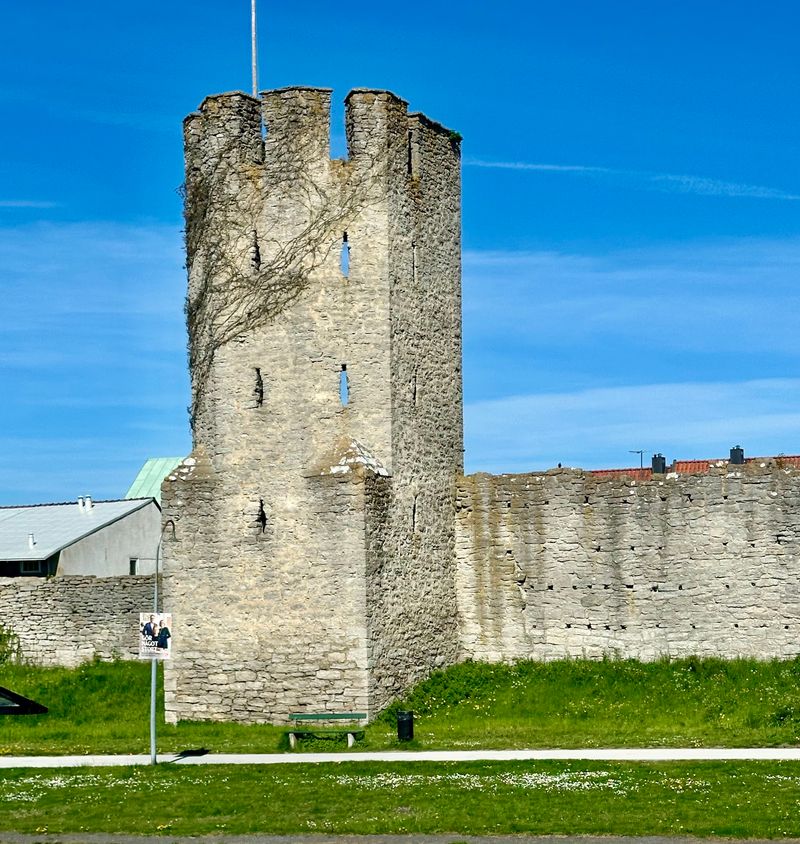
Roses climb over ancient walls on a Baltic island, and church ruins stand open to the sky. Visby looks like a place that decided history was too good to tidy up.
On the island of Gotland, it became a leading Hanseatic trading center between the 12th and 14th centuries. A defensive wall about 3.4 kilometers long still circles the town, guarding medieval streets, merchant buildings and haunting church ruins.
UNESCO notes that more than 200 old warehouses and wealthy merchants’ houses survive. The townscape keeps much of its late 13th-century character.
Walk the wall’s full loop to see the tall towers and enjoy sea views. Then wander through the ruins, where birds nest in empty windows and the stones feel peaceful rather than sad.
Visby is very different from the medieval towns of southern Europe. Cooler air, pale stone and island light give it a northern mood that is hard to forget.
Summer brings a lively medieval week with costumes and markets.
Kotor, Montenegro
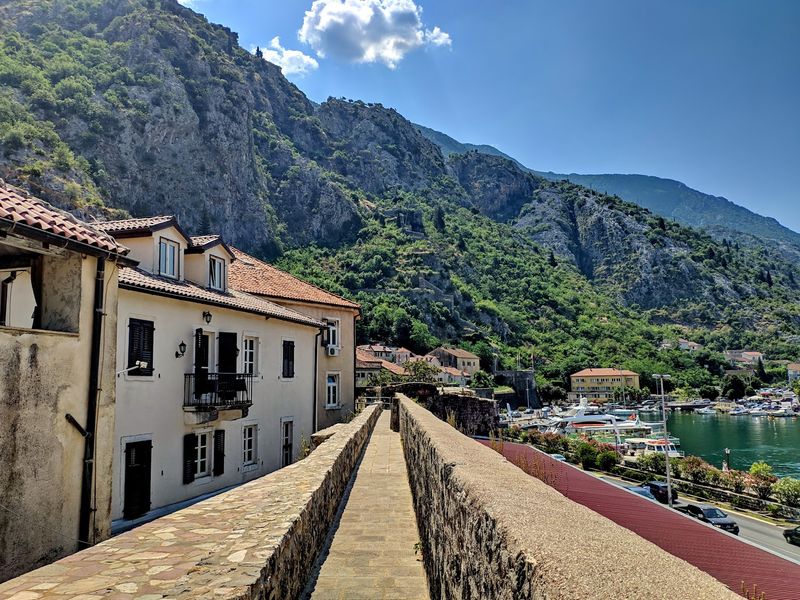
Squeezed between sheer mountains and a quiet bay, Kotor looks like it was tucked into a pocket. The setting alone is worth the trip.
During the Middle Ages, the town became an important trading and artistic center on the Adriatic. Stone walls climb the steep slope behind it, while Romanesque churches, small squares and old merchant houses fill the lanes below.
UNESCO highlights both Kotor’s medieval importance and the way its buildings blend into the mountain landscape.
The old city is small enough to explore slowly. Plan to get pleasantly lost, since the lanes twist and loop in ways no map handles well.
If you have energy, climb the fortress stairs for a stunning view of the bay. Start early to beat both the heat and the crowds.
Cruise passengers often fill the streets by mid-morning, but evenings are far calmer, and cats seem to own the squares once the ships sail away.
Toledo, Spain
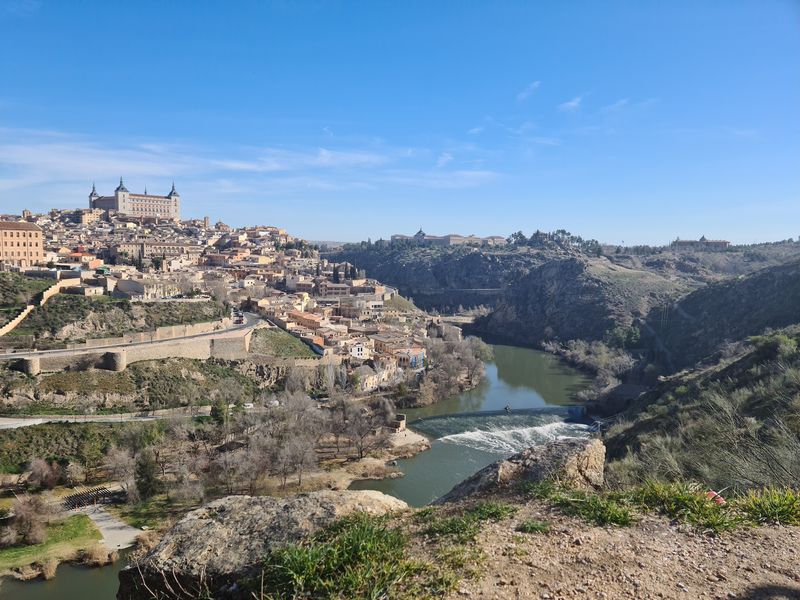
Few cities pack so many beliefs into so little space. Toledo holds Roman, Visigothic, Islamic, Jewish and Christian history, yet the Middle Ages shaped much of what you see now.
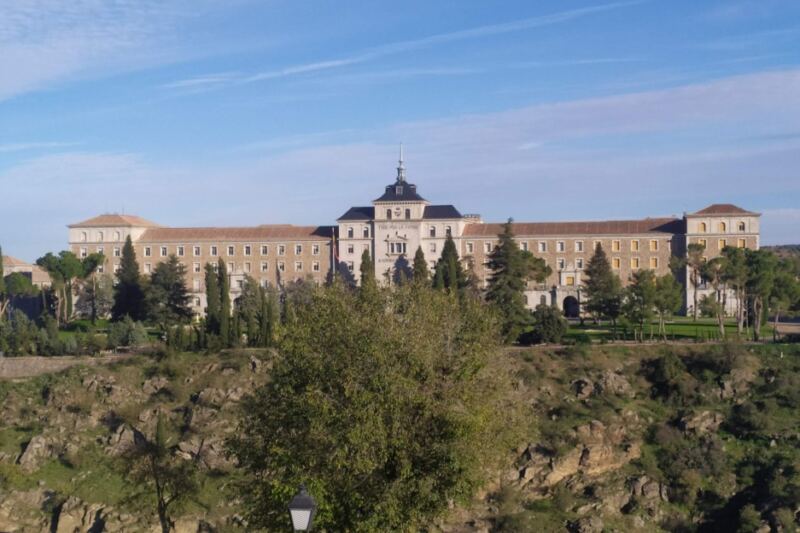
The old center sits on a rocky hill nearly circled by the Tagus River. Walls, gates, churches, synagogues and former mosques crowd a tight web of lanes.
UNESCO points to medieval treasures such as Islamic baths, mosques, the Alcázar and Mudéjar churches that blend Christian and Islamic art. Few cities show medieval cultural exchange so clearly.
Head to the viewpoints across the river for the classic skyline shot. It is the best way to understand why this hill was so easy to defend.
Then dive into the lanes on foot, since cars barely fit. Look closely at doorways, tiles and carved arches.
Toledo feels less like a museum and more like a stack of centuries, each one pressed right against the next. Wear sturdy shoes, as the hills are steep.
Sighișoara, Romania
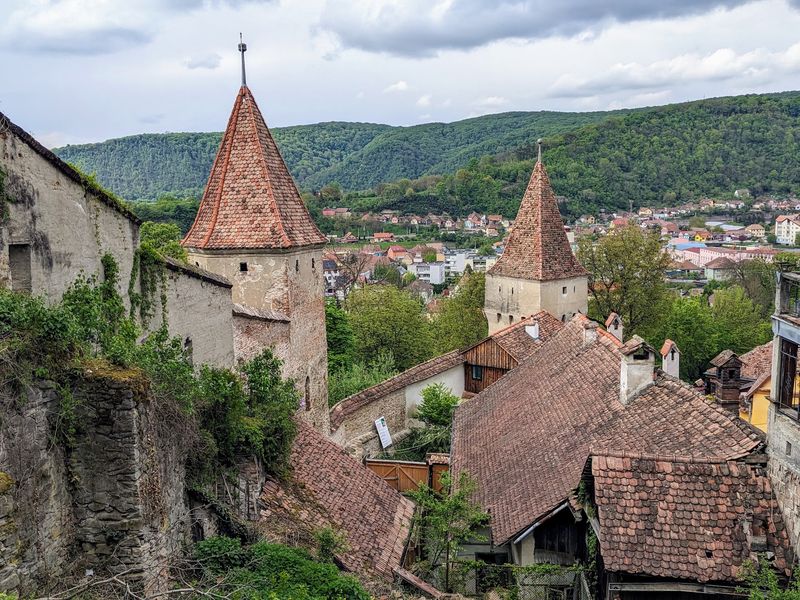
Some towns whisper their history, but Sighișoara practically hums it. Pastel houses lean along steep cobbled streets beneath a tall, pointed Clock Tower.
Saxon settlers built the citadel during the Middle Ages, adding defensive towers, churches and homes. Covered staircases lead up to the hilltop church and its old cemetery.
Unlike many fortresses that lost their everyday purpose, the upper citadel here is still lived in. Families hang laundry, kids ride bikes, and cafes tuck into old courtyards.
Bright facades soften the military look, but the towers around the old wall still show what the place was built for.
Climb the Clock Tower for a view across Transylvanian rooftops, and take the covered Scholars’ Stair at a slow pace. Stay for the evening when the day visitors drift away.
The quiet lanes and shadowy passages give the citadel one of the strongest medieval moods in Eastern Europe.
Rothenburg ob der Tauber, Germany
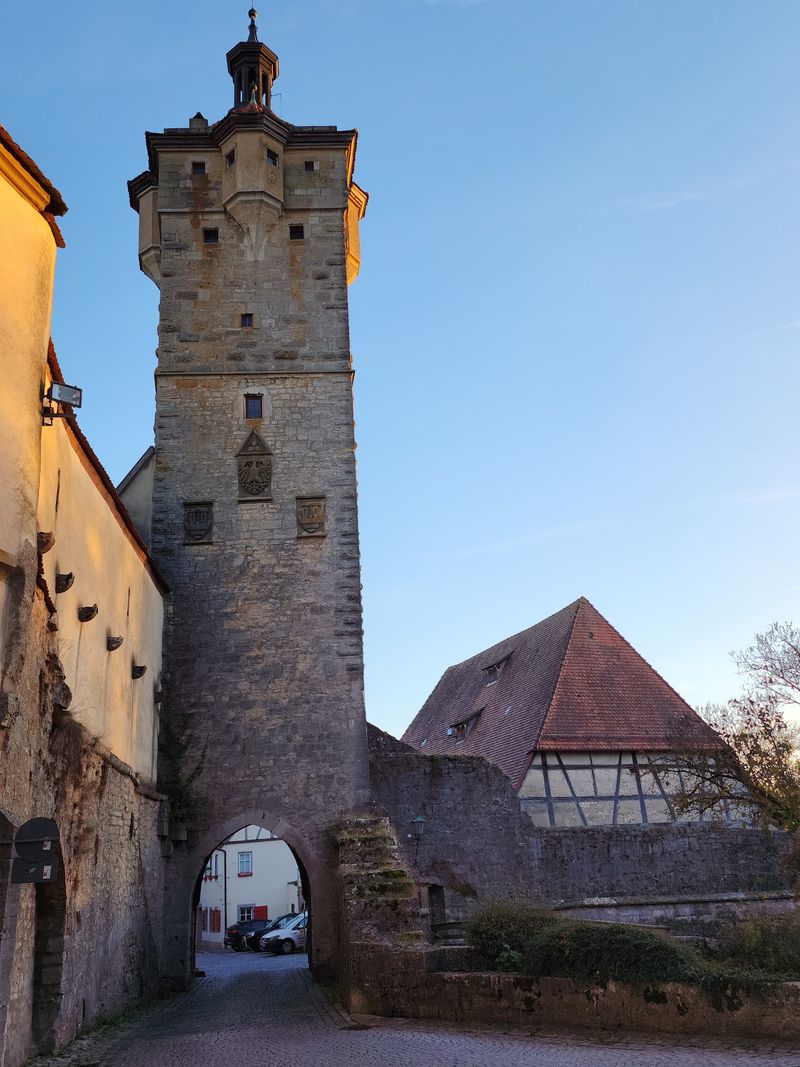
Picture half-timbered houses, steep roofs and lantern light on wet cobbles. Rothenburg ob der Tauber has become almost a nickname for medieval Germany.
Defensive walls surround the town, and the streets all lead toward the market square. As a Free Imperial City, Rothenburg grew rich in the Middle Ages.
Later economic decline helped save its old look, because nobody could afford to rebuild.
You can walk along long sections of the wall and pass through fortified gates. Streets lined with timber-framed buildings make every corner a photo.
Daytime can feel crowded, so think about staying overnight. Once the tour buses leave, the lanes grow still, and the whole town takes a slow, deep breath.
Join a night watchman tour, where a guide in old-style dress tells tales by lamplight. It is a fun way to picture merchants, guards and townsfolk living behind these walls.
Try a local snowball pastry, too.
York, England
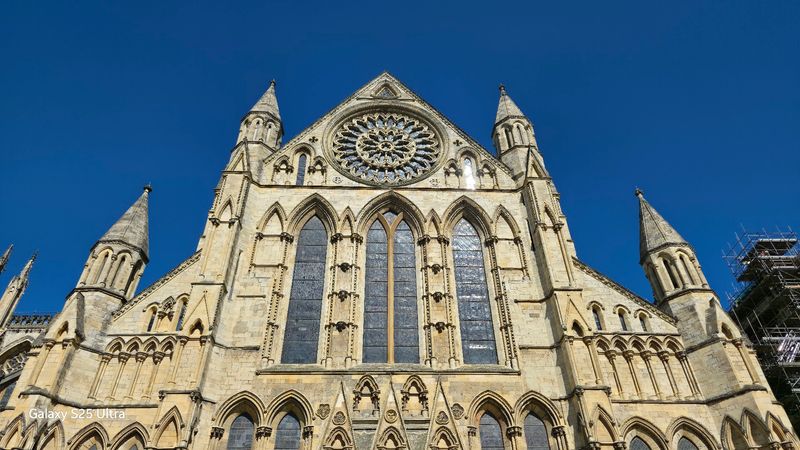
Houses lean so close on The Shambles that neighbors could nearly shake hands from the upper windows. It is one of the most famous medieval streets in England.
York had Roman and Viking chapters first, but the Middle Ages left the biggest mark on its look. York Minster towers over the skyline, and the city walls form the longest surviving circuit of their kind in England.
Gates called bars, guildhalls, churches and hidden passages are scattered across the old center. Everything sits close together, so you can see religious, trading and defensive buildings in a single day.
Walk the top of the walls for a loop around the city, and peek down into gardens and lanes. Then climb the Minster tower for a view over the rooftops.
Duck into narrow snickelways, the small alleys that cut between streets. Early mornings are quieter on The Shambles, which makes the leaning timbers much easier to admire.
Mostar, Bosnia and Herzegovina
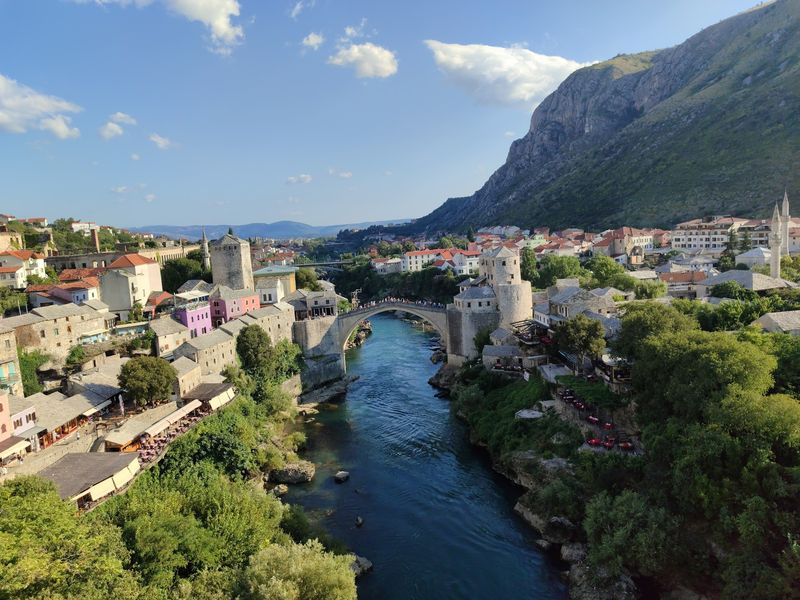
The famous arch of Stari Most steals every photo, yet the story around it is more layered. The bridge dates from the Ottoman period, not the European Middle Ages.
Still, the wider old town keeps the feel of a fortified trading settlement with medieval roots. Stone streets, defensive towers and tightly packed buildings line the Neretva River, and the bridge links neighborhoods around an important crossing.
After Ottoman expansion in the 15th century, the medieval settlement changed a great deal. That makes Mostar a special place where late-medieval Balkan history shifts into a new architectural and cultural era.
Walk the cobbled lanes of the old bazaar, then stop to watch the bridge from the riverbank. In summer, local divers sometimes leap from the arch, a tradition that draws a cheering crowd.
For travelers exploring southeastern Europe, Mostar offers a lovely contrast with the Gothic towns of the west and center. Bring a sense of curiosity and a taste for strong coffee.
Share this story