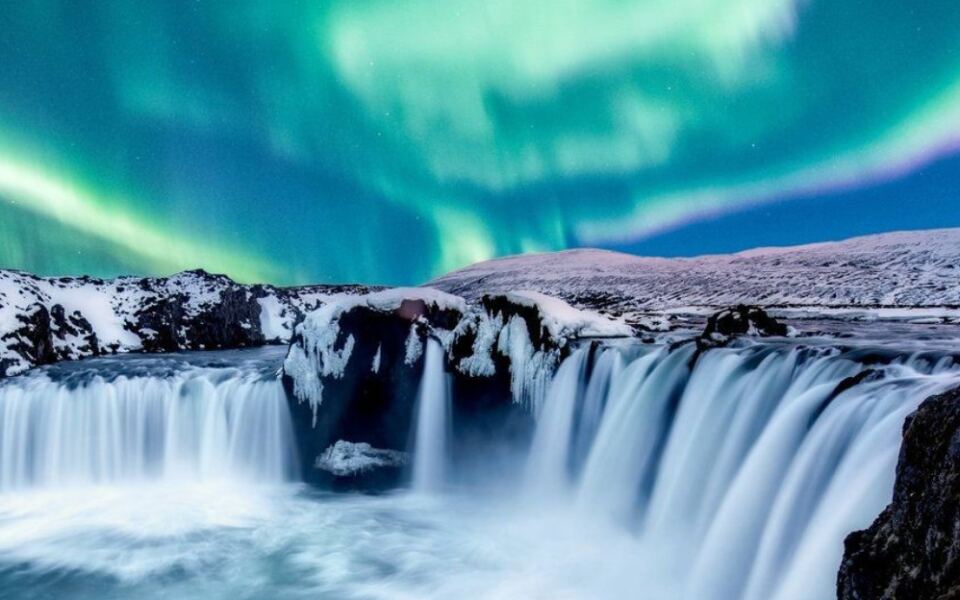
Goðafoss in northern Iceland is called the Waterfall of the Gods, and the name comes from a dramatic moment in history. Long ago, a local leader tossed his statues of Norse gods into its rushing water.
Today the curved falls are one of the most loved stops on the Ring Road. Here are ten things that make this place so memorable.
A Name Born From a Splash
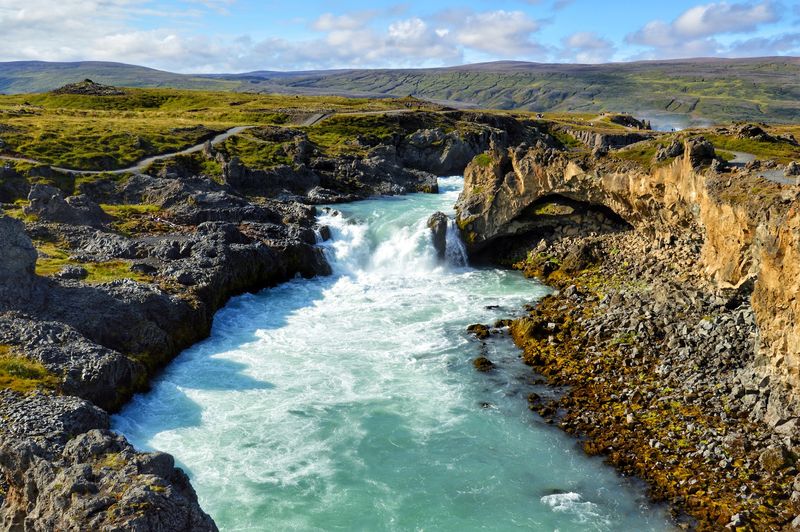
Picture a leader holding wooden statues of old gods, then hurling them into a river. That is how the story of Goðafoss goes.
The name means Waterfall of the Gods in Icelandic.
The tale says the leader was named Þorgeir Ljósvetningagoði. He was the law speaker of Iceland around the year 1000.
His job was to settle a heated argument between people who followed the old Norse gods and people who wanted Christianity.
After thinking about it for a full day and night, he declared that the whole country would become Christian. Private worship of the old gods could still happen quietly at home.
It was a clever way to keep the peace.
When he got back, the legend says he tossed his carved idols into the falls. Splash!
The waterfall earned its famous name on the spot. Whether or not every detail is true, locals still love the story, and visitors enjoy imagining it while the water roars below.
Many reviewers mention that the legend adds a mythical feel to the view.
The Horseshoe Shape
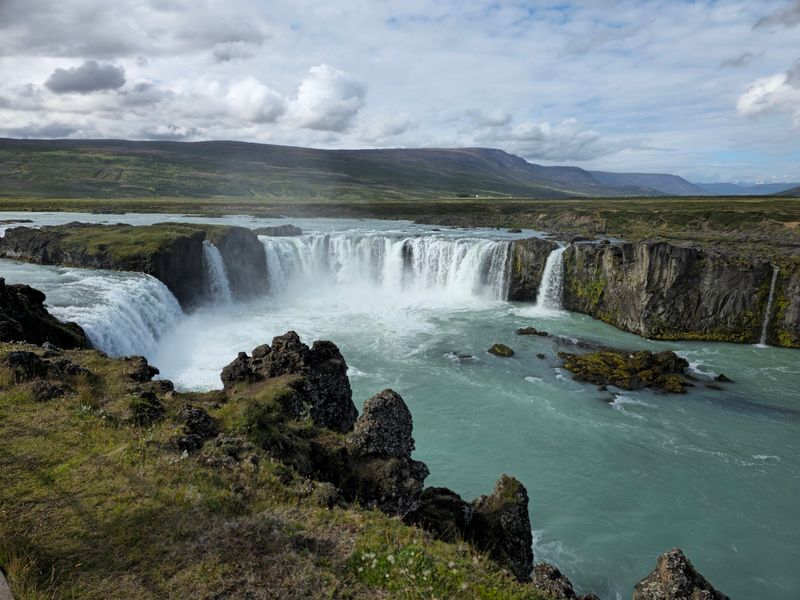
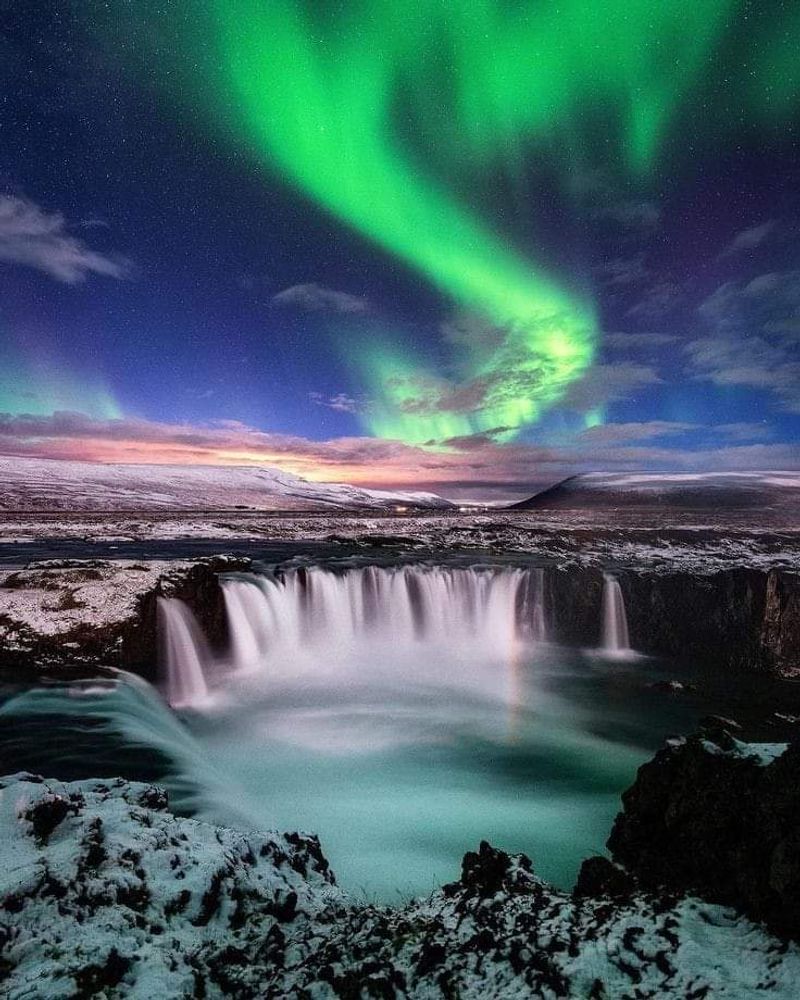
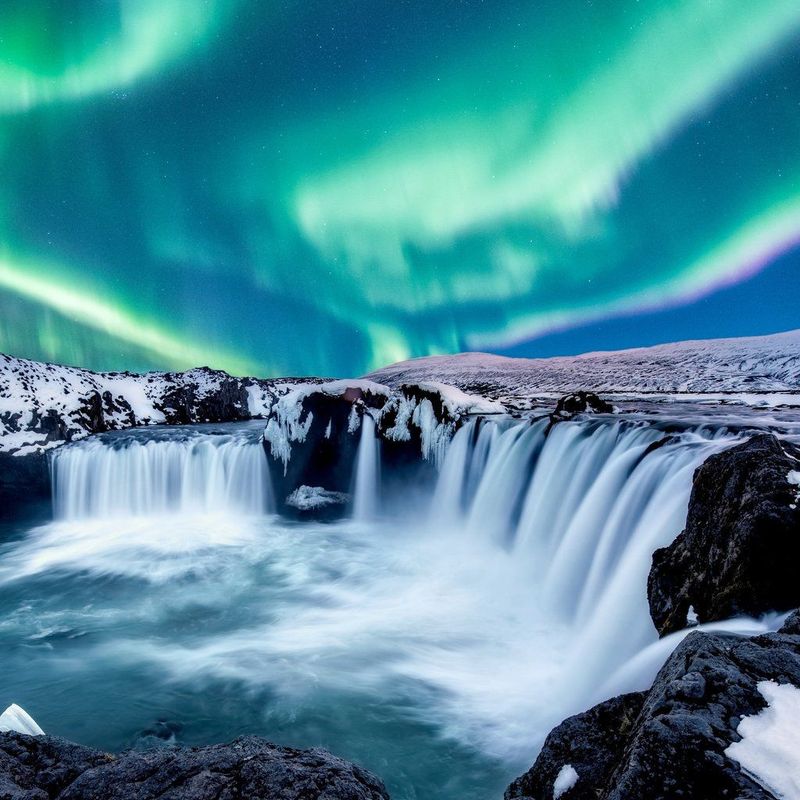
Curves are rare for big waterfalls, and that is what makes this one stand out. The water spreads across a half-circle ledge of dark rock.
From the right angle it looks like a giant white crescent.
The drop is about 12 meters, or 39 feet. The width is around 30 meters, or 98 feet.
Those numbers are not record-breaking, but the shape makes the scene feel huge.
The water comes from the glacial river Skjálfandafljót. It rushes over a wall of basalt, which is rock formed from old lava.
You can spot a smaller side fall that looks like a thin veil.
Visitors often describe the falls as wide, dramatic and easy to photograph. One guest called it picturesque and one of the largest waterfalls of their whole trip.
Take a moment to look from a distance before moving closer. The full curve is the star of the show, and it is easiest to appreciate when you see the whole thing at once.
Easy Stop on the Ring Road
Few famous waterfalls sit this close to the highway. Goðafoss is right off the Ring Road, so you barely need a detour.
Drive in, park, and the falls are just a short walk away.
It lies about 35 to 45 kilometers from Akureyri, depending on the route. That is roughly a 45 minute drive.
Many travelers pair it with a stop at Lake Mývatn further east.
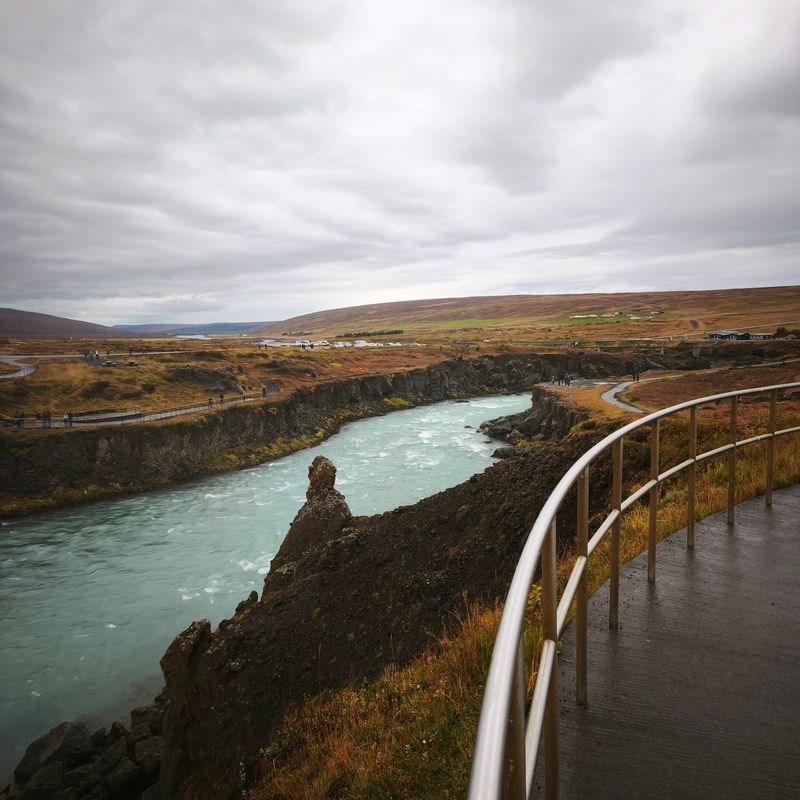
One visitor loved the drive if you skip the tunnel. The road passes farms, hills and fall colors.
In mid-September some hilltops even had a dusting of snow.
Plan for a visit of an hour or less if you like quick stops. Stay longer if you want to walk both sides and take photos from every angle.
Bring a map or phone navigation, but you will hardly need it. Signs are clear, and the waterfall is hard to miss once you arrive.
Free Parking Is a Rare Treat
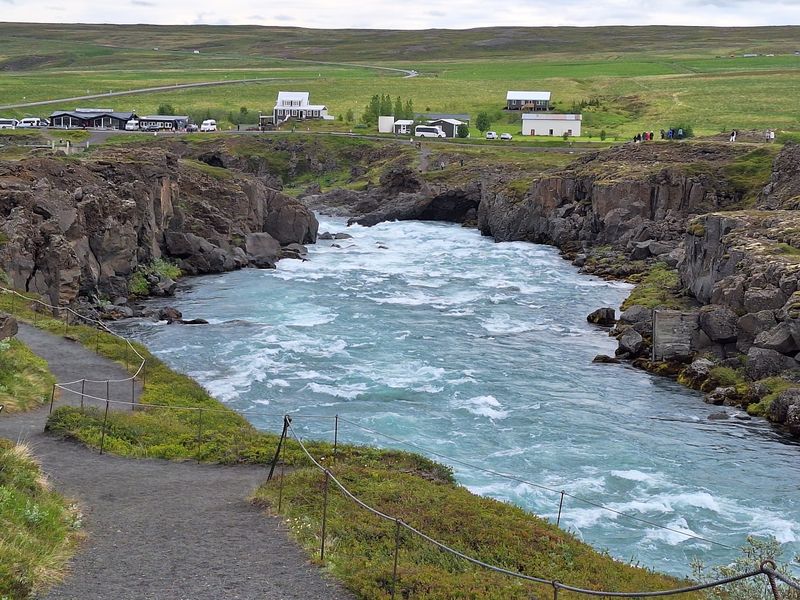
Here is a surprise for budget travelers: parking costs nothing. In a country where many sights charge a fee, that feels like finding money in a coat pocket.
Several reviewers called it odd, in a good way.
Parking areas sit on both sides of the river. Each has easy walkways leading to the viewpoints.
That means you can pick the side that is less busy.
The paths are clean and well kept. Visitors say there is plenty of space even on busy days.
One traveler noted it felt less crowded than some other famous Icelandic falls.
Save your coins for other things. A hot drink at the cafe or a small souvenir makes a nice treat after your walk.
Remember that rules and prices can change, so check signs when you arrive. For now, the free parking is a big reason people leave this stop happy.
Two Sides, Two Views
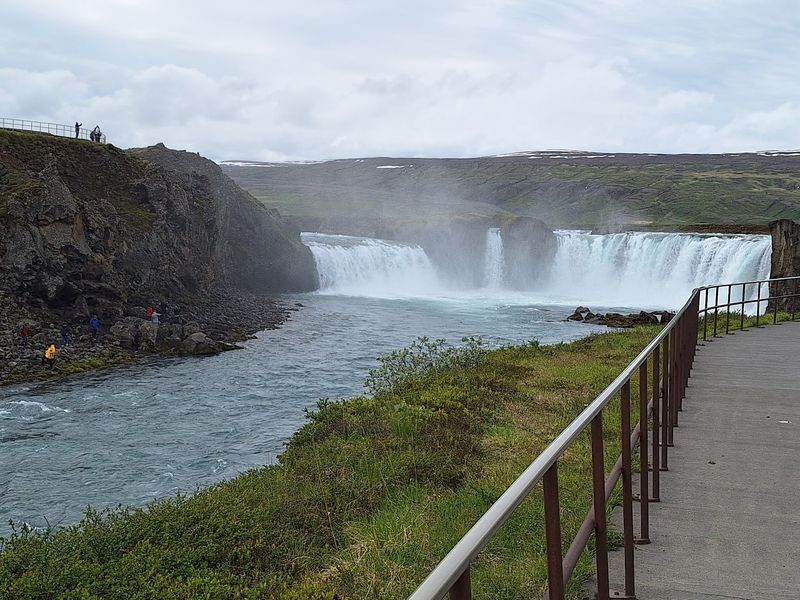
Walk to one bank, snap your photos, then cross over and do it again. The falls look different from each side.
Many guests say this is the best tip for the trip.
A pedestrian bridge crosses the river safely. Reviewers found it simple and secure.
It saves you from driving around if you feel like stretching your legs.
One bank gives a broad, classic look at the curve. The other lets you get closer to the edge of the action.
Light and mist change the scene as you move.
Wear shoes with decent grip. Paths are easy, but spray can make steps slick.
If you are short on time, choose the side that matches your goal. Pick the first for wide photos, and the second for feeling the power of the falls.
If you can, do both and compare.
Rainbows in the Mist
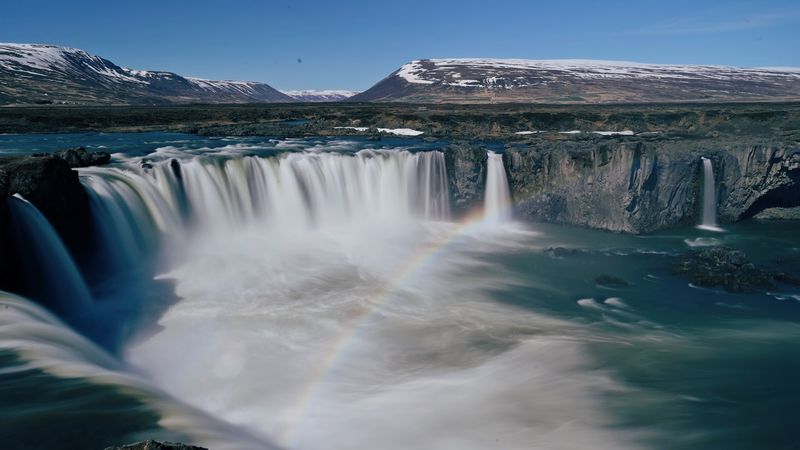
Sunshine and spray team up here to paint the sky. When the light hits the mist just right, a rainbow appears over the falls.
Reviewers mention it again and again.
Of course, Iceland weather has a mind of its own. One visitor joked that sun is not guaranteed.
Still, the chance makes every sunny moment feel like a bonus.
Morning and afternoon light can change the look. Try standing with the sun behind you and the mist in front.
That is the classic setup for spotting colors.
On gray days the river takes on a different mood. Guests said the water looked amazing even in rain and fog.
Sunny days may show brighter blues and greens.
Keep your camera ready and be patient. Rainbows can fade as clouds move, so snap a few shots as soon as you see one.
Dress for the Spray
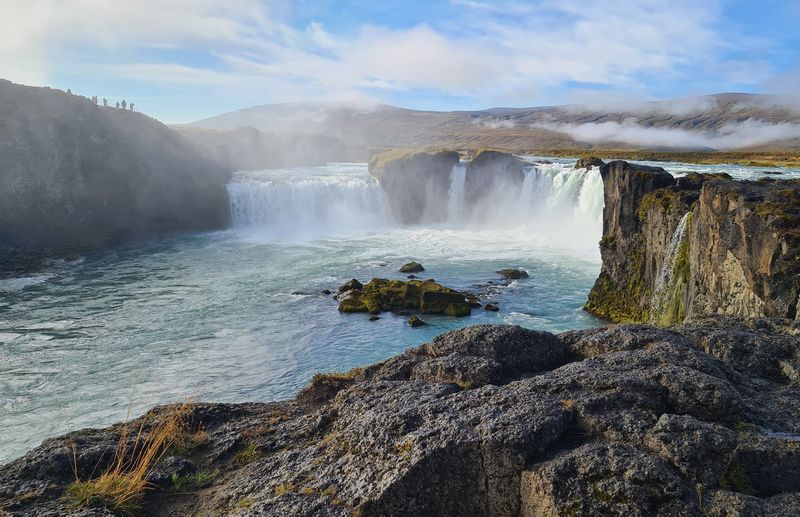
Nobody wants a soggy surprise. The closer you get, the more the falls show off their power.
One visitor advised full waterproof gear, including jacket, pants, shoes and a hat.
Spray can drift far when the wind shifts. Even a calm-looking day can turn damp in seconds.
A light rain shell fits easily in a daypack.
Wear shoes with grip, since rocks and paths can get wet. Gloves help on chilly mornings.
Pack a small cloth to wipe your camera lens.
Layers are your friend in northern Iceland. Start with a warm base, add a fleece, and finish with a waterproof shell.
You can peel off a layer if the sun appears.
With the right clothes, you can stay near the water and enjoy the thunder. Without them, you might head back to the car early.
Prepare well and stay longer.
Paths, Platforms and Blueberries
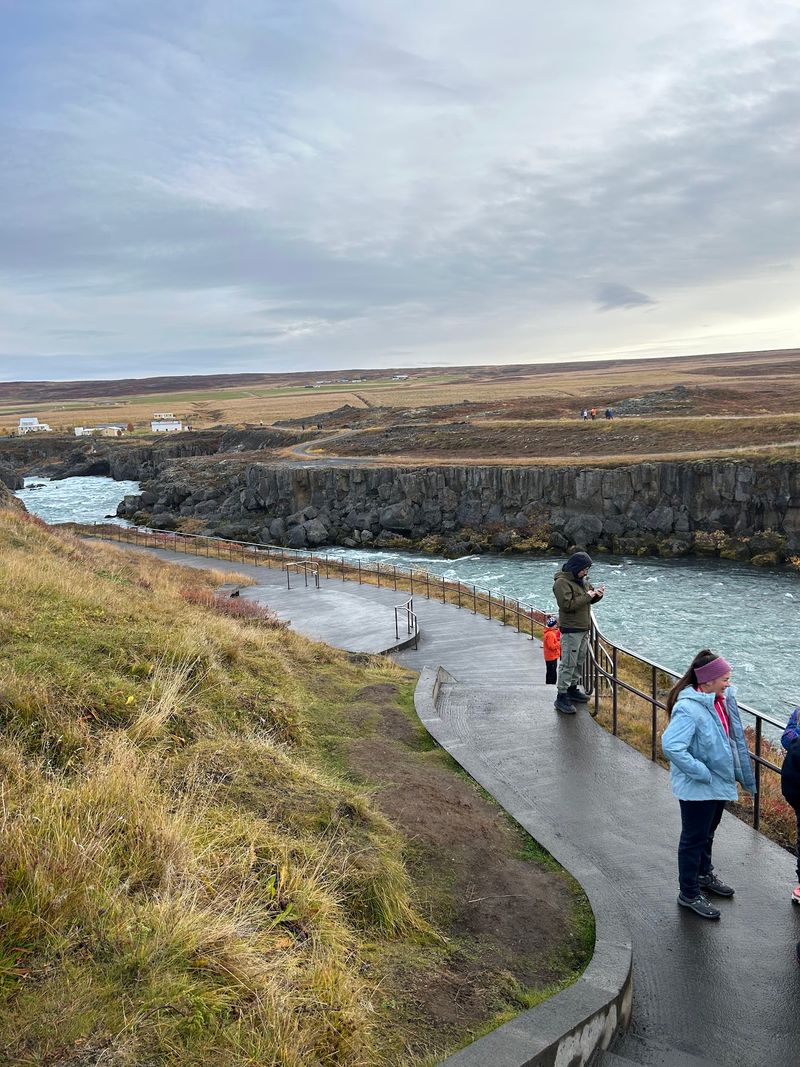
Sweet snacks can grow right beside the trail. One visitor spotted blueberries along the sidewalk.
Seasons matter, so check what is ripe when you go.
The paths are paved and well maintained. They lead to several viewing platforms.
Some stay high for a wide look, while others lead you down toward the river.
Accessibility came up often in reviews. Many people found the walk easy, which suits families and casual hikers.
Those with mobility needs should still check conditions, since weather can change surfaces.
Stay on marked paths to protect the land and keep yourself safe. Edges can be slippery and the drop is real.
Take your time on the walk. The scenery changes with each turn, and you may notice small details like moss, rock layers and bright wildflowers in summer.
Cafe, Shop and the 200 Krona Toilet
Here is a heads-up about restrooms. The waterfall area itself has no toilet, according to a reviewer.
The nearby cafe charges 200 ISK to use theirs.
The cafe is a walk of about three to five minutes from the falls. Guests describe the facilities as clean.
Keep a few coins or a card handy.
The same property has a souvenir shop with items that reviewers called great. Wool goods, postcards and small gifts are common finds in places like this.
It is a handy stop for last-minute presents.
Grab a warm drink if the wind is sharp. After a misty walk, hot coffee tastes extra good.
A snack can also give you energy for the road ahead.
Plan your break before or after the viewpoints. That way you will not need to rush away from the falls at the best moment.
Calm, Colors and Quiet Moments
Close your eyes for a moment and just listen. The steady roar of the water makes a surprisingly relaxing sound.
One reviewer said it felt calming and peaceful.
The land around the falls adds to the mood. A river bed carved by the water spreads out below, with rich colors in rock and moss.
A visitor called it magical.
Fall brings golden tones to the hills. Winter can add snow and ice around the edges.
Summer offers long daylight, so you can visit late.
Crowds are often smaller than at other famous waterfalls. That leaves room to sit, breathe and enjoy the scene.
Try visiting early or late in the day for more quiet.
Before you leave, take one last look at the curve of white water. It is the kind of view that sticks in your memory long after the trip ends.
Share this story