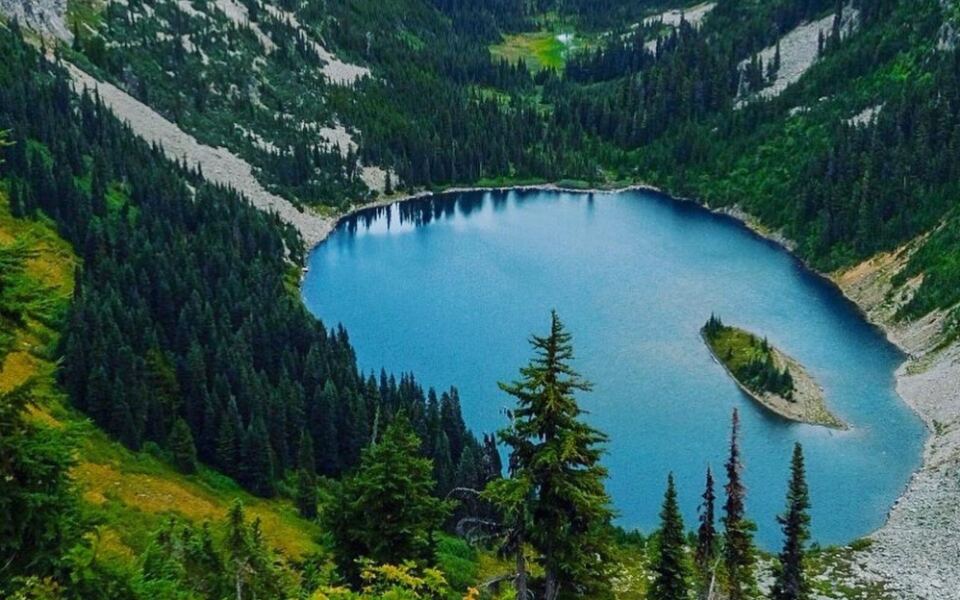
Some of the prettiest spots in the United States never make it onto the famous travel lists. While millions of people crowd the same few national parks, quiet mountains, islands, prairies and forests sit waiting with plenty of elbow room.
Visiting them can feel like finding a secret door in a very busy house. Here are 15 beautiful places that deserve a spot on your next road trip.
Steens Mountain, Oregon
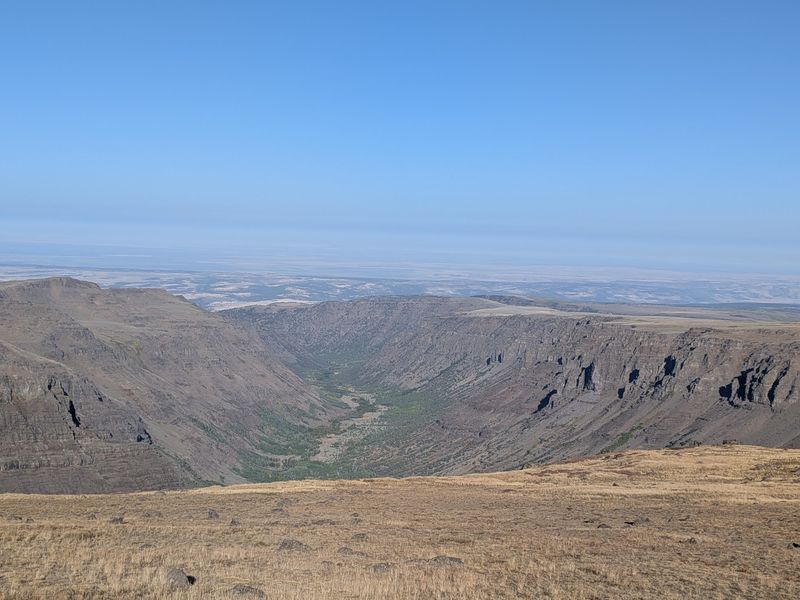
Picture a mountain that climbs almost 10,000 feet out of the Oregon desert and then drops away on one side like a giant ramp. That is Steens Mountain, a huge fault-block ridge in the far southeast corner of the state.
Most travelers never even hear its name.
Glaciers carved deep gorges into the slopes, and Kiger Gorge looks like a green U pressed into the rock. Wildhorse Lake sparkles high above the valley floor.
From the East Rim, the pale, flat Alvord Desert stretches out below like a dried-up sea.
Services are few and the distances are long, so fill your gas tank and pack extra water before you go. Cell signal fades fast out here.
A paper map is a smart backup, and a spare tire is even smarter.
Nights are wonderfully dark, and the stars show up in thick crowds. Pitch a tent, lie back and count satellites until you lose track.
Oregon has famous forests and waterfalls, but this corner proves the state also has a wild, wide-open side.
City of Rocks National Reserve, Idaho
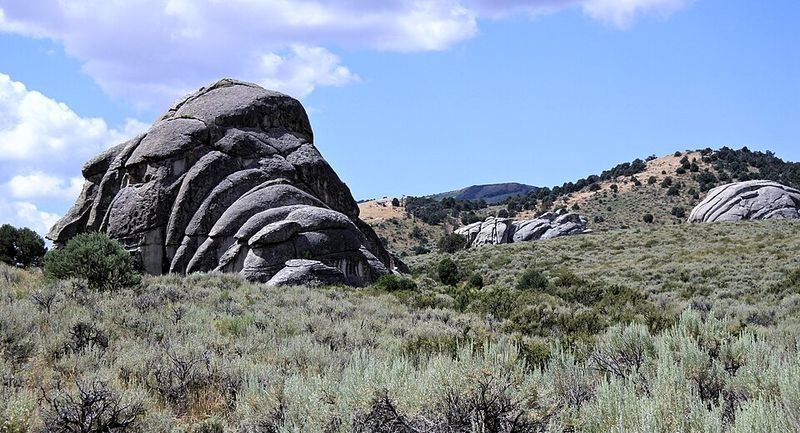
Pioneers on the California Trail once rolled past these granite towers and called them a city of stone. They were not wrong.
Pinnacles, fins and domes poke out of the Idaho sagebrush like skyscrapers built by wind and time.
Climbers love the place because it offers hundreds of routes on solid rock. You do not need a rope to enjoy it, though.
Easy trails wind between the boulders, and mountain bikers can roll along dirt roads with big views.
Look closely at the rock walls and you may spot old names written in axle grease by travelers from the 1800s. Please admire them from a distance and leave every surface just as you found it.
Birdwatchers also have fun here, since hawks and swallows zip around the cliffs.
After sunset, the reserve becomes an International Dark Sky Park, which means the night show is spectacular. Bring a blanket and a thermos of something hot.
Few crowds, strange rocks and a sky full of stars make this a very easy place to love.
Wichita Mountains Wildlife Refuge, Oklahoma
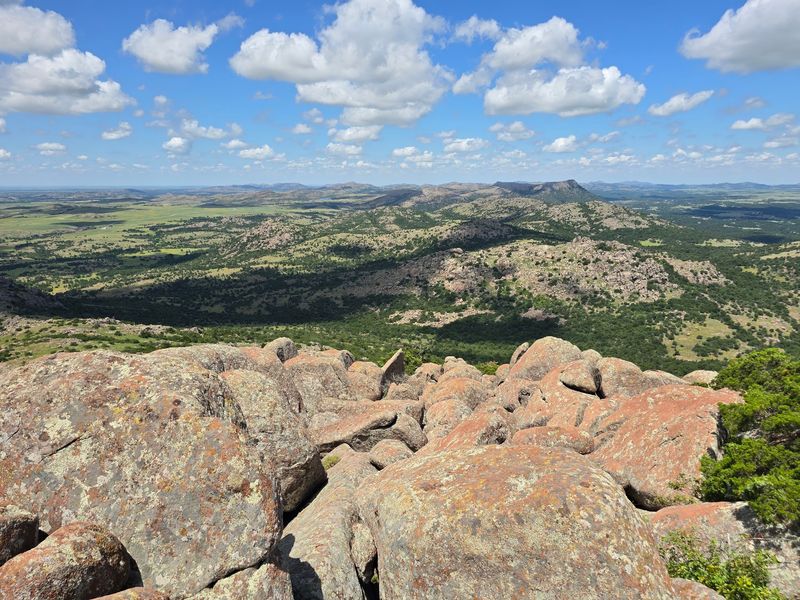
A bison wandering past a granite mountain is not what most people expect from Oklahoma. Yet that scene happens daily in the Wichita Mountains.
The refuge covers nearly 60,000 acres of rocky peaks, lakes and rolling prairie.
Besides bison, you can spot elk, longhorn cattle, prairie dogs and plenty of birds. Drive slowly and keep your windows down, because animals often wander right across the road.
Always give them lots of space, since they are bigger and faster than they look.
Hikers can climb up to rocky overlooks where the prairie spreads out in every direction. The trails range from short strolls to sweaty scrambles.
Pack more water than you think you need, especially in summer.
Plan to arrive at sunrise or near sunset. The low light turns the granite cliffs orange and red, and the whole refuge seems to glow.
It looks more like Colorado or the Texas Hill Country than the flat plains many people picture.
Roan Highlands, North Carolina and Tennessee
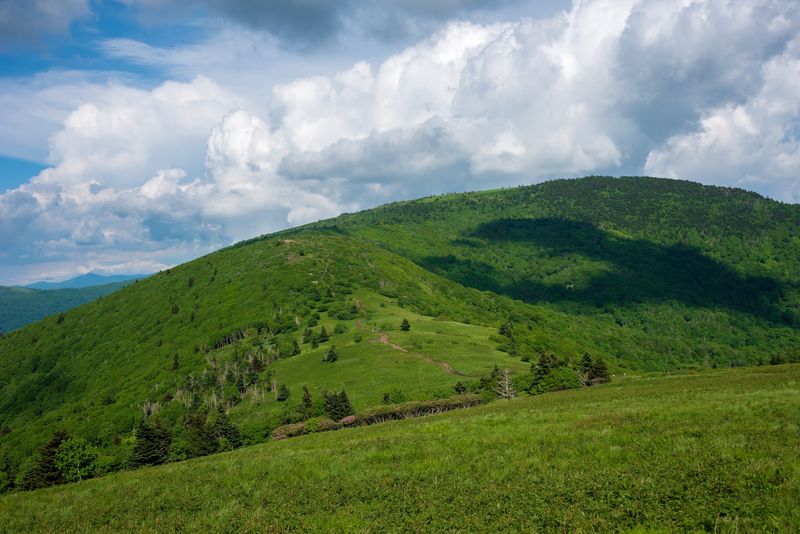
Walk onto a grassy bald in the Roan Highlands and the trees simply step aside. What replaces them is open sky, rolling green ridges and mountains fading into blue layers.
The Appalachian Trail runs right through it all.
Early summer is show time for the rhododendrons. Their pink and purple blooms cover the slopes like confetti, and the air smells faintly sweet.
Hikers often stop every few minutes just to take another photo.
Weather changes quickly up here, so toss a rain jacket and an extra layer in your pack. Fog can swallow the view in minutes and then clear again just as fast.
That moody, shifting light is part of the fun.
Autumn brings a second round of color as the hardwood forests turn red and gold below the balds. Because the Great Smoky Mountains hog most of the attention nearby, the Roan Highlands stay peaceful.
You can have a whole ridge to yourself on a weekday.
Apostle Islands National Lakeshore, Wisconsin
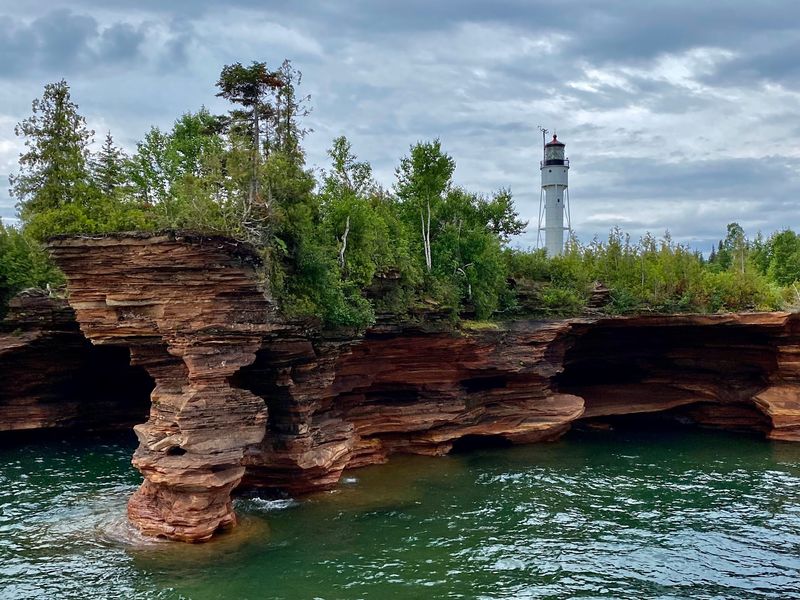
Lake Superior is so big that it fools people into thinking they are at the ocean. In the Apostle Islands, that illusion feels complete.
Twenty-one islands, sandy beaches and old lighthouses dot the cold blue water.
The star attraction is the sandstone sea caves. Waves and ice have carved arches, tunnels and little chambers into the red cliffs.
Kayaking beneath them on a calm day feels like paddling through a painting.
Wind can change fast on the big lake, so check the forecast and consider a guided tour if you are new to paddling. Wear a life jacket every time, and bring a dry bag for your phone.
Water this cold deserves respect.
Not into kayaks? Hop on a boat tour and visit the lighthouses instead.
In some winters, the caves grow enormous icicles, and visitors can walk out to see them when the ice is safe. Either season gives you scenery that most travelers never think to chase in Wisconsin.
Great Basin National Park, Nevada
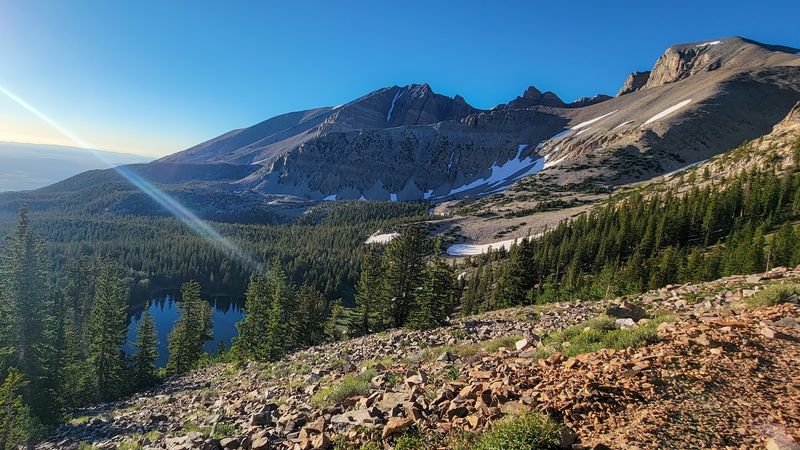
Some of the oldest living things on Earth stand quietly in eastern Nevada. They are bristlecone pines, and a few have been growing for thousands of years.
Their twisted, weathered trunks look like they have seen every century.
Great Basin National Park also has Wheeler Peak, which rises above 13,000 feet. Alpine lakes sit at its feet, and snow can linger long after spring.
Down below, dry basins stretch away in shades of tan and gray.
Underground, Lehman Caves hides stalactites and strange shield formations. The cave stays cool all year, so bring a light jacket even in July.
Tours often fill up, so booking ahead saves you from disappointment.
When darkness falls, the park becomes a stargazing paradise. The Milky Way looks thick enough to touch.
Most drivers cross Nevada expecting nothing but desert and slot machines, but this park offers snowy peaks, ancient trees and caves instead.
Bisti/De-Na-Zin Wilderness, New Mexico
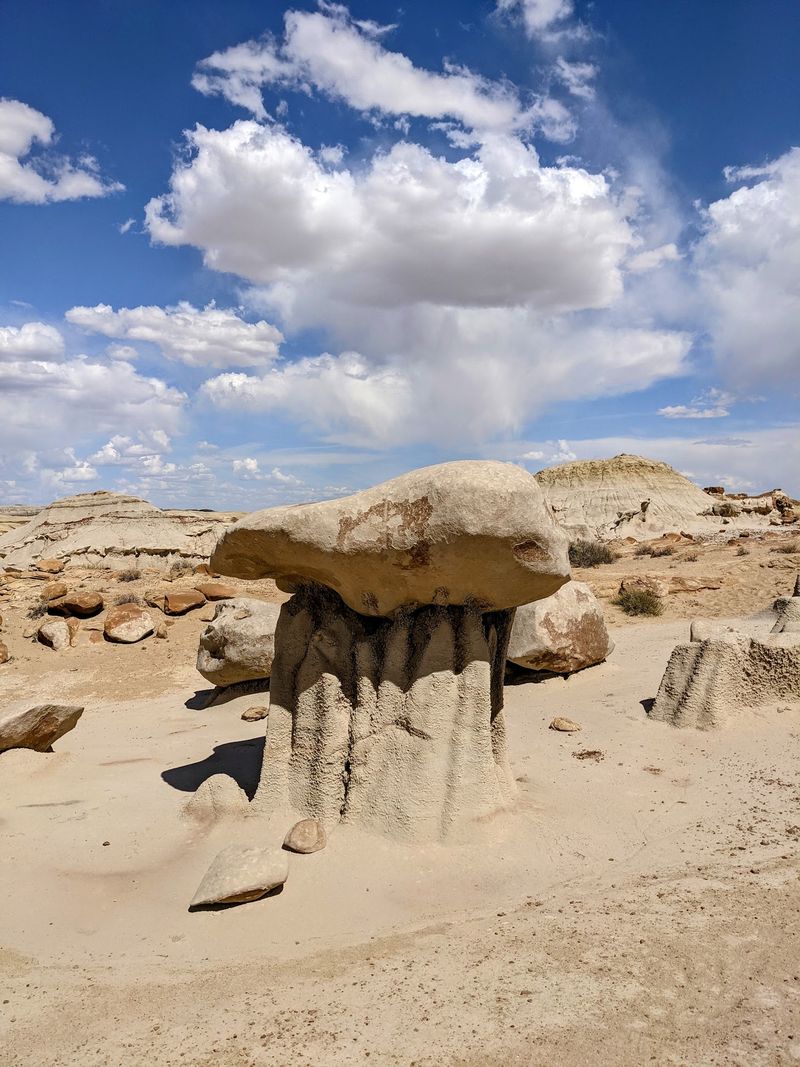
Nobody would blame you for checking whether you had accidentally left the planet. Bisti/De-Na-Zin is packed with hoodoos, balanced rocks and mushroom-shaped towers.
They rise from more than 43,000 acres of quiet New Mexico badlands.
Wind and water did all the sculpting over millions of years. Layers of sandstone, shale and coal show up in bands of gray, tan, red and black.
Petrified wood and fossils lie scattered about, but taking them is against the rules.
There are almost no marked trails, signs or bathrooms. That freedom is thrilling, but it also means you must navigate carefully.
Save a GPS track, bring plenty of water and note a few landmarks as you wander.
Go at sunrise or late afternoon, when the light brings out soft colors in the rock. Midday sun can feel harsh and flat.
With few visitors around, the silence is almost as strange as the scenery.
Porcupine Mountains Wilderness State Park, Michigan
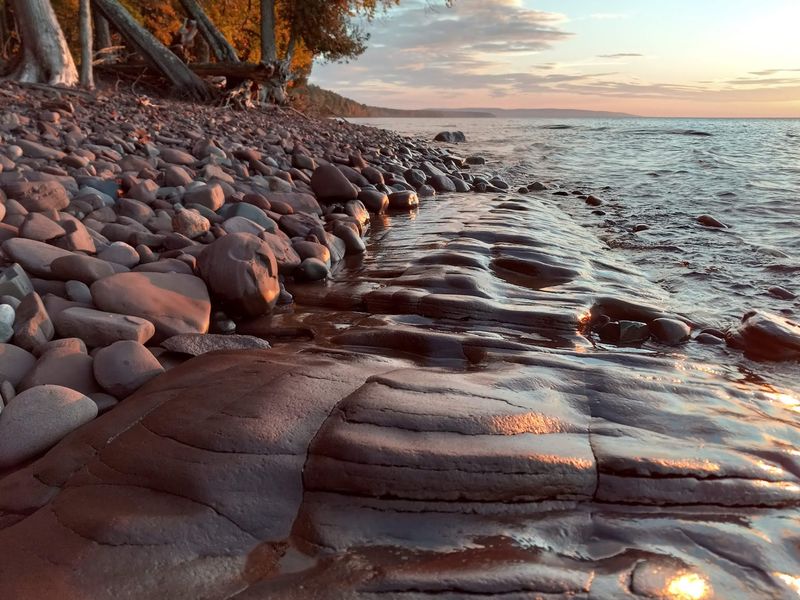
Stand at the Lake of the Clouds overlook, and your jaw may drop before your camera even comes out. A long blue lake lies beneath a steep ridge, ringed by thick forest.
It is easily one of the Midwest’s best views.
Porcupine Mountains Wilderness State Park covers about 60,000 acres in Michigan’s Upper Peninsula. Much of it is old-growth forest, the kind with giant trees that have never met a logging saw.
Rivers tumble over waterfalls, and the Lake Superior shoreline brings wild, pebbly beaches.
Plenty of trails fit different energy levels. Short paths lead to waterfalls, while longer routes climb ridges and cross streams.
Bug spray is your friend in early summer.
Autumn may be the star season, when the hills glow red, orange and gold. Cabins and campsites let you linger overnight.
After a day out here, even a simple dinner at camp tastes like a feast.
Tallgrass Prairie National Preserve, Kansas
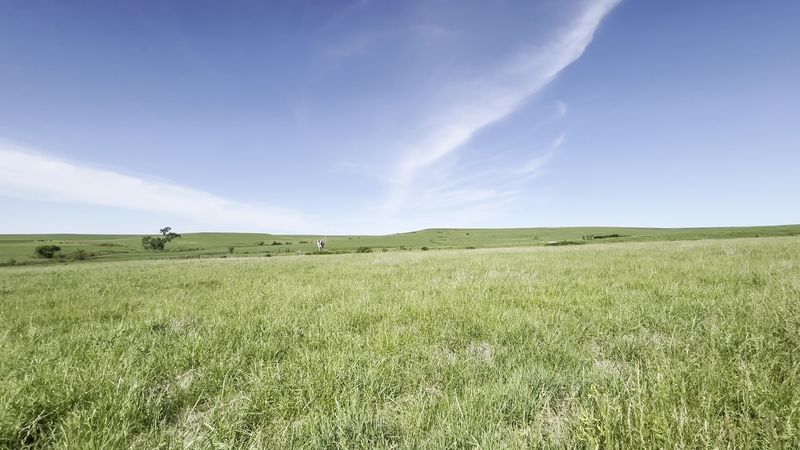
Forget the idea that you need mountains to see something grand. In the Kansas Flint Hills, the hills roll like slow ocean waves, and the sky seems to go on forever.
Tallgrass Prairie National Preserve protects one of the last big patches of unplowed prairie.
More than 40 miles of trails let you wander through it on foot. Some paths climb to high points where the grass ripples in every direction.
Bison graze in the distance, usually looking unbothered by everything.
The prairie changes with the seasons. Spring paints it a bright, fresh green, and summer fills it with wildflowers.
By autumn, the grasses turn gold and rustle in the wind.
Bring a hat, sunscreen and a refillable water bottle, since shade is rare. Take your time and let the quiet sink in.
Kansas sunsets here are slow, warm and honestly a little bit show-offy.
Cumberland Island National Seashore, Georgia
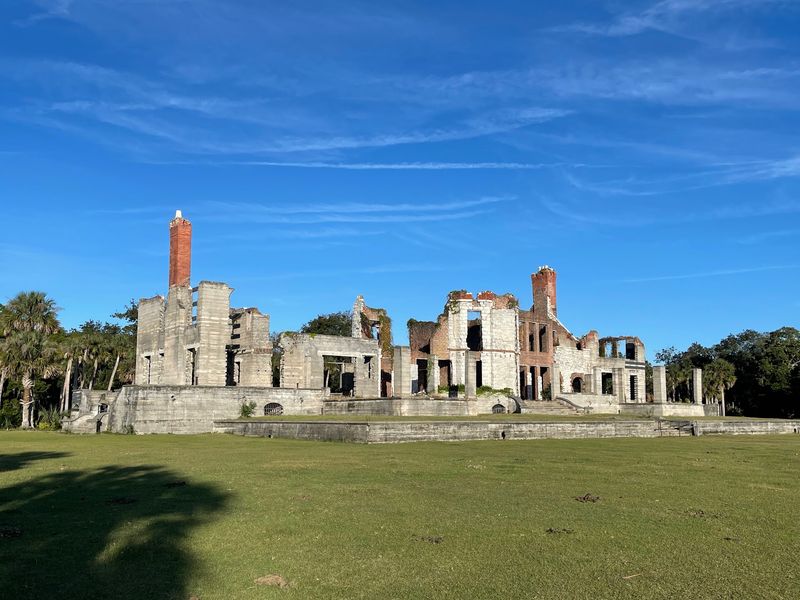
Wild horses wander past old mansion ruins on Cumberland Island, and nobody seems to be in a hurry. This barrier island off the Georgia coast has no bridge.
You must take a ferry, which helps keep the crowds small.
Live oaks draped with Spanish moss shade the forest trails. On the east side, wide Atlantic beaches stretch for miles with hardly a footprint.
Salt marshes on the other side buzz with herons and egrets.
The horses are wild, not pets, so keep a respectful distance. Never feed them or try to touch them.
They have the right of way here, always.
Bring everything you need for the day, because shops are scarce. Overnight camping makes the island even more special.
After dark, the only sounds are waves, crickets and maybe a distant owl.
Lassen Volcanic National Park, California
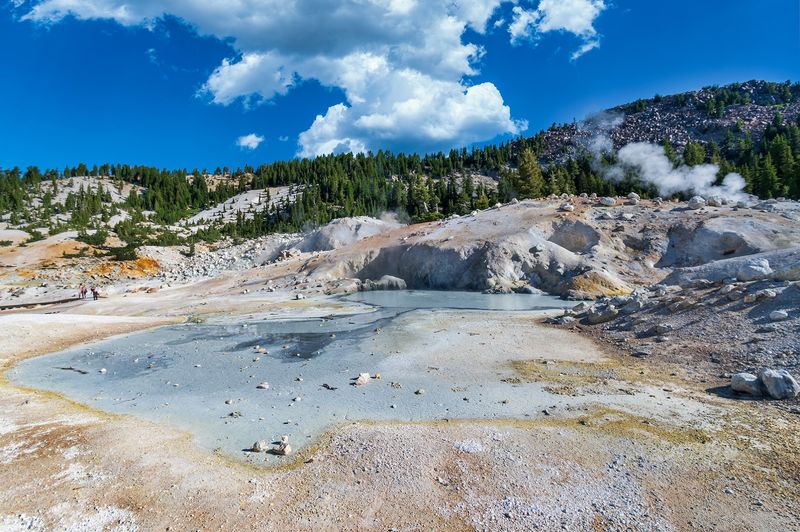
Steam hisses from the ground, and the air smells faintly like rotten eggs. Welcome to Bumpass Hell, the wild hydrothermal area in Lassen Volcanic National Park.
Boiling pools and bubbling mud pots put on a show right beside the boardwalk.
Stay on the marked path here, since the ground can be dangerously hot. The hike in is only a few miles round trip.
It leads you through a colorful, steaming basin that looks cooked from below.
Elsewhere, Lake Helen rests directly beneath Lassen Peak, often with snow lingering into summer. Butte Lake leads toward Cinder Cone, painted dunes and rough lava fields.
Within a single park, you find peaks, lakes and fiery ground.
California’s better-known parks draw the big crowds, so Lassen stays calm. You can often find a quiet lakeside spot for lunch.
Pack layers, because mountain weather here likes to surprise people.
Congaree National Park, South Carolina
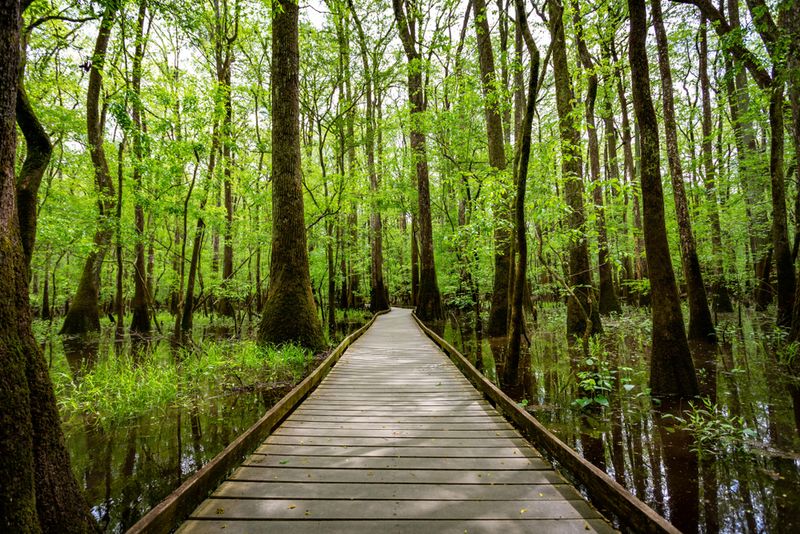
Mist drifts between giant trees, and the only sound is a woodpecker tapping far away. Congaree National Park protects one of the largest patches of old-growth floodplain forest left in the country.
It feels like a hidden world, even though a city is nearby.
An elevated boardwalk lets you stroll through the forest without muddy shoes. Towering hardwoods, cypress and tupelo trees crowd around you.
Look for turtles, wading birds and spiderwebs sparkling with dew.
Flooding is a normal part of life here. When the rivers rise, parts of the forest turn into shiny, reflective waterways.
Check the park’s website before visiting so you know which trails are open.
Early mornings are the most magical, when fog hangs low and the light turns soft and green. Mosquitoes can be fierce in warm months, so pack repellent.
Visit in cooler seasons for easier walking and fewer bugs.
North Cascades National Park, Washington
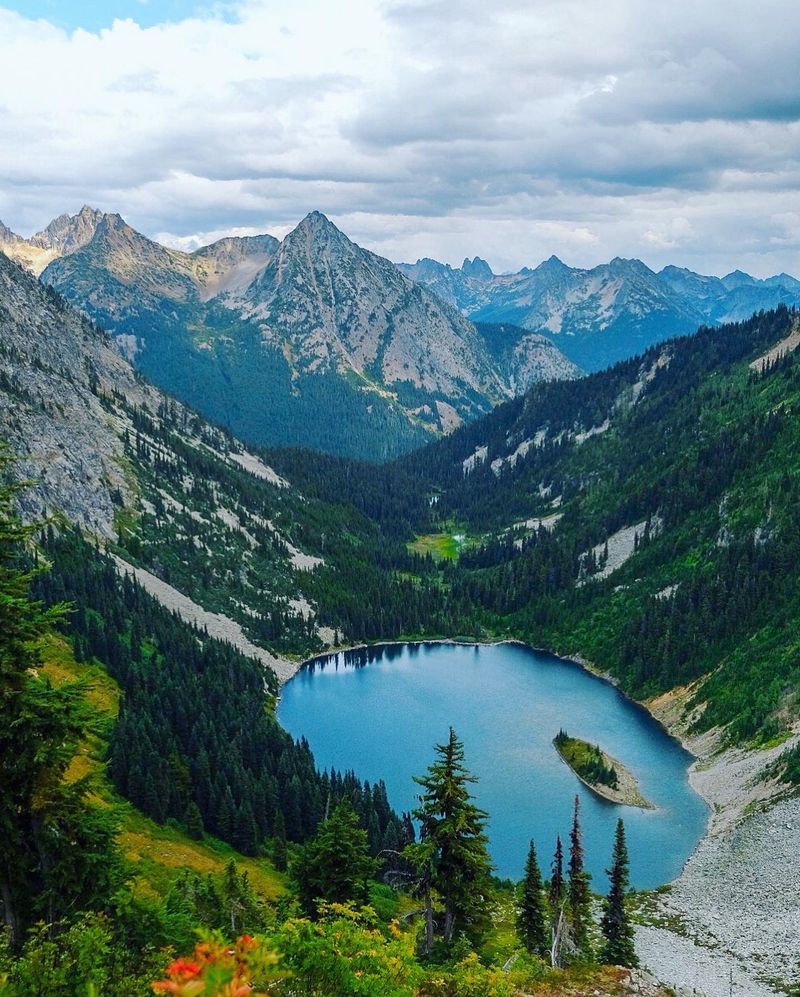
Jagged peaks, glaciers and glowing turquoise lakes sound like Alaska, but they are in Washington. North Cascades has some of the most dramatic mountain scenery in the lower 48.
Still, it gets far fewer visitors than Yellowstone or Yosemite.
The wider park complex holds more than 300 glaciers, plus endless snowfields. Meltwater feeds lakes with a bright milky blue color.
Diablo Lake is a favorite stop, and you can see it right from the highway.
Roadside viewpoints reward you even if you do not feel like hiking. Trails open up the real wonder, though, leading to alpine lakes and high passes.
Start early to beat afternoon clouds.
Snow can block high roads for much of the year, so check conditions first. Summer and early fall are the best times to go.
Many people visit nearby Olympic and Mount Rainier instead, which leaves these peaks wonderfully peaceful.
Driftless Area, Wisconsin, Iowa and Minnesota
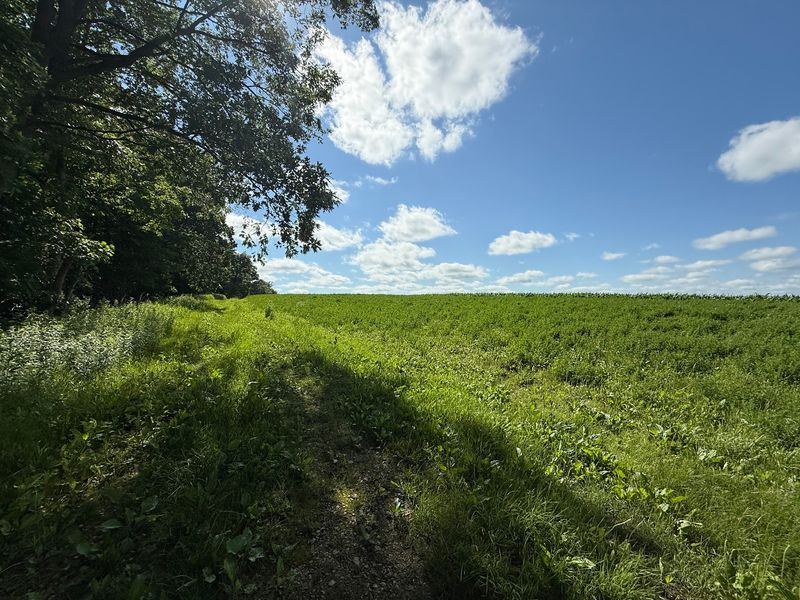
Glaciers flattened much of the Midwest, but they somehow skipped this patch. The Driftless Area kept its steep bluffs, deep valleys and winding rivers.
It looks like a little piece of Appalachia dropped into the middle of the country.
The region spreads across parts of Wisconsin, Iowa, Minnesota and Illinois. Southwestern Wisconsin has some of the prettiest sections.
Back roads twist over ridges, and limestone cliffs peek out from the trees.
There is no single gate or visitor center to aim for. Instead, plan a slow drive with stops at overlooks, trout streams and cheese shops.
Small river towns make friendly places to grab a sandwich and a slice of pie.
Fall is especially lovely, when the wooded hills blaze with color. Bring a map, since phone signal can wobble in the valleys.
Part of the joy is getting a little lost on purpose.
Canaan Valley, West Virginia
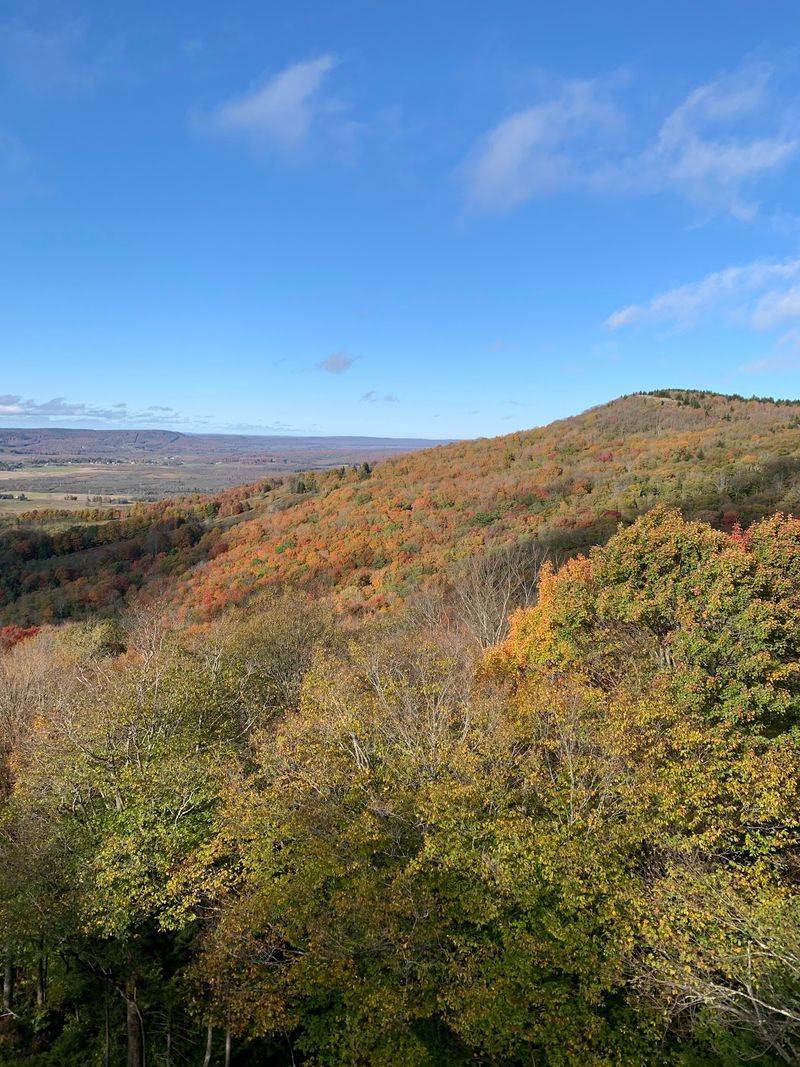
Cool air, wide skies and hardly any traffic make Canaan Valley feel like a deep breath. It sits high in the Allegheny Mountains of West Virginia.
Forests, wetlands and long ridgelines surround it on every side.
The elevation keeps summers mild and winters snowy. In warm months, hikers explore trails and watch for deer, songbirds and the occasional black bear.
Winter turns the valley into a playground for skiers and snowshoers.
Just nearby, Blackwater Falls tumbles into a deep gorge, and the water is tea-colored from tannins. The waterfall looks best in autumn, when the surrounding forest blazes with color.
Wooden stairs lead down for a closer view, so wear sturdy shoes.
Compared with the busy Smokies, this corner of Appalachia stays calm and uncrowded. Back roads are quiet, and views appear around nearly every bend.
Pack a picnic and enjoy the peace.
Share this story