Britain has a long food history, and many old dishes once filled family tables and restaurant menus. Today, a number of them are hard to find, even in the places where they began.
Some survive in small regional kitchens or with specialist butchers. Here are ten traditional dishes worth knowing before they fade from memory.
1. Mock Turtle Soup
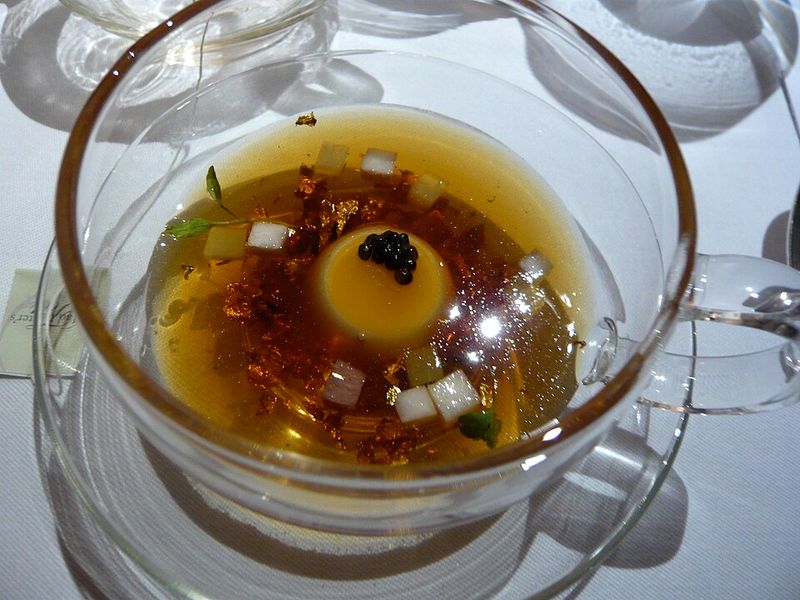
Here is a recipe built on clever imitation. Mock turtle soup was invented in the 1700s as a cheaper stand-in for green turtle soup, a luxury dish that only wealthy households could afford.
Cooks simmered a calf’s head for hours to create a rich, jelly-like broth. Sherry, spices, lemon, and herbs gave it a deep, savory taste that was meant to echo the real thing.
By Victorian times, it was a fashionable choice at formal dinners. It even appears in Lewis Carroll’s Alice’s Adventures in Wonderland, where the Mock Turtle is a sad character.
As calf’s head fell out of favor and turtle soup became unacceptable, the dish faded away. Some old-fashioned canned versions were sold for many years, but today it is exceptionally rare.
Finding a bowl is more likely in a history book than on a menu.
2. Potted Shrimps
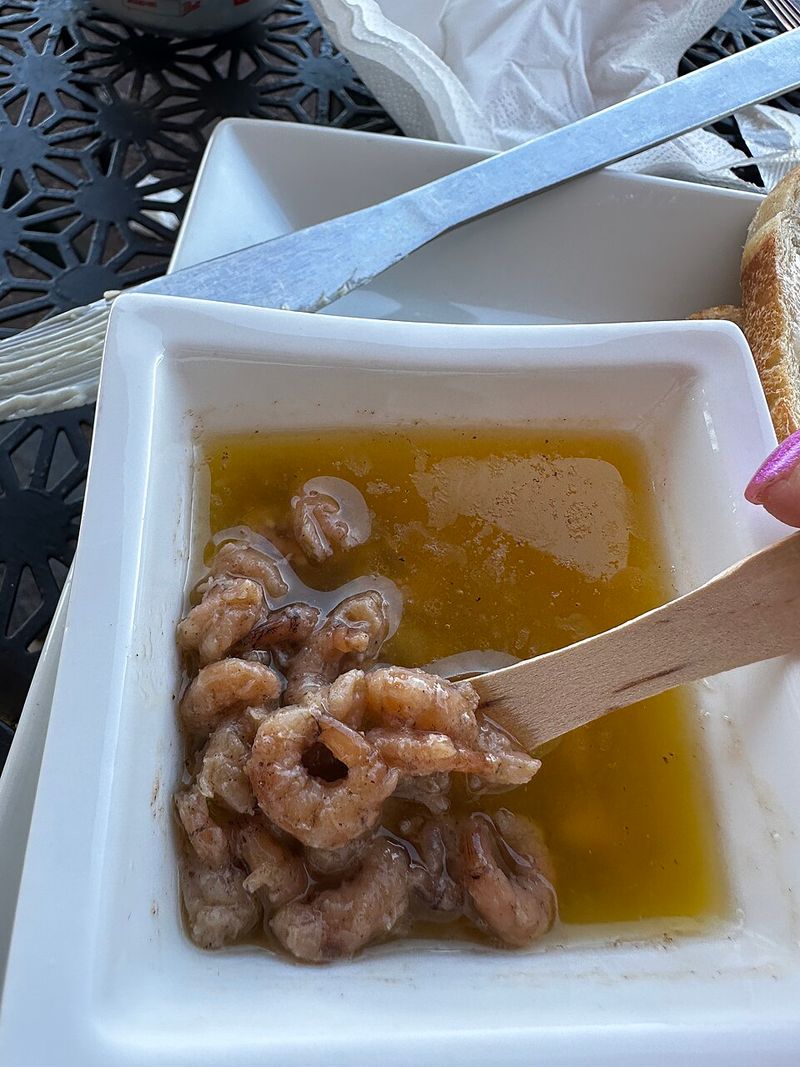
Tiny, sweet, and wrapped in butter, potted shrimps are a treat from the coast of Lancashire. The best-known versions use small brown shrimps from Morecambe Bay, a region famous for them.
The shrimps are gently warmed in butter with spices such as mace, nutmeg, or cayenne pepper. They are then packed into small pots and sealed with a layer of clarified butter.
This seal helped keep them fresh long before refrigerators existed.
Serve them at room temperature on warm toast with a squeeze of lemon. The butter melts into the bread and makes each bite rich and fragrant.
Potted shrimps are still made today, and you can find them in some fishmongers and specialist shops. However, they rarely appear on ordinary restaurant menus.
That makes them a small but tasty piece of British seaside history worth hunting down.
3. Devilled Kidneys
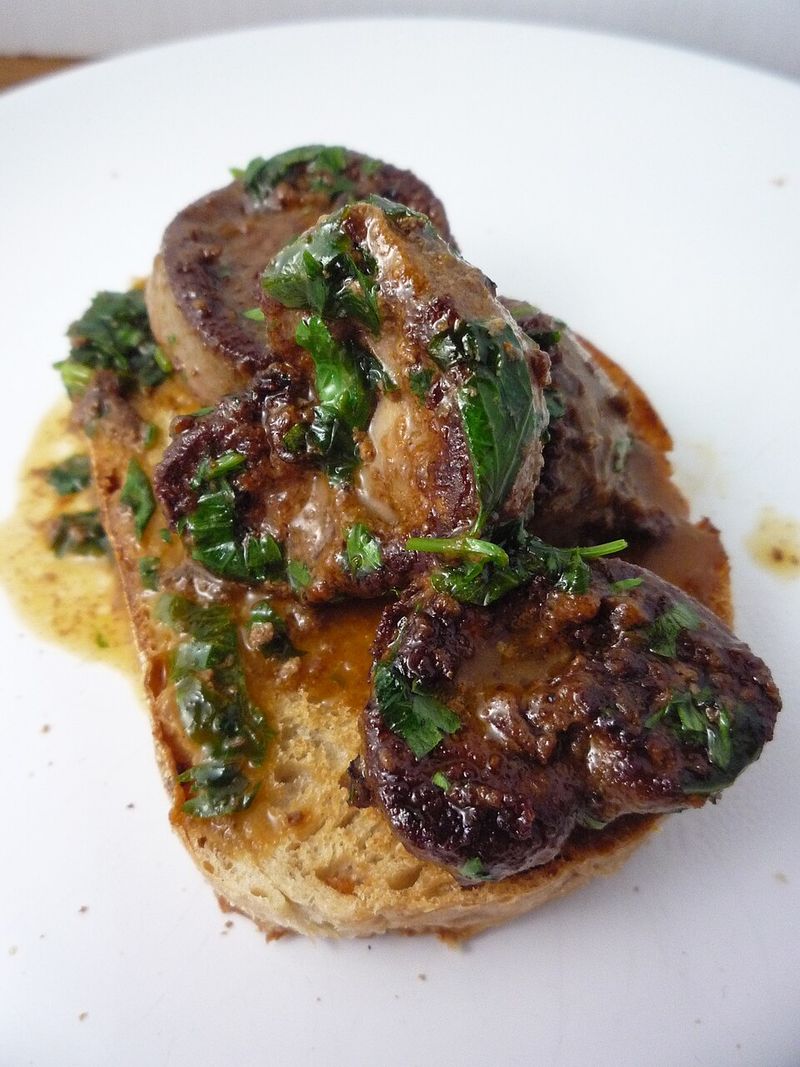
Breakfast used to be a much bolder meal. Devilled kidneys, a favorite of Victorian and Edwardian tables, packed a spicy punch before the day had even started.
Lamb’s kidneys are sliced and quickly cooked in a sauce of mustard, Worcestershire sauce, and cayenne pepper. The word devilled simply means seasoned with heat.
A knob of butter and a splash of cream often round out the flavor.
The dish is usually spooned over hot buttered toast. It could also be served as a light supper or a savory course at the end of a meal.
Kidneys cook fast, so timing matters. Overcooked, they turn tough and bitter, which may be one reason people stopped making them at home.
Today, a few traditional hotels and old-style restaurants still offer them, but they are far from an everyday choice.
4. Bath Chaps
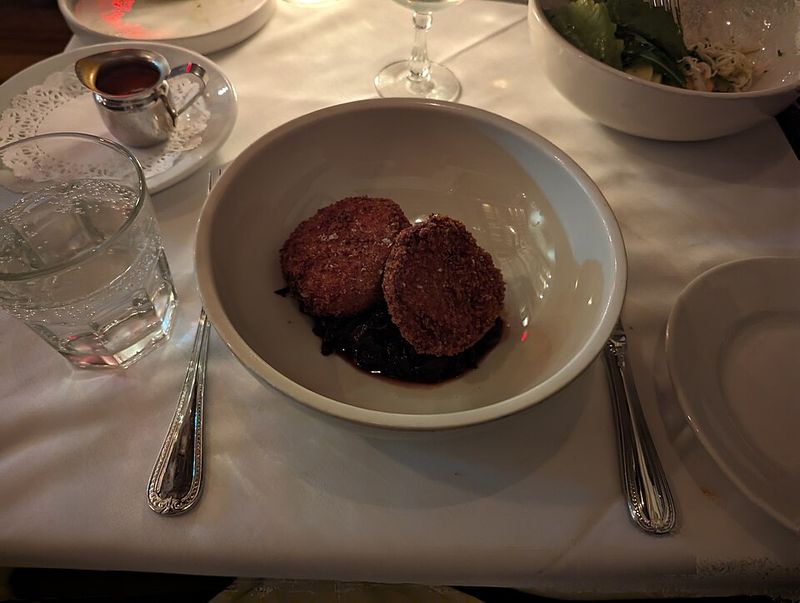
Few dishes sound as unusual as this one, yet bath chaps have a proud place in West Country food history. They are made from the cheek and jaw of a pig, which is cured in salt and then cooked until tender.
After cooking, the meat is often rolled in bright orange breadcrumbs. It can be sliced and eaten cold, or fried until the outside turns crisp.
The flavor is similar to a mild, salty ham with a soft, rich texture.
The name comes from the city of Bath in Somerset, though the dish was enjoyed across the region. It was a thrifty way to use every part of the animal, a habit that was common in earlier times.
Modern shoppers tend to prefer neat, lean cuts, so bath chaps have become scarce. You may still find them at a few traditional butchers or regional food fairs.
5. Sussex Pond Pudding
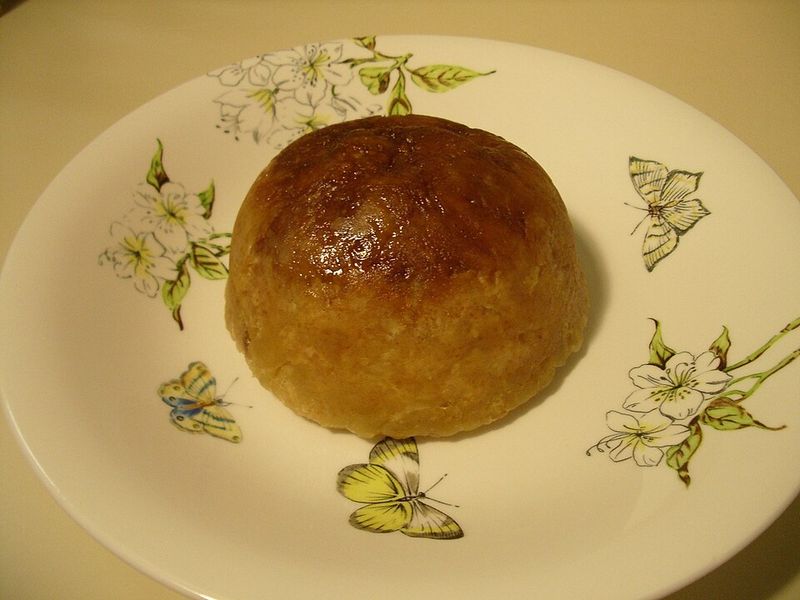
Cut into this pudding and a golden pool of syrup spills out. That surprise is how Sussex pond pudding earned its name, and it has charmed dessert fans for centuries.
The outside is a soft, thick pastry made with suet, a firm fat that gives a tender, slightly chewy bite. Inside, cooks place chunks of butter and sugar.
In many modern versions, they also tuck in a whole lemon.
As the pudding steams for hours, the butter and sugar melt into a sticky sauce. The lemon softens and adds a sharp, fruity edge to balance the sweetness.
The first written recipes date back to the 1600s, and it is linked to the county of Sussex. Steamed puddings fell out of fashion as lighter desserts became popular.
Today, you will mostly see this one at heritage events, cookery classes, or in special old-style recipe books.
6. Faggots and Peas
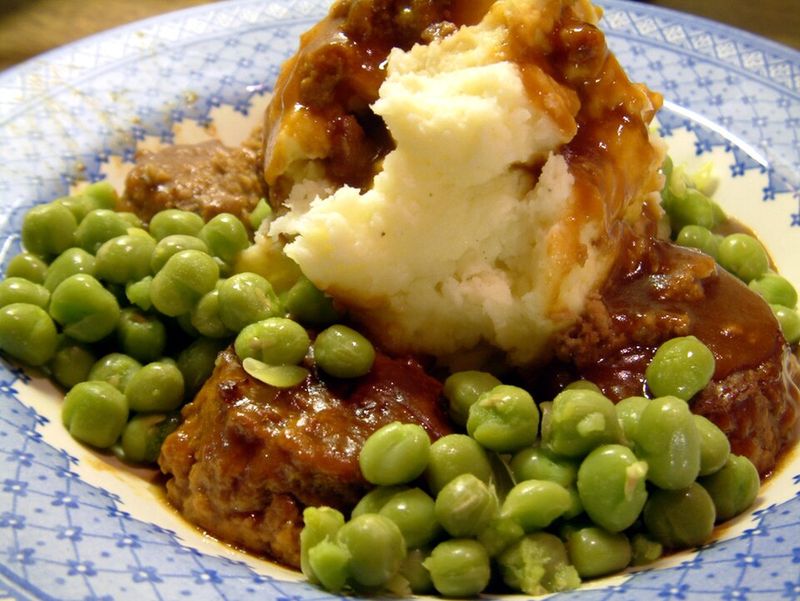
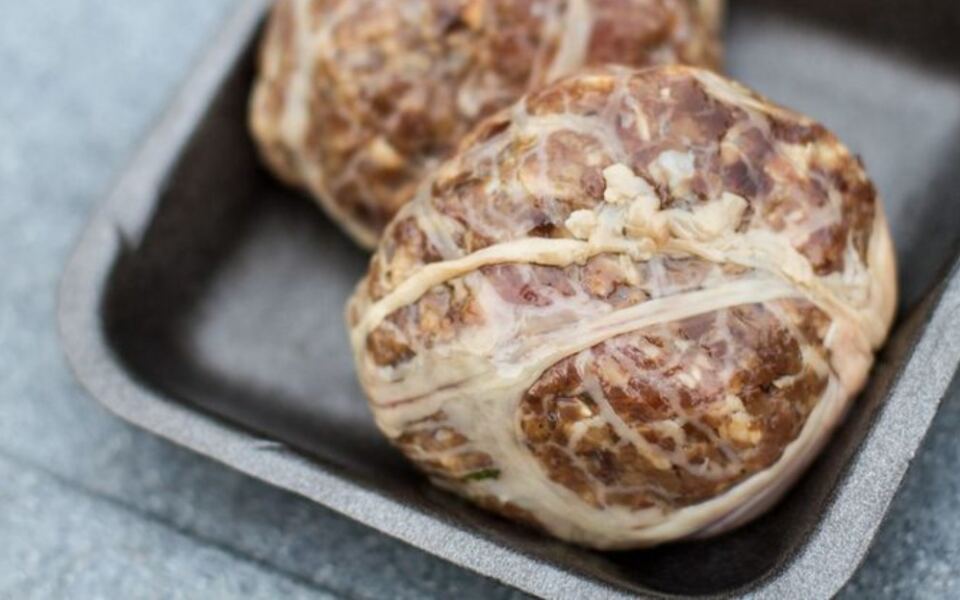
Ask a grandparent in the Midlands or Wales about faggots, and you may hear a story or two. These hearty meatballs were once a cheap, filling meal for busy working families.
They are made from minced pork offal, such as liver and heart, mixed with onion, herbs, and breadcrumbs. The mixture is shaped into balls, wrapped in a thin layer of fat, and baked until browned.
The classic plate comes with mushy peas, mashed potato, and a generous pour of onion gravy. Each part adds comfort and balance to the rich meatballs.
Faggots are still sold in some butchers and supermarkets, and a few pubs keep them on the menu. Even so, many younger people have never tried them.
Changing tastes and a move away from offal have made faggots a regional favorite rather than a national one.
7. Pease Pudding
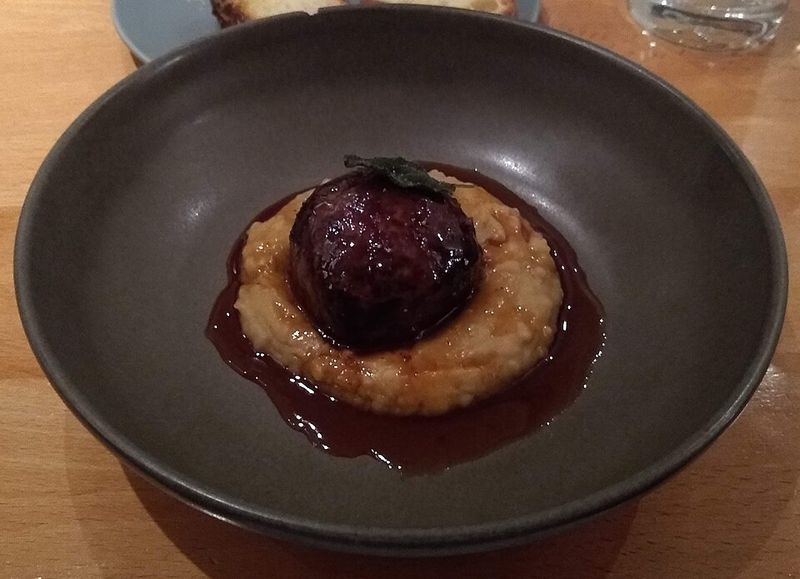
There is an old nursery rhyme that begins with pease porridge hot, and it points to a food that has fed Britons for generations. Pease pudding is a thick, spreadable dish made from split yellow peas.
The peas are soaked and boiled until soft. Then they are mashed or blended with butter, salt, and sometimes a little pepper.
The result is smooth, earthy, and comforting.
Traditionally, it was cooked in a cloth alongside a ham joint. This allowed it to soak up the savory flavors of the boiling meat.
It is often served warm with ham, bacon, or boiled pork.
In the northeast of England, especially around Newcastle and Tyneside, pease pudding still has loyal fans. It even turns up in sandwiches known as pease pudding stottie.
Elsewhere, though, it has become much less common on tables and menus.
8. Savoury Ducks
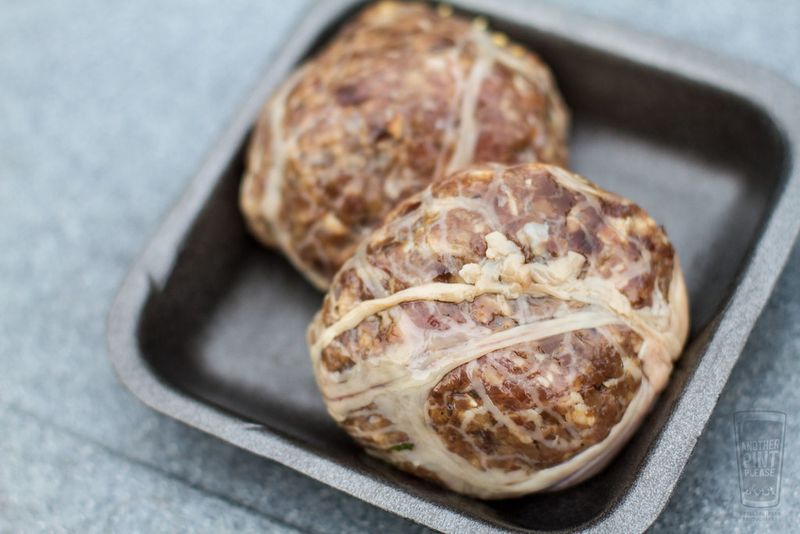
Despite the name, there is no duck in this dish at all. Savoury ducks is a cheeky old nickname for a baked meatball made from minced pork offal, onions, herbs, and breadcrumbs.
Many people link the name to the Black Country and the West Midlands. Some say the ducks got their name because the shaped portions looked like small plump birds on the tray.
The dish is a close cousin of faggots. Cooks mixed the ingredients, shaped them into portions, and baked them until golden.
They were usually served hot with gravy, potatoes, and peas.
The flavor is savory and herby, with a soft, crumbly texture. It was a smart way to stretch a small amount of meat to feed a whole family.
Today, the name is almost forgotten outside a few older recipe collections and family memories. Faggots have kept more of the spotlight, leaving savoury ducks as a quiet piece of food history.
9. Rook Pie
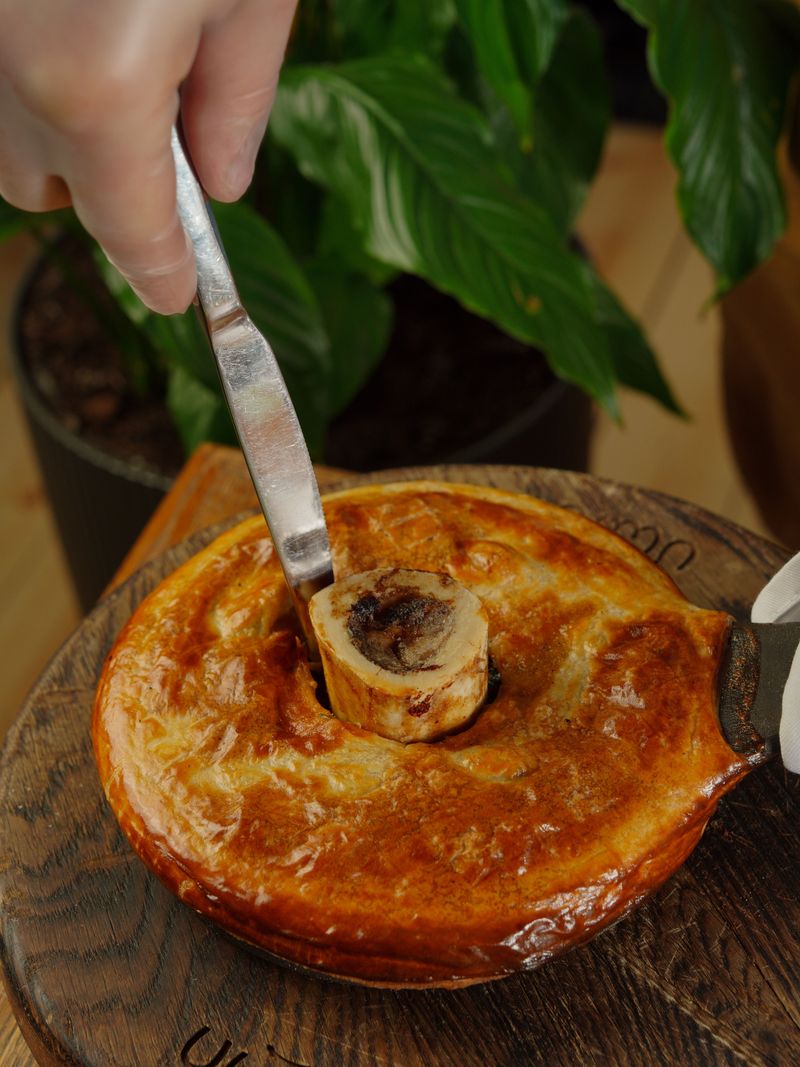
In springtime, country villages once took part in an unusual tradition. Young rooks, known as branchers, were gathered from their nests and baked into pies.
Only the breast meat was typically used. Cooks combined it with bacon, onion, and sometimes hard-boiled eggs, then sealed everything inside a thick pastry crust.
Slow baking made the dark meat tender and gave the filling a rich, gamey flavor.
Rook pie was a practical meal for farm families. Rooks were seen as pests that damaged crops, so using them for food served a purpose.
The dish was strongly linked to rural areas and to the spring season.
Today, the dish is extremely unusual. Changes in wildlife laws, along with modern tastes, have pushed it far from everyday cooking.
Some adventurous cooks and countryside groups still mention it, but most people know it only as a curiosity from the past.
10. Hodge Podge
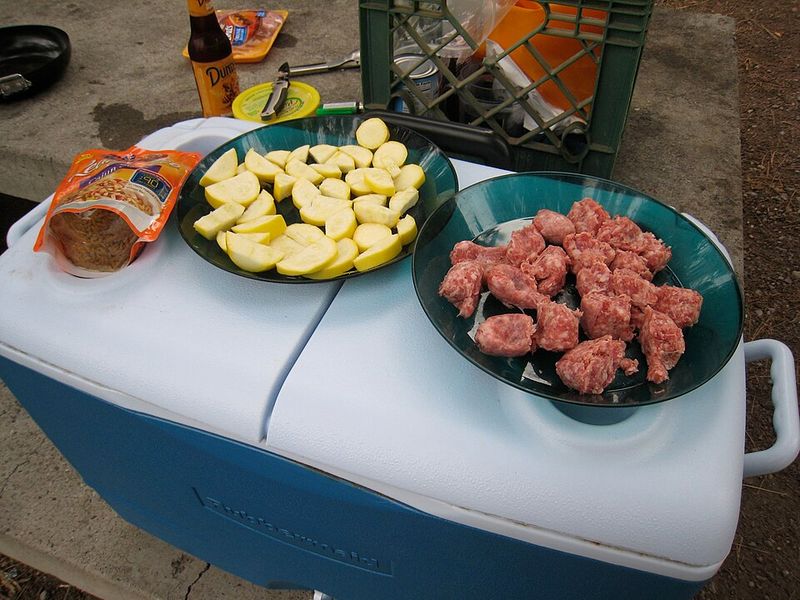
Few dishes are as flexible as a good pot of hodge podge. The name itself hints at a mix, and that is exactly what this old stew was all about.
Cooks combined meat, often lamb or mutton, with whatever fresh vegetables were in season. Carrots, turnips, peas, and onions went into the pot.
Some versions added barley or other grains to make it thicker and more filling.
The stew simmered slowly, allowing the flavors to blend into a warm, savory broth. It was a practical way to use up garden produce and make a little meat go a long way.
The word hotchpotch, a close cousin, has been used in English for centuries, and the dish has Scottish and northern links. Today, similar stews are still cooked at home, but people rarely call them by the old name.
It lives on mostly in older cookbooks and family stories.
Share this story