Some singers need only one line to be recognized. A grainy radio, a crowded stadium, or a quiet living room speaker can all tell you who is singing within seconds.
This list brings together twenty artists from rock, soul, jazz, opera, and pop whose voices shaped the music we still play today. Some were famous for power, others for tone, phrasing, or style.
Read on to learn what makes each sound so distinct, along with a few facts about the songs and honors tied to their names.
Freddie Mercury
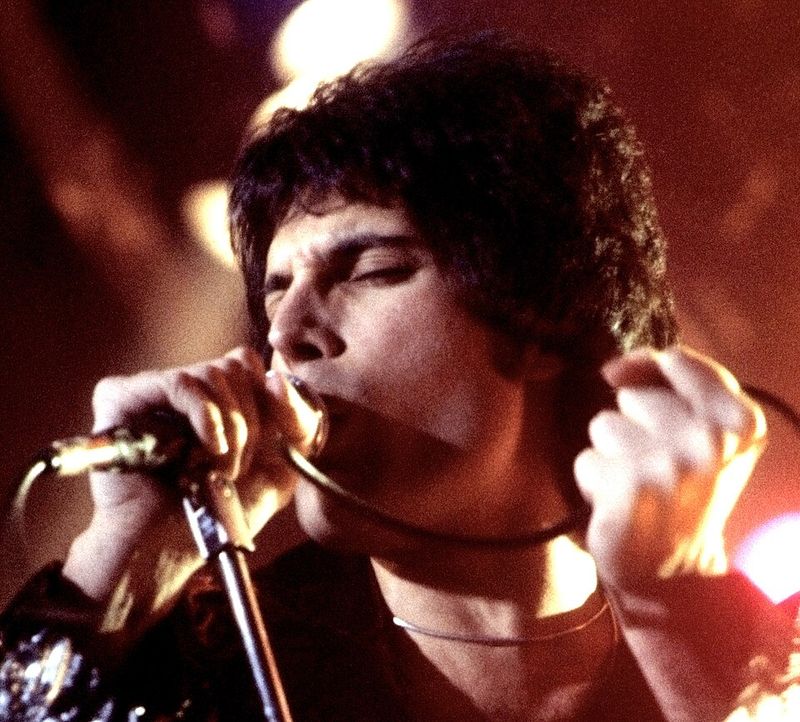
Few rock singers could mix theater and raw force the way Freddie Mercury did. As the lead singer of Queen, he could glide from a delicate passage to a soaring rock cry inside a single song.
That range is easy to hear in “Somebody to Love,” “We Are the Champions,” and “Bohemian Rhapsody.” Each track asks for something different, and his voice rises to meet it every time.
His stage presence made the sound even bigger. He treated an arena like a living room full of friends, pulling thousands of people into the chorus with him.
Try listening to “Bohemian Rhapsody” with headphones and follow only his vocal line. You will notice soft, almost spoken moments, then bold operatic sections, then a hard rock finish.
It is a lot like watching an actor play several roles in one scene, and it shows why his voice still stands out decades later.
Whitney Houston
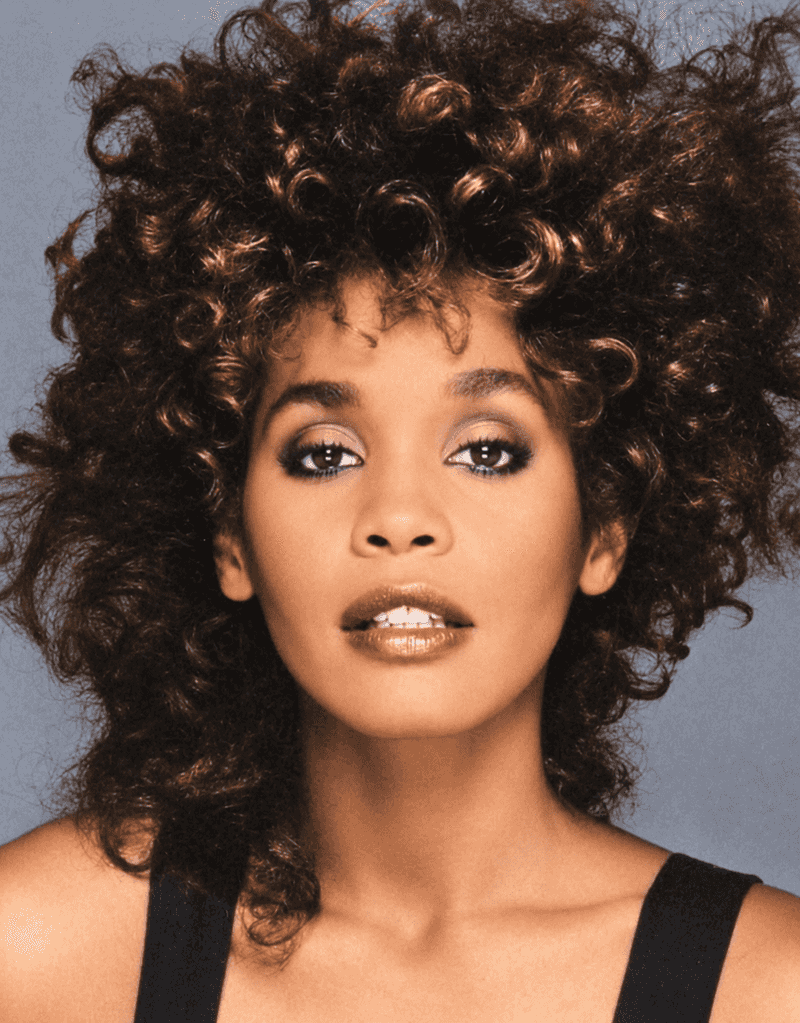
Control, clarity, and power can be hard to find in one voice. Whitney Houston had all three, which helped make her one of the defining vocalists in pop and R&B.
Her recording of “I Will Always Love You” became one of her signature performances and was later inducted into the Grammy Hall of Fame. It opens quietly, almost like a whispered goodbye.
Then the song builds, and that is where her skill shows. She could turn a soft phrase into the emotional center of a song, then climb toward huge high notes without sounding rushed or strained.
Young singers still study her recordings for breath control and timing. If you want to hear the contrast for yourself, play the first verse of that song and then the final chorus back to back.
The gap between them tells you plenty about how carefully she shaped a performance.
Aretha Franklin
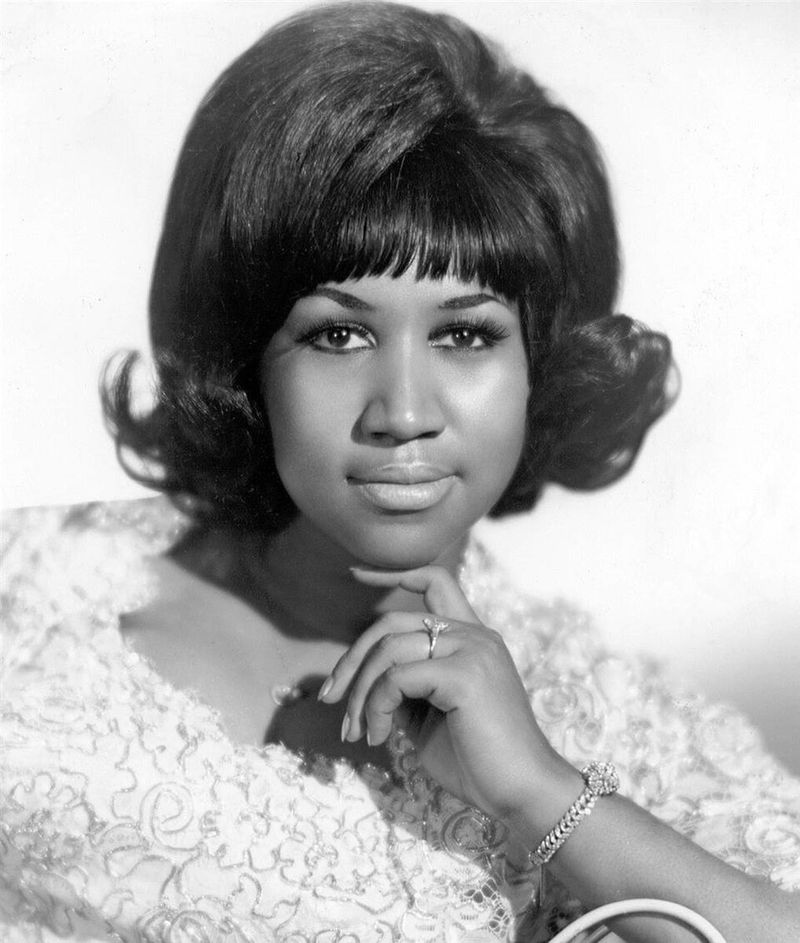
The title Queen of Soul was not handed out lightly. Aretha Franklin earned it by carrying the force of her gospel upbringing into popular music.
“Respect” and “(You Make Me Feel Like) A Natural Woman” are two songs that helped place her among the defining voices of American soul. One sounds bold and commanding, the other tender and open, yet both are unmistakably hers.
She also played piano, which gave her performances a strong rhythmic backbone. Her phrasing often felt like a conversation, with each line landing exactly where it should.
Her influence reaches far beyond her own era. Many R&B performers who came after her borrowed from her strength, her emotional honesty, and her gospel-style build.
When a singer lets a note rise slowly and then lets it break open, you are often hearing her legacy at work.
Elvis Presley
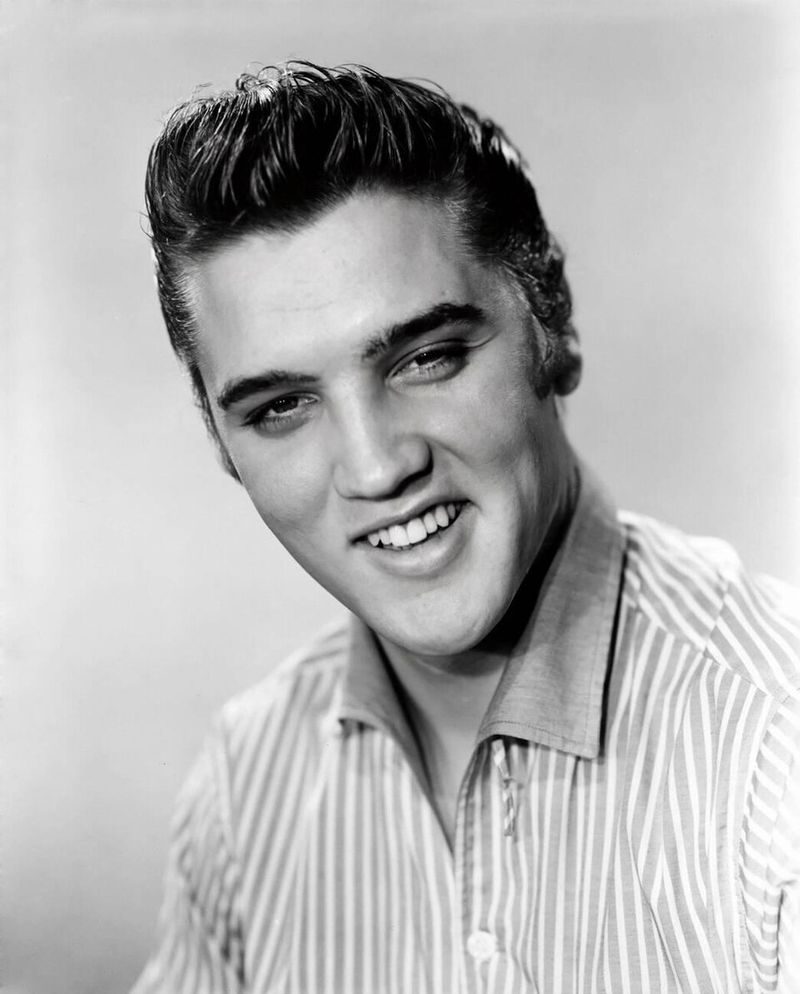
Rebellious one minute and tender the next, Elvis Presley seemed to change shape from song to song. A bluesy growl, a gospel swell, or a soft ballad croon could all come from the same singer in one recording session.
That flexibility let him move between rock and roll, country, blues, ballads, and gospel without sounding out of place. His style became a key part of the sound people link to early rock and roll.
“Hound Dog” remains one of the enduring pieces of American popular music from his catalog. It shows the playful swagger that made young audiences pay attention.
For a quick lesson in his range, pair that song with one of his gospel recordings. The difference in mood is striking, but the voice at the center is easy to spot, and that is exactly why it stuck.
Mariah Carey
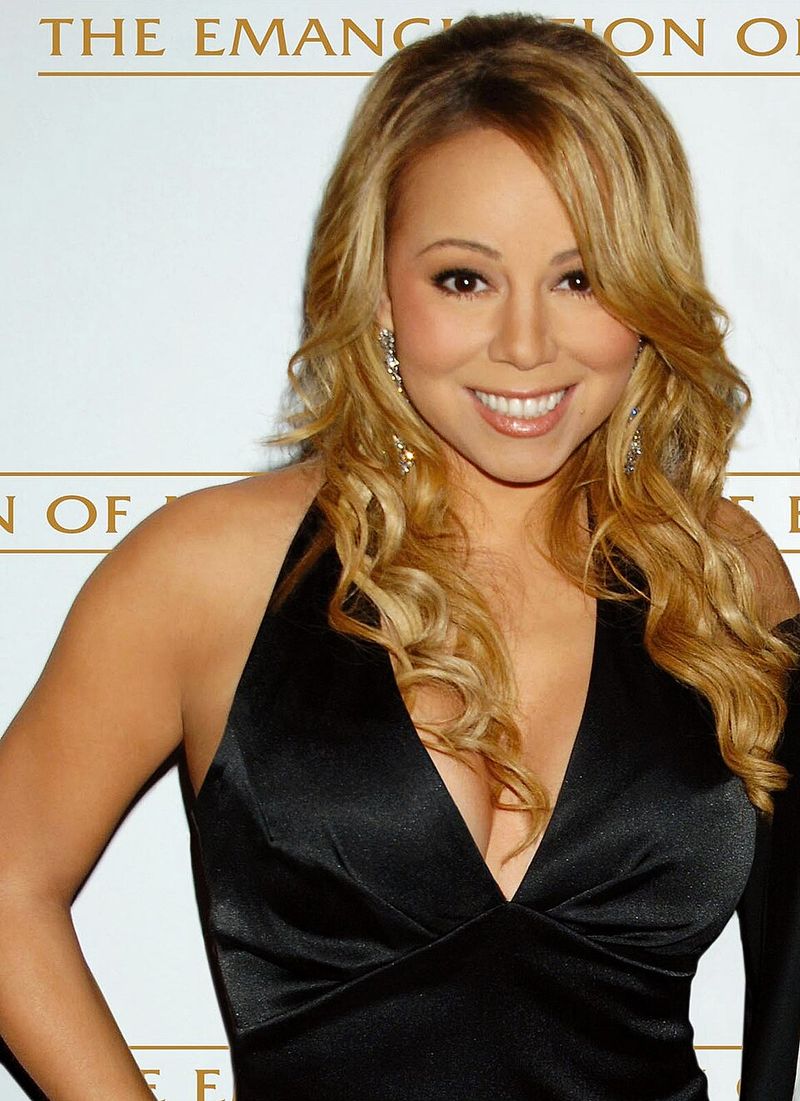
Some singers can hit a high note. Mariah Carey built a reputation on moving through delicate notes, big climaxes, and fast, flexible runs with remarkable ease.
Her talent was not limited to vocal acrobatics. She became an influential songwriter, which gave her a hand in shaping the songs she performed.
During the 1990s she stood among the dominant pop and R&B performers. A string of major hits helped establish the powerhouse-diva style that defined so much of that decade.
If you want to appreciate her technique, listen for how she places a quiet, airy tone right beside a full-power belt. Many younger singers have tried to copy her runs, and listening to them makes it clear how hard that really is.
Her voice remains a reference point for pop vocal skill.
Frank Sinatra
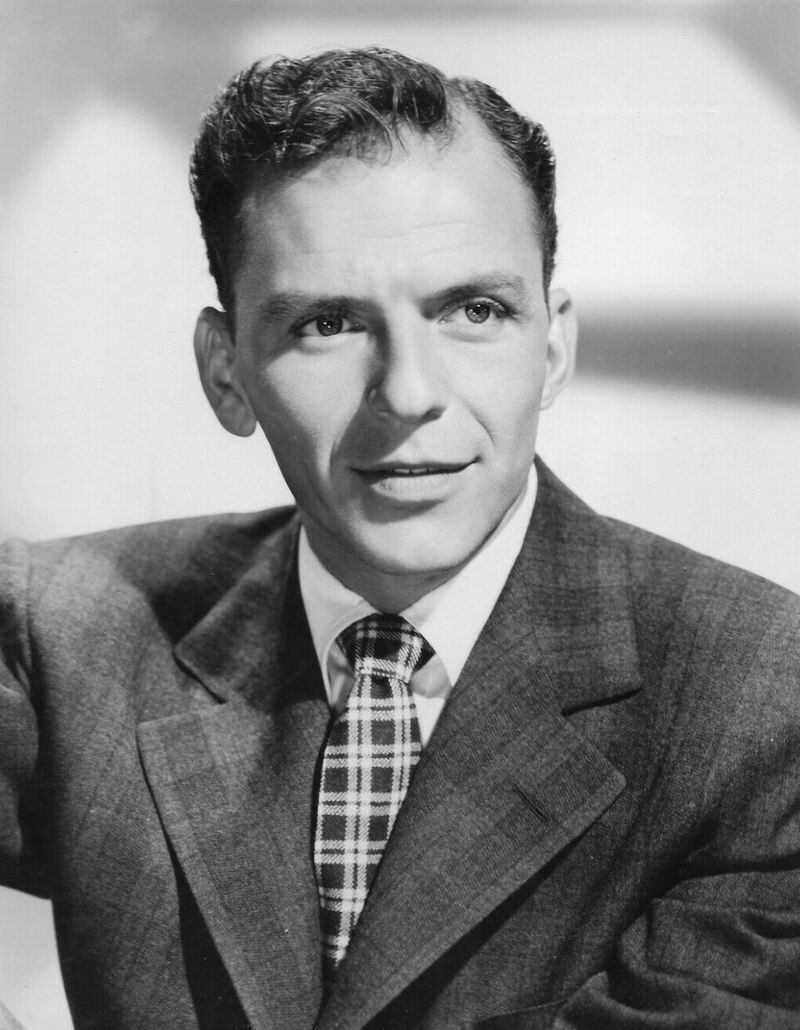
Power was never the point for Frank Sinatra. He held attention by sounding like he was talking to one person in the room.
His conversational phrasing, careful timing, and smooth delivery made recordings feel personal. Whether he sang a romantic standard or a swinging big-band number, each lyric sounded like he meant it.
The music world took notice. His influence was recognized with both a Grammy Lifetime Achievement Award and a Grammy Legend Award.
A good way to hear his craft is to follow where he breathes and where he delays a word. Those tiny choices keep a familiar song from sounding routine.
Listen closely and you will realize that quiet confidence can be as striking as a big finish.
Adele
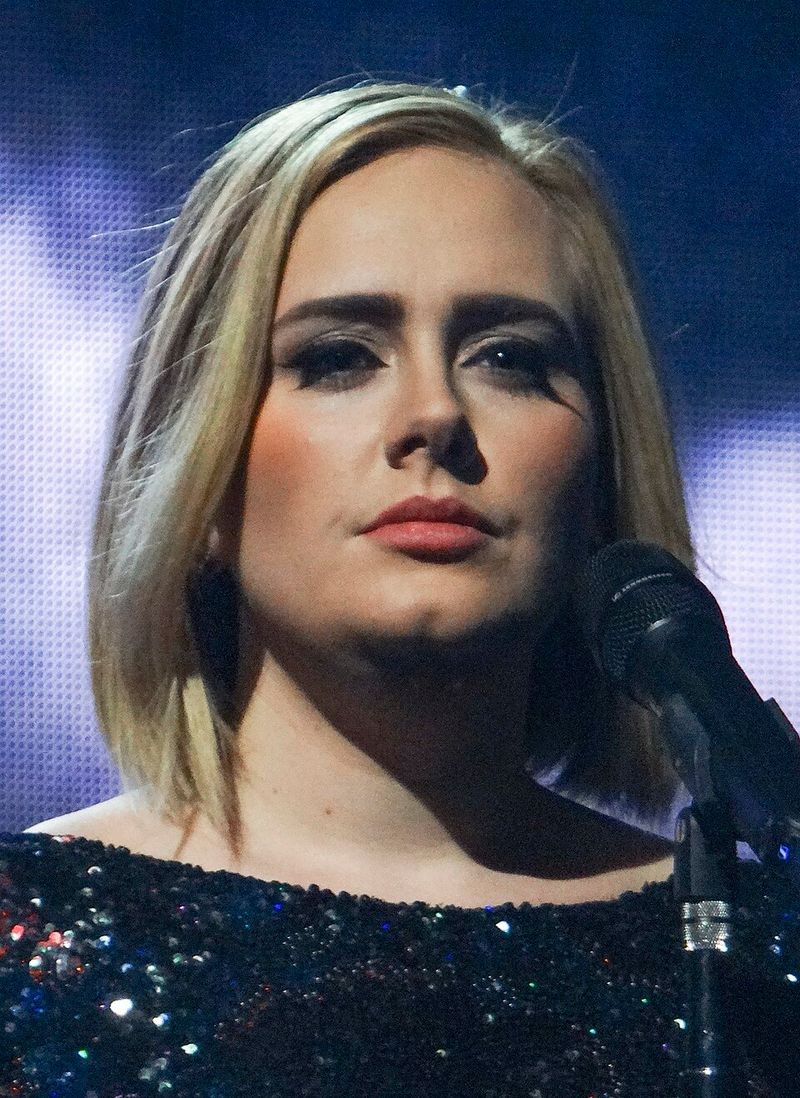
When Adele emerged internationally in the late 2000s, her rich, soulful voice was recognizable almost at once. It sounded older than her years, and listeners noticed.
Her greatest strength may be emotional directness. In songs like “Someone Like You,” “Hello,” and “Easy on Me,” her voice sits front and center, with little to hide behind.
That setup puts every small change in tone and intensity to work. A softer line can feel like a confession, and a louder one can feel like a release.
Many fans point to her ballads as the songs they replay after a rough day. You can hear how she saves her biggest moments for exactly the right spot, which keeps them from feeling forced.
It is a good reminder that restraint can make power land harder.
Céline Dion
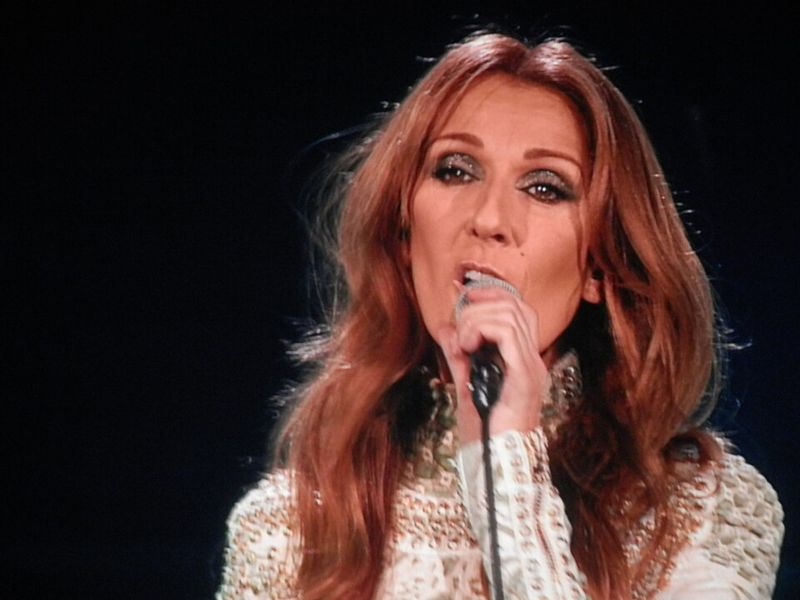
Technical control and enormous power rarely sit together so comfortably. Céline Dion became famous by combining the two in dramatic ballads.
That skill helped turn “The Power of Love” and “My Heart Will Go On” into international hits. Both songs lean on long, sustained phrases and carefully built climaxes.
During the 1990s, she stood alongside Whitney Houston and Mariah Carey as one of the era’s most prominent powerhouse vocalists. Each had a different flavor, and Dion’s was a clean, focused tone that carried into the biggest halls.
When you play her recordings, notice how she builds toward a final chorus. She starts measured, then adds weight a little at a time.
That patience is part of why her ballads feel so complete from the first line to the last.
Luther Vandross
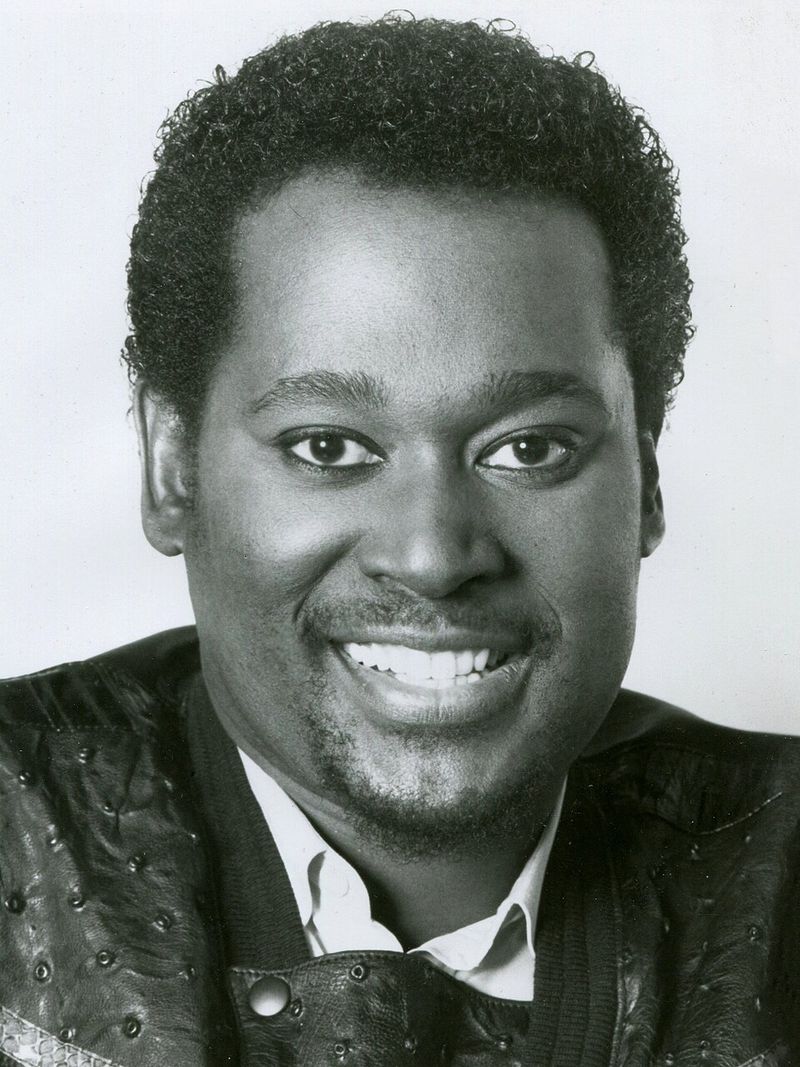
Smooth is the word most often tied to Luther Vandross, and it fits. His warm tone and controlled phrasing made him one of R&B’s most recognizable voices.
Romantic ballads suited him best. In those songs even tiny vocal details, like a soft slide into a note, could carry real emotion.
His 1981 album “Never Too Much” was inducted into the Grammy Hall of Fame in 2025, reflecting the lasting significance of his work.
If you are new to his music, start with that album and listen for how relaxed he sounds, even on the hardest passages. That ease is a skill in itself.
Singers who aim for a gentle, polished delivery often point to his recordings as a model for how to shape a love song.
Stevie Wonder
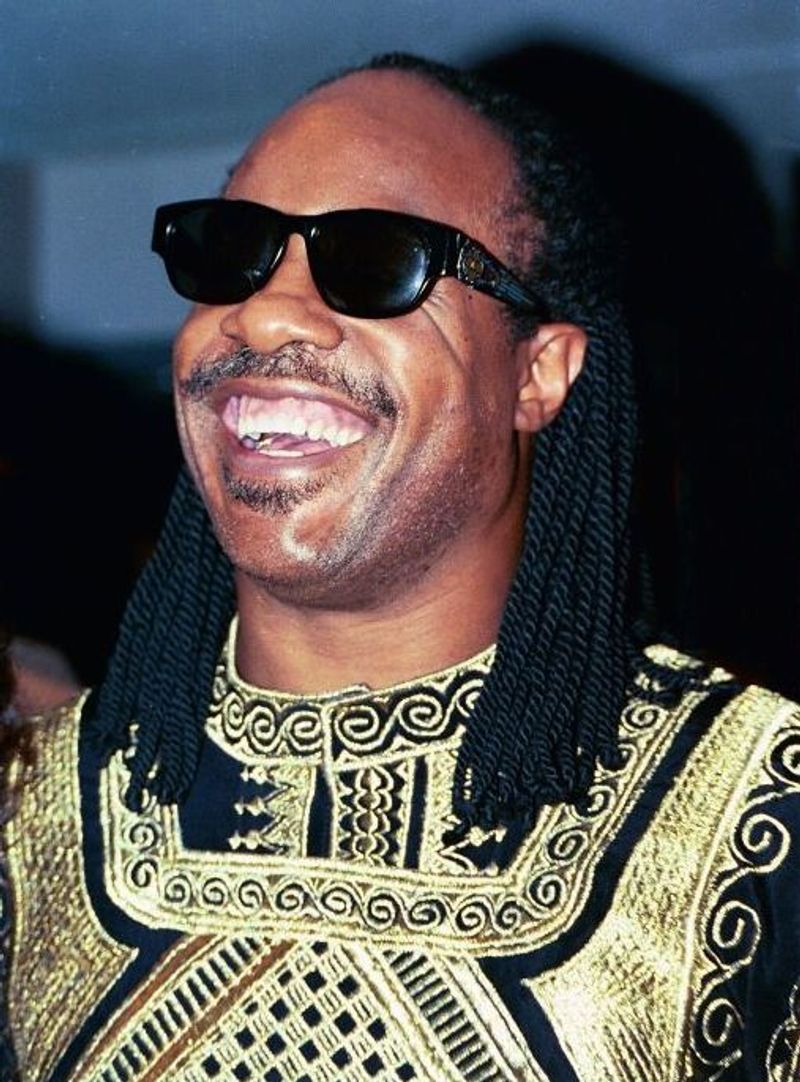
Recognizing the voice is easy. Understanding how much more Stevie Wonder brings to music takes a little longer.
He is a singer, songwriter, instrumentalist, and producer. His recordings mixed R&B with pop, funk, jazz, and other influences, and helped reshape popular soul music.
His vocals could sound joyful, intimate, urgent, or reflective depending on the song. One track might make you want to dance, while the next asks you to sit quietly and listen.
His influence also earned him a Kennedy Center Honor, which recognizes lasting contributions to American culture.
For a fun experiment, pick two of his songs from different moods and compare how his tone changes. The voice stays familiar, yet the feeling shifts completely.
That range is a big part of his lasting appeal.
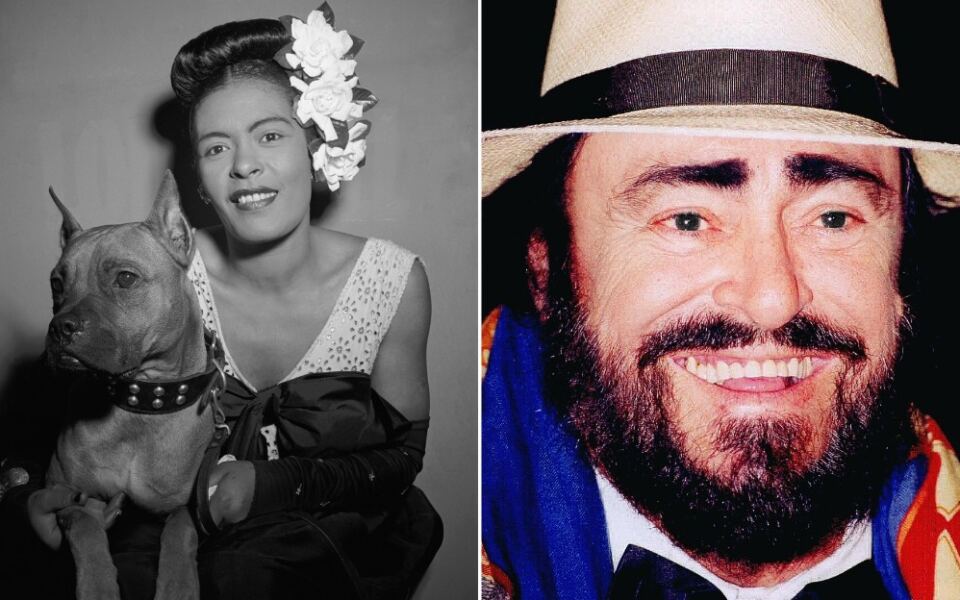
Luciano Pavarotti
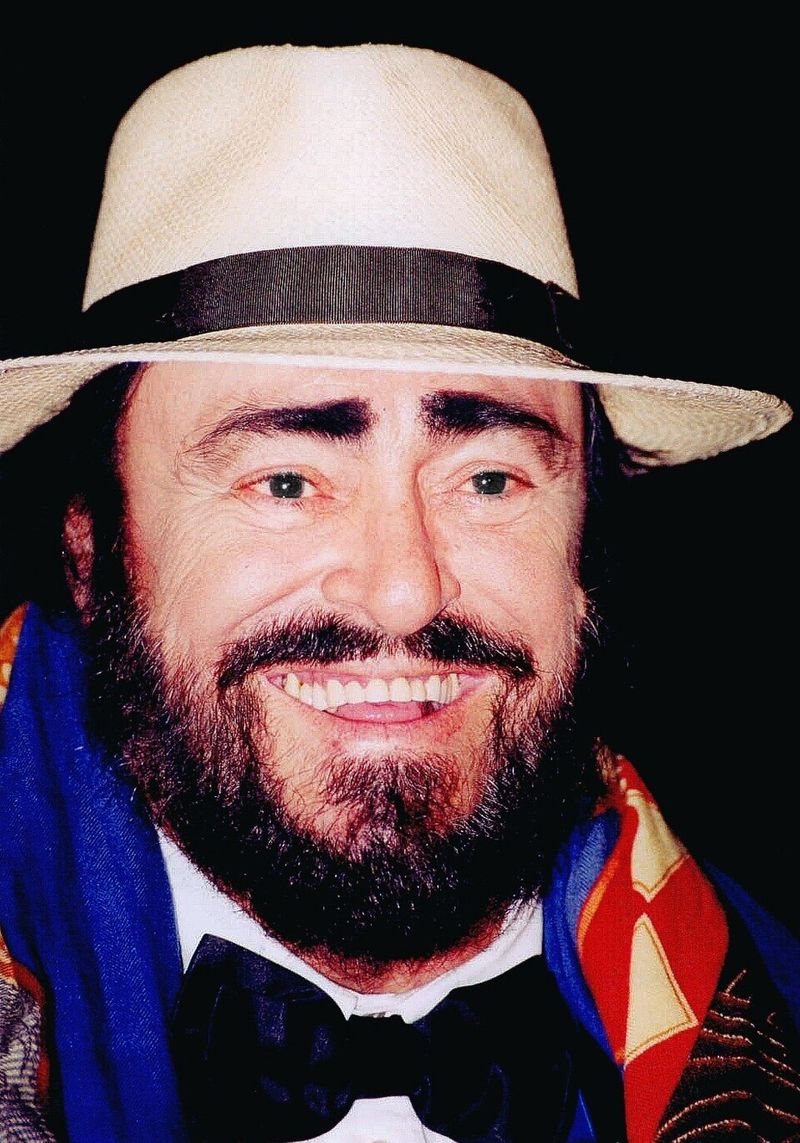
Opera crowds filled concert halls to hear him, and later so did stadium crowds. Luciano Pavarotti brought one of opera’s most recognizable tenor voices to audiences far beyond traditional opera houses.
His brilliant tone, power, and commanding high notes helped make him an international celebrity. A single sustained note could silence a room.
Performances of famous arias introduced countless listeners to opera who might otherwise never have explored classical vocal music. For many people, his voice was the doorway.
Pavarotti received the Grammy Legend Award in 1998.
If opera feels intimidating, a well-known aria sung by him is a friendly place to begin. You do not need to follow the story word by word.
The sound itself does most of the talking.
Billie Holiday
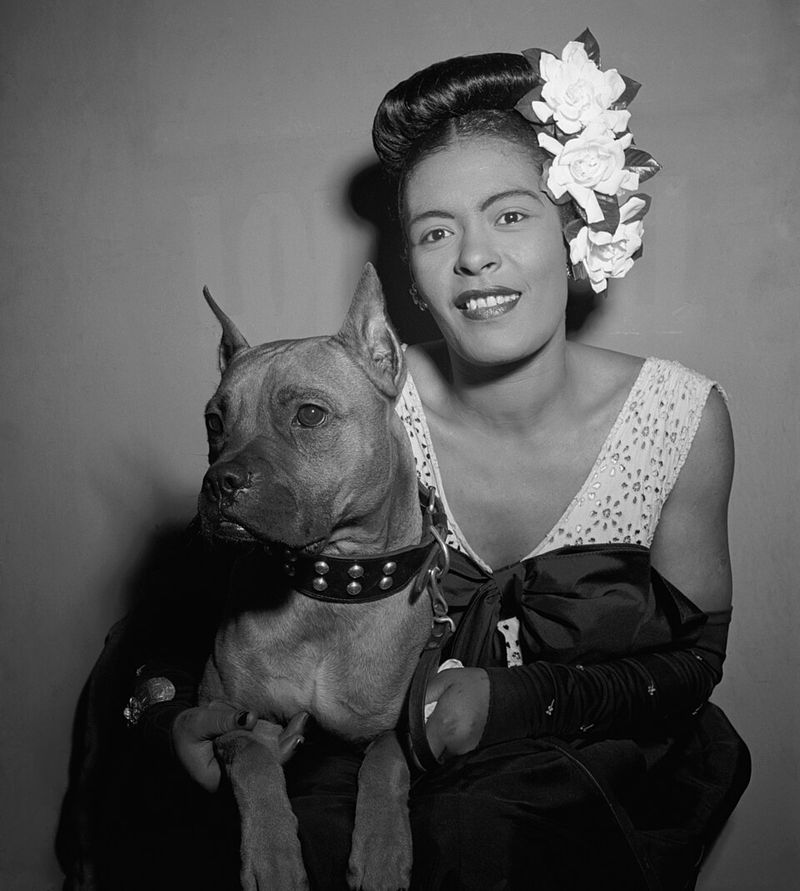
A great singer does not need a giant voice, and Billie Holiday proved it. Her power came from how she shaped each line.
Her distinctive phrasing and her habit of bending melodies gave performances an intimate, conversational quality. She often seemed to live inside the emotional world of a song rather than simply sing its notes.
That deeply personal approach helped make her one of the most influential jazz vocalists of the 20th century.
Try listening for how she lands slightly behind the beat, as if she is thinking about each word before saying it. That small delay gives her recordings a feeling of honesty.
Modern singers in jazz, soul, and pop still borrow from that relaxed, storytelling style.
Bob Dylan
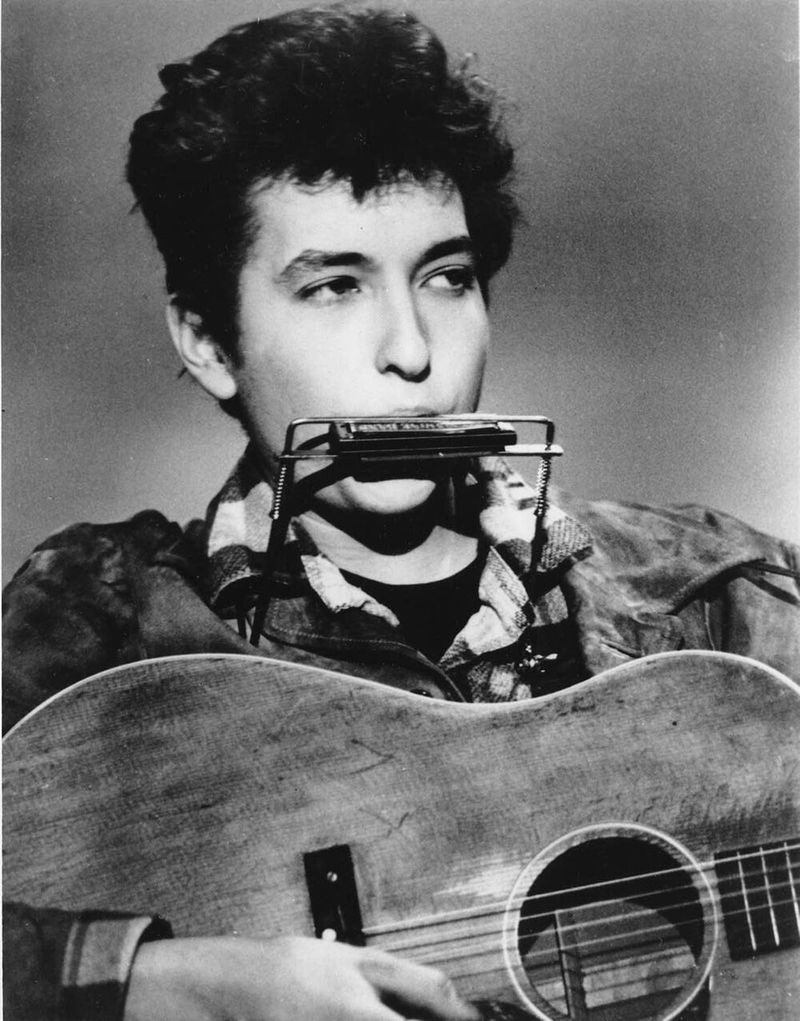
Nobody would call his voice conventional, and that is exactly why people can pick it out so quickly. Bob Dylan’s nasal tone and highly individual phrasing became inseparable from his songs.
Those songs are built around storytelling, social commentary, and poetic lyrics. Rather than relying on technical polish, Dylan uses his voice as part of the narrative itself.
The effect is a bit like hearing a story told by someone who has been there. The rough edges add character.
His influence on popular songwriting and music has been enormous, earning him honors that include a Grammy Lifetime Achievement Award.
If you want proof that a voice can be memorable without being pretty, press play on any of his early folk recordings. You will remember it long after the song ends.
Nina Simone
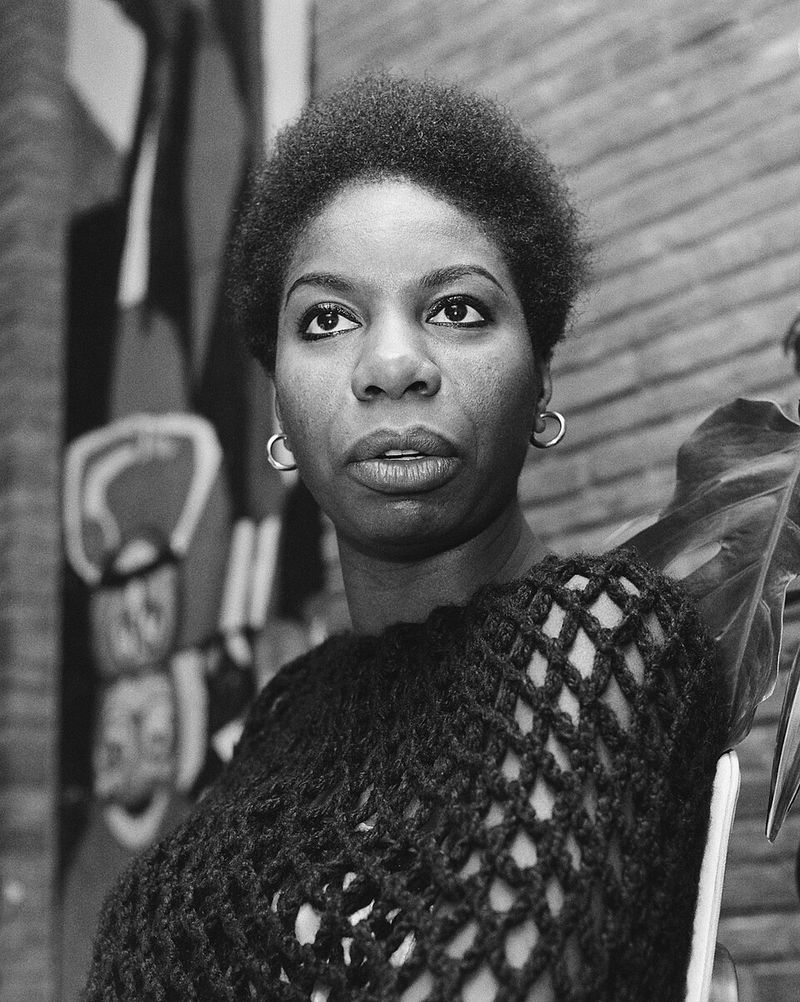
Deep and commanding, her voice could feel intimate in one measure and intensely powerful in the next. Nina Simone used that contrast again and again.
Classical training shaped her musicianship, while her recordings moved through jazz, blues, folk, soul, and other styles. Songs such as “I Put a Spell on You” and “Feeling Good” show how distinctive her delivery could be.
Her recording of “I Loves You, Porgy” entered the Grammy Hall of Fame, and she later received a Grammy Lifetime Achievement Award.
Because she was also a gifted pianist, her voice and piano often move together like two voices in a conversation. Listen for the moments when the piano grows quiet and her voice fills the space.
It is a powerful lesson in how pauses can matter as much as notes.
Janis Joplin
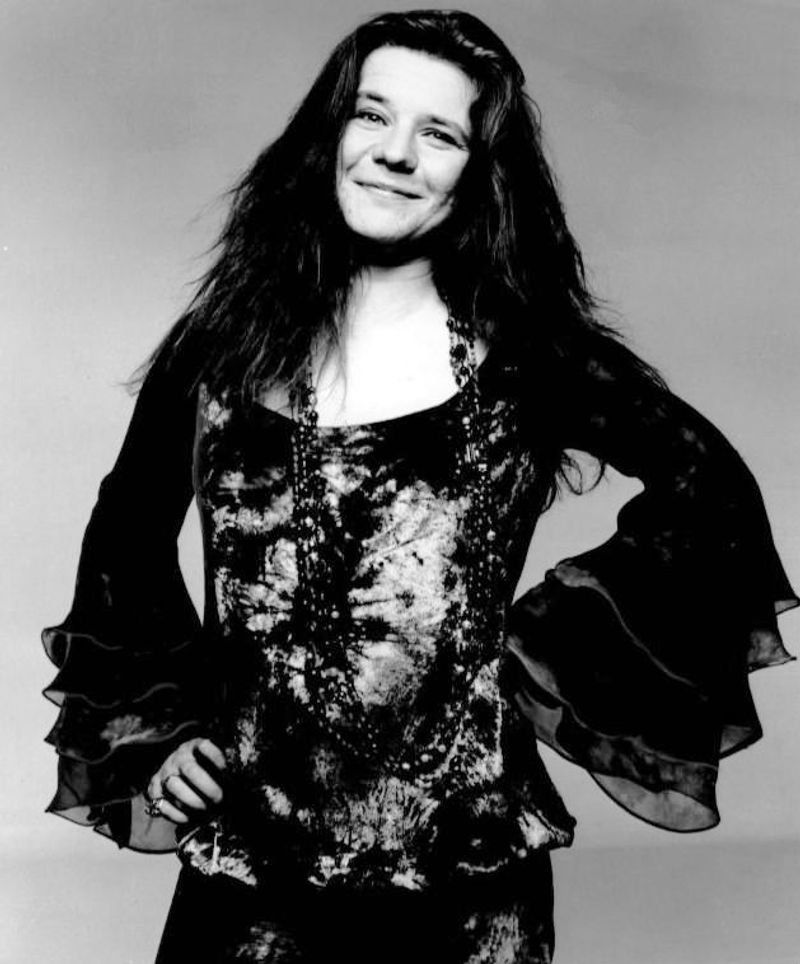
Raspy and explosive, her voice sounded unlike almost anyone else in late-1960s rock. Janis Joplin rarely held anything back.
She pushed blues-influenced vocals toward emotional extremes. Songs such as “Piece of My Heart” and “Cry Baby” show the raw intensity that became her trademark.
A quick listen reveals how she shifts from a low growl to a piercing shout in a heartbeat. It can sound as if the song is almost too big for her, yet she stays in control of it.
Her career was tragically short, but her sound remains one of rock music’s most recognizable.
If you enjoy singers who leave everything on the stage, her recordings are a good place to start. Many rock and blues vocalists since then have chased that same fearless energy.
Ella Fitzgerald
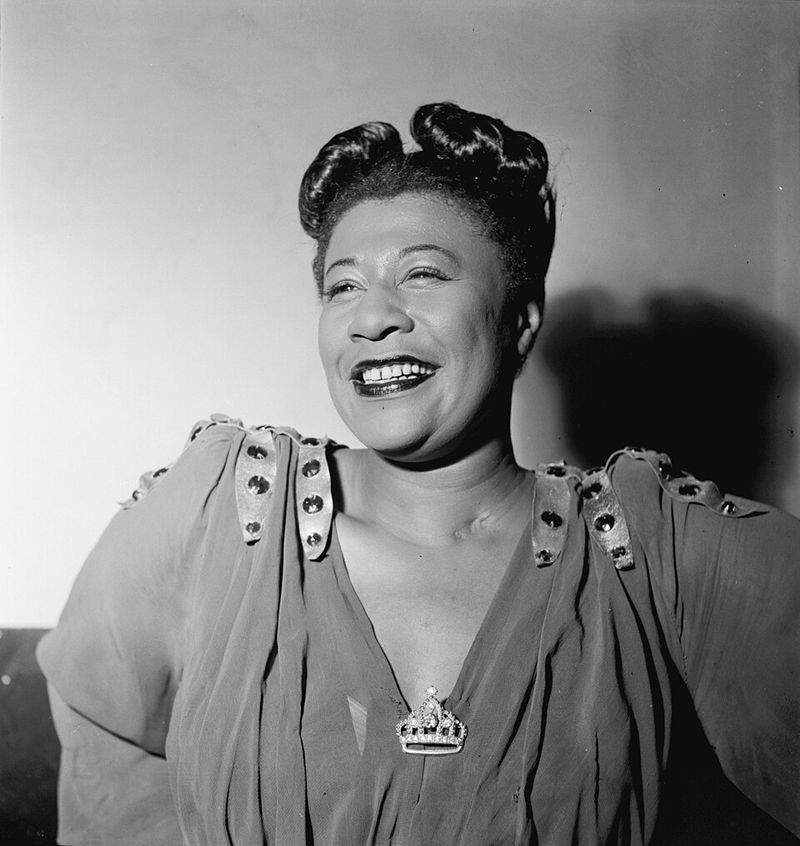
Called the First Lady of Song, Ella Fitzgerald combined a beautiful tone with extraordinary technical ability.
She was especially celebrated for scat singing, which is vocal improvisation using sounds instead of words. Her voice could move through complicated melodies with seemingly effortless precision.
Her recordings “A-Tisket, A-Tasket” and “How High the Moon” are among those recognized by the Grammy Hall of Fame. She also received the Recording Academy’s Lifetime Achievement Award in 1967.
The two songs show different sides of her talent. One is playful and bright, the other is a playground for improvisation.
If scat singing sounds hard to follow, listen to how she treats her voice like a horn in a band. Each note is clear, quick, and exactly where it belongs.
Prince
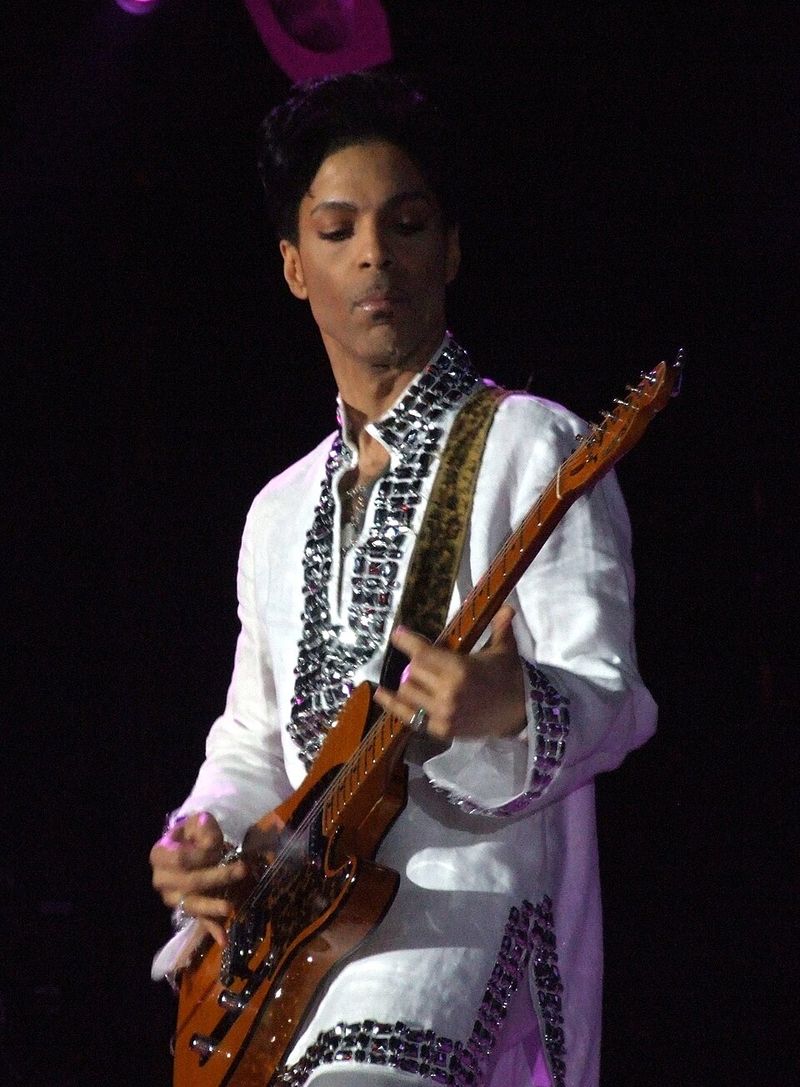
A whisper, a piercing falsetto, and an explosive rock cry can all appear in one Prince song. He moved between them within minutes.
That flexibility suited an artist who rarely stayed inside a single genre. Prince blended funk, pop, rock, R&B, and electronic influences while keeping a musical identity that was unmistakably his own.
His voice was only one part of the picture. His career was also defined by songwriting, musicianship, production, and bold stage performances.
To hear the range, play a slow song and a fast funk track from his catalog back to back. You will notice how he changes his tone to fit each mood, yet the personality stays the same.
It is a good example of how versatility can still sound like one person.
Etta James
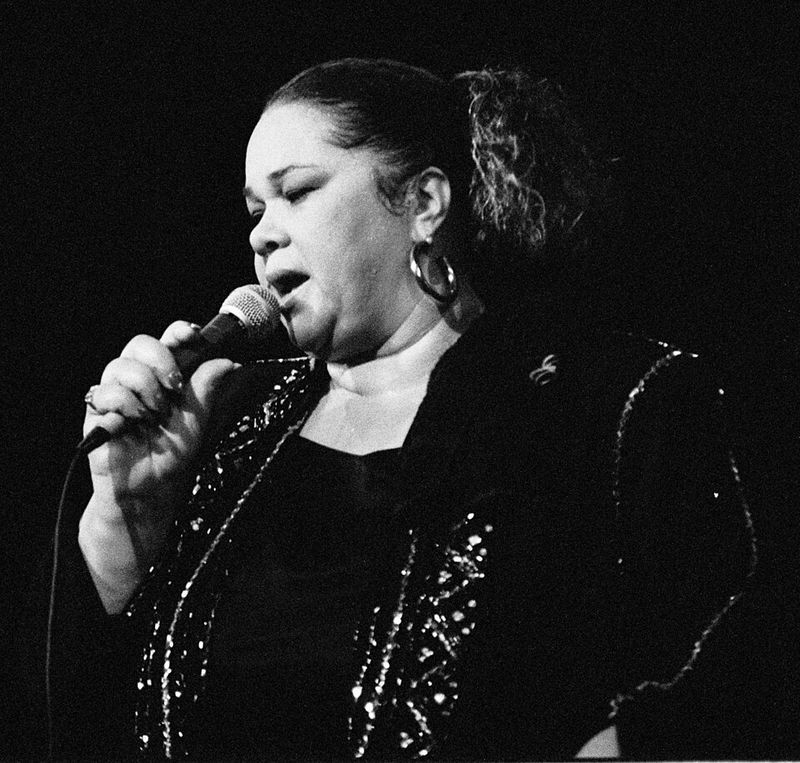
Blues grit and soul intensity met in the voice of Etta James, one of American music’s most distinctive.
Her performances could sound vulnerable, seductive, joyful, or heartbroken. She could shift among those moods in a single verse.
“At Last” became her signature recording and was inducted into the Grammy Hall of Fame in 1999. Its sweeping strings are lovely, but her voice is what makes the song linger.
Her influence can still be heard in generations of singers who combine soul, blues, and R&B traditions.
When you listen, pay attention to the little rough edges in her tone. They are not flaws.
They are the reason the song feels lived in, and they remind us that emotion often matters more than perfection.
David Bowie
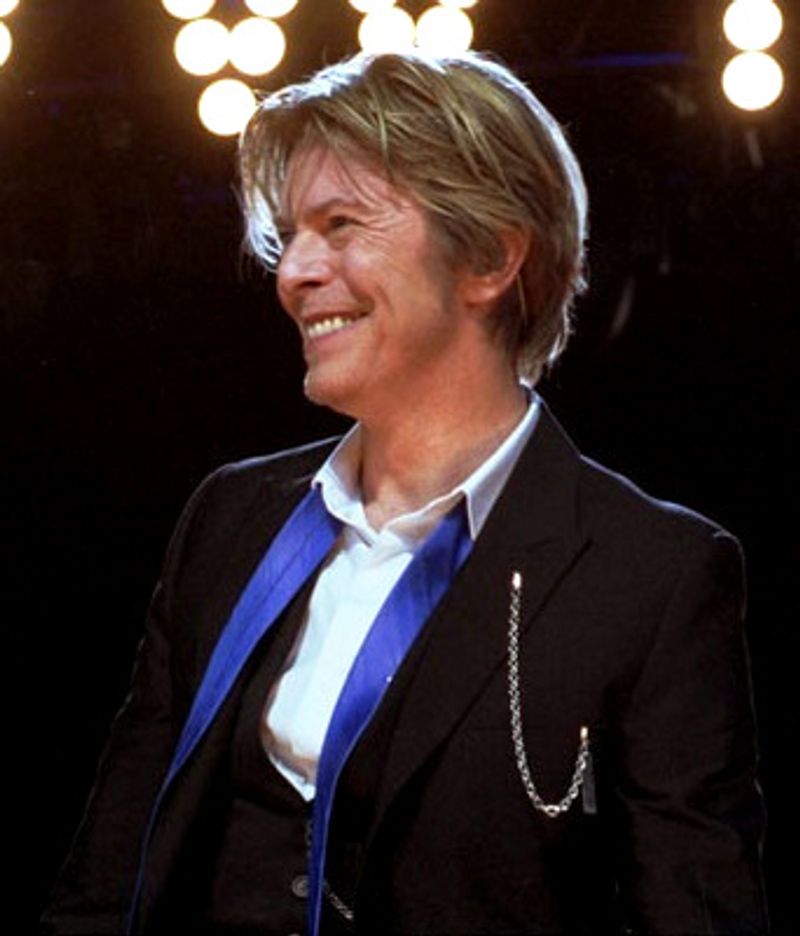
Costumes changed, styles changed, and characters came and went. The voice of David Bowie stayed unmistakable through all of it.
His distinctive tone worked across glam rock, experimental music, pop, soul, and electronic styles. He constantly reinvented his appearance and sound, yet his vocal personality remained immediately identifiable.
Songs such as “Space Oddity,” “Heroes,” and “Life on Mars?” show how effectively he could use his voice as part of a larger theatrical vision. Each one feels like a small movie.
For a quick tour, play those three songs in order. The mood moves from lonely to defiant to dreamy, and yet the singer is always clearly Bowie.
That steady identity inside constant change is a big reason his music keeps finding new listeners.
Beyoncé
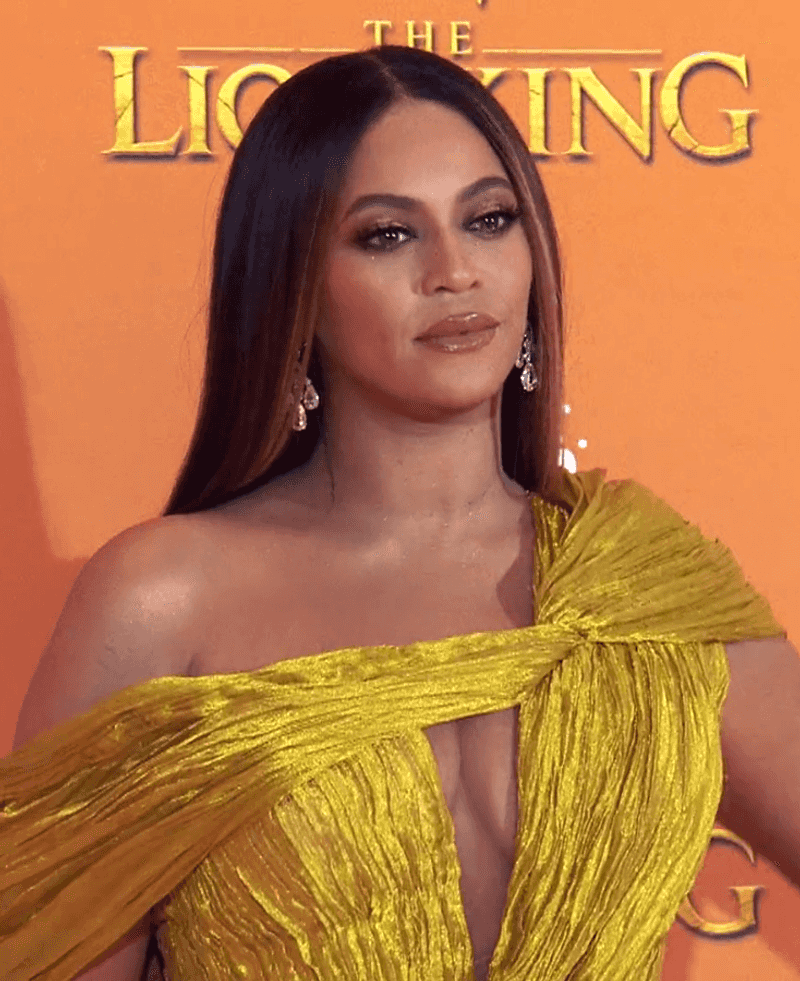
Power and control do not always arrive together, but Beyoncé brings both. Versatility sits right alongside them.
She can move from delicate R&B passages to rapid rhythmic phrasing, melismatic runs, and explosive live vocals. Her music has crossed pop, R&B, hip-hop, dance, country, and other styles while keeping her voice at the center.
Singing while dancing is a challenge in itself, and her live shows put that skill on display. Breath control matters a great deal in those moments.
Decades into her career, Beyoncé remains one of contemporary music’s most recognizable vocalists.
If you want to hear her range, compare a quiet ballad with an up-tempo dance track. The shift in style is large, but the voice is easy to identify in both.
Share this story