Many well-known films began as real stories in print. Some came from newspaper coverage, while others grew out of magazine articles or books built on press reports.
Looking at these sources shows how real events become movies we know today. Here are twelve films and the stories behind them.
1. The Texas Chain Saw Massacre (1974)
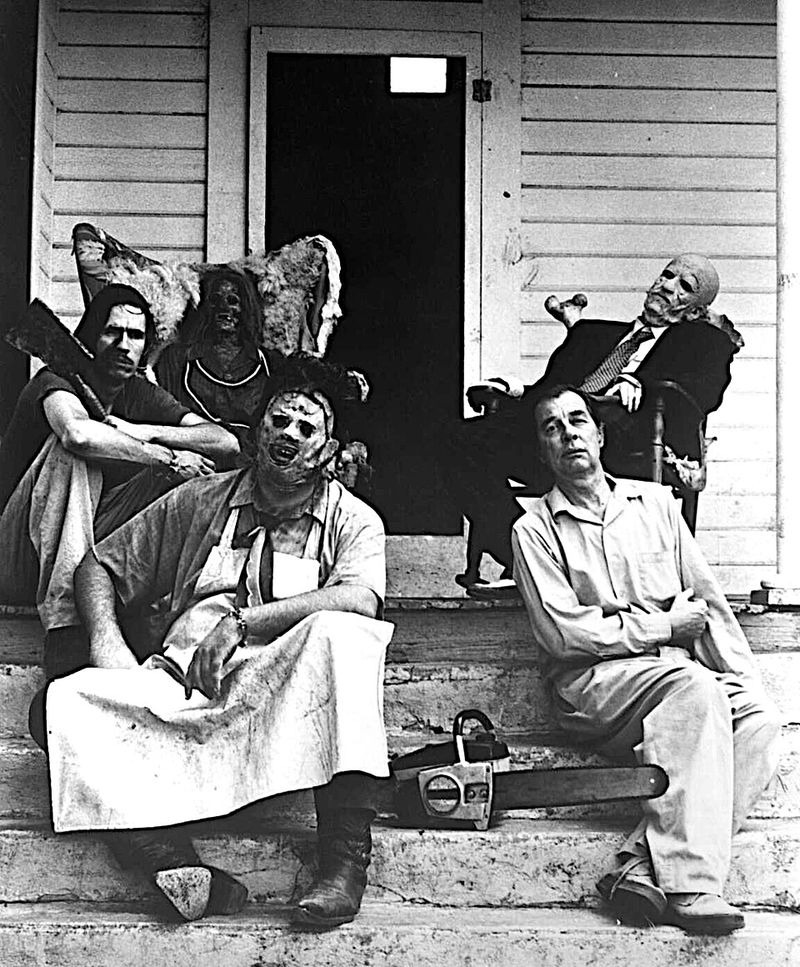
A quiet Wisconsin farm in the 1950s became the hidden backdrop for crimes that stunned the nation. Ed Gein’s case filled newspaper pages and left readers shaken.
Filmmakers later drew on that coverage when they created their horror story. The plot and the characters are mostly made up, though.
Gein’s crimes gave them a loose spark rather than a script. Leatherface, the family and the road trip were all fiction.
Here is a useful lesson in how stories grow. A real event can plant a seed, and writers then invent the rest.
Viewers should remember that the film is not a true record of any case, even if headlines helped shape its mood and fear.
2. Dog Day Afternoon (1975)
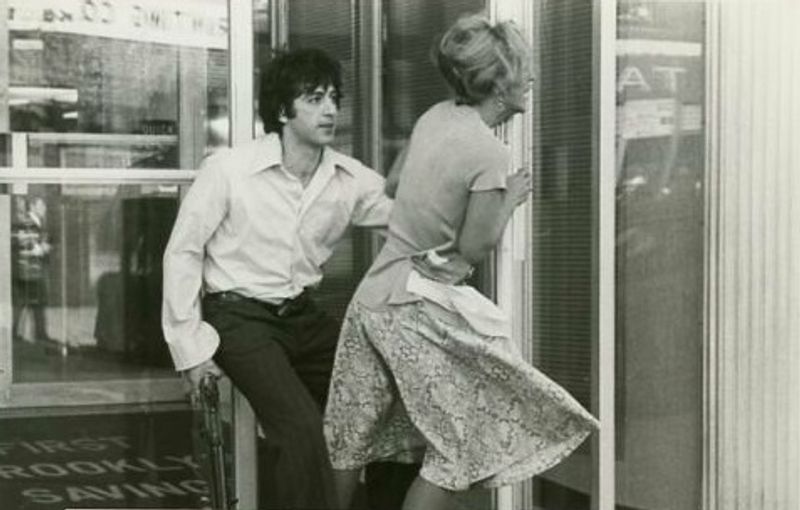
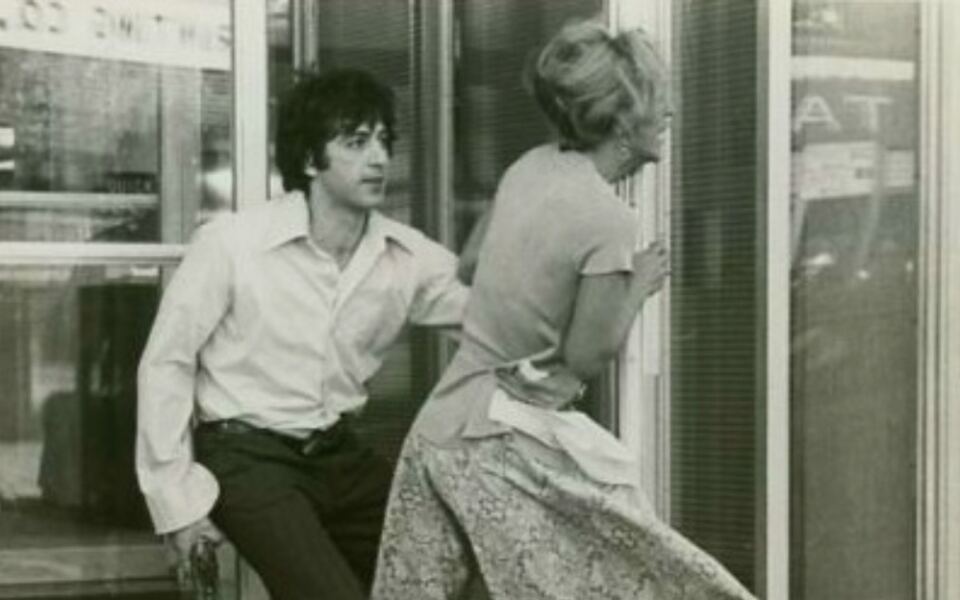
A bank robbery that was supposed to take minutes turned into a long public standoff. Crowds gathered outside, and the story felt like street theater.
The film comes from a 1972 Life magazine article called The Boys in the Bank, by P. F.
Kluge and Thomas Moore. It told of a Brooklyn robbery involving John Wojtowicz.
Strictly speaking, that source is a magazine rather than a newspaper. Still, it grew out of the same wave of news attention.
Al Pacino played the lead role, and the movie won praise for its mix of tension and humor. It shows how a real crime can reveal very human motives, not only a plan gone wrong.
3. Zodiac (2007)

Letters, codes and a killer who never gave his name kept San Francisco on edge. Newspapers printed the Zodiac’s messages, and readers tried to crack the cryptograms themselves.
The film is based mainly on books by Robert Graysmith, a cartoonist at the San Francisco Chronicle during the case. He spent years collecting clues and writing about them.
Director David Fincher focused on the long search instead of a neat ending. The case has never been officially solved.
That slow, patient approach gives the movie its power. It shows reporters and detectives chasing facts, often with more questions than answers.
4. Spotlight (2015)

Few films show daily newsroom work as well as this one. A small team at The Boston Globe spent months digging through records, court files and interviews.
Their reporting exposed sexual abuse by Catholic priests and showed how church leaders had hidden it. The film draws on that coverage and later accounts.
Much of the drama comes from quiet scenes, such as phone calls and knocks on doors. Patience is the real hero here.
The movie won the Academy Award for Best Picture. It also reminds viewers why careful reporting matters, especially when powerful groups prefer silence.
5. The Killing Fields (1984)
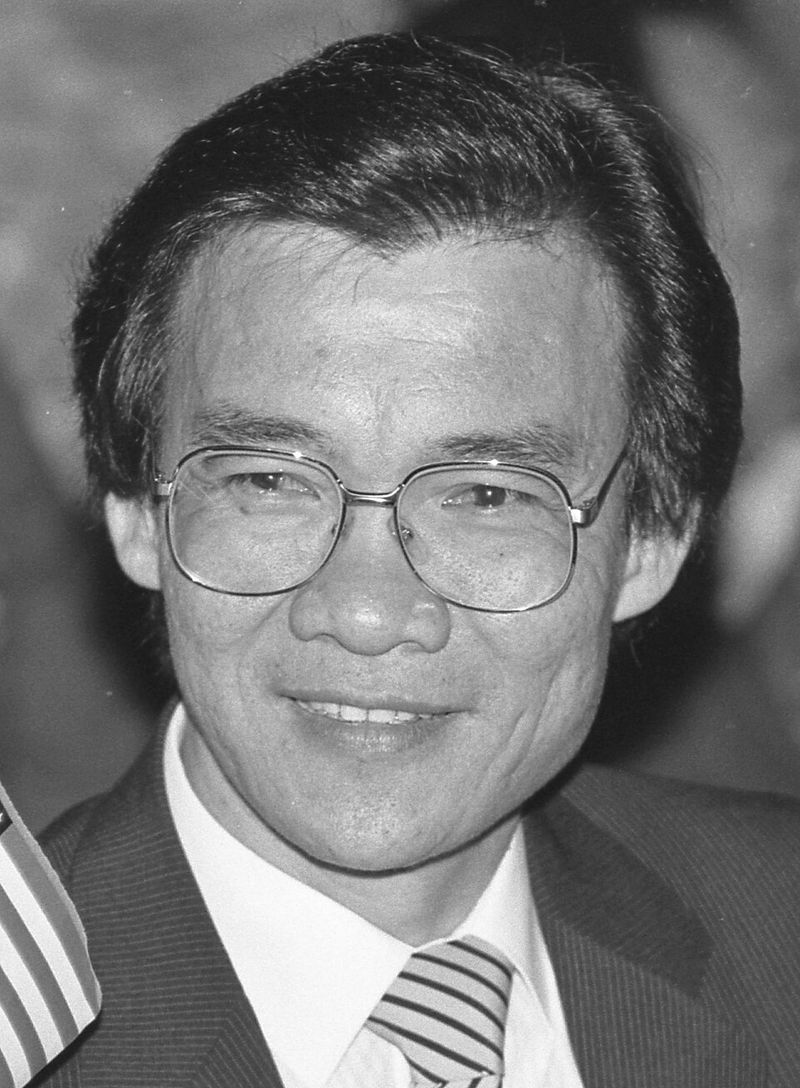
Friendship under extreme danger sits at the center of this film. It follows a reporter and his Cambodian colleague during the rise of the Khmer Rouge.
The story comes from Sydney Schanberg’s article The Death and Life of Dith Pran, published in The New York Times Magazine. Schanberg described how Pran stayed behind and survived years of brutality.
Dith Pran later escaped Cambodia and became a photographer for the Times.
The movie won three Academy Awards. It helped many viewers learn about the Cambodian genocide and the risks faced by local journalists who work beside foreign reporters.
6. The Bling Ring (2013)

Designer shoes, fancy bags and open closets tempted a group of Los Angeles teenagers. They broke into celebrity homes and took items worth millions.
Director Sofia Coppola based the film on Nancy Jo Sales’s 2010 Vanity Fair article, The Suspects Wore Louboutins. Sales had interviewed people close to the case.
Social media played a big role in the story. The teens posted about their loot, which helped police track them.
The film offers a cool, detached look at fame culture. It leaves viewers thinking about how online attention can push young people toward poor choices.
7. Argo (2012)
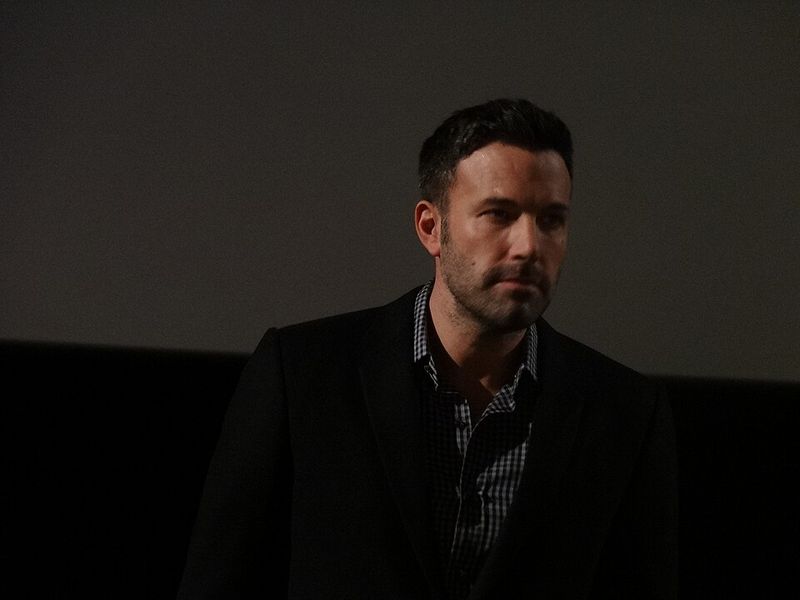
Imagine rescuing hostages by pretending to make a movie. That was the plan used in 1980 to bring six Americans out of Iran.
The film draws partly on Joshuah Bearman’s 2007 Wired article about the CIA operation. The mission stayed secret for years before it became public.
Ben Affleck directed and starred as agent Tony Mendez. Some scenes, including the airport chase, were added for suspense.
Argo won the Academy Award for Best Picture. It is a good example of a true story that filmmakers shaped to fit the big screen.
8. American Gangster (2007)
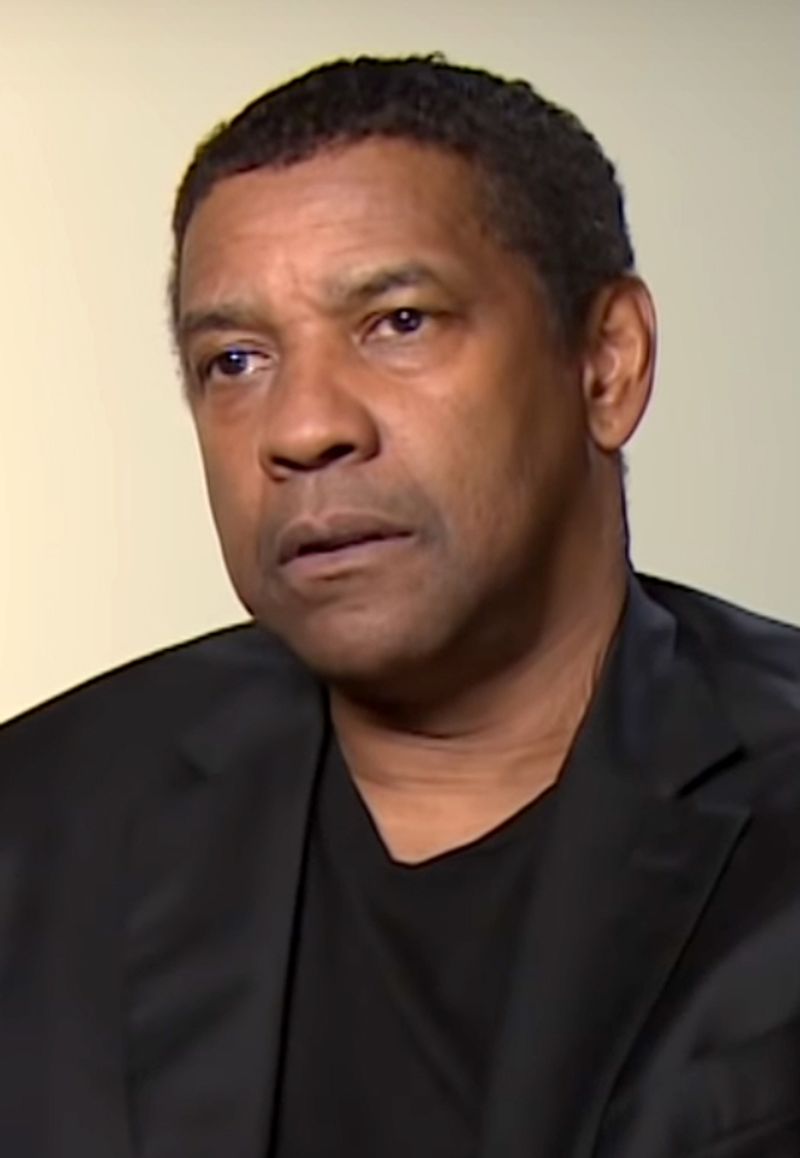
Quiet power can be more striking than loud threats. Frank Lucas, a Harlem drug trafficker, built a huge operation in the 1970s while keeping a low profile.
The movie grew from Mark Jacobson’s New York magazine article, The Return of Superfly. It looked at Lucas and his rise and fall.
Denzel Washington played Lucas, with Russell Crowe as a detective on his trail.
Some details in the film were later disputed by people involved. Viewers should treat it as a drama inspired by real events, not as a complete history.
9. Pain & Gain (2013)

Big muscles and bigger ambitions led a Miami gym crew into serious crime. In the mid-1990s, the Sun Gym gang kidnapped, extorted and killed.
The film is based on investigative reporting by Pete Collins in the Miami New Times. His series detailed the plot and the harm it caused across South Florida.
Director Michael Bay played the story with dark humor. That tone surprised some viewers, since the real victims suffered greatly.
The case shows how a get-rich-quick idea can spiral. It also shows the value of local reporters who follow stories others miss.
10. Hustlers (2019)

After the 2008 financial crisis, money dried up for many workers, including dancers at New York clubs. Some of them turned to a risky scheme.
The film comes from Jessica Pressler’s 2015 New York magazine article, The Hustlers at Scores. It told how a group drugged wealthy clients and charged their cards.
Jennifer Lopez and Constance Wu starred in the movie. The story focuses on friendship, money pressure and bad decisions.
Remember that the crimes harmed real people. The film invites discussion about both survival and responsibility.
11. The Fast and the Furious (2001)
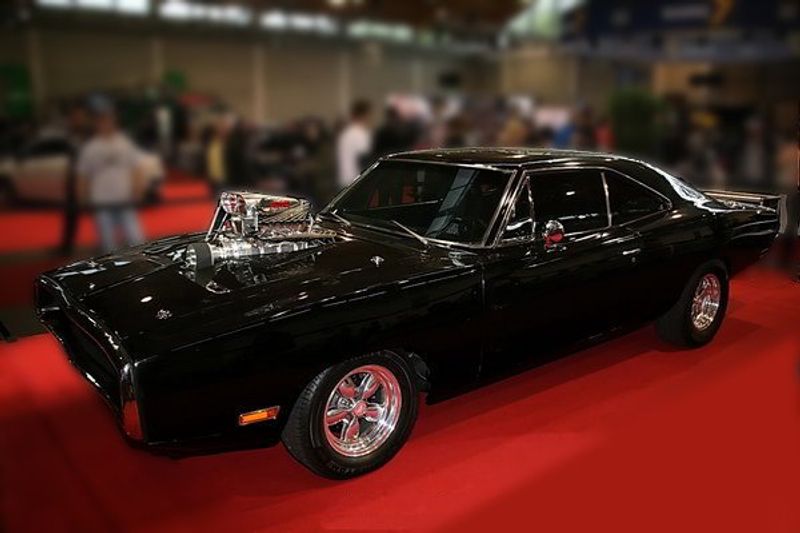
Long before the movie franchise, a magazine story looked at street racers in New York. Engines roared after dark, and drivers raced for pride and cash.
Kenneth Li wrote Racer X for Vibe magazine in 1998. It helped inspire the first film in the series, along with other ideas from the creators.
The movie turned the scene into a story about loyalty, cars and an undercover cop.
Today the series spans many sequels. It all started with a small look at a hidden car culture.
12. Top Gun (1986)

Jet engines, sunglasses and a need for speed shaped a whole decade of pop culture. The film grew from a 1983 article called Top Guns by Ehud Yonay, published in California magazine.
Yonay described the U.S. Navy’s elite fighter-pilot school in San Diego.
His writing gave filmmakers a view of real training and rivalry.
Tom Cruise starred as Maverick. The movie boosted interest in Navy aviation and became one of the biggest hits of 1986.
A sequel followed decades later, proving that a single article can launch a very long story.
Share this story