Picking your next trip can feel like spinning a globe and hoping for the best. National Geographic makes it easier with its yearly Best of the World list, built from the picks of travel writers, photographers, and explorers.
The destinations are not ranked, but each one has a special reason to visit in 2027, from big anniversaries to brand new parks. Here are 15 of those picks, from Norway’s fjords to a wild corner of Patagonia.
Vestland, Norway
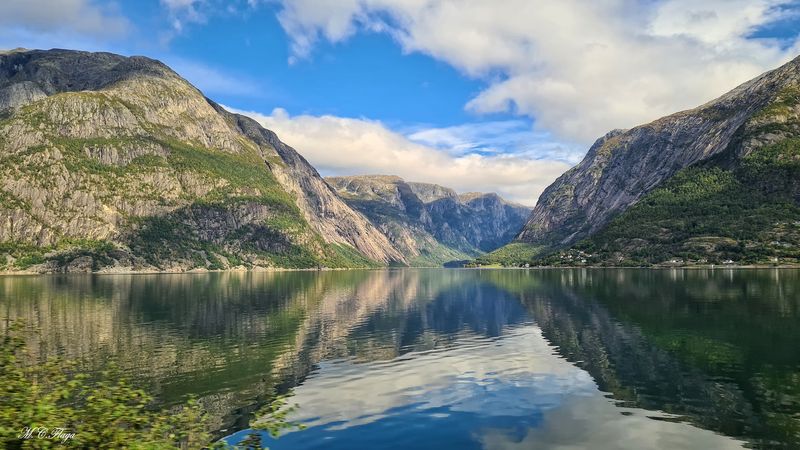
Picture a mountain wall dropping straight into water so still it looks like glass. That is Vestland, the part of Norway where fjords, waterfalls, and glaciers all share one neighborhood.
Nærøyfjord and Hardangerfjord are the big names, and both deliver scenery that makes phones run out of storage.
Hikers will want to tackle Trolltunga, the famous rock ledge that juts out high above a lake. The glaciers of Folgefonna and Jostedalsbreen offer icy adventures for people who prefer cold air over crowds.
National Geographic also praised the region for greener ways to travel, such as electric ferries.
Bergen makes a cozy base. Its old wharf district, Bryggen, is a UNESCO site full of leaning wooden buildings, and the local food scene keeps getting better.
In 2027, the renovated Hanseatic Museum is expected to reopen, so history fans get a bonus stop.
Pack a rain jacket, because Bergen is known for wet weather. Locals shrug it off, and you can too.
Plan several days to roam the fjords instead of rushing through in a single afternoon.
Luxor, Egypt
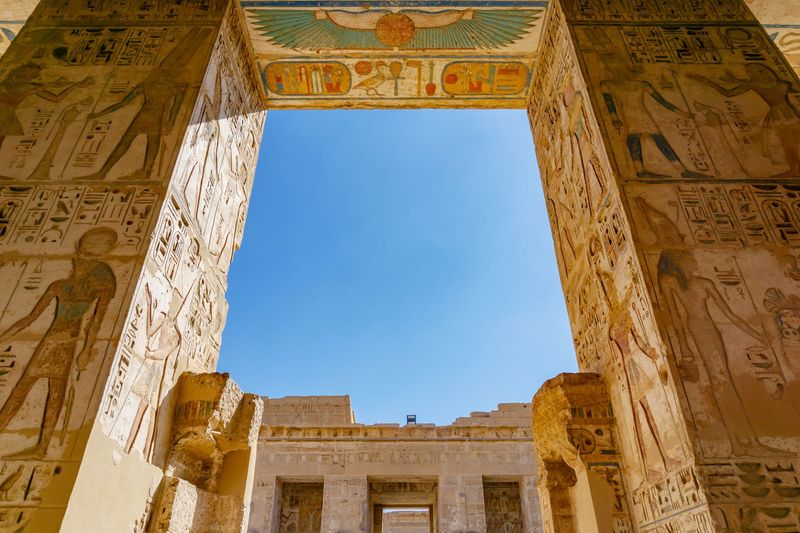
Mark the date: August 2, 2027. On that day, the sky over Luxor will go dark in a total solar eclipse, with more than six minutes of totality.
Few places on Earth can pair a cosmic show with temples that are thousands of years old.
Karnak and Luxor Temple are the must-see stops, with giant columns carved in great detail. Across the Nile, the Valley of the Kings holds the tombs of pharaohs, painted in colors that still look bold.
Try to arrive early in the day, before the heat settles in.
The river itself is part of the fun. A sunset sail on a felucca, the traditional wooden boat, is a calm way to wrap up a busy day of sightseeing.
Big changes are coming too. The historic Winter Palace is set to reopen as a Mandarin Oriental hotel, and Egypt plans a luxury sleeper train linking Cairo, Luxor, and Aswan.
Book early, since eclipse chasers will fill rooms fast.
Penang, Malaysia
Ask a local where to eat in Penang and prepare for a friendly argument. Food is practically a sport here, and street stalls serve noodles, curries, and sweet treats at all hours.
Come hungry, and come back hungry.
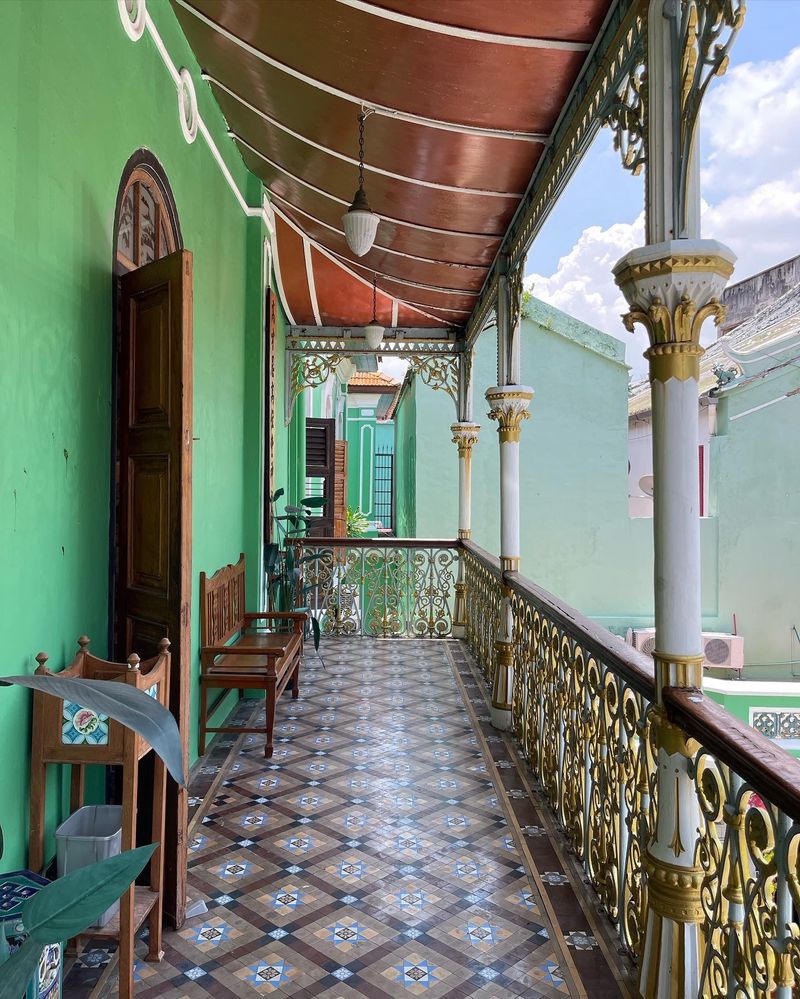
George Town, the island’s main city, is a UNESCO World Heritage site. Its streets mix temples, mosques, and old shophouses, showing the Malay, Chinese, Indian, and European roots that shaped the place.
Walking is the best way to spot the clever street art on the walls.
When the city heat gets to be too much, head up Penang Hill. Rainforest trails and wide views wait at the top.
A new cable car is expected in 2027, which is one reason National Geographic put the island on its list.
Beaches and quiet villages stretch around the coast and onto the mainland area called Seberang Perai. Rent a scooter or hire a driver to explore them.
Bring small cash for the food stalls, and a sense of adventure for the menu.
Normandy, France

One thousand years ago, in 1027, a baby named William was born in Falaise. He grew up to become William the Conqueror, and in 2027 Normandy is throwing him a very big birthday party.
The yearlong MILLENIUM program plans nearly 1,000 events. Expect exhibitions, medieval festivals, Viking ships, and modern art, spread across Caen, Rouen, Falaise, and other towns tied to Norman history.
Check the event calendar before you go so you can plan around your favorites.
The party is just a bonus. Normandy already has Mont-Saint-Michel, an abbey perched on a rocky island that seems to float at high tide.
Time your visit with the tide table for the best show.
History runs deep here in other ways too. The D-Day beaches offer moving museums and memorials, while seaside villages serve fresh seafood, apple cider, and creamy cheese.
Bring a good pair of walking shoes and an empty suitcase for souvenirs. Camembert is a local star, though maybe not for the plane ride home.
Pacific Coast Highway, California
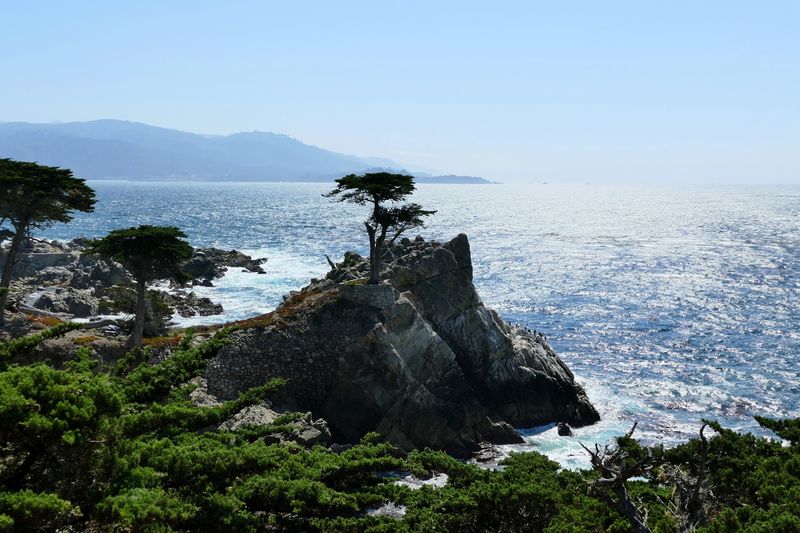
Cue the road trip playlist. After years of landslides and repairs, the famous Big Sur stretch of Highway 1 is open again, and the drive is as jaw-dropping as ever.
Cliffs, redwoods, and crashing surf line the way.
Big Sur covers about 90 coastal miles between Carmel and the Hearst Castle area. Stops at scenic pullouts are not optional here, because every bend seems to have a better view than the last.
Fill up your gas tank before you start, since stations are few.
The route is also an art lover’s trail. National Geographic points to creative towns such as Laguna Beach, Lompoc, and Mendocino, where galleries and murals pop up around every corner.
Laguna Beach turns 100 in 2027, so expect special events and a festive mood. Try to drive the highway from north to south if you can, since that keeps the ocean on your side of the car.
Leave plenty of time, because slow is the right speed.
Salvador, Brazil
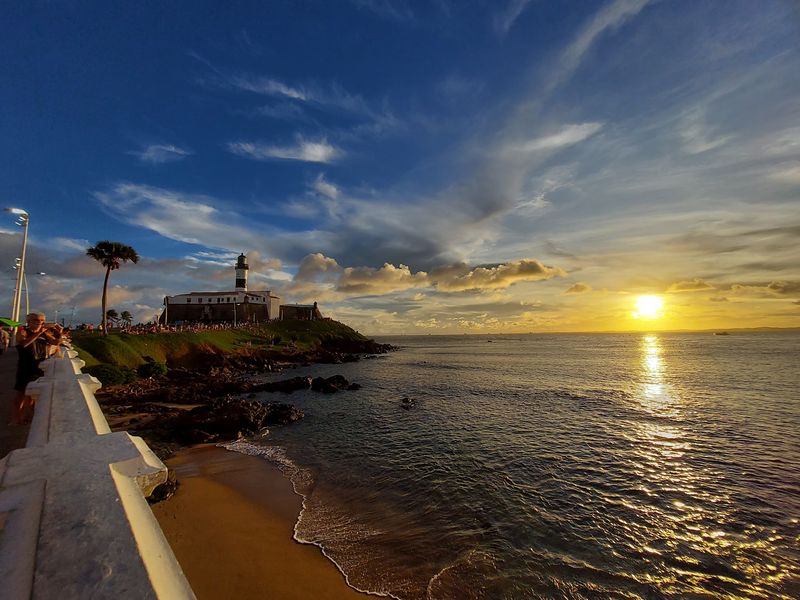
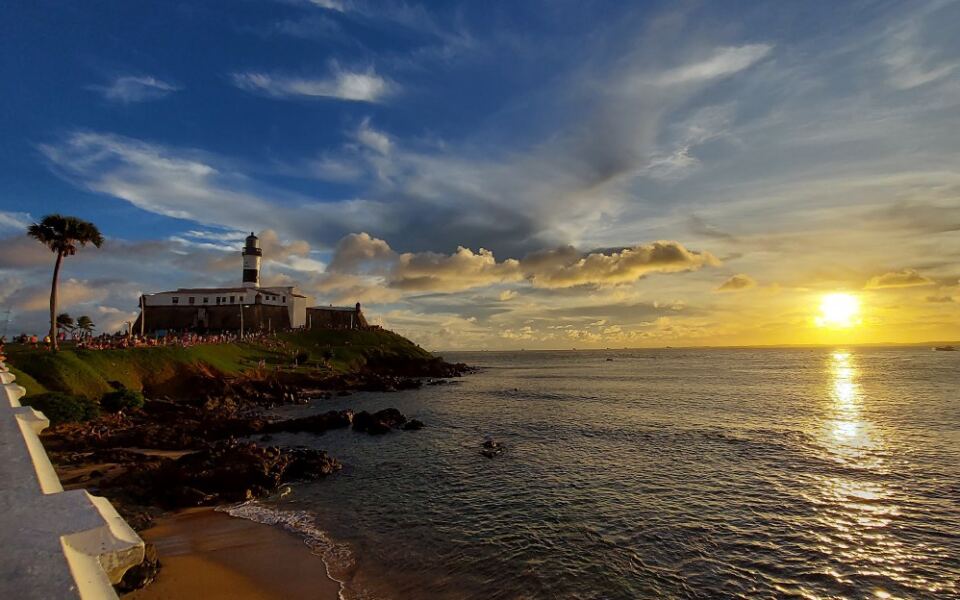
Drums echo down the cobblestones, and suddenly the whole street is moving. Salvador, in the Brazilian state of Bahia, is the heart of Afro-Brazilian culture, and its rhythm is hard to resist.
The Pelourinho district is a feast for the eyes, with candy-colored colonial buildings, old churches, and lively cultural spaces. Down below, All Saints Bay sparkles along the waterfront.
Wear comfortable shoes, since the hills are steep.
Culture lives in everyday things here. Watch a capoeira circle, where dance and martial arts blend together.
Taste acarajé, a crispy fritter filled with shrimp and spicy sauce, from a street vendor in a white dress who has likely made it for decades.
Candomblé traditions add spiritual depth to the city’s story.
National Geographic chose 2027 because Carnival and the Festa de Iemanjá fall close together, creating a super-charged stretch of celebration. Book lodging months ahead, pack light clothing, and prepare to dance whether you planned to or not.
Cape Froward, Chile
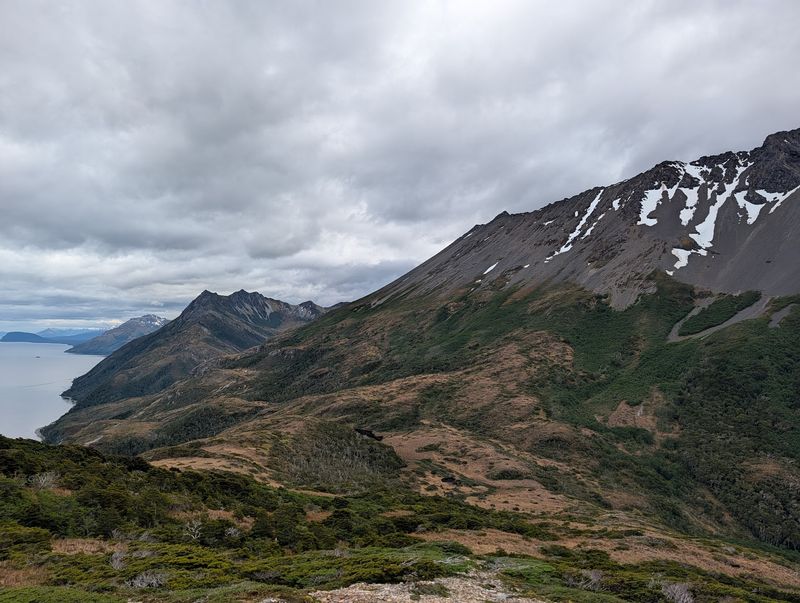
This is as far south as you can go on the mainland of South America. Cape Froward sits on the Strait of Magellan, where forested mountains meet a rugged, windswept shoreline.
Getting there is half the adventure.
The big news for 2027 is the planned creation of a national park here. It will join Chile’s Route of Parks in Patagonia, a huge chain of protected wild lands.
National Geographic notes that much of the area will stay undeveloped on purpose, so the wilderness keeps its raw feel.
Hikers can already follow trails toward the San Isidro Lighthouse and Mount Tarn. Expect mud, wind, and views that make the effort worthwhile.
Subantarctic forests and wildlife make every step interesting.
Future buildings and services should gather around a few entry points instead of spreading across the land. That means visitors who like quiet will still find it.
Pack waterproof layers, sturdy boots, and a flexible schedule, because Patagonian weather does whatever it pleases.
Kuélap and Chachapoyas, Peru
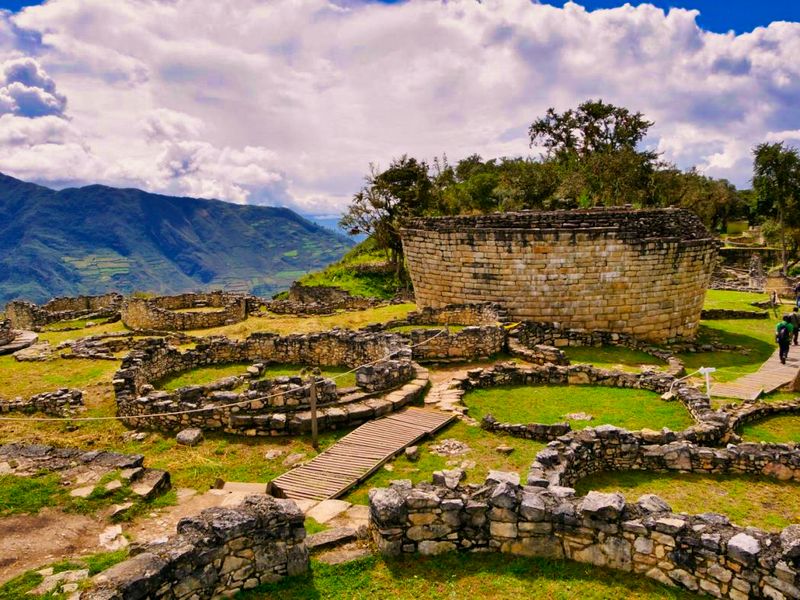
Machu Picchu gets the fame, but northern Peru has a secret that deserves a spotlight. High in the cloud forest sits Kuélap, a giant stone fortress built by the Chachapoya people centuries before the Inca arrived.
Thick walls surround round stone houses, all wrapped in mist and mountain views. The Chachapoya were nicknamed the Warriors of the Clouds, and standing here, the name makes perfect sense.
A cable car now helps visitors reach the site more easily.
The fun does not stop at the ruins. Nearby areas hold more archaeological sites, burial remains tucked into cliffs, and quiet mountain villages.
Chachapoyas town makes a handy base, with simple hotels and friendly cafes.
Then there is Gocta waterfall, which plunges more than 2,500 feet. Hiking to its base takes a few hours and rewards you with spray on your face.
National Geographic calls this one of South America’s great archaeological adventures. Plan several days, and bring a light jacket for cool, damp mornings.
Dumfries and Galloway, Scotland

Switch off your headlights and look up. In Galloway Forest Park, the night sky is so dark that thousands of stars can show up on a clear evening.
It is one of Scotland’s best stargazing spots.
Most visitors head to the Highlands, which leaves southern Scotland wonderfully peaceful. Dumfries and Galloway has forests, lochs, rugged coastline, and old castles, all without the big crowds.
It is a place for slow, relaxed days outdoors.
The area is getting even better for night owls. A new Scottish Dark Sky Observatory is expected to open in 2027, giving visitors a chance to explore the cosmos with expert help.
Bring a warm hat, a thermos, and a red flashlight to protect your night vision.
Daytime has plenty to offer as well. New cycling and coastal walking routes make it easier to explore without a car.
Stop at a village tearoom afterward and try a warm scone. Scottish weather is moody, so pack layers and keep your sense of humor handy.
Tricity, Poland
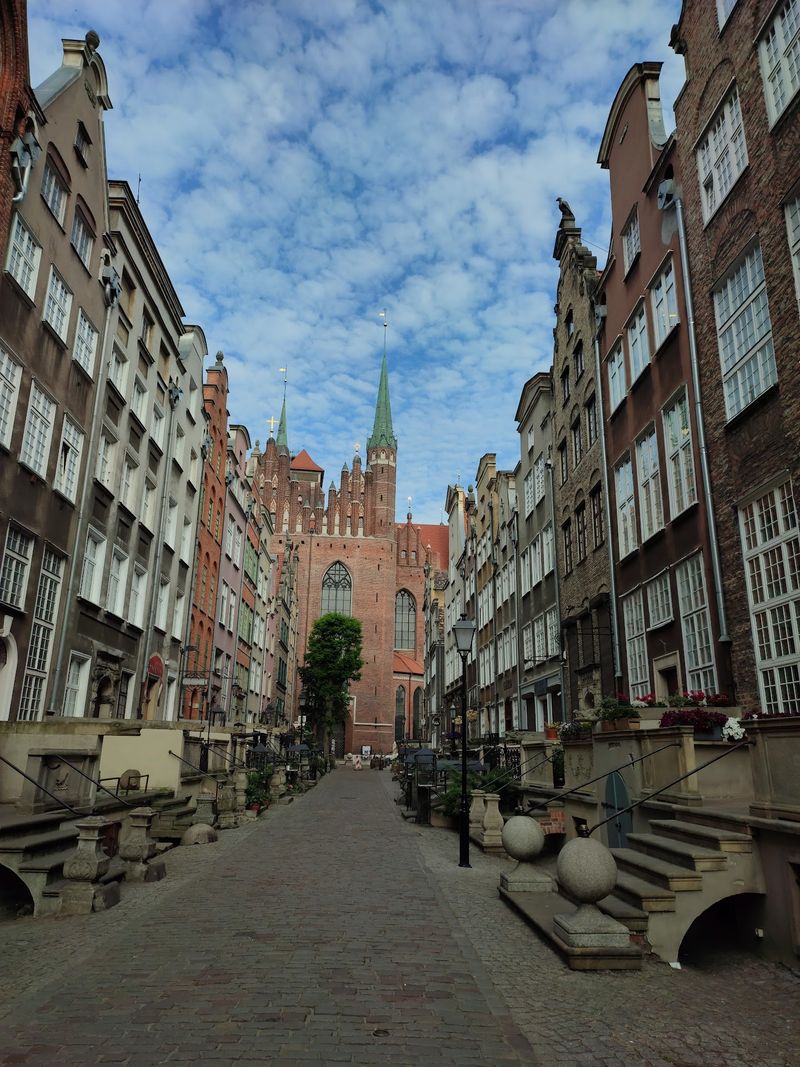
Three cities, one coastline, zero boredom. Poland’s Tricity is made up of Gdańsk, Sopot, and Gdynia, and each one has its own personality.
A quick train ride connects them all.
Gdańsk is the history buff’s pick. Its colorful old streets date back over a thousand years, and museums tell the story of the Solidarity movement that helped change Europe.
Walk along the river for photos of the tall, narrow houses.
Sopot is the party town of the trio. Its long wooden pier stretches into the Baltic Sea, and the beach has a classic seaside-resort mood.
Order an ice cream and stroll to the end.
Gdynia is younger and sleeker, famous for its ships and 20th-century modernist buildings. Architecture fans will happily wander its streets with their necks craned upward.
Polish tourism officials confirmed that National Geographic chose the combined region for 2027. Public transportation makes it easy to hop between museums, beaches, and waterfront neighborhoods in a single trip, with no car needed.
Transcaucasian Trail, Armenia
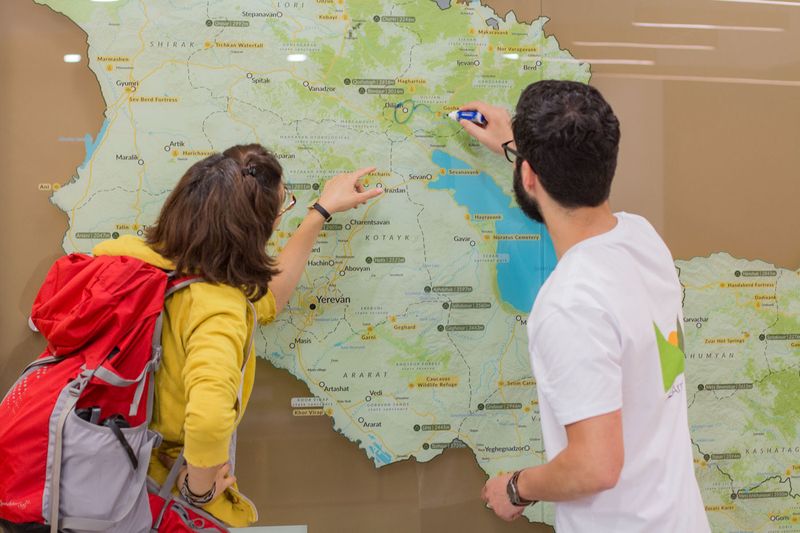
Twenty-five to forty-five days. That is how long the full Armenian stretch of the Transcaucasian Trail can take, and it covers roughly 816 kilometers.
Do not panic, because you do not have to hike all of it.
Shorter sections let you taste the route in a few days. Dilijan National Park offers misty forests and quiet paths, while the Gegham Mountains bring open, wild views.
Vayots Dzor adds canyons and ancient monasteries tucked into the hills.
The trail winds through small villages, where hosts often welcome hikers with homemade bread, cheese, and strong coffee. Staying with local families is part of the charm and helps the community directly.
Armenia sits in the Caucasus, a region far from the busy European trekking routes. That means peaceful paths and a real sense of discovery.
National Geographic picked the trail as interest grows in slower, community-connected adventures. Bring broken-in boots, a good map, and a few words of Armenian.
A simple thank you goes a long way.
Southern Ozarks, Arkansas and Missouri
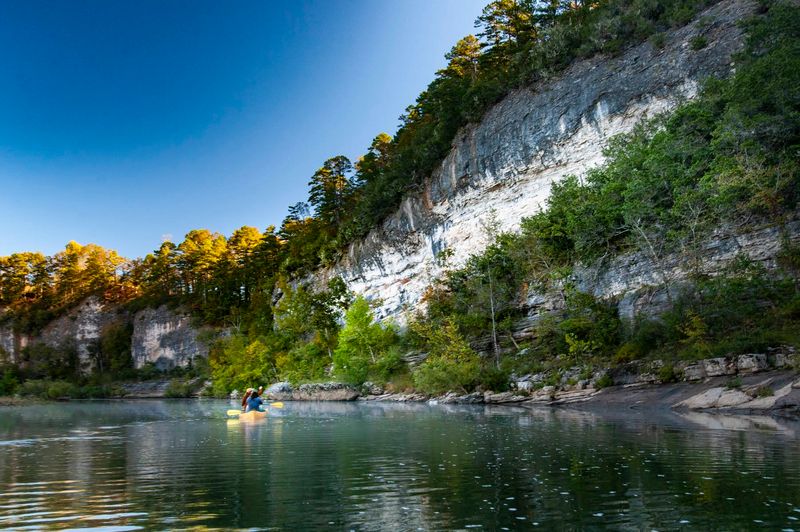
Rivers have been quietly sculpting the Ozarks for millions of years, and the results are gorgeous. Forested valleys, limestone bluffs, and sweeping ridgelines stretch across Arkansas and Missouri.
Outdoor fans have plenty to do. Hike to overlooks, paddle clear rivers, or ride mountain bike trails that twist through the trees.
Spring and fall are great seasons, thanks to mild weather and colorful scenery.
National Geographic gives special attention to the northwest Arkansas area, where Bentonville has become a surprise star. Crystal Bridges Museum of American Art sits among the woods, and a growing network of cycling trails links it to the town.
That mix makes for a fun day. Spend the morning in a quiet forest, then clean up for lunch at a local restaurant and an afternoon of art.
Small cities here have stepped up their game with fresh food and friendly hotels.
Many international visitors skip the American interior, so you may feel like you found a secret. Pack bug spray and curiosity.
Jaipur, India
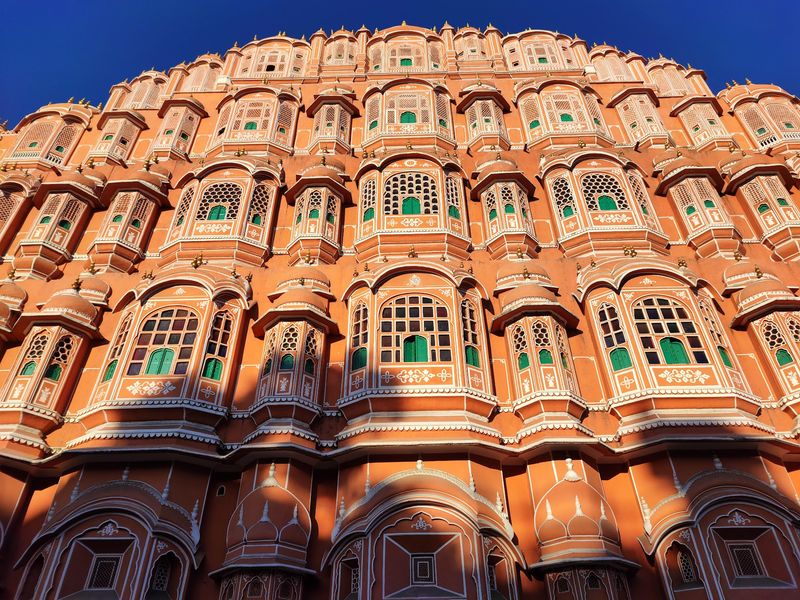
Jaipur wears pink like it was born in it. The old city’s rosy buildings glow at sunset, and the Hawa Mahal, with its honeycomb of tiny windows, has become the city’s best-known face.
The City Palace sits at the center of the historic core and still hosts the royal family. Just outside town, Amber Fort climbs a hillside in grand style.
Go early to beat the heat and the tour buses.
Monuments are only part of the story. Jaipur is alive with makers.
Textile workshops print fabrics by hand, jewelers craft sparkling pieces, and bazaars overflow with spices, sweets, and leather shoes. Haggling is a friendly custom, so smile and bargain.
Try a lassi served in a clay cup, then toss the cup like the locals do.
National Geographic included Jaipur on its 2027 list, offering another nudge to look beyond a quick Golden Triangle stop. Give Rajasthan more time, and let the city’s creative side show you what everyday life looks like.
Chengdu, China

Few cities can offer a sleepy panda and a mouth-tingling bowl of hotpot in the same day. Chengdu manages it with ease, and it does so at a relaxed pace that surprises many visitors.
Giant pandas are the headline act. Go to a panda base early in the morning, when the bears are most active and munching bamboo.
Cute is an understatement.
Then slow down like a local. Teahouses scattered around parks are perfect for sipping jasmine tea, watching people play mahjong, and doing absolutely nothing.
It is a lesson in taking it easy.
Food is the other main attraction. Sichuan cuisine is famous for its bold flavors, especially the numbing kick of Sichuan pepper.
Try mapo tofu, dan dan noodles, and a bubbling hotpot, and keep a cold drink nearby.
National Geographic named Chengdu one of its 2027 picks, noting that the city can be combined with trips deeper into Sichuan Province. It is a great option for travelers who have already seen Beijing and Shanghai.
Puerto Rico, United States
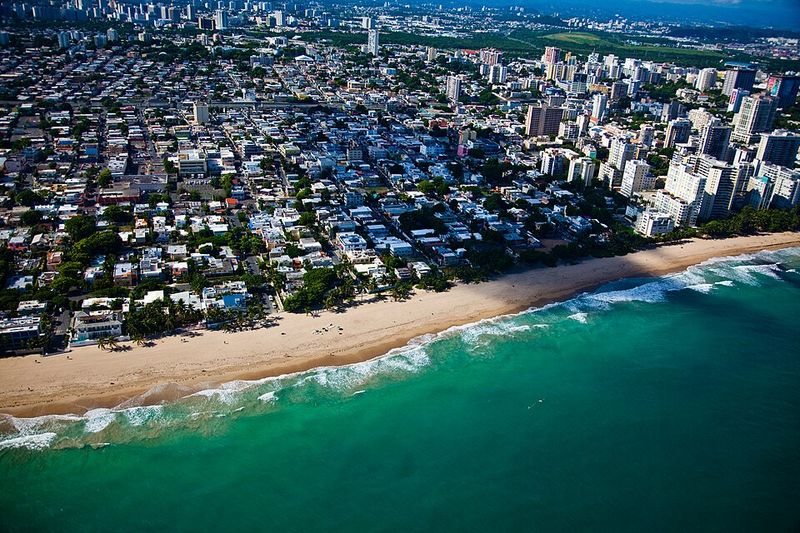
Here is a fun surprise for U.S. travelers: a Caribbean escape that needs no passport. Puerto Rico delivers beaches, rainforest, and centuries of history in one island package.
Old San Juan is a storybook of cobbled streets and pastel buildings, guarded by massive Spanish forts. Wander at golden hour, when the stone walls glow and the sea breeze cools things down.
Then trade the city for the green. El Yunque National Forest is packed with waterfalls, ferns, and the sound of tiny coqui frogs singing at night.
Bring a rain jacket, since showers pop up often.
Beyond the capital, mountain towns serve roasted pork and strong coffee, and quiet beaches wait along the coast. At night, bioluminescent bays make the water sparkle blue when you move through it.
Book a kayak tour on a dark night for the best glow.
National Geographic put Puerto Rico on its 2027 list, a reminder that culture and outdoor adventure fit neatly into one trip. Pack sunscreen and an appetite.
Share this story