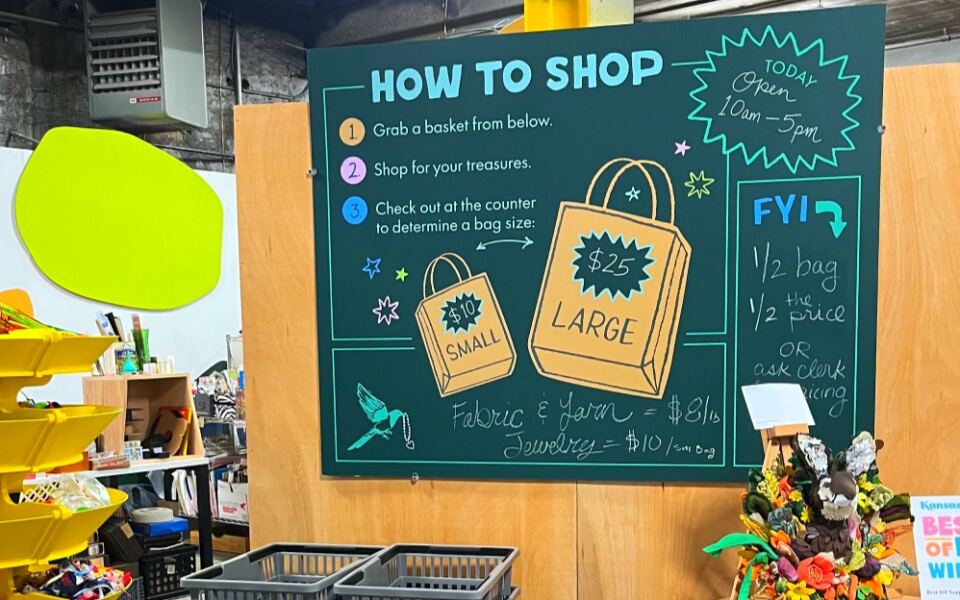
A Kansas City shop sells donated craft supplies by the bag, not by the price tag. You grab a bag, fill it with yarn, fabric, beads, or paper, and pay one flat amount for the whole thing.
Everything on the shelves came from someone who no longer needed it. Leftover felt, spare frames, and half-used embroidery kits get a second chance instead of a trip to the landfill.
I like the idea of a store that rewards creativity and careful packing at the same time. Missouri crafters, teachers, and parents can stock up without worrying about every single item adding to the total.
The shop also hides a few surprises beyond its shelves, including classes, an open studio for kids, and volunteers who repair sewing machines. Finding the front door, though, takes a little planning.
A Craft Store Built From Other People’s Leftovers
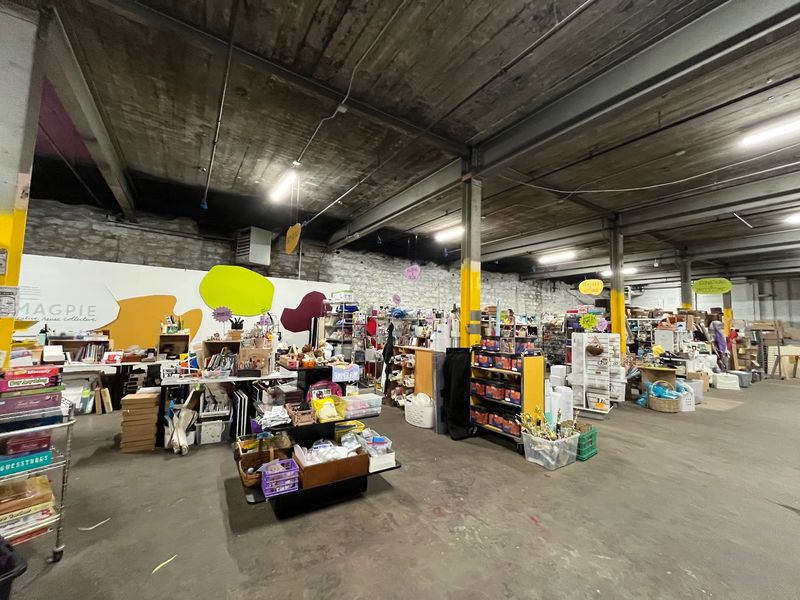
Magpie Creative Reuse Collective is a nonprofit craft thrift store in Kansas City, Missouri. You can find it at 3331 Roanoke Rd, Kansas City, MO 64111, in the United States.
The idea is simple. People donate craft and art materials they no longer need, and the store sells them again at thrift prices.
That keeps usable supplies out of the trash and puts them into the hands of people who will actually use them.
Shelves hold the kinds of items crafters love to collect. Fabric, thread, sewing notions, felt, paper, beads, frames, yarn, and embroidery supplies all show up here.
Because everything is donated, the stock changes often, and new items keep arriving.
I find the mission behind it easy to support. The team talks about saving treasures from the trash, and that goal shapes everything in the shop.
Magpie is not trying to copy a big chain craft store. Instead, it gives local makers an affordable place to shop and a responsible place to donate.
That mix of thrift and purpose sets the stage for its most talked-about feature, which comes down to one humble grocery bag.
One Bag, One Price, Plenty of Strategy
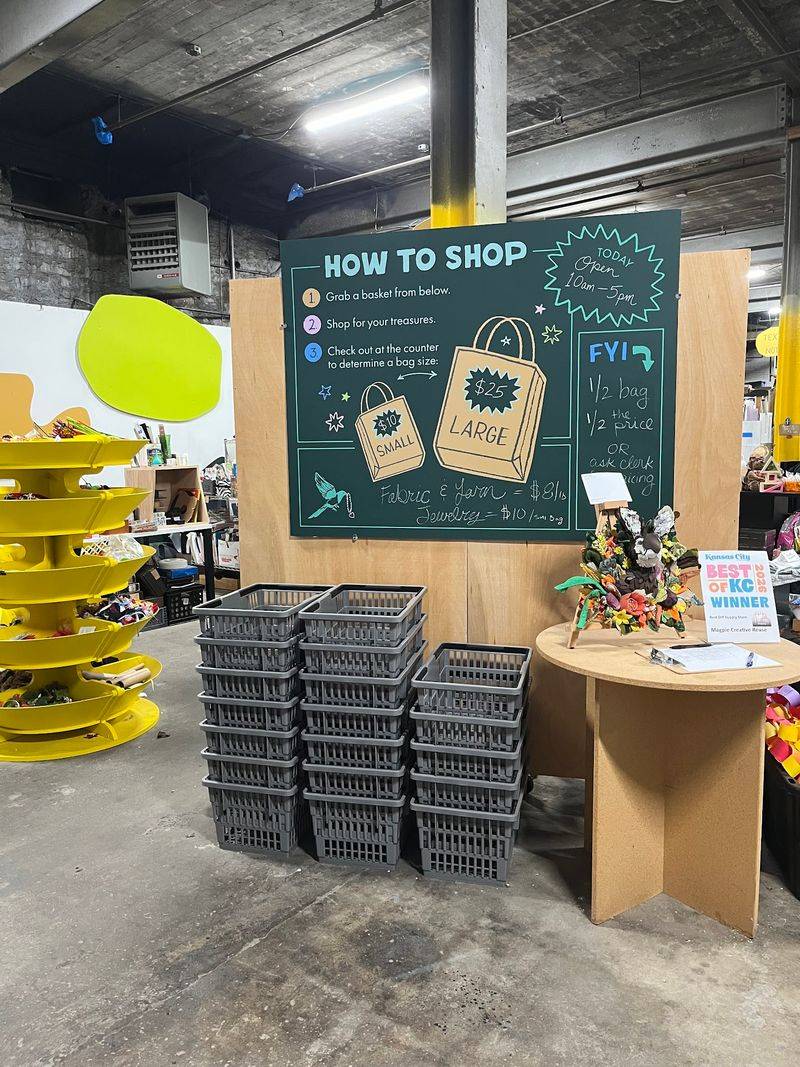
Grab a bag, fill it up, and pay a single flat price. That is the fill-a-bag system at Magpie, and it changes how shopping feels.
Instead of checking a tag on every spool of thread, you focus on what fits. A skein of yarn, a stack of paper, and a handful of buttons all ride along for the same total.
The store also bases some pricing on bags and weight, so ask a volunteer how it works on your visit.
Packing becomes part of the fun. Soft fabric can fill gaps around bulky items, and small notions slip easily into corners.
Flat things like paper and felt slide neatly along the sides.
I would start by walking the whole shop before filling anything. That way, your favorite finds get first claim on space instead of whatever you grabbed early.
Exact prices are best confirmed in person, since they can change. What stays the same is the basic appeal.
Crafters on a budget, teachers stocking classrooms, and curious beginners can all try new materials without much risk. Of course, a bag only matters if the shelves are worth digging through.
Yarn, Fabric, and the Joy of the Hunt
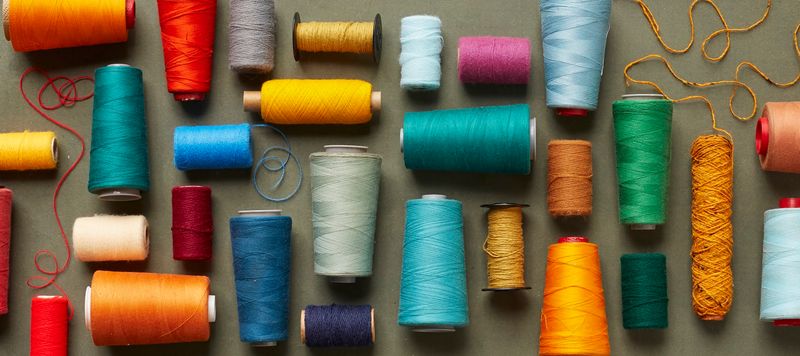
Yarn lovers tend to head straight for the fiber section, and it is easy to understand the pull. Skeins in different colors and weights sit alongside embroidery floss and needlework supplies.
Fabric is another big draw. Remnants and smaller cuts work well for quilting squares, patches, doll clothes, and other compact sewing projects.
Felt sheets and sewing notions round out the textile corner.
Then come the smaller treasures. Glass and plastic beads, frames, binders, paint, and paper pop up across the store.
Some shoppers even walk out with odd little items like googly eyes or dried flower bouquets.
Nothing here is guaranteed, because stock depends on donations. One week might bring a pile of quilting cotton, while another brings scrapbook paper.
That uncertainty is part of the charm for regular hunters.
My advice is to arrive with a loose plan rather than a strict shopping list. Flexible makers often find something better than what they came for.
And when the supply you need is missing, the shelves can nudge you toward a clever substitute. That kind of creative problem solving fits the whole spirit of the place surprisingly well.
Neat Shelves Make Thrifting Easier
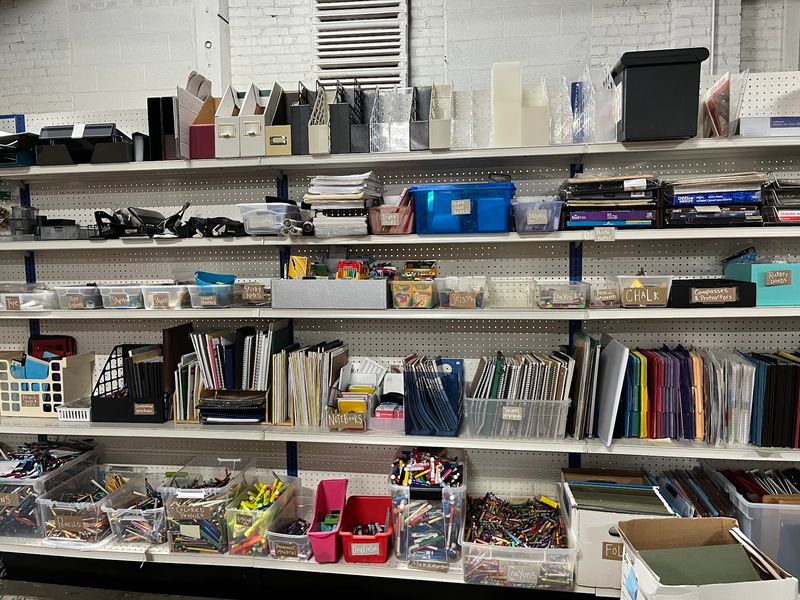
Thrift shopping does not have to mean digging through messy piles. Magpie is known for keeping its shelves clean and well organized.
That matters more than it might seem. When beads sit with beads and paper sits with paper, you spend less time searching and more time choosing.
Beginners especially benefit, since a tidy layout makes a new hobby feel less confusing.
Organization also helps the fill-a-bag system work. You can quickly scan a category, compare options, and decide what deserves space in your bag.
Nobody wants to fill half a bag before spotting the perfect skein two rows over.
Behind that order are staff and volunteers who sort incoming donations. Every bag of scraps dropped off has to be checked, grouped, and shelved before shoppers see it.
That is real work, and it shows.
I appreciate a thrift store that respects your time. A calm, sorted space lets you browse at your own pace, which is helpful when the selection keeps changing.
It also makes room for something many craft stores skip entirely, which is a place to actually sit down and make things.
A MakerSpace Where Kids Can Create
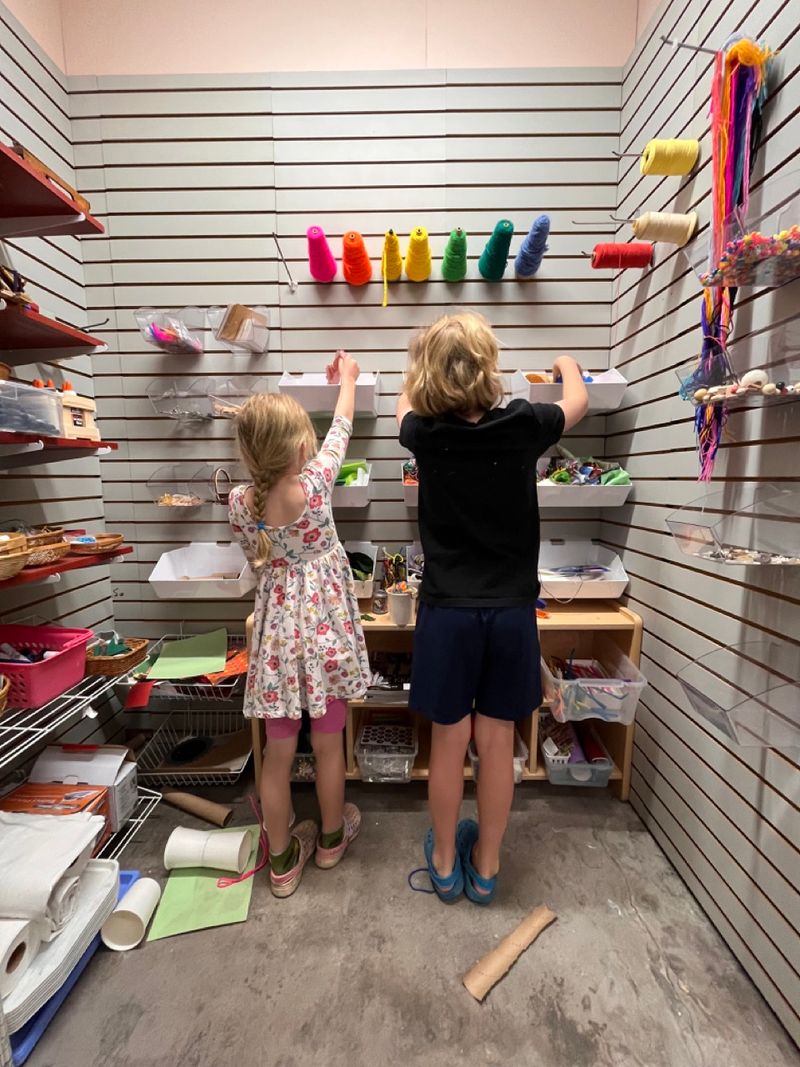
Kids with restless hands have a spot here too. Magpie offers open studio time in its MakerSpace, where families can sit down and craft together.
One parent brought three children to an open studio session and described a welcoming, helpful atmosphere. That is encouraging for anyone nervous about bringing little ones into a craft shop.
A studio built around reused materials teaches a useful lesson without a lecture. Children see that cardboard, scraps, and spare buttons can become art.
That idea can stick with them long after the glue dries.
For parents, open studio time can be a low-pressure way to spend an afternoon. Nobody has to buy a pricey kit or clean up glitter in the living room.
Kids simply get to explore and build.
Schedules for open studio can change, so check the store’s social media or website before you go. Summer break and school holidays are natural times to look for sessions.
I like that the shop treats young makers as real makers. Grown-ups looking to sharpen their own skills, meanwhile, have another option waiting on the class calendar.
Classes That Teach Mending and Sewing
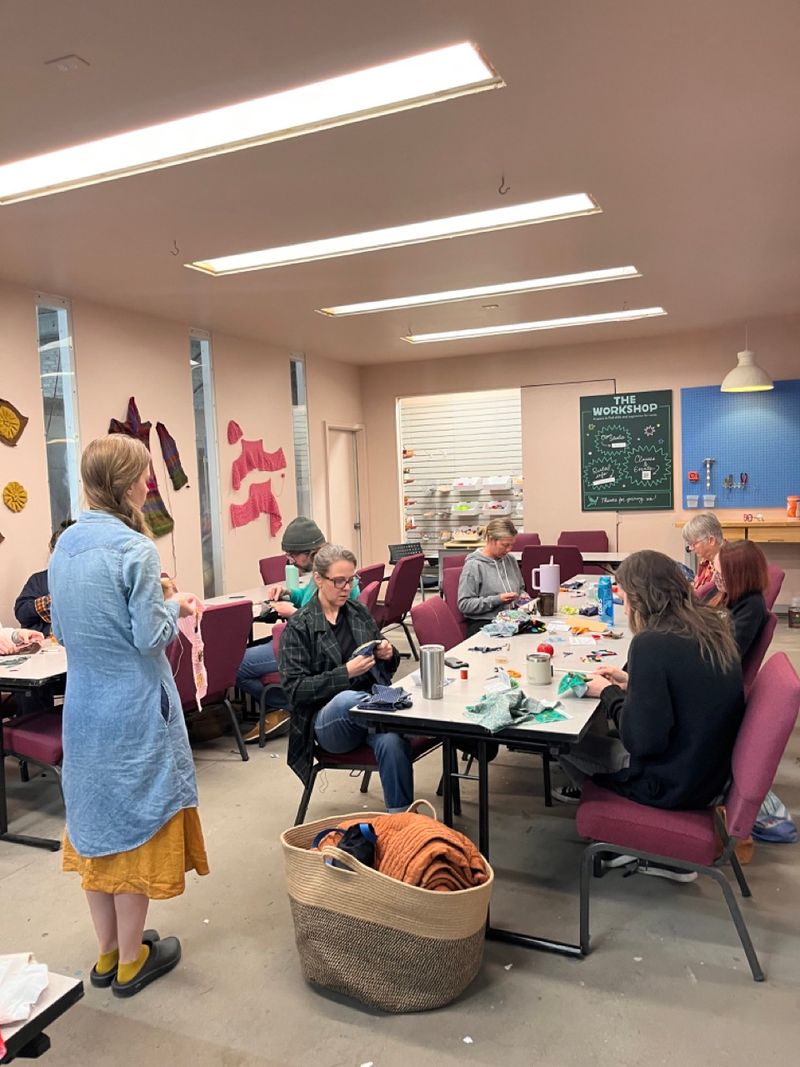
A hole in your sock does not have to mean the end of that sock. Magpie has hosted mending workshops that teach people how to repair their own clothing.
Sewing classes for beginners appear on the schedule too. For someone who has never threaded a machine, a guided class can make the skill feel far less scary.
These workshops connect neatly to the store’s mission. Mending keeps clothes in use, and learning to sew turns donated fabric into something new.
Skills like these save money and cut down on waste at the same time.
Classes also bring people together. One shopper described Magpie as a place to buy materials, learn a hobby, and meet new friends all at once.
That social side can make sticking with a new craft much easier.
Topics and dates vary, so check the latest listings online. Signing up early is a smart move for anything with limited seats.
Picking up a needle in a room full of fellow beginners sounds far more fun than watching a video alone. Some sewing machines, it turns out, get a second life here as well.
Volunteers Who Fix Sewing Machines
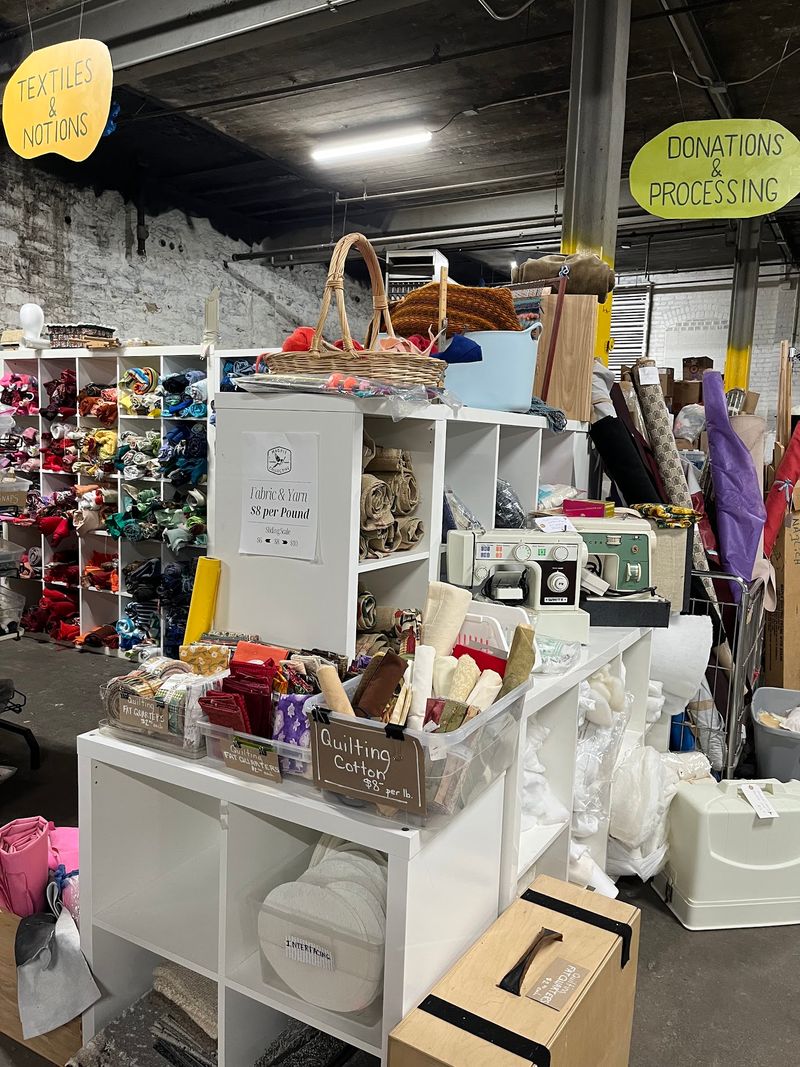
Here is a detail that surprised me. At least one shopper bought a sewing machine at Magpie that had been repaired by a volunteer.
That kind of fix-it work stretches the reuse idea even further. A machine that might have been tossed gets tuned up and sent home with a new owner.
For beginners, a working secondhand machine can be a budget-friendly first step.
Machine availability depends entirely on donations, so there is no promise one will be waiting on any given day. Still, it is worth keeping an eye out if you plan to start sewing.
The volunteers deserve real credit for much of what happens here. Shoppers often mention friendly, helpful staff, and the team clearly puts care into making the shop welcoming.
Pairing a repaired machine with a beginner sewing class makes a lot of sense. You leave with both the tool and the know-how to use it.
I find that connection between people, skills, and objects to be the heart of the operation. Of course, all of it depends on a steady flow of donations from the community.
Clearing Your Closet Helps the Whole City
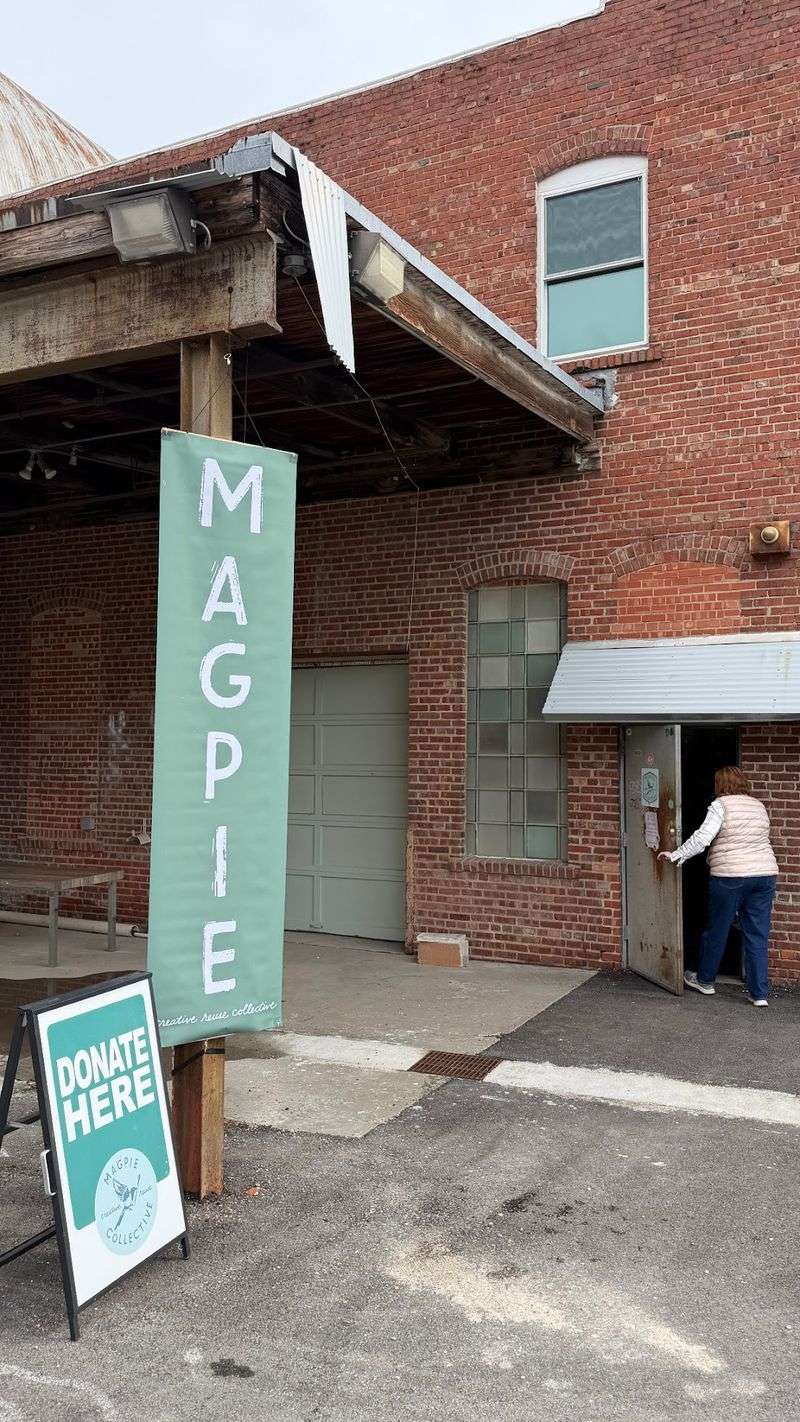
Most crafters have a stash. Half-finished projects, extra fabric, and supplies bought for a hobby that never quite stuck can crowd a closet fast.
Magpie gives those materials a better destination than the trash can. Still-usable craft and art supplies can be donated, sorted, and sold to someone who wants them.
Some donors drop off items as often as once a week.
That steady flow is what keeps the shelves fresh. Every donation becomes another find for the next shopper, which is why the inventory changes so often.
Before loading up your car, check the official website for current donation guidelines. Reuse centers usually have limits on what they can accept, and following those rules saves the volunteers extra sorting.
Donating also feels good in a practical way. You clear space at home while supporting a local nonprofit and helping cut landfill waste.
I would suggest bringing a donation and leaving with a filled bag. It is a fair trade, and your closet ends up lighter overall, probably.
Just make sure you know exactly where you are headed, because finding the store can be tricky.
Finding the Door Takes a Little Homework
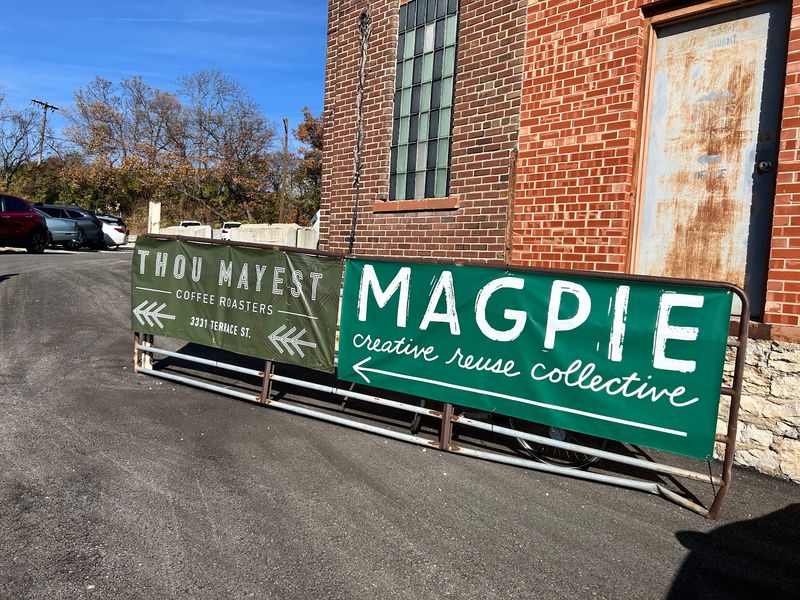
Newcomers sometimes circle the building a few times. The shop at 3331 Roanoke Rd moved into this newer space, and its entrance is not the easiest to spot.
The good news is that the team has worked on the problem. Signs appear as you get close, and a new sign was added to the side of the building to guide shoppers.
One helpful tip comes straight from a past visitor. Magpie has posted a map on its Instagram account showing how to reach the space.
A quick look before you leave home can save some confusion.
Hours matter too. Based on current listings, the shop opens Thursday afternoons into the evening, plus Friday, Saturday, and Sunday during the day.
It is closed Monday through Wednesday, but confirm times online before driving over.
Sunday hours are a nice bonus for weekend visitors from outside the city. Plenty of craft errands get pushed to the weekend anyway.
Once inside, the effort pays off quickly. Still, it helps to understand what this store can and cannot offer before you arrive with a long list.
Shop It Before the Big Box Store
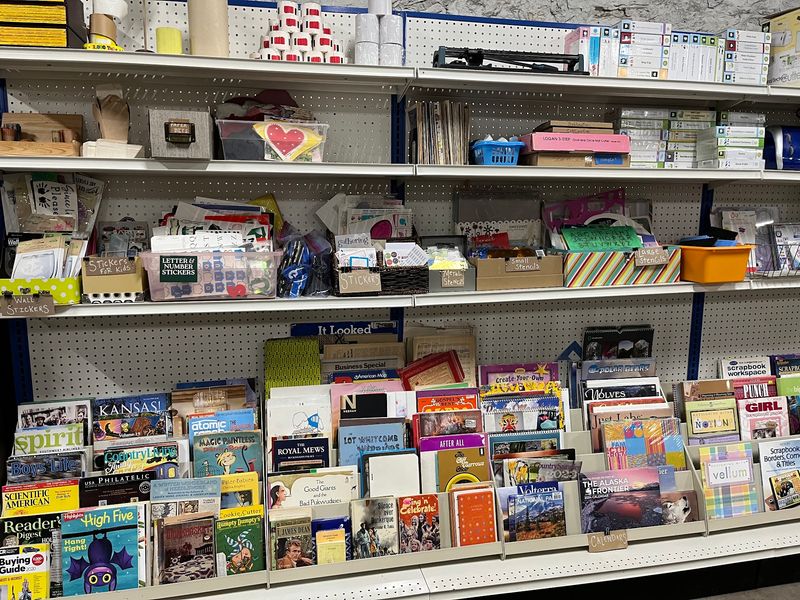
Honest expectations make for a better trip. Magpie is not a big chain craft store, so it will not always carry the exact item on your list.
That limitation can actually spark ideas. Shoppers have said the store pushes them to think creatively about how to finish a project.
Missing a certain ribbon might lead you to a better trim you never would have considered.
A smart habit is to stop here first. Check the shelves for what you need, then fill in gaps elsewhere.
You may cross off more of your list than expected, and for much less money.
The appeal reaches a wide range of makers. Amateur crafters, professional artists, teachers, and parents can all find useful materials at thrift-level prices.
I would keep a running list of ongoing projects on my phone. When something unexpected turns up, you will know right away whether it fits.
Shopping this way changes your relationship with supplies. Instead of buying everything new, you start seeing leftover materials as raw potential.
In a city full of makers, that mindset feels like a fitting thing to take home, along with a very full bag.
Share this story