The year 1974 produced one of the most mixed-up singles charts in American pop history. Within a few months, the No. 1 spot passed from a laid-back rock tune to a movie ballad, then to a TV theme, a comedy record, and some of the first disco hits.
Teenagers still bought 45-rpm singles for about a dollar each, and AM radio stations played the Top 40 on constant rotation. Casey Kasem had launched American Top 40 in 1970, so millions of listeners counted down the hits every weekend.
Former Beatles were scoring solo hits, Philadelphia producers were reshaping soul music, and Miami studios were testing a brand-new dance sound. Some of these songs still get steady airplay today.
Others have slipped quietly out of memory, even though they once topped the biggest chart in the country. Being No. 1 for a week is not the same as being remembered for fifty years.
The list below walks through fifteen chart-toppers in the order they reached the summit, along with the stories behind each one. You will find surprise session guests, unusual songwriting sources, and a few hits that came from completely unexpected places.
See how many you can still name.
1. The Joker by Steve Miller Band
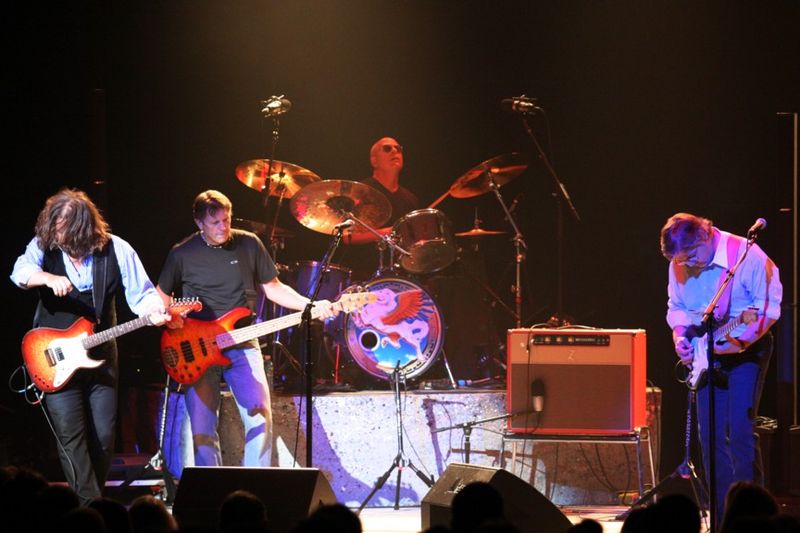
Few rock lyrics have puzzled more listeners than a made-up phrase from 1974.
Steve Miller sang about the ‘pompatus of love,’ and nobody could find it in a dictionary. Miller later said he borrowed the idea from a 1954 doo-wop record called The Letter by The Medallions.
The song climbed to No. 1 on the Billboard Hot 100 on January 12, 1974, and stayed there for one week. It came from the band’s 1973 album of the same name.
Fans also spotted lyric nods to older Steve Miller songs, including Space Cowboy and Gangster of Love. That was a clever way to reward loyal listeners.
The track had a second life in 1990. A Levi’s jeans commercial used it, and the song went to No. 1 in the United Kingdom more than 16 years after its first run.
Not bad for a song built on such a relaxed groove.
2. The Way We Were by Barbra Streisand
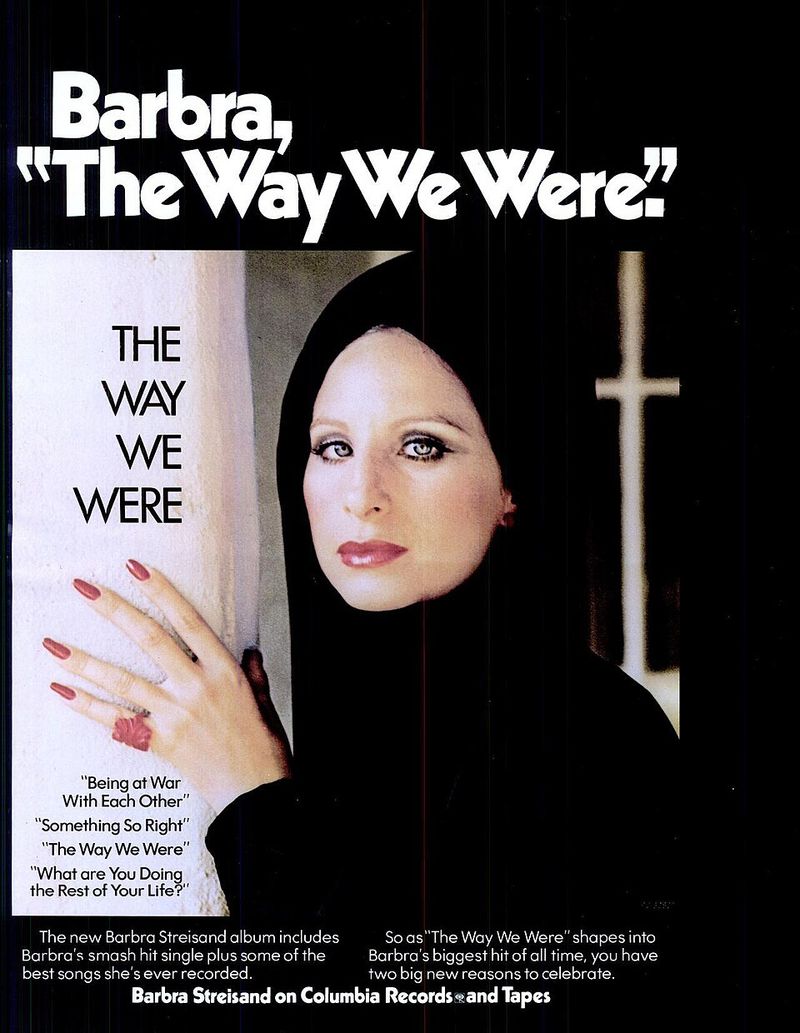
No single did better in 1974 than a ballad written for a movie. Billboard ranked The Way We Were as the top song of the entire year.
Barbra Streisand reached No. 1 in early February 1974. The record held the spot for three nonconsecutive weeks, trading places with other hits before returning.
Marvin Hamlisch composed the music, while Alan and Marilyn Bergman wrote the lyrics. The song served as the title theme of the 1973 film starring Streisand and Robert Redford.
Its lyrics look back at a past relationship with mixed feelings. Streisand kept her performance steady and controlled, which gave the words more weight.
The awards followed quickly. The song won the Academy Award for Best Original Song, and Hamlisch collected several Oscars that same night.
Streisand showed she could top both the box office and the record charts at once.
3. Love’s Theme by Love Unlimited Orchestra
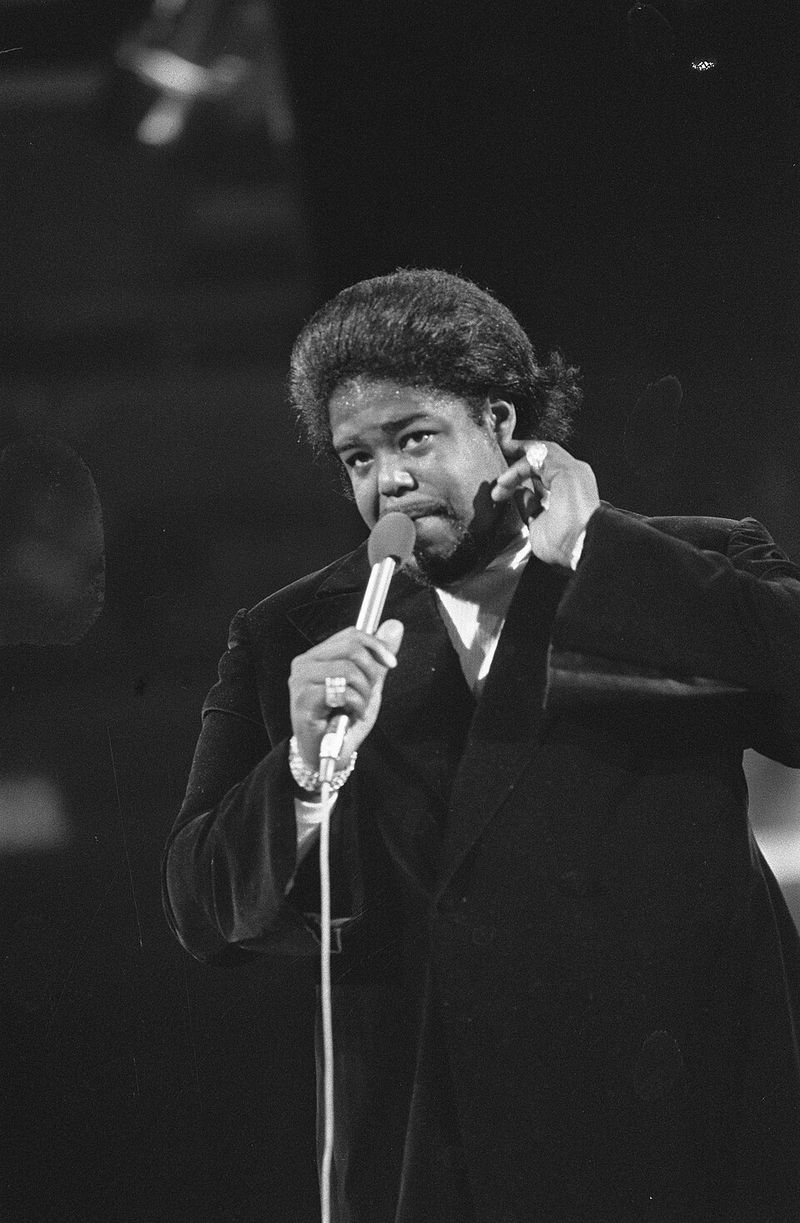
Not a single word is sung on one of the biggest records of early 1974.
Love’s Theme by the Love Unlimited Orchestra reached No. 1 on the Billboard Hot 100 in February 1974 and stayed one week. Instrumental chart-toppers were rare by then, which made the achievement stand out.
Barry White wrote, produced, and conducted the track. He was better known for his deep singing voice, but here he let a large string section and a wah-wah guitar carry the melody.
The single was released in late 1973. Its steady beat and big orchestral arrangement pointed straight toward the disco style that would take over later in the decade.
Television liked it too. ABC later used it as music for its golf broadcasts.
Not bad for a song with no lyrics to memorize.
4. Seasons in the Sun by Terry Jacks
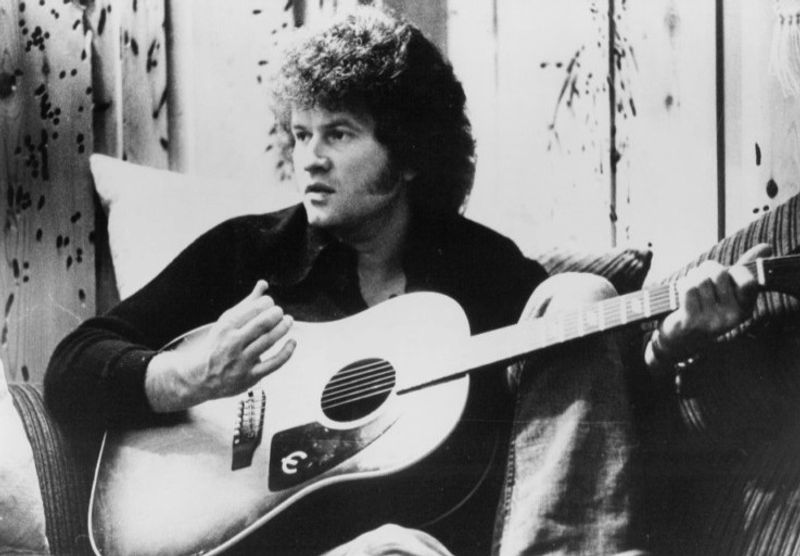
A Belgian songwriter, an American poet, and a Canadian singer all played a part in one of 1974’s biggest hits.
Jacques Brel wrote the original French song, Le Moribond, in 1961. Rod McKuen later created English lyrics, turning it into a farewell to family and friends.
Terry Jacks reached No. 1 on the Billboard Hot 100 on March 2, 1974, and stayed there three weeks. The record also topped charts in several other countries.
Jacks had first gained attention with the Canadian group The Poppy Family. In 1970 he worked on a version with The Beach Boys, but they chose not to release it.
So Jacks recorded it himself, adjusting some lyrics along the way. Some critics called it too sentimental, but buyers disagreed and reportedly picked up millions of copies.
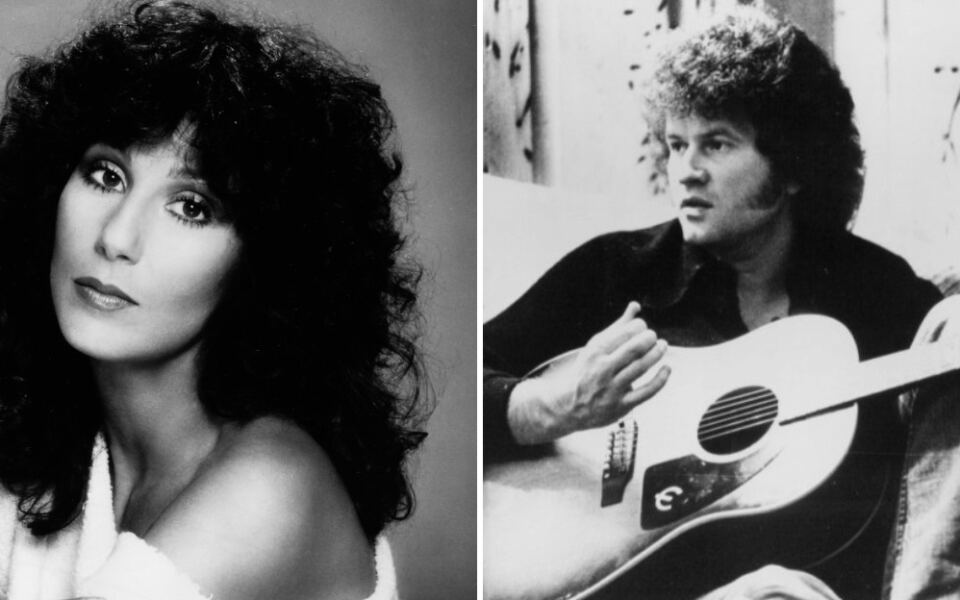
5. Dark Lady by Cher
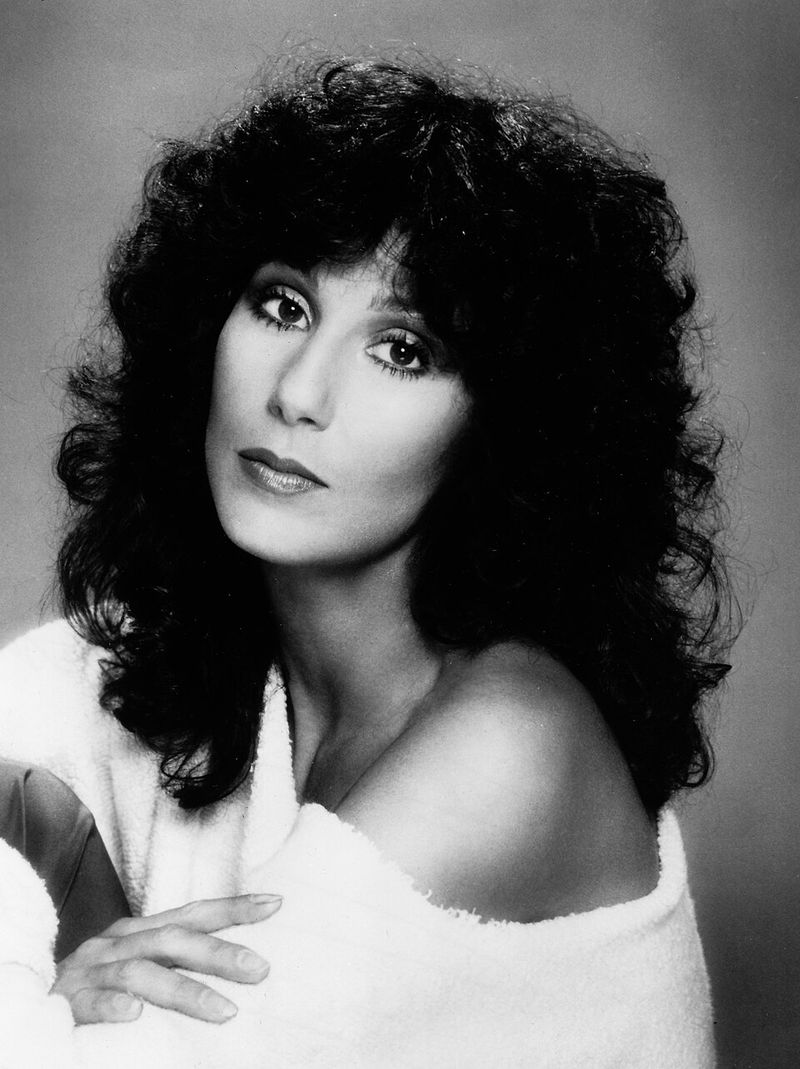
Cher had a talent for turning three-minute singles into short stories, and Dark Lady may be the wildest of them all.
The song reached No. 1 on the Billboard Hot 100 on March 23, 1974, for one week. It was her third solo chart-topper, after Gypsys, Tramps and Thieves and Half-Breed.
Johnny Durrill, a former keyboard player for The Ventures, wrote the song. The plot follows a woman who visits a fortune teller and learns some unwelcome news about her boyfriend.
Without giving away the ending, the final verse takes a sharp turn that surprised plenty of listeners. That twist helped the song stand out on Top 40 radio.
Producer Snuff Garrett, who had guided her earlier story songs, handled this one too. It also served as the title track of her 1974 album.
Romance songs were everywhere that year, but few came with a plot twist.
6. You’re Sixteen by Ringo Starr
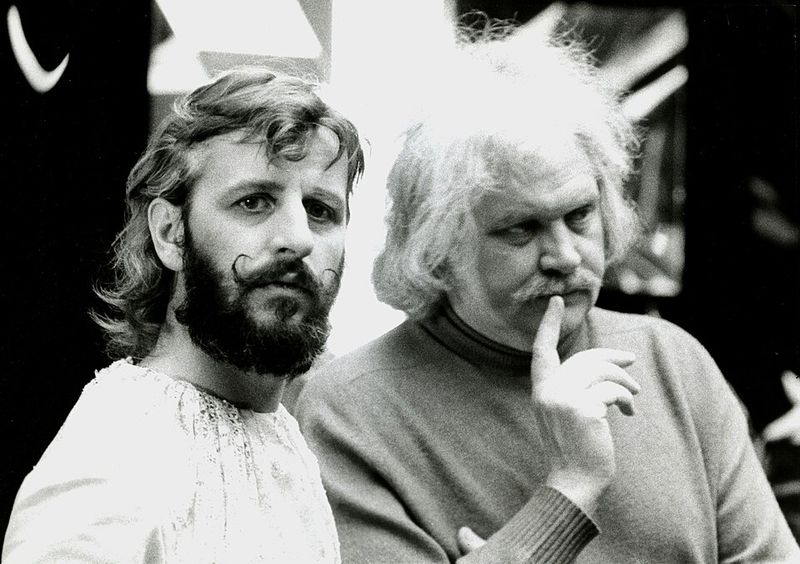
That kazoo-style solo in the middle of the record is not a kazoo at all.
Producer Richard Perry later explained that Paul McCartney sang the part with his voice, imitating an instrument. McCartney also added backing vocals, which gave former Beatles fans a small reunion to talk about.
Ringo Starr took You’re Sixteen to No. 1 on the Billboard Hot 100 in late January 1974, where it stayed one week. It was his second solo chart-topper, following Photograph in 1973.
The song first appeared in 1960 as a Top 10 hit for rockabilly singer Johnny Burnette. Starr recorded his version for the 1973 album Ringo.
Timing helped too. The 1973 film American Graffiti had sparked fresh interest in early rock and roll, and it featured Burnette’s original.
Starr proved a drummer could sell plenty of records from the front of the stage.
7. Bennie and the Jets by Elton John
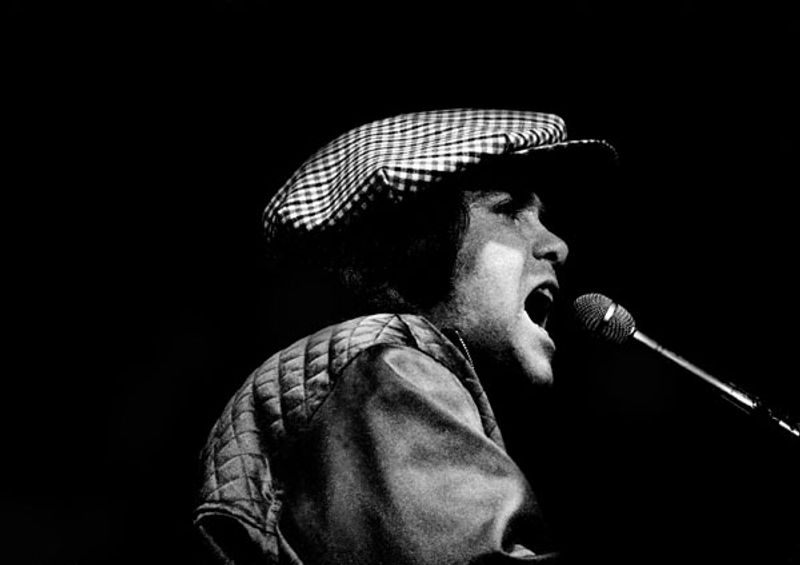
The cheering crowd on Bennie and the Jets was added in the studio. Producer Gus Dudgeon mixed in audience noise to make the track feel like a concert recording.
Elton John and lyricist Bernie Taupin wrote the song for the 1973 double album Goodbye Yellow Brick Road. Taupin imagined a flashy, futuristic band led by a mysterious star.
Elton was not convinced it should be a single. Then CKLW, a radio station in Windsor, Ontario, with a big Detroit audience, started playing it heavily.
The pressure worked. The song reached No. 1 on the Billboard Hot 100 on April 13, 1974, and stayed one week.
It also climbed to No. 15 on Billboard’s soul singles chart. That success led to Elton appearing on Soul Train in 1975, a rare booking for a British rock star at the time.
8. TSOP (The Sound of Philadelphia) by MFSB Featuring The Three Degrees
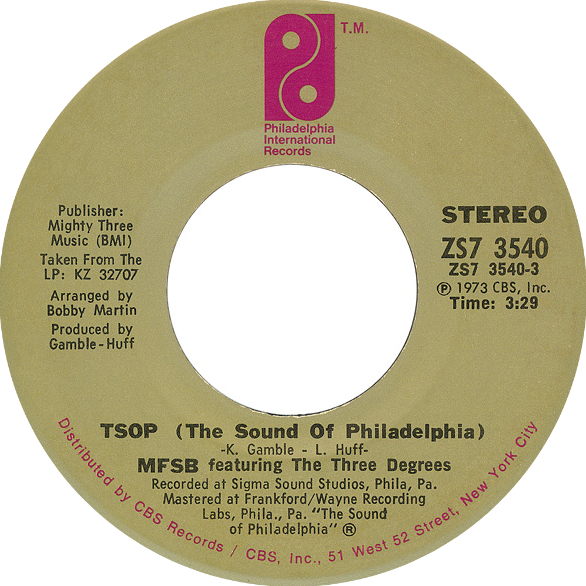
Television themes rarely become chart-toppers, yet one dance tune pulled it off in the spring of 1974.
TSOP (The Sound of Philadelphia) was written as the theme for Soul Train, the dance program hosted by Don Cornelius. MFSB, the house band at Philadelphia International Records, recorded it with Kenneth Gamble and Leon Huff producing.
The Three Degrees added short vocal lines, but the strings, horns, and rhythm section did most of the work. The record reached No. 1 on the Billboard Hot 100 in April 1974 and held on for two weeks.
It is often called the first TV theme to top the Hot 100. The track also won a Grammy for Best R&B Instrumental Performance.
Club DJs loved its polished beat, and that style fed directly into the disco boom a few years later.
9. The Loco-Motion by Grand Funk
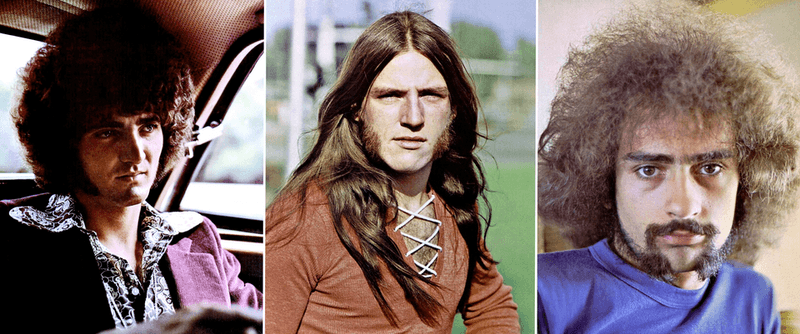
Rock bands do not usually look to a 1962 dance craze for inspiration, but Grand Funk did.
Gerry Goffin and Carole King wrote The Loco-Motion, and their babysitter, Eva Boyd, recorded it as Little Eva. Her version topped the chart in 1962.
Twelve years later, Grand Funk gave the song electric guitars, heavy drums, and a harder rhythm. Todd Rundgren produced the track for the album Shinin’ On.
The new version reached No. 1 on the Billboard Hot 100 in May 1974 and stayed two weeks. That made it one of the few songs to hit No. 1 in versions by two different artists.
Younger listeners who had never heard Little Eva suddenly knew every word. Kylie Minogue would take the song into the Top 5 again in 1988, proving its staying power.
10. The Streak by Ray Stevens
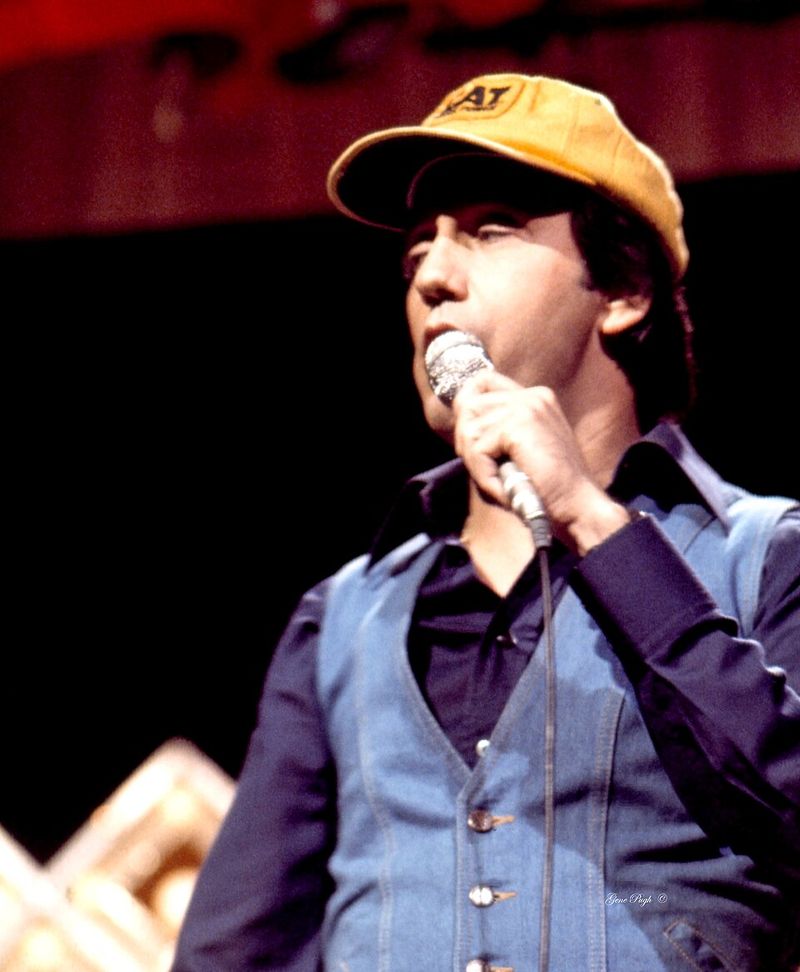
Spring 1974 brought a strange college fad, and Ray Stevens was ready with a song about it.
Streaking meant dashing through a public place without any clothes. Campuses across the country reported streaking events that year, and newspapers covered the trend with amused headlines.
Stevens released The Streak shortly before a streaker famously ran across the stage during the Academy Awards broadcast in April 1974. The timing could hardly have been better.
The record reached No. 1 on the Billboard Hot 100 on May 18, 1974, and stayed three weeks. That was longer than many serious rock and soul hits managed.
The song mixes spoken comedy bits with a catchy chorus, as a witness keeps describing what he saw. Stevens had already scored with humor in songs like Gitarzan, so comedy was familiar territory.
11. Band on the Run by Paul McCartney & Wings
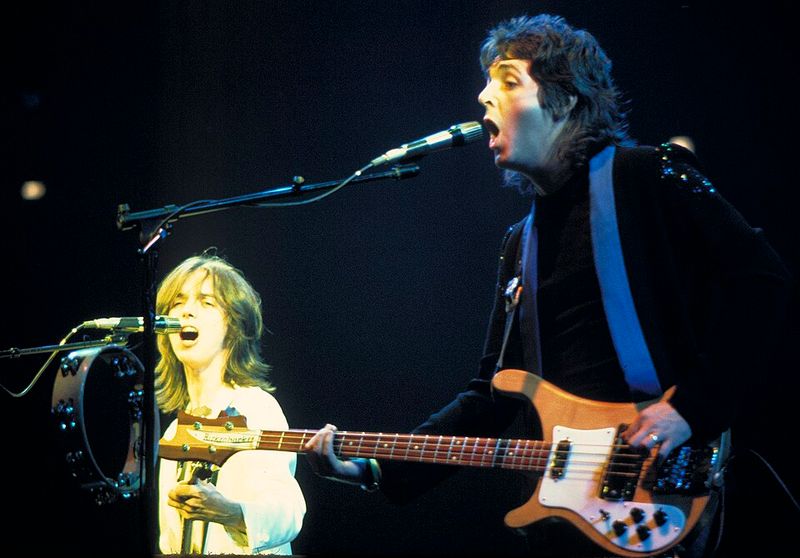
Two band members quit right before the sessions, and the album was recorded in Lagos, Nigeria. Somehow that rocky start produced one of Paul McCartney’s best-loved records.
With guitarist Henry McCullough and drummer Denny Seiwell gone, the remaining trio was Paul, Linda McCartney, and Denny Laine. Paul handled drums and much of the guitar work himself.
Band on the Run, the title song, is built from three separate sections joined together. It starts slowly, shifts gears, and finishes as a full rock song about breaking free.
The single reached No. 1 on the Billboard Hot 100 in June 1974 for one week. The album also went to No. 1 and won a Grammy.
After some mixed reviews for earlier Wings projects, critics finally gave McCartney strong praise. Many still rank this album as his finest work after the Beatles.
12. Rock Your Baby by George McCrae
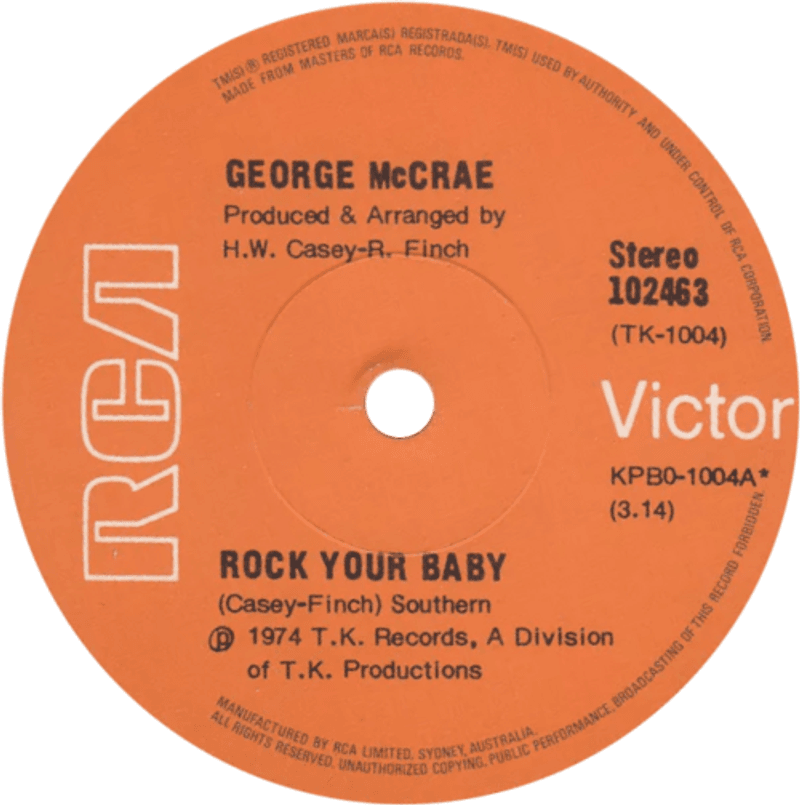
A demo recorded in a small Florida studio ended up selling millions around the world.
Harry Wayne Casey and Richard Finch, who worked at TK Records in Hialeah, wrote Rock Your Baby. They soon became famous as the leaders of KC and the Sunshine Band.
George McCrae was not their first choice for the vocal. He happened to be around the studio, and his falsetto turned out to be a perfect match.
The track used an early drum machine to keep a steady beat, a rare choice in 1974. That approach pointed toward the precise rhythms of later dance music.
Rock Your Baby reached No. 1 on the Billboard Hot 100 in July 1974 and stayed two weeks. It also topped charts in the United Kingdom and many other countries, helping spread the Miami dance style far beyond Florida.
13. I Shot the Sheriff by Eric Clapton
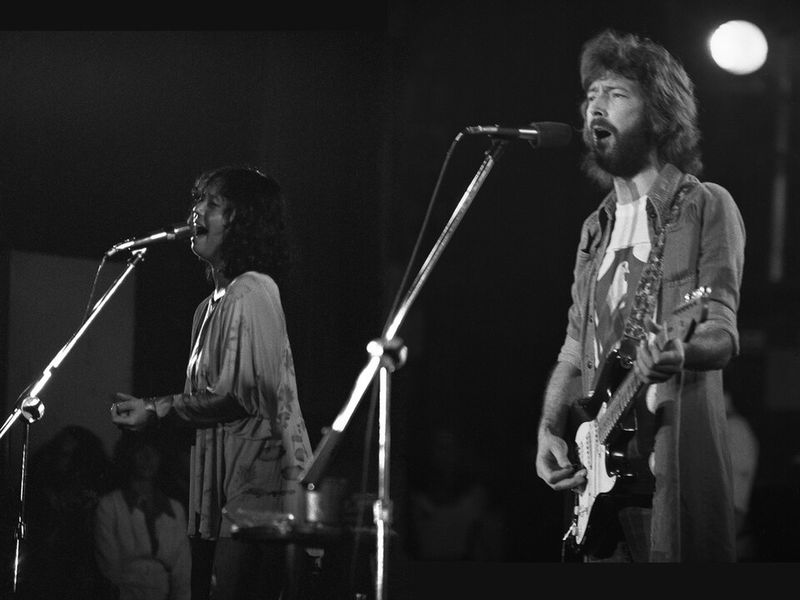
One of 1974’s biggest covers almost stayed off its album. Eric Clapton reportedly worried his version did not do justice to the original.
Bob Marley and the Wailers first recorded the song for their 1973 album Burnin’. Clapton’s guitarist George Terry introduced him to it, and the band cut a relaxed version for 461 Ocean Boulevard.
The album was recorded in Miami and named after the house where Clapton stayed. It marked a strong comeback after a quiet stretch in his career.
His version reached No. 1 on the Billboard Hot 100 on September 14, 1974, and stayed one week. It remains his only American No. 1 single.
The bigger impact went beyond Clapton. Many listeners went looking for Marley’s recordings afterward, and reggae gained a much wider audience in the United States.
Marley later said the cover helped him reach new fans.
Share this story