Spain has a cheesecake that’s intentionally browned almost black, a fried dessert wrapped around a lemon leaf you shouldn’t eat, and an almond cake decorated with a centuries-old religious symbol.
These are just a few of the traditional sweets found across the country. Mallorca is famous for its spiral-shaped ensaimadas, Madrid has its churros dipped in thick chocolate, and Catalonia has a custard with a caramelized sugar topping.
Some recipes date back centuries, while others became famous much more recently. Many are connected to local festivals, family bakeries, and regional traditions.
Here are 12 Spanish desserts worth knowing about, including what makes each one different and where to try them.
1. Crema Catalana, Barcelona, Catalonia
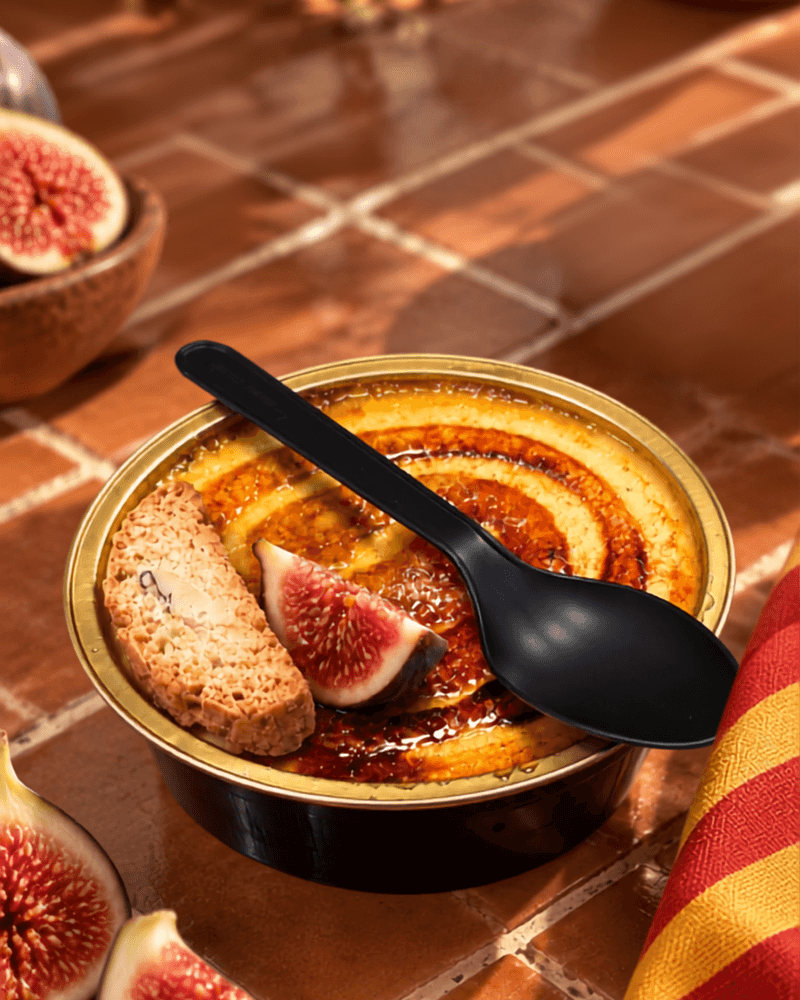
Long before anyone in France grabbed a kitchen torch, Catalan cooks were already writing custard recipes in 14th-century cookbooks. Crema catalana was once called Crema de Sant Josep and was served on Saint Joseph’s Day, March 19.
The recipe uses whole milk, egg yolks, sugar, and a little cornstarch. Lemon peel and a cinnamon stick flavor the milk first, and sometimes orange peel joins in.
Unlike crème brûlée, it cooks on the stovetop instead of the oven. That makes it a bit lighter and firmer than its French cousin.
Right before serving, sugar is sprinkled on top and caramelized with a hot iron called a pala or a torch. The thin layer cracks when your spoon taps it.
For the classic version, head to Granja M. Viader in Barcelona.
Founded in 1870, it still has its original floor tiles and vintage furniture. Fun bonus fact: this same little dairy shop invented Cacaolat, the bottled chocolate milk sold all over Spain.
2. Tarta de Santiago, Santiago de Compostela, Galicia
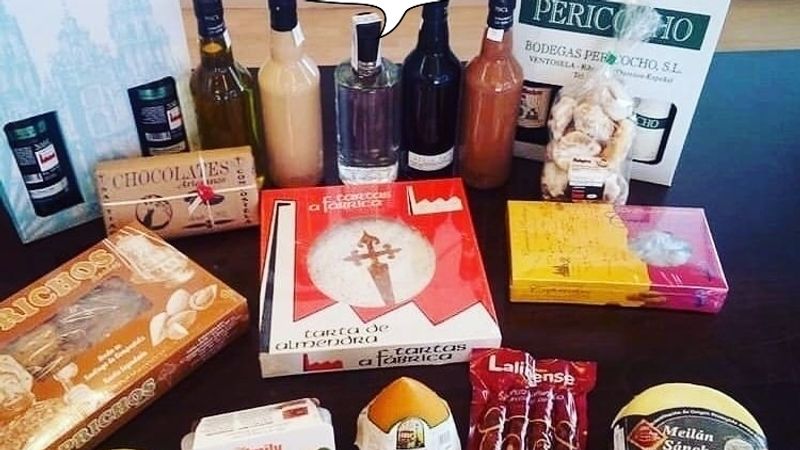
Pilgrims who walk hundreds of miles on the Camino de Santiago often celebrate the finish line with a slice of cake. Fair enough, since they have earned it.
Tarta de Santiago is a simple almond cake made from ground almonds, sugar, and eggs. Lemon zest and cinnamon are common extras.
Because there is no wheat flour, the cake is naturally gluten-free. That makes it a friendly pick for many travelers with dietary needs.
Its history is long. A similar royal cake was mentioned as early as 1577, and by the 1800s it was linked to the pilgrimage city.
The famous decoration came around 1924. Bakers place a stencil of the Cross of Saint James on top and dust it with powdered sugar.
In 2010, the European Union gave the cake protected status. Real Tarta de Santiago must be made in Galicia and contain at least 33 percent almonds.
Look for it in bakeries near the cathedral after your sightseeing.
3. Churros con Chocolate, Madrid, Community of Madrid
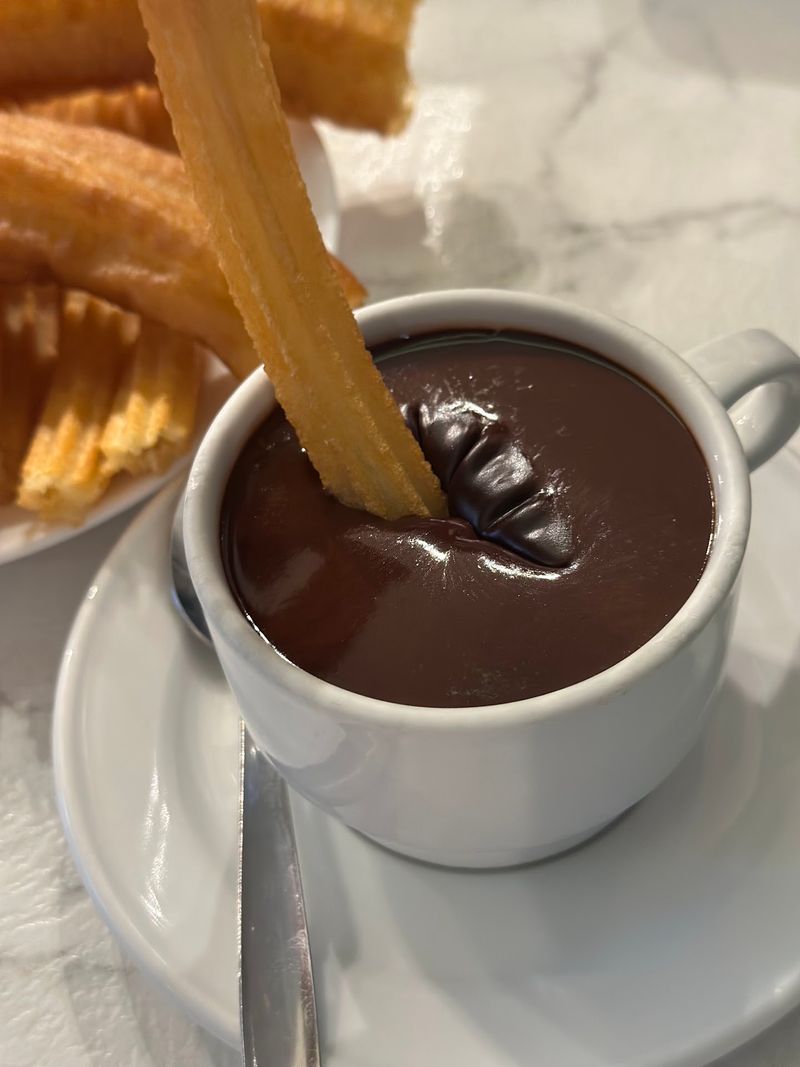
Madrid has a habit that confuses visitors: people eat fried dough and chocolate at breakfast, after school, and even well past midnight. Nobody seems to mind.
Churros are made from flour, water, and salt. The dough is piped through a star-shaped nozzle and fried until golden.
In Spain, they come plain or with a light sprinkle of sugar. Mexican churros usually get cinnamon sugar instead.
The chocolate is the real star. It is thick enough for dipping, not sipping, so keep a spoon nearby for the last bit in the cup.
Want something chunkier? Ask for porras, which are fatter churros with a softer middle.
Chocolatería San Ginés opened in 1894, just a short walk from Puerta del Sol. It has marble tables, old photos on the walls, and churros fried to order.
The line can look long, but it moves fast, and the place stays open late on many nights for night owls with a sweet craving.
4. Ensaimada, Palma, Mallorca
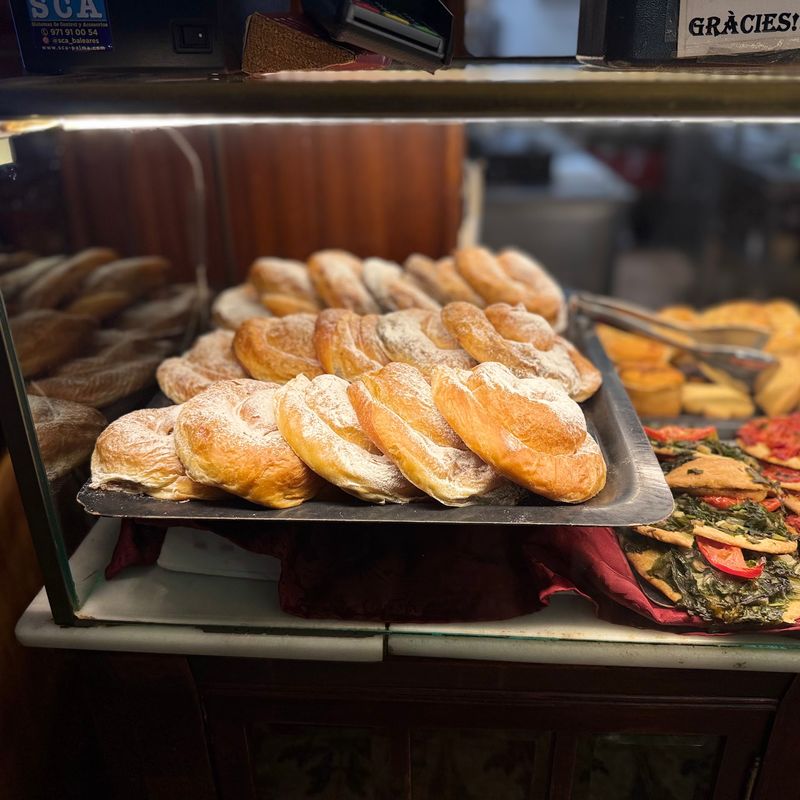
Spot a pastry shaped like a coiled snail wearing a snowy coat of sugar, and you have found Mallorca’s favorite breakfast. The name comes from saïm, the local word for pork lard, which is the secret ingredient.
Bakers mix strong flour, water, sugar, eggs, and yeast, then let the dough rest for at least 12 hours. Some wait up to two days.
Next, the dough is stretched very thin, spread with lard, rolled into a long rope, and coiled into a spiral. After another rise, it bakes until golden and gets a heavy dusting of powdered sugar.
The plain version is called llisa. Popular fillings include cabell d’àngel, a sweet pumpkin preserve, plus cream or chocolate.
Written records of ensaimadas go back to the 1600s. In Palma, Ca’n Joan de s’Aigo has served them since around 1700.
Order one with their thick hot chocolate and you will understand why locals keep coming back.
5. Tarta de Queso Vasca, San Sebastián, Basque Country
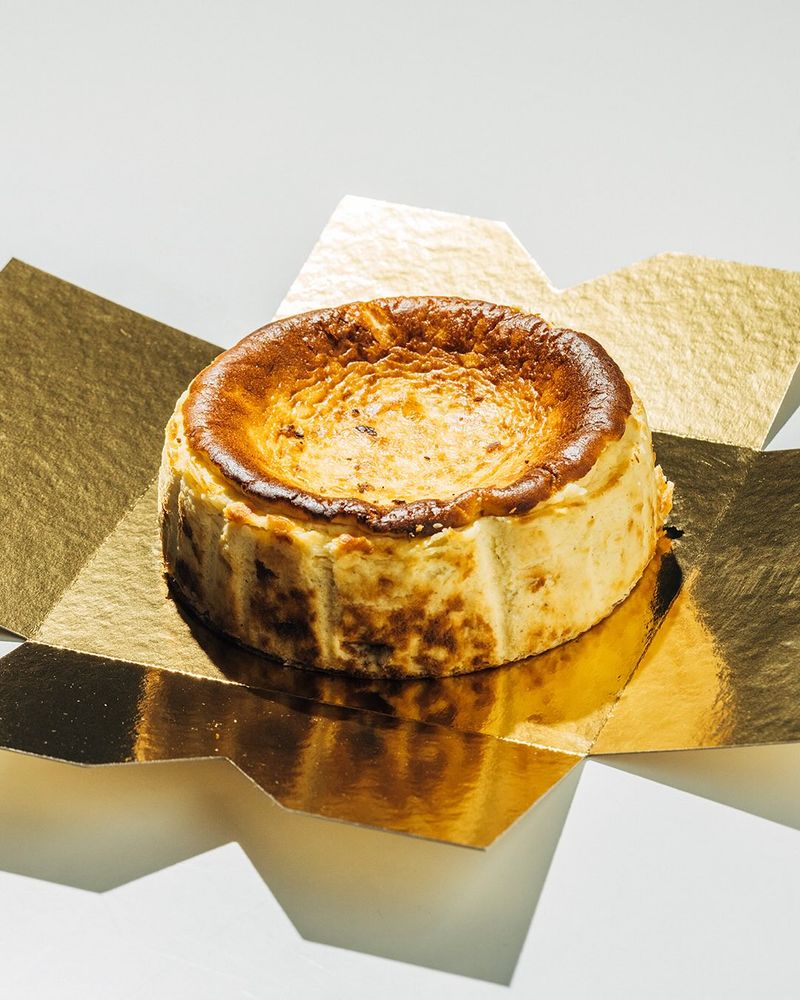
Burning a cake usually means starting over, but in San Sebastián it means you did it right. Chef Santiago Rivera created this rule-breaking cheesecake at La Viña in the early 1990s.
The recipe is short. Cream cheese, heavy cream, sugar, eggs, and a tiny bit of flour are all it takes.
There is no crust and no water bath. Instead, the batter goes into a pan lined with crumpled parchment paper and bakes at a very high temperature for a short time.
That heat turns the top deep brown, almost black. The darkened surface adds a caramel-like taste, while the center stays soft and creamy.
The rough edges and wrinkled paper are part of the look, not a mistake. It is usually served plain and at room temperature.
Around 2018, photos of the cake spread across social media, and bakeries worldwide began copying it. Still, the original at La Viña is worth the visit, so plan a stop in the Old Town.
6. Torrijas, Madrid, Community of Madrid
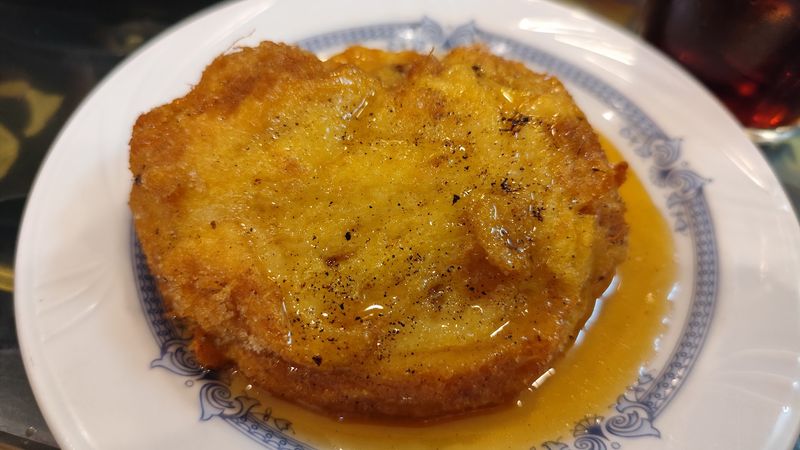
Stale bread rarely gets a happy ending, except in Spain during Holy Week. That is when torrijas fill bakery counters across Madrid.
Thick slices of day-old bread soak in milk flavored with sugar, cinnamon, and lemon or orange peel. Older bread works best because it absorbs more without falling apart.
The slices are then dipped in beaten egg and fried in olive oil until golden. Bakers finish them with cinnamon sugar, honey, or syrup.
People often call them Spanish French toast. One big difference is that torrijas are usually eaten cool or at room temperature, not hot.
The idea goes back a long way. Similar recipes existed in Roman times, and by the 1400s Spanish families used them to stretch bread during Lent when meat was off the menu.
Spring is the best season to hunt for them. Many Madrid bakeries now sell torrijas year-round, but Holy Week brings the widest choice, including versions soaked in flavored milk or topped with custard.
7. Quesada Pasiega, Vega de Pas, Cantabria
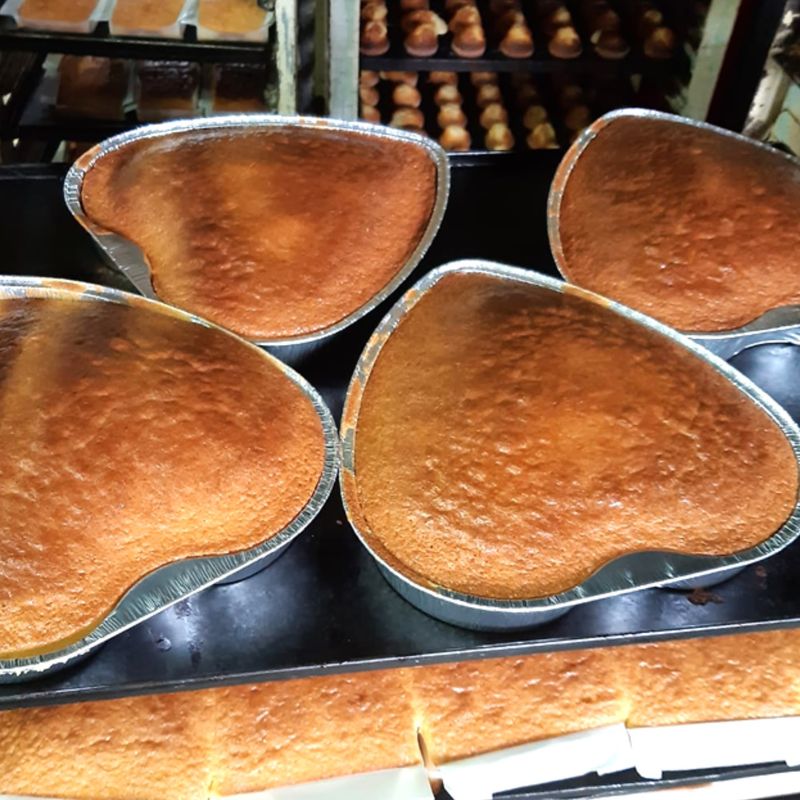
Cows outnumber shoppers in the green Pas valleys, which explains a lot about this dessert. Local farm families needed a way to use their fresh dairy, and quesada pasiega was the tasty answer.
Some sources say it dates back as far as the 1300s. Shepherds and farm families baked it with what they had on hand.
The main ingredients are fresh cheese, sugar, butter, eggs, and a little flour. Lemon zest and cinnamon give it a light, warm flavor.
Once baked, it has a golden top and a dense, moist middle. It sits somewhere between a custard and a cheesecake.
It is fairly thin and flat, so it is often cut into squares. There is no cookie crust like many modern cheesecakes.
Most people eat it plain, either warm or chilled. A drizzle of honey is a nice extra.
If you visit Vega de Pas, local shops sell whole quesadas, which make an easy picnic treat for a countryside drive.
8. Yemas de Santa Teresa, Ávila, Castile and León
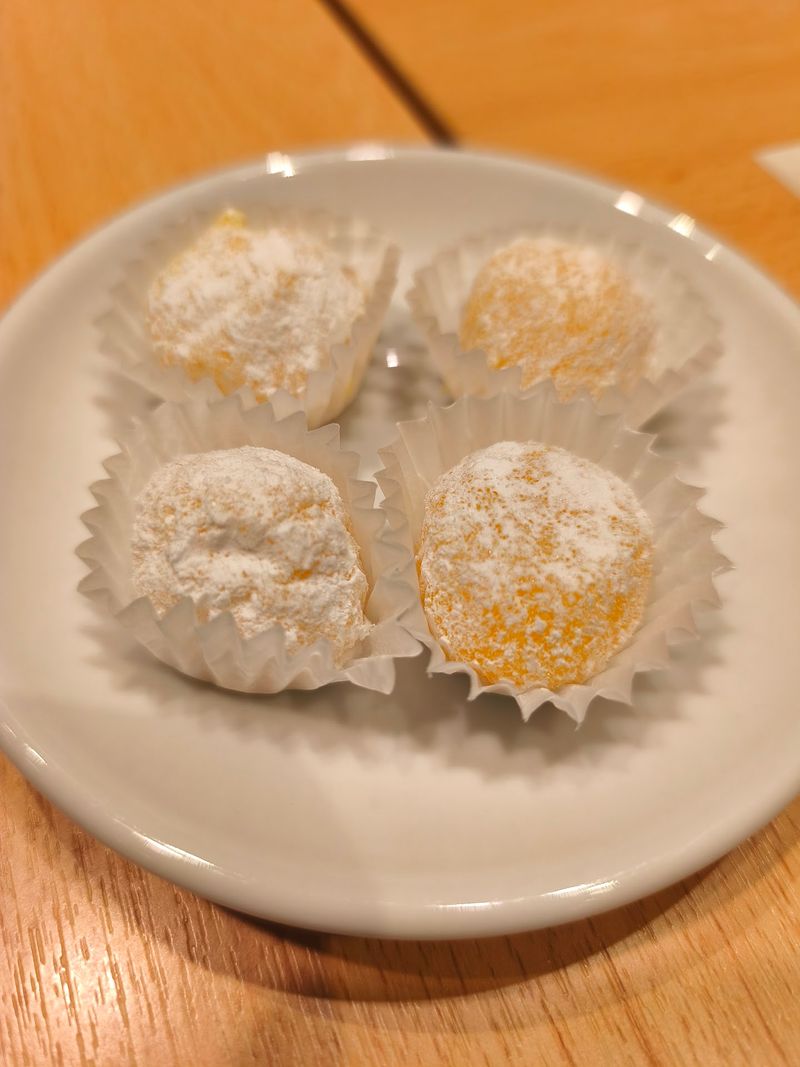
Leftover egg yolks were a real puzzle for old Spanish convents. Egg whites had many uses, so nuns turned the extra yolks into sweets and sold them to support their communities.
Ávila’s version became famous in 1860. A local confectioner named Isabelo Sánchez began selling them and named them after Saint Teresa, the city’s well-known 16th-century nun and writer.
The recipe has just a few ingredients. Sugar and water become a thick syrup, often with lemon zest or a bit of cinnamon.
Beaten yolks are slowly stirred in over very low heat. The mix thickens into a paste, cools, and is rolled by hand into small balls.
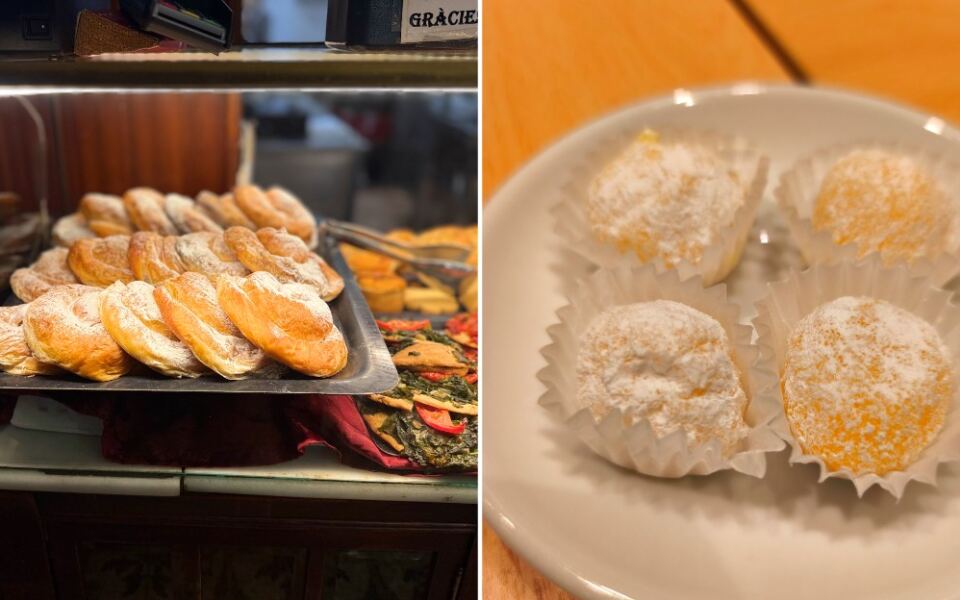
Each one sits in a white paper cup with a dusting of powdered sugar. They are bite-sized, so buying a box to share is the smart move.
Look for them in shop windows around the city walls. They are especially popular on October 15, Saint Teresa’s Day.
9. Paparajotes, Murcia, Region of Murcia
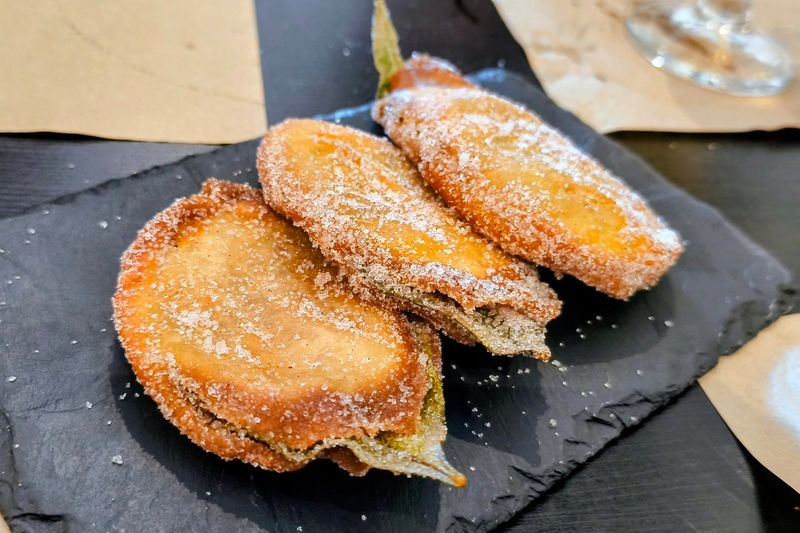
Here is a dessert with one firm rule: do not eat the leaf. Paparajotes are made by wrapping batter around a fresh lemon tree leaf.
The batter uses flour, milk, eggs, and sugar, often with lemon zest and cinnamon. Cooks pick young, light green leaves and wash them well.
Each coated leaf is fried until golden, then rolled in sugar and cinnamon. The leaf adds a light citrus flavor and holds the shape together.
To eat one, hold the stem and pull the coating off with your teeth. Then set the leaf aside.
First-timers who skip this step usually learn quickly.
Paparajotes likely trace back to recipes brought by Moorish or Sephardic cooks. Farm families in the Murcian orchards once made them often.
Today they star at spring events like the Bando de la Huerta and at the September Fair. In 2016, they were even named one of the seven wonders of Spanish food.
10. Turrón de Jijona, Jijona, Valencian Community
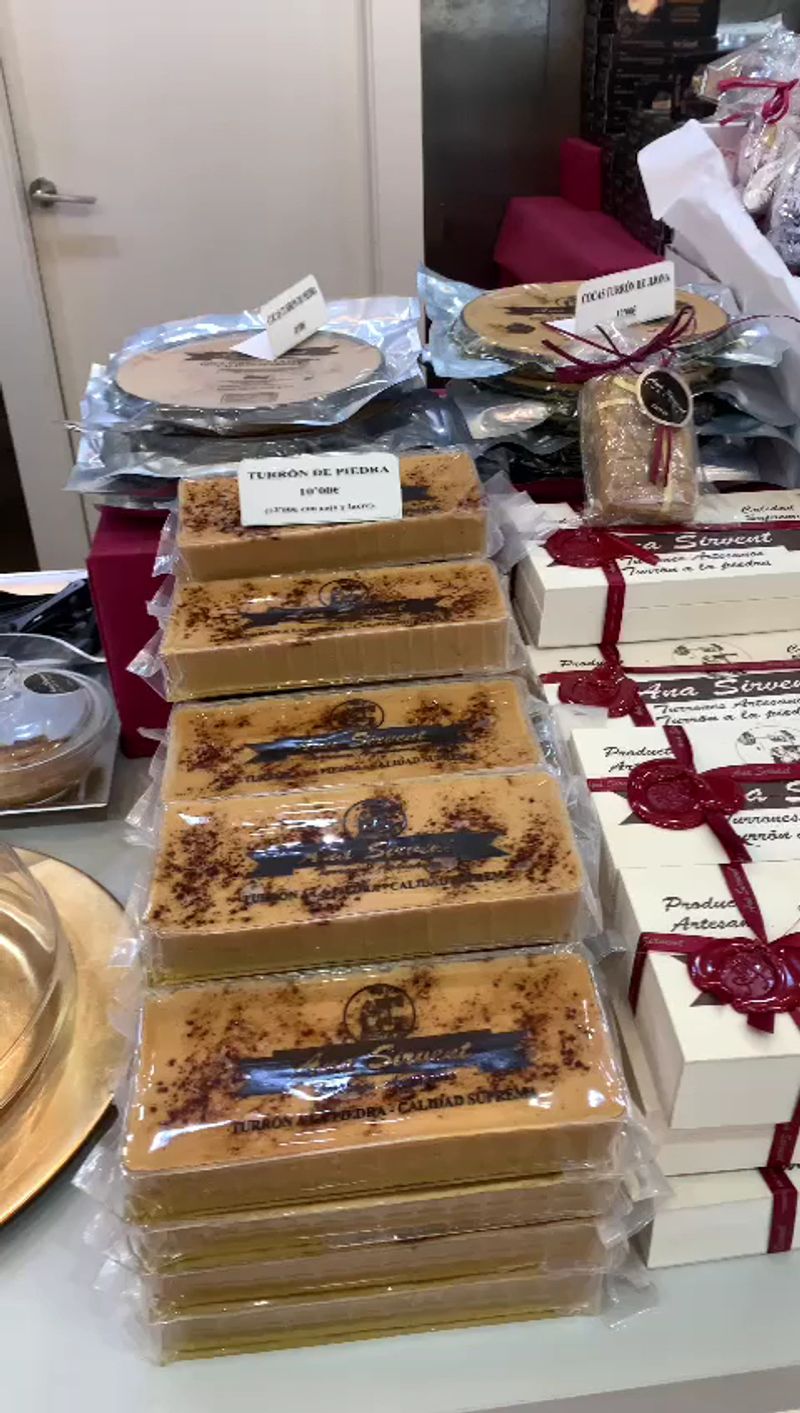
A small town of about 7,000 people supplies much of Spain’s Christmas candy. Jijona is known as the turrón capital, and almond groves around the town helped earn that title.
Soft turrón from Jijona uses toasted ground almonds, honey, sugar, and egg white. The real skill is in the process.
The mix is worked in a heated machine called a boixet. This helps the almonds release their natural oils and creates a smooth paste.
After more cooking and kneading, the paste goes into rectangular molds. The whole job usually takes at least two days.
The result is soft, golden, and rich with almond and honey flavor. Its hard cousin, Turrón de Alicante, has whole almonds and snaps when you bite.
Jijona’s turrón has protected status in Europe, so it must be made in the town itself. The top Supreme grade needs at least 64 percent almonds, so check the label before buying gift boxes.
11. Goxua, Vitoria-Gasteiz, Basque Country
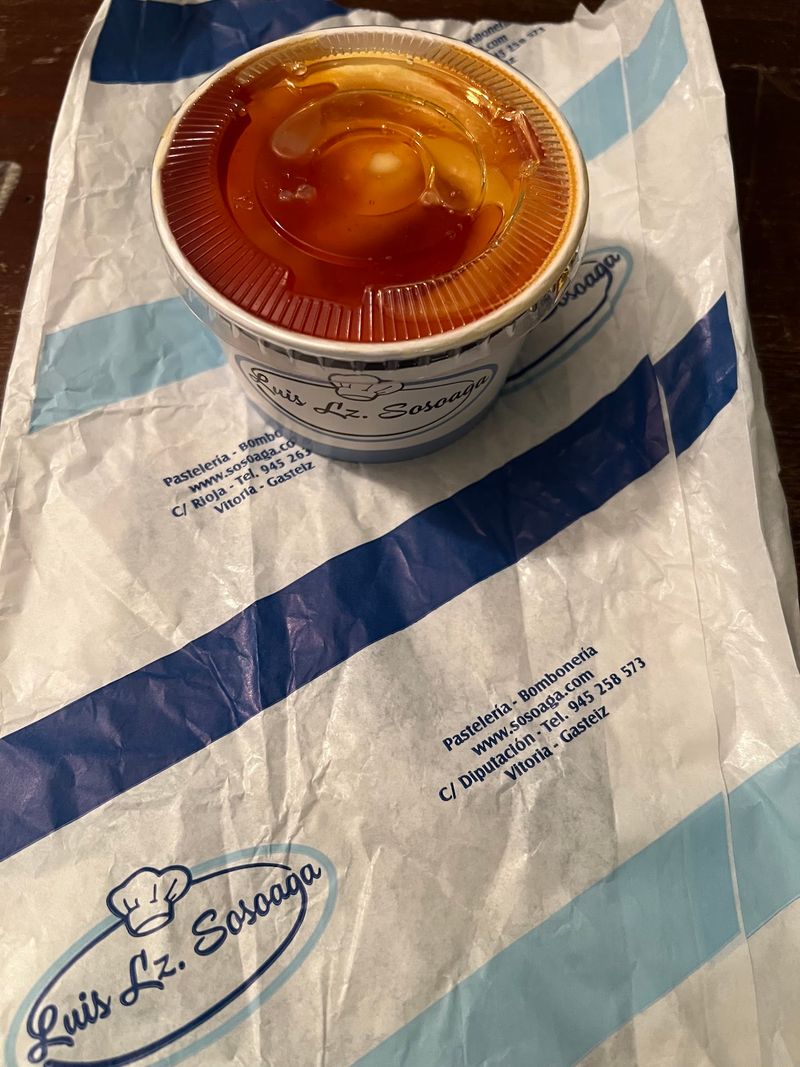
Basque speakers keep things simple: goxua just means sweet. One look at this layered treat and the name makes total sense.
Many credit pastry chef Luis López de Sosoaga of Vitoria-Gasteiz with creating it around 1976 or 1977. Some say it began as a local spin on crema catalana.
The bottom layer is usually whipped cream. Next comes sponge cake soaked in syrup, then a thick layer of pastry cream.
To finish, sugar is sprinkled on top and caramelized until it forms a crisp shell. Some versions use cinnamon or honey instead.
It often arrives in a clear glass or small bowl, so you can see every layer. Older styles may come in a clay pot.
Goxua is a nice change from the famous Basque cheesecake. It is creamy and light rather than baked and dense.
Pastry shops in Vitoria-Gasteiz’s old town sell individual cups, a sweet way to wrap up this tasty tour of Spain.
12. Pestiños, Seville, Andalusia
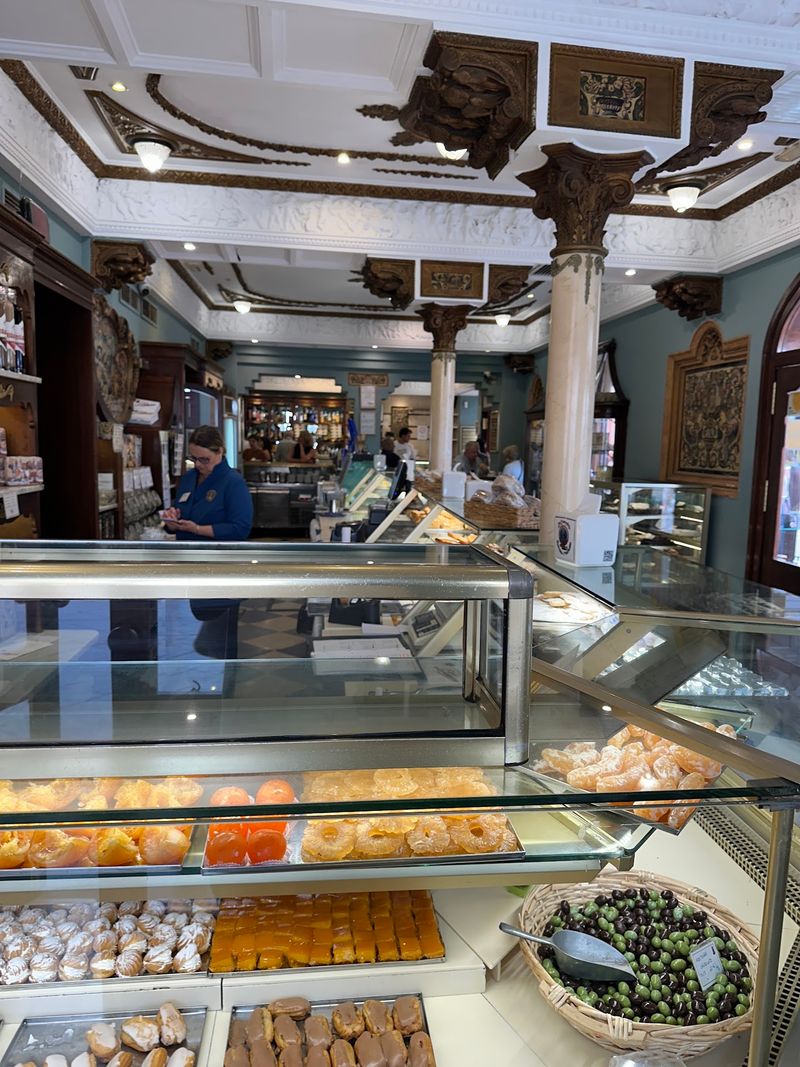
Spanish writers were mentioning pestiños back in the 1500s, and Andalusian families still fry them every Christmas and Holy Week. Few snacks can claim that kind of staying power.
The dough uses flour and olive oil, flavored with orange and lemon peel, anise, and sesame seeds. Some cooks add a pinch of cinnamon or cloves too.
Bakers roll it very thin, almost see-through. Then they cut small squares and fold two corners into the center, creating a little bow shape.
After frying in olive oil, pestiños get one of two finishes. Some are dipped in warm honey for a shiny, sticky coat.
Others are tossed in sugar and cinnamon for a drier option. Both are good, so trying one of each is a fair plan.
Arab cooks shaped many Andalusian sweets with honey and spices, and pestiños show that history clearly. In Seville, convents and bakeries sell them by the bag, which makes them easy to snack on while sightseeing.
Share this story