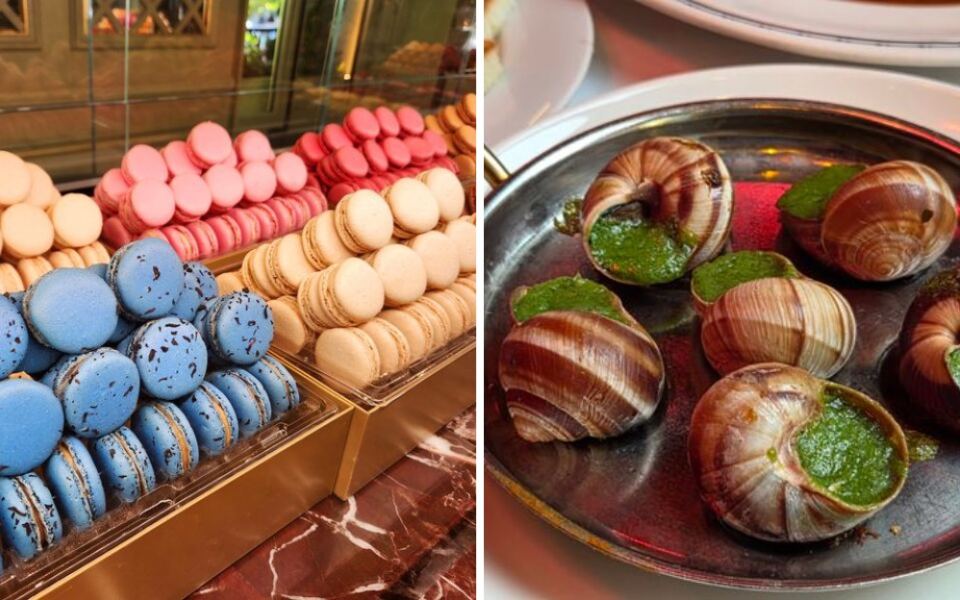
Paris is a city where every street seems to smell like butter, bread, or something sweet. Its classic dishes tell the story of French home cooking, bistro life, and pastry artistry.
Knowing what to order, and where, can turn a simple meal into a lasting memory. Here are ten traditional foods worth seeking out, each paired with a Paris spot known for it.
1. Croissant at Maison Pichard
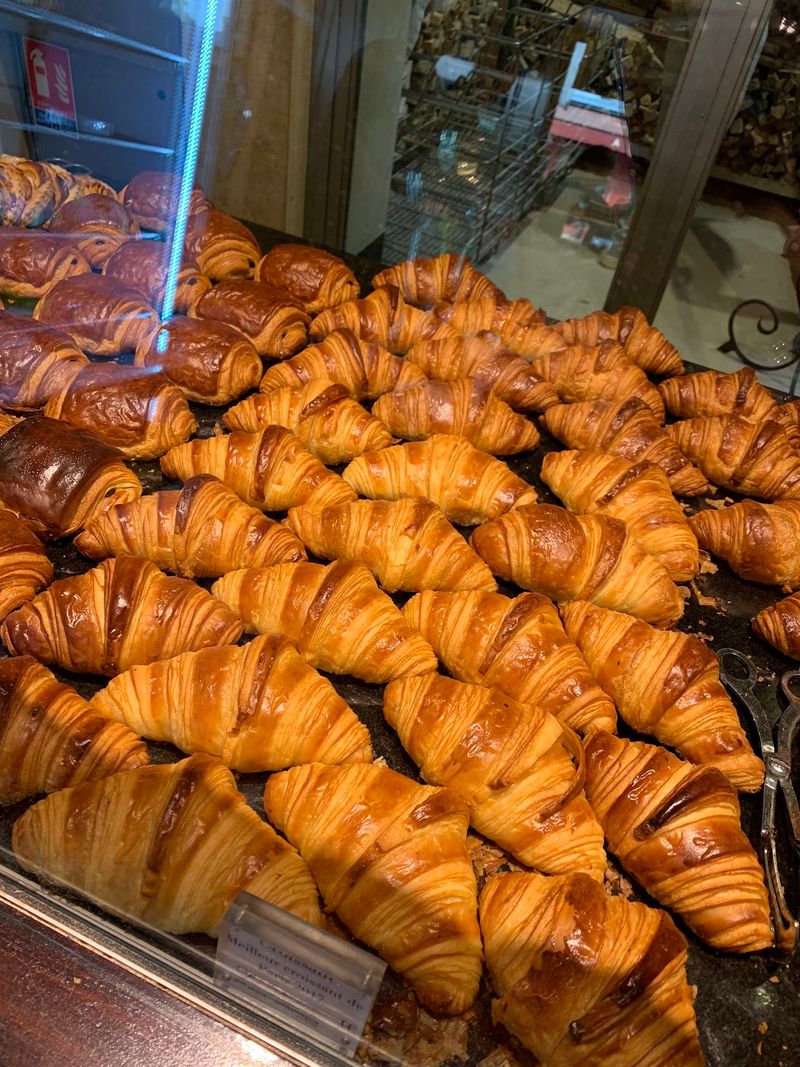
Golden, flaky, and still warm from the oven, a good croissant can make a Paris morning feel special. Maison Pichard is known for pastries made with careful technique and quality butter, and the croissant is a fine place to begin.
Look at the layers before you bite. A well-made croissant has a crisp shell that shatters gently, while the inside stays soft, airy, and honeycombed.
The butter flavor should be rich but not greasy.
Here is a small history bit: the croissant is often linked to Austria’s kipferl, and French bakers refined it into the laminated pastry people know today.
Go early, since the best pastries often sell out by mid-morning. Pair yours with a small black coffee or a café crème, and eat it right away while the crust is at its crispiest.
2. Baguette Tradition at Boulangerie Poilâne
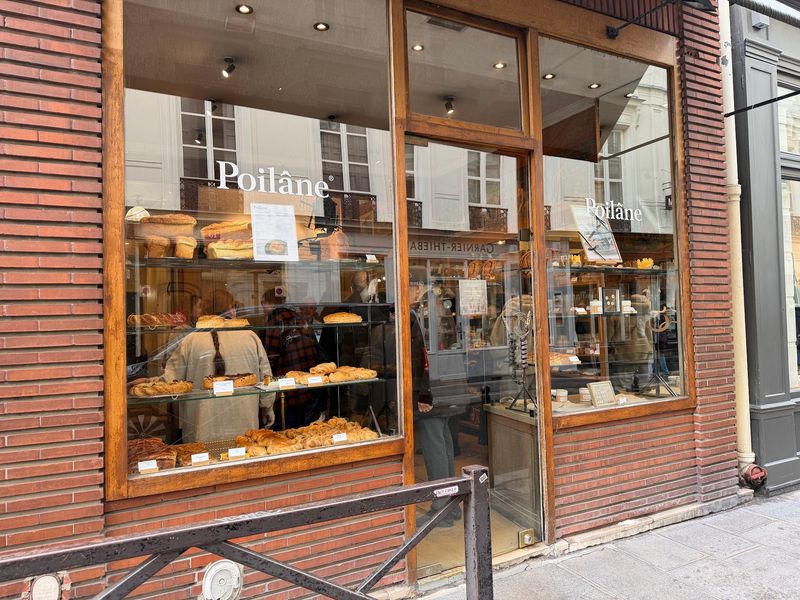
Few foods say France as clearly as a crackling baguette tucked under someone’s arm. The Baguette Tradition is special because French law says it must be made with only flour, water, salt, and yeast, with no additives.
Boulangerie Poilâne is famous for its rustic style and slow, careful baking. Expect a deep golden crust and an open, chewy crumb with a slightly nutty, wheaty taste.
Listen closely when you squeeze it gently. A fresh loaf crackles, and that sound is a sign of a good bake.
Buy one in the morning and tear off pieces as you walk. Add a little butter or a slice of cheese, and you have a simple lunch.
Remember that baguettes are best the same day, so buy only what you can finish.
3. Escargots de Bourgogne at L’Escargot Montorgueil
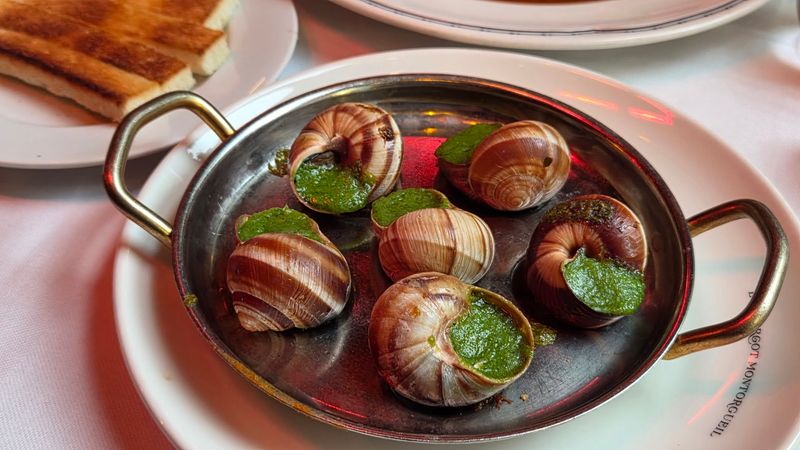
Snails sound like a dare, but in France they are a proud classic. Escargots de Bourgogne are baked in shells with garlic, parsley, and plenty of butter, and the taste is closer to a savory, herby mushroom than anything strange.
L’Escargot Montorgueil has served this dish for generations in a lively corner of the city. The golden shop front and old-style dining rooms add to the experience.
Most orders come in portions of six or twelve. Use the small tongs to hold the shell and a tiny fork to lift out the snail.
The best part may be the leftover butter. Tear off a piece of bread and mop up every drop.
If you are nervous, share a half dozen with a friend and see how you feel.
4. Soupe à l’Oignon at Au Pied de Cochon
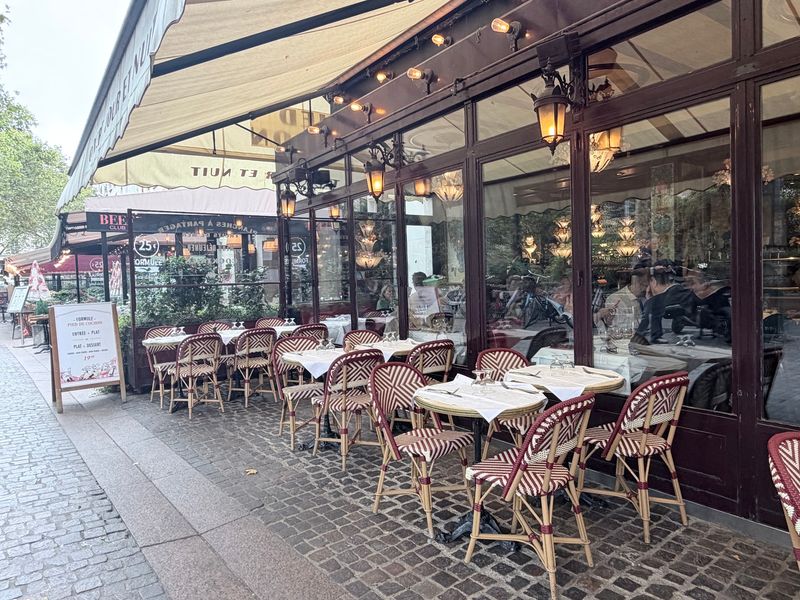
On a chilly night, nothing beats a crock of onion soup with cheese bubbling over the edge. The recipe is humble: onions cooked slowly until sweet and brown, simmered in beef broth, and topped with toasted bread and melted Gruyère.
Au Pied de Cochon is a Paris brasserie that stays open at all hours, so it has long been a favorite for late dinners. Tradition says the soup was a cure for workers finishing a night shift at the old Les Halles market.
Wait a minute before the first spoonful, because the cheese holds heat well. Then break through the crust and scoop up the soft bread underneath.
A glass of dry white wine goes nicely with it. Order it as a starter, since it is quite filling.
5. Boeuf Bourguignon at Joséphine Chez Dumonet
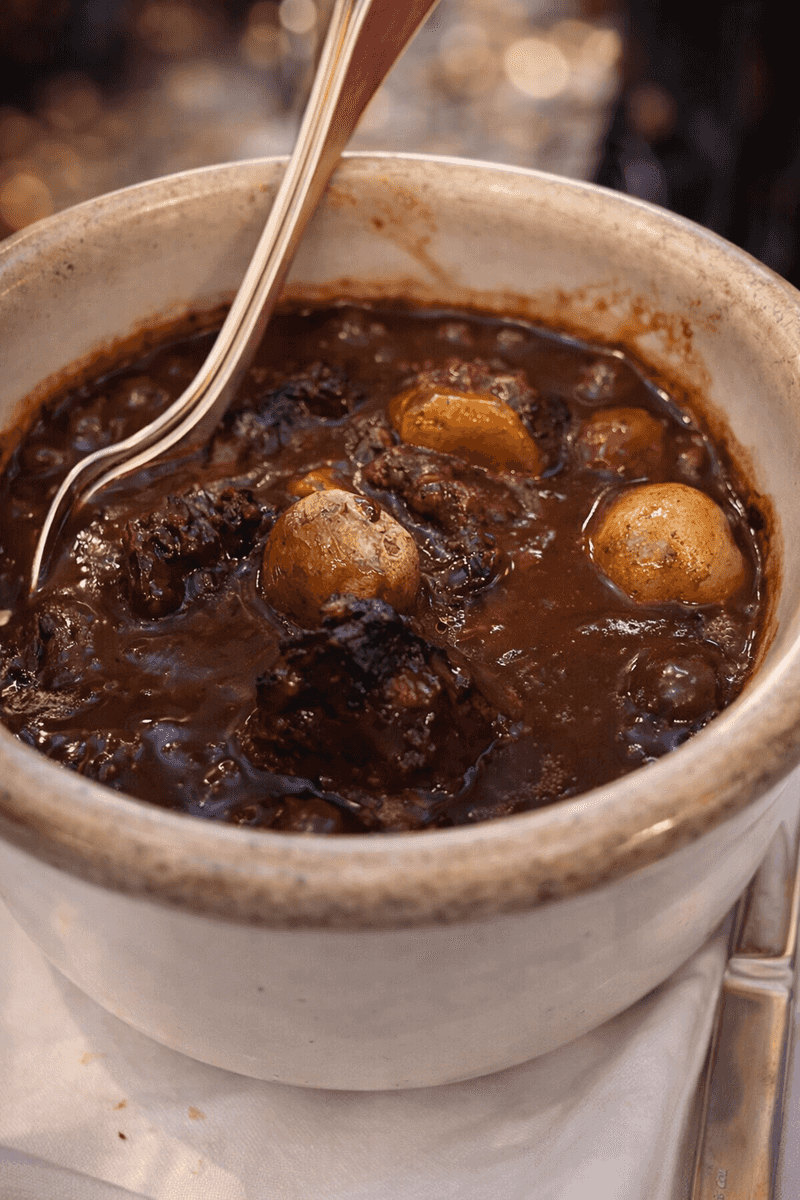
Picture a cast iron pot, a dark red wine sauce, and beef so tender it falls apart at the touch of a fork. That is boeuf bourguignon, a dish from Burgundy that became a symbol of French comfort food.
Joséphine Chez Dumonet is a classic bistro that honors old recipes with generous portions. The beef is simmered for hours with carrots, mushrooms, and small onions until the sauce turns glossy and deep.
This dish is meant to be slow, so plan for an unhurried meal. Mashed potatoes or buttered noodles are common sides that catch the sauce well.
Reserve a table ahead of time, because small bistros in Paris fill quickly. A medium-bodied red wine, ideally from Burgundy, makes a fitting match.
6. Steak Frites at Le Relais de l’Entrecôte
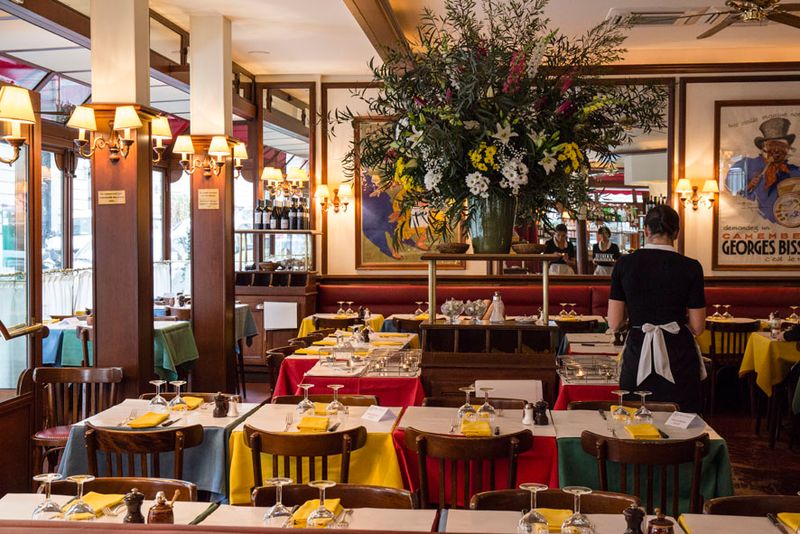
Some restaurants keep things simple, and this one has only one main dish. Le Relais de l’Entrecôte serves sliced steak in a secret-recipe sauce with a heap of crisp fries, and diners do not even need to choose a menu item, just how they like the meat cooked.
The sauce is creamy, herby, and a little tangy, and it clings to both steak and fries. A second helping of both usually arrives partway through the meal.
Lines can form outside before opening, so arrive a little early. Start with a walnut salad, which is the traditional first course.
Steak frites itself is a bistro staple across France, which makes this a good place to learn why people love it so much.
7. Duck Confit at Bistrot Paul Bert
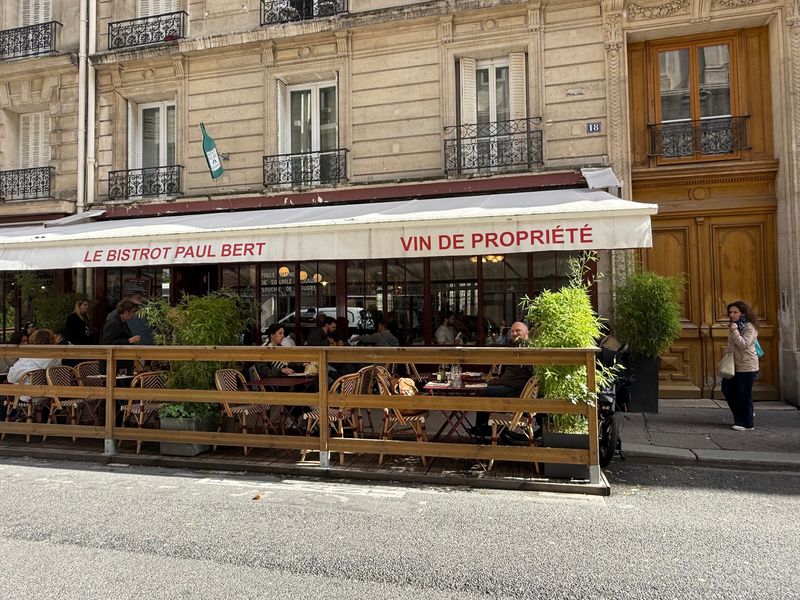
Crisp skin that crackles, meat that melts: that is the promise of duck confit. The method comes from southwest France, where cooks once preserved duck by slowly cooking it in its own fat.
Bistrot Paul Bert is a beloved neighborhood spot with a vintage look, tiled floors, and a chalkboard menu. Its confit arrives with the skin browned and the inside tender and rich.
Potatoes cooked in duck fat are a classic partner. A green salad with a sharp vinaigrette on the side cuts through the richness nicely.
Since the portions are hearty, you may want to skip a heavy starter. Ask your server about wines from the southwest, like Cahors, for a regional pairing that feels just right.
8. Crêpes at Breizh Café
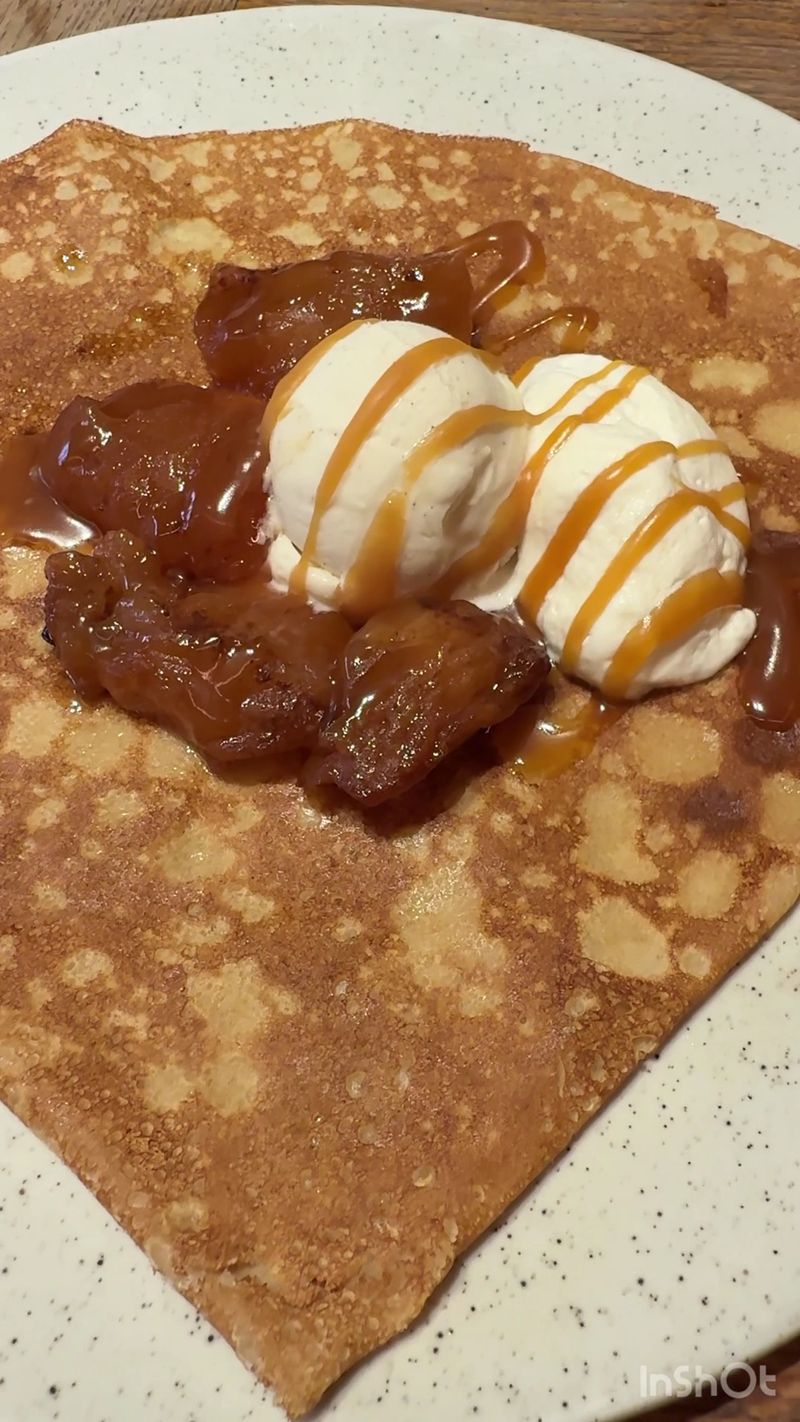
Brittany sent its best pancake to Paris, and the city has loved it ever since. Crêpes come in two main styles: sweet ones made with wheat flour, and savory galettes made with buckwheat.
Breizh Café is known for using quality ingredients, including Breton butter and carefully chosen cheeses. A classic galette has ham, egg, and Gruyère folded inside a crisp, lacy edge.
For dessert, try a crêpe with salted caramel, a Brittany favorite. Many guests enjoy it with a bowl of dry apple cider, which is the traditional drink.
Sharing is easy, as crêpes are thin and light. Try one savory and one sweet to taste both sides of Breton cooking in a single sitting.
9. Macarons at Ladurée
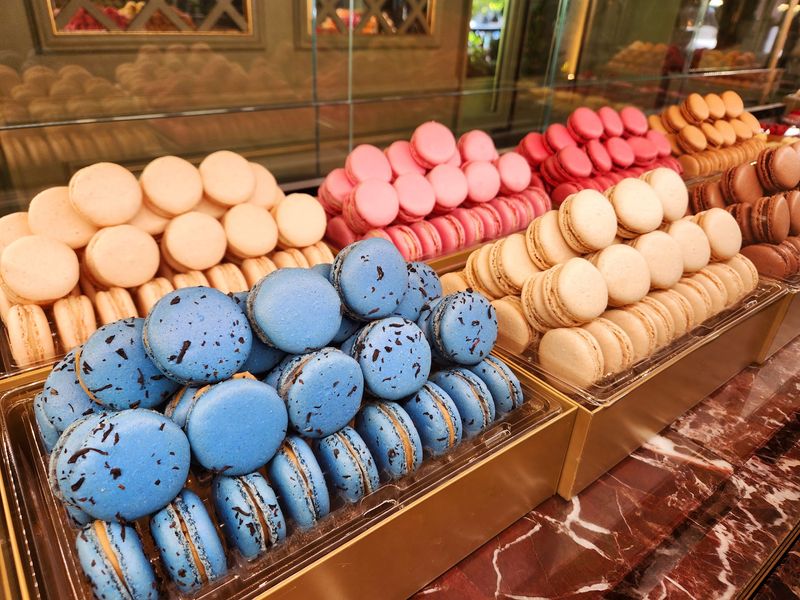
Small, round, and pastel-colored, macarons look like jewelry for the dessert table. They are made from almond flour, egg whites, and sugar, with a creamy filling pressed between two thin shells.
Ladurée helped make the modern double-shell macaron famous in the early twentieth century. Its salon on Rue Royale and its mint green boxes are known around the world.
Classic flavors include pistachio, raspberry, and vanilla, while seasonal editions appear throughout the year. A good macaron has a delicate crisp top and a soft, slightly chewy center.
Buy a mixed box if you want to compare tastes. Store them in the fridge, but let them sit out for a few minutes before eating so the flavors open up.
10. Éclairs at Stohrer
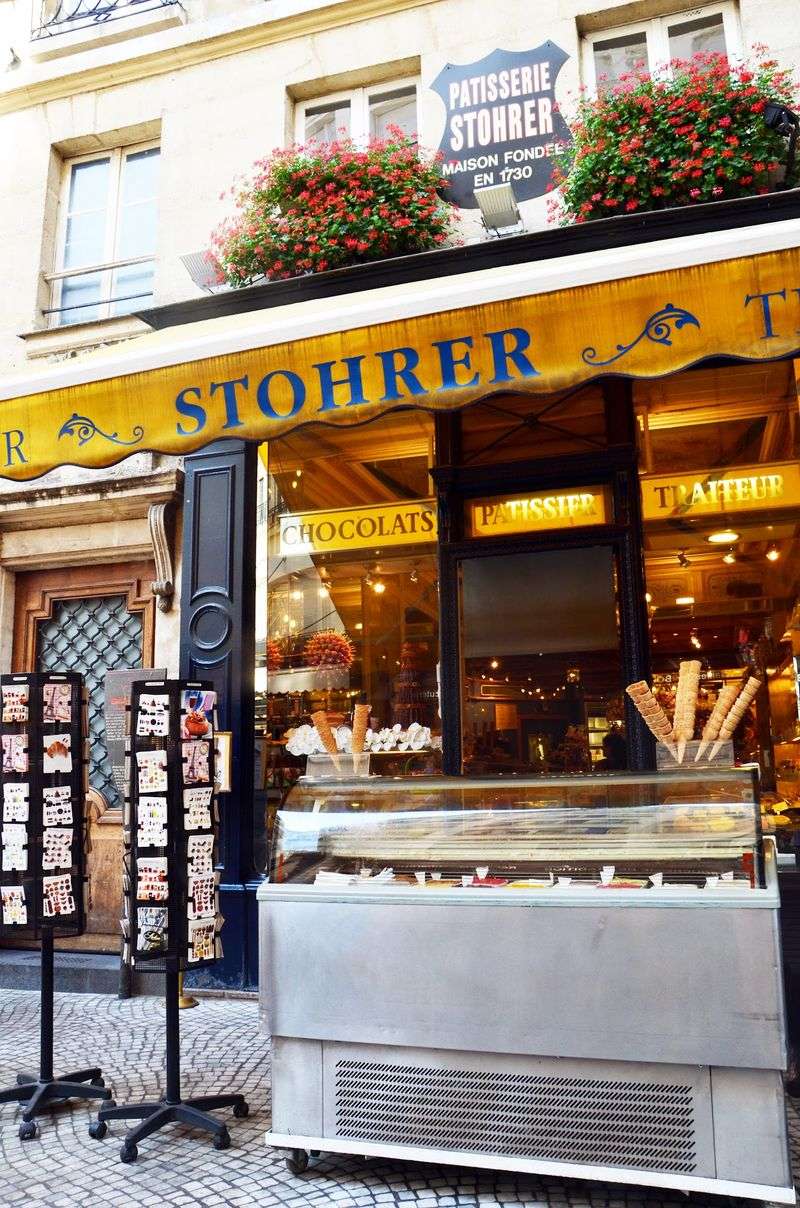
Stohrer has been baking since 1730, which makes it one of the oldest pastry shops in Paris. Its story began when Nicolas Stohrer, the pastry chef of a Polish princess who became queen of France, opened a shop on Rue Montorgueil.
The éclair is a long choux pastry filled with cream and topped with shiny icing. Chocolate and coffee are classics, though caramel and pistachio also have loyal fans.
Look for a thin, crisp shell and a smooth filling that is not too sweet. Freshness matters, so éclairs are best eaten the day they are made.
The shop itself, with painted ceilings and golden details, is worth a look. Grab a treat to enjoy on a nearby bench and watch the street life pass by.
Share this story