You drive across flat Oklahoma land for miles, and then rocky mountains suddenly rise out of nowhere. Around the next bend, a bison might be standing right beside the road, chewing grass like it owns the place.
That is the kind of surprise waiting in the southwest corner of the state, where longhorns, elk, and chattering prairie dogs share a wild home. It costs nothing to enter, yet it feels like finding a secret most people drive right past.
A Rocky Island Rising From the Oklahoma Plains
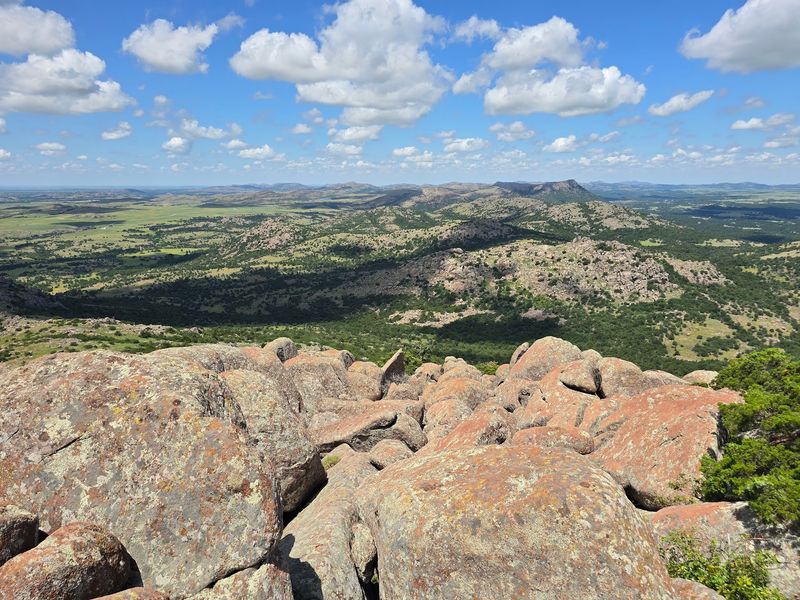
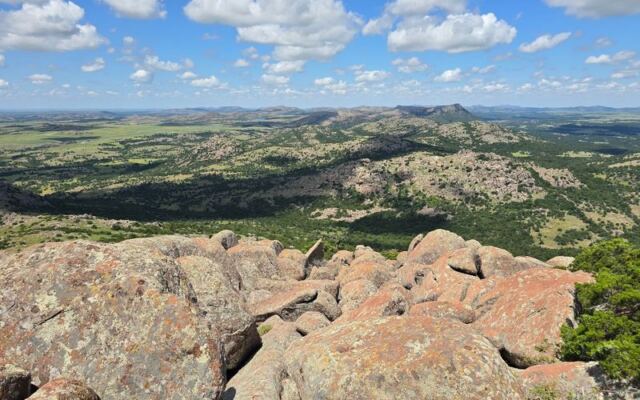
Picture miles of flat, open country, then a cluster of rugged granite peaks popping up like a surprise party. Visitors often say the contrast is the first thing that grabs them, since the land around it is so level.
The Wichita Mountains Wildlife Refuge sits in southwest Oklahoma, with its headquarters at 32 Refuge Headquarters Road near Indiahoma. It is a protected home for bison, elk, wild turkey, and plenty of other creatures.
People come for the lakes, nature trails, and wildlife viewing, but many stay for the feeling of being somewhere truly wild.
Here is the part that surprises first-timers: there is no admission fee. You can simply drive in, roll down your window, and start watching for animals.
Picnic spots sit near the lakes, and hiking trails branch off in every direction.
Guests describe it as a low-key escape that is not crowded or touristy. Some arrive with no idea what to expect and leave completely stunned by what they found.
A few even say it became the highlight of their whole trip through the state.
So what makes this corner of Oklahoma so special? The story starts with the animals themselves.
Bison With Deep Roots
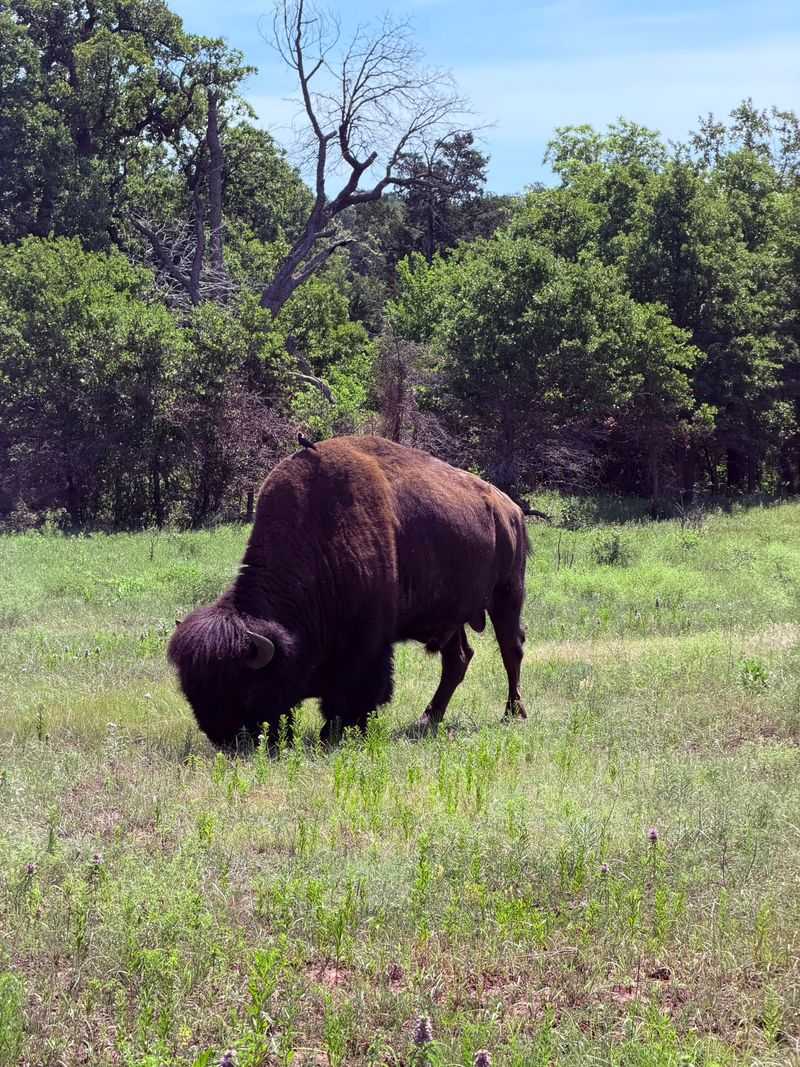
Few sights in Oklahoma beat a shaggy bison lumbering across the road in front of your car. At this refuge, that moment happens a lot, and bison are easily the most talked-about animals here.
One longtime visitor points out that the bison stock comes from the original herd that once crossed these grasslands. That gives each sighting a little extra weight, like seeing a living piece of history.
Animals roam freely, so you never quite know where a herd will show up.
Hikers have spotted huge groups along the Buford Lake Trail. Drivers exploring quiet side roads often get their closest looks without ever leaving the vehicle.
One guest suggests visiting during bison season, when you might see hundreds at once.
Now for the serious bit. Bison are big, fast, and protective, and visitors warn that males may charge to defend their space.
Stay behind fence barriers, keep plenty of distance, and let them have the right of way.
Many regulars simply stay in the car and enjoy the show through the windshield. After all, as one guest kindly put it, this is their home, and we are just lucky visitors passing through.
Longhorns and Elk Wandering the Hills
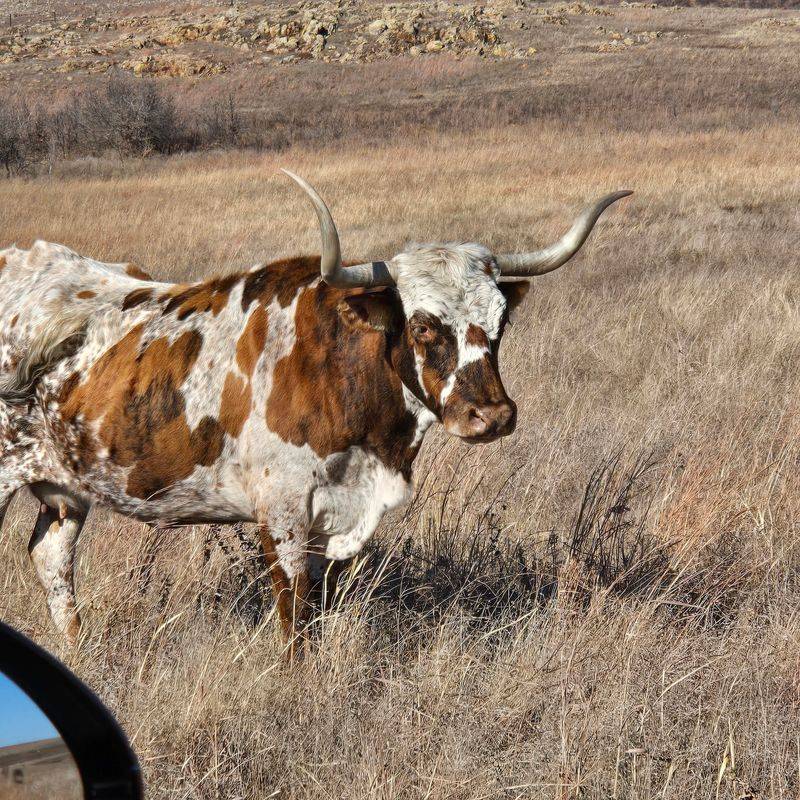
Imagine waking up at your campsite and finding a longhorn casually strolling past your tent. Campers at Doris Campground say that actually happened, along with deer wandering right through.
Longhorns are one of the refuge’s quirkiest residents. With their wide, sweeping horns, they look like they walked straight out of an old Western movie.
Guests often spot them grazing near roads or ambling through open fields without a care.
Elk add a different kind of thrill. They are bigger than deer and a bit more mysterious, often found lingering near wooded edges.
Many visitors list elk right alongside bison and longhorns when describing their favorite sightings.
Patience pays off with these animals. One guest recommends taking slow drives and paying close attention to who might be hanging out in the woods.
A quick glance can miss an elk standing perfectly still among the trees.
Wild cattle, deer, coyotes, and roadrunners also make appearances, so keep your camera ready. Each visit feels a little different because the cast of characters keeps changing.
That sense of not knowing who you will meet next is exactly what keeps people coming back again and again.
Prairie Dog Town and Its Tiny Residents
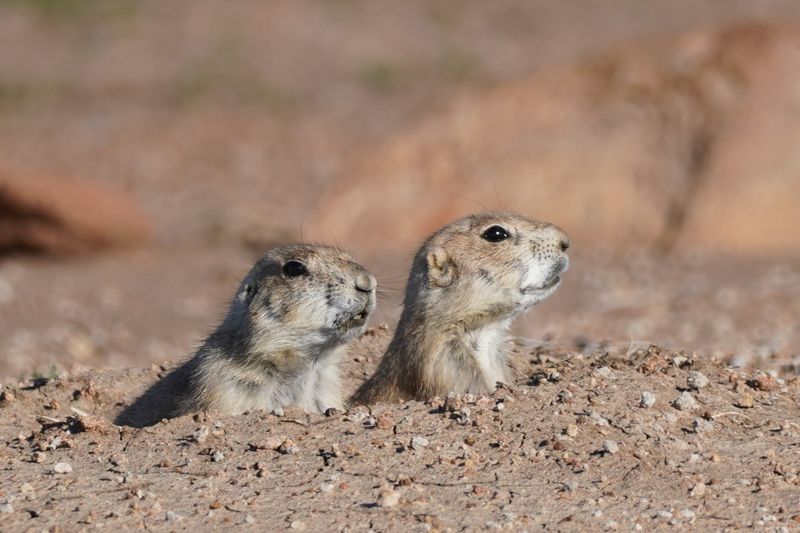
Squeak, chirp, pop! That is the soundtrack of prairie dog town, one of the cutest stops in the whole refuge.
Hundreds of little burrow mounds dot the grass, and furry heads poke up to watch you. Prairie dogs ranked among the most mentioned animals by visitors, and it is easy to see why.
They stand on their back legs, call out warnings, and dash between holes like busy neighbors.
Fun fact from one guest: some of the prairie dogs here were rehabilitated and moved from far northwestern Oklahoma City. So a few of these little critters are transplants who found a new, safer home in the mountains.
Kids especially love this spot. It is easy to reach, and you can watch for a long time without going anywhere.
Families often pull over and spend more time here than they planned.
Some visitors admit they still have not made it to prairie dog town and are saving it for their next trip. If you only have a short visit, try to squeeze it in.
Bring a little patience and a quiet voice. The longer you sit still, the more brave prairie dogs will pop out to say hello.
The Drive to the Top of Mount Scott
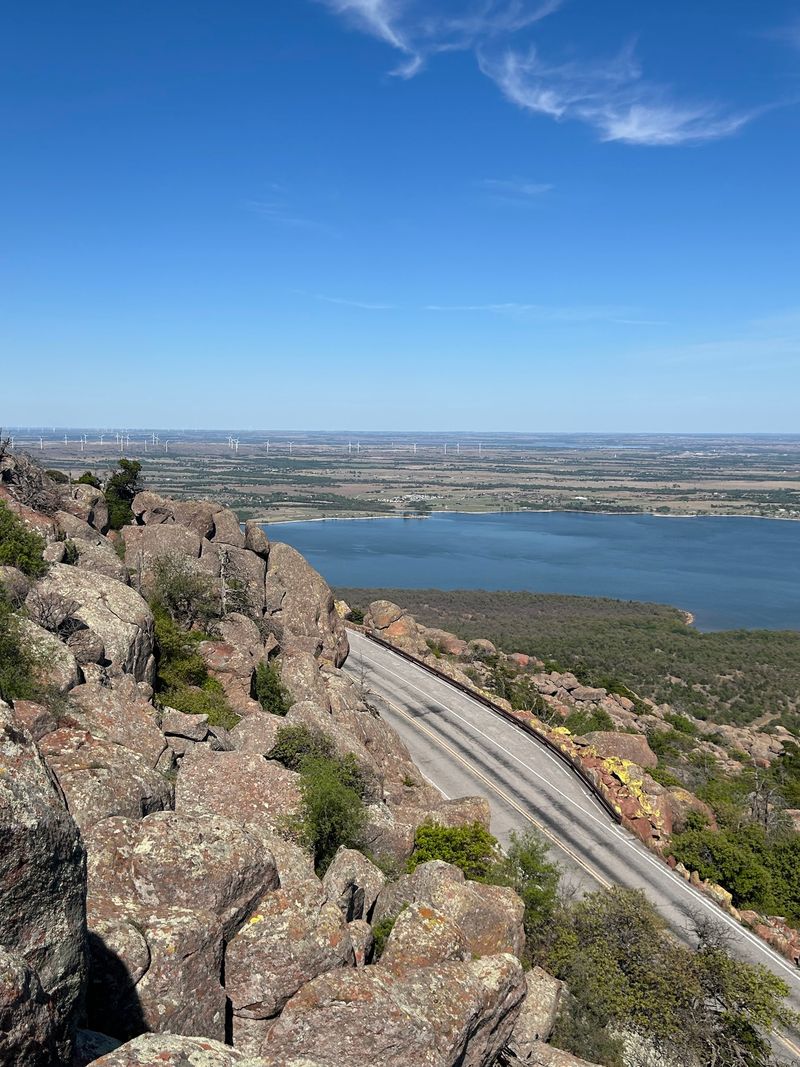
Want a mountaintop view without breaking a sweat? Mount Scott delivers exactly that, with a road that carries you all the way to the summit.
Visitors rave about the scenery from up top. Rolling hills, rocky ridges, and shimmering lakes spread out in every direction.
One guest noted that the lake on the east side looks as small as a pond from that height.
The drive itself is a big part of the fun. It winds upward, revealing more of the landscape with each turn.
For people who cannot hike far, it is a wonderful way to still reach a grand viewpoint.
One family shared that their elderly mother enjoyed the trip greatly because so much of the refuge, including Mount Scott, is visible and reachable by car. That kind of access makes the mountain a favorite for all ages.
Central Peak is another drive some guests enjoy. Pair it with Mount Scott and you get two very different angles on the same wild country.
Try to bring a light jacket, since mountaintops can feel breezier. Then just stand there, soak it in, and see how far your eyes can wander across southwest Oklahoma.
Trails, Lakes, and the Holy City
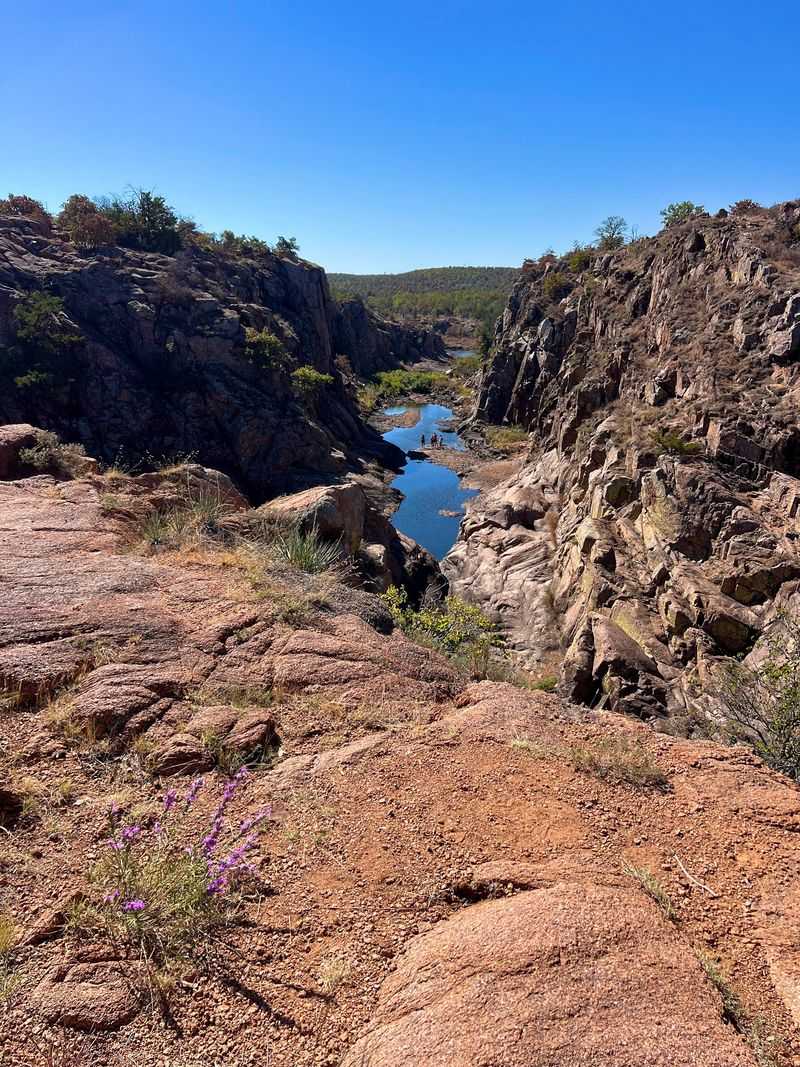
Lace up your boots, because the hiking here can be both easy and surprisingly rugged. Trails range from gentle to moderate, and each one offers its own picture-worthy reward.
Friends from Texas say they regularly make the drive just to day hike. Popular routes mentioned by visitors include Longhorn Trail, Buford Lake Trail, and the climb up Little Baldy.
One heads-up from hikers: even easy trails can have lots of rock and elevation, so expect a bit of scrambling.
Some guests also note that trails are not always well marked. Grab a map before setting out, and you will feel much more confident on the path.
Water lovers have options too. Lakes offer peaceful fishing spots, shady picnic areas, and calm places to unwind.
The surface often reflects the sky in beautiful colors, especially early in the day.
Then there is the Holy City, a stop that one recent visitor called a must-see. It adds a unique cultural touch to a trip that is mostly about nature.
The refuge also offers biking trails, camping, hunting, and even rock climbing. Whatever your energy level, there is a way to explore.
A Visitor Center Worth Stopping For
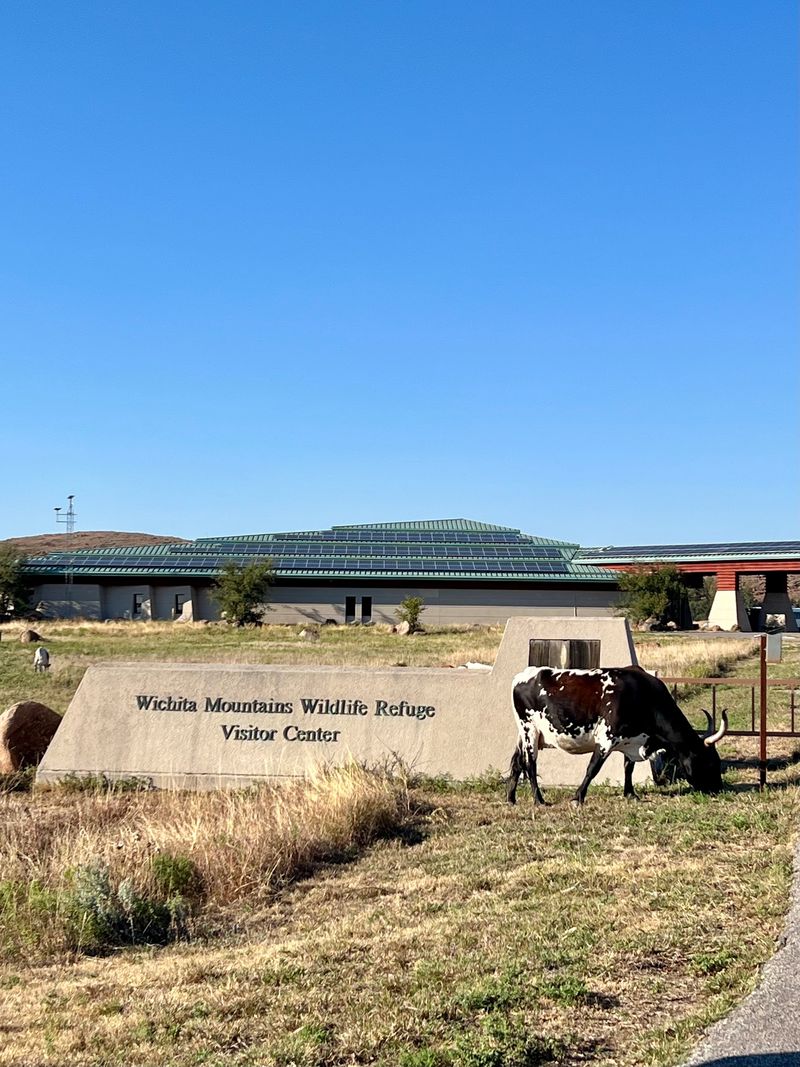
Smart visitors start here, and there is a good reason. Cell service is spotty or missing across much of the refuge, so the visitor center is your best source for maps and information.
Guests describe the staff as friendly and helpful. The bathrooms are kept clean, which any road-tripper will appreciate.
It is the kind of place where you can ask questions and walk out with a solid plan.
Inside, a small museum explains how the land formed and how animals came to live here. One regular says they stop on every single visit, even after seeing everything, just to enjoy the exhibits again.
Others call the history displays fun and easy to follow.
Kids can get a preview of the creatures they might spot outside. It turns the drive into a bit of a scavenger hunt once they know what to look for.
Do not skip the gift shop either. Several visitors mention it is well stocked and makes a great place to pick up a souvenir.
Spending even twenty minutes here can make the rest of your day smoother, safer, and a lot more meaningful.
Who Will Love It and When to Go
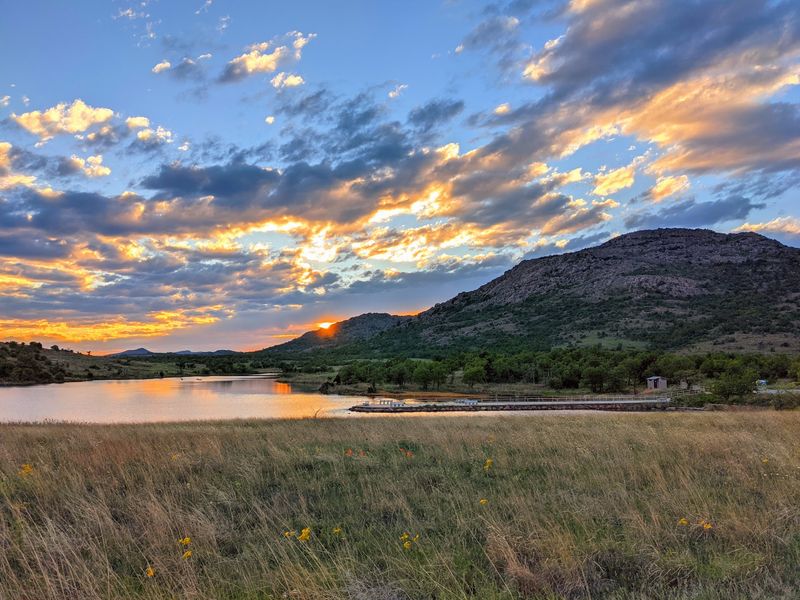
Early birds, listen up. Some of the most magical moments happen at sunrise, when gold, pink, and blue light spills across the mountains.
One guest described watching bison graze as the lakes reflected the colorful sky, calling it worth every minute of lost sleep. Wildlife tends to be most active in the morning, so arriving early boosts your chances of great sightings.
Season matters too. A visitor hoping to return mentioned waiting until fall, after the summer heat eases.
Cooler weather makes hiking and long drives much more comfortable.
As for who fits here best, the list is long. Wildlife fans, photographers, hikers, campers, and families will all find something to enjoy.
People who are less mobile can still see plenty from the car, which makes it welcoming for grandparents too.
Folks craving quiet will feel right at home. Many describe it as a perfect place to unplug, slow down, and escape the hustle of city life.
Plan on more time than you think. One group spent six hours and only covered half the refuge, while another stayed two days and still wished for more.
Planning Notes and a Gentle Verdict
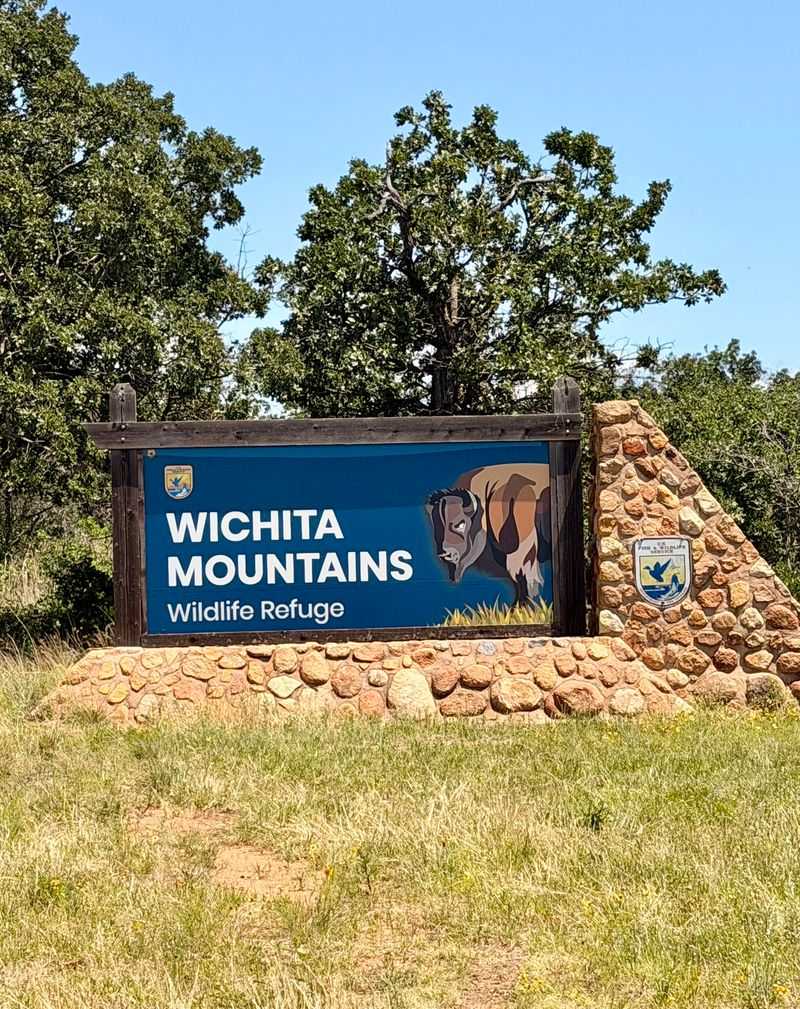
Good news for budget travelers: entry is completely free. That alone makes this one of the best values in Oklahoma for a full day outdoors.
The refuge headquarters sits at 32 Refuge Headquarters Road in Indiahoma. Listed hours run from 9 am to 5 pm, seven days a week.
For questions, call 580-429-3222 or check the U.S. Fish and Wildlife Service website before you go.
A few practical tips come straight from past guests. Download maps ahead of time, since cell service is limited.
Pack water, snacks, and sturdy shoes for rocky trails, and leave room in your schedule for slow, wandering drives down side roads.
Some visitors enter near Medicine Park, a nearby town they called a hidden gem worth a quick look. It makes a fun bonus stop on the way in.
Respect the animals and keep your distance, especially around bison. The ecosystem is fragile, and treating it with care helps keep it wild for everyone.
So is it worth the trip? Judging by how many people plan return visits, the answer seems clear.
Come curious, drive slowly, and let the mountains surprise you.
Share this story