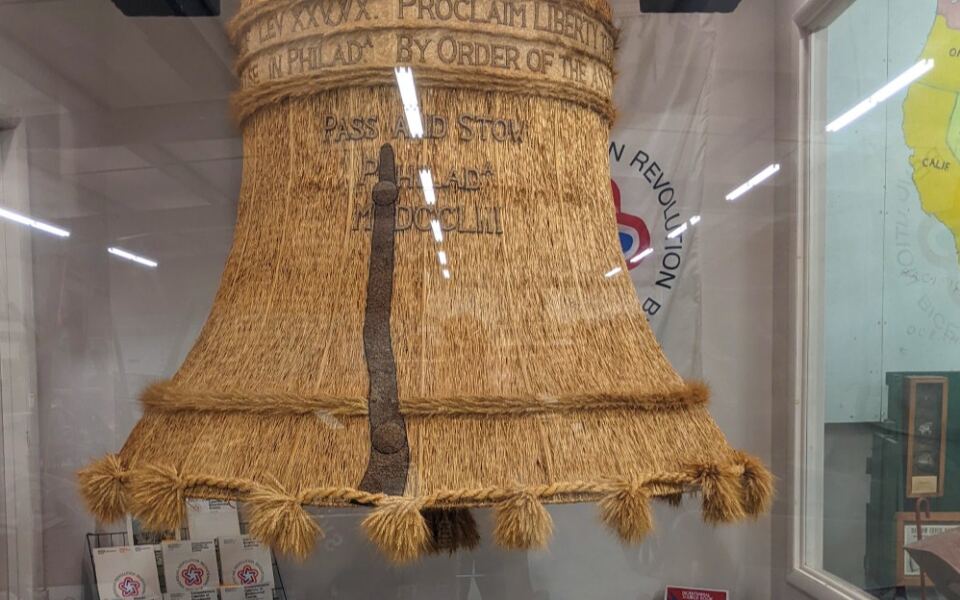
A replica of the Liberty Bell made out of wheat sits in a small museum in central Kansas. Nearby, you can buy peppernuts, the tiny spiced cookies that Mennonite families have baked for generations.
The museum’s story starts in 1874, when a whole church community crossed an ocean and brought a hardy winter wheat with them. That seed helped turn Kansas into wheat country, and one tiny town still tells the story with real tools, real buildings, and real family treasures.
A Prairie Museum With Roots in 1874
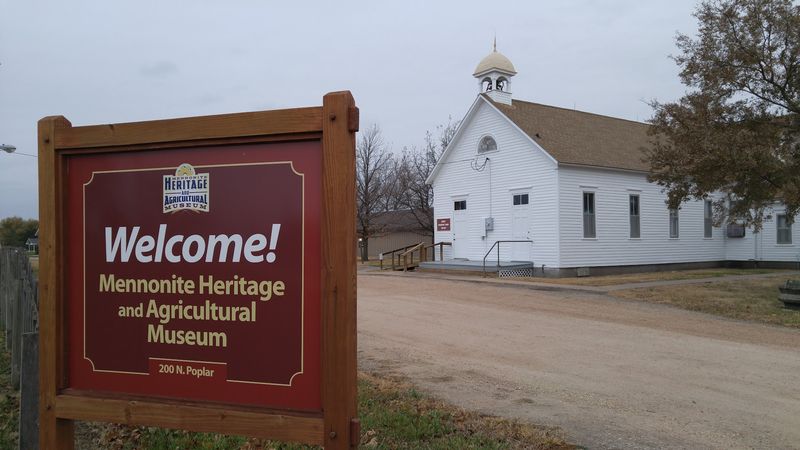
The Mennonite Heritage and Agricultural Museum sits at 200 Poplar St in Goessel, Kansas, a small town in the middle of farm country. It tells the story of the Alexanderwohl Mennonite immigrants who settled this part of central Kansas in 1874.
Those settlers came from what is now Ukraine. They brought their church, their language, their recipes, and their farming skills across the ocean to the open plains.
The museum is more than one room of old objects. It is a whole campus, with a main building and several historic structures moved to the grounds from around the area.
I like that it focuses on one specific group of people. That narrow focus lets the exhibits go deep instead of skimming over a broad topic.
Many of the items were donated by descendants of the original settlers. Some families who visit find photos and stories of their own relatives on display, which gives the place a personal feel.
The museum is usually open Tuesday through Saturday afternoons, though hours can shift with the seasons. It’s smart to check before you drive out, since the town is small and the next stop could be a while away.
The Liberty Bell Built From Wheat
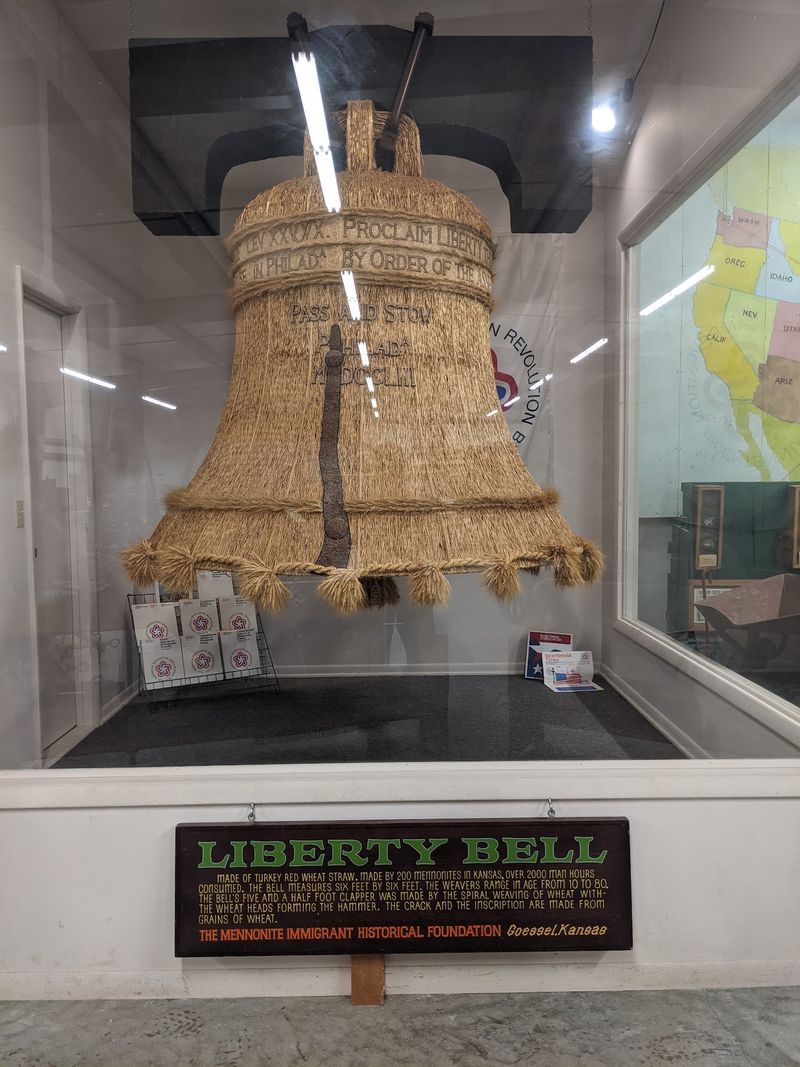
Most bells are cast from metal. The one in Goessel is made from wheat, and it may be the single object people talk about most after a visit.
This Liberty Bell replica is shaped from golden stalks of grain. It honors the crop that changed life for Mennonite settlers and for Kansas as a whole.
I find the choice of material clever. Wheat is the hero of this museum’s story, so building a national symbol from it ties local history to the country’s bigger picture.
Kids usually enjoy spotting the details up close. Ask them to find where the famous crack would be, or to guess how many stalks went into the project.
Take a moment to look at the craftsmanship. Working with dry grain takes patience, because stalks can break or bend the wrong way.
The bell also makes a good photo stop. Snap a picture, then use it as a starting point to talk about why wheat mattered so much on the plains.
That question leads straight to a special seed, one that traveled thousands of miles in the luggage of families heading to a brand new home.
Turkey Red Wheat and the Seed That Changed Kansas
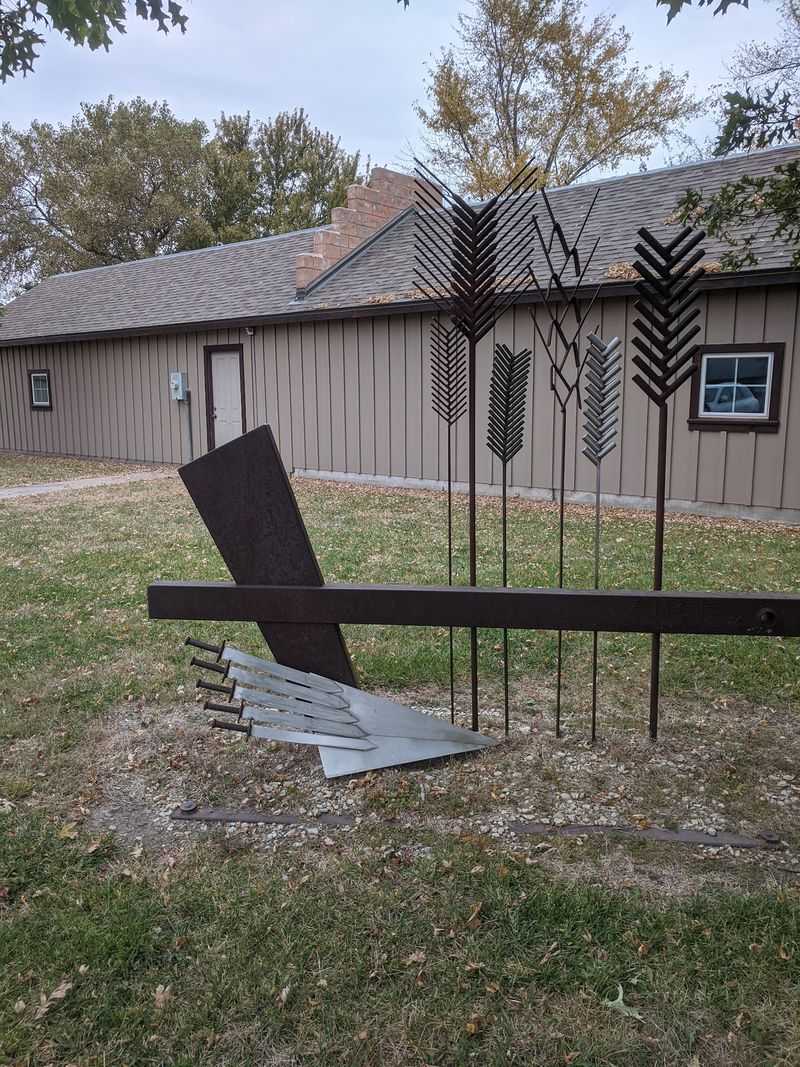
Turkey Red wheat is a hard winter variety, and Mennonite immigrants are credited with helping bring it to Kansas in the 1870s. It handled cold winters and dry summers far better than many crops early farmers tried.
Winter wheat is planted in fall and harvested the next summer. On the windy plains, that timing gave farmers a real advantage.
The museum explains how this grain helped Kansas earn its reputation as a major wheat state. You’ll learn how settlers farmed the land and why their methods worked on the prairie.
This exhibit makes a great lesson for students. Seeds can seem small and boring, yet one good variety reshaped the economy of an entire region.
Here is a fun way to connect it to home. The next time you eat bread or crackers, think about where that flour came from and how many farmers it took.
Wheat history is a big part of why the museum mixes heritage with agriculture. Food and farming can’t really be separated in this story, which becomes obvious once you step into the building packed with machines.
Tractors and Tools Inside the Wheat Palace
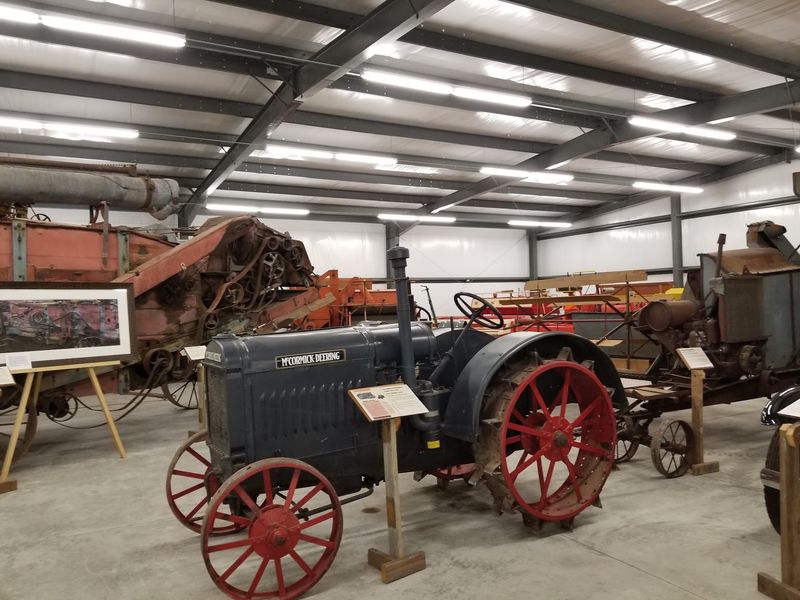
Gearheads, this building is for you. The Wheat Palace holds a big collection of agricultural history, from early tractors to simple hand-operated tools.
You can also see early engines and a horse-drawn cook wagon. That wagon is a neat link between food and farming, since harvest crews had to eat while working long days in the fields.
Two large murals hang inside the Wheat Palace too. They add color and help set the scene for the equipment around them.
I’d spend extra time comparing the hand tools with the tractors. Seeing them side by side shows how much hard work machines saved over just a few decades.
Some visitors spot equipment their parents or grandparents once used. That makes this space feel less like a display and more like a family photo album made of steel.
A quick practical tip: the outer buildings are not air conditioned like the main museum building. On a hot Kansas afternoon, plan to see these areas earlier and take a water break.
All this machinery comes roaring back to life each summer, during an event that pulls the whole town into the fun.
Threshing Days Bring the Whole Town Out
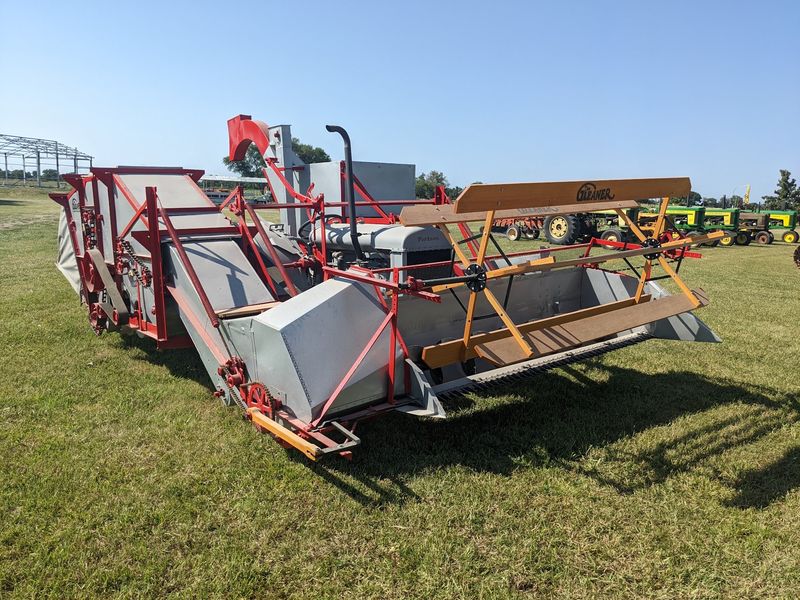
Once a year, Goessel shows off its farming past in action. Threshing Days is the museum’s well-known festival, and the whole community gets involved.
Threshing means separating grain from the stalks. Before modern combines, this took big machines, many hands, and plenty of teamwork.
At the festival, you can expect old tractors and engines and a strong focus on harvest traditions. Food is part of the celebration too, which fits a story so tied to wheat.
For kids, this is history they can hear and watch. Machines that sit quietly in a building suddenly make noise and do real work.
I like the idea of a whole small town turning out for one event. It shows that these traditions aren’t stuck behind glass but are still part of local life.
Dates can change from year to year, so check with the museum before planning a trip around it. Summer in Kansas runs hot, so bring a hat and sunscreen.
If the festival doesn’t fit your schedule, don’t worry. The historic buildings on the grounds tell their own stories any open day.
A House and Barn Under One Roof
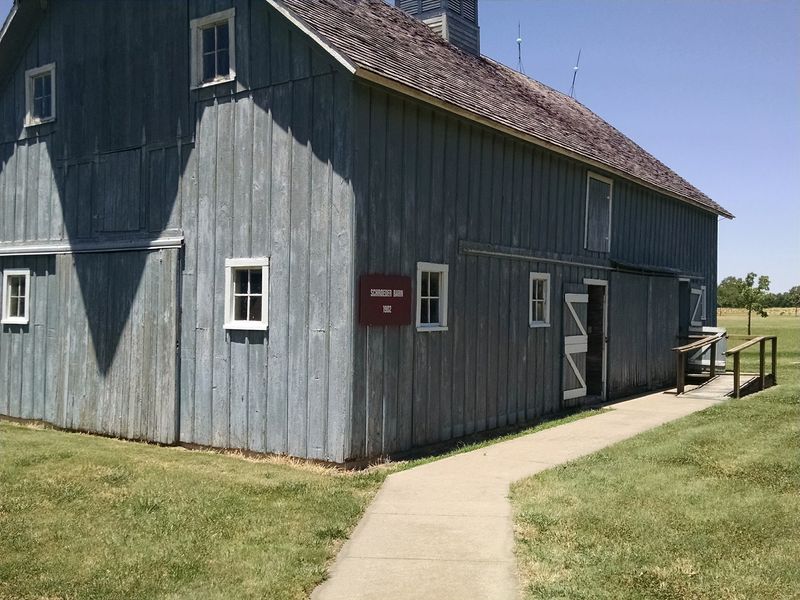
Picture keeping your cows just a doorway away from the kitchen. That was normal for some Mennonite settlers, and the museum has a house-barn combination to prove it.
This style came over with the immigrants from Europe. Joining living space and animal space under one roof saved building materials and kept chores close by during harsh weather.
Several other houses also stand on the grounds. Each was moved to the site so visitors can walk through and compare how families lived.
I find this kind of building more interesting than a photo in a book. Walking from room to room helps you understand daily life, from cooking meals to tending livestock.
Think about how food fit into that setup. Milk, eggs, and other farm goods came from just steps away, ready for the family table.
Look closely at the room sizes and layout. Small spaces had to work hard, and nothing went to waste.
These homes show where people ate and slept. But settlers also cared deeply about learning, which is why two school buildings stand nearby.
Old Schoolrooms Still Waiting for Students
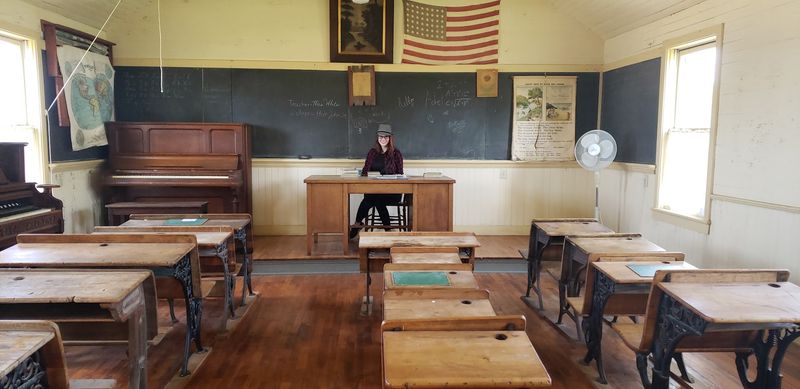
Recess probably looked very different in the 1800s. The museum grounds include a one-room school, where children of many ages once learned together.
There is also a less common preparatory school building with roughly two rooms. Schools like this helped older students get ready for further study.
Education mattered a great deal to these families. Building schools early showed they planned to stay and wanted their children to thrive in their new country.
Kids who visit can compare these rooms with their own classrooms. No tablets, no cafeteria, and one teacher handling everybody at once.
Here’s a question to ask in the schoolroom: which subjects were taught, and in what language? The settlers spoke German, so lessons and books often reflected that background.
I’d suggest letting younger visitors sit quietly for a minute and imagine a school day here. It makes history feel real in a simple way.
The schools aren’t the only working buildings on the grounds. A small bank stands nearby, reminding visitors that farm towns needed money matters handled too.
Family Treasures From Across the Ocean
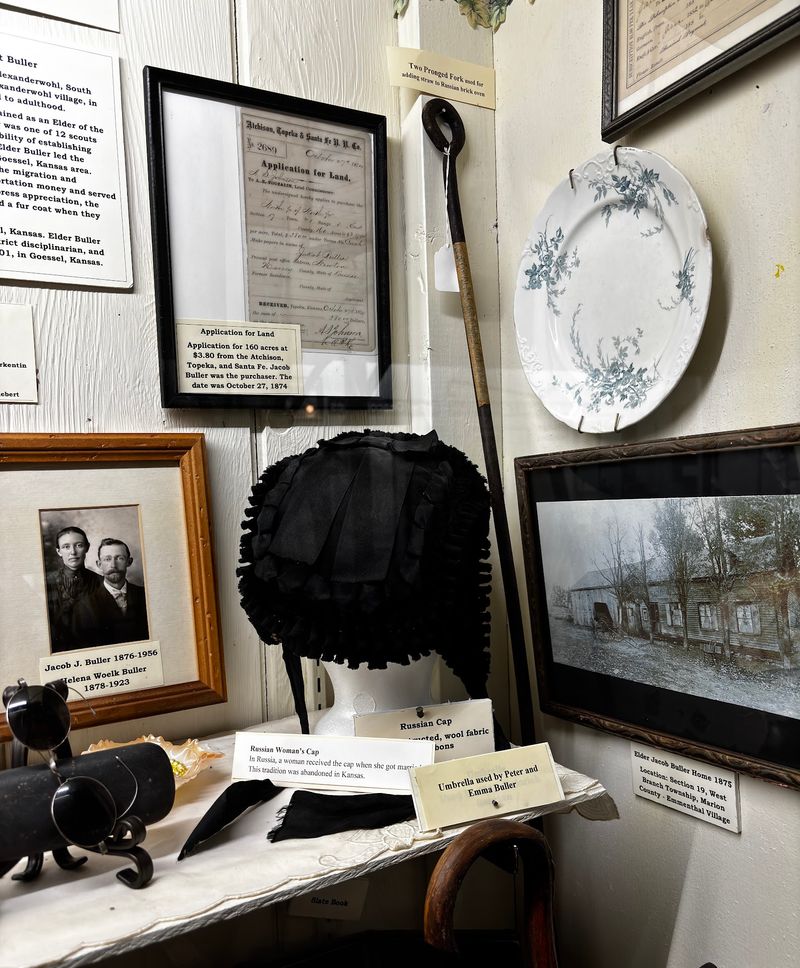
Inside the main building, the exhibits feel personal. Artifacts from the Mennonite families who settled the area in 1874 fill the space.
You’ll see items written in German that came from Ukraine. There are clothing pieces, models, and everyday objects that show what families valued enough to carry so far.
One surprise is the old dental equipment. It’s a reminder that daily life included plenty beyond farming, and a fun conversation starter with kids.
Families who visit sometimes find their own ancestors featured with pictures and stories. If you have Mennonite roots in Kansas, come with family names in mind.
The main building has air conditioning. That makes it a comfortable place to slow down and read labels on a warm day.
I like that almost everything here is genuine, donated by descendants of the original settlers. That gives the collection an honest, no-frills feel that fancy displays can’t fake.
After seeing what these families treasured, it’s natural to wonder what they cooked. A small treat sold at the museum offers a tasty answer.
Peppernuts and a Gift Shop Worth Browsing
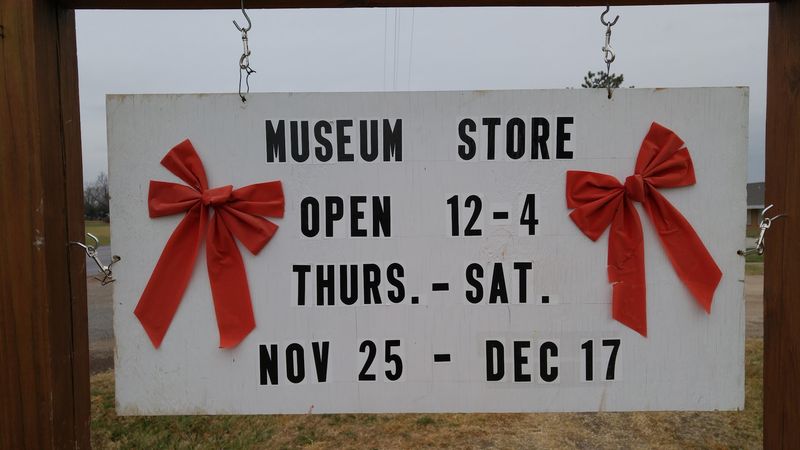
Tiny, crunchy, and full of spice, peppernuts are a Mennonite baking tradition. Visitors have found them for sale at the museum, a sweet link to the food culture behind the exhibits.
These little cookies are especially popular around the holidays in many Mennonite homes. Recipes often get passed down through families for generations.
The gift shop also carries a lot of locally made items. It’s a nice place to find something that actually connects to the area instead of a generic souvenir.
I’d make a point of stopping here before leaving. Buying a local craft or treat helps support a small museum run with real care.
An important tip: bring cash. The museum has not accepted credit cards in the past, so having bills on hand saves a frustrating moment at the register.
Also look for the guest book. Signing it is a small tradition, and it lets the staff see how far visitors travel.
Snacks and shopping make a happy finish. Still, the people working here may be the most helpful resource of all.
Planning a Smart Visit to Goessel
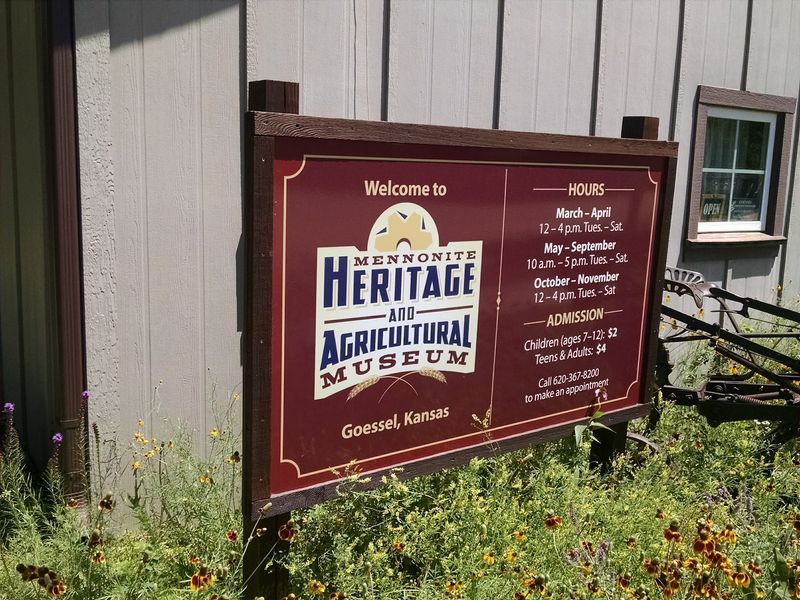
Timing matters more than you’d think for a small museum. The Goessel museum generally opens around noon Tuesday through Saturday and closes Sunday and Monday.
Hours can vary by season, so confirm before you leave home. A quick call or website check can save a long drive to a locked door.
Give yourself a couple of hours. Between the main building, the Wheat Palace, and the historic structures, there’s plenty to explore.
Staff here are known for being friendly and happy to answer questions. If you’re researching family history, ask, since they may point you toward useful information.
Dress for the weather, because some buildings are outdoors and not cooled. Comfortable shoes help too, since you’ll walk between stops.
I’d pair the visit with a scenic drive through the surrounding farmland. Seeing the wheat fields after learning their story makes the landscape mean more.
Goessel shows how a small town can protect big history. Its Mennonite food and farming traditions stay alive through careful hands, donated heirlooms, and a community that still gathers every summer to celebrate the harvest.
Share this story