A Swedish painter once turned Kansas creeks, Colorado peaks, and prairie skies into bold strokes of purple, orange, and gold. His work has hung in major museums, yet the largest collection of it sits in a quiet college town of a few thousand people.
Nobody charges you a cent to walk in and see it. A donation box waits by the door, and that is about as pushy as things get.
I like the idea of a small Kansas town holding onto a world-class artist like a family treasure. He did not just pass through.
He taught here, painted here, and stayed for more than fifty years.
The building itself has a story too, and it involves a courtyard fountain with a famous name attached. So who was this painter, and why did he choose the prairie over Europe?
A Free Art Stop on North First Street
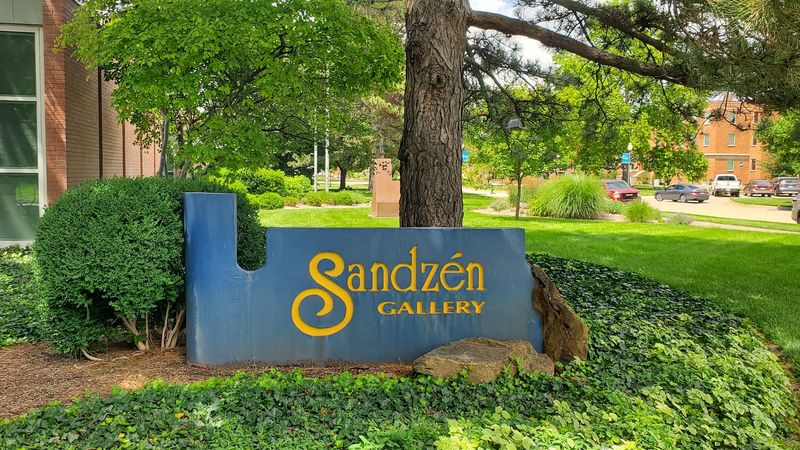
The official name is the Birger Sandzén Memorial Gallery, and it sits at 401 N. First Street in Lindsborg, Kansas.
You will find it right on the edge of the Bethany College campus, a short walk from downtown.
Admission is free. That alone makes it an easy stop for families, road trippers, and anyone curious about art without spending money.
The gallery is closed on Mondays. It typically opens Tuesday through Saturday from 10 a.m. to 5 p.m. and on Sunday afternoons from 1 to 5 p.m., but checking ahead before a long drive is always smart.
The space opened in 1957 to honor Birger Sandzén, a painter who spent most of his life in this town. It holds a large permanent collection of his paintings, prints, and drawings, with selections rotated through the main gallery.
Side galleries host changing shows by other artists, many from Kansas and the region. Some of that work is even for sale.
I would treat this as the anchor of a Lindsborg day trip. The town calls itself Little Sweden USA, and that nickname connects directly to the man whose name is on the building.
The Swedish Painter Who Picked the Prairie
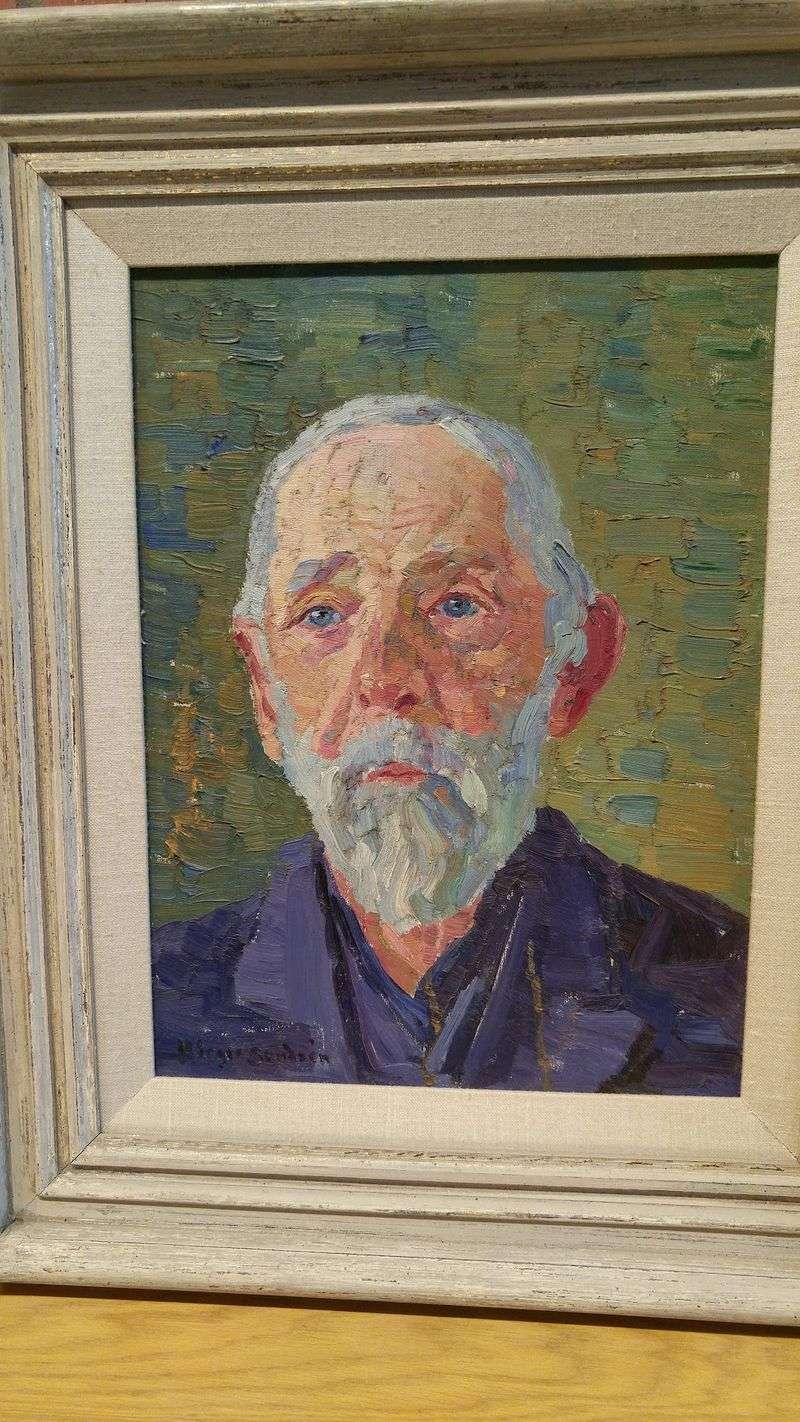
Birger Sandzén was born in Sweden in 1871. He studied art in Stockholm and Paris, which sounds like the start of a European career.
Instead, in 1894 he accepted a teaching job at Bethany College in Lindsborg. The town had been settled by Swedish immigrants, so he arrived among people who shared his language and traditions.
He planned to stay a short while. He ended up teaching at Bethany for decades and lived in Lindsborg until 1954.
I find that choice fascinating. A trained artist with Paris experience decided the open Kansas landscape gave him everything he needed.
Sandzén taught languages and art, and he helped build an arts culture in town that still shows today. He also encouraged students and neighbors to collect and value original art.
His reach went far beyond Lindsborg. His work was shown in major cities, and he traveled often to paint the mountains of Colorado and the canyons of the Southwest.
Knowing his story makes the paintings feel more personal. And once you see what he did with color, you will understand why critics took notice.
Thick Paint and Bold Purple Mountains
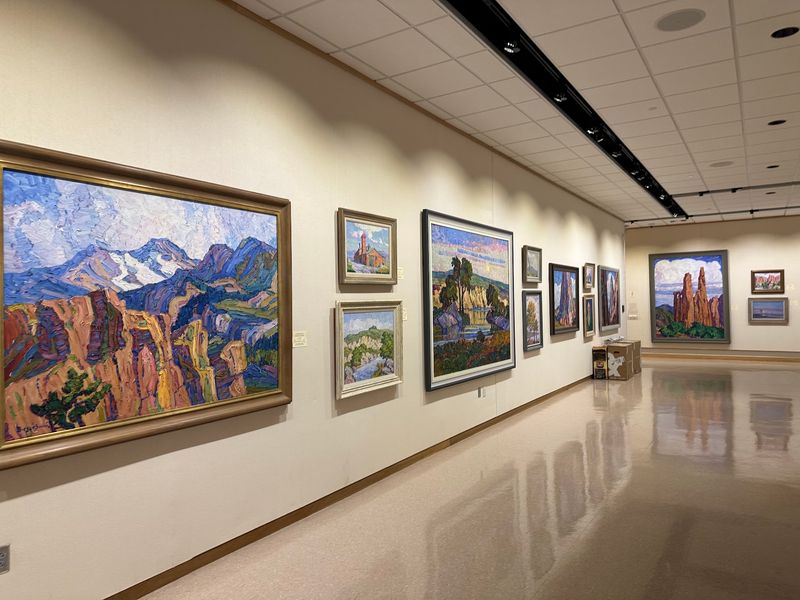
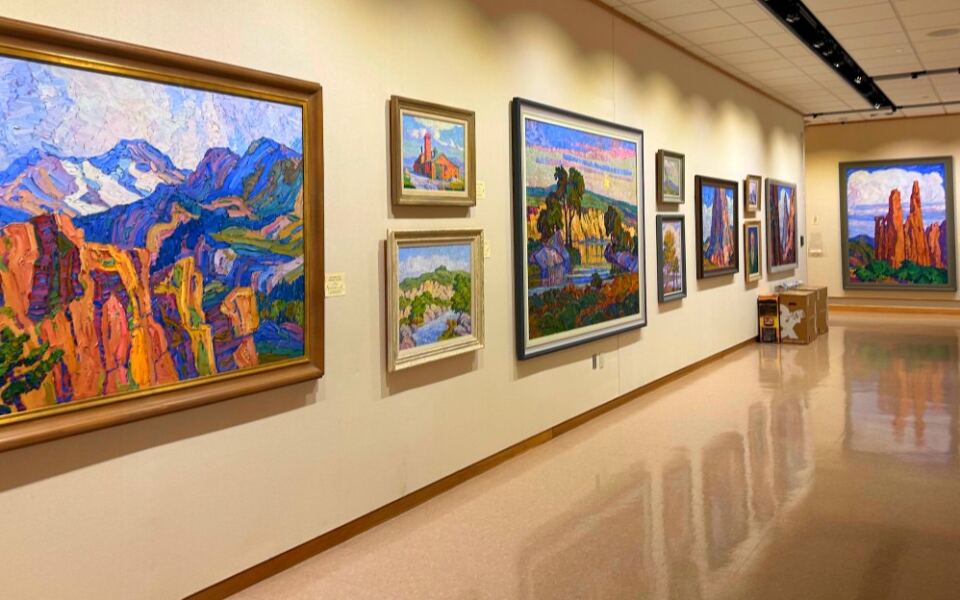
Color is the first thing most people mention about Sandzén. He painted mountains in violet, trees in deep blue, and sunlit rocks in fiery orange.
His brushwork matters just as much. He often applied paint thickly, so the strokes stand up from the canvas and catch the light.
That is why seeing the originals in person makes a difference. A photo flattens the texture, but up close you can follow each bold stroke he laid down.
Many of his favorite subjects came from the West. Colorado’s Rocky Mountains, Kansas streams, and Southwestern canyons appear again and again across his career.
His style connects to Post-Impressionism and artists like Van Gogh. Still, his scenes feel rooted in American landscapes rather than European fields.
I would suggest stepping back from a large canvas first, then moving in close. The shapes come together from a distance, and the energy of the brushwork shows up near.
Not all of his work relies on paint, though. He was also a skilled printmaker, and those black-and-white pieces reveal a quieter side of his talent.
Prints That Prove Black and White Can Glow
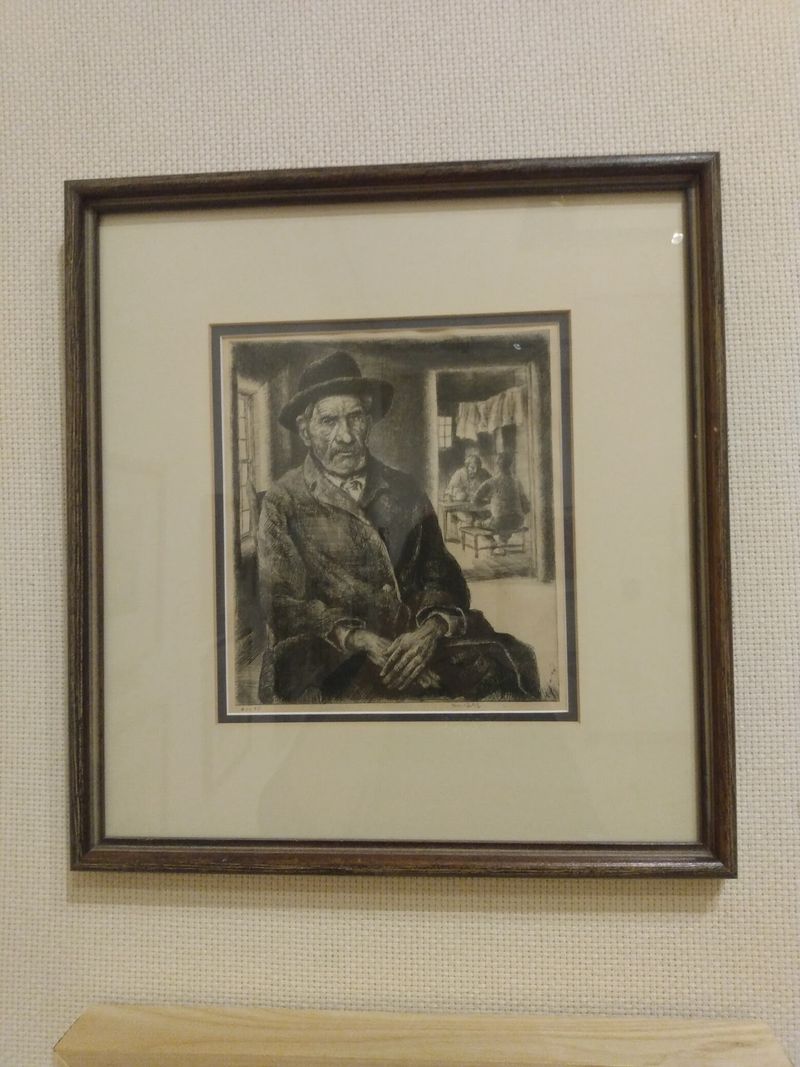
Strip away all that famous color, and Sandzén still holds your attention. He made hundreds of prints, including woodcuts, linocuts, lithographs, and drypoints.
Printmaking let him create several copies of one image. That made his art more affordable and helped spread his name across the country.
His prints often show the same subjects as his paintings. Twisted trees, rocky streams, and mountain slopes appear in crisp lines and strong shadows.
The gallery’s collection includes many of these works. They rotate through the display, so the selection on the walls can change between visits.
I like seeing the prints right after the paintings. The contrast shows how carefully he thought about light, even without a single drop of color.
Fun fact: he helped form the Prairie Print Makers, a group started in 1930 to bring quality art prints to everyday homes in the Midwest.
If prints catch your eye, keep that thought in mind for later. The gallery shop offers reproductions of his work at reasonable prices, so a small piece of Sandzén can come home with you.
A Mid-Century Building With a Family Touch
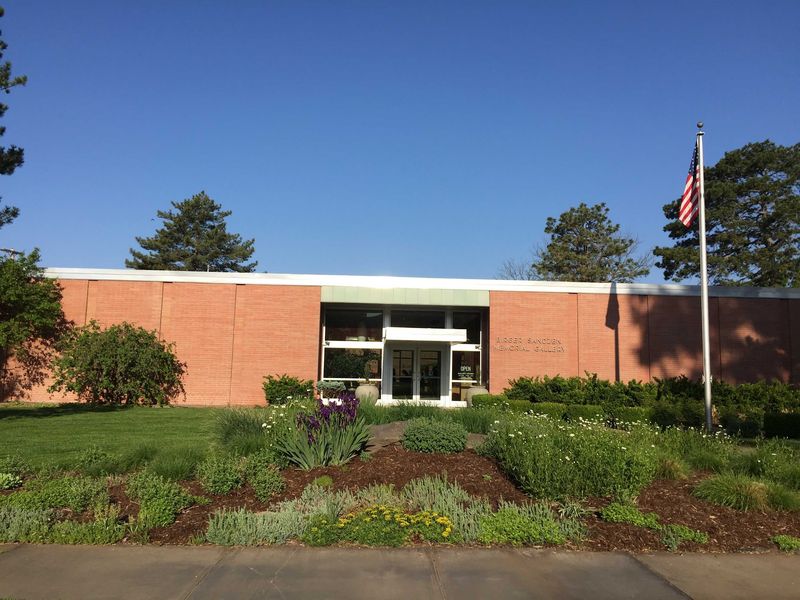
Mid-century modern fans, take note. The gallery building opened in 1957 and still shows the clean lines and simple shapes of that era.
Family made it happen. Sandzén’s daughter, Margaret Sandzén Greenough, and her husband, Charles Pelham Greenough, helped create the gallery to preserve his work.
It was built close to the college where he taught for so long. That location keeps his legacy tied to the students and community he served.
Inside, the main gallery focuses on Sandzén himself. Other rooms are used for changing exhibitions, so the building balances history with fresh work.
The scale is welcoming rather than overwhelming. You can see a meaningful amount of art without needing a full day or a map.
The gallery is wheelchair accessible, which makes it easier for a wide range of visitors to enjoy the collection.
I appreciate how the building lets the art lead. The rooms are calm and uncluttered, which suits paintings this bold.
Step outside again, though, and the property has another treasure. A courtyard holds a fountain sculpture by one of the most famous American sculptors of the twentieth century.
A Carl Milles Fountain in the Courtyard
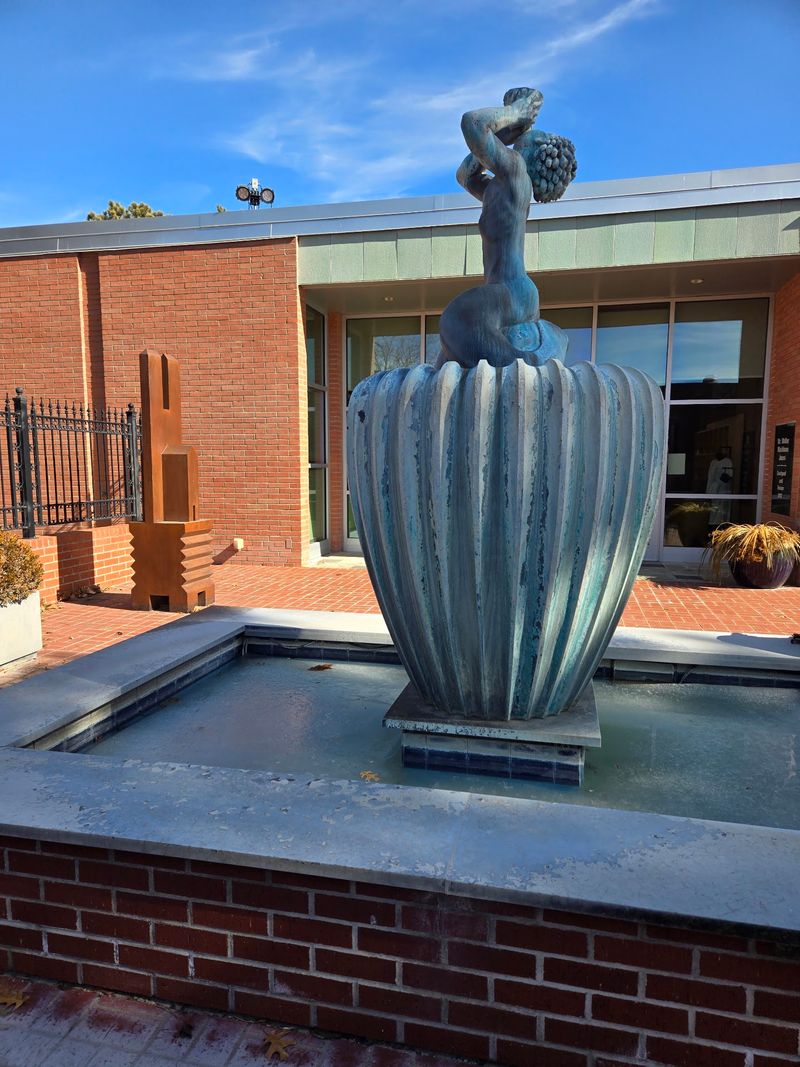
Few people expect a Carl Milles sculpture in central Kansas. Milles was a renowned Swedish sculptor, and his work stands in public spaces in Sweden and across the United States.
The gallery courtyard features his fountain sculpture known as Little Triton. It connects nicely to Sandzén’s own Swedish roots.
Milles and Sandzén shared that heritage, and the fountain adds a sculptural note to a place mostly devoted to painting and prints.
I would save a few minutes for this spot. After the color-packed galleries, a quiet courtyard gives your eyes a break.
The grounds also include pollinator-friendly garden plantings. In warmer months, that greenery makes the outdoor space feel lively.
Bring your camera, but keep it respectful. The courtyard is part of a working gallery, so it is not a playground.
Kids who might wiggle indoors may enjoy the chance to look at a sculpture up close outside. It can make the visit feel more balanced for families.
Back inside, the art shifts from one famous name to many newer ones. The rotating galleries spotlight artists working today, and that keeps every visit a little different.
Rotating Shows From Today’s Artists
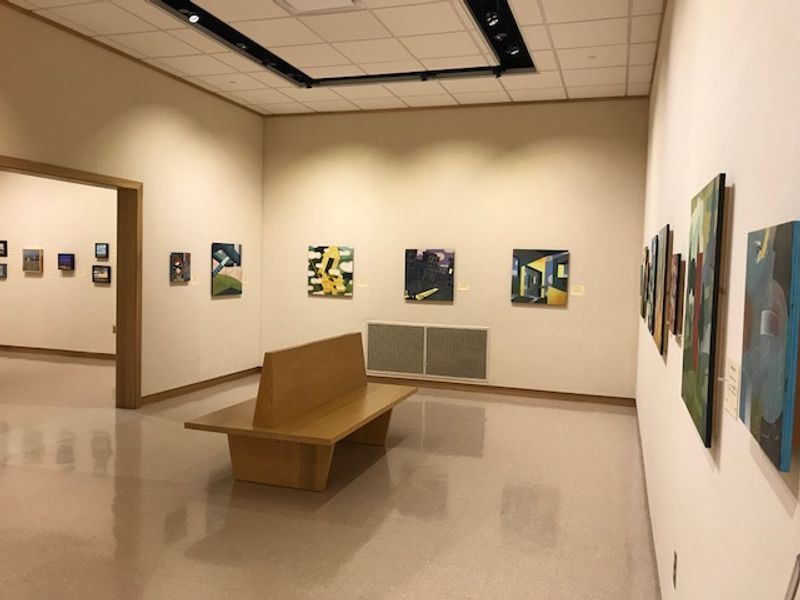
Here is a reason to come back more than once. The side galleries host changing exhibitions featuring contemporary artists, often from Kansas and nearby states.
That mix gives the visit a nice rhythm. You see a historic master in the main room, then work being made right now in the next.
Exhibits can include painting, printmaking, ceramics, woodwork, photography, and more. The variety depends on what is scheduled at the time.
Some shows also connect to Bethany College, giving students and faculty a public place to share their work.
I find this part of the gallery especially appealing. Sandzén cared deeply about supporting artists in his region, and these shows carry that spirit forward.
Because exhibits change, it helps to check the gallery’s current schedule before you go. That way you know whose work will be on the walls.
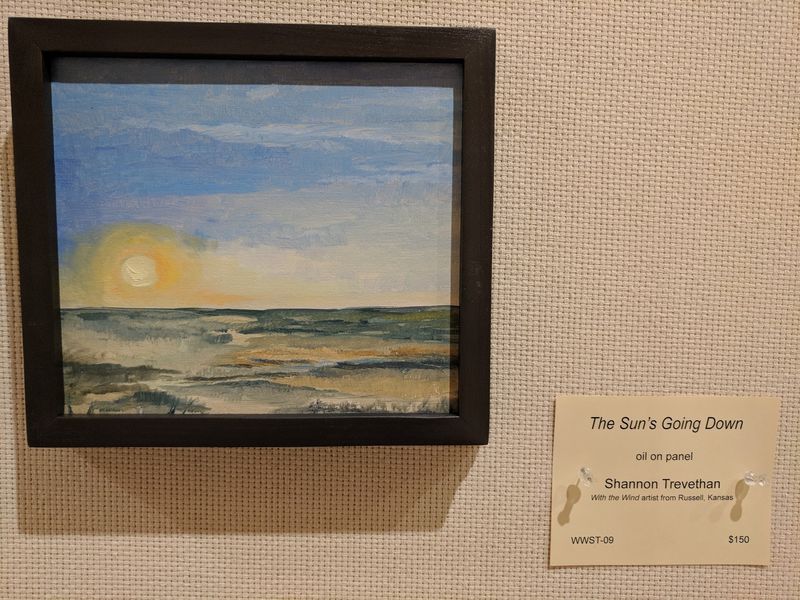
Many pieces in these rooms are available to buy. That turns a casual look into a chance to support a working artist directly.
The gallery’s role as a community gathering spot goes beyond art on walls, too. Music and talks bring people through the doors for other reasons.
Concerts and Talks Among the Paintings
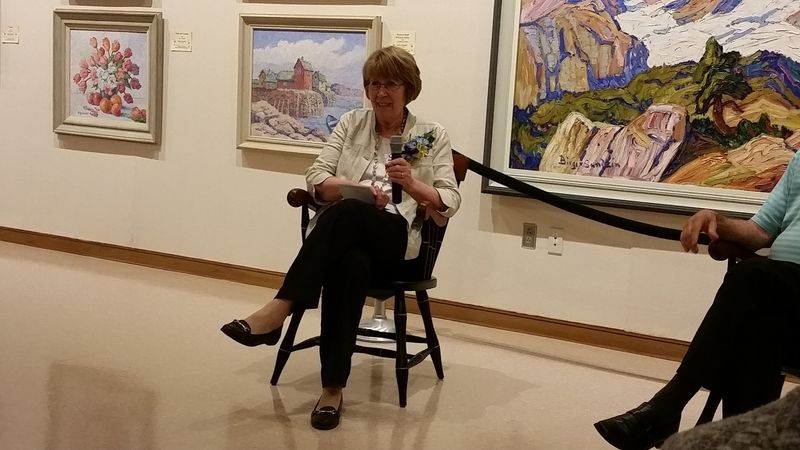
Picture-filled walls make an unusual concert hall. The gallery has hosted chamber music performances, giving guests a chance to hear live music surrounded by Sandzén’s work.
That idea fits Lindsborg well. The town has a long musical tradition tied to Bethany College, including its famous performances of Handel’s Messiah.
Artist talks are another regular feature. Exhibiting artists may explain their process, their inspiration, and the stories behind their pieces.
I like events like these because they slow people down. Hearing an artist describe a technique can change how you see the work afterward.
Schedules vary through the year. Checking the gallery’s website or social media is the easiest way to find upcoming programs.
Staff members also add a lot to a regular visit. They are known for sharing background on Sandzén and the artists on display, so asking a question is a good idea.
Even on a quiet weekday, that personal touch makes the gallery feel welcoming. It is the kind of place where curiosity gets rewarded.
And when you are ready to leave, one more room may tempt you to linger. The shop offers a way to take a bit of the experience home.
Souvenirs Worth Framing
Most gift shops sell magnets. This one offers something more lasting, with reproductions of Sandzén’s artwork available at reasonable prices.
A print of one of his mountain scenes or prairie streams makes a meaningful reminder of the trip. It also brings his color into your own home.
The gallery has also offered consigned art for sale, including vintage pieces. Some visitors have found older paintings and art pottery among the options.
Inventory changes, so there is no promise of what will be available on any given day. That uncertainty is part of the fun for collectors.
Books about Sandzén are another good pick. They give you deeper background on his life and show works that may not be on display.
I would think of a purchase here as a double win. You get something you enjoy, and the money helps support a free gallery.
Speaking of support, the donation box matters. Free admission depends on generous visitors, members, and donors who keep the lights on.
Leaving a few dollars is an easy way to say thanks. Then you can head out to explore the rest of a town shaped by the same Swedish roots.
Making a Day of Little Sweden USA
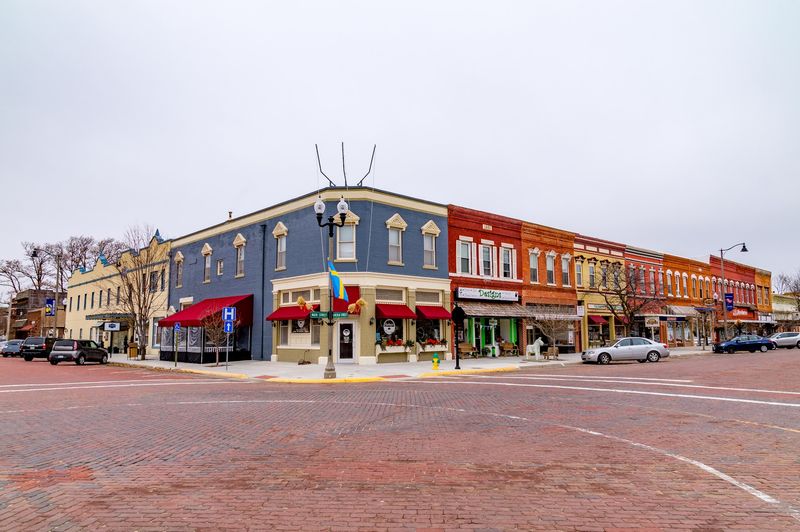
Painted Dala horses greet you around Lindsborg. These colorful wooden-style horse statues celebrate the town’s Swedish heritage and dot sidewalks across the community.
The gallery pairs naturally with a stroll downtown. Main Street has shops, cafes, and Swedish-themed businesses within easy reach.
Lindsborg sits roughly 20 miles south of Salina and about an hour and a half north of Wichita. That makes it a manageable day trip for many Kansans.
Remember that the gallery is closed on Mondays. Sunday hours start in the afternoon, so plan around that if you are visiting on a weekend.
I would start with the gallery, then wander through town afterward. Seeing Sandzén’s work first gives context to the community he helped shape.
The town also hosts festivals throughout the year, including Svensk Hyllningsfest in odd-numbered years. Those events can make a visit more festive but also busier.
Comfortable shoes are a good idea, since much of the fun happens on foot.
In the end, the gallery explains why Lindsborg feels the way it does. A painter from Sweden chose this prairie town, and the town chose to keep his colors close.
Share this story