Some places hide in plain sight, tucked between busy streets and modern shops, until you step inside and lose your breath. That is exactly what happens at one quiet church in the mountains of North Carolina.
From the sidewalk it looks like a handsome brick building, but the inside feels like a trip to Spain or Italy without a passport. If you love history, art, or simply a peaceful moment, this spot deserves a place on your list.
A Spanish-Style Treasure on Haywood Street
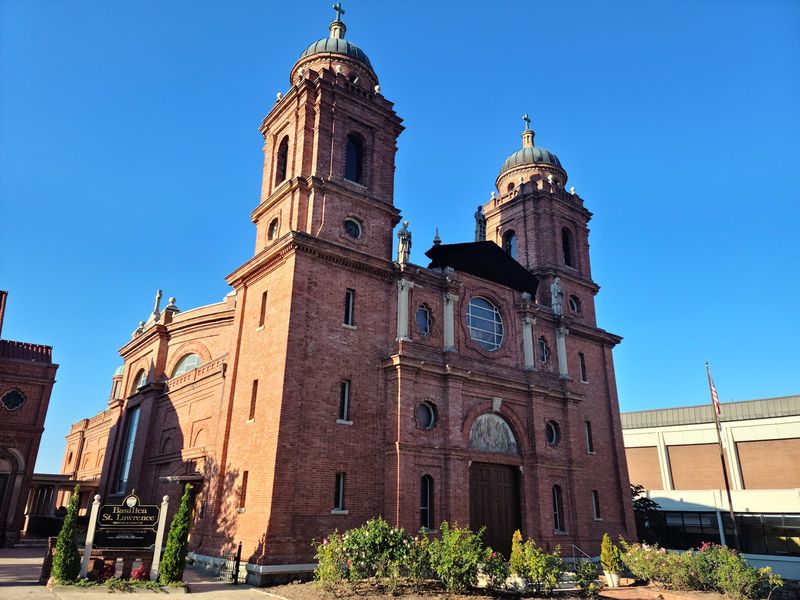
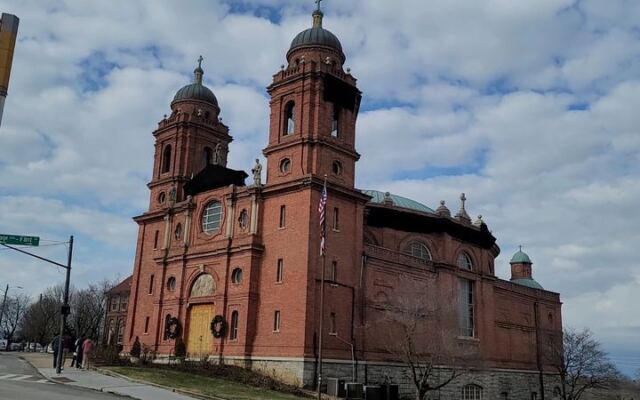
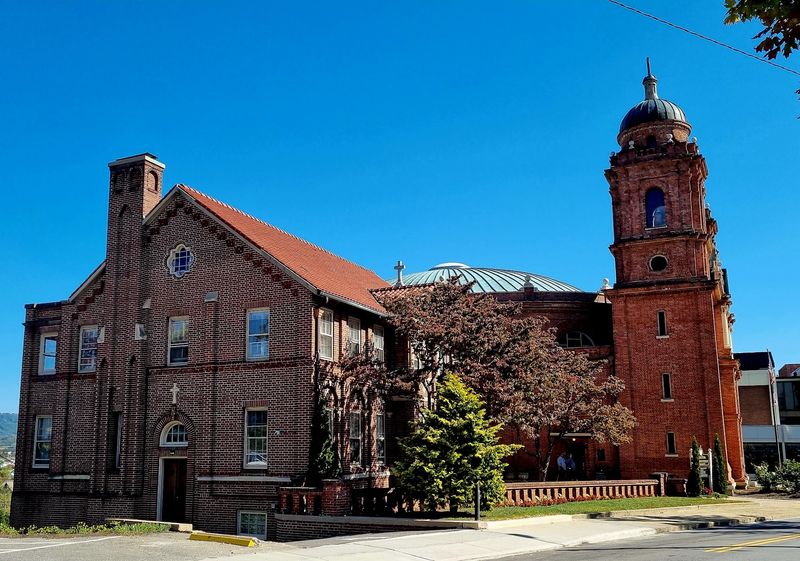
Right in the middle of downtown Asheville, at 97 Haywood Street, sits a building that seems to have wandered over from another continent. The Basilica of Saint Lawrence, Deacon and Martyr, is a Roman Catholic church with a red-brick face and an interior that stops people in their tracks.
Visitors often say the same thing in different words. Step through the doors and you forget you are in North Carolina at all.
One honeymooning couple described stumbling upon it as an architectural oddity in a modern city, then discovering frescoes, tapestries, and statues waiting inside.
The church is listed on the National Register of Historic Places, which tells you it matters well beyond its own congregation. Still, it remains a working parish with regular Masses, a welcoming crowd, and doors that open to curious travelers during set visiting times.
That mix of living faith and deep history gives the place real heart.
Built Between 1905 and 1909
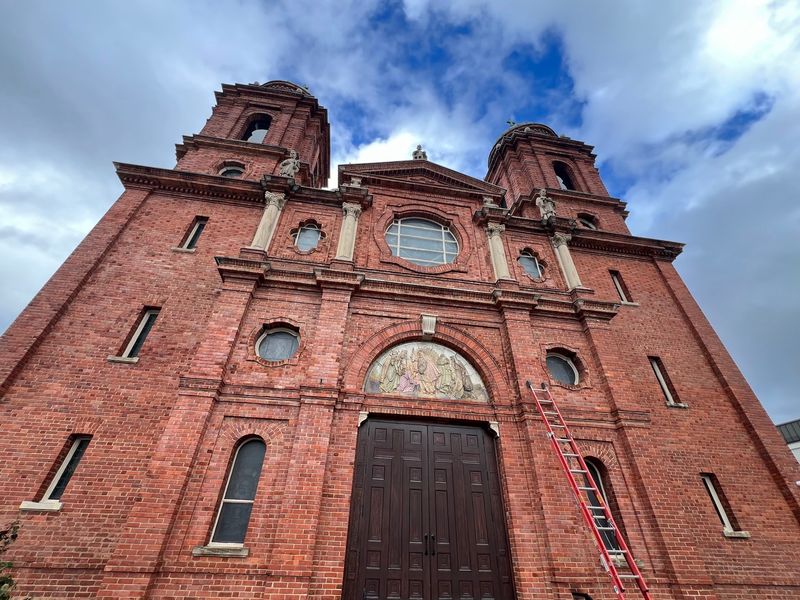
Picture Asheville in the early 1900s, a growing mountain town with big ambitions. Construction on the basilica began in 1905 and wrapped up in 1909, giving the city a landmark that still turns heads more than a century later.
The style is called Spanish Renaissance Revival. That means it borrows ideas from grand old churches in Spain, with rich brickwork, rounded forms, and decorative touches that feel centuries older than the building really is.
Fans of local history will enjoy one more connection. The two men behind the design also worked on the famous Biltmore House, so this church shares some creative DNA with one of the most celebrated estates in the country.
Standing inside, you can almost sense that same spirit of craftsmanship and confidence. It was built to last, and it has, welcoming worshippers and wanderers alike through generations of change in this lively mountain city.
Rafael Guastavino and His Lasting Signature
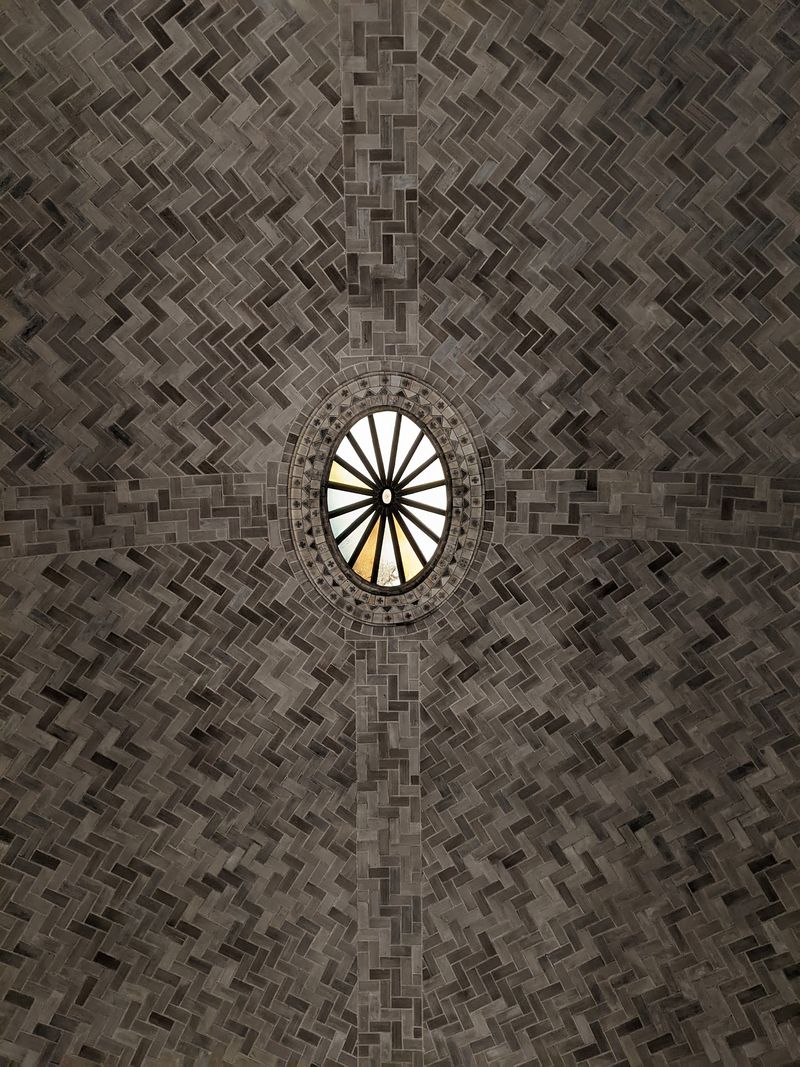
Few architects love a building so much that they choose to stay forever. Rafael Guastavino, the Spanish master builder who designed this church alongside Richard Sharpe Smith, is buried right here, according to guides who share the story on tours.
Guastavino was famous for a special tile system. Thin clay tiles were layered and set in patterns, creating strong, graceful vaults without needing heavy beams.
His work shows up in landmark buildings across America, and the Biltmore House counts among his projects.
At Saint Lawrence, his talent shines in every curve. Look closely and you will see neat patterns of tile and brick climbing upward like woven fabric.
It feels less like construction and more like art you can walk under.
Knowing the builder rests within these walls adds a tender layer to any visit. You are not just seeing his creation.
You are visiting his home.
The Record-Setting Freestanding Dome
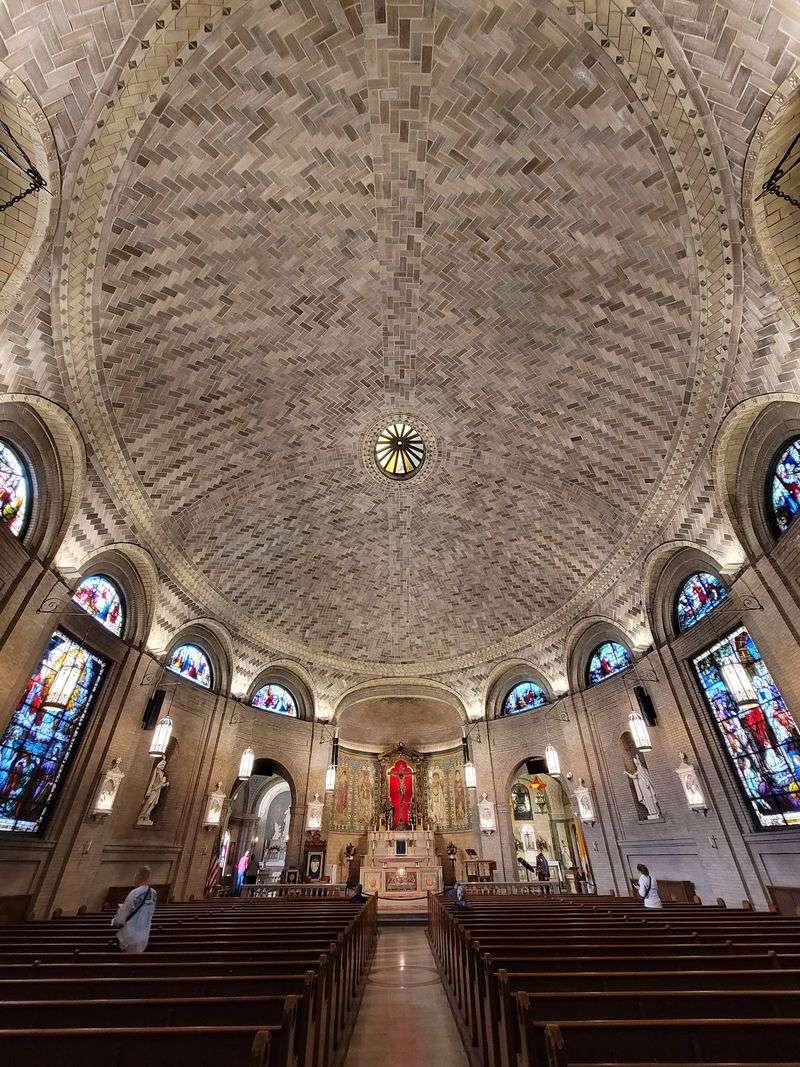
Tilt your head back and get ready. The dome here is said to be the largest freestanding dome in North America, measuring roughly 58 by 82 feet.
Here is the jaw-dropping part. It holds itself up without any steel or wooden beams.
Only tile and masonry do the heavy lifting, a feat that still amazes engineers and casual visitors alike.
The shape is oval rather than perfectly round, which gives the space a soft, embracing feel. Light drifts across the curved surface and makes the patterned tiles glow in warm shades.
Many guests call the dome the true star of the show. Some simply stand quietly beneath it for several minutes, trying to understand how something so huge can float so gracefully overhead.
Bring your camera, but also take a moment to just look. Photos rarely capture how big and calm the space feels in person.
Stained Glass That Paints the Room
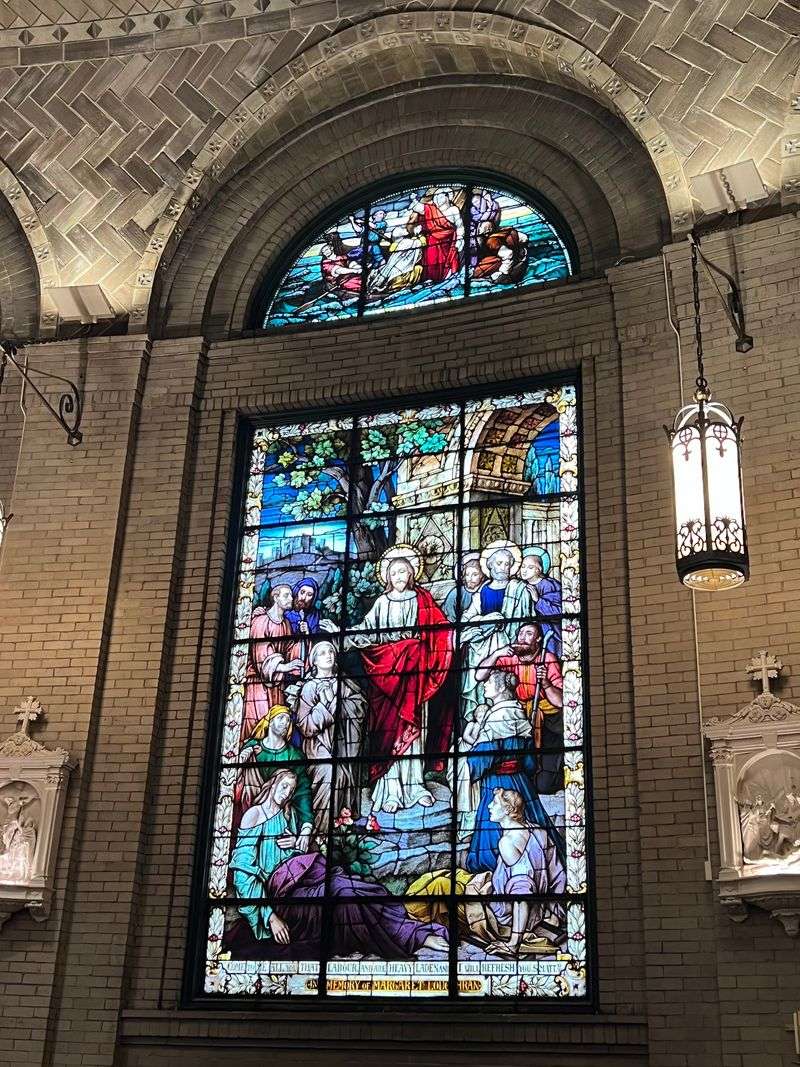
On a bright afternoon, color spills everywhere. The stained-glass windows throw reds, blues, and golds across the brickwork, turning the interior into a gentle kaleidoscope.
Visitors frequently single out the windows as a highlight, praising them as true works of art. Each panel carries its own scene and detail, rewarding anyone who takes time to stand close and study the craftsmanship.
Guides on the free tours help people notice things they might otherwise miss. One group mentioned that their hosts made them appreciate the glass far more after hearing the stories behind it.
A little background turns pretty pictures into meaningful messages.
Try visiting at different times of day if you can. Morning light and late sun create very different moods, and the windows seem to change personality as the hours pass.
It is one of those simple pleasures that makes a second visit feel brand new.
Altar, Shrines, and Sculpture Up Close
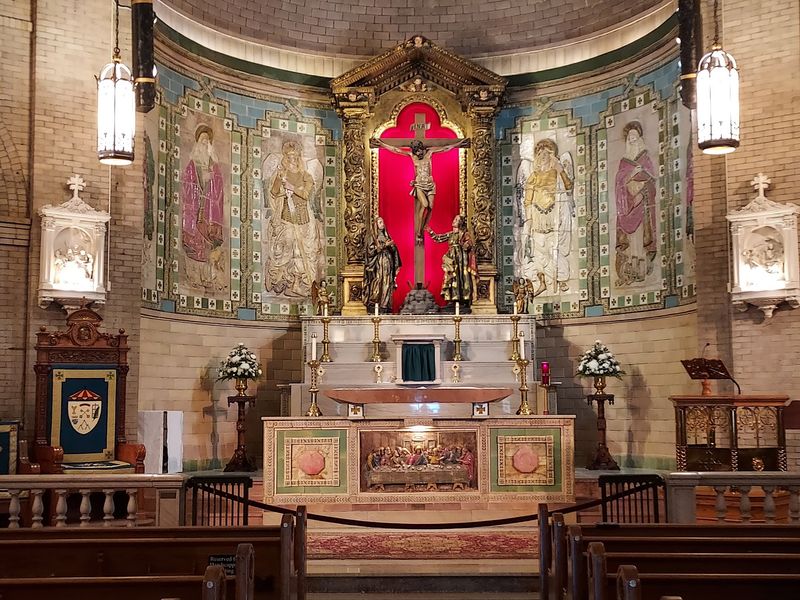
Surprise number one: the inside feels more intimate than the outside suggests. Several guests noted that the round interior is smaller than expected, yet packed with fascinating details.
The altar draws plenty of attention. People describe it as unique and beautifully decorated, a focal point that pulls your eyes forward the moment you enter.
Two shrines add even more to explore, each offering its own quiet corner for reflection.
Sculptures appear throughout the space, along with frescoes and tapestries that give the room a layered, old-world richness. The lighting earns compliments too, making it easy to admire each piece without squinting.
Take your time moving around the circle. Because of the round layout, every few steps reveals a new angle on the art.
It is a space designed for slow wandering, where small details reward patient eyes and curious minds.
Courtyard Calm and Garden Blooms
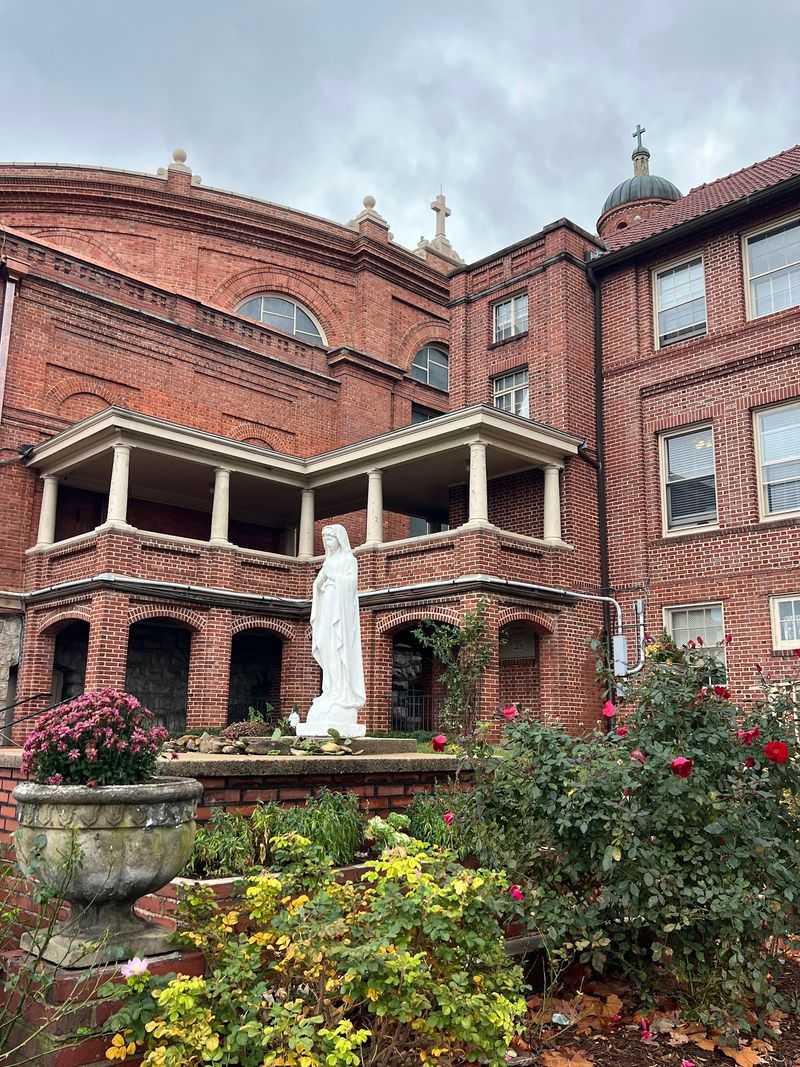
Before heading inside, pause outdoors for a minute. The grounds offer their own small rewards that many hurried visitors miss.
A peaceful courtyard sits beside the red-brick walls, home to a statue of the Virgin Mary and lovely flower gardens. In the middle of a busy downtown, it feels like a pocket of hush where city noise softens.
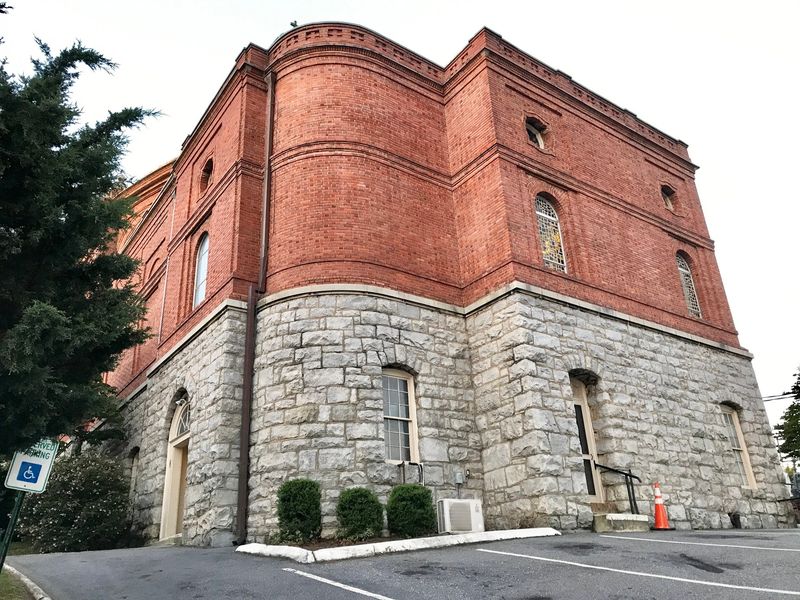
The exterior architecture deserves a slow look as well. Its distinctive brickwork hints at the Spanish influence waiting within, though one honeymooning couple said the outside gave little warning of the beauty inside.
Listen, too. Guests have mentioned that the bells sound lovely, adding a gentle soundtrack to a stroll through the neighborhood.
Whether you linger by the flowers or snap a few photos of the facade, this outdoor space sets a peaceful tone and prepares you for the wonder that waits beyond the doors.
Sunday Mass and Music Worth Hearing
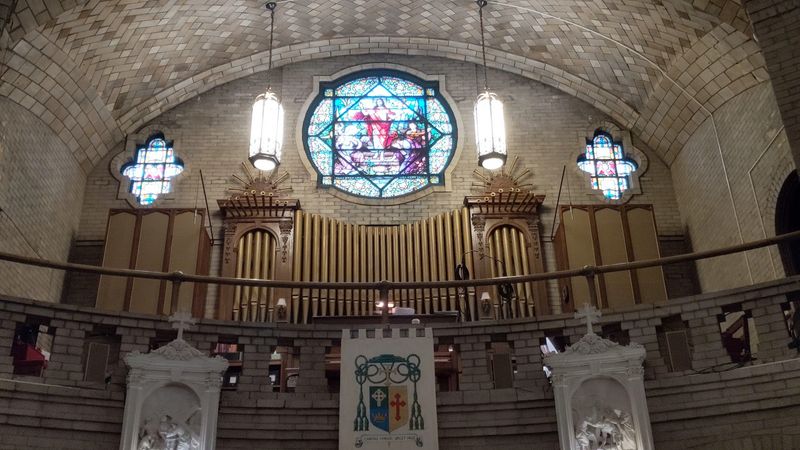
Want the full experience? Plenty of guests recommend attending a service, and their reasons are hard to argue with.
Travelers praise the 9 AM Sunday Mass in particular, describing it as reverent with beautiful music. Some mention Latin woven into the liturgy, and others enjoyed hearing the rosary prayed before the service began.
The choir gets frequent applause for lifting the whole morning.
Out-of-towners often say they felt genuinely welcomed by the parish. One visitor noticed the priest praying quietly at a side altar before Mass, a small moment that left a strong impression.
Even if you are not Catholic, sitting in on a service lets you hear how the dome carries sound and see the space doing what it was built to do. Just be respectful, dress comfortably but neatly, and arrive a little early to settle in and soak up the surroundings.
Guided Tours and Self-Guided Wandering
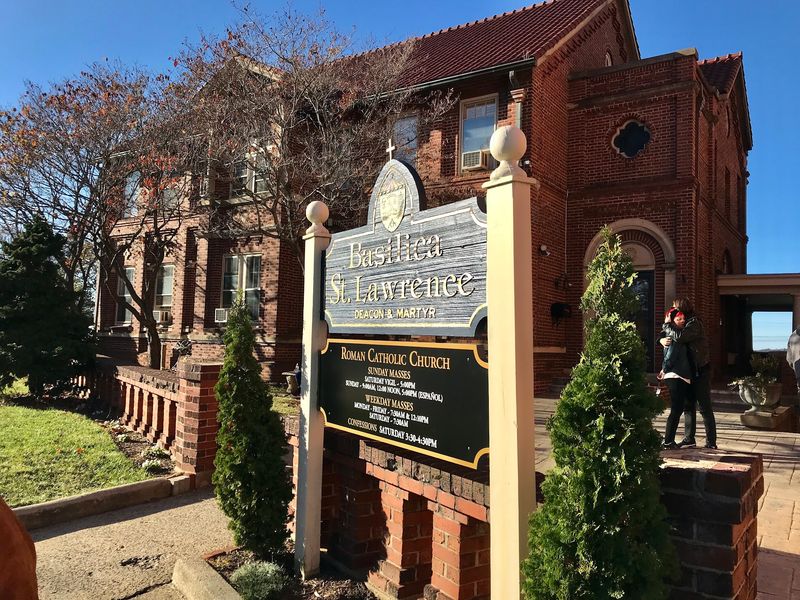
Curious minds have two great choices here. You can explore on your own with a helpful handout or join a guided tour packed with stories.
Self-guided visitors often receive an informational sheet from a friendly greeter at the door. People say it is full of history and points out clever details they would never have spotted alone.
Guided tours add humor and depth. One group raved about a free tour after the 9 AM Sunday Mass, saying their hosts were funny and full of fascinating facts.
Others note tours can be booked through the church website, ideally at least a week ahead to allow time for confirmation.
Either way, you leave knowing far more than when you arrived. Who knew a ceiling could have so many secrets?
A little guidance turns a pretty stop into a memorable lesson in art and engineering.
Planning Notes: Hours, Parking, and Gift Shop
Timing matters more than you might think. Visiting hours are limited to certain days and set times, so checking ahead saves disappointment.
The church website lists Mass times and visiting hours, though one guest suggested confirming directly since posted times did not always match. Calling +1 828-252-6042 is an easy way to double-check before you go.
Parking gets mixed comments. Some visitors found it simple, while others warned out-of-towners to plan carefully.
Downloading the ParkMobile app can make metered spots in downtown Asheville much less stressful.
After certain services, a small gift shop may be open with fun, unique keepsakes. Tours after Mass are free, according to past guests, and many visitors choose to give a donation since the historic building needs ongoing care.
A little planning goes a long way toward a smooth, relaxed visit in the heart of the city.
Why It Belongs on Your Asheville Itinerary
Honestly, few stops pack this much wonder into such a compact space. History lovers, architecture fans, artists, and anyone needing a quiet breather will find something to treasure.
Guests return to the same words again and again: peaceful, calming, beautiful. One traveler even added it to a personal list of wonders of the world.
Another said it brings calm and peace no matter where you look.
It suits solo explorers, couples, and families who can appreciate a respectful setting. Pair it with a downtown stroll or a Biltmore visit to see more of the same builders at work.
Sure, North Carolina has mountains, waterfalls, and starry skies. Yet this little corner of Old Europe offers a different kind of awe, one made by human hands and devotion.
Go once, look up at that dome, and you may find yourself planning a return trip.
Share this story