In 1976, America celebrated its Bicentennial, and Hollywood had a big year of its own. Moviegoers watched an underdog boxer get a shot at the title, two reporters chase a scandal that reached the White House, and a shy teenager discover powers nobody expected.
Going to the movies looked very different then. You checked the newspaper for showtimes, bought a paper ticket at the box office, and sometimes waited weeks for a hit film to reach your town.
There were no streaming services, and home video players were still too new and costly for most families. If you missed a movie in theaters, you might wait years to catch it on network television.
That made each trip to the cinema feel like a real event. The year also sat at a turning point.
Directors of the New Hollywood era were taking bold risks, and the age of the giant summer blockbuster was only months away. Here is a fun test of your movie memory.
The list below covers comedies, Westerns, thrillers, horror films, and Oscar winners from that single year. Along the way, you will pick up behind-the-scenes facts, box office numbers, and a few surprises.
Keep count as you read and see how many you actually watched.
1. Carrie
Stephen King had only one published novel in 1976. Within two years of its release, it was already a Hollywood movie.
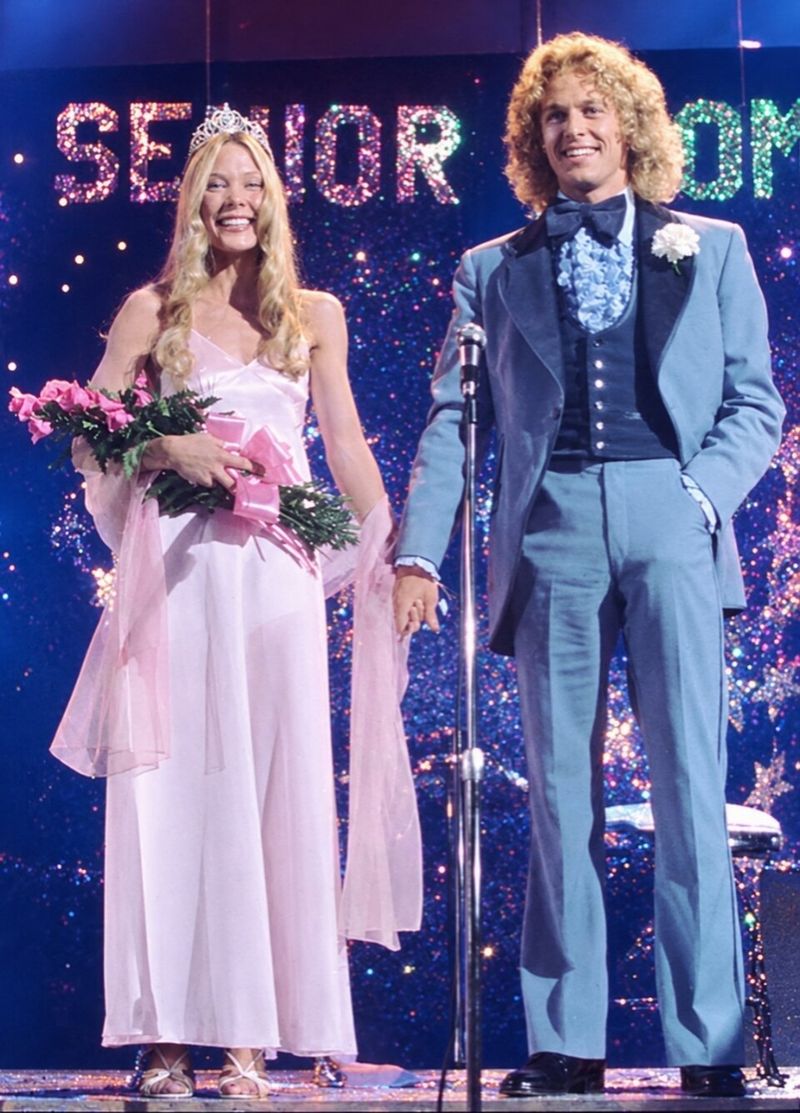
Brian De Palma directed Carrie, which opened that November. Sissy Spacek played Carrie White, a shy teen who learns she can move objects with her mind.
Piper Laurie played her strict mother. A young John Travolta also appeared, a year before Saturday Night Fever made him famous.
The budget was only about $1.8 million. Even so, the film became a hit with audiences and critics.
Spacek and Laurie both earned Oscar nominations. That was very rare for a horror movie at the time.
Its success proved that King’s books could sell tickets. Dozens of adaptations followed, from The Shining to The Shawshank Redemption.
The prom scene remains one of the most famous in horror history.
2. Taxi Driver
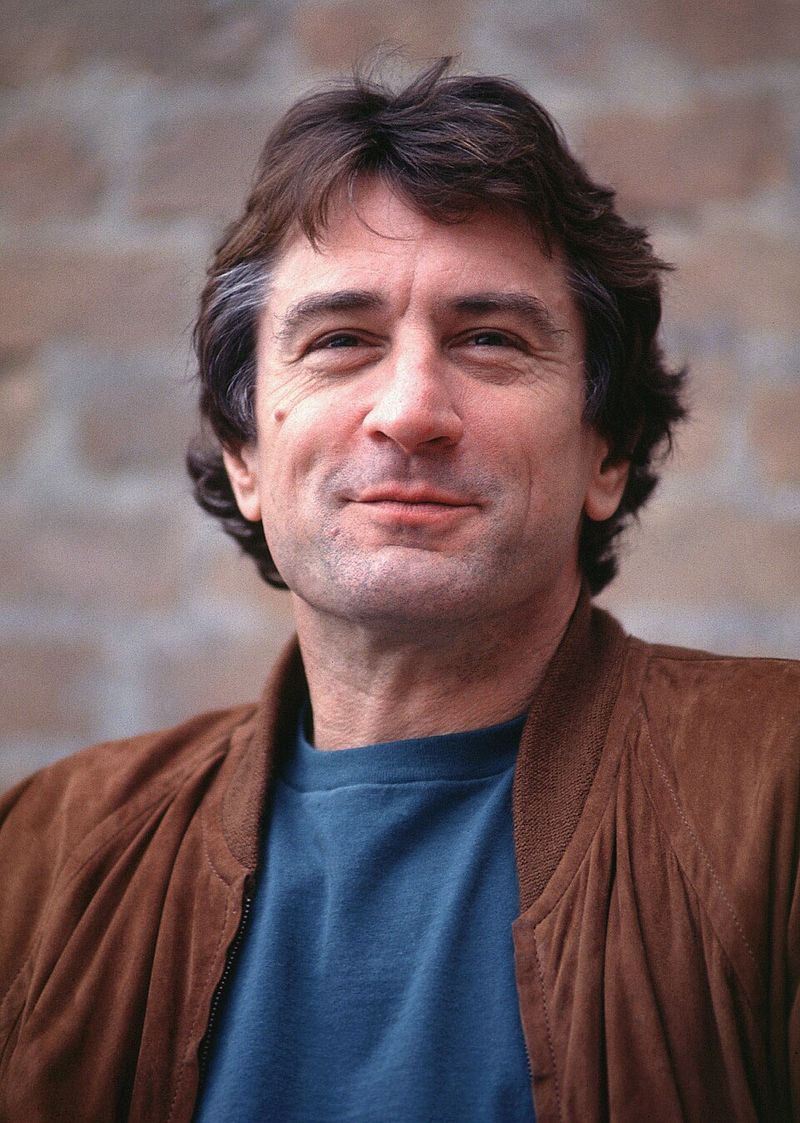
New York City was nearly broke in the mid-1970s. A 1975 sanitation strike had left piles of trash on its sidewalks.
Martin Scorsese used that real backdrop for Taxi Driver, released in February 1976. Robert De Niro played Travis Bickle, a lonely Vietnam veteran who drives a cab through the night shift.
Paul Schrader wrote the screenplay. Jodie Foster, Cybill Shepherd, Harvey Keitel, and Albert Brooks rounded out the cast.
Bernard Herrmann composed the jazzy score. It turned out to be his final film soundtrack.
The movie won the Palme d’Or at the Cannes Film Festival. It also earned four Academy Award nominations, including Best Picture.
Scorsese became one of the most respected directors of his generation afterward. Film students still study this one closely, since it captures a specific moment in big-city history.
3. All the President’s Men
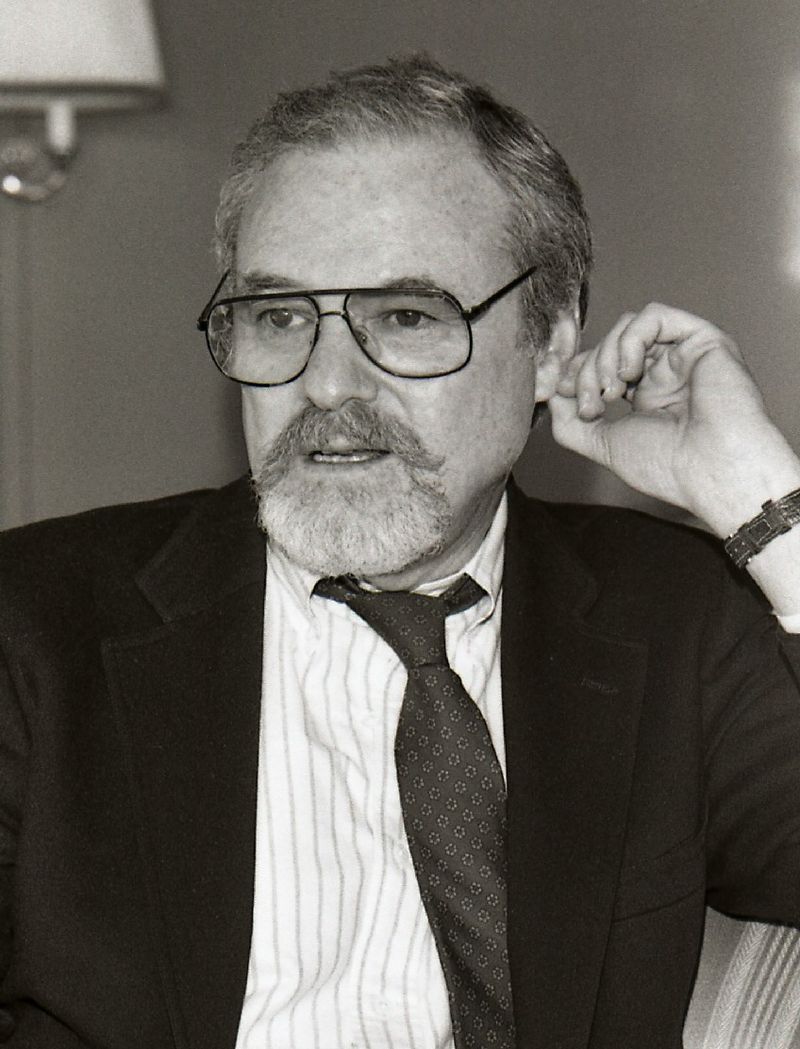
Typewriters and telephones were the main tools of suspense in this political drama. Not a single car chase was needed.
Released in April 1976, the film starred Robert Redford as Bob Woodward and Dustin Hoffman as Carl Bernstein. They played the Washington Post reporters who dug into the Watergate scandal.
President Richard Nixon had resigned less than two years earlier. Audiences still remembered the televised hearings clearly.
Director Alan J. Pakula based the movie on the reporters’ bestselling book.
The crew rebuilt the Post newsroom in detail on a Hollywood soundstage.
Jason Robards played editor Ben Bradlee and won an Oscar for it. Hal Holbrook appeared as the secret source called Deep Throat.
The film collected eight nominations and four wins. Many young people later said it inspired them to study journalism.
4. The Omen
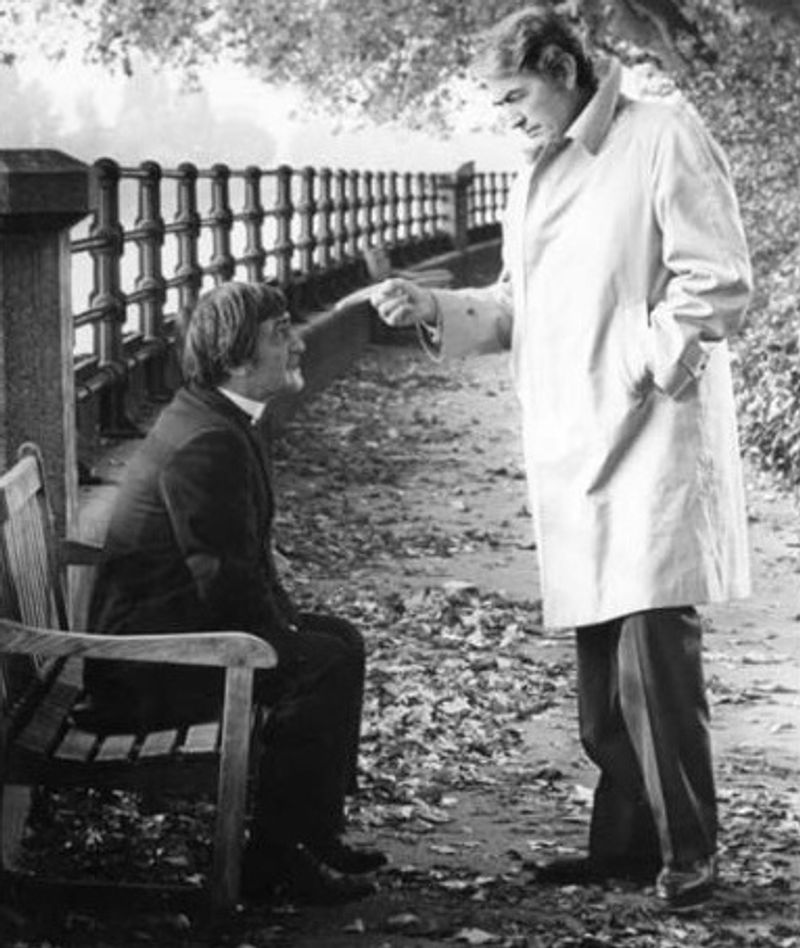
Three years after The Exorcist packed theaters, studios were eager for more spooky stories. The Omen arrived in June 1976 and delivered.
Gregory Peck starred as Robert Thorn, an American diplomat in London. He slowly suspects his adopted son Damien is tied to an ancient prophecy.
Lee Remick played his wife. Five-year-old Harvey Stephens played Damien and barely had to say a word.
Richard Donner directed on a budget of roughly $2.8 million. The film earned close to $79 million, making it one of the year’s biggest hits.
Jerry Goldsmith’s choir-heavy score won him an Academy Award. Surprisingly, it was the only Oscar of his long career.
Donner’s career took off afterward, and he directed Superman two years later. The story kept going too, with sequels, a 2006 remake, and a 2024 prequel.
5. The Outlaw Josey Wales
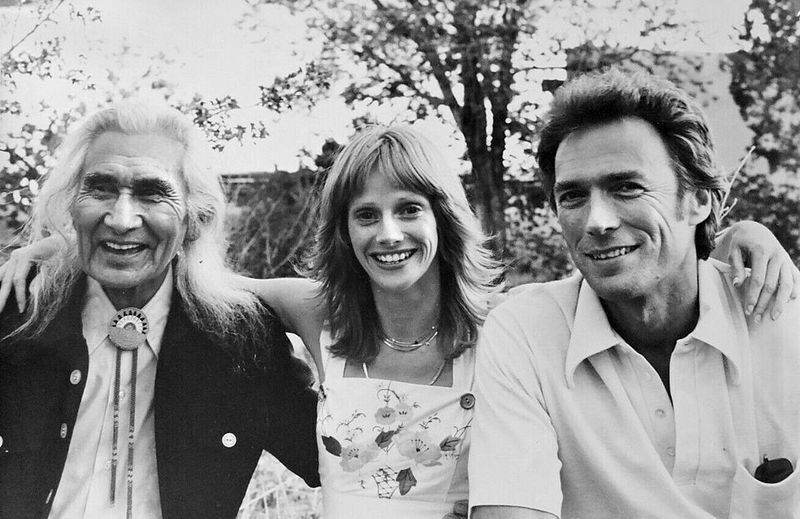
Clint Eastwood wore two hats on this project, and only one of them was a cowboy hat. He both directed and starred in The Outlaw Josey Wales, released in June 1976.
The story began with a Missouri farmer whose life is upended during the Civil War. He becomes a fugitive heading west.
Along the way, Wales gathers an unlikely group of travelers. Chief Dan George, Sondra Locke, and Bill McKinney joined the cast.
The film was based on a 1972 novel by Forrest Carter. Bruce Surtees handled the photography.
Critics noticed the movie felt different from Eastwood’s earlier Westerns. It focused on healing and building a new community.
The release landed during the Bicentennial summer. In 1996, it was added to the National Film Registry, which preserves movies of lasting cultural value.
6. Network
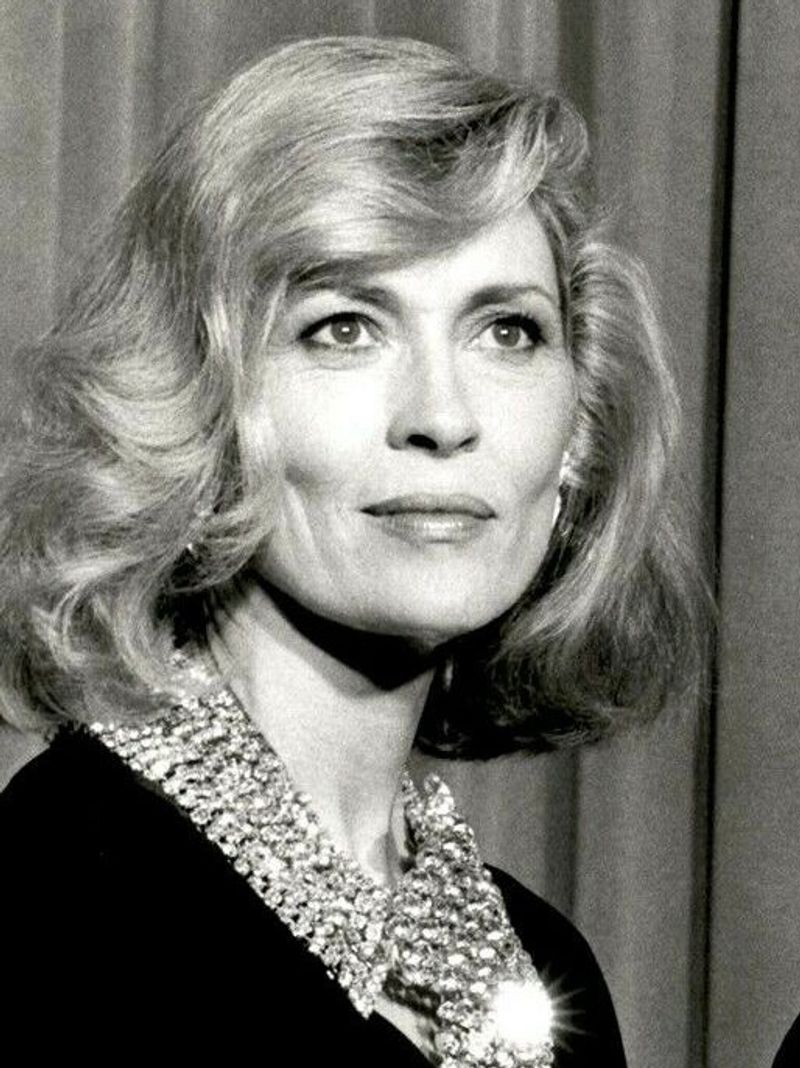
Some satires age quickly. This one seemed to predict the future of TV.
Network opened in November 1976. Peter Finch played Howard Beale, a veteran news anchor whose on-air breakdown becomes a ratings hit.
Faye Dunaway played Diana Christensen, a network executive who cares mostly about viewer numbers. William Holden played a longtime news chief who misses the old ways.
Paddy Chayefsky wrote the sharp script, and Sidney Lumet directed. Beale’s famous line about being mad as hell soon showed up in everyday conversation.
The film earned ten Oscar nominations and won four. Finch won Best Actor after he passed away in early 1977, the first such honor in Oscar history.
Dunaway took Best Actress, and Chayefsky won for his screenplay. Viewers today often say its ideas about reality TV and cable news feel surprisingly current.
7. Rocky
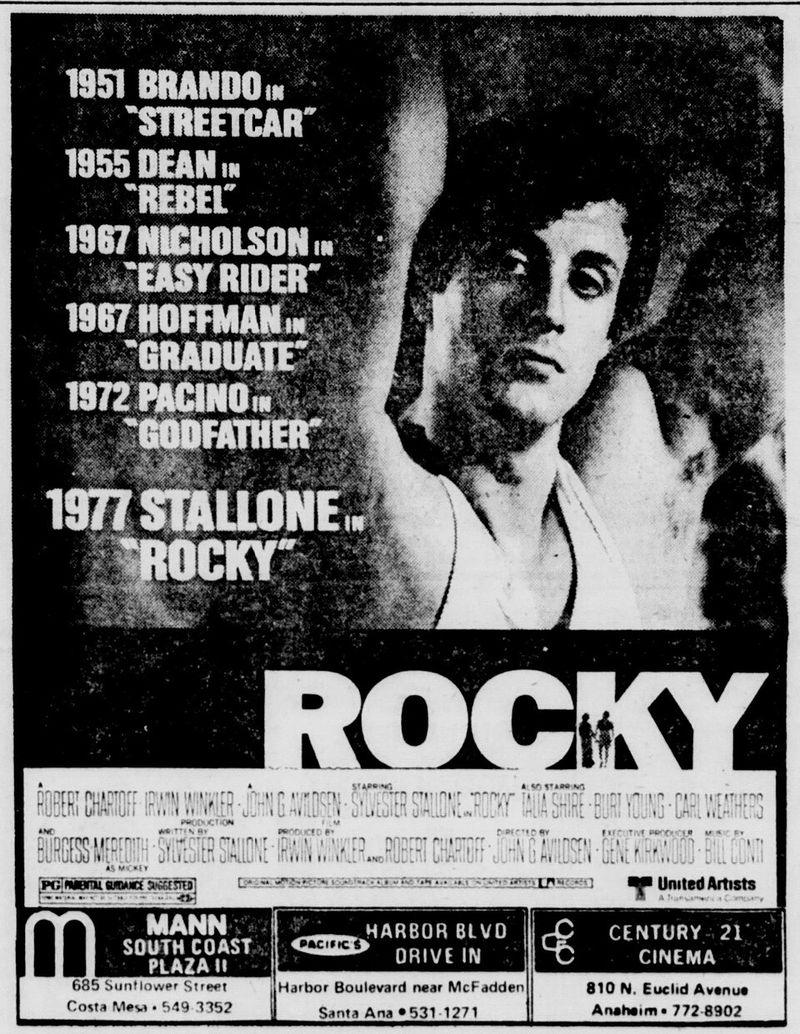
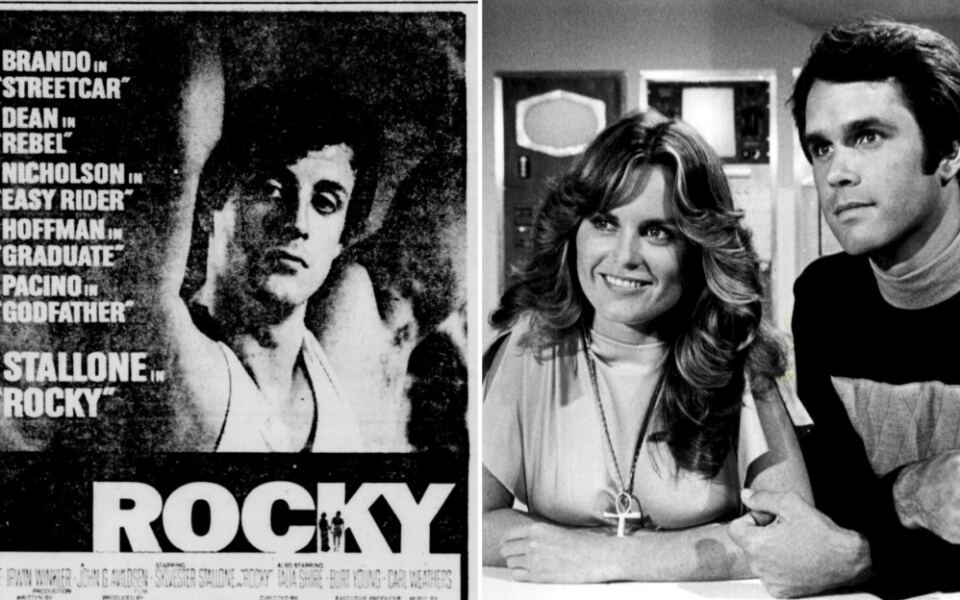
Sylvester Stallone refused to sell his script unless he could play the lead. Studio bosses wanted a bigger name, but he held firm.
That gamble paid off in November 1976. Stallone starred as Rocky Balboa, a small-time Philadelphia boxer handed a surprise title fight against champion Apollo Creed, played by Carl Weathers.
The film cost about $1 million to make. Many jogging scenes were shot quickly with a handheld camera to save money.
It went on to earn around $225 million worldwide and became the top-grossing film of the year in North America. It also won three Oscars, including Best Picture.
Fun fact: tourists still race up the Philadelphia Museum of Art steps to copy Rocky’s victory pose. Bill Conti’s theme, Gonna Fly Now, remains a favorite at gyms and sporting events today.
8. The Bad News Bears
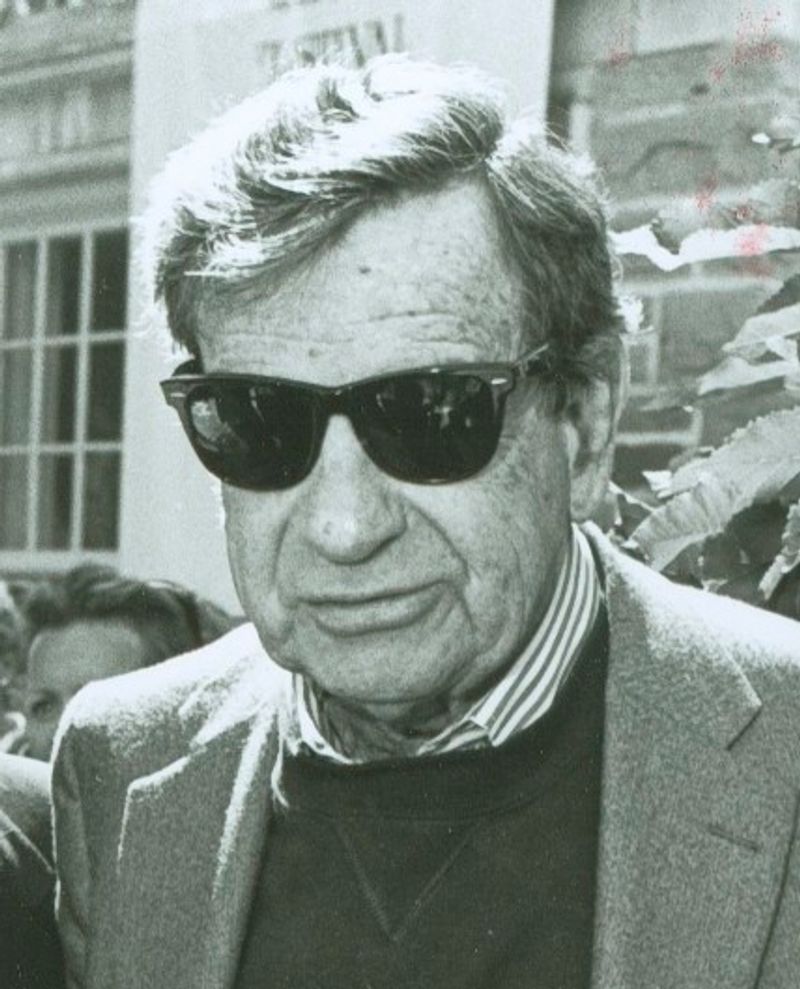
Forget the perfect underdog ending. The Bears lose their big championship game, and the movie is better for it.
Released in April 1976, the comedy starred Walter Matthau as Morris Buttermaker. He is a former minor league player who grudgingly agrees to coach the worst team in a California youth league.
Tatum O’Neal played Amanda, a sharp young pitcher. Jackie Earle Haley played Kelly Leak, a tough kid with real talent.
Michael Ritchie directed the film. He showed pushy parents, squabbling players, and adults who took kids’ games far too seriously.
Some parents in 1976 were surprised by how rough the kids talked. Many others recognized their own local ballpark.
The movie became a surprise hit and led to two sequels. A TV series followed in 1979, and a remake arrived in 2005.
9. Logan’s Run
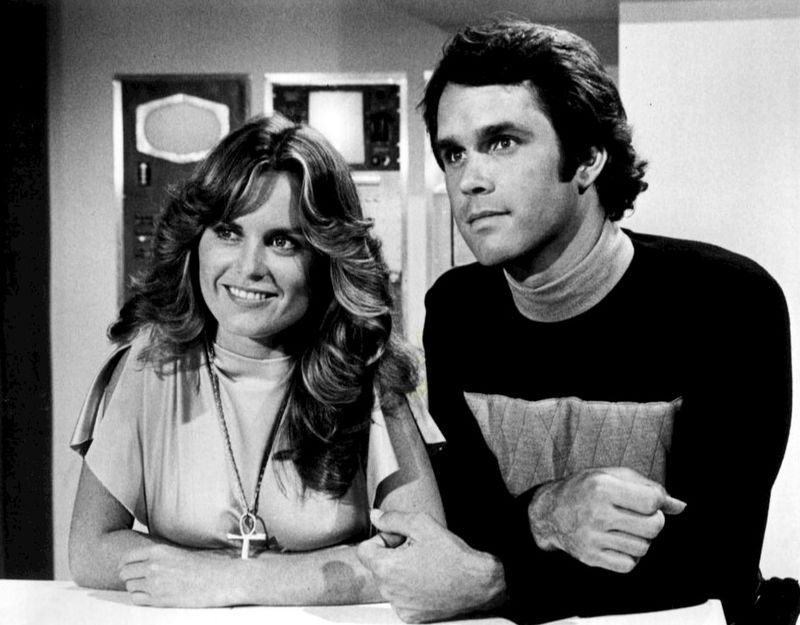
Turning 30 was a very big deal in this movie’s imagined world. Citizens of a domed city in the year 2274 are not allowed to live past that age.
Logan’s Run opened in June 1976. Michael York played Logan 5, a Sandman whose job is catching people who try to flee.
Jenny Agutter played Jessica 6, who helps Logan question the rules. Farrah Fawcett, about to become a TV star on Charlie’s Angels, had a small role.
Parts of the film were shot in a Dallas shopping mall. Real locations like that helped create the futuristic look on a budget.
The movie won a Special Achievement Oscar for visual effects. A short-lived TV series followed in 1977.
It came out just one year before Star Wars changed science fiction for good. That timing makes it a fun look at what came before.
10. The Pink Panther Strikes Again
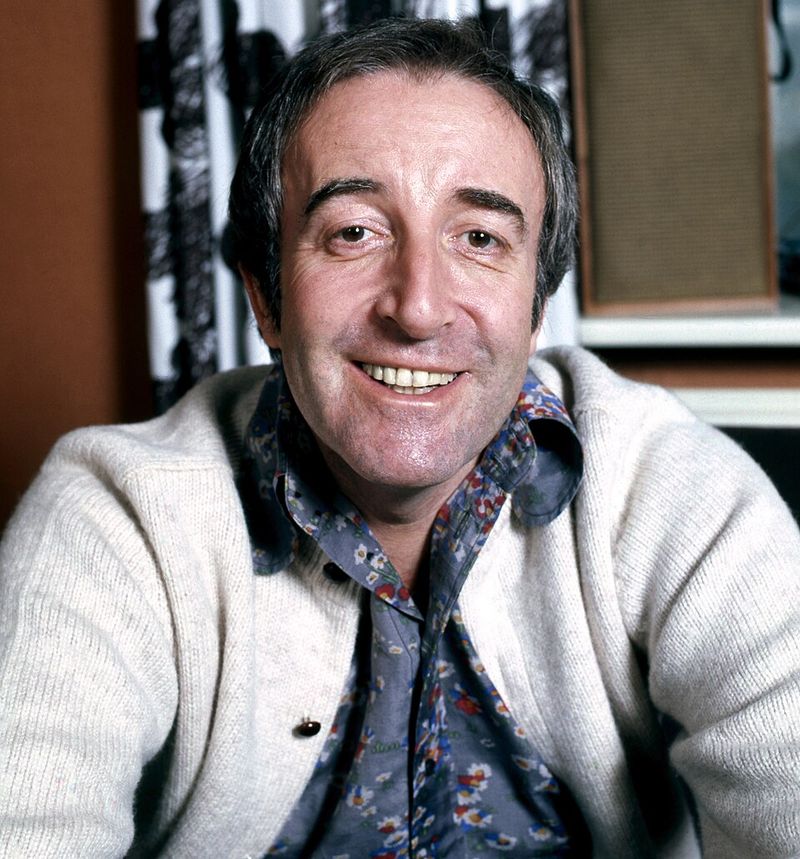
Inspector Jacques Clouseau never solved a case the easy way. In December 1976, Peter Sellers brought the clumsy French detective back for another round.
Blake Edwards directed. Herbert Lom returned as Chief Inspector Dreyfus, Clouseau’s former boss.
Dreyfus has been driven so far by Clouseau’s mistakes that he builds a doomsday machine. His demand is simple: get rid of Clouseau.
The plot poked fun at James Bond films. Sellers kept the laughs coming with silly disguises, falls, and his famously odd French accent.
Henry Mancini once again wrote the music. The film earned an Oscar nomination for the song Come to Me.
Behind the scenes, Sellers and Edwards often clashed. Even so, the movie earned about $75 million worldwide.
Roger Ebert said parts of it were as good as anything the pair had ever made.
11. Silver Streak
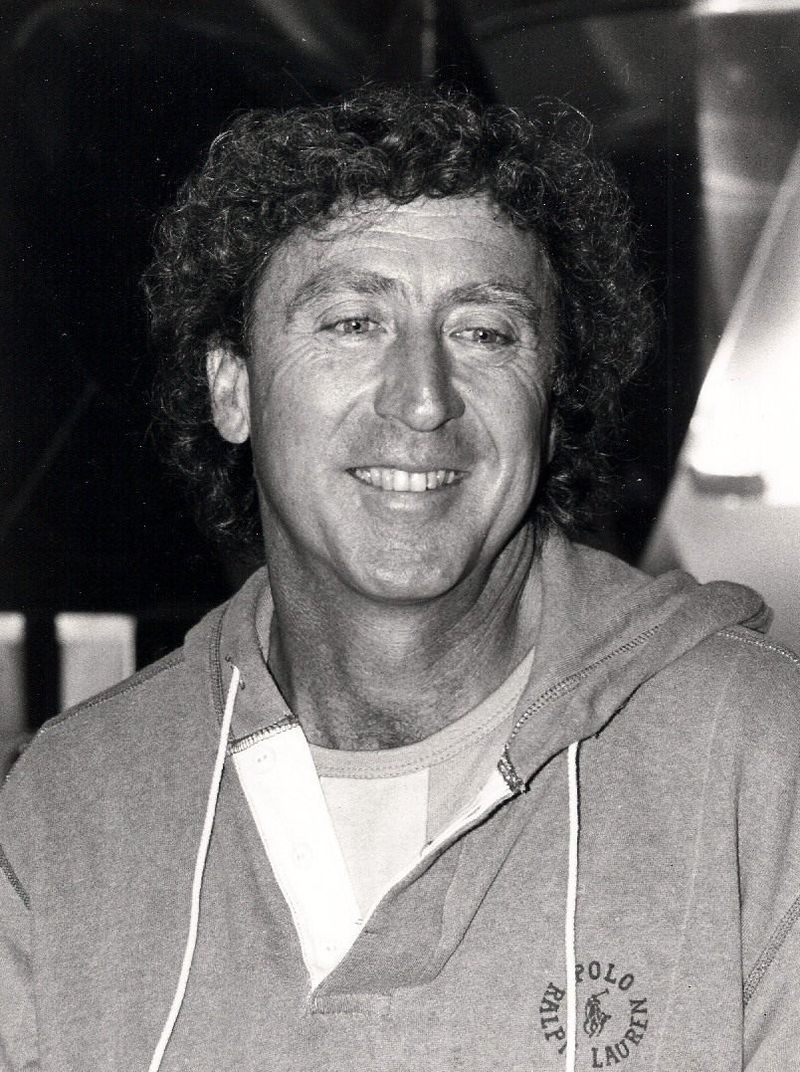
A relaxing train ride from Los Angeles to Chicago turns into anything but relaxing. That is the setup for Silver Streak, released in December 1976.
Gene Wilder played George Caldwell, a book editor who spots what looks like a crime on board. Soon he is tangled up in a plot about forged Rembrandt paintings.
Jill Clayburgh played his love interest. Richard Pryor shows up halfway through as Grover Muldoon, a fast-talking thief.
It was the first time Wilder and Pryor shared the screen. They later teamed up for Stir Crazy and two more films.
Amtrak refused to help with filming, so the crew worked with the Canadian Pacific Railway instead.
Arthur Hiller directed the film. It earned about $51 million on a budget near $6 million and received an Oscar nomination for Best Sound.
12. Marathon Man
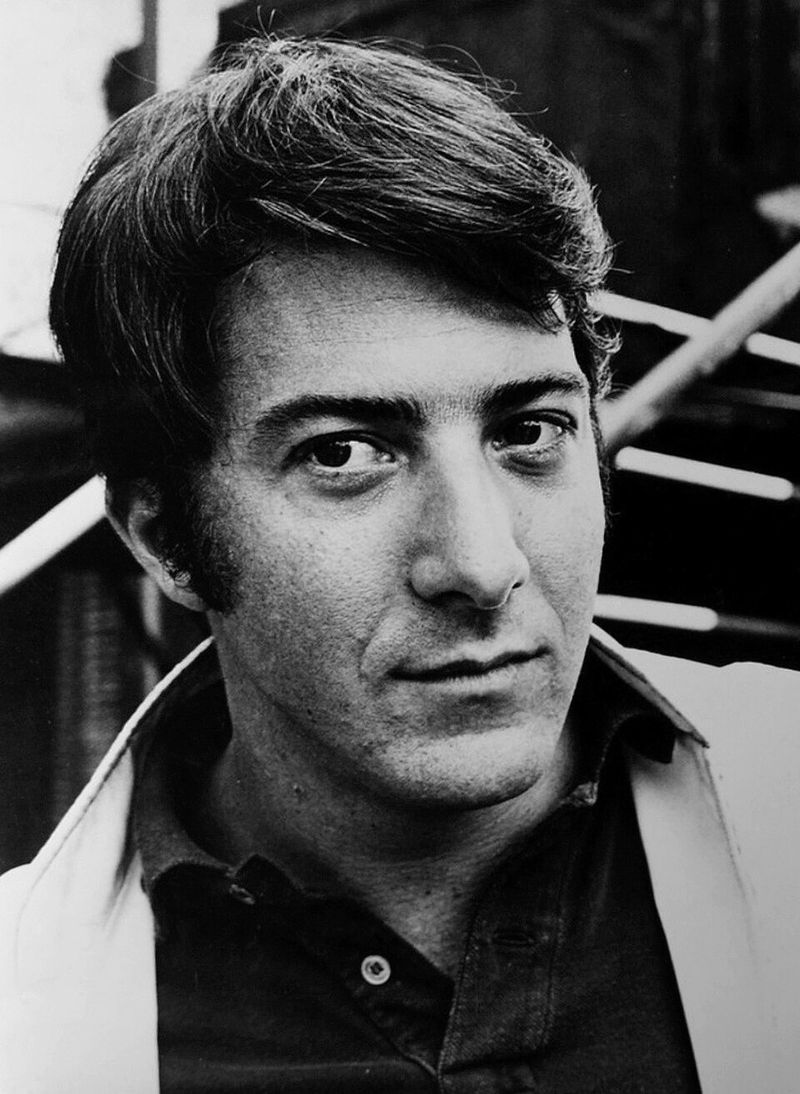
Three words made audiences squirm in their seats: Is it safe? That question became the most quoted line from Marathon Man.
Released in October 1976, the thriller starred Dustin Hoffman as Babe Levy. He is a New York graduate student who trains by running laps in Central Park.
Babe gets pulled into a secret plot through his brother, played by Roy Scheider. Laurence Olivier played Christian Szell, a former Nazi war criminal hiding a fortune in diamonds.
John Schlesinger directed. William Goldman adapted the script from his own novel.
A scene in a dentist’s chair gave many viewers a new reason to dread checkups. Olivier earned an Oscar nomination and won a Golden Globe.
Hoffman reportedly stayed up for days to look exhausted. Olivier joked that he should simply try acting.
13. The Enforcer
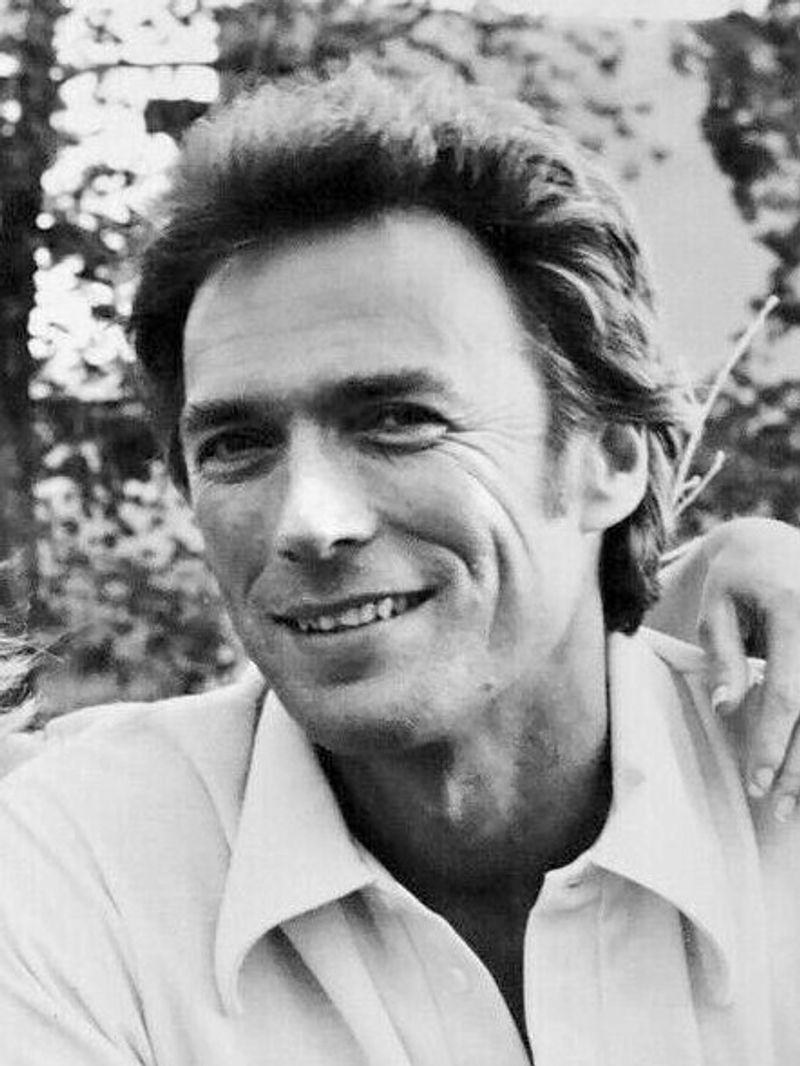
Harry Callahan finally got a partner who could keep up with him. In The Enforcer, released in December 1976, Clint Eastwood returned for the third Dirty Harry film.
Tyne Daly played Inspector Kate Moore, newly promoted to homicide. Harry is not happy about it at first.
Many police departments were assigning women to new roles in the 1970s. The film reflected that change as Moore earns Harry’s respect.
Together they chase a radical group causing trouble in San Francisco. Scenes were filmed around the city, including Alcatraz Island.
James Fargo directed the movie. It became Eastwood’s biggest box office hit up to that point.
Daly later won fans as a detective on TV’s Cagney and Lacey. The series continued too, with Sudden Impact in 1983 and The Dead Pool in 1988.
14. King Kong
Forty-three years after the original, the giant ape got a brand new skyscraper. Kong climbed the World Trade Center, which had recently opened, instead of the Empire State Building.
The remake arrived in December 1976. Producer Dino De Laurentiis spent big, and John Guillermin directed.
Jeff Bridges played a primate expert. Charles Grodin played an oil executive hunting for fuel on a remote island.
Jessica Lange made her film debut as Dwan. She later went on to win two Academy Awards.
The crew built a 40-foot mechanical Kong, but it appears only briefly. Most scenes used makeup artist Rick Baker in an ape suit.
Critics gave mixed reviews. Still, it was a major holiday hit and won a Special Achievement Oscar for visual effects.
Share this story