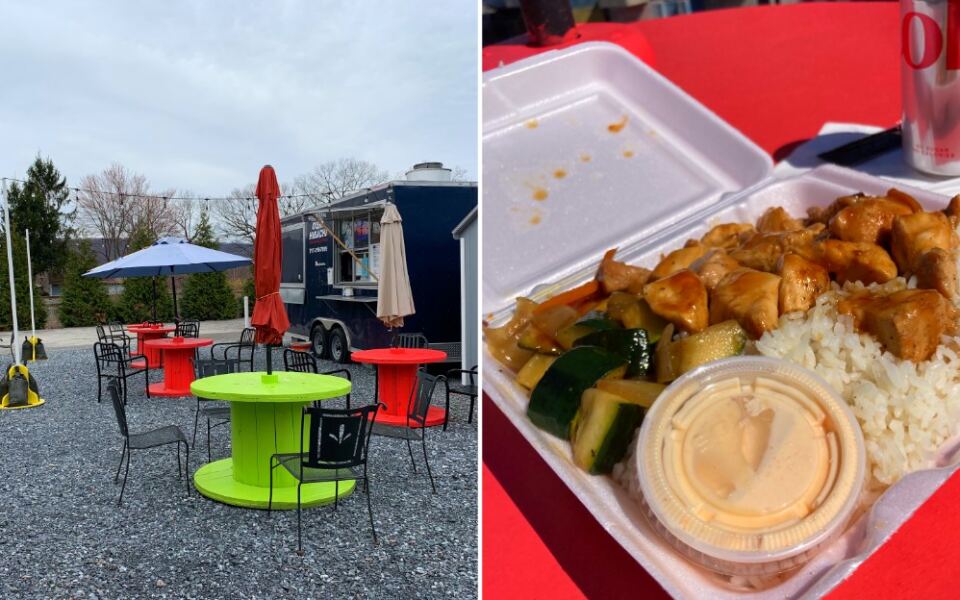
A food trailer parked along a state road in central Pennsylvania serves chicken katsu, steak and shrimp combos, and crab rangoons with fried rice on the side. No big dining room.
No flaming onion volcano. Just hibachi-style plates handed out a window.
The business started life with a fitting nickname, Oishi Hibachi on Wheels. Years later, it still draws people who plan their drives around a stop here.
I like the idea of hibachi without the fuss. You get the grilled meat, the noodles, and that pale orange sauce everyone keeps asking about, all packed in one container.
The menu stays small on purpose, and that choice shapes almost everything about the experience. It also explains why some customers call ahead before they ever leave home.
A Trailer Kitchen Along State Road
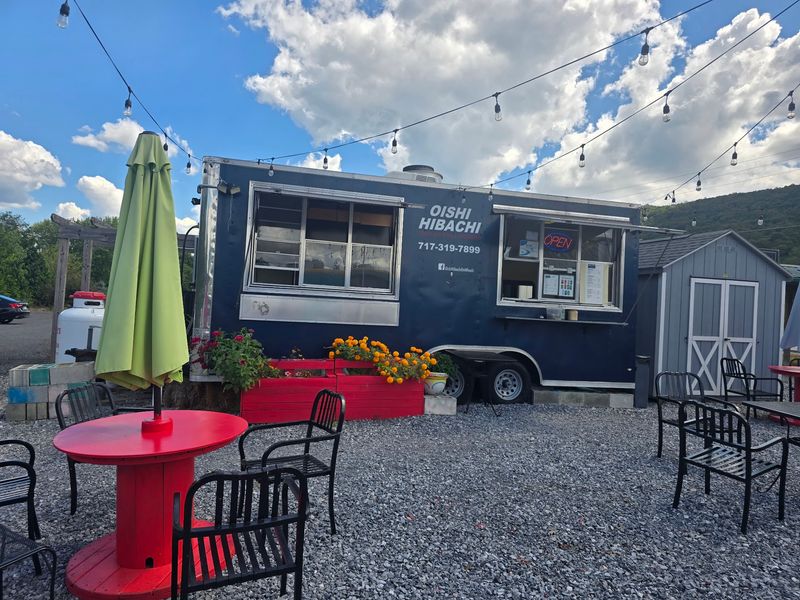
The official name is Oishi Hibachi, and its home base sits at 1600 State Rd in Duncannon, Pennsylvania 17020, in the United States. That spot falls within easy reach of the wider Dillsburg area and the Susquehanna River towns north of Harrisburg.
Google lists it as a Japanese restaurant, but the setup is a trailer. Earlier records call it Oishi Hibachi on Wheels, which tells you plenty about its roots.
I find that detail worth pausing on. A mobile kitchen usually means a tighter menu, faster cooking, and fewer frills, and this one leans into all three.
The food comes out of a compact space, yet the menu covers hibachi plates, katsu, teriyaki, and appetizers. Customers order, wait a short while, and walk away with full containers.
It stays open Tuesday through Saturday. The trailer closes on Sundays and Mondays, so weekend road trippers should aim for Saturday.
A roadside location also means many diners arrive mid-trip rather than as a planned outing. That casual drop-in style fits the business well.
Of course, the real question is what comes out of that window, and the answer starts with a breaded piece of chicken.
Chicken Katsu Earns Its Spot
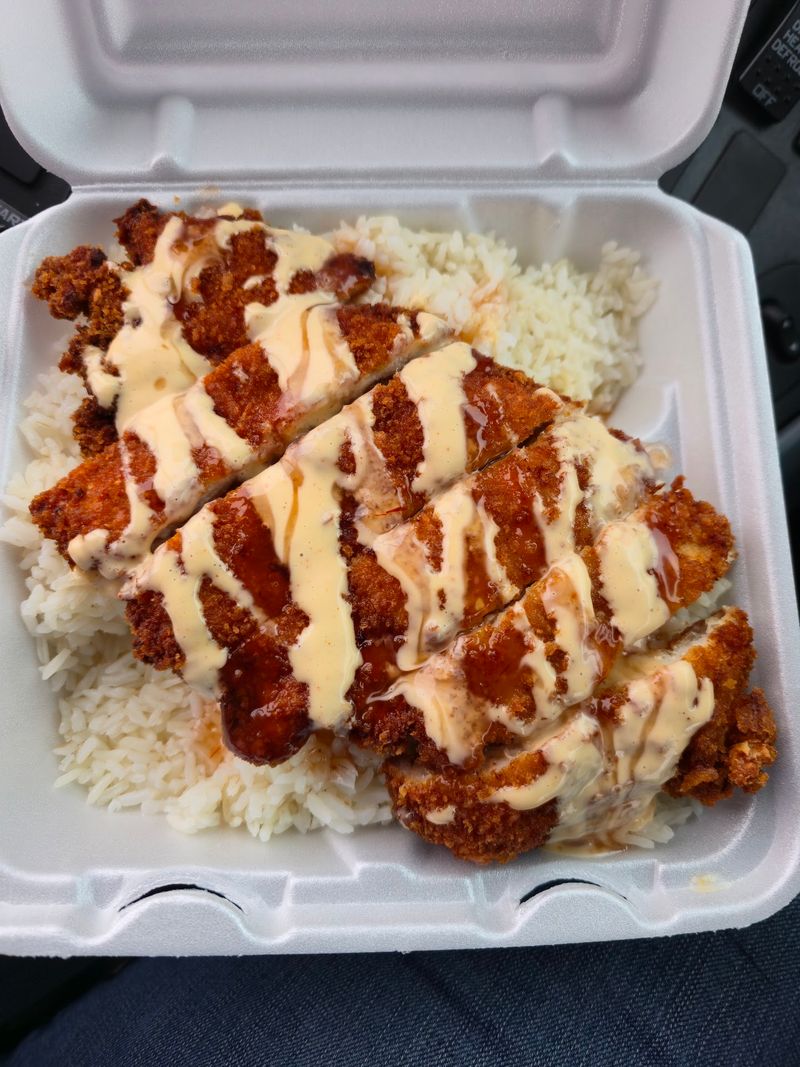
Breaded, fried, and sliced into strips, chicken katsu shows up more than almost any other dish in conversations about this trailer. It sits right beside hibachi as a top talking point.
Katsu comes from Japanese cooking. The chicken is coated in panko-style breading and fried until the outside turns crisp.
At Oishi Hibachi, it arrives with the usual sides. Fried rice and vegetables are common pairings, and some diners order it with noodles.
I would start here if I wanted something familiar but a little different from standard grilled hibachi. Breaded chicken feels approachable, even for picky kids.
The sauces matter too. Katsu often gets a sweet and tangy drizzle, and the trailer also sends out its signature orange sauce.
Fun fact for curious eaters. The word katsu is short for katsuretsu, a Japanese take on the European cutlet that became popular over a century ago.
That history makes the dish a nice bridge between cuisines. Still, katsu is only one half of the menu, and the grilled side deserves its own moment.
Steak, Shrimp, and Chicken in One Box
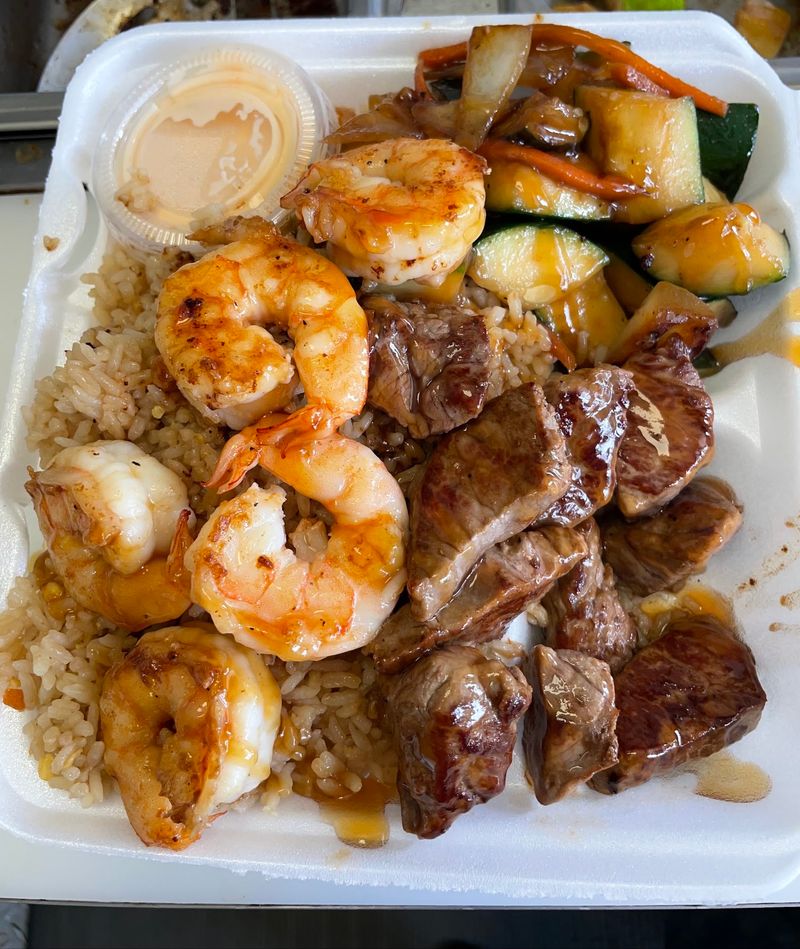
Why choose one protein when the menu lets you stack three? Combination plates are a big part of how people order here.
Shrimp and steak is one popular pairing. Chicken and shrimp shows up often, and so does chicken and steak.
For the truly hungry, a steak, shrimp, and chicken combo has been on the menu too. That lineup covers every main protein in one container.
Each combo comes with hibachi-style sides like fried rice, noodles, and grilled vegetables. You can mix flavors without ordering a second meal.
I can understand the appeal for families. One person grabs a combo, another grabs katsu, and suddenly everyone is trading bites.
Portions run generous, so plan accordingly. Some regulars stretch a single container into two meals, which makes leftovers part of the deal.
A practical tip helps here. Bring a cooler bag if you face a long drive home, because hibachi rice reheats nicely the next day.
Combos get attention, yet the smaller items on the side often steal a surprising amount of love from first-timers.
Spring Rolls and Crab Rangoons on the Side
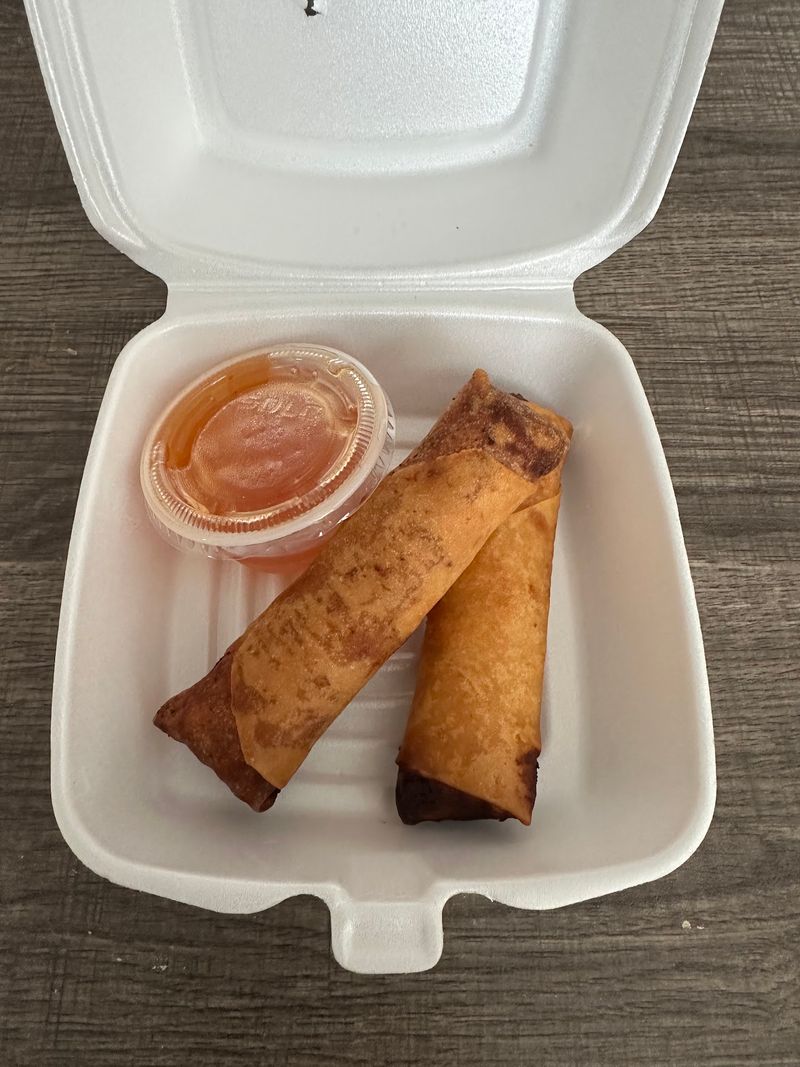
Small appetizers can make or break a takeout order. At this trailer, spring rolls and crab rangoons hold their own beside the main plates.
Spring rolls come up often among hibachi fans. They’re fried, wrapped, and easy to eat while you wait for the rest of the order.
Crab rangoons are the creamy, crunchy wontons many Americans know from takeout menus. Here they round out a meal nicely.
Sweet chili sauce pairs with these starters. That sticky, mild heat gives the fried wrappers a little extra punch.
I’d add one appetizer to any order, mostly for sharing. They travel well and keep backseat passengers happy on the drive home.
Here’s a quick origin bit. Crab rangoon is widely believed to have been invented in the United States, likely at a Polynesian-themed restaurant in the mid-1900s.
So that little wonton is about as American as a roadside food trailer. Fitting, right?
Appetizers set the stage, but the sauce situation at Oishi Hibachi might be what people remember longest.
The Orange Sauce Everyone Runs Out Of
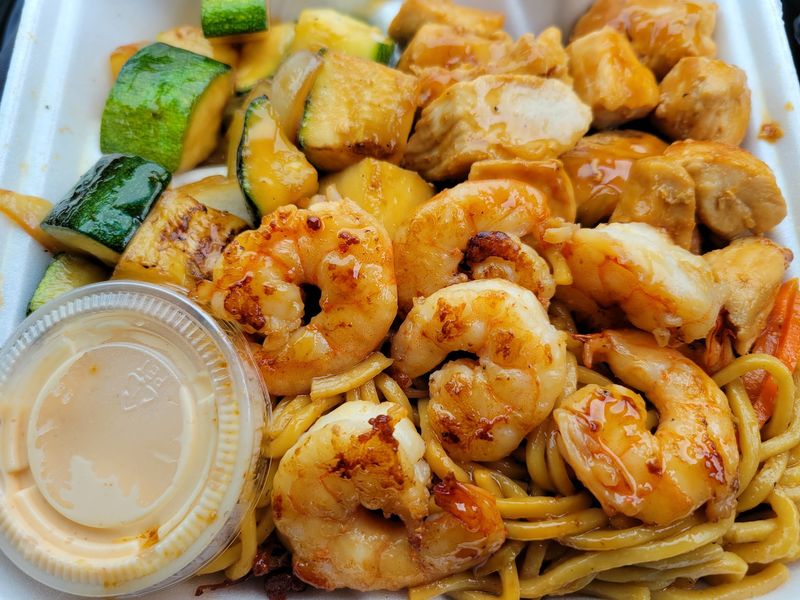
Yum yum sauce has a funny way of disappearing faster than expected. Oishi Hibachi includes this creamy, pale orange sauce with its meals.
Many hibachi spots across the country serve something similar. It’s often made with mayonnaise, a touch of sweetness, and paprika or tomato for color.
The recipe here isn’t published, so I won’t guess at its exact ingredients. What’s clear is that the sauce is part of the full package.
Some diners don’t plan to use it. Then they reach the bottom of the cup and wish for more.
My advice is simple. Ask about an extra cup when you order, especially if you’re splitting rice with someone.
Teriyaki and sweet chili sauces also appear on plates here. Having three sauces lets you switch flavors from bite to bite.
Did you know yum yum sauce is mostly an American creation? It grew popular through Japanese steakhouses in the United States rather than in Japan.
Sauces add flavor, but chicken teriyaki shows how much a simple glaze can do on its own.
Teriyaki for the Classic Crowd
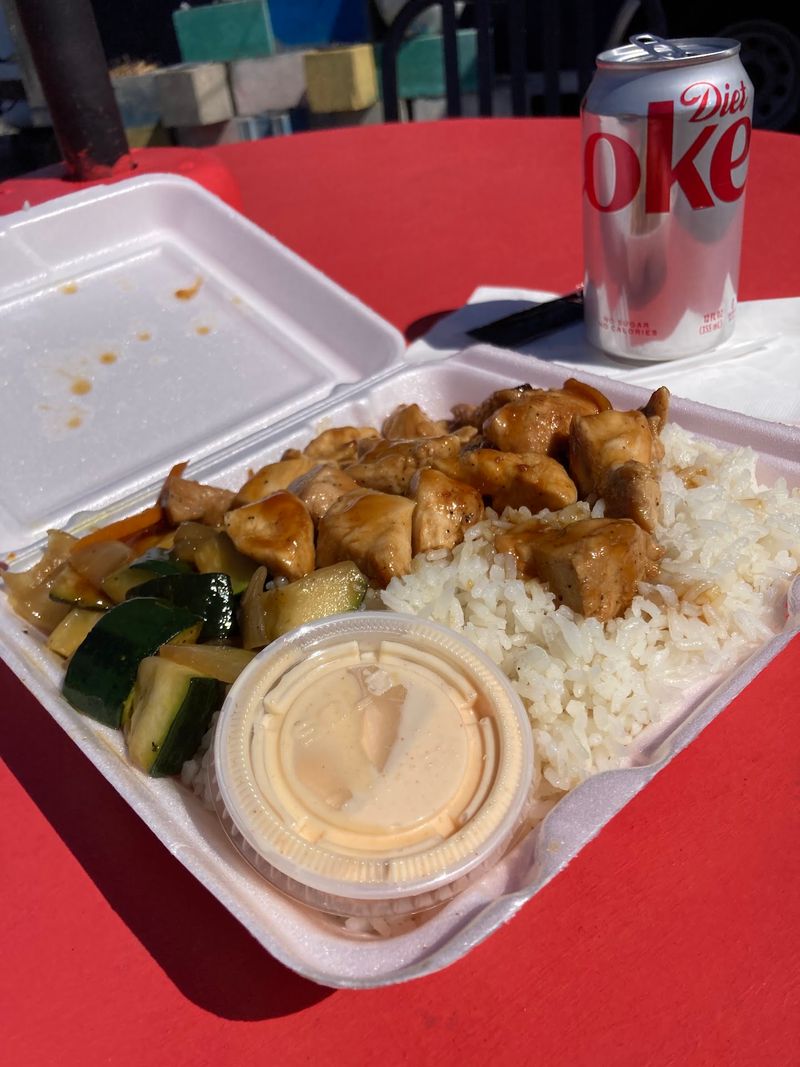
Some eaters want the comfort of a glossy, sweet glaze over grilled chicken. Chicken teriyaki answers that craving at this Pennsylvania trailer.
Teriyaki is a Japanese cooking style. Meat is grilled or pan-cooked and brushed with a sauce based on soy sauce and something sweet.
Here, teriyaki plates come with familiar sides. Diners can pick fried rice or noodles, plus vegetables.
A quick heads-up on the noodles. They can be saucier than what some people expect, so rice may suit you better if you prefer a drier plate.
The vegetable side also differs from some hibachi spots. It skips cabbage, which some customers count as a plus.
I like a menu that lets people adjust a meal without fuss. Small choices like rice versus noodles make a big difference.
Teriyaki has long been a gateway dish for kids and cautious eaters. It’s sweet, familiar, and simple to share.
Choosing your sides is easy. Timing your pickup takes a bit more planning, and regulars have that figured out.
Call Ahead Like the Regulars Do
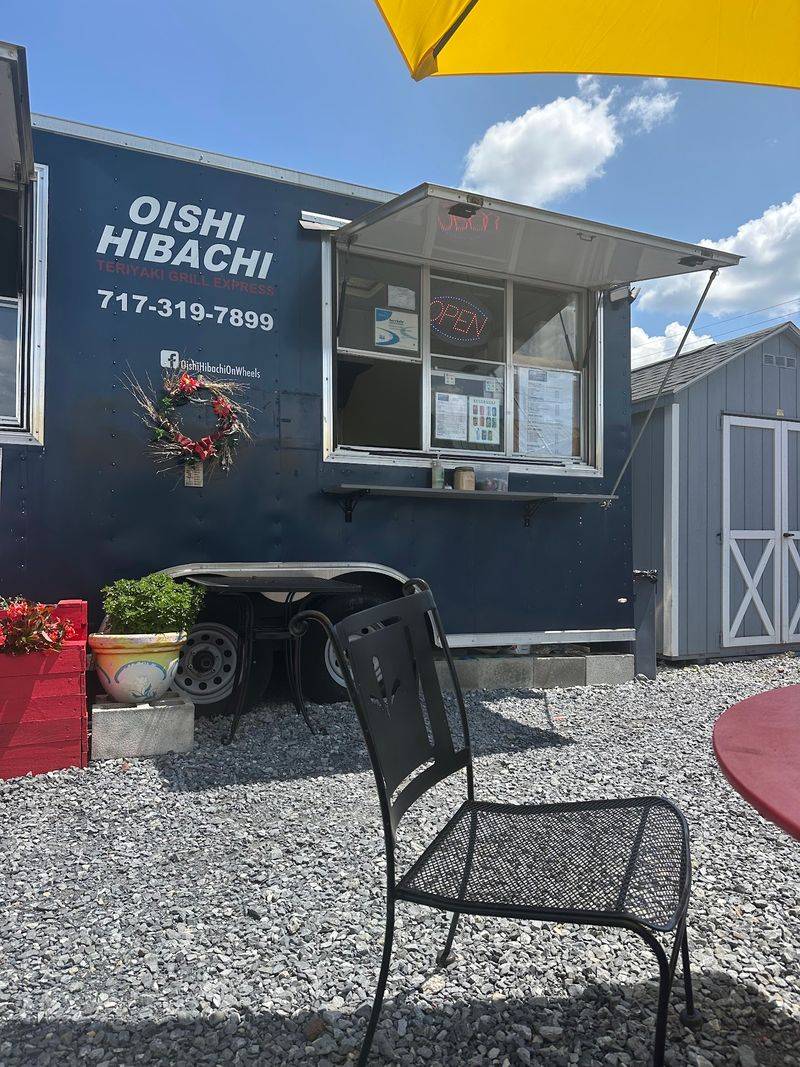
Thirty minutes up the road is not too far for some fans. A common move is calling ahead and giving an arrival time.
That way the food is hot and ready at pickup. It works well for families coming from neighboring towns.
Even walk-in orders tend to move quickly. Typical waits fall in the range of about ten to twenty minutes, depending on how busy the window gets.
Hours run from 11 a.m. Tuesday through Thursday until 7 p.m.
Friday and Saturday stretch to 8 p.m.
Sundays and Mondays are closed. That catches visitors off guard more than you’d think.
I’d check current hours before driving out. Small businesses sometimes adjust schedules for holidays or weather.
Calling ahead also helps with big orders. Feeding a crowd from a compact trailer goes smoother when the cooks know what’s coming.
The owner reportedly gets to know repeat callers by name. That personal touch says a lot about how this place runs.
Quick service is handy, though the people behind that window may be the bigger reason folks return.
A Family Behind the Grill
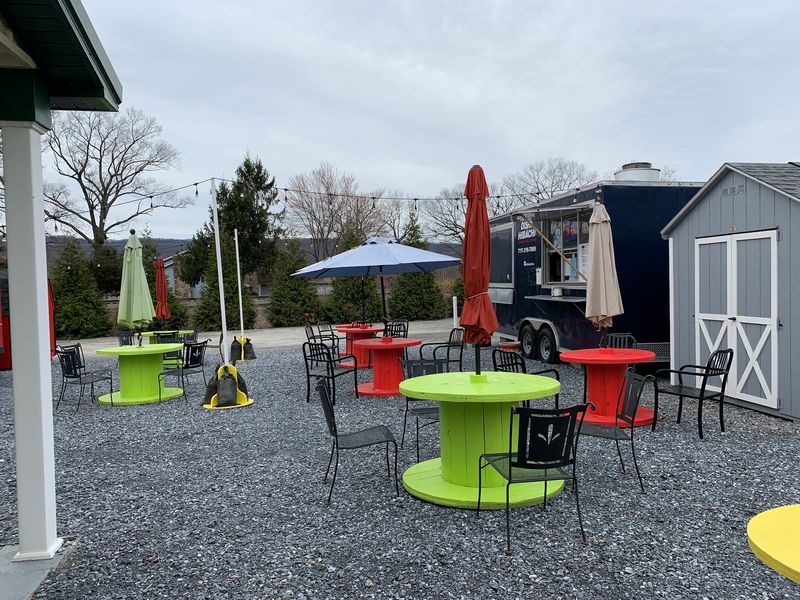
Family-run businesses carry a different feel than chain restaurants. Oishi Hibachi is run by a family, and the owner is often on site.
That hands-on approach shows in small ways. Customers describe the staff as fast and polite, and the space as clean.
I find that combination worth noting. A tiny kitchen leaves little room for mess, so keeping it tidy takes real discipline.
Food trucks and trailers depend on repeat customers. Friendly service at the window becomes a big part of the brand.
The owners clearly understand that. Regulars mention being recognized, and newcomers get the same warm treatment.
Small businesses like this help shape a town’s food scene. They give rural areas options that might otherwise mean a long drive to a city.
A quick bit of trivia fits here. The word oishi, or oishii, means delicious in Japanese, which makes the name a bold promise.
The name sets expectations high. Fortunately, the dining setup keeps everything relaxed, especially once the weather warms up.
Picnic Tables Instead of a Dining Room
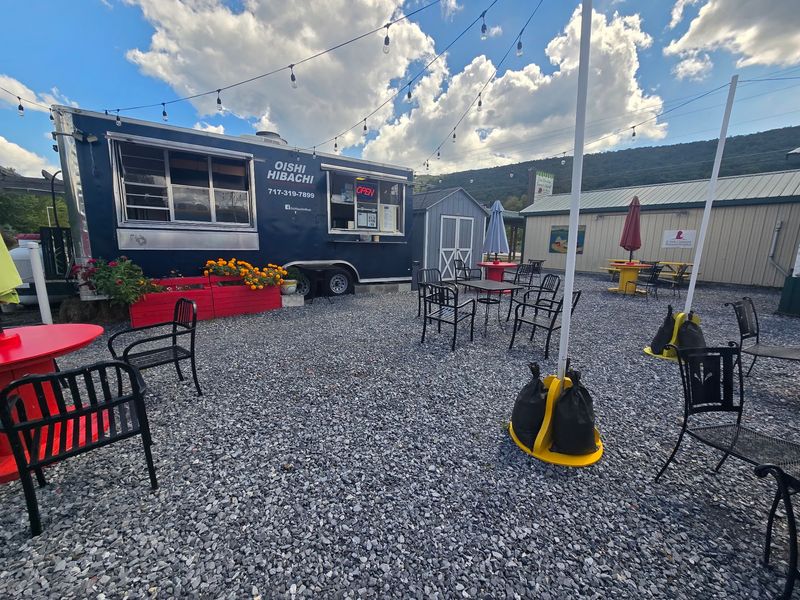
No reservations needed, and no hostess stand either. Outdoor seating replaces the dining room at this trailer.
Diners can grab a table outside or take everything home. Both options suit the casual, grab-and-go style.
On a nice day, eating outside feels easy. Kids can stretch their legs, and nobody worries about a quiet dining room.
Cold or rainy days change the plan. Takeout becomes the smarter move, and the containers are built for it.
I’d keep napkins and wet wipes in the car. Sauce cups and fried rice can get messy at a picnic table.
Outdoor seating also makes this an easy road-trip stop. Travelers coming home from places like Lake Tobias Wildlife Park or nearby outfitters have pulled in for a meal.
That mix of locals and passersby gives the spot a friendly, roadside rhythm. Everyone shares the same tables and the same short wait.
Eating outside works best with a full container. Luckily, portion size is one area where this trailer rarely holds back.
Plates Built for Leftovers
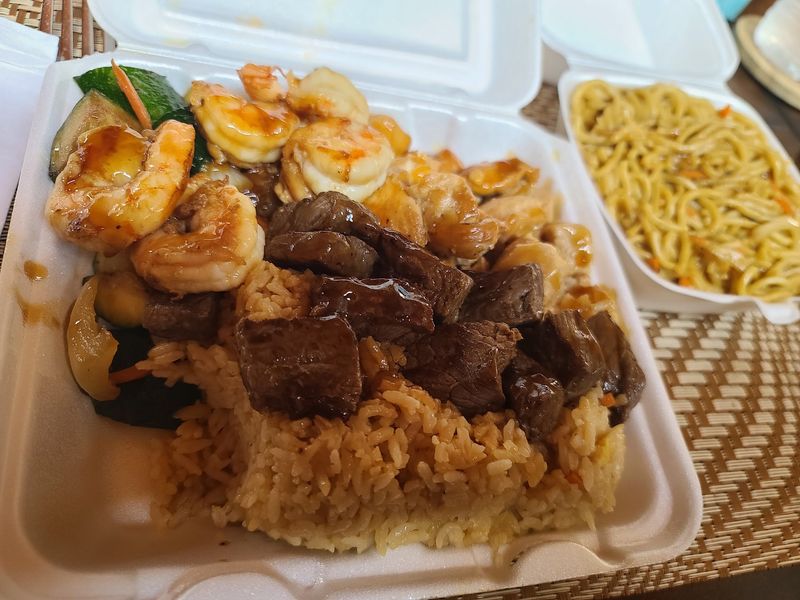
Two meals from one container is a common outcome here. Portions run large, especially on the combo plates.
The menu keeps prices reasonable for the amount of food. Exact costs change, so I won’t list them, but value comes up again and again.
A limited menu helps. With fewer items, the kitchen can focus on fresh ingredients and quick turnover.
Some customers think the container looks small at first. Then they hit the last few bites and realize how filling it is.
My suggestion is to share one combo between two light eaters. Add a spring roll order, and you’ve got lunch covered.
Leftover fried rice is a gift. A hot skillet and a splash of soy sauce bring it back the next day.
Flavors can vary a little from day to day, as with most made-to-order cooking. That’s part of eating at a small, hands-on kitchen.
For a trailer on a quiet state road, Oishi Hibachi proves hibachi favorites travel just fine beyond the restaurant walls, one overflowing container at a time.
Share this story