In 1975, a luxury car was judged by the length of its hood, the thickness of its seat cushions, and how many buttons controlled the windows. The 1973 oil embargo had sent gas prices climbing, yet showrooms were still packed with V8 engines larger than many modern three-row SUVs carry.
Detroit was building its last truly gigantic cars, and most buyers had no idea the downsizing era was just around the corner. Meanwhile, automakers in Germany, Britain, and France were pitching a very different idea of comfort, built on engineering instead of chrome.
That split makes 1975 one of the most interesting model years in automotive history. It was the year catalytic converters arrived on many American cars, the year opera windows hit peak popularity, and a year when 10 miles per gallon raised few eyebrows.
Some of these machines are now prized collector cars that draw crowds at car shows. Others would test your patience every time you tried to park at the grocery store.
Below, you will find the specs, the quirks, the price-class rivalries, and an honest look at what owning each one would mean today. Keep reading to see which ones still deserve a spot in your garage.
1. Lincoln Continental Mark IV
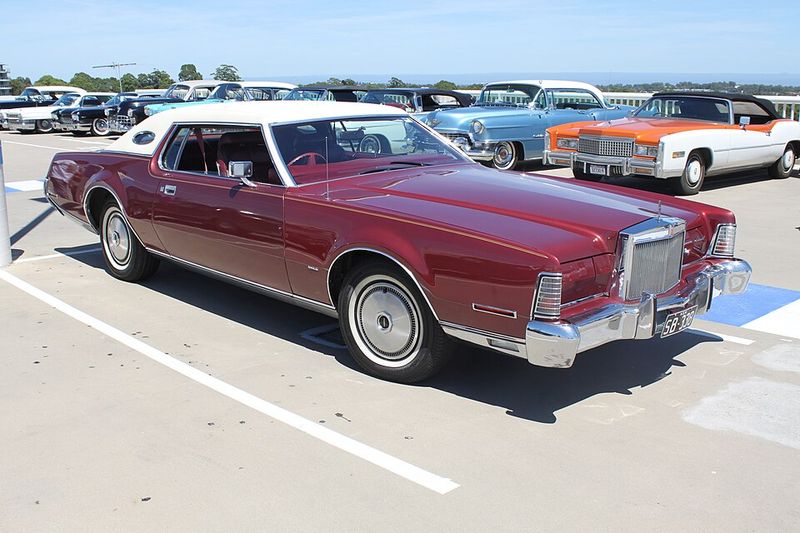
Round opera windows did a lot of heavy lifting for the Mark IV. Those little portholes became a status signal that other brands rushed to copy.
Ford built this two-door on the same chassis as the Thunderbird, and both rolled down shared assembly lines. The Lincoln simply wore fancier clothes.
A 460-cubic-inch V8, about 7.5 liters, made roughly 220 horsepower through a three-speed automatic. Inside, owners found leather or cloth seats, woodgrain trim, and power windows, locks, and seats.
Here is a detail many people miss. The Mark IV offered Sure-Track anti-lock brakes, an early version of technology now found on nearly every car sold.
Would you want one today? If you enjoy turning heads with pure 1970s style, absolutely.
Just measure your garage first, because this Lincoln was built for wide driveways and open interstates.
2. Cadillac Fleetwood Brougham
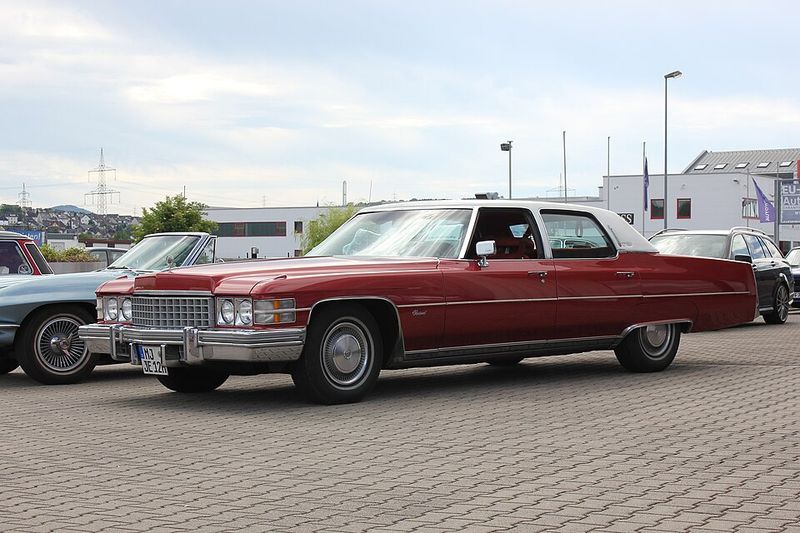
Corporate executives and wedding parties both loved one thing about the Fleetwood Brougham: the back seat. Rear passengers got serious legroom, reading lamps, and a formal roofline that looked important from any angle.
Power came from the same 8.2-liter V8 found in the Eldorado. Cadillac tweaked it for 1975, and gas mileage actually improved slightly over earlier years.
Option packages pushed things further. The Fleetwood Talisman added extra plush seating, while the Brougham d’Elegance brought a padded Elk Grain vinyl roof.
Timing gives this sedan its importance. Cadillac downsized its big cars for 1977, so the 1975 model ranks among the last of the truly gigantic Cadillacs.
Modern sedans beat it on technology in every way. Few, however, deliver this much interior room with such unapologetic formality, which is exactly why collectors keep a close eye on clean survivors.
3. Chrysler New Yorker Brougham
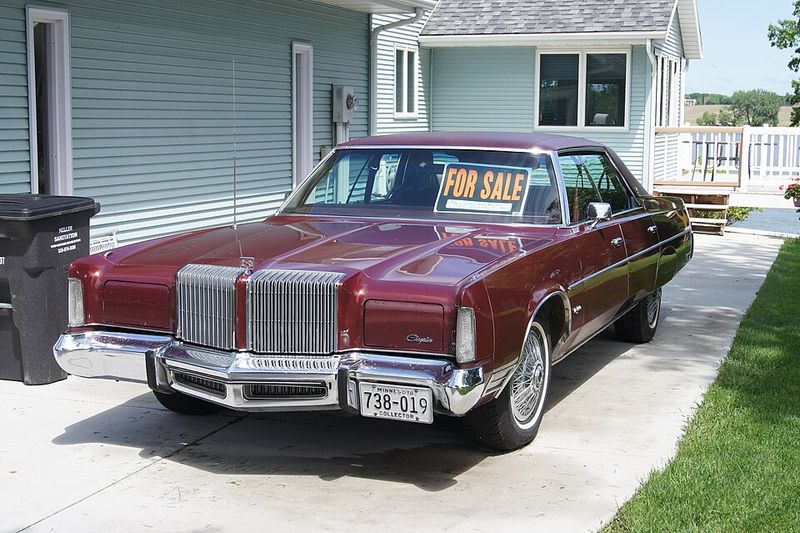
Not everyone wanted to pay Cadillac prices, and Chrysler knew it. The New Yorker Brougham stepped in with nearly as much size and plenty of polish.
Hidden headlights gave the front end a clean, formal look. A large grille made sure nobody confused it with a cheaper Plymouth.
Big V8 engines provided the power. Chrysler tuned the suspension for soft highway travel rather than tight corners.
Inside, thick cushions, woodgrain accents, and detailed upholstery matched the taste of the moment. Air conditioning and power accessories rounded out the package for sedan and hardtop buyers alike.
Chrysler competed seriously at the top of the market during this period, a position it struggled to hold later. That history adds appeal now.
Surviving examples usually sell for far less than comparable Cadillacs. For budget-minded collectors, that makes it a smart way to own a big slice of Detroit luxury.
4. Buick Riviera
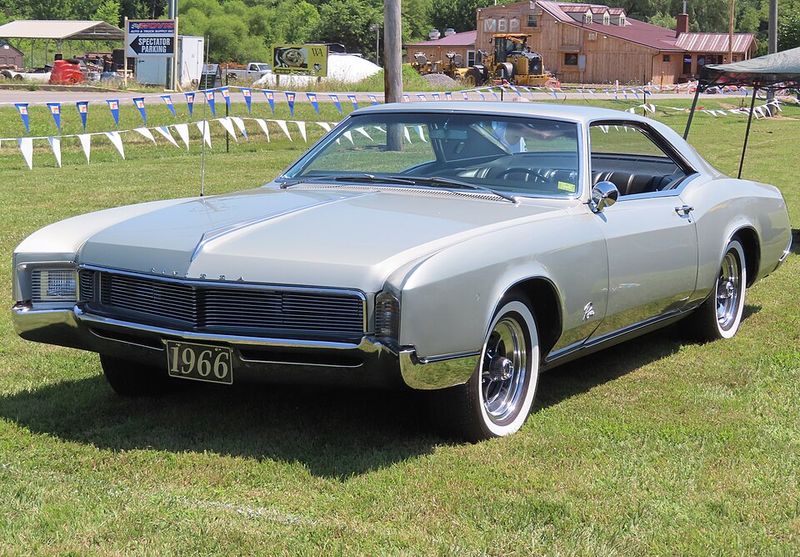
Gone was the famous boat-tail. By 1975, the Riviera had traded its dramatic early-1970s rear end for a more buttoned-up, formal shape.
The model first arrived for 1963 and quickly earned a loyal following among personal luxury buyers. For 1975, it gained a redesigned grille and rectangular headlights.
A 455-cubic-inch V8 produced 205 horsepower. It also breathed through a catalytic converter, which was new technology for many drivers that year.
Power windows became standard. Popular options included air conditioning and cruise control, both handy for long road trips.
Buick built roughly 17,500 Rivieras for 1975. That makes it uncommon at shows, though not impossible to find.
Collectors often favor the earlier generations, which keeps prices for this one reasonable. If you want a big two-door with Buick comfort and a little rarity, it deserves a look.
5. Oldsmobile Toronado
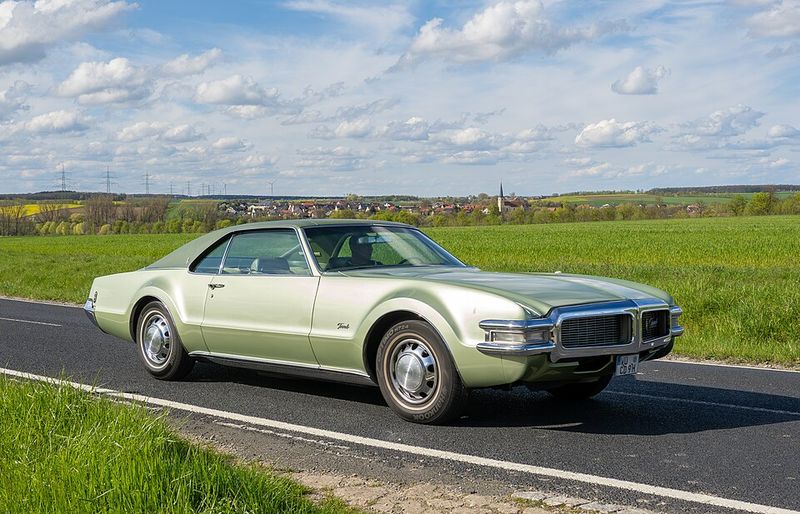
Engineers, not stylists, are the real stars of the Toronado story. When it debuted for 1966, it was the first modern American car with front-wheel drive.
By 1975, it shared that layout with the Cadillac Eldorado. Most other large domestic cars still sent power to the rear wheels.
A 455-cubic-inch V8 pulled the heavy two-door body. Because no driveshaft ran to the back, the floor was nearly flat, freeing up extra room for passengers.
Styling followed the trends of the day with a long hood, a formal roof, and a bold nose. Buyers chose from several upholstery types, plus air conditioning and power accessories.
That mix of comfort and clever design still matters. Owners today often enjoy explaining the drivetrain at car shows.
If engineering history excites you as much as chrome does, the Toronado makes a strong case for itself.
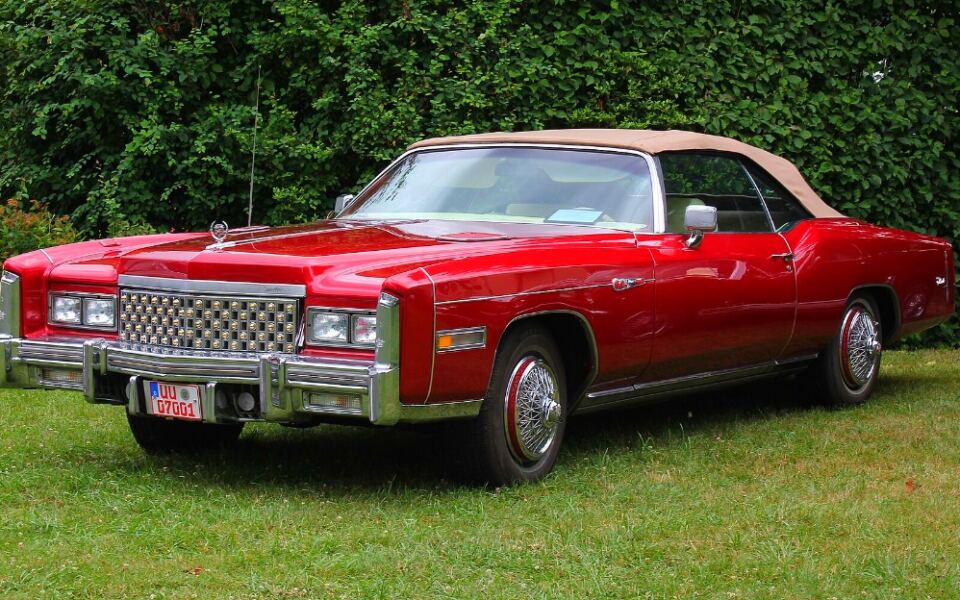
6. Cadillac Eldorado
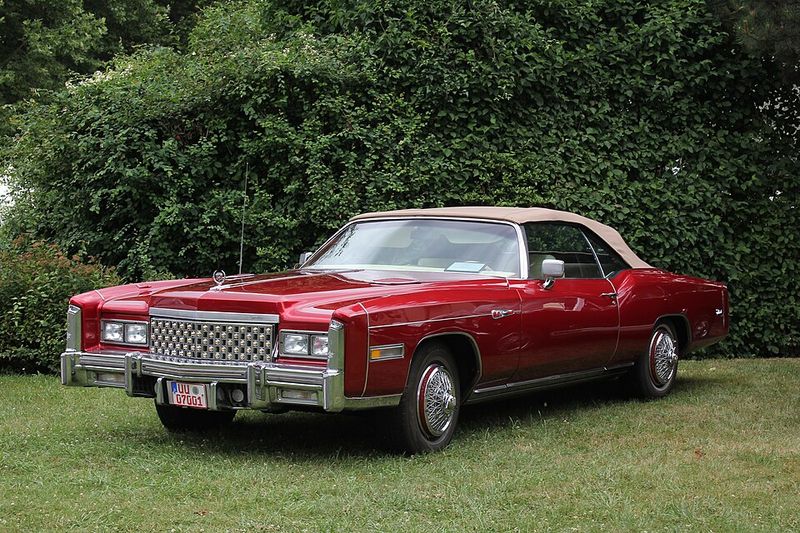
At 224.1 inches long, the 1975 Eldorado was roughly four feet longer than a modern Honda Civic. That size came with a surprise underneath.
Unlike most big American cruisers, it used front-wheel drive.
The engine was a 500-cubic-inch V8, about 8.2 liters. New emissions rules held output to around 190 horsepower, but 360 lb-ft of torque kept it moving smoothly.
Standard gear included automatic climate control with an economy setting, power door locks, a six-way power seat, and an AM/FM stereo. Buyers picked a coupe or a convertible.
The convertible is the one collectors chase today. Cadillac had announced that 1976 would bring its final convertible, so open-top Eldorados gained instant fame.
Fuel economy often landed in the single digits. Still, for relaxed highway cruising, few cars from any decade match it.
7. Pontiac Grand Prix
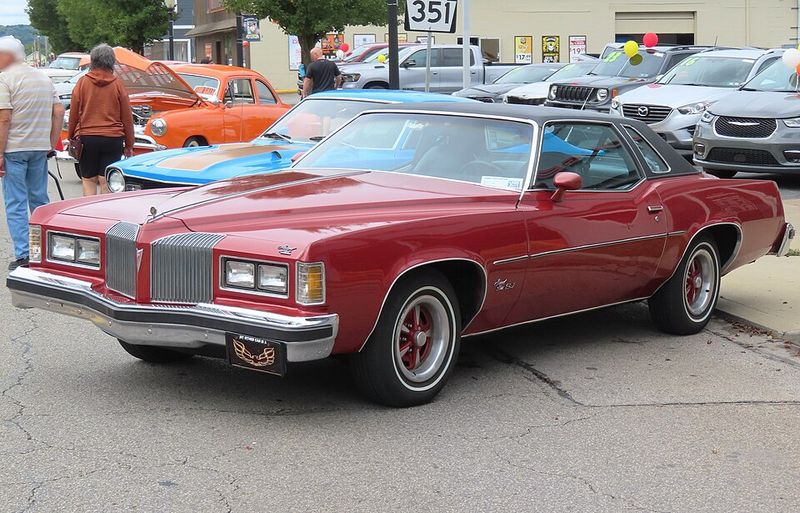
Sitting behind the wheel of a Grand Prix felt different from riding in a Cadillac. Pontiac wrapped the dashboard around the driver, giving the cabin a cockpit feel.
That choice reflected the car’s mission. It was built for people who wanted luxury but still enjoyed driving.
The 1975 version kept the classic proportions with a very long hood and a short rear deck. Its pointed front end was easy to spot in any parking lot.
Several V8 engines were available. Trim levels let buyers choose how fancy the seats and equipment should be.
Price mattered too. The Grand Prix cost much less than a Lincoln or Cadillac, yet it offered many of the same comfort features.
Today, parts are fairly easy to find because the car shared components with other GM models. That makes it a friendly first classic for new collectors.
8. Chevrolet Monte Carlo
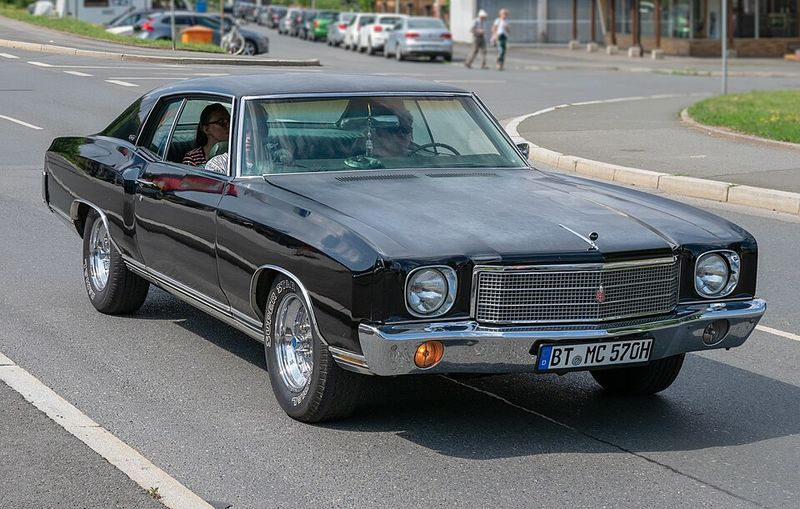
Plenty of families could not afford a Cadillac, but a Monte Carlo fit the budget. Chevrolet turned personal luxury into something a middle-class household could actually buy.
The 1975 model had deeply sculpted fenders and a long hood. Those curves set it apart from the plain Chevrolet sedans parked at the office.
Shoppers could build the car to match their wallet. Options included different V8 engines, automatic transmissions, power windows, air conditioning, and nicer upholstery.
The formula worked very well. The Monte Carlo sold in huge numbers through the decade and became a regular sight in American neighborhoods.
Those big sales numbers help owners now. Replacement parts remain fairly common, and many repair shops still know these cars.
Would you want one today? For a stylish, affordable classic with real 1970s character, it is one of the easiest choices on this list.
9. Ford Thunderbird
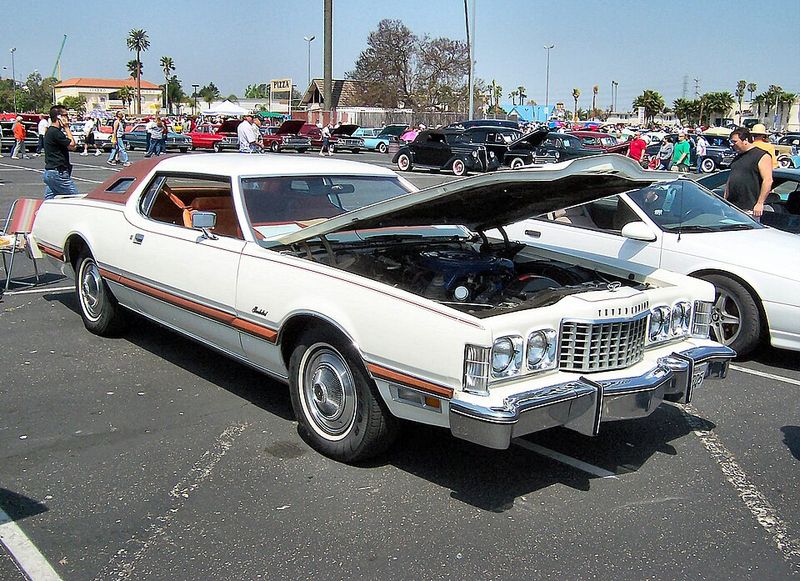
Two decades earlier, the Thunderbird was a nimble two-seater. By 1975, it weighed more than 5,000 pounds and stretched past 225 inches.
Fans call this generation the Big Bird, and the nickname fits. It was the largest Thunderbird ever built.
It shared its platform with the Lincoln Mark IV and offered similar comfort for less money. A 400-cubic-inch V8 came standard, while a 460 V8 with about 220 horsepower sat at the top of the list.
One option stood out. Power four-wheel disc brakes were rare on American cars at the time.
The transformation tells a clear story about changing tastes. Buyers in the 1970s wanted space and presence more than sporty handling.
Today, a Big Bird makes a fun conversation piece. Just plan your fuel stops carefully and expect admiring questions at every one.
10. Mercury Grand Marquis
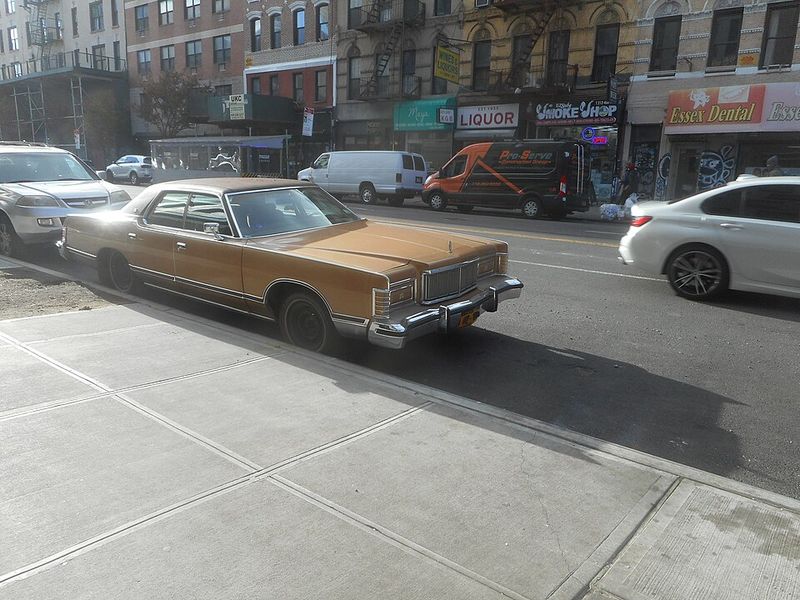
A name born as a trim package ended up lasting more than three decades. The Grand Marquis first appeared in 1975 as the top version of the Mercury Marquis.
Mercury sat in a handy middle spot inside Ford Motor Company. It offered more polish than a Ford but cost less than a Lincoln.
The Grand Marquis added upgraded interior trim and special exterior details. Its formal roof and broad grille looked right at home outside a country club.
Large V8 engines and automatic transmissions handled the work. The goal was smooth, unhurried travel.
Inside, owners enjoyed roomy seats and plenty of power accessories. It was comfortable in a quiet, practical way.
Later Grand Marquis models stayed in production until 2011. That makes the 1975 car an origin story, and collectors who like firsts often find that hard to resist.
11. Mercedes-Benz 450 SEL
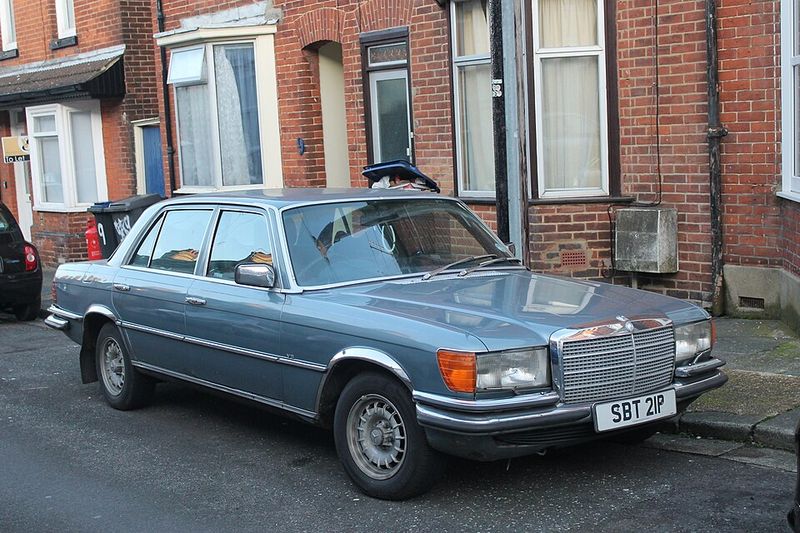
Chrome and vinyl roofs were not part of the plan in Stuttgart. Mercedes-Benz focused on engineering, build quality, and safety instead.
The 450 SEL belonged to the W116 generation, the first model line officially called the S-Class. The L stood for a longer wheelbase, which gave rear passengers extra space.
Its 4.5-liter V8 delivered smooth power. Independent suspension helped it handle far better than most big American sedans.
Safety was a major selling point. The car featured a strong passenger cell and crumple zones designed to absorb impact energy.
The interior felt calm and businesslike. Quality materials took priority over flashy decoration.
Enthusiasts still respect the W116 for how solidly it was built. Repairs can cost more than domestic cars, but a well-kept example feels surprisingly modern on the road.
12. BMW 3.0 Si
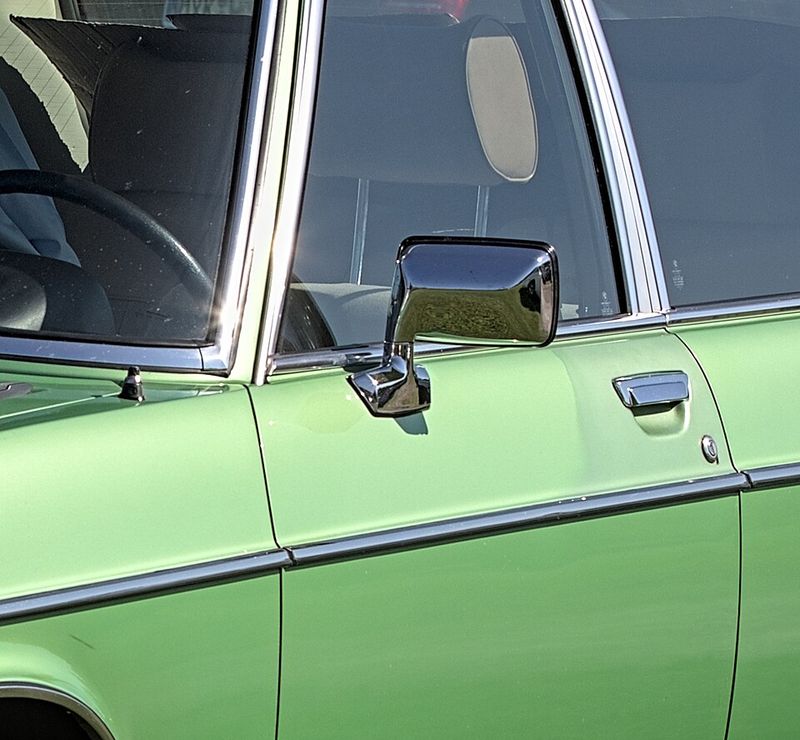
Plenty of luxury sedans in 1975 were happiest on straight highways. BMW built one that actually liked curves.
The 3.0 Si was part of the E3 family. It paired a roomy four-door body with a fuel-injected 3.0-liter inline-six engine, which the Si badge proudly announced.
American buyers could get one for the 1975 model year. Compared with domestic rivals, it was smaller, lighter, and far more responsive.
Thin roof pillars and large windows gave drivers great visibility. The twin-kidney grille kept it instantly recognizable.
Inside, the dashboard angled toward the driver. Seats were supportive and built for long trips.
This sedan laid the groundwork for the 7 Series, which arrived in 1977. For collectors who want a classic that fits normal parking spaces and still feels lively, the 3.0 Si is a rewarding pick.
13. Jaguar XJ12
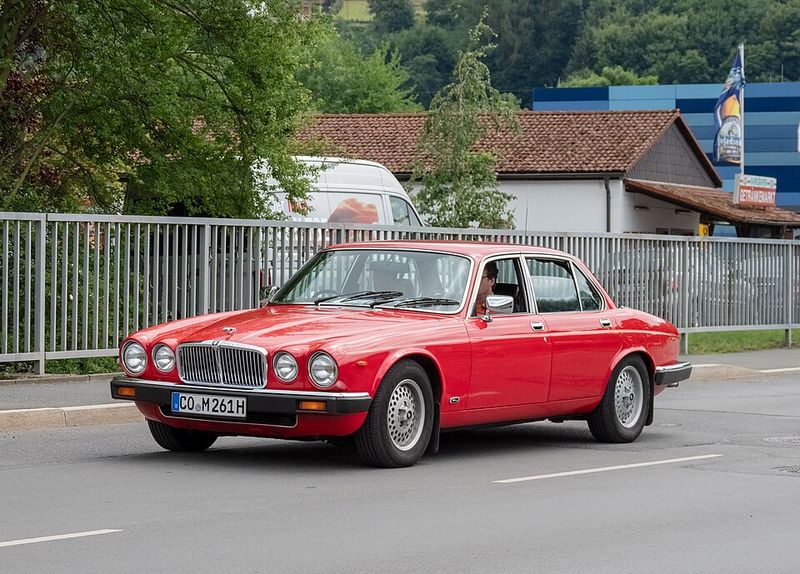
Twelve cylinders under the hood of a four-door sedan was a rare boast in 1975. Jaguar made that claim with the XJ12.
Its 5.3-liter V12 delivered smooth, strong acceleration. Very few luxury sedans of the period offered anything similar.
The Series II body, introduced in 1973, kept the low and sleek profile that made the XJ famous. A raised front bumper helped it meet new American safety rules.
Inside, Jaguar used leather seats and polished wood veneer. Independent suspension gave it a refined ride that reviewers praised.
Now for the honest part. Owning one today requires patience, since that V12 has a reputation for running hot and needing careful upkeep.
Buyers who find a well-documented car can enjoy a truly special machine. For everyone else, a trusted mechanic should be part of the purchase plan from day one.
14. Rolls-Royce Silver Shadow
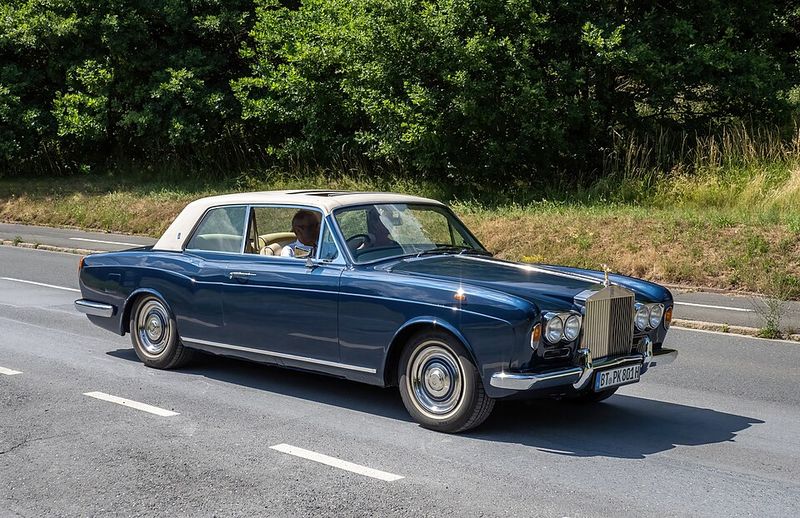
Few badges in 1975 carried more prestige than the Spirit of Ecstasy. The Silver Shadow wore it proudly above a tall, upright grille.
Introduced in 1965, the Shadow brought big changes to Rolls-Royce, including its first monocoque body. Power came from a 6.75-liter V8.
The transmission was a surprise. It was a General Motors Turbo Hydramatic 400, the same basic unit found in many American cars.
Its self-leveling hydraulic suspension used technology licensed from Citroen. The result was an exceptionally smooth ride.
Inside were Connolly leather seats, hand-polished walnut veneers, and Wilton wool carpets. Every detail aimed for quiet elegance.
Used prices today are far below the cost of a new Rolls-Royce. That bargain can fade quickly, though, since the hydraulic systems need specialized care and repair bills can climb fast.
15. Citroën CX 2200
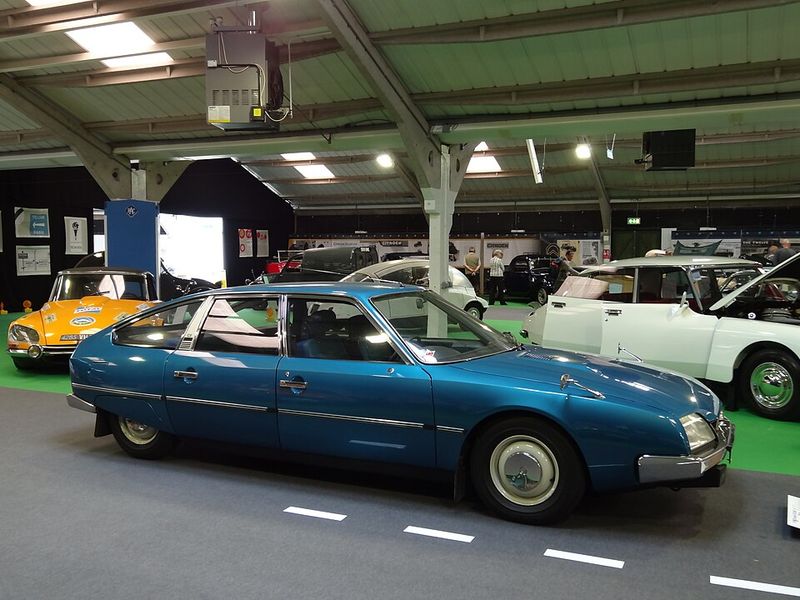
Picture a steering wheel with only one spoke and gauges that rotate like drums. Citroen gave luxury buyers exactly that in the CX.
The car launched in 1974 with a wind-cheating body and front-wheel drive. Its name even referenced Cx, the term engineers use for aerodynamic drag.
The real magic sat underneath. Citroen’s hydropneumatic suspension kept the car level automatically and soaked up rough roads with ease.
Judges noticed quickly. The CX won European Car of the Year for 1975.
It was never sold through regular American dealerships, so most Americans only saw one in magazines. In Europe, it became a favorite executive car.
Collectors who love quirky engineering prize it today. It lacks the prestige of a Cadillac, yet its bold ideas about comfort still look fresh more than 50 years later.
Share this story