In 1965, the average American home was changing fast. Electricity had reached nearly every household, factories that once built wartime equipment were turning out kitchen helpers, and department store catalogs like the Sears Wishbook were packed with plug-in promises.
Families were buying machines to slice, brew, dry, polish, and warm things that people had handled by hand for generations. Some of these gadgets were brand new, while others had been around for decades but were finally cheap enough for ordinary families.
Television commercials showed smiling hosts and spotless kitchens, and wedding registries filled up with appliances that came with instruction booklets and warranty cards. A motor on everything was the big idea of the decade.
Many of those inventions are still in our homes today, often in sleeker forms, while others quietly vanished into attics and yard sales. Looking back at them tells us a lot about how people cooked, cleaned, dressed, and relaxed in the mid-sixties.
Below, you will find the stories behind the household tools that once felt like the future, along with a few surprising facts about who made them and why they mattered. Keep count as you read, and see how many you have actually used.
1. Electric Can Opener
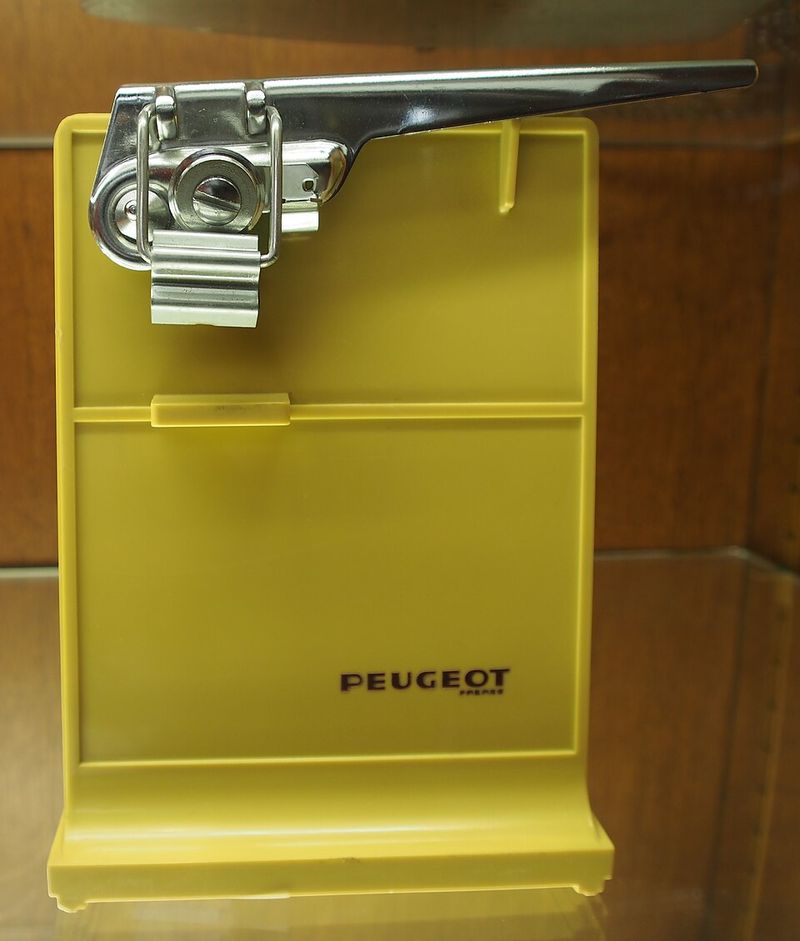
Opening a can once meant a sore wrist and a jagged lid. A father and daughter team, Walter Hess Bodle and Elizabeth Bodle, changed that when their freestanding electric opener hit stores for Christmas 1956 under the Udico brand.
By 1965, these machines were common sights on American counters. You set the can under the cutter, pressed a lever, and the motor spun it until the lid came free.
A small magnet held the lid so it would not drop into the beans. Many models also had a knife sharpener built into the side, giving buyers two tools for one price.
General Electric and Rival led the market, and colors like Flamingo Pink and Aqua Blue matched trendy kitchens. Sales peaked in the 1970s, before pull-tab cans made the gadget a little less necessary.
2. Electric Carving Knife
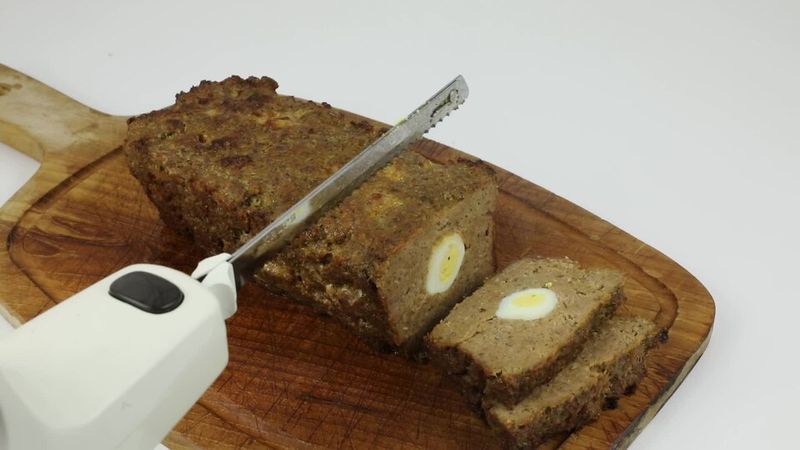
Holiday dinners got a motor in the mid-sixties. Inventor Jerome L.
Murray patented an early electric carving knife in 1964, and the idea spread quickly.
The design used two serrated blades sliding back and forth against each other. That steady motion made even slices of turkey, ham, or bread with very little effort.
Here is a twist. While most kitchen appliances of the era were marketed to women, ads for electric knives often targeted men, since dads usually carved the Thanksgiving bird.
General Electric, Rival, and others jumped in fast. By 1971, about one-third of American families owned one.
Many came in neat storage cases with extra blades. Most families saved them for special meals, which explains why so many still look brand new at estate sales today.
3. Automatic Dishwasher
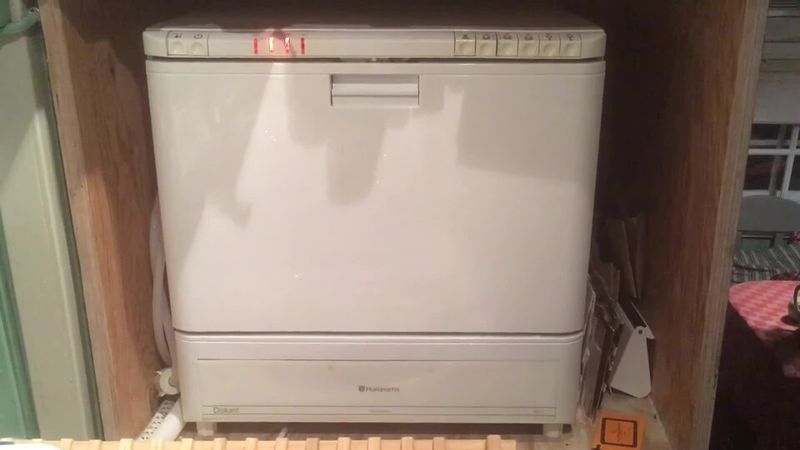
Josephine Cochrane invented a dishwasher in the 1880s, yet most American families were still scrubbing plates by hand in 1965. The machine was a luxury, not a standard feature.
KitchenAid launched its first home dishwashers in 1949, some in pink. By the mid-sixties, shoppers could choose built-in units or portable models on wheels.
Portable versions were a clever fix for homes without extra plumbing. General Electric’s Mobile Maid rolled up to the sink and hooked onto the faucet.
Ads stressed saved time, especially as more women joined the workforce. Owners still had to scrape plates and load racks correctly, though.
Wide adoption did not arrive until the 1970s and 1980s. If you remember wheeling a dishwasher across the kitchen floor, you witnessed a very specific chapter of home history.
4. Electric Percolator
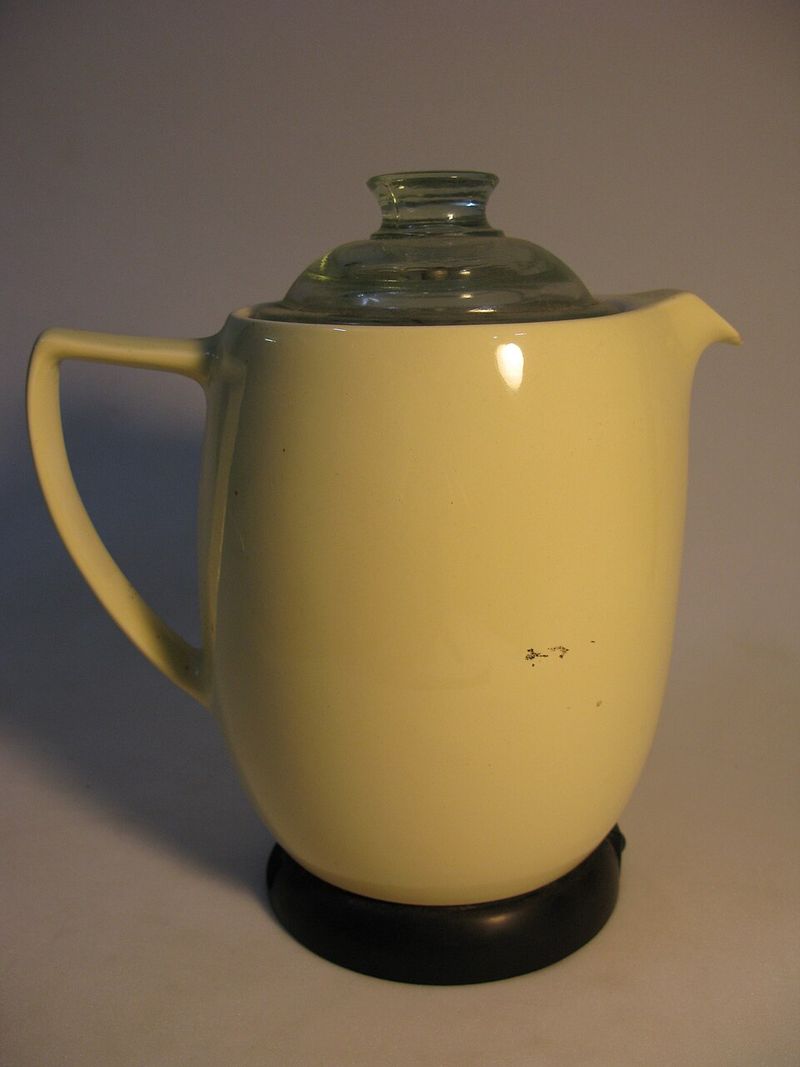
Morning coffee in 1965 usually meant watching a little glass knob on top of a shiny pot. That knob showed the percolator at work.
Inside, water heated in the bottom chamber, rose through a tube, and sprayed over a basket of grounds. The coffee dripped back down and the cycle repeated until it was strong enough.
General Electric promoted electric percolators as early as 1905. By the sixties, Farberware, Sunbeam, and GE sold polished models attractive enough for the dining table.
Sunbeam’s Coffeemaster, designed by Ludvik J. Koci, used a clever bimetallic strip to switch settings.
Many models shifted to a warming mode after brewing. Coffee fans today say percolators can make bitter coffee, but families loved making big batches without a stove burner.
Drip machines took over in the 1970s.
5. Electric Skillet
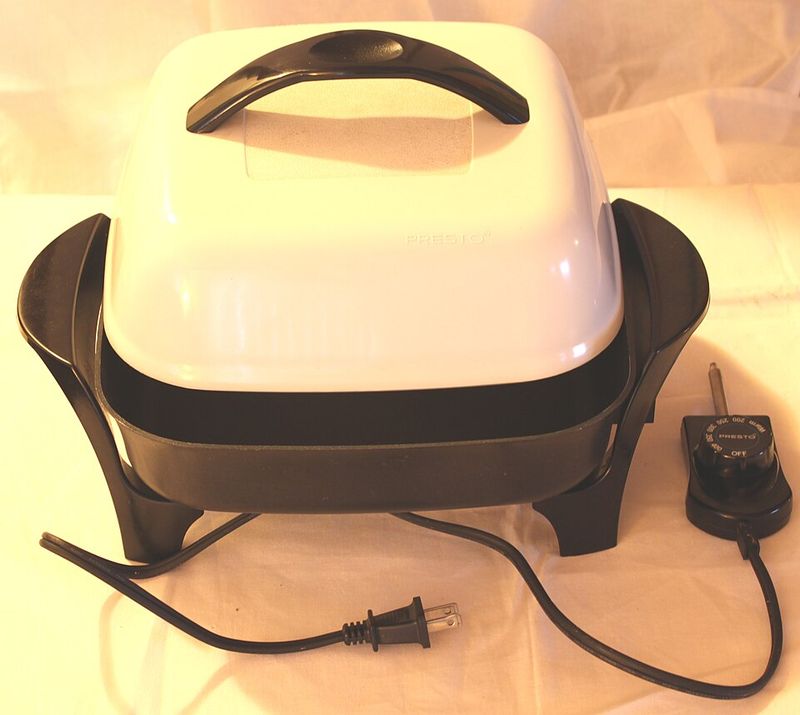
Pancakes on Saturday, pork chops on Tuesday, and a pot roast on Sunday could all come from one square pan with a cord. Families called it the electric frypan.
Westinghouse built an early version in 1911. Sunbeam made it popular in the 1950s by adding precise temperature controls.
That control mattered. Electric stovetops of the era often heated unevenly, while a skillet could hold a steady temperature up to about 450 degrees.
Deep designs with domed lids let cooks braise and stew too. Many models had a removable control unit, so the pan could be washed and even used as a serving dish.
Sunbeam, General Electric, and Presto led sales. Apartment dwellers and college students loved them, and many of those sixties skillets kept cooking for decades.
6. Portable Television
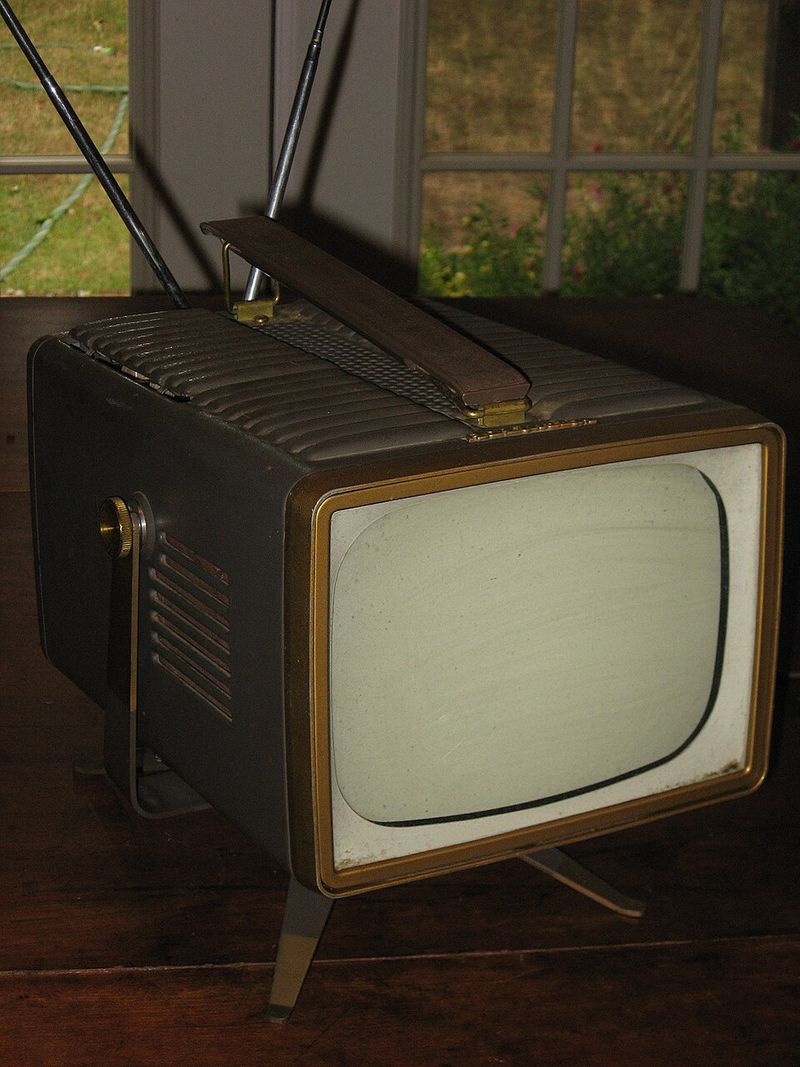
Owning a second TV in 1965 meant something big. Nobody had to win the family argument over what to watch.
Philco’s Safari arrived in 1959, and Sony followed in 1960 with the TV8-301, the first direct-view all-transistor portable. Its eight-inch screen could run on batteries, household current, or car power.
Early portables were pricey and sometimes unreliable. By the mid-sixties, though, Sony, Sylvania, and General Electric sold smaller sets with handles that moved easily between rooms.
Most still showed black-and-white pictures. In November 1965, GE ran ads with Andy Griffith promoting a portable color set for about $250.
Rabbit-ear antennas needed constant adjusting for a clear picture. Still, watching in the kitchen or on the patio felt like a big leap for families who once saved up for a single set.
7. Electric Toothbrush
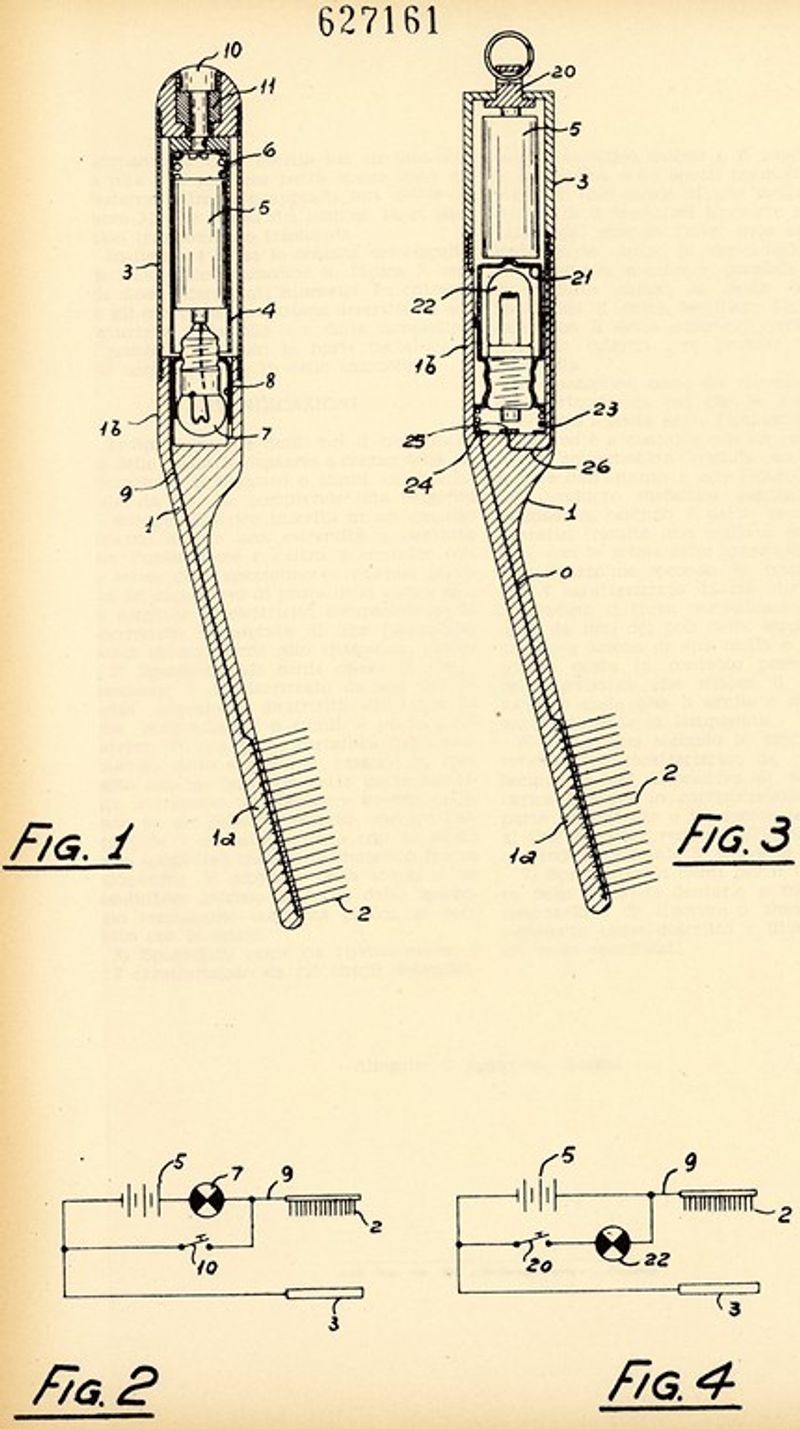
Brushing your teeth with a motor sounded almost space-age in the early sixties. The idea came from Switzerland.
Dr. Philippe-Guy Woog created the Broxodent in 1954. E.
R. Squibb and Sons brought it to American shoppers in 1959, first aiming it at people with braces or limited hand movement.
One problem stood out. The Broxodent plugged straight into the wall, which worried people using it near the sink.
General Electric answered with a cordless rechargeable version in the early 1960s. It made about 2,000 strokes per minute and sat on its own charging stand.
Those early models were chunky, and their batteries did not last long. The American Dental Association still recognized the GE brush as effective.
In 1965 it remained a novelty, but the basic idea lives on in bathrooms today.
8. Portable Transistor Radio
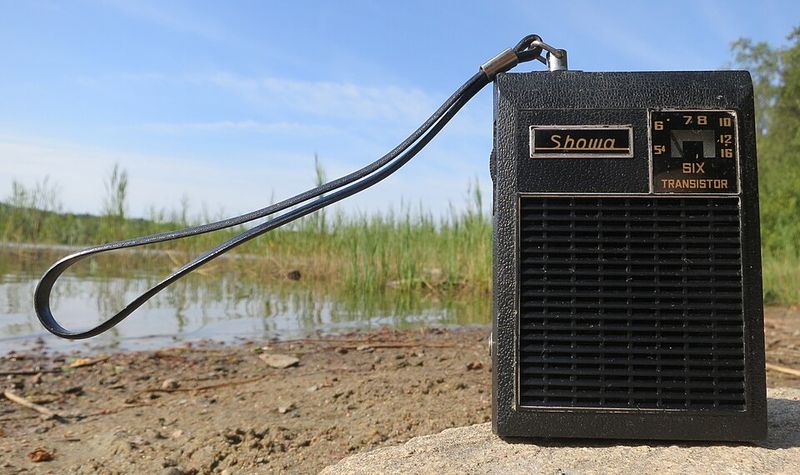
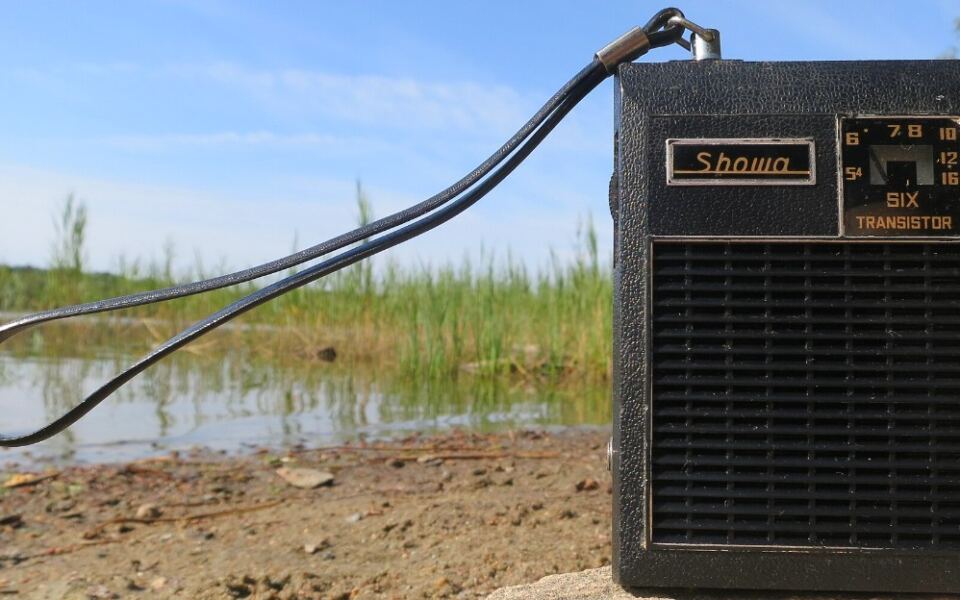
Teenagers in 1965 had a secret weapon for escaping the family living room. It fit in a shirt pocket and ran on batteries.
The first commercial transistor radio, the Regency TR-1, arrived in 1954. Sony made the idea a hit with its smaller TR-63 in 1957.
By the mid-sixties, transistor radios were the most popular electronic device around, with millions sold worldwide. Zenith offered models like the Royal 500, and General Electric had its own lineup.
Young listeners tuned in to the Beatles, the Rolling Stones, and Motown wherever they went. Adults used them in gardens, garages, and at the beach.
Leather cases and tiny earphones allowed private listening. Cheap prices made them popular stocking stuffers, and for many Americans this radio was their very first personal gadget.
9. Automatic Pop-Up Toaster
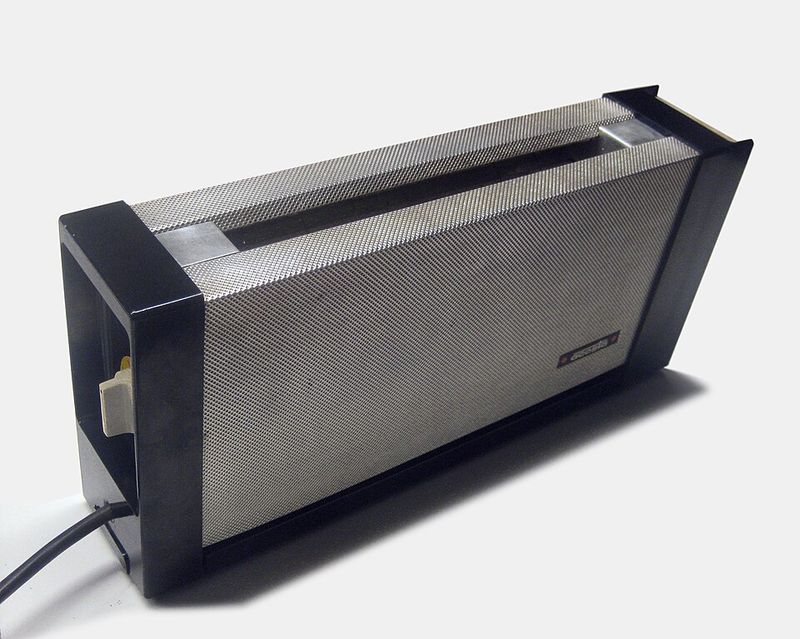
Nobody in 1965 thought the toaster was new. Even so, it remained a must-have symbol of the modern kitchen.
Charles Strite patented a toaster with a timer and springs in 1921. The Waters Genter Company released the Toastmaster Model 1-A-1 for homes in 1926, ending the chore of flipping bread by hand.
By the sixties, almost any middle-class family could afford one. Toastmaster models with chrome bodies were favorite wedding gifts.
Sunbeam’s Radiant Control toasters, like the T-35, were the fancy option. There was no lever at all, as the bread lowered itself when dropped in.
A sensor measured heat coming off the bread to judge doneness instead of using a simple timer. Many of these heavy metal toasters still work, and collectors happily pay for them.
10. Countertop Electric Blender
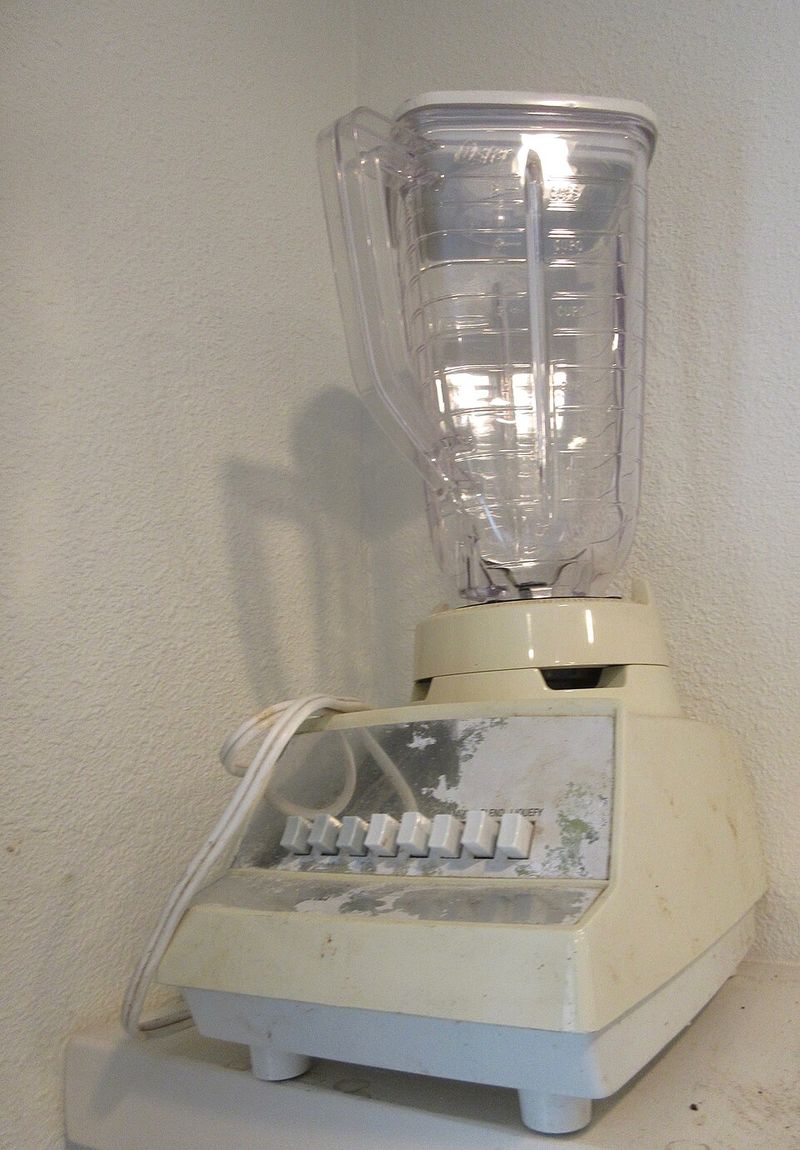
Soda fountains gave the blender its start. Stephen Poplawski invented one in 1922 to whip up milkshakes and malts.
Bandleader Fred Waring popularized an improved version, the Waring Blendor, in 1937. Hospitals and labs used it before home cooks caught on.
The John Oster company bought Poplawski’s business in 1946 and introduced the Osterizer. With its thick glass jar and polished base, it was marketed as a liquefier and blender.
Marilyn Monroe reportedly kept one on her counter, which did not hurt sales.
Families in 1965 used blenders for milkshakes, pancake batter, soups, and sauces. Multiple speed buttons were a newer feature that made the machines more flexible.
Those heavy glass jars took real arm strength to lift, and plenty of sixties blenders still run today.
11. Portable Electric Hair Dryer
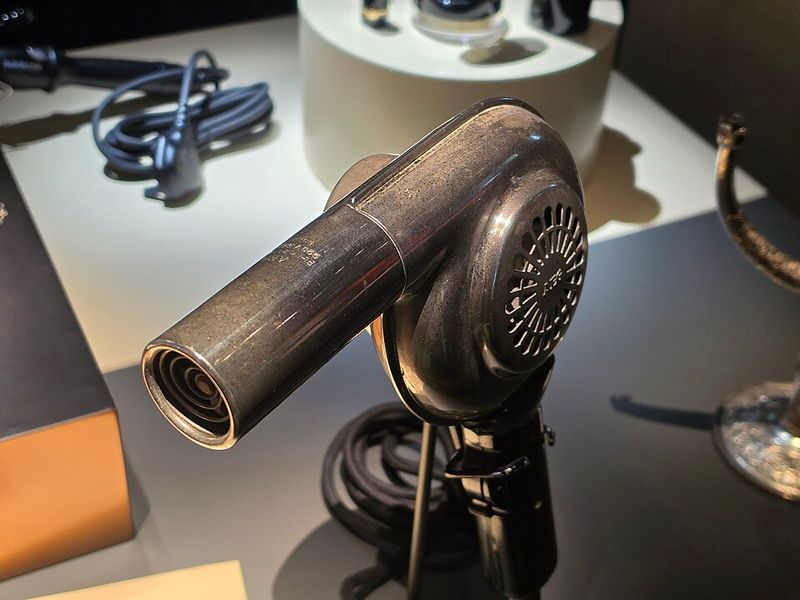
Beehives and bouffants were the hairstyles of the moment, and they required big rollers. Getting them dry at home needed special equipment.
The answer was the bonnet dryer. A motor in a small case pushed warm air through a hose into a soft cap worn over the curlers.
Handheld dryers had existed since the 1920s, but early ones were heavy and awkward. After the war, companies shrank salon hood dryers into home versions.
General Electric sold a model called the Heavenly, with bonnets designed by milliner Sally Victor. Lady Sunbeam offered the Jet Set Flair.
The 1965 Sears Wishbook featured several models. Women could read or watch TV while their hair set.
When looser styles took over in the 1970s, handheld blow dryers pushed the bonnet aside.
12. Automatic Clothes Dryer
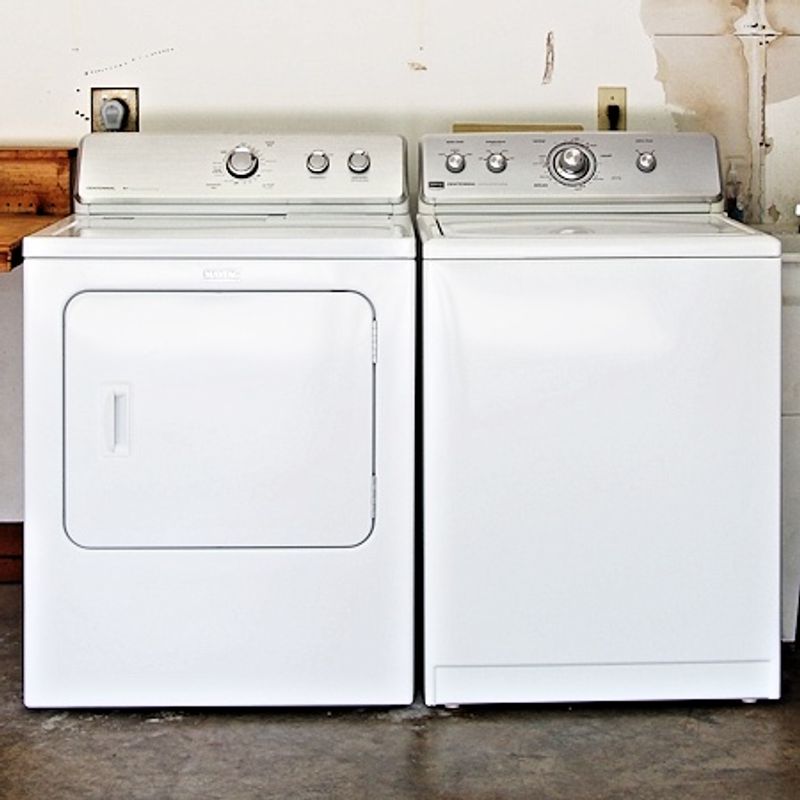
Only about 10 percent of American homes owned a clothes dryer in 1955. Ten years later, the machine had become a status upgrade many families wanted.
J. Ross Moore built an early electric dryer in 1915, and Hamilton Manufacturing sold a fully automatic one in 1938.
Postwar prosperity sped things up.
Whirlpool introduced a gas dryer in 1955 that promised faster drying. Maytag’s Halo of Heat models from 1960 could sense moisture to avoid over-drying.
Gas versions cost less to run, while electric ones fit more homes. Shoppers chose based on wiring and budget.
A key change arrived in 1965 with permanent-press cycles for new synthetic fabrics. Paired with an automatic washer, the dryer turned laundry day into a shorter routine, though plenty of families kept a backyard clothesline to save money.
13. Electric Floor Polisher

Shiny floors were a point of pride in 1965, and waxing them was a regular weekend task. Doing it on hands and knees took hours.
Electric polishers changed the job. Hoover’s Model 5134, released around 1961, used two spinning brushes that could scrub or polish.
Later, Electrolux offered the Model B-8 with three brushes. It could shampoo carpets as well as buff hard floors.
Hardwood, linoleum, and terrazzo were common surfaces that needed this attention. New floor finishes of the era were designed to reach a high gloss under these machines.
Kids sometimes found that steering one was harder than it looked. As low-maintenance vinyl and no-wax finishes spread in later decades, the weekly polishing ritual faded.
Many of these machines ended up in closets, still in working order.
14. Electric Shoe Polisher
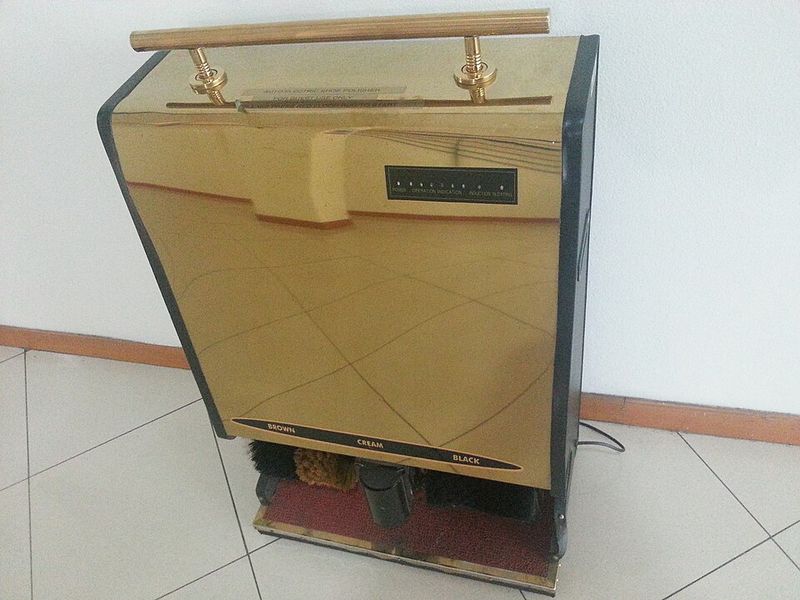
Scuffed shoes could ruin a first impression in 1965. Well-polished leather signaled discipline and care, whether you wore it to the office, church, or school.
Electric polishers took some of the elbow work out of the job. William Beck founded Beck Shoe Products in 1902 to sell them, so the idea was not new.
By the sixties, home versions came in many shapes. Ronson sold the Roto-Shine Magnetic Electric Shoe Polisher, and Dremel offered the Diplomat with lamb’s wool buffers.
Some were handheld. Others sat inside wooden boxes that doubled as footrests.
Users dabbed on polish, then let the spinning brushes buff it. These made popular gifts for dads and businessmen.
Today, as sneakers fill closets and shoeshine stands are rare, vintage polishers mainly show how much dress habits have shifted.
Share this story