In 1975, a Saturday shopping trip usually meant heading downtown or to the newest enclosed mall in town. Online shopping did not exist, and big-box warehouse clubs were still years away.
Instead, families relied on department stores for nearly everything, from school shoes and winter coats to washing machines and wedding gifts. Many of these stores also ran catalogs, lunch counters, restaurants, and famous holiday displays that drew crowds every December.
A department store was often where teens landed their first job and where couples registered for their first set of dishes. Some of these companies had been around since the 1800s, and they seemed too big to ever disappear.
Yet the next few decades brought discount chains, corporate mergers, and eventually the internet, which reshaped American shopping almost completely. Some names survived those changes.
Many others vanished from storefronts, leaving behind old shopping bags, catalog pages, and family stories. Below, you will find the stores that filled malls and Main Streets in 1975, along with the facts behind their rise, their best-known traditions, and what finally happened to each one.
Keep count as you go and see how many you remember.
1. Sears, Roebuck and Co.
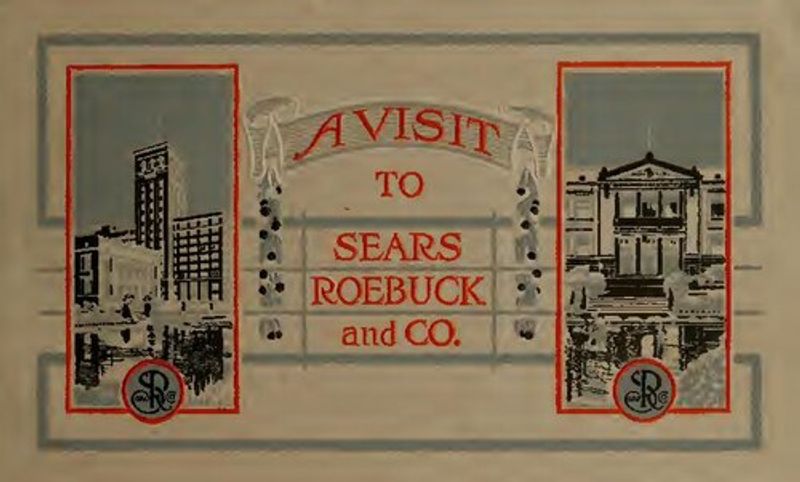
One afternoon at Sears could cover school clothes, a new refrigerator, and four tires for the family station wagon. Few stores in 1975 could promise that kind of range.
The company began selling watches by mail in the 1880s. By the 1970s, its famous catalog was so thick it could hold a door open, and many rural families used it as their main way to shop.
Store brands gave Sears serious staying power. Craftsman tools came with a lifetime guarantee, while Kenmore washers and dryers filled kitchens and basements across the country.
In 1973, the company even finished the Sears Tower in Chicago, then the tallest building in the world. That says a lot about its confidence.
Changing habits and fierce competition slowly wore the giant down. Sears Holdings filed for bankruptcy in October 2018, and only a handful of stores remain today.
2. JCPenney
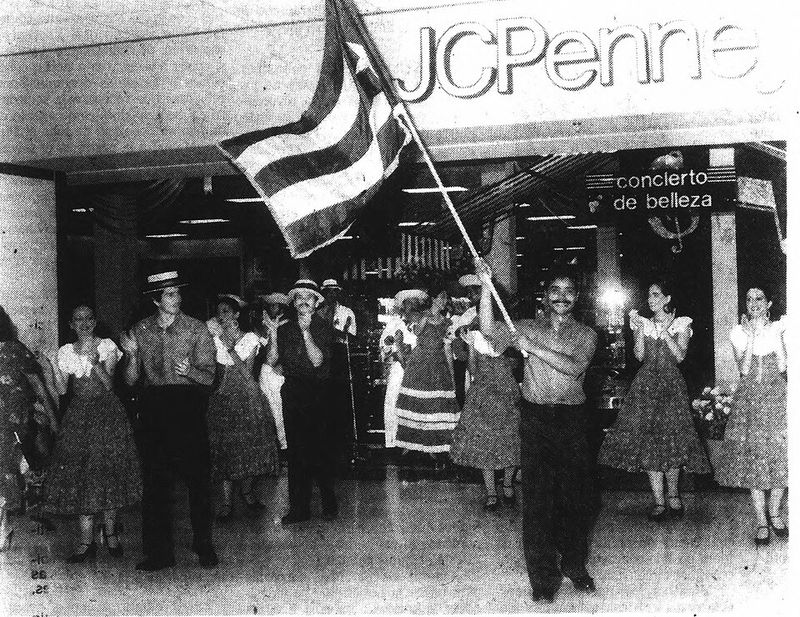
A small shop called The Golden Rule opened in Kemmerer, Wyoming, on April 14, 1902. Its founder, James Cash Penney, believed in fair prices and honest treatment, and that idea built an empire.
By 1975, JCPenney was a fixture in malls nationwide. Shoppers came for jeans, bedding, curtains, shoes, and towels at prices that worked for middle-class budgets.
The catalog mattered too. Families could flip through hundreds of pages, place an order, and pick up packages at a local catalog desk.
Here is the remarkable part. Unlike most of its 1970s rivals, JCPenney still operates under its original name.
That survival was not easy. The company filed for bankruptcy in May 2020 and became a private business that December.
Even so, someone who shopped there in 1975 can still walk into a mall today and spot a familiar sign.
3. Montgomery Ward
Rudolph the Red-Nosed Reindeer started his career as a store giveaway. In 1939, employee Robert L.
May wrote the story for a free holiday booklet handed out by Montgomery Ward.
That is just one surprising detail from a company founded in 1872. Aaron Montgomery Ward launched one of the first big mail-order businesses, mainly serving farm families far from city stores.
For decades, Ward and Sears battled for the same customers. By 1975, Montgomery Ward stores sold clothing, appliances, furniture, electronics, and car parts.
Its catalog was a regular guest in mailboxes across rural America. Many kids circled toys in the Christmas pages long before December arrived.
Discount chains eventually took away much of its business. The original retailer closed its last stores in 2001.
The name did return later as an online and catalog company, so Rudolph’s first employer still exists in a smaller form.
4. Woolworth’s
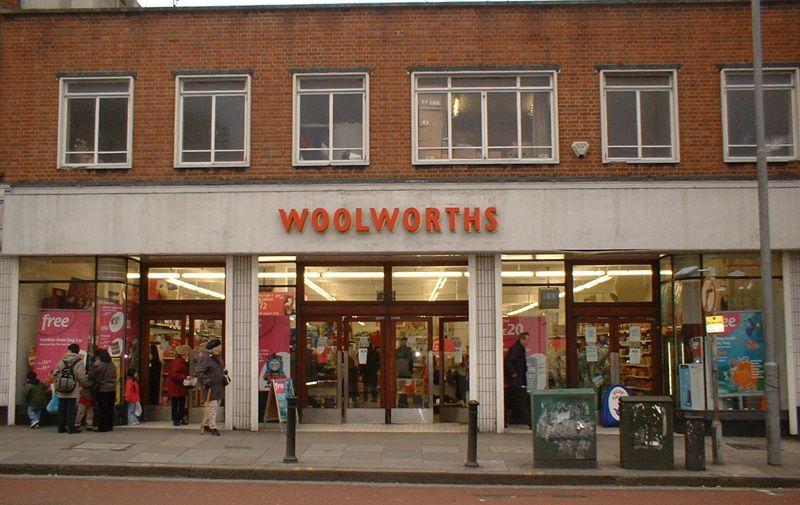
Technically, Woolworth’s was a five-and-dime rather than a true department store. Nobody seemed to mind, because it sold almost everything anyway.
Frank W. Woolworth opened his first successful store in 1879.
By 1975, Woolworth’s sat on Main Streets across the country, stocked with candy, toys, school supplies, and cheap gifts.
Many stores had lunch counters serving grilled cheese, burgers, and milkshakes. One of those counters earned a place in history books.
In 1960, four Black college students sat at the Greensboro, North Carolina, counter to protest segregation. Their peaceful sit-in helped spark a national movement.
A section of that counter went to the Smithsonian in 1993. The old store opened as the International Civil Rights Center and Museum in 2010.
The company closed its last American Woolworth stores on July 17, 1997. It then focused on sneakers and eventually became Foot Locker, Inc.
5. Gimbels
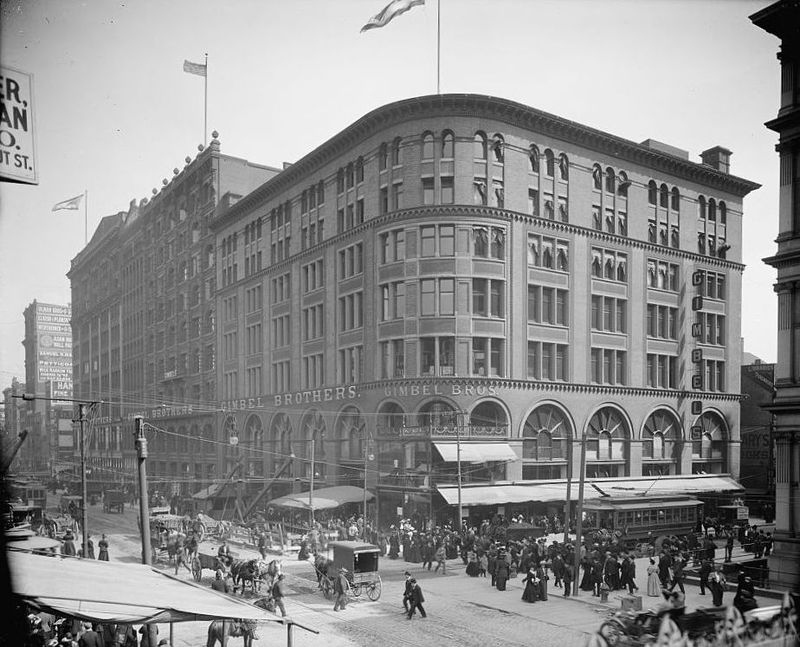
“Does Macy’s tell Gimbels?” was a common saying for years. It meant competitors do not share secrets, and it came straight from one of retail’s fiercest rivalries.
Adam Gimbel opened his first store in Vincennes, Indiana, in 1842. His sons expanded to Milwaukee in 1887 and Philadelphia in 1894, then later to New York.
The New York store sat just a block from Macy’s. The 1947 film Miracle on 34th Street even made the rivalry part of its plot.
Gimbels also started a Thanksgiving parade in Philadelphia in 1920. That makes it older than the Macy’s version.
By 1975, Gimbels stores sold clothing, furniture, cosmetics, and housewares in several major cities.
Financial trouble caught up with the chain in the 1980s. Its New York stores closed in 1986, and the rest shut down by 1987.
6. Marshall Field’s
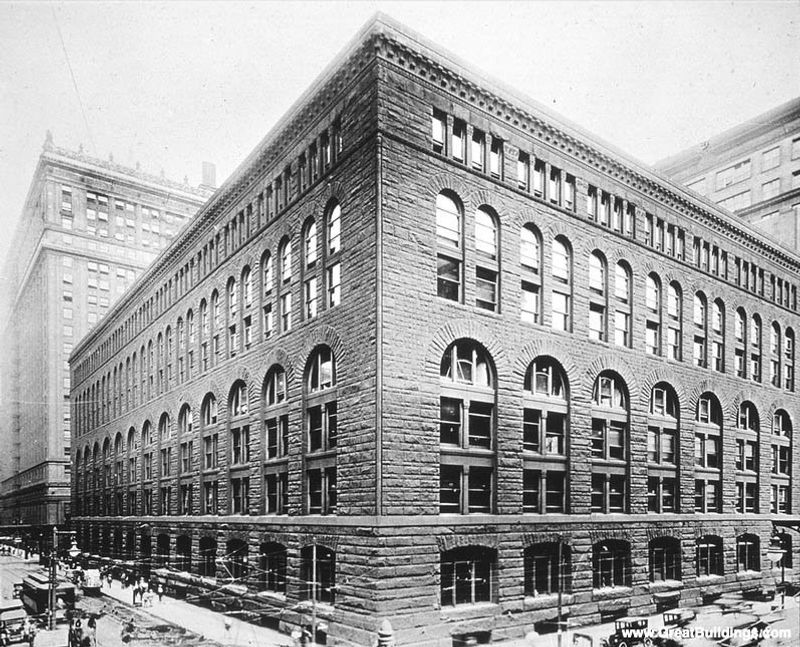
Chicago shoppers had a simple meeting plan for generations. They would say, “Meet me under the clock,” and everyone knew it meant the big clocks outside Marshall Field’s on State Street.
The store dated back to the 1850s and grew into one of the most famous retailers in the Midwest. By 1975, it had suburban branches too.
The Walnut Room restaurant opened in 1907. During December, families waited in long lines to eat lunch beside its giant Christmas tree.
Frango mints were another signature. Boxes of the chocolates became a standard holiday gift across the region.
May Department Stores bought the company in 2004. Federated, the parent of Macy’s, bought May the next year.
The Marshall Field’s name came down in September 2006, and many Chicagoans protested the change. Plenty still use the old name today.
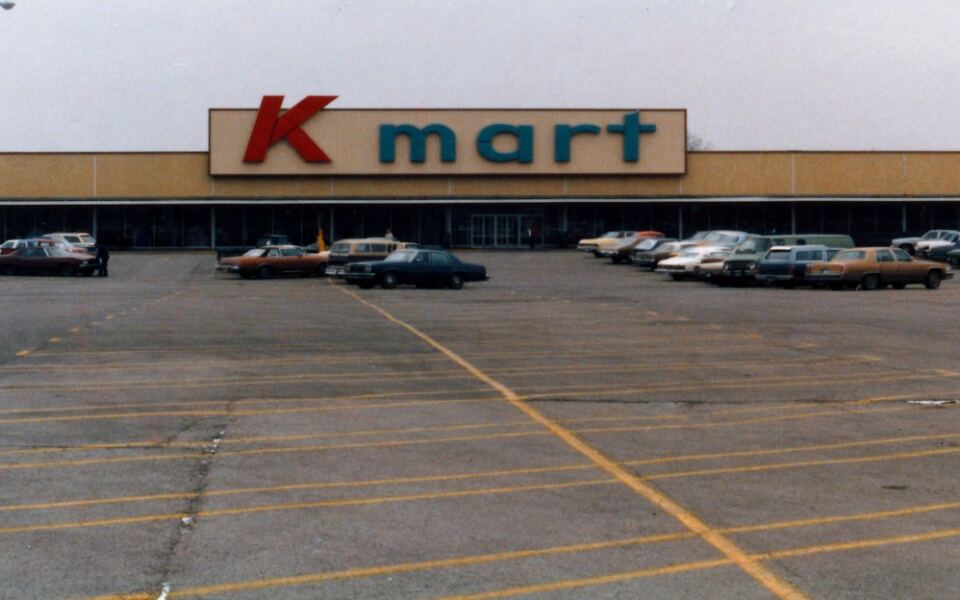
7. Kmart
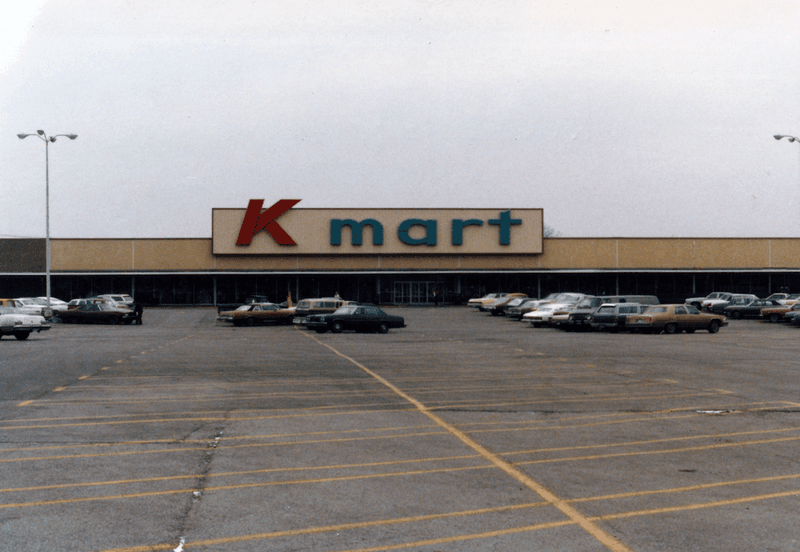
“Attention Kmart shoppers” might be one of the most famous phrases in American retail. When it came over the loudspeaker, people knew a deal was about to start.
The first Kmart opened in 1962 in Garden City, Michigan. Its parent company, S.S.
Kresge, had run dime stores for decades and saw big potential in large discount stores.
The bet paid off quickly. By 1975, Kmart stores were everywhere, selling toys, clothing, electronics, and household basics at low prices.
Blue Light Specials began in 1965. A flashing blue light marked a short sale, and customers rushed to that aisle before it ended.
Many locations also had snack bars serving hot dogs, popcorn, and slushies.
Walmart, Target, and online shopping eventually pushed Kmart aside. Its last full-size store in the continental United States closed in 2024.
8. Filene’s
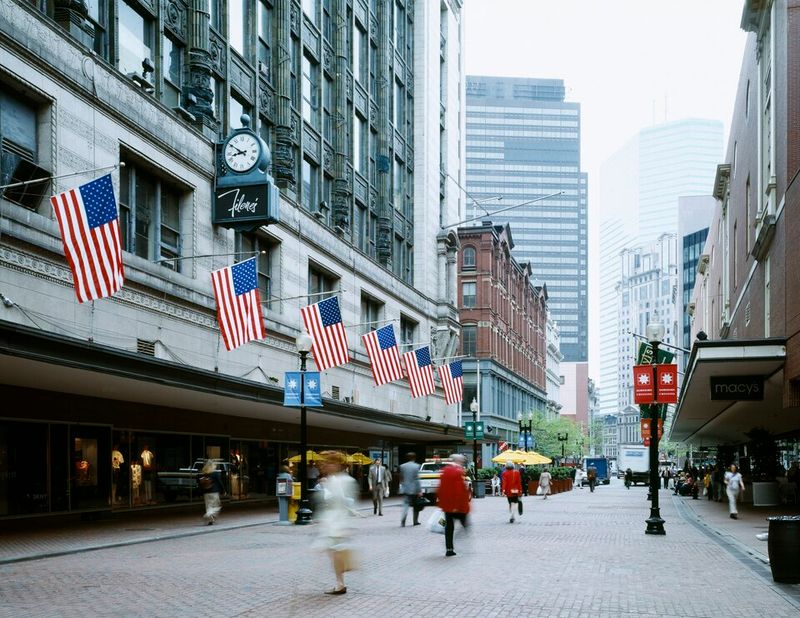
Bargain hunting became a competitive sport in Boston thanks to one downstairs department. Filene’s Basement opened in 1909 and changed how people thought about sales.
Its trick was the automatic markdown system. The longer an item sat unsold, the lower its price dropped, so shoppers had to decide whether to buy now or gamble on waiting.
William Filene founded the main store in 1881. By 1975, Filene’s was a major New England chain selling clothing, cosmetics, and home goods.
The Basement grew so popular that by 1990 it ranked among Boston’s most visited attractions.
Federated spun off the Basement as its own company in 1988. The upstairs Filene’s stores became Macy’s on September 22, 2006.
Filene’s Basement held on a bit longer. The chain filed for bankruptcy in November 2011 and closed its final stores that December.
9. B. Altman and Company
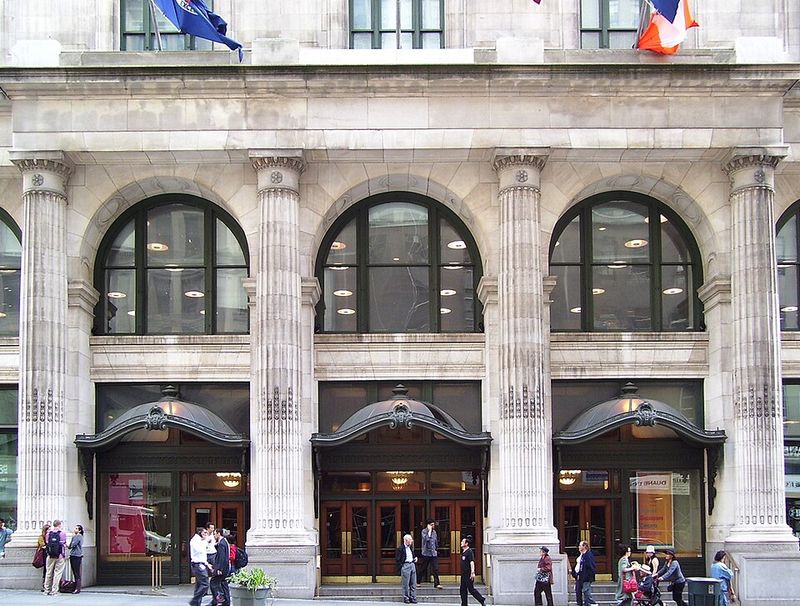
Some stores chased bargains. B.
Altman and Company chased quality, and it did so with real style.
Benjamin Altman founded the business in New York City in 1865. In 1906, he opened a grand flagship on Fifth Avenue at 34th Street, designed in an Italian Renaissance look.
The move was bold, since Fifth Avenue was still mostly mansions back then. Other fancy stores soon followed, helping turn the avenue into a famous shopping street.
Benjamin Altman also collected art. He left many of his paintings to the Metropolitan Museum of Art.
By 1975, the company sold clothing, accessories, home furnishings, and gifts to loyal, well-dressed customers. It also had branches in the suburbs.
Changing tastes and ownership troubles hurt the business. The flagship closed at the end of 1989, and the last stores followed in early 1990.
10. Rich’s
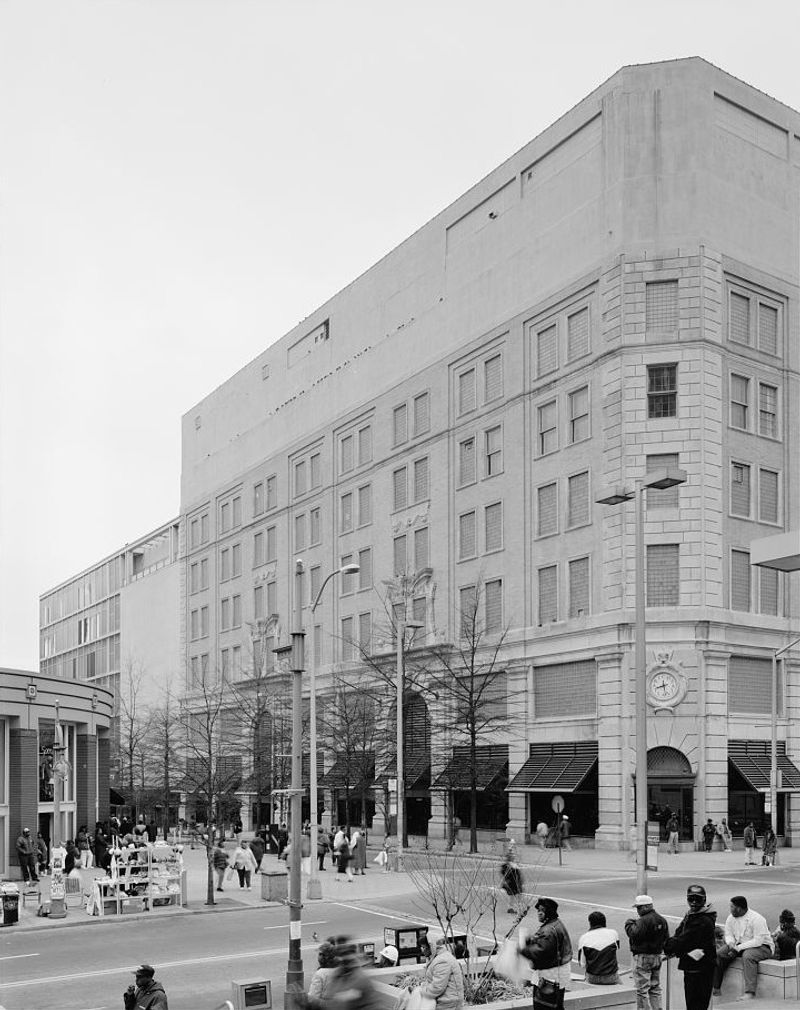
Thanksgiving night in Atlanta came with a tradition all its own. Crowds gathered downtown to watch the Great Tree get lit on top of Rich’s.
The tree lighting began in 1948 and quickly became the city’s biggest holiday event. Choirs performed, and families made the trip year after year.
Morris Rich opened the store in 1867, just after the Civil War. It grew into the leading department store in the Southeast.
Rich’s was known for an easygoing return policy. Customers trusted that the store would make things right.
By 1975, it had branches in suburban malls selling clothing, furniture, and cosmetics. Kids also loved riding the Pink Pig, a small train in the toy department.
Federated eventually owned the chain. In 2005, the Rich’s name was replaced by Macy’s, but the Great Tree tradition continued at other locations.
11. The May Company
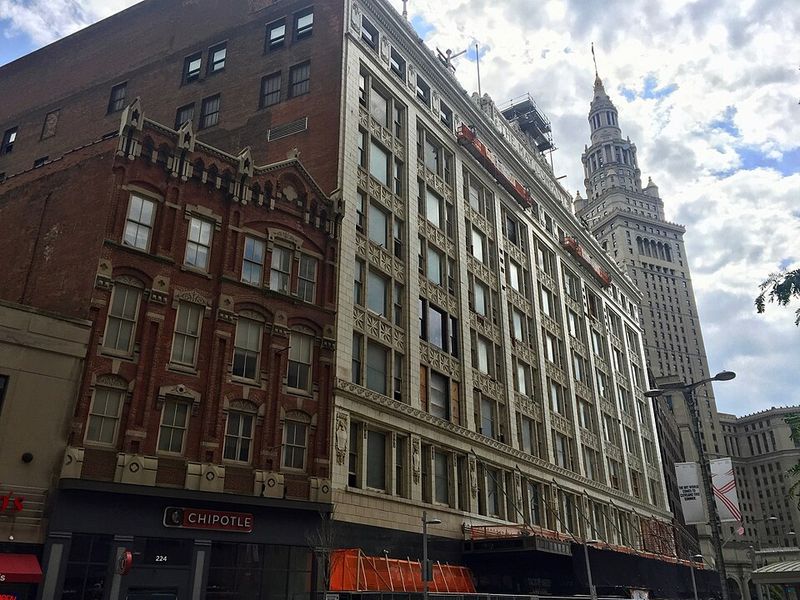
Leadville, Colorado, was a booming silver-mining town in 1877. That is where David May opened a small clothing store that eventually became a retail powerhouse.
The May Company moved its headquarters to St. Louis and kept growing. By 1975, shoppers in Southern California and Cleveland knew the name well.
The Los Angeles store on Wilshire Boulevard is still a landmark. Its gold-tiled corner now houses part of the Academy Museum of Motion Pictures.
May was also a busy buyer of other chains. Over the years, it owned Kaufmann’s, Hecht’s, Filene’s, and Marshall Field’s.
Its stores often anchored new regional malls, which shaped suburban shopping for decades.
The story ended with a huge deal. Federated bought May Department Stores for about 11 billion dollars on August 30, 2005, and most of its stores were renamed Macy’s by 2006.
12. Bonwit Teller
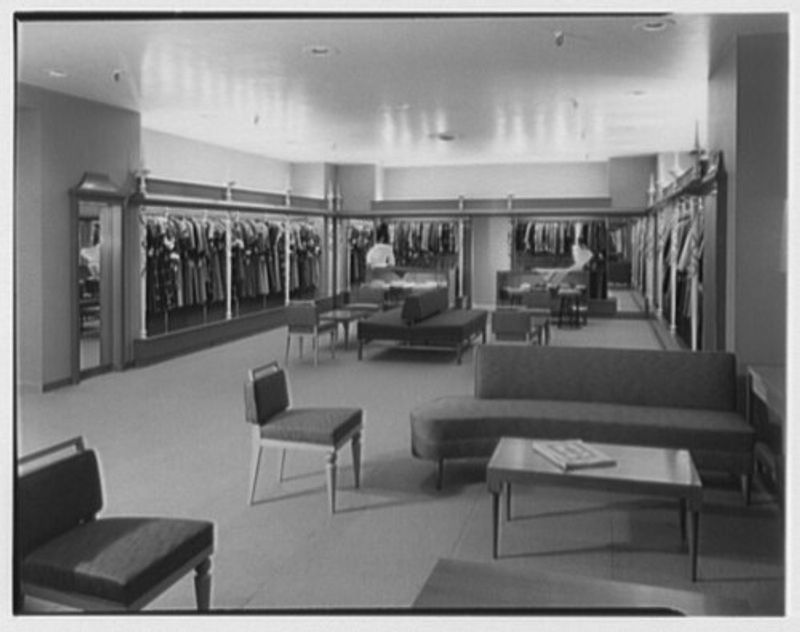
Window shopping became an art form at Bonwit Teller. Young artists, including Andy Warhol, designed displays there before they became famous.
Paul Bonwit opened the store in 1895. Edmund D.
Teller joined in 1897, and the pair built a name in high fashion.
In 1930, the company moved to Fifth Avenue at 56th Street. The location attracted wealthy shoppers who wanted designer clothing and stylish accessories.
By 1975, Bonwit Teller had branches outside New York, yet it kept its upscale image. Its purple violet shopping bags were easy to spot.
Ownership changed hands several times, and money problems grew. In 1980, the flagship building was torn down to make room for a new tower.
The chain itself faded by 1990. For fashion fans who remember 1970s Fifth Avenue, Bonwit Teller remains part of the city’s glamorous shopping past.
13. Lazarus
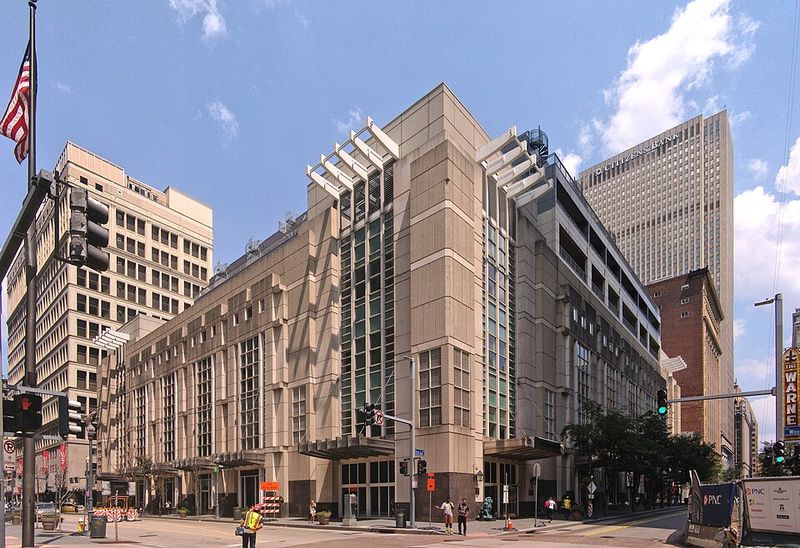
Thanksgiving’s date was partly shaped by a department store executive from Ohio. Fred Lazarus Jr. urged President Franklin Roosevelt to move the holiday earlier in 1939.
His reason was simple. A longer stretch between Thanksgiving and Christmas meant more shopping days, and Congress later fixed the holiday on the fourth Thursday of November in 1941.
Lazarus started as a small clothing shop in Columbus in 1851. Over time, its downtown store grew into a huge regional destination.
Fred Lazarus Jr. also helped build Federated Department Stores, which later owned Macy’s.
By 1975, Lazarus had stores across central Ohio and beyond. Its holiday windows and Santa visits drew families downtown each December.
In 2005, the Lazarus name was retired, and stores became Macy’s. The old flagship building now holds offices, but many Ohioans still remember shopping there.
14. Macy’s
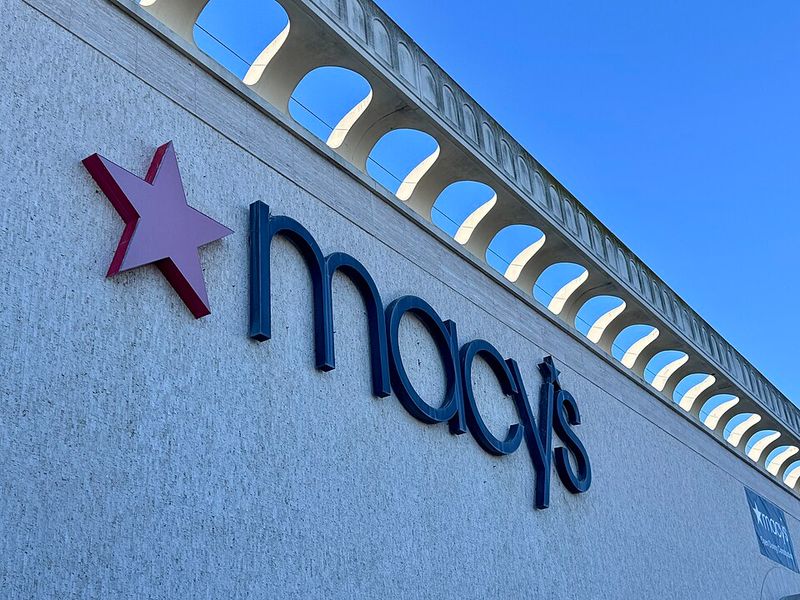
Plenty of Americans in 1975 had never shopped at Macy’s, yet almost all of them knew the name. Credit goes to a certain parade with giant balloons.
Rowland Hussey Macy founded the store in 1858. Its Herald Square flagship in New York City became one of the largest stores in the world.
The famous parade first marched in 1924. Today, millions watch it on television every Thanksgiving morning.
In the 1970s, Macy’s was not yet a nationwide chain. It ran regional divisions in places like New York, California, and Atlanta.
Things changed after Federated Department Stores bought Macy’s in 1994. Over the following years, dozens of beloved regional stores were renamed Macy’s.
That is why several other names on this list ended up with red star signs. Macy’s still operates today, though it has closed many locations recently.
Share this story